
New Dawn – World's Most Unusual Magazine

Author: Peter Dingle

  • Increasing Your Life Expectancy: Modern Medicine’s Impact on the Extension of Life

    Increasing Your Life Expectancy: Modern Medicine’s Impact on the Extension of Life

    All too often, we hear that the reason life expectancy has been increased is thanks to the marvellous developments in modern medicine. This is a message that is repeated many times and promoted by the medical industry – with little or no evidence.

    In fact, the opposite may be the truth. A combination of not understanding the concept of life expectancy, ignoring scientific facts, plus a willingness to take credit when it is not due has seen the medical industry promote itself as the reason we live longer. Behind the scenes, this is little more than a marketing strategy for the big pharmaceutical companies.

    Don’t get me wrong; this does not undermine the fantastic role medical doctors play in acute life-saving events. These make a huge contribution to an individual’s life expectancy but make an insignificant contribution to life expectancy for all of us.

    The overemphasis of modern medicine on the pharmaceutical model and “silver bullet” approach has led to a disempowerment of individuals over their own health during the past few decades, during which we have seen a huge rise in chronic illness. The more specialists and the bigger the medical budget, the poorer the health of the public.

    Let’s take an example: the US uses 50% of the world’s pharmaceuticals and spends more per person on medicine than any other nation, yet has one of the poorest health outcomes in the developed world.

    Modern medicine tends to focus on prescriptive treatment of disease, rather than health promotion, prevention and management.1,2 It is likely that everyday medical care provides little contribution to increased life expectancy of a population.3,4

    Gains in life expectancy worldwide have been greater during lastcentury than at any other time in recorded history.5,6 Statistical analyses show that since the early 1800s life expectancy at birth has seen a linear rate of increase.7

    Within this time, it has been human advances in sanitation, increased food supply, improved access to water, and basic preventative medicine that have helped drive these steady increases in the developed world – not pharmaceuticals. The majority of life expectancy gains were made before pharmaceuticals to treat heart attack, stroke and other forms of chronic illness were even developed.

    However, it is important to understand the concept of life expectancy. It is the average number of years of life remaining at a given age for a selected population. Life expectancy at birth is commonly used as the main indicator of human health and well-being. It is said to give an indication of the overall mortality of a population.5 However, it is a poor indicator of population health.8

    Life expectancy is poorly understood. Most people think it is increasing the age to which they can live; for example, people at 50 think that they are going to live longer because of an increase in life expectancy. This is not the case. Life expectancy is a statistical anomaly, which takes the average of the age of a person’s death. It includes everyone: infants, children, teenagers right through to those in their old age. This means that if the rates of infant mortality are reduced, the average life expectancy is dramatically increased overall.

    A simple example will highlight this. If 50% of the population died before one year of age and 50% of the population died at 80 years of age, the average age of life expectancy is around 40 years even though 50% lived to 80 years of age. If you eliminate the infant mortality the life expectancy goes up to 80 years of age. This does not mean people are living longer, they are still dying at 80 years of age but the statistical average, the “life expectancy,” has increased.

    This reduction of child mortality skews the life expectancy.9 Statistical analysis has revealed that the trends in cohort geriatric mortality follow those of reducing childhood mortality.10 This means that benefits from improvements in mortality rates of younger generations provide a false impression of the benefits to older generations. Furthermore, life expectancy at birth can only predict life expectancy with 95% confidence to within a fourteen-year range.9

    That is, we may live to 80 years of age plus or minus 14 years. Therefore it cannot be trusted as a reliable base to measure contribution of health interventions for whole population life expectancy. Reduced child mortality positively skews life expectancy statistics and gives the misconception of increased population lifespan.11,9,6

    To highlight the problems with this approach even further, the high rate of infant mortality in the 1900s was a result of the advent of pathological anatomy in the 1820s, and consequently the increase in number of conducted autopsies, is correlated to the incidence of fatal childbed fever. The decline in the 1840s and 1850s was a result of hygiene practices that the medical profession battled against for two decades. Why did it take so long?

    Research now also shows the supply of doctors has an insignificant relationship within infant mortality,11 that is, the number of doctors has no bearing on infant mortality rates. This becomes apparent when you look at non-medical home birthing rates in the Netherlands of up to 30% and 1% in Australia and the two countries have virtually identical infant mortality rates. But we have significantly higher wheeze, asthma, allergies and eczema, which are associated with interventionist births, in Australia.

    Life expectancy at birth does not provide adequate information as to the health or morbidity of a population prior to death.5,9 Better statistical analyses should be used that incorporate both morbidity and mortality measurements of population health. That is, continued increases in life expectancy in the future should only be considered worthwhile if accompanied by longer periods of good health.12 More consistent measures like the “potential years of life lost” should be used.9

    Modern medicine tends to focus on prescriptive treatment of disease rather than preventative avoidance and health management.13 We need to re-establish the balance between disease prevention for a population, as opposed to only treating consequences of disease to prolong individual life.14

    Billions of dollars are spentinventing and testing new drugs that only marginally extendthe benefits of those they replace, instead of using existing resourcesto better deliver effective services.15 Despite the billions of dollars spent, there is no population-based data to allow the direct connection of prescriptive medical care to the extension of life.4 In fact, numerous studies have shown the opposite.

    A major Australian study found an association between increasing mortality and an increase in the doctor supply,11 which is attributed to increasing adversities or complications caused by or resulting from medical treatment within society.11 This is known as autogenesis and has been the subject of much study. Depending upon how one uses statistics, autogenesis is now considered either first, second or third in comparison to cancer and cardiovascular rates. It is one of the biggest killers; most iatrogenic deaths are due to undesired effects of drugs when taken at a normal dose. In Australia alone, thousands of people die prematurely every year as a result of prescription drugs.

    There is no evidence to link increased medical spending and health outcomes, with many lower-spending nations such as Cuba tending to have better outcomes than higher-spending nations such as America.16 It is fascinating to consider that despite having one of the lowest doctor-to-patient ratios in the developed world, Okinawans and the Seventh Day Adventists living in California can expect one of the highest life expectancies.17

    Modern medicine cannot be given credit for increasing life expectancy at birth. Theory suggests that with increasing doctor supply, a population becomes increasingly dependent on their services to maintain health and ultimately neglects the more important lifestyle factors that contribute to longer, healthier life.18

    To the peril of preventative health care, there is often more short-term political capital to be gained from the construction of hospitals and investments in curative technology than from alleviating the causes of ill health.16,17

    With obesity and heart disease emerging as leading causes of mortality in the developed world, we must ask where life expectancy is headed in the future and give more political weight to preventative care. Theories of a time lag effect suggest a possible regression of life expectancy in the future, even with better health outcomes during infancy, which may very well be a result of contemporary approaches to healthcare.19,20

    Nowadays few people are ignorant of the dangers of smoking, drug and alcohol misuse, driving while intoxicated, risky sexual behaviour, fatty diets and so on.16 Reduction in these contributors to premature mortality must be considered significant for life expectancy gains.11 The cost of smoking cessation to save a life, not to mention the reduction in suffering and morbidity, is in the hundreds to a few thousand dollars per person21 and a recent Australian study reported favourable cost-effectiveness for smoking interventions, physicalactivity interventions and multiple behaviour interventionsin high-risk groups.22

    Okinawa, Japan boasts one of the longest life expectancies for its population in the world.23,17 There are also a significantly large population of centenarians living within the region.1 Despite being one of the poorest regions in Japan and being the bottom ranked in socioeconomic indicators for the country, Okinawa ranks at the top for its populations health and life expectancy.24 Okinawan people tend to live long and, most importantly, healthy lives. This is attributed to diet, high levels of physical activity, and strong cultural values that include good stress-coping abilities.17

    It just so happens that Okinawa culture embraces Hara Hachi Bu, which means to eat only until 80% full.25 Caloric restriction is the only consistently reproducible experimental means of extending mean and maximum lifespan. Laboratory experiments show markedly decreased morbidity in laboratory mammals that are fed to only 80% full.25,26 Much of the developed world stands to learn from this, as obesity linked to poor eating habits is an ever-increasing epidemic.

    Studies on populations with Okinawan ancestry living in Hawaii have supported claims that epigenetics are more influential to longevity than genetics.24 That is, Okinawans who leave the island do not live as long as those who live on the island. Furthermore, studies on the oldest living natural population in the world, the Seventh Day Adventists living in California, support these findings.12

    Any gains in life expectancy have to be seen in the context of the healthy habits in which a population engages. Those living longer – 80 years or more – right now were born in the 1920s and 1930s. They developed healthy eating and lifestyle habits that many of them still practice. It is unlikely that the next generation will enjoy these longer and healthier years due to poor habits.

    Our reliance on doctors and prescription medicine to ensure population longevity appears to be very narrow in light of its historical contribution to health. Starting down the right path with appropriatenutrition and lifestyle are important componentsof healthy aging and increasing your life expectancy.

    Acknowledgements: Thanks to Sean Allen for contributing to the research in this article.

    Professor Peter Dingle’s book on the truth about cholesterol and cholesterol lowering medication, The Great Cholesterol Deception, is available from all good bookstores or order at www.drdingle.com.

    [alert type=”general” dismiss=”no”]This article was published in New Dawn 125.[/alert]

    [alert type=”success” dismiss=”no”]If you appreciate this article, please consider a contribution to help maintain this website.[/alert]

    FOOTNOTES

    1. Raskin and Ripoll 2004
    2. Riley 2001
    3. Kamerow 2007
    4. Bunker 2001
    5. Michaud 2001
    6. Yin et al. 1985
    7. Oeppen and Vaupel 2002
    8. Robine 1999
    9. Murray 1988
    10. Cramming 2006
    11. Richarson and Peacock 2003
    12. Fraser 2001
    13. Riley 2001
    14. Dyer 2002
    15. Kamerow 2007
    16. Hunter 2003
    17. WHO 2008
    18. Illich 1975
    19. Terry et al. 2008
    20. Olshansky 2005
    21. Cummings et al. 1987
    22. Gordon et al 2007
    23. Oeppen and Vaupel 2002
    24. Cockerham 2008
    25. Willcox et al. 2006
    26. Bryant 2004
    Steven R. Cummings, MD; Susan M. Rubin, MPH; Gerry Oster, The Cost-effectiveness of Counseling Smokers to Quit. JAMA. 1989;261(1):75-79.
    Gordon L, N. Graves ,A. Hawkes, and E. Eakin A review of the cost-effectiveness of face-to-face behavioural interventions for smoking, physical activity, diet and alcohol. Chronic Illness, Vol. 3, No. 2, 101-129 (2007)
    Aaron, S, Ferguson, D. 2008. Exaggeration of treatment benefits using the “event-based” number needed to treat. Canadian medical association journal (Online) Vol 179, iss. 7, accessed: 12/01/09 via Google Scholar.
    Australian Institute of Health and Welfare, 2008. Australia’s national agency for health and welfare statistics and information, Australian Government http://www.aihw.gov.au/
    Bryant, R, 2004. Live longer: cut calories, exercise more. Dermatology Times: Clarifying Cosmetic Dermatology, International journal of epidemiology (Online) Vol 25, accessed : 09/12/09 via ProQuest.
    Bunker, J, 2001. The role of health care in contributing to health improvements within societies, International epidemiological association, (Online) Vol 30, accessed : 12/01/09 via Oxford Journals Online.
    Cockerham, W, Yamori, Y, 2008. Okinawa: an exception to the social gradient of life expectancy in Japan, (Online), accessed: 09/12/09 via Google Scholar.
    Crimmins, E, Finch, C, 2006. Commentary: Do older men and women gain equally from improving childhood conditions?, (Online) Vol. 35, accessed: 12/01/09 via Google Scholar.
    Dyer, O, 2002. Simple measures could increase life expectancy by 5-10 years. British Medical Journal (Online) Vol. 985, iss. 325, accessed: 17/01/09 via ProQuest.
    Fogel, W, 2004. The escape from hunger and premature death, 1700-2100. Europe America and the third world. University of Chicago, Cambridge University Press, New York.
    Fraser, G, Shavlik, D, 2001. ten years of life, is it a matter of choice?, (Online) Vol. 161, accessed: 11/01/09 via Google scholar.
    Halvorsen, P, Selmer, R, Kristiansen, I, 2007. Different Ways to Describe the Benefits of Risk-Reducing Treatments: A Randomized Trial. Annals of Internal Medicine, Vol. 12, 848-856, accessed: 19/01/09 via ProQuest.
    Hunter, D, 2003. Public health policy, Blackwell publishing, Oxford, UK.
    Illich, 1975. Medical Nemesis, Calder and Boyars, London. (Online Book) Vol. 161, accessed: 11/01/09 via Google scholar.
    Kamerow, D, 2007. Today’s doctor’s dilemma. British Medical Journal, Vol. 12, 848-856, accessed: 19/01/09 via Oxford Journals Online.
    Lubson, J, Hoes, A, Grobbee, D, 2000. Implications of trial results: The potentially misleading notions of number, (Online) Vol. 356, accessed: 04/01/09 via Google scholar.
    Martien, P, 2007. Who wants to live forever? Three arguments against extending the human lifespan. Journal of Medical Ethics (Online) Vol. 585, Iss. 33 accessed: 09/12/09 via ProQuest.
    Murray, C, 1988. The Infant Mortality Rate, Life Expectancy at Birth, and a Linear Index of Mortality as Measures of General Health Status, International Journal of Epidemiology (Online) Vol. 17, Iss. 1 accessed: 09/12/09 via ProQuest.
    Michaud, C, Murray, C, Bloom, B, 2001.Burden of Disease – Implications for Future Research, Vol. 285, accessed: 07/01/09 via Oxford Journals Online.
    Nakaji, S, Domhnall, M, O’Neill, S, McNally, O, Baxter, D, Sugawara, K, 2003.
    Life expectancies in the United Kingdom and Japan, Journal of Public Health Medicine (Online) Vol. 25, Iss. 2 accessed: 15/12/09 via ProQuest.
    Oeppen, J, Vaupel, J, 2002. Broken limits to life expectancy, Academic research library, Vol 296. accessed: 15/12/09 via Sciencemag.
    Olshansky, J, Passaro, J, Hershow, R, Layden, J, Carnes, B, Brody, J; Hayflick, L Butler, R, Allison, Ludwig, D, 2005. A Potential Decline in Life Expectancy in the United States in the 21st Century. Obstetrical & Gynecological Survey. Vol. 60 Iss. 7, accessed: 09/01/09 via Oxford Journals Online.
    Raskin, I, Ripoll, C, 2004. Can an Apple a Day Keep the Doctor Away? Current Pharmaceutical Design (Online) Vol. 27, Iss. 10 accessed: 09/12/09 via ProQuest.
    Richarson, J, Peacock, S, 2003. Will More Doctors Increase or Decrease Death Rates?, An econometric analysis of Australian mortality statistics, Centre for health programme evaluation, Working paper 137, Monash University, Australia.
    Riley, J, 2001. Rising life expectancy: a global history, Cambridge University Press, New York, (Online book) accessed : 20/12/08 via Google Scholar.
    Robine, J, Romieu, I, Cambois, E, 1999. Health expectancy indicators, World Health Organization, Bulletin of the World Health Organization, (Online) Vol 77, Iss 2 accessed : 11/01/09 via Google Scholar.
    WHO, 1999. Making a difference, World Health Report, World Health Organisation, http://www.who.int/whr/1999/en/index.html
    WHO 2002. Reducing risks, promoting healthy life. World Health Report, World Health Organisation,http://www.who.int/whr/2002/chapter1/en/index.html
    WHO 2008. Statitstical information system. World Health Organisation, http://www.who.int/whosis/data/Search.jsp
    Willcox, C, Willcox, B, Hidemi, T, Curb, D, Suzuki, M, 2006. Caloric restriction and human longevity: what can we learn from the Okinawans? (Online) accessed: 15/12/09 via ProQuest.
    Yin, P, Shine M, 1985. Misinterpretations of Increases in Life Expectancy in Gerontology Textbooks, The Cerontological Society of America (Online) Vol. 25, Iss.1 accessed : 15/12/09 via ProQuest.

    © New Dawn Magazine and the respective author.
    For our reproduction notice, click here.
  • The Great  Cholesterol Deception

    The Great Cholesterol Deception

    From New Dawn 123 (Nov-Dec 2010)

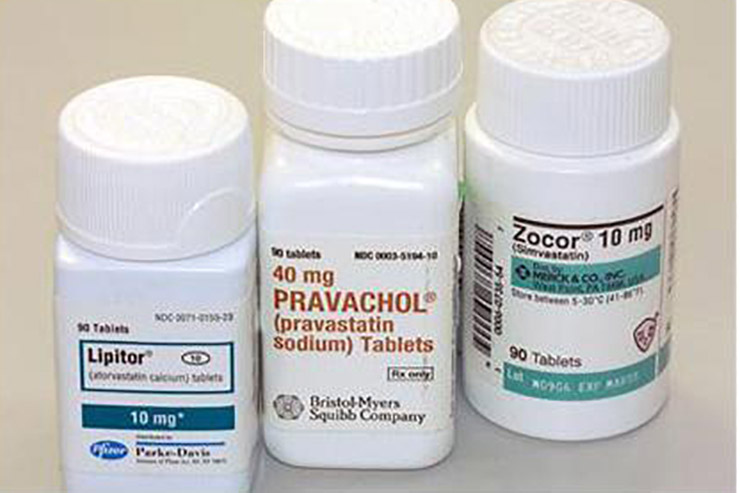
    Millions of Australians are prescribed cholesterol-lowering drugs – statins like Pravachol®, Zocor® and Lipitor® – each year at a cost of more than $1 billion dollars with very little, if any, benefit. In the US, some 40 million people currently take statins at a cost of more than $3.00 per pill, more than $1,000 per year, totalling more than $40 billion a year.

    While there are many exaggerated claims and a lot of hype about the benefits of statins, there are also many studies showing no benefits at all. The pro-statin hype is based on the misuse and abuse of statistics.

    Various independent studies in prestigious, peer-reviewed journals have shown that statin use in primary prevention – that is, to save lives – has minimal or no value in reducing mortality and certainly nothing that is considered anywhere near clinically significant to warrant their widespread use. It does not matter how one manipulates the statistics, the results just aren’t there.

    In data gathered in 2009 from six trials, a review of the efficacy in lowering the risk of death with statins found virtually no difference between the treatment group and the control group.1 There are many more of these studies.

    In an independent meta-analysis (when a number of studies are put together to achieve more statistical power) of randomised controlled trials in patients without CVD, statin therapy decreased the incidence of major coronary and cerebrovascular events and revascularisations but not coronary heart disease or overall mortality.2

    Taking statins for a number of years will not reduce mortality: “Primary prevention with statins provides only small and clinically hardly relevant improvement of cardiovascular morbidity/mortality.”3 “Hardly relevant” means there is virtually no clinical benefit; as the authors of these particular studies are independent, they gain nothing by stating this.

    Another review found that “current clinical evidence does not demonstrate that titrating lipid therapy (trying to lower cholesterol with statins) to achieve proposed low LDL cholesterol levels is beneficial or safe.”4 In other words, lowering lipids has no real benefit and has the potential for adverse effects.

    Following up on this, in a major independent review of studies funded by the Ministry of Health of British Columbia (Canada) on statins and primary prevention, researchers reported that “statins have not been shown to provide an overall health benefit in primary prevention trials.”5 This is a government report carried out by an independent university yet its findings are still ignored.

    The problem really comes down to vested interests and the abuse of statistics. To overcome the limitations of small studies, vested parties combine many studies into a meta-analysis. The researchers themselves select the studies used in the meta-analysis. A fundamental problem is that researchers with direct links to drug companies have the authority to select the most positive studies and ignore the rest – including independent studies not funded by pharmaceutical companies. Despite this, they have still not been able to show any clinically significant findings.

    As readers of the scientific journals, we should not be confused between statistical significance and clinical significance. For an outcome to be “statistically significant” means that the outcome was likely a result of the treatment – whether the result was 100% effective or less than 0.1% effective. That is, if you treat 1,000 people to save one life (0.1%) it may be statistically significant but it is not clinically significant. “Clinical significance” means 20% to 30% or more. The drug companies’ most positive studies on statins for prevention of CVD report statistical significance, mostly 1% or less, and none have found any clinical significance.

    Busy medical professionals don’t have time to review the statistics; few of them may be aware of the different ways the statistics are manipulated. So if the experienced professionals don’t understand the results of these studies, how do we expect the media or public to understand?

    More Deception

    The studies on statins also report “relative risk,” not “absolute risk” or “real risk.” The relative risk reduction is highly misleading6,7,8,9,10if not deceptive. An example of relative risk is: if you have four people in a study who die in the placebo group (no drug) compared to three people who die in the drug treatment group – that is, four were expected to die but with the drug only three did – then there is a 25% relative risk reduction. However, to get this effect of saving one life you would have to treat 1,000 people and the real risk reduction is 0.1%. Relative risk is like adding 1+1 to get 11 or 2+5 to get 25 or more. How can the pharmaceutical companies and the researchers working for them get away with this? This is probably because (at least in my experience) most people are afraid of statistics.

    In studies by the Medical Research Council dating back to the late 1980s, researchers found that of 1,000 men ranging in age from 35 to 64 who received treatment for mild hypertension over five years, there were six fewer strokes and two fewer cardiovascular events than would be expected.11,12 The real risk reduction over five years was 0.9%.

    Ten years later, a study of Pravachol® was released in the media, with much fanfare, as having a 22% drop (relative risk, not real risk) in mortality. However, when one looks at the numbers and statistics behind the calculations, treating 1,000 middle-aged men who had hypercholesterolemia (high cholesterol) and no evidence of a previous myocardial infarction with pravastatin for five years resulted in seven fewer deaths from cardiovascular causes, and two fewer deaths from other causes than would be expected in the absence of treatment.13 The real risk reduction, however, was a mere 0.9%, less than 1% or nine lives out of 1,000 when treated for five years. The research was sponsored by Bristol-Myers Squibb Pharmaceutical (West of Scotland Coronary Prevention Study).

    Conservatively, put another way, researchers treated 1,000 people for five years at a total cost of over $5 million to save seven people from CVD. One might wish to compare this to the cost and efficacy of adopting healthy lifestyle choices.

    In the Heart Protection Study in the United Kingdom, more than 20,000 participants aged 40 to 80 years with high risk of cardiovascular disease but average-to-low levels of total cholesterol and LDL cholesterol were treated with 40mg daily of simvastatin (marketed under several trade names including Zocor). Of 20,500+ study participants, 577 on statins died from a heart attack, 701 not treated died from a heart attack. That is a 25% relative risk reduction over five years.14 Sounds good, doesn’t it? The real percentage improvement is actually 1.7%. Over the five-year study, they saved 25 people per year in a high-risk population with previous cerebrovascular disease, peripheral artery disease, renal impairment or diabetes. These are seriously ill people and the researchers still achieved a benefit of only 1.7%. Researchers neglected to mention that around 30,000 people were not allowed in or dropped from the study and not counted in the percentage of people with side effects. There were 10,269 people on statins and 10,267 people on a placebo.15

    A study of 90,056 participants combining 14 randomised trials looked at the best outcome for people who had pre-existing conditions: 47% had pre-existing chronic heart disease, 21% had a history of diabetes and 55% a history of hypertension. The death rate was 8.5% among the statin group compared to 9.7% in the control group. This difference represents 1.2%.16

    The well-known JUPITER study compared a placebo group to a statin-taking group. The study found that there were 68 heart attacks in the placebo group and 31 heart attacks in the drug treatment group – a 58% relative risk reduction. There were 64 strokes in the placebo group, compared to 33 strokes in the treatment group, a relative risk reduction of 48%.17Sounds good, doesn’t it? However, the drug treatment group had 8,901 participants in it. In real terms, the heart attack risk went from a very low 0.76% to 0.35% and the risk of stroke went from 0.72% to 0.37%.

    Effectively, if you treat 300 people with expensive and dangerous drugs you might save one life. Under the best possible scenario, the real risk reduction was well under one half of one percent. The real risk reduction of consuming a handful of raw mixed nuts is much higher. It is interesting to note that one of the risk factors used to select the participants in the study was C-Reactive Protein (CRP) an indicator of inflammation, the real cause of CVD.

    In an independent assessment of the same statistics in 2010 titled “Cholesterol Lowering, Cardiovascular Diseases, and the Rosuvastatin-JUPITER Controversy. A Critical Reappraisal” by Michel de Lorgeril and her 8 colleagues found that “the JUPITER Study” was severely flawed.18 This recent analysis did a careful and independent review of both results and methods used in the JUPITER Study and reported that the “trial was flawed.”

    In an unprecedented attack on the study they (scientists other than myself usually don’t say boo even when it is serious) stated that, “The possibility that bias entered the trial is particularly concerning because of the strong commercial interest in the study.” In other words, the big pharmaceutical money influenced the study. And concluded, “The results of the trial do not support the use of statin treatment for primary prevention of cardiovascular diseases and raise troubling questions concerning the role of commercial sponsors.”

    This is a scathing attack in scientific terms of the earlier drug company sponsored study. Scientist do not go out of their way to create waves but these ones have not just found different results but also criticised the earlier studies link with pharmaceutical industry. It highlights not only that the studies don’t show any significant results but these studies and the education of our doctors is strongly influenced by the drug companies.19

    More recently, a study reported in the BMJ was a meta-analysis of 10 randomised clinical trials of about 70,000 people followed for an average of four years.20 In these trials, people with risk factors for cardiovascular disease but no history of existing disease were randomised to receive statins or no treatment. The relative risk reduction was 12% for total mortality, 30% for coronary event and 19% for a cerebrovascular event (stroke). However, the real risk reduction was 0.6%, 1.3% and 0.4% respectively. The actual number needed to treat to save one life was 167. Despite this outcome the authors of the study concluded, “In patients without established cardiovascular disease but with cardiovascular risk factors, statin use was associated with significantly (statistical not clinical) improved survival and large (statistical) reductions in the risk of major cardiovascular events.” (emphasis added.).

    In fact, the authors had significant associations with the drug companies and failed to mention it was statistically significant but not clinically significant. Again, busy medical professionals tend to read only the abstracts; claims like this are pretty convincing, though very misleading.

    More telling however, is the latest findings in June 2010 where two major independent studies, one the re-analysis of the Jupiter Study reported above and the other “A Meta-analysis of 11 Randomised Controlled Trials Involving 65,229 Participants” (don’t worry about the title) by Ray Kausik and 6 other independent researchers. The study, wait for it, found the use of statins in high-risk individuals was not associated with a statistically significant reduction in mortality. That is, they don’t save lives. Their data combined from 11 studies with 65,229 participants followed for approximately 244,000 person-years, a very big study, reported that this “meta-analysis did not find evidence for the benefit of statin therapy on all-cause mortality in a high-risk primary prevention set-up.” In other words they don’t save lives even in a high risk group. Even if you have all the elevated risk factors these drugs don’t work.

    How many more studies to we need to do to show these drugs don’t work?

    Professor Peter Dingle’s book on the truth about cholesterol and cholesterol lowering medication, The Great Cholesterol Deception, is available. To order, visit www.drdingle.com.

    [alert type=”general” dismiss=”no”]This article was published in New Dawn 123.[/alert]

    [alert type=”success” dismiss=”no”]If you appreciate this article, please consider subscribing to help maintain this website.[/alert]

    Footnotes

    1 Bartolucci, A.A., S. Bae, et al. (2009). A Bayesian meta-analysis approach to address the effectiveness of statins in preventing death after an initial myocardial infarction. 18th World IMACS/MODSIM Congress. Cairns, Australia. 2009. Cairns, Australia. http://mssanz.org.au/modsim09
    2 Thavendiranathan, P., A. Bagai, et al. (2006). “Primary prevention of cardiovascular diseases with statin therapy: A meta-analysis of randomized controlled trials.” Archives of Internal Medicine 166: 2307-2313.
    3 Vrecer, M., S. Turk, et al. (2003). “Use of statins in primary and secondary prevention of coronary heart disease and ischemic stroke. Meta-analysis of randomized trials.” International Journal of Clinical Pharmacology and Therapeutics 41(12): 567-577. M.Turk, S.Drinovec, J.Mrhar, A.International Journal of Clinical Pharmacology and Therapeutics. International Journal of Clinical Pharmacology and Therapeutics 567-57741122003
    4 Hayward, R.A., T.P. Hofer, et al. (2006). “Narrative review: Lack of evidence for recommended low-density lipoprotein treatment targets: A solvable problem.” Annals of Internal Medicine 145(7): 520-530.
    5 University of British Columbia (2003). “Do statins have a role in primary prevention? A review by the Therapeutics Initiative of the Department of Pharmacology & Therapeutics of the University of British Columbia.” Therapeutics Letter (48).
    6 Fidan, D., B. Unal, et al. (2007). “Economic analysis of treatments reducing coronary heart disease mortality in England and Wales, 2000–2010.” QJM 100: 277-289.
    7 Franco, O.H., A. Peeters, et al. (2005). “Cost effectiveness of statins in coronary heart disease.” Journal of Epidemiology and Community Health 59: 927-933. O.H.
    8 Franco, O.H., E.W. Steyerberg, et al. (2006). “Effectiveness calculation in economic analysis: the case of statins for cardiovascular disease prevention.” Journal of Epidemiology & Community Health 60: 839-845.
    9 Capewell, S. (2008). “Will screening individuals at high risk of cardiovascular events deliver large benefits? No.” British Medical Journal 337: a1395. S. British Medical Journal Capewell200816161617
    10 Nuovo, J., J. Melnikow, et al. (2002). “Reporting number needed to treat and absolute risk reduction in randomized controlled trials.” Journal of American Medical Association 287: 2813-2814.
    11 Medical Research Council Working Party (1985). “MRC trial of treatment of mild hypertension: principal results.” British Medical Journal 291: 97-104.
    12 Miall, W.E. and G. Greenberg (1987). Mild Hypertension: Is There Pressure to Treat? An account of the MRC trial. New York, Cambridge University Press.
    13 Shepherd, J., S.M. Cobbe, et al. (1996). “Prevention of coronary heart disease with Pravastatin in men with hypercholesterolemia.” New England Journal of Medicine 333: 1301-1307. P.W.McKillop, J.H.Packard, C.J.New England Journal of Medicine. New England Journal of Medicine 1301-13073331996
    14 Heart Protection Study Collaborative Group (2002). “MRC/BHF Heart Protection Study of cholesterol lowering with simvastatin in 20,536 high-risk individuals: A randomised placebo-controlled trial.” Lancet 360: 7-22.
    15 Ibid.
    16 Cholesterol Treatment Trialists’ Collaborators, C. Baigent, et al. (2005). “Efficacy and safety of cholesterol lowering treatment: Prospective meta-analysis of data from 90,056 participants in 14 randomised trials of statins.” Lancet 366: 1267-1278. L.Buck, G.Pollicino, C.Kirby, A.Sourjina, T.Peto, R.Collins, R.Simes, R.Lancet, Lancet 1267-12783662005
    17 Ridker, P.M., E. Danielson, et al. (2008). “Rosuvastatin to prevent vascular events in men and women with elevated C-reactive protein.” New England Journal of Medicine 359(21): 2195-2207. J.G.Nordestgaard, B.G.Shepherd, J.Willerson, J.T.Glynn, R.J.JUPITER Study Group, New England Journal of Medicine 2195-2207359212008
    18 Ray, K.K., S.R.K. Seshasai, et al. (2010). “Statins and all-cause mortality in high-risk primary prevention: A meta-analysis of 11 randomized controlled trials involving 65 229 participants.” Archives of Internal Medicine 170(12): 1024-1031.
    19 de Lorgeril, M., P. Salen, et al. (2010). “Cholesterol lowering, cardiovascular diseases, and the Rosuvastatin-JUPITER controversy: A critical reappraisal.” Archives of Internal Medicine 170(12): 1032-1036.
    20 Brugts, J.J., T. Yetgin, et al. (2009). “The benefits of statins in people without established cardiovascular disease but with cardiovascular risk factors: meta-analysis of randomised controlled trials.” British Medical Journal 338: b2376.

    .

    © New Dawn Magazine and the respective author.
    For our reproduction notice, click here.