New Dawn – World's Most Unusual Magazine

Tag: health

  • How Long Do You Choose to Live? The Truth About Longevity

    How Long Do You Choose to Live? The Truth About Longevity

    Recently my wife and I were driving back from Seattle to the island of San Juan where we live. To reach the island you must take a ferry from the small port town of Anacortes, some two hours north of Seattle, once the famed capital of Grunge. Now the stomping ground of Yahoo, Google, Amazon and Microsoft, this new Seattle is in constant motion… but not the motion of people walking about, conversing and interacting.

    As in so many places around the world today, Seattlites’ gaze is increasingly dug into their smart phones, a ceaseless thumb twirling, the last vestige of the bodily urge to move. Except, that is, for the hordes of Lance Armstrong lookalikes speeding by on their bicycles, the same look in their eyes, the same expression on their faces.

    Around this digitised social mass there is only an inexorable motion upwards: everywhere you look you see scaffolding rising to support the mutating species of tech-humans required to run this ultimate software machine. Glisteningly boring architecture wraps its soulless coils around the tree-lined communities with their famed water views, slowly asphyxiating them as might a giant python its prey. This brave new world emanates a distinct whiff of Singularity as technology continues its phallic and parabolic rise against the dwindling forces of nature.

    Or perhaps not. Nature is also uprising, with an unstoppable force of its own. As TS Eliot once wrote, the centre no longer holds. From the relative calm at the eye of the storm, we are now being spun out into the concentric rings of tempest that surround it. The centre is collapsing as the outer rings unleash the hounds of chaos.

    A perfect storm? Loss of faith in government, in religion, in financial regulation, in science, in our humanity; even loss of trust in our species capacity to prevail against self-administered adversity. Shadows are building around the glib optimism spouted by governments with their sycophantic media vomit and cherry-picking disregard for scientific consistency.

    As we shall see, this entropy at the centre need not always mean death and destruction. It could mean exactly the opposite. In fact, it is this very same dynamic (implosion at the centre, explosive growth at the periphery) that allowed larrea tridentate – humble creosote bush and longest living species of plant yet discovered – to endure for over eleven thousand years, outliving all the multicoloured empires man has sought to erect on this Earth.

    Elsewhere, in the deeps, swim arctic whales in whose flesh lie embedded ivory tips of harpoons aimed at their flanks by whalers of the early nineteenth century. Deeper still, close by the vents on ocean floors through which rise intense heat from beneath the planetary crust, delicate tube worms called lamellibrachia stack upwards like surreal, futuristic skyscrapers of the forgotten depths. These subluminous creatures can easily live out a quarter of a millennium. And if we go deeper still, under the very bottom of the basins of the great oceans, we encounter the largest biomass on Earth, that composed by archaea – tiny, ancient, unicellular creatures not to be confused with their later evolutionary relatives, the bacteria. We know that archaea metabolise time far more slowly than we do. How long can one of them survive? It has been posited that the answer may lie well north of one million years.

    And strange as all that may sound, it is not the strangest of all. That prize must go to turritopsis nutricola, the so-called immortal jellyfish. But we’ll get to him, or her, a little later.

    Longevity in a World Gone Mad

    Let me return for a moment to our drive back from Seattle. The whole day there had been a misty pall hanging over the entire region, giving it a sort of milky humidity through which the sun could not penetrate. By evening, as we drove in towards the harbour, the sun had broken through and hung above the horizon, a vermilion acrobat of astonishingly beautiful elegance, in slow motion descent. Just beneath it, waves of scorched yellows and ochres etched themselves between the far horizon and the lowest hanging cloud, suggesting that above the entire Pacific Ocean a great fire was raging. We drove slowly in our car, mesmerised by the bizarre beauty. From the CD player, tracks from Laurie Anderson’s album, Bright Red, played out softly:

    and when you think you’re swimming to the surface,

    you’re swimming right down,

    down to the bottom, all the way to the bottom…

    The entire landscape had become a dreamscape. There was a simple reason for this: fire. Five of the westernmost states of the US had caught flame: California, Idaho, Oregon, Montana and now eastern Washington. At this time of writing, the fires are officially “out of control.” Unable to quell them even after bringing in the army, the US government has requested the assistance of special crews from Down Under. Trained forest firefighters from Australia and New Zealand are due to land in Boise, Idaho.

    At around this same moment, a foiled terrorist attack has just taken place in Europe aboard the Arras-to-Paris train. A Moroccan man, naked to the waist, wielding an AK 47 and carrying nine magazines, a hand gun and a boxcutter knife is wrestled down by three Americans and a Briton just before he is able to unleash multiple rounds from a temporarily jammed barrel. That fire was stopped, just.

    Fear of death by fire, fear of death by water. These terrors lurk within the recesses of our unconscious, and for good reason they are now welling up. Just as parts of the rapidly desiccating land masses are catching flame and the ocean levels growing taller, and more menacing.

    So here we get to my point, or my $64,000 question: does it make sense for us to talk about longevity in a world that has become so precarious? Is it not rather like planning for retirement when we all know that the shadows of deflation and hyperinflation stalk the countries we inhabit, and especially those of the West, which are functionally bankrupt? When we see that the dying fiat currencies are being kept alive on inhalers called QE, the stock markets pumped full of steroids swollen anabolically by corporate buybacks to distract the eye from dwindling price-to-earnings ratios, the militarisation of police forces and all the other aggressive control reactions the authorities are throwing at a global situation they sense is fundamentally spinning out of central control? Is there a place amongst these madding crowds to hunker down and cultivate a long, happy and healthy life?

    How Long to You Choose to Live

    About ten years ago I read a book entitled How Long Do You Choose to Live? The name of the author is Peter Ragnar. Known for his unbridled pursuit of physical immortality and record beating feats of physical strength, Ragnar is also a successful businessman and New Age guru. Is it a sign of mental illness to believe that one can live forever? Not necessarily, although it might be a sign of mental illness to want to live forever. But we will get into that later. For now, let’s look at Ragnar’s basic premises, and then let’s see what he is doing to remain “forever young.”

    Ragnar notes that the Bible speaks about individuals living to immense ages. Noah was the last of the batch of early patriarchs who lived to be a thousand years (Noah himself died a little prematurely at age 950). After Noah, lifespan shortened dramatically. Less than three hundred years after Noah’s passing, Moses would only live to be 120, although most people today would agree that, with all that Moses had to live through, he went through a great deal of what we would now call stress, both personal and professional. Even back then, stress can’t have been good for you.

    In China and in India too, there are tales, whether fiction or fact, of tremendous longevity. Taoism in particular developed an esoteric cult of longevity which aimed at transcending death altogether. This was by dint of becoming a Taoist Immortal, or Cloud Wanderer. Such a path entailed diligent self-cultivation practices, and not only at a physical level of health. The fundamental concept is alchemical: which is to say that it is possible not only to slow down the processes of cellular decline and live a long life, but also in-so-doing to gradually spiritualise the body’s core energies in such a way as to build a sort of special energy vehicle (or capsule) for the self to survive intact in the worlds to come.

    Ragnar’s interest is not focused on that, however. It is purely focused on extending his physical life indefinitely. Or at least, he suggests, giving it a good try. Seeing whether it is in fact possible. One of Ragnar’s favourite texts is As A Man Thinketh by James Allen. Here is one sentence from Allen’s famous book:

    You are today where your thoughts have brought you;

    you will be tomorrow where your thoughts take you.

    Taking this literally, we are presented with a simple but radical notion: our thoughts precede our material circumstances. Is it possible to infer from this that if we change the way we think about aging (and dying) we can literally control the rate at which we physically decline; even, in theory, postpone death by refusing to accept the inevitable arrival of that cloaked and hooded figure with his sickle (the Ultimate Terrorist)? Is this an outrageous act of stupidity, or at least of hubris? Or does it merit closer attention? Ragnar, to his credit, is giving it a go and doing pretty well so far.

    Longevity & States of Mind

    Let’s switch gear to a recent study. A paper just published in JAMA in February 2015 describes a twelve-year study conducted by researchers at the University of London on a group of 6,489 people. What the research team was trying to find out was whether perceived age has any influence on mortality. In other words, say you are aged 60 but in your mind you perceive yourself to be 50, could that conceivably affect your lifespan? The research team concluded very clearly that it does. Those people who perceived themselves to be younger than their actual age lived longer (or died later) than those people whose self perceived age was identical to their biological age. People whose perceived age was greater than their biological age died the soonest. Mortality rates were 24.6% in the last group and only 14.3% in the first, almost double. Well, well, well. Perhaps there is something to this after all.

    In my previous article on longevity for New Dawn (see Nov-Dec 2014 issue), I mentioned how in some cultures you aren’t expected to behave like an adult until well into middle life. These cultures (I was referring to the people of the South Caucasus) lived typically into what we would today call extreme old age (120+).

    Are there any examples currently of people who have attained an extraordinary age, and also managed to remain vital and healthy? If so, how important is mental attitude in all this, and what other factors may be involved?

    Officially, the two oldest living persons in China and possibly the world are both Uyghurs from Xinjiang province. Alimihan is 127 and can still thread a needle without glasses. Her blood pressure and appetite are those of person one-third her age. Yakup is 120 and looks like a very fit 60 year old. He bends and squats without no obvious signs of arthritis or weakness. He walks around all day long tending to his five sheep and helping to feed the family’s other animals. His son in law attributes Yakup’s longevity to the fact that “he never stops moving.”

    Okay, so we know exercise is good and if you don’t use it you lose it. But, surely there would have to be some special water, herbs, diet (or perhaps esoteric spiritual practice) that has kept Yakup supple, strong and vital all these years. No: corn naan (a kind of flat bread) and tea are the only things he consumes each and everyday. No proteins, no antioxidants, no alkaline water, no blue-green algae, no super-raw-food diet, no human growth hormone, no special anything. Just corn bread and tea.

    If you check out those centenarians from the Greek island of Ikaria from my previous New Dawn article, you will see that most of them are not too politically correct when it comes to diet. Smoking, drinking copious amounts of wine, even Coca Cola are mentioned by numerous 100 year-old residents as daily pleasures which enhance their wellbeing and thus their longevity. On the other hand, they consume a diet rich in local greens, herbs, fruits and vegetables, little meat, and very little if any WiFi. Instead of sitting (as I am at this moment) glued in front of a computer, they are clambering over the windblown cliffs on their way to visit a neighbour or friend, and perhaps share a glass or two, or maybe even three. Women from Spain are, after the Japanese, the second longest living women in the world. Why? No doubt similar reasons apply as do in Greece. These Spanish women live more communally, are more expressive, more spontaneous, less pent up than many of their Anglo-Saxon counterparts, and do not refrain from drinking some wine with their meals, but not in a way that exhibits immoderation or alcoholic tendencies.

    But let’s get back to what Peter Ragnar recommends in his book How Long Do You Choose To Live?

    I would say he breaks things down to the following factors:

    1) Make sure you get regular, direct exposure to sunshine

    2) Actively focus your powers of positive belief, keep your mind open, and tap into limitless potential

    3) Keep your body fluids running clear and clean like a mountain stream so that your cells do not accumulate toxins and thus degrade

    4) Avoid three things like the plague: Stress, Drugs and Doctors

    5) Learn how to breathe deeply. Always oxygenate yourself well with fresh air and detox thoroughly with powerful exhalations

    6) Learn how to do “electric breathing” practices (that is, Qigong or Pranayama)

    7) Avoid noise pollution as much as possible (including the silent noise within from negative states of mind)

    8) Avoid electromagnetic pollution as best you can (including radio towers, WiFi and the proximity of smart phones)

    9) Drink only clear, clean, energised water and keep your PH alkaline

    10) Become a vegetarian. Eat raw food

    11) Exercise diligently and keep your muscles strong and primed

    12) Use hydrotherapy and dry skin brushing regularly: take hot/cold baths or showers

    These suggestions, simple as they might seem, are not so easy to put into practice as we all know. Not all of us can retire to a mountain retreat, have access to (or afford) garden-fresh organic produce, or drink vibrationally charged, purified water let alone breathe in uncontaminated air. By contrast, most of us are submerged in thickening seas of electrosmog. Before too long there will likely be class action suits about a slew of deaths caused by this invisible electrical pollution, just as there have been huge class action suits about deaths from smoking tobacco.
    [alert type=”info” dismiss=”no”]If you appreciate this article, please consider a subscription to New Dawn magazine.[/alert]

    How Can I Minimise the Damage?

    Realistically speaking, most of us tend to think: “How can I minimise the damage?” rather than “How can I maximise my potential?” We are playing catch up. The big irony is that the mainstream keeps assuring us people’s lives are manifestly getting longer. This is true, at least in developed parts of the world. But people’s bodies (and minds) are also growing weaker, fatter, slower and disturbingly disconnected. Our DNA is degrading, our robustness and vitality diminishing.

    Chronic degenerative disease is the new normal. And it is happening by stealth: no-one in a position of authority is willing to admit what is going on. The human being is morphing into a defenseless blob. Health, without the “QE” of more and more drugs and prosthetic interventions, is sliding on a downward trajectory. But this situation is actually perfect for big business interests. And perfecter still for those who want to fast-forward us into a post-Singularity world: a world where human and machine have finally fused. The ultimate makeover. The ultimate transgender wet dream fantasy: conquest of death by technology.

    On 18 August, scientists at Ohio State University announced they had grown a human brain in the lab. Their miniature brain, about the size of a pencil eraser, is not conscious and supposedly resembles that of a five-week old fetus. It has been engineered from adult skin cells. Interestingly, the research work and its fruit (if that is the right word) were presented to the Military Health System Research Symposium in Fort Lauderdale, Florida.

    The research team claims their brain is connected to a spinal cord, and even a retina. This work was accomplished by turning initial adult stem cells into pluripotent cells, which were then programmed to become central nervous system cells in the lab grown brain.

    What the heck are pluripotent cells, you may well ask? Actually, they are a kind of stem cell that can develop any which way. That’s why they are called pluripotent cells: they have plural powers, archetypal, magical powers of transformation and metamorphosis. And we are full of them. Nor are these cells only responsive to secretive scientists working on semi-classified projects. One of the most powerful remedies I use in my clinic is made from the aloe arborescens leaf. This leaf contains multiple factors including special sugars (polysaccharides) which can dramatically transform macrophages (human white blood cells) into pluripotent cells. There is an interesting documented case about a young girl who was born without an esophagus. After being given a preparation of the aloe formula, her body was able to grow one. Conclusion: nature still has the upper hand when it comes to technology.

    The Immortal Jellyfish

    Let’s get back to our friend turritopsis nutricola, the Immortal Jellyfish. How does this bizarre creature manage to defeat Father Time? It’s by a process known as transdifferentiation. When the adult, medusa shaped jellyfish senses danger, it has the option of floating back up to the surface of the ocean and simply reverting back into a blob. That is, its cells go backwards in time, from highly differentiated adult ones to cells which are essentially primitive stem cells. It hangs close to the surface until the danger has past. Then it re-morphs back into a medusa with tendrils, stomach, sense organs and so on. Of course, whilst in the blob state it could always get eaten. This is a risk it has to take. But if it escapes the marauding jaw of a fish, it returns to its fully fledged form as though nothing had ever happened. Thus, it does not age, it simply regroups, refreshed and revitalised. And it isn’t homo sapiens with all his superior intellect and technological prowess. It’s just a “stupid” jellyfish. Conclusion: when the going gets tough, simplify. Get rid of what you don’t need. Hang for a while and cling only to the essentials. Bide your time and then return, stronger than ever.

    Nature shows us many other examples of great intelligence and adaptability in supposedly primitive micro-organisms such as amoeba, which move around by means of limbs called pseudopods that they can sort of “haul in” and compress back into their blob-like core as they move fluently through pond water or through the extracellular fluids of your body. My own longevity system, which is called the Infinite Body SystemTM, was developed by studying creatures such as the amoeba proteus, and in fact by studying the precise movements of many diverse things in the universe, from nebulae to single molecules of water. We should remind ourselves that since the planet first began to sustain forms of life, there have been multiple extinctions and those species that found themselves over-specialised in a rapidly changing environment were the first to go. There is a lesson in that.

    Longevity & Reincarnation

    But we have one more twist of the puzzle to ponder over. When we speak of longevity, are we assuming that we live only once?

    In Old Souls by Tom Schroder, the author sets out to explore whether there is any hard evidence for reincarnation. He is a sceptic for whom lack of convincing proof would mean that the idea of rebirth is pure fantasy. A seasoned journalist, Schroder is allowed to accompany physician and psychiatrist Dr. Ian Stevenson on his field work in search of proof of reincarnation.

    Stevenson’s field work spans three continents, three cultures and three languages: Lebanon, India, and the USA. By the end of his travels with Stevenson, Schroder’s scepticism has been shaken to the core. It has become conviction, so mind-blowing is the evidence: concrete, compelling recollections of past life by children. These detailed accounts are not hazy. They consist of precision-sharp references to life information (inner and outer) of biographically identifiable individuals whose deaths occurred only months, weeks and, in some instances, just hours prior to the birth of the child in whom they “re-incarnate.”

    The documentation in Schroder’s book is of paramount importance to our interest in longevity. Why? Because if we only live once, then it makes sense to approach life as a private business: a precious, personal stretch of time. It is “our” time” and “our” life to live out as we see fit. If we wish to burn the candle at both ends, so be it. If we wish to “stretch” our bit of fabric so as to live a little bit longer, we will need to practice longevity. If we follow Ray Kurzweil and the other prophets of Singularity, we can go down that synthetic yellow brick road. But what if we live more than once? Does it still make sense to focus so much on longevity, or are we missing the point?

    I am sure that New Dawn readers from Australia all remember Kerry Packer, that brash, outspoken entrepreneur of the late twentieth century. In terms of personality, Kerry Packer had more than a few things in common with Donald Trump and Rupert Murdoch, another Australian! In 1990, Kerry suffered one of his four major heart attacks whilst playing polo. The attack left him clinically dead for a total of six minutes. Later on at a press conference he referred to this experience: “I’ve been to the other side and let me tell you, son, there’s f*cking nothing there… there’s no one waiting there for you, there’s no one to judge you so you can do what you bloody well like.”

    Packer’s conviction that “there’s nothing f*cking there” on the other side and that thus you can (and should) do what you like has to be one of the best tools we possess for understanding the way the world works today. The so-called elites, with their protective fatty membrane of politicians, media sycophants and rigged judiciaries, operate from the same belief system as Packer: we only live once, the world is up for grabs and may the best man (or rather, the worst man) win. There’s nothing to worry about except winning and holding on to what you’ve got. The rest is just empty background space, cannon fodder and raw materials to be exploited.

    They are convinced that they are right in this. They feel superior to everyone else in understanding the basic facts better and therein lies their right to the winnings. To remain undisturbed in their hegemony, they airbrush over their nihilistic beliefs, hiring legions of liars (politicians and media) to spread illusions of ethical governance to conceal the boundless predation and depredation in which they are so invested.

    The world we inhabit today is increasingly unstable. Geopolitical tensions between nation blocs are intensifying. Conflicts in the Middle East and elsewhere are threatening to spill out into the greater, perhaps even global, arena. War is now being increasingly spoken about in alternative media as a deliberate tactic to distract Western populations from the financial crimes of banks, corporations and corrupted government. The general awareness today, albeit a semi-conscious one, is of an Orwellian drift in government.

    At the same time we are witnessing an unravelling of natural balances involving weather patterns, symbiotic relationships between plants and insects, magnetic currents and polar fluctuations, sudden decreases in solar activity and so on. The spirit of our times is far from one of calm and predictability.

    So what to do? I’d like to suggest there is a way to consider the pursuit of longevity that is more real – and more meaningful – than simply trying to live for a very long time, and stay healthy. That way of thinking seems almost narcissistic unless, that is, our goals are greater and deeper than that. I would like to point out that often people who have a strong sense of integrity and truth live longer, healthier lives than their less awakened contemporaries. Their very strength of character seems to sustain their bodies and keep them vital.

    I will end this article by stressing that, as I see it, longevity in our times must involve both courage and generosity of spirit. Now more than ever we see how all life is profoundly interwoven and interconnected. Decades ago, Einstein pointed out that if bees suddenly vanished, we too would be gone in a few short years. A sobering thought back then. How much more so today? Our longevity as a species is utterly dependent upon the longevity of other species, just as our longevity as an individual is utterly dependent upon the fellowship and support of our companions. We cannot allow the threads of life to unravel. Living in support of ethical and spiritual values invites a powerful life force into the human heart. Living from the heart with steadiness and courage may be the best recipe for longevity there is. In the end, it is not the quantity of years that count, it is the quality of experience and how your life was lived, no matter what the circumstances.

    [alert type=”general” dismiss=”no”]This article was published in New Dawn 153.[/alert]

    [alert type=”success” dismiss=”no”]If you appreciate this article, please consider subscribing to help maintain this website.[/alert]

    © New Dawn Magazine and the respective author.
    For our reproduction notice, click here.
  • Sacred Sight: Improving Vision Naturally

    Sacred Sight: Improving Vision Naturally

    One, two, buckle my shoe
    Three, four, knock at the door
    Five, six, pick up sticks …And so the nursery rhyme goes. Preschool kids learn to count in many fun ways to give them a head start in arithmetic. Once they enter the formalised school system, the subject matter eventually takes on a more serious “measure.” As the grades advance, the material progresses into more complex and diverse subjects, such as geometry, trigonometry, algebra and calculus.The focus of formalised mathematical education is all about quantity, for numeracy is as important as literacy in our Western world of clocks, commerce and computers. This type of calculation, although very pragmatic, is really only half the equation. The educational system is usually devoid of any reference to the quality of numbers. The ancient traditions of “sacred number” and “sacred geometry” have been largely snuffed out over time. The deeper spiritual aspect – studying the repeating shapes, forms, symbols and patterns in nature – is all but lost in our work-a-day world. We need to bring these esoteric traditions back into view, and what better way to begin than with vision itself.

    Number One

    One touch of nature makes the whole world kin.
    – Shakespeare

    The spiritual side of the computational equation starts at the same point – literally. The ancient Greek mathematical philosophers viewed the number one as unity, a wholeness that provides a divine order to the cosmos. The circle, which is constructed from a central point, is the sacred geometric representation of this wholeness, the One that forms the Many. There exists one unique pattern of the circle, of which all circles share the same principles. But no two circles that arise from the One are identical.

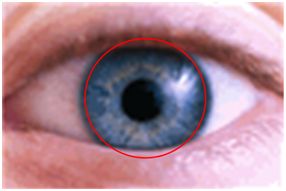
    Circular shapes abound in nature. Of particular significance is the circular shape of the human eyeball, the organ of our most valuable sense of sight. Ralph Waldo Emmerson recognised the first sacred shape in the human form when he wrote, “The eye is the first circle, the horizon which it forms is the second.” Other circles immediately apparent in the eye are the iris, the coloured portion, and the pupil, the black area which dilates and contracts in response to changing light stimuli.

    Deep within the eye, unbeknownst to an observer, the point and the circle play an important role in how we visually perceive the outside world. The inside back portion of the eye (the “retina”) contains numerous light receptors called “cones.” The cones are distributed in such a way that the highest concentration is packed in a very small centre area called the “fovea centralis.” The cones gradually diminish in density as the distance increases from the fovea centralis. The cones are virtually non-existent at the outer periphery, or circumference, of the retina.

    Contrary to what some may believe, we do not see equally clearly within the entire circle of our visual field. The focus is different than that captured on photographic film by a camera. The distribution of cones in the eye means that we see the clearest in the central point of our sight. Objects in the periphery are less clear. Because the cone distribution in the retina follows a geometric pattern similar to the energy distribution in a concentric wave, I call it “concentric focus.”

    Also within the retina are receptors called “rods.” It is believed that the rods sense movement in our peripheral field. The distribution of the rods is essentially the opposite of the cones. The rods are non-existent in the centre and gradually increase in density towards the periphery. That’s why something moving in your peripheral field of vision can abruptly grab your attention.

    Another principle of the circle is the continuous rotary motion of cycles and rhythms. With eyesight, oscillating rhythms are manifest in several ways. One of the most obvious is the continuous blink reflex. Our eyes also respond in cycles by closing at night and opening in the day. During sleep, the eyes have an alternating motion called rapid eye movement (REM), and when awake, they have numerous subconscious micro-movements – some vibrating at the frequency of a strummed guitar string – to key in on objects and maintain focus. The motion is contrary to that of a still camera, for without the continuous rhythmic activity, objects would quickly fade into blur.

    Dr. William Bates was a New York ophthalmologist who pioneered the concept of natural vision improvement almost a century ago. He discovered that the most common types of blurred eyesight, for which glasses are usually prescribed, are actually responses to stress in our environment. The habitual pattern of strained looking causes the eyeball’s natural circular shape to go out of round. By removing strained vision habits, a person can gradually improve one’s eyesight and return to the purity of the One.

    The ancient philosophers considered a true mathematical point within the circle as symbolic. It emerges from the immaterial realm and has no dimensions. Dr. Bates related this concept when he said, “The part seen best when the sight is normal is extremely small… the nearer the point of maximum vision approaches a mathematical point, which has no area, the better the sight.” The idea of concentric focus is a fundamental fact that must be truly appreciated when improving eyesight naturally.

    Number Two

    Tao gives birth to one,
    One gives birth to two
    – Lao Tzu

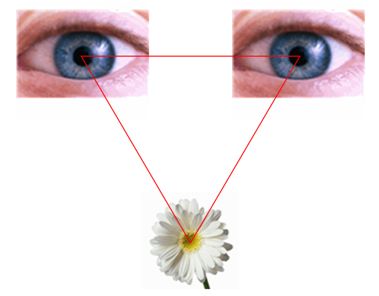
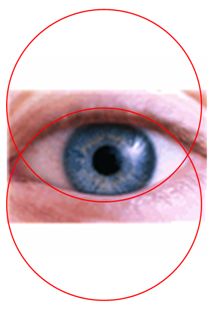
    SS image 2If the number one represents unity and wholeness, how does a second separate number emerge? The root word for “nature” means “to be born,” and the number two emerges through a birth-like process. Symbolically speaking, this process begins as the circle divides and replicates itself – just as a living cell does. The geometric representation of this replication is two circles of the same diameter each having their centre points touching the circumference of the other. The One projects forth as a reflection of itself and a “true” mathematical line is created from point to point.

    The sacred principle of number two is polarity, whereby the line forms a tensile link between opposite poles. Paradoxically, there is both a separation and an attraction that binds the two, yearning once again for wholeness. It’s the yin/yang principle of Taoist thought, the perpetual rhythmic alternation of all life and the universe. The human body has a left side and a right side, a feminine side and a masculine side, an intuitive side and intellectual side, and so on. The modern left brain/right brain theory suggests the eyes are extensions of the brain’s two hemispheres. Although each eye sees things from a slightly different angle, they must work together seamlessly.

    The concept of “two” in eyesight has further spiritual significance beyond the apparent. In Plato’s Timaeus, eyesight is described as a two-way process; the eye mediates between the inner realm and the external world of objects. The fire of the soul was said to emit a gentle light from within, flow through the eye and meet the outer daylight. Like falls upon like, coalesces and forms the perception of sight. In this philosophical view, the eye acts as a portal, the proverbial “window of the soul.”

    The portal is actually a symbol that arises geometrically from one circle beginning to replicate into two. The fish-shaped vesica piscis is the area of overlap between the linked circles. It has been venerated throughout history by various cultures and nations and dates back to pagan and mystical religions. The early Christians considered it the link between heaven and earth, a bridge between spirit and form. Consequently, much medieval art symbolically depicts Christ within the fish-shaped area. In ancient architecture, particularly in cathedrals and holy temples, the vesica piscis was used extensively in the design of doorways. They were portals which permitted entry from the mundane world of reality into spiritual space.

    Applying the metaphor of a portal to the eyes, one is immediately drawn to the distinct vesica piscis shape which the upper and lower eyelids produce. Within the eye itself, the same pointed oval shape is found when studying the anatomy of the lens from a side view. The lens is the part of the eye where light rays emitted from an external object refract in such a way to form an image on the retina.

    Dr. Bates discovered that visual perception is more than simply a biomechanical process of camera-like parts in the body. The inner and outer aspects of eyesight are linked, as the mind and emotions have a great impact on how well we see external objects. During thirty years of clinical observation, he studied various ways in which people strained to see. He concluded that imagination, memory and sight coincide, and that when one is imperfect, all are imperfect. He encouraged visualisation as a healing technique long before it became in vogue. Perhaps a good mental image is to imagine the gentle light of your soul meeting the external light in the vesica piscis of your eyes.

    The Western, scientific mindset artificially separates objective reality and subjective reality. This creates a tendency to overemphasise the external world of objects, freezing them into a supposed condition of permanence. Greek philosopher Heraclitus apparently equated such an unbalanced view as being stung by a scorpion. This “scorpion vision” paralyses us from seeing the eternal rhythm.

    In a related vein, Dr. Bates cautioned against the forced concentration of staring, claiming it is an attempt to imagine things as stationary. The forced attention of staring immobilises the natural, healthy movements of the eye, and this straining actually has a boomerang effect. Instead of objects coming in more clearly, the objects become more blurred. An essential habit of healthy vision, therefore, is to maintain relaxed seeing by continuously shifting.

    Number Three

    But every tension of opposites culminates in a release, out of which comes the “third,” In the third, the tension is resolved and lost unity is restored.
    – Carl Jung

    SS image 3When our two eyes work together in harmony to fuse a single image, our visual perception restores the “lost unity.” An outcome of this reunion is the emergence of a new number; three dimensional (3D) vision is born. The technical term for 3D vision is “stereopsis,” which is derived from stere, New Latin for “solid,” and opsis, Greek for “vision.” A stereoscopic image is, thus, solid sight that gives us a sense of volume. 3D vision provides depth to our world view, a level of understanding that goes beyond a two dimensional (2D) flat surface.

    The sacred geometrical representation of number three is the triangle, which takes shape from the vesica piscis. An object in our sight is the third point midway between the eyes, the vertex that balances the opposing views of each eye’s unique perspective. The ancient philosophers valued the triad, assigning it qualities such as piety, friendship, harmony, peace, justice, temperance and virtue. It is the symbol of wisdom, for living prudently in the present requires learning from the past and planning for the future.

    In addition to the physical concept of 3D vision, there is another principle of the triad in vision, but in a metaphysical sense. Mystics throughout the ages have spoken of a “third eye” between the brows that is the seat of the spirit. Renowned spiritual scientist and philosopher Rudolf Steiner described humans as a three-fold constitution – body, soul and spirit. Seers have supposedly awakened the eye of the spirit, the highest of the three levels, resulting in clairvoyant vision. The third eye, which remains dormant for the majority of people, may also be responsible for triggering hallucinations and out-of-body experiences. The pinecone shaped pineal gland, about the size of a pea and located between the brain’s two hemispheres, is claimed by some to be the location of the mysterious third eye.

    Awakening the third eye may be highly elusive, but re-awakening a diminished sense of 3D vision is more easily attainable. Lenses prescribed to compensate for blurred vision are a compromise solution. Dr. Bates noted that glasses do provide immediate artificial clarity, but they don’t restore eyesight to a normal state. The lenses, although curved to help light rays converge properly inside the eye for better acuity, act as a barrier. Colours are less intense through the glass and objects are distorted in size. For people wearing glasses for distant viewing, the lenses diminish 3D perception, flattening it almost to the point of 2D vision for those with high strength prescriptions. The condition is reversible, for people who improve their eyesight by natural means invariably notice a marked improvement in their ability to see 3D again.

    Mathematics and geometry are applied with efficient precision in our technological era. A prime example is the science of optics, where good vision is reduced to purely a numerical term, 20/20. Ironically, as the vision industry has grown and prospered, we’re collectively seeing worse, not better. The incidence of vision difficulties in North America signifies the imbalance. Fewer than three percent of children are born with visual defects yet, as they reach adulthood, nearly two thirds will become dependent on prescription eyewear. Non-industrialised nations are virtually free of such widespread vision problems. To help restore a quality outcome, perhaps it’s time we return to the spiritual teachings of sacred number and sacred geometry to understand what really “counts.”
    [alert type=”general” dismiss=”no”]This article was published in New Dawn 111.[/alert]

    [alert type=”success” dismiss=”no”]If you appreciate this article, please consider a contribution to help maintain this website.[/alert]

    © New Dawn Magazine and the respective author.
    For our reproduction notice, click here.
     

  • Increasing Your Life Expectancy: Modern Medicine’s Impact on the Extension of Life

    Increasing Your Life Expectancy: Modern Medicine’s Impact on the Extension of Life

    All too often, we hear that the reason life expectancy has been increased is thanks to the marvellous developments in modern medicine. This is a message that is repeated many times and promoted by the medical industry – with little or no evidence.

    In fact, the opposite may be the truth. A combination of not understanding the concept of life expectancy, ignoring scientific facts, plus a willingness to take credit when it is not due has seen the medical industry promote itself as the reason we live longer. Behind the scenes, this is little more than a marketing strategy for the big pharmaceutical companies.

    Don’t get me wrong; this does not undermine the fantastic role medical doctors play in acute life-saving events. These make a huge contribution to an individual’s life expectancy but make an insignificant contribution to life expectancy for all of us.

    The overemphasis of modern medicine on the pharmaceutical model and “silver bullet” approach has led to a disempowerment of individuals over their own health during the past few decades, during which we have seen a huge rise in chronic illness. The more specialists and the bigger the medical budget, the poorer the health of the public.

    Let’s take an example: the US uses 50% of the world’s pharmaceuticals and spends more per person on medicine than any other nation, yet has one of the poorest health outcomes in the developed world.

    Modern medicine tends to focus on prescriptive treatment of disease, rather than health promotion, prevention and management.1,2 It is likely that everyday medical care provides little contribution to increased life expectancy of a population.3,4

    Gains in life expectancy worldwide have been greater during lastcentury than at any other time in recorded history.5,6 Statistical analyses show that since the early 1800s life expectancy at birth has seen a linear rate of increase.7

    Within this time, it has been human advances in sanitation, increased food supply, improved access to water, and basic preventative medicine that have helped drive these steady increases in the developed world – not pharmaceuticals. The majority of life expectancy gains were made before pharmaceuticals to treat heart attack, stroke and other forms of chronic illness were even developed.

    However, it is important to understand the concept of life expectancy. It is the average number of years of life remaining at a given age for a selected population. Life expectancy at birth is commonly used as the main indicator of human health and well-being. It is said to give an indication of the overall mortality of a population.5 However, it is a poor indicator of population health.8

    Life expectancy is poorly understood. Most people think it is increasing the age to which they can live; for example, people at 50 think that they are going to live longer because of an increase in life expectancy. This is not the case. Life expectancy is a statistical anomaly, which takes the average of the age of a person’s death. It includes everyone: infants, children, teenagers right through to those in their old age. This means that if the rates of infant mortality are reduced, the average life expectancy is dramatically increased overall.

    A simple example will highlight this. If 50% of the population died before one year of age and 50% of the population died at 80 years of age, the average age of life expectancy is around 40 years even though 50% lived to 80 years of age. If you eliminate the infant mortality the life expectancy goes up to 80 years of age. This does not mean people are living longer, they are still dying at 80 years of age but the statistical average, the “life expectancy,” has increased.

    This reduction of child mortality skews the life expectancy.9 Statistical analysis has revealed that the trends in cohort geriatric mortality follow those of reducing childhood mortality.10 This means that benefits from improvements in mortality rates of younger generations provide a false impression of the benefits to older generations. Furthermore, life expectancy at birth can only predict life expectancy with 95% confidence to within a fourteen-year range.9

    That is, we may live to 80 years of age plus or minus 14 years. Therefore it cannot be trusted as a reliable base to measure contribution of health interventions for whole population life expectancy. Reduced child mortality positively skews life expectancy statistics and gives the misconception of increased population lifespan.11,9,6

    To highlight the problems with this approach even further, the high rate of infant mortality in the 1900s was a result of the advent of pathological anatomy in the 1820s, and consequently the increase in number of conducted autopsies, is correlated to the incidence of fatal childbed fever. The decline in the 1840s and 1850s was a result of hygiene practices that the medical profession battled against for two decades. Why did it take so long?

    Research now also shows the supply of doctors has an insignificant relationship within infant mortality,11 that is, the number of doctors has no bearing on infant mortality rates. This becomes apparent when you look at non-medical home birthing rates in the Netherlands of up to 30% and 1% in Australia and the two countries have virtually identical infant mortality rates. But we have significantly higher wheeze, asthma, allergies and eczema, which are associated with interventionist births, in Australia.

    Life expectancy at birth does not provide adequate information as to the health or morbidity of a population prior to death.5,9 Better statistical analyses should be used that incorporate both morbidity and mortality measurements of population health. That is, continued increases in life expectancy in the future should only be considered worthwhile if accompanied by longer periods of good health.12 More consistent measures like the “potential years of life lost” should be used.9

    Modern medicine tends to focus on prescriptive treatment of disease rather than preventative avoidance and health management.13 We need to re-establish the balance between disease prevention for a population, as opposed to only treating consequences of disease to prolong individual life.14

    Billions of dollars are spentinventing and testing new drugs that only marginally extendthe benefits of those they replace, instead of using existing resourcesto better deliver effective services.15 Despite the billions of dollars spent, there is no population-based data to allow the direct connection of prescriptive medical care to the extension of life.4 In fact, numerous studies have shown the opposite.

    A major Australian study found an association between increasing mortality and an increase in the doctor supply,11 which is attributed to increasing adversities or complications caused by or resulting from medical treatment within society.11 This is known as autogenesis and has been the subject of much study. Depending upon how one uses statistics, autogenesis is now considered either first, second or third in comparison to cancer and cardiovascular rates. It is one of the biggest killers; most iatrogenic deaths are due to undesired effects of drugs when taken at a normal dose. In Australia alone, thousands of people die prematurely every year as a result of prescription drugs.

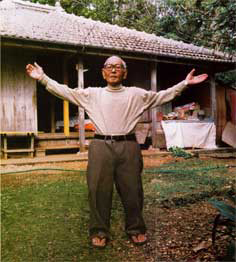
    There is no evidence to link increased medical spending and health outcomes, with many lower-spending nations such as Cuba tending to have better outcomes than higher-spending nations such as America.16 It is fascinating to consider that despite having one of the lowest doctor-to-patient ratios in the developed world, Okinawans and the Seventh Day Adventists living in California can expect one of the highest life expectancies.17

    Modern medicine cannot be given credit for increasing life expectancy at birth. Theory suggests that with increasing doctor supply, a population becomes increasingly dependent on their services to maintain health and ultimately neglects the more important lifestyle factors that contribute to longer, healthier life.18

    To the peril of preventative health care, there is often more short-term political capital to be gained from the construction of hospitals and investments in curative technology than from alleviating the causes of ill health.16,17

    With obesity and heart disease emerging as leading causes of mortality in the developed world, we must ask where life expectancy is headed in the future and give more political weight to preventative care. Theories of a time lag effect suggest a possible regression of life expectancy in the future, even with better health outcomes during infancy, which may very well be a result of contemporary approaches to healthcare.19,20

    Nowadays few people are ignorant of the dangers of smoking, drug and alcohol misuse, driving while intoxicated, risky sexual behaviour, fatty diets and so on.16 Reduction in these contributors to premature mortality must be considered significant for life expectancy gains.11 The cost of smoking cessation to save a life, not to mention the reduction in suffering and morbidity, is in the hundreds to a few thousand dollars per person21 and a recent Australian study reported favourable cost-effectiveness for smoking interventions, physicalactivity interventions and multiple behaviour interventionsin high-risk groups.22

    Okinawa, Japan boasts one of the longest life expectancies for its population in the world.23,17 There are also a significantly large population of centenarians living within the region.1 Despite being one of the poorest regions in Japan and being the bottom ranked in socioeconomic indicators for the country, Okinawa ranks at the top for its populations health and life expectancy.24 Okinawan people tend to live long and, most importantly, healthy lives. This is attributed to diet, high levels of physical activity, and strong cultural values that include good stress-coping abilities.17

    It just so happens that Okinawa culture embraces Hara Hachi Bu, which means to eat only until 80% full.25 Caloric restriction is the only consistently reproducible experimental means of extending mean and maximum lifespan. Laboratory experiments show markedly decreased morbidity in laboratory mammals that are fed to only 80% full.25,26 Much of the developed world stands to learn from this, as obesity linked to poor eating habits is an ever-increasing epidemic.

    Studies on populations with Okinawan ancestry living in Hawaii have supported claims that epigenetics are more influential to longevity than genetics.24 That is, Okinawans who leave the island do not live as long as those who live on the island. Furthermore, studies on the oldest living natural population in the world, the Seventh Day Adventists living in California, support these findings.12

    Any gains in life expectancy have to be seen in the context of the healthy habits in which a population engages. Those living longer – 80 years or more – right now were born in the 1920s and 1930s. They developed healthy eating and lifestyle habits that many of them still practice. It is unlikely that the next generation will enjoy these longer and healthier years due to poor habits.

    Our reliance on doctors and prescription medicine to ensure population longevity appears to be very narrow in light of its historical contribution to health. Starting down the right path with appropriatenutrition and lifestyle are important componentsof healthy aging and increasing your life expectancy.

    Acknowledgements: Thanks to Sean Allen for contributing to the research in this article.

    Professor Peter Dingle’s book on the truth about cholesterol and cholesterol lowering medication, The Great Cholesterol Deception, is available from all good bookstores or order at www.drdingle.com.

    [alert type=”general” dismiss=”no”]This article was published in New Dawn 125.[/alert]

    [alert type=”success” dismiss=”no”]If you appreciate this article, please consider a contribution to help maintain this website.[/alert]

    FOOTNOTES

    1. Raskin and Ripoll 2004
    2. Riley 2001
    3. Kamerow 2007
    4. Bunker 2001
    5. Michaud 2001
    6. Yin et al. 1985
    7. Oeppen and Vaupel 2002
    8. Robine 1999
    9. Murray 1988
    10. Cramming 2006
    11. Richarson and Peacock 2003
    12. Fraser 2001
    13. Riley 2001
    14. Dyer 2002
    15. Kamerow 2007
    16. Hunter 2003
    17. WHO 2008
    18. Illich 1975
    19. Terry et al. 2008
    20. Olshansky 2005
    21. Cummings et al. 1987
    22. Gordon et al 2007
    23. Oeppen and Vaupel 2002
    24. Cockerham 2008
    25. Willcox et al. 2006
    26. Bryant 2004
    Steven R. Cummings, MD; Susan M. Rubin, MPH; Gerry Oster, The Cost-effectiveness of Counseling Smokers to Quit. JAMA. 1989;261(1):75-79.
    Gordon L, N. Graves ,A. Hawkes, and E. Eakin A review of the cost-effectiveness of face-to-face behavioural interventions for smoking, physical activity, diet and alcohol. Chronic Illness, Vol. 3, No. 2, 101-129 (2007)
    Aaron, S, Ferguson, D. 2008. Exaggeration of treatment benefits using the “event-based” number needed to treat. Canadian medical association journal (Online) Vol 179, iss. 7, accessed: 12/01/09 via Google Scholar.
    Australian Institute of Health and Welfare, 2008. Australia’s national agency for health and welfare statistics and information, Australian Government http://www.aihw.gov.au/
    Bryant, R, 2004. Live longer: cut calories, exercise more. Dermatology Times: Clarifying Cosmetic Dermatology, International journal of epidemiology (Online) Vol 25, accessed : 09/12/09 via ProQuest.
    Bunker, J, 2001. The role of health care in contributing to health improvements within societies, International epidemiological association, (Online) Vol 30, accessed : 12/01/09 via Oxford Journals Online.
    Cockerham, W, Yamori, Y, 2008. Okinawa: an exception to the social gradient of life expectancy in Japan, (Online), accessed: 09/12/09 via Google Scholar.
    Crimmins, E, Finch, C, 2006. Commentary: Do older men and women gain equally from improving childhood conditions?, (Online) Vol. 35, accessed: 12/01/09 via Google Scholar.
    Dyer, O, 2002. Simple measures could increase life expectancy by 5-10 years. British Medical Journal (Online) Vol. 985, iss. 325, accessed: 17/01/09 via ProQuest.
    Fogel, W, 2004. The escape from hunger and premature death, 1700-2100. Europe America and the third world. University of Chicago, Cambridge University Press, New York.
    Fraser, G, Shavlik, D, 2001. ten years of life, is it a matter of choice?, (Online) Vol. 161, accessed: 11/01/09 via Google scholar.
    Halvorsen, P, Selmer, R, Kristiansen, I, 2007. Different Ways to Describe the Benefits of Risk-Reducing Treatments: A Randomized Trial. Annals of Internal Medicine, Vol. 12, 848-856, accessed: 19/01/09 via ProQuest.
    Hunter, D, 2003. Public health policy, Blackwell publishing, Oxford, UK.
    Illich, 1975. Medical Nemesis, Calder and Boyars, London. (Online Book) Vol. 161, accessed: 11/01/09 via Google scholar.
    Kamerow, D, 2007. Today’s doctor’s dilemma. British Medical Journal, Vol. 12, 848-856, accessed: 19/01/09 via Oxford Journals Online.
    Lubson, J, Hoes, A, Grobbee, D, 2000. Implications of trial results: The potentially misleading notions of number, (Online) Vol. 356, accessed: 04/01/09 via Google scholar.
    Martien, P, 2007. Who wants to live forever? Three arguments against extending the human lifespan. Journal of Medical Ethics (Online) Vol. 585, Iss. 33 accessed: 09/12/09 via ProQuest.
    Murray, C, 1988. The Infant Mortality Rate, Life Expectancy at Birth, and a Linear Index of Mortality as Measures of General Health Status, International Journal of Epidemiology (Online) Vol. 17, Iss. 1 accessed: 09/12/09 via ProQuest.
    Michaud, C, Murray, C, Bloom, B, 2001.Burden of Disease – Implications for Future Research, Vol. 285, accessed: 07/01/09 via Oxford Journals Online.
    Nakaji, S, Domhnall, M, O’Neill, S, McNally, O, Baxter, D, Sugawara, K, 2003.
    Life expectancies in the United Kingdom and Japan, Journal of Public Health Medicine (Online) Vol. 25, Iss. 2 accessed: 15/12/09 via ProQuest.
    Oeppen, J, Vaupel, J, 2002. Broken limits to life expectancy, Academic research library, Vol 296. accessed: 15/12/09 via Sciencemag.
    Olshansky, J, Passaro, J, Hershow, R, Layden, J, Carnes, B, Brody, J; Hayflick, L Butler, R, Allison, Ludwig, D, 2005. A Potential Decline in Life Expectancy in the United States in the 21st Century. Obstetrical & Gynecological Survey. Vol. 60 Iss. 7, accessed: 09/01/09 via Oxford Journals Online.
    Raskin, I, Ripoll, C, 2004. Can an Apple a Day Keep the Doctor Away? Current Pharmaceutical Design (Online) Vol. 27, Iss. 10 accessed: 09/12/09 via ProQuest.
    Richarson, J, Peacock, S, 2003. Will More Doctors Increase or Decrease Death Rates?, An econometric analysis of Australian mortality statistics, Centre for health programme evaluation, Working paper 137, Monash University, Australia.
    Riley, J, 2001. Rising life expectancy: a global history, Cambridge University Press, New York, (Online book) accessed : 20/12/08 via Google Scholar.
    Robine, J, Romieu, I, Cambois, E, 1999. Health expectancy indicators, World Health Organization, Bulletin of the World Health Organization, (Online) Vol 77, Iss 2 accessed : 11/01/09 via Google Scholar.
    WHO, 1999. Making a difference, World Health Report, World Health Organisation, http://www.who.int/whr/1999/en/index.html
    WHO 2002. Reducing risks, promoting healthy life. World Health Report, World Health Organisation,http://www.who.int/whr/2002/chapter1/en/index.html
    WHO 2008. Statitstical information system. World Health Organisation, http://www.who.int/whosis/data/Search.jsp
    Willcox, C, Willcox, B, Hidemi, T, Curb, D, Suzuki, M, 2006. Caloric restriction and human longevity: what can we learn from the Okinawans? (Online) accessed: 15/12/09 via ProQuest.
    Yin, P, Shine M, 1985. Misinterpretations of Increases in Life Expectancy in Gerontology Textbooks, The Cerontological Society of America (Online) Vol. 25, Iss.1 accessed : 15/12/09 via ProQuest.

    © New Dawn Magazine and the respective author.
    For our reproduction notice, click here.

  • The Great  Cholesterol Deception

    The Great Cholesterol Deception

    From New Dawn 123 (Nov-Dec 2010)

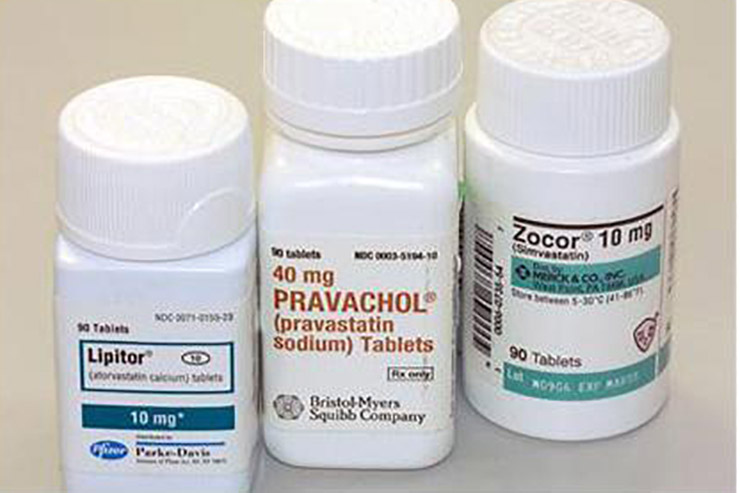
    Millions of Australians are prescribed cholesterol-lowering drugs – statins like Pravachol®, Zocor® and Lipitor® – each year at a cost of more than $1 billion dollars with very little, if any, benefit. In the US, some 40 million people currently take statins at a cost of more than $3.00 per pill, more than $1,000 per year, totalling more than $40 billion a year.

    While there are many exaggerated claims and a lot of hype about the benefits of statins, there are also many studies showing no benefits at all. The pro-statin hype is based on the misuse and abuse of statistics.

    Various independent studies in prestigious, peer-reviewed journals have shown that statin use in primary prevention – that is, to save lives – has minimal or no value in reducing mortality and certainly nothing that is considered anywhere near clinically significant to warrant their widespread use. It does not matter how one manipulates the statistics, the results just aren’t there.

    In data gathered in 2009 from six trials, a review of the efficacy in lowering the risk of death with statins found virtually no difference between the treatment group and the control group.1 There are many more of these studies.

    In an independent meta-analysis (when a number of studies are put together to achieve more statistical power) of randomised controlled trials in patients without CVD, statin therapy decreased the incidence of major coronary and cerebrovascular events and revascularisations but not coronary heart disease or overall mortality.2

    Taking statins for a number of years will not reduce mortality: “Primary prevention with statins provides only small and clinically hardly relevant improvement of cardiovascular morbidity/mortality.”3 “Hardly relevant” means there is virtually no clinical benefit; as the authors of these particular studies are independent, they gain nothing by stating this.

    Another review found that “current clinical evidence does not demonstrate that titrating lipid therapy (trying to lower cholesterol with statins) to achieve proposed low LDL cholesterol levels is beneficial or safe.”4 In other words, lowering lipids has no real benefit and has the potential for adverse effects.

    Following up on this, in a major independent review of studies funded by the Ministry of Health of British Columbia (Canada) on statins and primary prevention, researchers reported that “statins have not been shown to provide an overall health benefit in primary prevention trials.”5 This is a government report carried out by an independent university yet its findings are still ignored.

    The problem really comes down to vested interests and the abuse of statistics. To overcome the limitations of small studies, vested parties combine many studies into a meta-analysis. The researchers themselves select the studies used in the meta-analysis. A fundamental problem is that researchers with direct links to drug companies have the authority to select the most positive studies and ignore the rest – including independent studies not funded by pharmaceutical companies. Despite this, they have still not been able to show any clinically significant findings.

    As readers of the scientific journals, we should not be confused between statistical significance and clinical significance. For an outcome to be “statistically significant” means that the outcome was likely a result of the treatment – whether the result was 100% effective or less than 0.1% effective. That is, if you treat 1,000 people to save one life (0.1%) it may be statistically significant but it is not clinically significant. “Clinical significance” means 20% to 30% or more. The drug companies’ most positive studies on statins for prevention of CVD report statistical significance, mostly 1% or less, and none have found any clinical significance.

    Busy medical professionals don’t have time to review the statistics; few of them may be aware of the different ways the statistics are manipulated. So if the experienced professionals don’t understand the results of these studies, how do we expect the media or public to understand?

    More Deception

    The studies on statins also report “relative risk,” not “absolute risk” or “real risk.” The relative risk reduction is highly misleading6,7,8,9,10if not deceptive. An example of relative risk is: if you have four people in a study who die in the placebo group (no drug) compared to three people who die in the drug treatment group – that is, four were expected to die but with the drug only three did – then there is a 25% relative risk reduction. However, to get this effect of saving one life you would have to treat 1,000 people and the real risk reduction is 0.1%. Relative risk is like adding 1+1 to get 11 or 2+5 to get 25 or more. How can the pharmaceutical companies and the researchers working for them get away with this? This is probably because (at least in my experience) most people are afraid of statistics.

    In studies by the Medical Research Council dating back to the late 1980s, researchers found that of 1,000 men ranging in age from 35 to 64 who received treatment for mild hypertension over five years, there were six fewer strokes and two fewer cardiovascular events than would be expected.11,12 The real risk reduction over five years was 0.9%.

    Ten years later, a study of Pravachol® was released in the media, with much fanfare, as having a 22% drop (relative risk, not real risk) in mortality. However, when one looks at the numbers and statistics behind the calculations, treating 1,000 middle-aged men who had hypercholesterolemia (high cholesterol) and no evidence of a previous myocardial infarction with pravastatin for five years resulted in seven fewer deaths from cardiovascular causes, and two fewer deaths from other causes than would be expected in the absence of treatment.13 The real risk reduction, however, was a mere 0.9%, less than 1% or nine lives out of 1,000 when treated for five years. The research was sponsored by Bristol-Myers Squibb Pharmaceutical (West of Scotland Coronary Prevention Study).

    Conservatively, put another way, researchers treated 1,000 people for five years at a total cost of over $5 million to save seven people from CVD. One might wish to compare this to the cost and efficacy of adopting healthy lifestyle choices.

    In the Heart Protection Study in the United Kingdom, more than 20,000 participants aged 40 to 80 years with high risk of cardiovascular disease but average-to-low levels of total cholesterol and LDL cholesterol were treated with 40mg daily of simvastatin (marketed under several trade names including Zocor). Of 20,500+ study participants, 577 on statins died from a heart attack, 701 not treated died from a heart attack. That is a 25% relative risk reduction over five years.14 Sounds good, doesn’t it? The real percentage improvement is actually 1.7%. Over the five-year study, they saved 25 people per year in a high-risk population with previous cerebrovascular disease, peripheral artery disease, renal impairment or diabetes. These are seriously ill people and the researchers still achieved a benefit of only 1.7%. Researchers neglected to mention that around 30,000 people were not allowed in or dropped from the study and not counted in the percentage of people with side effects. There were 10,269 people on statins and 10,267 people on a placebo.15

    A study of 90,056 participants combining 14 randomised trials looked at the best outcome for people who had pre-existing conditions: 47% had pre-existing chronic heart disease, 21% had a history of diabetes and 55% a history of hypertension. The death rate was 8.5% among the statin group compared to 9.7% in the control group. This difference represents 1.2%.16

    The well-known JUPITER study compared a placebo group to a statin-taking group. The study found that there were 68 heart attacks in the placebo group and 31 heart attacks in the drug treatment group – a 58% relative risk reduction. There were 64 strokes in the placebo group, compared to 33 strokes in the treatment group, a relative risk reduction of 48%.17Sounds good, doesn’t it? However, the drug treatment group had 8,901 participants in it. In real terms, the heart attack risk went from a very low 0.76% to 0.35% and the risk of stroke went from 0.72% to 0.37%.

    Effectively, if you treat 300 people with expensive and dangerous drugs you might save one life. Under the best possible scenario, the real risk reduction was well under one half of one percent. The real risk reduction of consuming a handful of raw mixed nuts is much higher. It is interesting to note that one of the risk factors used to select the participants in the study was C-Reactive Protein (CRP) an indicator of inflammation, the real cause of CVD.

    In an independent assessment of the same statistics in 2010 titled “Cholesterol Lowering, Cardiovascular Diseases, and the Rosuvastatin-JUPITER Controversy. A Critical Reappraisal” by Michel de Lorgeril and her 8 colleagues found that “the JUPITER Study” was severely flawed.18 This recent analysis did a careful and independent review of both results and methods used in the JUPITER Study and reported that the “trial was flawed.”

    In an unprecedented attack on the study they (scientists other than myself usually don’t say boo even when it is serious) stated that, “The possibility that bias entered the trial is particularly concerning because of the strong commercial interest in the study.” In other words, the big pharmaceutical money influenced the study. And concluded, “The results of the trial do not support the use of statin treatment for primary prevention of cardiovascular diseases and raise troubling questions concerning the role of commercial sponsors.”

    This is a scathing attack in scientific terms of the earlier drug company sponsored study. Scientist do not go out of their way to create waves but these ones have not just found different results but also criticised the earlier studies link with pharmaceutical industry. It highlights not only that the studies don’t show any significant results but these studies and the education of our doctors is strongly influenced by the drug companies.19

    More recently, a study reported in the BMJ was a meta-analysis of 10 randomised clinical trials of about 70,000 people followed for an average of four years.20 In these trials, people with risk factors for cardiovascular disease but no history of existing disease were randomised to receive statins or no treatment. The relative risk reduction was 12% for total mortality, 30% for coronary event and 19% for a cerebrovascular event (stroke). However, the real risk reduction was 0.6%, 1.3% and 0.4% respectively. The actual number needed to treat to save one life was 167. Despite this outcome the authors of the study concluded, “In patients without established cardiovascular disease but with cardiovascular risk factors, statin use was associated with significantly (statistical not clinical) improved survival and large (statistical) reductions in the risk of major cardiovascular events.” (emphasis added.).

    In fact, the authors had significant associations with the drug companies and failed to mention it was statistically significant but not clinically significant. Again, busy medical professionals tend to read only the abstracts; claims like this are pretty convincing, though very misleading.

    More telling however, is the latest findings in June 2010 where two major independent studies, one the re-analysis of the Jupiter Study reported above and the other “A Meta-analysis of 11 Randomised Controlled Trials Involving 65,229 Participants” (don’t worry about the title) by Ray Kausik and 6 other independent researchers. The study, wait for it, found the use of statins in high-risk individuals was not associated with a statistically significant reduction in mortality. That is, they don’t save lives. Their data combined from 11 studies with 65,229 participants followed for approximately 244,000 person-years, a very big study, reported that this “meta-analysis did not find evidence for the benefit of statin therapy on all-cause mortality in a high-risk primary prevention set-up.” In other words they don’t save lives even in a high risk group. Even if you have all the elevated risk factors these drugs don’t work.

    How many more studies to we need to do to show these drugs don’t work?

    Professor Peter Dingle’s book on the truth about cholesterol and cholesterol lowering medication, The Great Cholesterol Deception, is available. To order, visit www.drdingle.com.

    [alert type=”general” dismiss=”no”]This article was published in New Dawn 123.[/alert]

    [alert type=”success” dismiss=”no”]If you appreciate this article, please consider subscribing to help maintain this website.[/alert]

    Footnotes

    1 Bartolucci, A.A., S. Bae, et al. (2009). A Bayesian meta-analysis approach to address the effectiveness of statins in preventing death after an initial myocardial infarction. 18th World IMACS/MODSIM Congress. Cairns, Australia. 2009. Cairns, Australia. http://mssanz.org.au/modsim09
    2 Thavendiranathan, P., A. Bagai, et al. (2006). “Primary prevention of cardiovascular diseases with statin therapy: A meta-analysis of randomized controlled trials.” Archives of Internal Medicine 166: 2307-2313.
    3 Vrecer, M., S. Turk, et al. (2003). “Use of statins in primary and secondary prevention of coronary heart disease and ischemic stroke. Meta-analysis of randomized trials.” International Journal of Clinical Pharmacology and Therapeutics 41(12): 567-577. M.Turk, S.Drinovec, J.Mrhar, A.International Journal of Clinical Pharmacology and Therapeutics. International Journal of Clinical Pharmacology and Therapeutics 567-57741122003
    4 Hayward, R.A., T.P. Hofer, et al. (2006). “Narrative review: Lack of evidence for recommended low-density lipoprotein treatment targets: A solvable problem.” Annals of Internal Medicine 145(7): 520-530.
    5 University of British Columbia (2003). “Do statins have a role in primary prevention? A review by the Therapeutics Initiative of the Department of Pharmacology & Therapeutics of the University of British Columbia.” Therapeutics Letter (48).
    6 Fidan, D., B. Unal, et al. (2007). “Economic analysis of treatments reducing coronary heart disease mortality in England and Wales, 2000–2010.” QJM 100: 277-289.
    7 Franco, O.H., A. Peeters, et al. (2005). “Cost effectiveness of statins in coronary heart disease.” Journal of Epidemiology and Community Health 59: 927-933. O.H.
    8 Franco, O.H., E.W. Steyerberg, et al. (2006). “Effectiveness calculation in economic analysis: the case of statins for cardiovascular disease prevention.” Journal of Epidemiology & Community Health 60: 839-845.
    9 Capewell, S. (2008). “Will screening individuals at high risk of cardiovascular events deliver large benefits? No.” British Medical Journal 337: a1395. S. British Medical Journal Capewell200816161617
    10 Nuovo, J., J. Melnikow, et al. (2002). “Reporting number needed to treat and absolute risk reduction in randomized controlled trials.” Journal of American Medical Association 287: 2813-2814.
    11 Medical Research Council Working Party (1985). “MRC trial of treatment of mild hypertension: principal results.” British Medical Journal 291: 97-104.
    12 Miall, W.E. and G. Greenberg (1987). Mild Hypertension: Is There Pressure to Treat? An account of the MRC trial. New York, Cambridge University Press.
    13 Shepherd, J., S.M. Cobbe, et al. (1996). “Prevention of coronary heart disease with Pravastatin in men with hypercholesterolemia.” New England Journal of Medicine 333: 1301-1307. P.W.McKillop, J.H.Packard, C.J.New England Journal of Medicine. New England Journal of Medicine 1301-13073331996
    14 Heart Protection Study Collaborative Group (2002). “MRC/BHF Heart Protection Study of cholesterol lowering with simvastatin in 20,536 high-risk individuals: A randomised placebo-controlled trial.” Lancet 360: 7-22.
    15 Ibid.
    16 Cholesterol Treatment Trialists’ Collaborators, C. Baigent, et al. (2005). “Efficacy and safety of cholesterol lowering treatment: Prospective meta-analysis of data from 90,056 participants in 14 randomised trials of statins.” Lancet 366: 1267-1278. L.Buck, G.Pollicino, C.Kirby, A.Sourjina, T.Peto, R.Collins, R.Simes, R.Lancet, Lancet 1267-12783662005
    17 Ridker, P.M., E. Danielson, et al. (2008). “Rosuvastatin to prevent vascular events in men and women with elevated C-reactive protein.” New England Journal of Medicine 359(21): 2195-2207. J.G.Nordestgaard, B.G.Shepherd, J.Willerson, J.T.Glynn, R.J.JUPITER Study Group, New England Journal of Medicine 2195-2207359212008
    18 Ray, K.K., S.R.K. Seshasai, et al. (2010). “Statins and all-cause mortality in high-risk primary prevention: A meta-analysis of 11 randomized controlled trials involving 65 229 participants.” Archives of Internal Medicine 170(12): 1024-1031.
    19 de Lorgeril, M., P. Salen, et al. (2010). “Cholesterol lowering, cardiovascular diseases, and the Rosuvastatin-JUPITER controversy: A critical reappraisal.” Archives of Internal Medicine 170(12): 1032-1036.
    20 Brugts, J.J., T. Yetgin, et al. (2009). “The benefits of statins in people without established cardiovascular disease but with cardiovascular risk factors: meta-analysis of randomised controlled trials.” British Medical Journal 338: b2376.

    .

    © New Dawn Magazine and the respective author.
    For our reproduction notice, click here.

  • Water Fluoridation: Facts & Fallacies

    Water Fluoridation: Facts & Fallacies

    From New Dawn 107 (Mar-Apr 2008)

    Water fluoridation has been around for just over 60 years and whilst the practice has become widespread, particularly in Western nations, it’s always been a controversial and often passionately argued one.

    My formative moment in the fluoride ‘debate’, one that cathartically shunted me into the anti-fluoride lobby’s arms, came many years ago when I was sitting in a dentist’s chair in Cambridge, UK.

    I knew very little about fluoride at the time, so it was with an open mind and calm disposition that I opened my mouth in order for my dentist to pour in some fluoride solution which he said would give my teeth a strong protective coating. The problems started immediately after having dispensed the liquid into my mouth when he stammered, “…but don’t whatever you do swallow it!” “Why?” I gurgled, “Because it’s poisonous and could kill you,” came his reply.

    The swill, which was supposed to have lasted about one minute actually lasted about 10 seconds and ended up all over my lap and the surgery floor. The incident was funny. We laughed about it at the time, but I had learned something new and very disturbing about fluoride that has remained with me. It matured into an understanding and appreciation of matters concerning fluoride that, whether you have any concerns about ingesting this chemical or not, I feel compelled to share with you.

    The pro-fluoridation lobby, notably the dental and medical associations in several countries, together with armies of practitioners tethered to them, will tell you that fluoride is a naturally occurring substance,1 that it is safe and effective at preventing tooth decay when used in designated dosages, and that its use is strongly supported by credible scientific evidence. It has, they say, improved the quality of life and well being of millions of people around the world for decades.

    They will also say that because it is generally added to water supplies at less than 1 part per million, that it is extremely safe, but that ‘if’ young children get too much fluoride they may develop a condition called dental fluorosis which is mostly detectable by dentists and involves a mild discolouration of teeth enamel. All sounds pretty harmless and reassuring don’t you think?

    However, if you were to take a quick peek at even a small amount of the arguments that are levied against the use of fluoride by the anti-fluoride lobbyists, you might be in for a nasty, albeit rather compelling, surprise.

    Let me just pick off a few of them and in no particular order.

    On the history of fluoridation, despite what is written on the Australian Dental Association’s website2 – which states that interest began in the US more than 100 years ago when a Colorado dentist noticed that some of his patients were displaying mottled yet decay free teeth which he deducted was due to their drinking of local spring water that was naturally high in fluoride – the real and well documented origins of water fluoridation actually sprang from a pre-emptive public relations campaign commissioned by US military interests.3 They were attempting to stave off litigation arising out of the Manhattan Project, the one that was set up to produce the world’s first atomic bomb.

    Apparently atomic bomb production required enormous amounts of fluoride, which inevitably resulted in large amounts of fluoridated (not radioactive) effluent spewing out over the US countryside. People, animals and crops that were downwind began to get diseased causing the US government to become concerned (for its precious bomb project, not the people who were sick).

    For the US, with plans to use the A-Bomb as a defensive deterrent after WWII, it was a strategic imperative that bomb production be allowed to continue without the threat of massive class actions hanging over it, and that therefore the exposure of humans to ‘low’ levels of atmospheric fluoride be demonstrated to be biologically safe.

    Human studies developed and administered by institutions associated with the A-Bomb project were mainly focused on the town of Newburgh,4 New York from 1946-56 where the effects on health were observed following the addition of fluoride to the town’s drinking water supplies.

    Whilst the results of the research were heavily censored, the intended purpose of the findings had been to serve as evidence in favour of the safety of continued low, long term exposure of humans to fluoride.5

    The litigants, mainly farmers, were bought off and the results of the research will therefore probably never be dragged into the public spotlight. However, following incidental observations made during the water fluoridation research program, it was floated by one of the team leaders that it “might help to counteract a local fear of fluoride… through lectures on… fluoride toxicology and perhaps the usefulness of fluoride in tooth health.”6

    The rest is history! That the development of water fluoridation was motivated by a benevolent move to prevent dental caries was almost a total myth and it gets a lot worse than that.

    Fluoride production increased significantly since the immediate post-war years and is now a toxic by-product of the chemical industry that is produced in massive quantities. Most of the early research presented to support the notion that fluoride is both safe and effective for use in the prevention of tooth decay was conducted or funded by the very same interests7 that stood to benefit most from its use in the public domain. It was also done when there was a lot less environmental fluoride around too.

    That fluoride is toxic and dangerously so is not in doubt or contention, but the fact that it is poured into the water supply of any local council that so wishes to do so is nothing short of criminal, given the facts that are now available.

    Most European countries including Denmark, France, Germany, Italy, Holland and the whole of Scandinavia, have (in many cases after having embraced it) now rejected water fluoridation outright.8 As of today Europe is reportedly 90%+ free9 of fluoridated water. Indeed there have never been any transparently conducted scientific studies anywhere in the world,10 including Australia, that unequivocally demonstrated the safety of water fluoridation on human health, most of the research having been focused on the chemical’s dubious impact on oral health.

    Fluoride is a cumulative toxin, it gets stored mostly in bone tissue and has now found its way into dental products, food, soft drinks, polluted air and in fact it’s just about in anything manufactured using treated mains water.

    Although it varies from place to place, it is added to water in concentrations of around 1 part per million, a level deemed safe,11 yet is added to toothpaste products in concentrations as high as 1,500 p.p.m., easily enough to kill a small child if it swallowed a whole tube.

    Fluoride does indeed occur in nature in trace amounts, but the fluoride that we have in our water supplies is not the same thing at all. What we put into our mains water is, without exception, an industrial toxic waste product. Neither is fluoride in any of its forms essential for good nutrition.12 Tooth decay (contrary to what is implied by the likes of the Australian Dental Association and the Australian Medical Association) is not a symptom of fluoride deficiency. There is no such thing.

    The forms of fluoride placed into our water systems and then into our bodies are usually calcium fluoride, sodium fluoride or hydrofluorosilicic acid. They are all either industrial or pharmaceutical grades of fluoride compounds which, in the instance of the latter, is scraped from the inside of smokestack scrubbers during the production of phosphate fertilisers. If it were not dumped into our drinking water it would be considered a highly dangerous and toxic chemical to be disposed of at considerable expense and with significant health and safety precautions. Yet we happily consume it when we’re told to.

    Another way of looking at water fluoridation is as a form of forced mass medication not by doctors, but, effectively by dentists. We should remember that these are the same body of professionals who are still lodging tons of mercury in our mouths each year in the form of amalgam fillings. If I lived in an area where 25% of people suffered from headaches I’d be unhappy, to put it mildly, if my local council put paracetamol in my water supply as a preventive measure and on the advice of some doctor. I fail to see the difference with what they are doing with fluoride (except that fluoride is a toxic waste and not an approved medicine).

    If you absolutely do not want to take fluoride when it’s forced on you the only way to resist is to purchase a water filter that is good enough to filter the stuff out. Even if you did this, what about the water you bath and shower in, or those who live in places too small to accommodate an extra tank, or in institutions where you just don’t get the choice. It’s sometimes simply impossible to take evasive action.

    With mass medication there is no such thing as a safe nominated dose. Even if we did need extra fluoride, just like everything else in this world everyone’s needs are totally individual, as are indeed our levels of exposure to fluoride natural and otherwise. We’d do well to remember that early research into fluoride was done before it was widely dispersed into the atmosphere, our food, drinks and personal care products.

    Further, there are those amongst us who tend to drink more than others, sportspeople, the sick or the very young. What level of choice do they get if they don’t want to overdose on fluoride? Water fluoridation will give you the same dose per litre whether you drink a lot of water or not.

    I don’t trust any authority when, as the Australian Dental Association (ADA) does, it continues to claim that the side effects of fluoridation are limited to fluorosis13 and little else. Fluorosis is, in itself, evidence of excessive ingestion of fluoride and shouldn’t be tolerated at all – period. In order for the ADA to say this with any integrity and honesty it has to be ignoring, at the public’s expense, a large body of accumulating evidence that strongly indicates fluoride is neither as effective, nor as safe as it was once cracked up to be.

    New research indicates that the benefits of fluoride are equivalent to an average difference of less than one filling in baby teeth of younger children and “no significant difference” in the permanent teeth of older children,14 yet the pro-lobbyists are still claiming the outdated figure of between a 15-25% reduction in tooth caries in fluoridated areas! They’re having us on!

    Perhaps more to the point, the reduction in dental caries that we have seen (credit for which has been claimed by the pro-lobby) were in line with similar reductions in areas that were not fluoridated. In fact in fluoridated areas that were monitored after they had ceased fluoridation caries reduction was seen to peak immediately after cessation.15

    Other research tells us that for fluoride to be effective as a preventive measure against tooth decay it has to be used topically.16 This means that forced ingestion via the water supply is ineffective. The same research also indicates that fluoride works least well down among the crevasses and fissures of the teeth, where most decay occurs anyway.

    Coming closer to home and Australian research has recently debunked the myth that Australians living in fluoridated areas have healthier teeth and significantly lower levels of tooth decay than the rest of the nation. They don’t.

    Recent claims17 by the Queensland government that Townsville (fluoridated for 50 years or more) has 65% less decay is based on data from 1991 (!) and relates to a tiny 0.2% of a single tooth surface (there are 128 tooth surfaces in the average fully grown adult mouth). Therefore the claims and many others that it is using to support fluoridation, and the same goes for every other state, are misleading and unjustified.

    More recent surveys done between 2000-2002 clearly show that Townsville children have more decay in their permanent teeth than children in North Brisbane, the Gold Coast and several other Queensland Health Districts that do not have water fluoridation. Townsville, for all its decades of fluoridation, is smack in the middle, no better and no worse than any other area of Queensland. Do these sorts of results justify the continued dumping of a toxic waste into our drinking water?

    As the award-winning investigative reporter Christopher Bryson says in his book The Fluoride Conspiracy, “Fluoride science is corporate science, fluoride science is DDT science, it’s asbestos science, its tobacco science.”

    It’s happened in Europe, but when are our politicians going to stop this fluoride nonsense here in Australia?

    2006 was a good year for anti-fluoride lobbies. The National Research Council in the US, a highly reputable scientific organisation, issued a report called ‘Fluoride in Drinking Water: A Scientific Review of EPA’s Standards’.18 It is a lengthy report that was not commissioned to judge the safety or benefits of water fluoridation per se, but rather to assess the safety of the “maximum contaminant level goal,” which incidentally the report recommended should be lowered.

    But the report, despite keeping rigidly to the initial brief, gave strong support to the notion that US citizens are being constantly over-dosed with harmful levels of fluoride and that whilst bones and teeth were most affected, these were not the sole targets of the report’s concern.

    The report threw up a growing body of research linking fluoride exposure to crippling skeletal fluorosis (similar in effect to arthritis), bone fracture, joint pain and damaged teeth. It also pointed to fluoride’s disruption of the nervous and endocrine (hormone) systems with specific focus on the brain, the thyroid and the pineal glands. There is also evidence linking fluoride to behavioural disorders, clinical depression, dementia, lowered levels of I.Q. and migraines, and finally to osteosarcoma (a type of bone cancer that particularly affects young males).

    So, bad news is good news, but does it make you feel like taking a glass of tap water with added fluoride, or what? Small wonder then that there is this world wide phenomenon whereby whenever there is a publicised public debate on the merits or otherwise of the fluoridation of water, no one from the pro-lobby ever shows up.
    By way of reinforcing the reasons why this is so, it’s worth remembering that back in 1965 when fluoridation was well underway in the US, it was Joseph Flanagan of the American Medical Association which openly endorsed the use of fluoride for dental caries prevention. He wrote:

    “The AMA is not prepared to state that ‘no harm will be done to any person by water fluoridation’. The AMA has not carried out any research work, either long-term or short-term, regarding the possibility of any side-effects.”19

    Which brings me to the extraordinary turn of events that appears to be taking place in Queensland at the time of writing.

    Given all the evidence currently available which throws such extreme doubt and serious concerns on the practice of water fluoridation, the State government in Queensland has chosen 2008 to go open slather on water fluoridation.20

    Up until now Queenslanders had been given a choice on whether or not to fluoridate its local water supplies. Only 5% of Queensland has elected to do so, although some previously had done so and subsequently discontinued the practice. Yet according to the latest National Children’s Dental Survey (published in Dec. 2007),21 75.1% of Queensland children aged 5-12 years have no decayed teeth. This compares with figures of 76.9% for the national average and 72.9% and 79.7% in the ACT and South Australia respectively (both fluoridated and the ACT 100%). So why the sudden and urgent need to fluoridate Queensland’s water supply?

    This provides clear and irrefutable proof that fluoridation neither creates good dental health, nor performs any better at doing so than areas that do not have water fluoridation.

    No one is saying there is no problem with standards of dental health and that something really ought to be done about it. The key issue is that overwhelmingly water fluoridation is not the answer, and when it is mistakenly introduced as the answer it presents a plethora of serious new risks to the health of the people who drink it. The ADA doesn’t believe these risks exist and if you don’t believe me go and have a look at the FAQ section of its website.22

    Take any region of Australia whether it is fluoridated or not and compare the figures. The statistics,23 when carefully and thoroughly studied, strongly suggest that fluoridation makes only insignificant improvements to dental health in the early years (in all likelihood only because one of the effects of fluoride is to delay the eruption of first teeth) and none at all once kids reach 12 years or so. After drinking fluoridated water for 12 years, Townsville children have the same or more decay as children who never consumed fluoridated water!

    It isn’t all about the likes of Townsville either. Some of the other problems that water fluoridation hasn’t solved are: a) nursing bottle tooth decay, a problem affecting all areas in Australia, b) lower income groups which tend to have higher levels of tooth decay, yet still drink the same water as higher income groups, c) rural and remote areas where tooth decay is reportedly consistently worse, and finally d) Aboriginal and Islander communities where oral health has declined to levels well below the national average and have been headed in that direction ever since they stopped eating traditional, healthy diets.

    So where is all this going? Well, if Queensland is anything to go by, back to the dark ages. Will someone please tell the Queensland government this is not a good time to take the highly questionable step of forcing water fluoridation onto the rest of the State. It flies directly in the face of common sense, current wisdom, people’s rights and is not in the best interests of everyone’s long term health.

    As a spokesperson for Queenslanders Against Water Fluoridation recently articulated in an open letter to State Premier Anna Bligh,24 “If fluoride ingested water made a real difference to decay, the longer it was consumed, the more difference there would be.”

    So here, for what it is worth, are a few humble suggestions for the way forward from here. My first and number one priority would be to stop water fluoridation now. The evidence is very much against it and has already convinced most of Western Europe.

    My second would be that if you don’t accept the first point, then before anyone with sufficient power and totally lacking an enquiring mind makes a decision that could make us all ill, would someone please fund some good, objective and independent research so that the matter can once and for all be decided.

    Thirdly, whilst I’m not sure where everybody else stands on this issue, if you are quietly and rock solidly convinced that you as an individual need fluoride, especially if you have any affiliation with the ADA, then be my guest and go buy yourself a tube of fluoride toothpaste, but remember to spit it out when you’ve done brushing your teeth as it’s not too good for you if you swallow it.

    Finally, and just in case the whole nasty issue of poor dental health could even remotely have anything to do with poor diet, nutrition and generally poor standards of personal oral hygiene, perhaps we might be better off investing some money on trying to improve these things.

    The ADA can rubbish the anti-fluoridation lobby as unscientific all it likes, but for me I think that the US National Research Council in its 2006 report; theLancet,25 one of the medical world’s most pre-eminent journals, which published an article on fluoride as an emerging neurotoxin; Chinese studies linking fluoride to lowered I.Q.26Cancer, Causes & Control journal which linked osteosarcoma to water fluoridation27; the American Dental Association & Centre for Disease Control 2006 advising that infants under 12 months old not consume fluoridated water28; should all be given bravery awards for finally providing us with good evidence that links adverse health impacts to the practice of water fluoridation.

    Don’t expect the chemical industry to stop producing fluoride any time soon either. It’s a big industry and would probably come to a grinding halt if they found they couldn’t produce it any more. But please, can we make them take it away and store it somewhere safe at their own expense and not at ours?

    Ah well, these are just some thoughts and only mine at that!

    [alert type=”general” dismiss=”no”]This article was published in New Dawn 107.[/alert]

    [alert type=”success” dismiss=”no”]If you appreciate this article, please consider a contribution to help maintain this website.[/alert]

    Footnotes

    1. www.health.qld.gov.au/fluoride/default.asp
    2. Ibid.
    3. Australian Fluoridation News, ‘The Authentic Original History of Fluoridation’ by Glen S.R. Walker, Sept/Oct 2007, p.2.
    4. Ibid., p.6.
    5. Ibid., p.7.
    6. ‘Declassified documents, studies showing lower IQ bolster voter rejection of fluoridation’,Business Wire, 29 November 1996, www.mind-trek.com/arti-int/961202d.txt
    7. Australian Fluoridation News, ‘The Authentic Original History of Fluoridation’ by Glen S.R. Walker, Sept/Oct 2007, p.7.
    8. www.whocollab.od.mah.se/euro.html
    9. Ibid.
    10. ‘Scientists and Professionals Lash Out Against Water Fluoridation’ by Adam Miller, www.naturalnews.com/022008.html
    11. www.health.qld.gov.au/fluoride/q_and_a.asp
    12. ‘50 Reasons to Oppose Fluoridation’ by Paul Connett, Ph.D Prof. of Chemistry, St. Lawrence University, NY, USA, www.fluoridealert.org/50-reasons.htm
    13. www.health.qld.gov.au/fluoride/q_and_a.asp
    14. ‘Caries Experience Among Children in Fluoridated Townsville and Unfluoridated Brisbane’, by Gary D. Slale; John Spencer; Michael J Davies; Judy F. Stewart, Australian and New Zealand Journal of Public Health 1996 Dec; 20(6): 623-9.
    15. Olsson ’79; Retief ’79; Mann ’87 & ’90; Steelink ’92; Diesendorf ’86 and Colquhoun ’97, www.fluorideawareballarat.com/what_the_experts_say.htm
    16. Centers for Disease Control and Prevention (CDC ’99, 2001); http://bmj.bmjjournals.com/cgi/content/full/321/7265/904/a
    17. Water Fluoridation & Children’s Dental Health. The Child Dental Health Survey. Aust. 2002.
    18. National Research Council ‘Fluoride in Drinking Water: A Scientific Review of EPA’s Standards’, 2006, www.fluoridealert.org/health/epa/nrc/
    19. Letter dated 13.5.1965, J.E. Flanagan Jnr. (Assist.Dir. Dept. of Environmental Health, USA).
    20. www.health.qld.gov.au/fluoride/whats_new.asp
    21. National Children’s Dental Survey, Australia, published 17 December 2007.
    22. www.fluoridationqld.com
    23. National Children’s Dental Survey, Australia, published 17 December 2007 & Public Water Fluoridation & Dental Health in NSW (Australian and New Zealand Journal of Public Health 2005. Vol. 9 No.5).
    24. www.gawf.org
    25. ‘Developmental Neurotoxicity in Industrial Chemicals’, Lancet 368.
    26. Wang ’97; Guan ’98; Varner ’98; Zhang’99; Lu 2000; Shao 2000; Sun 2000; Bhatnagar 2002; Chen 2002
    27. Bassin B; Wypi D; David RB; ‘Age Specific Fluoride Exposure in Drinking Water and Osteosarcoma (US), 2006.
    28. www.ada.org/prof/resources/pubs/adanews/adanewsarticle.asp?articleid=2212

    © New Dawn Magazine and the respective author.
    For our reproduction notice, click here.