New Dawn – World's Most Unusual Magazine

Author: Christopher Vasey N.D.

  • Restore Your Microbiome: The Secrets of Good Gut Health

    Restore Your Microbiome: The Secrets of Good Gut Health

    From New Dawn 187 (Jul-Aug 2021)

    The intestinal, or gut, flora of human beings plays a major role in the proper functioning of the body. As a vital link in the various stages of the digestive process, it synthesises nutrients, neutralises toxins, and so forth. It is such a fundamental element of our health that the body would be incapable of carrying on without it. 

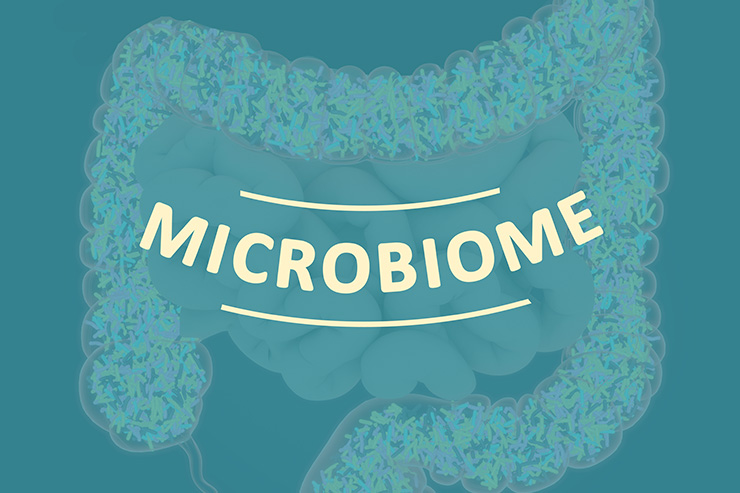
    The intestinal flora (microbiome)is made of all the microorganisms living in the intestine. This population is extremely large. It is not counted in thousands but trillions. The human intestinal flora is composed of one hundred trillion microorganisms. It is about ten times the number of cells in the human body. If someone wished to gather all the intestinal microorganisms in a single container, this vessel would need to contain one to two litres. The weight of all these microorganisms would be anywhere from one to four kilograms. The ecosystem of the microbiota hosts more than four hundred different species of bacteria. But one single species of bacteria can include a large number of subgroups or serotypes. For example, the bacteria Escherichia coli (better known as E. coli) can be broken down into more than two hundred different serotypes, some of which produce a toxin but many of which are innocuous. The microorganisms that populate the intestines are tiny – roughly the size of a micron, which is 0.001 of a millimetre. 

    Intestinal microorganisms are not unwelcome guests that the body has to tolerate. On the contrary, their activity is beneficial to the body in a variety of ways. Although the contribution of each microorganism is minimal, the combined efforts of billions of them are extremely helpful (and necessary!) to the body. The microbiota supports the physical organism in many different ways.

    The Functions of the Intestinal Flora 

    Its primary function is to help digestion. Before the cells of the body can benefit from the nutrients we eat, our foods must be broken down into particles that are small enough to cross through the intestinal walls and be transported by the blood to the cells. This preparatory work takes place during digestion. Although the digestive juices are capable of performing an immense part of this transformative work, they cannot do it all. Some of the nutrients in a food item can elude them. 

    Are the nutrients unaffected by digestion doomed to remain unused? No, the microorganisms of the intestine carry out the transformations that are still necessary. They produce enzymes that break down the fibres and framework of the tissues, and they reduce the volume of the large particles. Nutrients that are still highly useful will be released by this process: amino acids, carbohydrates, vitamins, and so forth. These final transformations of food are not performed by intestinal bacteria as a favour to their human hosts but for their own benefit. In fact, they also need to feed themselves to survive, and their food is the remnants of the foods we eat.

    The digestive processes are carried out with the help of two major types of bacteria.

    The bacteria of fermentation target the long carbohydrate chains, such as starch, but also the soft fibres of grains, fruits, vegetables, fruit peels, ribs of leafy plants, stringy parts of leek-like plants, and so on. 

    Bacteria of putrefaction break down any undigested particles of food that come their way. These are not fibres, having already been transformed by fermentation higher up in the intestines, but the residue of proteins (meats, fish, eggs) and starches (bread, pasta, rice). 

    The other functions of the intestinal flora are to:

    • synthesise vitamins (of the B group);
    • support the intestinal transit;
    • destroy toxics;
    • fight against inflammation;
    • stimulate the production of lymphocytes;
    • destroy pathogenic microbes.

    Contribution to the Body’s Defence System: The Barrier Effect 

    A subtle balance is maintained with the size of the various populations of intestinal microorganisms, territories they occupy, the parts of the intestines they colonise, and the parts of foods to which they lay claim. Therefore, it is difficult for these invaders to establish themselves in the intestines and multiply because all the residential possibilities have already been exploited so fully. The living space they require in order to develop is unavailable and they lack nutrients. This is how, through its presence alone, the microbiota acts as a barrier against pathogenic bacteria. It prevents them from unleashing infections in the intestines or other parts of the body. 

    In the event there is an imbalance of the intestinal microorganisms, the barrier effect can be clearly insufficient. In this case, there is no obstacle to pathogenic bacteria establishing themselves and multiplying, which eventually leads to an infection. The destruction of bacteria is often the result of antibiotic treatments. 

    Enemies of the Intestinal Flora

    Enemies of the intestinal flora are factors that sharply reduce the population of microorganisms and thus compromise our health. The bacteria that are most often affected are generally those of fermentation that populate the small intestine and the beginning of the colon. The bacteria of putrefaction that live in the terminus of the colon are much less affected. The two main enemies are:

    A Lack of Fibres

    The food required by the bacteria of fermentation in our intestinal flora is the fibre in our human diet. It should be noted that fibre is a choice food for the bacteria of fermentation and not for those of putrefaction. 

    If the bacteria of fermentation receive adequate fibre, they will be healthy and strong, and they will multiply easily. When fibre intake is low, on the other hand, the number of bacteria of fermentation in the intestinal flora will also shrink. In fact, the quantity of food always determines the size of the population that depends on it. Small quantities of fibre can feed only a small number of bacteria, so the population of bacteria of fermentation will shrink. The diminished population will be weakened.

    The three dietary fibres that are the preferred foods of the flora of fermentation are all of plant origin: mucilaginous substances (found in, for example, okra and flax seeds), pectins (found in, for example, apples and guavas), and oligosaccharides (found in legumes, nuts, and so on).

    Consequently, individuals who do not eat enough of these plant foods have a deficiency of fibre. This is common in diets that are poor in salad greens, raw and cooked vegetables, nuts (almonds, hazelnuts), and whole grains. Foods that are high in fibre should be eaten several times a day. 

    The importance of fibre for the fermentation flora stems from the fact that this flora depends entirely on the fibres from food to work and survive. An intake of sufficient fibre is therefore a key factor in the health of the intestinal flora and consequently our overall health. 

    Antibiotics 

    They are among the most often prescribed medications. Their role is to kill living organisms that attack the body, but they don’t necessarily discriminate. The living organisms they target are pathogenic microbes, but in the process antibiotics also kill other microorganisms. There are more than one hundred types of antibiotics, and some cause more damage to the intestinal flora than others, and in different ways. 

    Some antibiotics are able to kill a number of different kinds of disease-causing bacteria; they are known as broad-spectrum antibiotics because of the range of their activity. Other antibiotics have an effect on only one kind of bacteria or another, and they are known as narrow-spectrum antibiotics. The length of the treatment is another factor. During a short course, some microorganisms that could be vulnerable may escape damage due to the limited time they are in contact with the antibiotic. Conversely, during a longer period of treatment, contact is prolonged. The antibiotic is more thorough and effective, but it also destroys many intestinal microorganisms. The same happens when the patient undergoes several antibiotic treatments.

    Diseases Caused by Imbalance

    The problems caused by an imbalance of the intestinal flora are numerous. Some take place at the intestinal level: indigestion, gas, bloating, diarrhea and constipation. General disorders are infections, inflammations, food allergies, autoimmune diseases, some mental disorders, and weight gain.

    How to Restore Your Intestinal Flora 

    Two different complementary approaches are used to rebuild the flora of fermentation. The first approach consists of feeding the bacteria of fermentation by consuming foods that are high in fibre, also called prebiotics. However, this slow process shows results only after a certain period of time. If there is a pressing need to make change quickly, proceed to the second approach. This approach consists of implanting a large number of fermentation bacteria from outside the body into the intestines. This is done by means of probiotics, meaning foods or special preparations that contain a multitude of these bacteria. Instead of waiting for the bacteria that are present to multiply, this approach brings a large number directly into the body from outside. This increases the population and allows it to gradually return to its normal size.

    Feeding with Prebiotics

    Prebiotics are dietary substances that come in the form of plant fibre that cannot be digested by human beings but can be digested by the fermentation bacteria. The two main sources are fruits and vegetables.

    All fruits provide prebiotics that are useful for our intestinal flora. These fruits can all be consumed fresh to enjoy their benefits, but they are just as helpful when dried. Dried fruits include dates, figs, raisins, apricots, prunes, mangoes, and many more. Fruits can be eaten as snacks and desserts.

    Vegetables can be eaten raw in the form of green salad, crudités (including shredded carrots or celery, or sliced tomatoes or cucumbers), mixed salad (salad greens combined with a variety of raw vegetables), juiced with pulp, or as vegetable sticks (carrots, cucumbers, peppers, turnip, with dip); cooked to taste; or simmered in homemade vegetable soup. 

    Fruits and vegetables must be eaten in generous quantities, several times a day and every day.

    This process might appear to be too simple, but it is the most effective!

    Prebiotic Supplements 

    A number of prebiotic supplements are available commercially. The fibres they contain are no different from the fibre contained in foods. In theory, these supplements are unnecessary, as simply eating enough prebiotic foods should supply the bacteria of fermentation with all the food they need. However, in practice, they have been proven to be quite helpful. This is particularly true for those with sensitive intestines that become easily irritated by high fibre content, which then becomes an obstacle to eating as much fibre as they need. 

    Repopulating Bacteria

    The regular ingestion of prebiotic fibres makes it possible to maintain a large and healthy population of flora of fermentation, and to correct any minimal, inevitable reductions in the size of its population. On the other hand, if the flora of fermentation population has been severely weakened, these maintenance procedures will not suffice. More drastic measures are required to make up for the deficit. At this critical point, the intestinal flora has been decimated, and it is necessary to rapidly increase the number of bacteria in residence. In these circumstances, reconstruction of the intestinal flora is achieved by importing fermentation bacteria from outside the body to add numbers to the ones already present in the intestines. 

    These bacteria can be consumed in two different forms. Each has its benefits, and using them together is beneficial. 

    • Foods that have high probiotic content, such as yogurt (bifidus), kefir, fresh and fermented cheeses, sauerkraut, fermented vegetables, and miso;
    • Probiotic supplements manufactured in a laboratory. 

    Probiotic Supplements
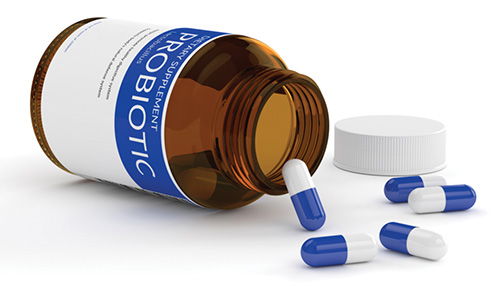
    Probiotic supplements are the greatest help to quickly restore a decimated intestinal flora population, for example, by antibiotics. Probiotic supplements can supply as many as 550 billion bacteria per gel cap. This supply is therefore of a completely different order from that offered by foods with probiotic properties. Yogurt, for example, generally contains a maximum of one billion bacteria per serving. Probiotic supplements are therapy, whereas probiotic foods are still in the dietary domain. However, foods are much more effective over the long term. The bacteria contained in probiotic supplements are primarily lactic bacteria of the Bifidobacterium and Lactobacillus. These strains are strongly represented in the flora of fermentation, but other kinds of bacteria are also used. 

    Because all the bacteria used for manufacturing probiotic supplements have been freeze-dried, they are in the form of a dry powder. It is only when these bacteria are in the warm and moist environment of our intestines that they become active again.

    Who Should Take a Probiotic Cure? 

    People who most need a probiotic cure are those who suffer from:

    • Recurring digestive problems: diarrhea, indigestion, irritable bowel syndrome, constipation, and so forth;
    • Repeated infections: fungal infections, cystitis, colds, and so on;
    • Allergies;
    • Side effects of antibiotics;
    • Psychological problems: anxiety, depression, and so forth.

    All probiotic supplements share the same goal of rebuilding the intestinal flora of fermentation. In the past, reconstruction of this flora was the sole objective for taking supplements. A better understanding of the properties of the different strains has now expanded the range of activity for these preparations. Depending on their composition, they can have an additional complimentary therapeutic action for the following: diarrhea, digestive weakness, constipation, irritable bowel, fungal infections, travel abroad, immune system weakness, weight loss. 

    How Do I Take Probiotics?

    Instructions are provided by the product’s manufacturer. But, as a general rule, probiotics are taken before meals when the stomach is empty so they make their way into the intestines more quickly. Cures will last from one week to several months. Following a course of treatment, it is a good idea to solidify the results by continuing to take one to two doses a week for a period of two to three months. The same amount is also recommended for a preventative dose. If you find after a month that the corrective is not doing its job, it could be that the bacteria in the preparation you are taking are not the bacteria you need. In this case, you should switch to another probiotic supplement.

    There are no side effects from taking probiotics. At the very most, some extra-sensitive individuals might start feeling one of the following symptoms: minor stomach discomfort, gas, bloating, or constipation. The speed with which the effects start to appear depends on the degree of the initial health problem. While the impact of countering some conditions – for example, infectious diarrhea (gastroenteritis) – begin to show up in just a few hours, it usually takes at least a week to feel any improvement from well-established disorders. But these will be only the first signs of improvement. A full cure usually takes several weeks or even a month, depending on the individual case.

    Get the issue this article appears in

    Conclusion 

    A strong and balanced intestinal flora does not depend on remedies or sophisticated treatments but primarily on a healthy lifestyle. This is a parameter we can work within easily. It doesn’t take high-priced supplements or expensive therapies, only simple adjustments to our daily diet. The foods that balance our intestinal flora are far from the most expensive. It’s up to us to make smart and healthy choices about what goes into our grocery baskets and consequently into our bodies. 

    A full rundown can be found in Christopher Vasey’s book Restoring Your Intestinal Flora in which he explains how to restore your microbiome. The book is available from all good bookstores.

    [alert type=”general” dismiss=”no”]This article was published in New Dawn 187.[/alert]

    [alert type=”success” dismiss=”no”]If you appreciate this article, please consider subscribing to help maintain this website.[/alert]

    © New Dawn Magazine and the respective author.
    For our reproduction notice, click here.

  • Secrets of Natural Antibiotics & Antivirals

    Secrets of Natural Antibiotics & Antivirals

    From New Dawn 184 (Jan-Feb 2021)

    For much of human history, the true cause of infectious diseases remained a mystery. In the absence of treatment, many patients succumbed to their illnesses. It was not until the nineteenth century that evidence for the existence of germs was revealed. The discovery of penicillin in 1929, and then that of many other pharmaceutical antibiotics, finally permitted the specific treatment of infectious diseases. The mortality and suffering connected to these illnesses dropped so spectacularly that the plants we had used empirically until then in the fight against germs were abandoned.

    However, over the last few decades, an increasing number of studies have brought these plants back into the spotlight. Extensive research has made it possible to gain a deeper understanding of their antibiotic properties. Not only have they been shown to have greater therapeutic effectiveness than was once believed, but also a much greater spectrum of action. Indeed, many are effective against viruses, which is not the case for pharmaceutical antibiotics. In addition, their side effects – if they even have any – tend to be benign, and the plants do not prompt germs to develop resistance against them.

    Today, we also benefit from better preparation methods for plant-based remedies, making it possible to obtain products that are more powerful and reliable than those of centuries past.

    Natural Antibiotics

    Natural antibiotics are chemical substances produced by plants ranging from the most common weeds (Thyme, Savory, Oregano etc.) of our local surroundings to more exotic species (Eucalyptus, Ravintsara, Tea Tree etc.). Several hundred plants possess antibiotic properties, so our reserve of these remedies is quite extensive. People have been benefiting from their healing properties for thousands of years.

    Natural antibiotics have a twofold action: a direct effect against the germ and an indirect effect through the terrain. A plant’s direct action comes from the toxicity and caustic nature of the antibiotic substances it possesses. The indirect action of natural antibiotics (which conventional antibiotics do not possess) is equally dangerous for germs. Although they are not attacked directly, germs still suffer serious damage because, by altering the characteristics of the terrain, natural antibiotics make it unfit for their survival. 

    Anti-viral properties

    While both kinds of antibiotics share points in common – a more or less powerful effect depending on the germ, a narrow or broad spectrum of action, and the ability to attack protozoans, bacteria, and fungi – the comparison ends there. Natural antibiotics possess, in fact, other characteristics that distinguish them fundamentally from conventional antibiotics.

    The majority of natural antibiotics are antivirals, which is never the case with conventional antibiotics. Moreover, their antiviral properties are often quite powerful. They offer effective and non-toxic treatment against numerous illnesses (flu, shingles, etc.) that are untreatable by conventional antibiotics. This is all the more valuable because, outside of natural antivirals, the number of existing antivirals is quite limited.

    An advantage of natural antibiotics is they do not encourage germs to develop resistance to them. What are the reasons for this? 

    Conventional antibiotics consist of a single molecule. This makes it easy for a germ to manufacture an enzyme capable of neutralising them. Natural antibiotics, on the other hand, are composed of many different molecules. The essential oil of mountain savory, for example, owes its action to one ketone, four kinds of phenols, and seven kinds of monoterpenes, to mention only a few of its components. A germ that tries to develop a resistance to this natural antibiotic would have to produce either an enzyme capable of neutralising all these molecules at once (which is impossible) or a dozen different enzymes (which is also impossible).

    Another advantage is that the side effects common with conventional antibiotic therapy – diarrhea, bloating, digestive disorders – do not manifest with natural antibiotics because they do not throw the intestinal flora out of balance. To the contrary, they support a healthy microbial balance by killing the virulent germs. If they do happen to trigger such symptoms, it would only be due to the laxative effect of certain plants.

    Essential Oils

    Natural antibiotics are mostly used in the form of essential oils. These are the volatile aromatic oils that give plants their characteristic odours and contain their medicinal constituents. They are extracted from plants by distillation or expression. These oils are contained in the tiny droplets of aromatic substances that are released by crushing mint or thyme leaves, for example.

    According to biologists, essential oils contain more compounds than all the chemists in the world could synthesise by working for one thousand years. Among these compounds are terpenes, phenols, aldehydes, and alcohols with antibiotic properties. They are among the most powerful of natural antibiotics.

    Essential oils can be taken orally, as an ointment on the skin, or by suffumigation – that is, using fumes (from steams, vapours, smoke, etc.). Their distribution power in the tissues is enormous. Several minutes after they have been spread on the skin, they will have entered the bloodstream. Twenty minutes to two hours later, they are in the lungs, being exhaled with every breath.

    Because essential oils are extremely concentrated – it requires pounds of plants to obtain several drops of essential oil – it is important to scrupulously respect the indicated dosages and the instructions on using them.

    One of these instructions is that a cure with essential oils should not last more than about seven days. If an additional cure is necessary, one should switch to natural antibiotics in the form of mother tinctures, which are alcohol and water-based preparations. These can be used for long-duration treatments.

    Three examples of natural antibiotics will now follow, two in the form of essential oil and the other in the form of a mother-tincture.

    The Essential Oil of Niaouli (Melaleuca quinquenervia)

    Niaouli essential oil is extracted from the leaves of the paperbark tree, which is widespread in New Caledonia and Madagascar. The antibiotic properties of this tree have been long known to the natives of these regions, who used them to disinfect water. 

    Niaouli oil is distilled from the fresh leaves and twigs of the paperbark tree.

    Niaouli essential oil is a very powerful natural antibiotic against numerous bacteria (including Staphylococcus aureus and the streptococci responsible for scarlet fever and acute articular rheumatism) and against most viruses and fungi. It is therefore an excellent antibacterial, antiviral, and antifungal. To a lesser extent, it is also active against parasites like the plasmodium that is responsible for malaria.

    This essential oil’s spheres of activity are the respiratory tract, the digestive tract, and the genital and urinary domains. Diluted in a little sweet almond oil, it is effective against skin infections.

    Dosage:

    Oral: Take 2 to 4 drops, three to five times a day, diluted in 1 teaspoon of honey or dispersant 

    Topical: Dilute 5 to 10 drops in 1 teaspoon of sweet almond oil for use as an ointment.

    A Natural Anti-Viral: Ravintsara (Cinnamomum camphora)

    Cinnamomum camphora,commonly known as the camphor tree, is native to China, Japan, and Taiwan, and has been introduced to many other countries. The oil extracted from the Cinnamomum camphora that grows in Madagascar is known as ravintsara. This is the medicine of the Malagasy, who have long known of the medicinal properties of the tree’s leaves and have benefited from using them to treat a vast number of health problems.

    Ravintsara essential oil is rich in 1,8-cineole and alpha-terpineol. It is an extremely powerful antiviral with a broad spectrum of action. This spectrum is, in fact, so broad that ravintsara essential oil is recommended for all viral afflictions: herpes, hepatitis, viral enteritis, chickenpox, and more. It is especially effective against the flu virus (whether used to prevent it or heal it), shingles, and infectious mononucleosis. In addition to its antiviral activities, ravintsara essential oil is also an effective antibacterial and has both antifungal and antiparasitic effects. Its spheres of operation are primarily the respiratory tract, the digestive tract, and the skin.

    Ravintsara essential oil has no caustic effects and so can be used neat (undiluted) on the skin.

    Dosage:

    Oral: Take 3 to 5 drops, three times a day, in 1 teaspoon of honey or dispersant.

    Topical: For massages or ointments, use 3 to 5 undiluted drops; for baths, add 10 to 15 drops to the bathwater.

    Note: Don’t confuse ravintsara with ravensara (Ravensara aromatica)

    The Mother Tincture of Purple Coneflower (Echinacea purpurea)

    Echinacea owes its effectiveness to its combination of antibiotic and immune-stimulating properties. Its enzymes destroy the enzymes that bacteria release to weaken the cellular membranes of their host cells. The bacteria must therefore remain outside the cells to carry out their harmful activities, and there they are destroyed by the macrophages whose production and activity are strongly increased by the immune-stimulating properties of echinacea.

    The activity of macrophages – which consists of swallowing and then destroying invaders – is a nonspecific defence system. It works against bacteria as well as viruses, fungi, and parasites. Echinacea therefore has an extremely broad spectrum of action, which makes it useful against all infections, wherever they may be located. Because of its completely innocuous nature, it is recommended for use by everyone, including children and the elderly.

    Mother tincture of echinacea offers a simple and effective means of using this medicinal plant. Small doses ingested several times a day (five or six times, for example) have been shown to be more effective than a higher dose taken one time. In long-term treatments (to address chronic infection or flu prevention, for example), echinacea’s immune-stimulating actions are more effective if it is taken in courses with a pause between them. For example, you might take echinacea for two weeks, then pause for one week, then repeat.

    Dosage:

    Oral: Take 20 to 30 drops of the MT, in a little water, three to five times a day. For acute disorders, take 20 drops every two hours during the first two days, and then start taking the normal dosage.

    Topical: Try gargling with echinacea MT to treat an infection of the throat, teeth, or mouth (canker sores); dilute 30 to 50 drops in a glass of lukewarm water and gargle. The same dosage can be applied to cotton padding for a compress to treat infections in wounds, bites, boils, abscesses, and so forth.

    To learn more, obtain a copy of Christopher Vasey’s book Natural Antibiotics and Antivirals: 18 Infection-Fighting Herbs and Essential Oils.

    [alert type=”general” dismiss=”no”]This article was published in New Dawn 184.[/alert]

    [alert type=”success” dismiss=”no”]If you appreciate this article, please consider subscribing to help maintain this website.[/alert]

    © New Dawn Magazine and the respective author.
    For our reproduction notice, click here.
  • The Healing Power of Fever

    The Healing Power of Fever

    From New Dawn 133 (Jul-Aug 2012)

    Fever is generally regarded as an enemy to be fought and defeated. The majority of patients and their families feel fear at the appearance of a fever, a fear that grows stronger with the intensity of the fever and faithfully follows its ups and downs. Peace of mind for the patient or the parent of a feverish child returns only when the fever has vanished.

    Yet fever is an intentional action produced by the body to defend itself. Fever’s beneficial nature has been emphasised by numerous health professionals.

    Édouard Auber (1804-1873), an expert on the work of Hippocrates, states in his own Philosophie de la medicine, “Fever is one of the most powerful healing methods employed by nature.”

    André Passbecq (1920-2010), one of the best known naturopathic doctors in France, writes: “Nothing works as well against illness as a good fever…. Fever can be a source of discomfort but, thanks to it, pathogenic substances and toxins are promptly broken down and eliminated. The temperature will remain high as long as the bulk of the toxins have not been eliminated.”

    French naturopath Pierre Valentin Marchesseau (1911-1994) echoes this sentiment: “Fever is a means of self-defense.”

    What To Do with a Fever: Using Fever as Therapy

    Fever possesses so many therapeutic benefits that a variety of practitioners, aware of its usefulness, have sought means for creating it artificially. These pyrotherapy techniques included injections of substances that would not be tolerated by the body in order to force the body to defend itself by creating a fever. For the most part, these pyrotherapy methods have been abandoned because of the numerous problems they caused due to their anti-physiological nature. The fact remains, nonetheless, that the practice was based on a correct evaluation of the healing virtues of fever.

    Fortunately, there is a physiological process that exists for intentionally creating fever: thermal baths. With a hot bath, a person can easily and rapidly escalate and intensify the metabolic activities and defense reactions of the body, which will produce a temporary fever. This method is something that can be turned to for preventive purposes. By correcting the biological terrain, you can prevent illnesses from finding an opportunity to develop.

    Good or Bad? Fever Is a Welcome Friend Not a Foe to Slay

    Many people find it surprising that fever can be considered a friend and ally. But, fever is evidence of the intense labour performed by the body to break down and eliminate toxic substances and germs. Fever is nothing but the consequence of the defensive activity engendered by the body itself as a means of protection. Countering it would therefore be extremely disadvantageous.

    During infectious diseases, the salutary effect of fever is twofold. On the one hand, raising the temperature of the body makes the environment untenable for the germs. These high heats are, in fact, fatal to them. Germs can thrive at the regular body temperature of 98.6°F but let the temperature rise a few degrees to 102°F, 103°F, or 104°F and their living conditions are made adverse to their continued existence. The heat will greatly weaken the germs and severely limit their ability to reproduce.

    Using Fever for Purification of the Cellular Environment

    Fever also alters the living conditions of germs by purifying the terrain, the interior cellular environment of the body. Just like mosquitoes require the stagnant waters of marshes and swamps to thrive, germs need a terrain overloaded with wastes in order to survive and multiply. So, once the biological terrain has been cleansed, it becomes unfavourable for their continued existence and precipitates their disappearance.

    Fever is the body’s preferred method for treating itself. Consequently, fevers should not be lowered or eliminated thoughtlessly. Cutting a fever short goes against common sense. It would amount to hoping a patient can be cured while opposing every attempt that is made to heal them.

    Fever Can Be Your Friend: The Benefits of Fever

    • Burns away toxins
    • Eliminates toxins
    • Weakens germs
    • Stimulates the immune system
    • Accelerates the transportation of lymphocytes to the site of infection

    When to Stop a Fever

    Stopping a fever is justified only when the profusion of germs overtaxes the patient’s weakened state. If the germs have multiplied in too high a number and are too virulent, the defenses of the patient may no longer be powerful enough to counter them. There is a risk of irreversible and fatal lesions.

    In these extreme cases, which are also extremely uncommon, a treatment based on antibiotics and antipyretics is essential. The antipyretic or febrifuge artificially lowers the temperature of the body and provides relief to the patient. Antibiotics will kill the germs in place of the body’s defense system.

    In the majority of cases, though, the fever should be respected; the body is fully capable of stamping out the infection with its own forces. The immune system exists precisely for this purpose.

    The Downside of Stopping a Fever

    Halting a fever prevents the body from killing the germs attacking it and from burning away the poisons that are stagnating in its terrain. It also prevents these toxins from being transported to the excretory organs where they can be eliminated. In addition, when antipyretics are used the body also has to deal with the poisons imported by these medicines.

    The propensity to cut fevers short has certainly brought about a diminishing number of acute illnesses, but the consequence of this has been an increase in the number of chronic diseases. By systematically thwarting the body’s natural healing efforts, anti-fever therapies that repress symptoms only increase the contaminants in the biological terrain, which, over time, leads to the major lesions and functional disorders of chronic disease.

    The objection that is most commonly raised against taking a more respectful approach to fever is based on the danger to the patient’s very survival caused by too high a rise in temperature. Of course, this danger is real. But refusing to cut short a fever, in other words, respecting its existence and purpose, does not mean doing nothing. Respecting fever means understanding its action, supporting its work (when, and if, necessary), and temporarily curbing it if it becomes too severe.

    Remedies to Stimulate the
    Body’s Immune System

    By Christopher Vasey, N.D.

    The body is therefore not always up to the task of properly protecting itself. It is sometimes necessary, depending on the case, to strengthen and stimulate, or reawaken, the body’s defense mechanisms. There are a host of various remedies that make this stimulation of the immune system possible. We will look at a few of the most effective ones.ll humans have a defense system at their disposal to confront whatever dangers threaten them. But the effectiveness of the immune system is more or less dependent on the basic physiological forces received at birth, though its abilities can also vary over time. The immune system can also be diminished by fatigue, stress, poor nutrition, and the body’s accumulation of toxins and poisons.

    Echinacea Root Helps Get Rid of Toxins

    Echinacea angustifolia, a member of the Asteraceae family, is a native of the North American prairies. It was used often and with great success by Native Americans to treat all kinds of ailments, and it plays a very helpful role in fevers.

    It has an exceptional ability to stimulate the body’s defense system by, among other things, producing white blood cells (macrophages) that attack and destroy the germs and poisons in the body’s biological terrain. Echinacea also stimulates perspiration, which helps rid the body of these toxins. Furthermore, it reduces cellular exposure to infection and has an antibiotic effect against certain pathogenic germs. For all these reasons, echinacea is a major remedy for supporting the body’s fight against disease.

    The root of the plant is the primary part that is used. It is prepared in the form of an easy to use tincture. Several small doses repeated throughout the day have a better effect than larger doses taken less frequently.

    Dosage: Take 10 to 20 drops of the tincture, five to six times a day, with a little water.

    Vitamin C Kills Microbes and Viruses

    Vitamin C is a useful substance for maintaining the body’s general functioning, but when taken at higher doses it has amazing therapeutic virtues that have been confirmed by modern studies.

    Vitamin C stimulates the body’s defenses by making white blood cells and antibodies more effective in their battle against infection. It kills microbes and viruses, and neutralises numerous poisons.

    Because it stimulates the overall health of the body, vitamin C is always recommended for the additional support it provides the struggling body during a fever. During a fever the body needs more than 1,000 mg of vitamin C a day. According to some authors, the daily amount ingested can even be equal to several grams. The natural vitamin C supplements available in the market generally have a fairly low dosage (50 to 100 mg), but there are some preparations that are 500 to 1,000 mg. These are the ones you should obviously use to obtain effective therapeutic results.

    Dosage: Take 1 to 3 grams a day, broken up into several doses over the course of the day.

    Trace Elements: Tiny Sparks That Keep the Body’s Motor Running

    Trace elements are minerals that are present in very small amounts in foods. They contribute to the sound and proper functioning of the body. A deficiency in a trace element will cause reduced capacity of the function dependent on it. This reduction in the physiological function will grow worse as long as the body receives no intake of this trace element.

    Trace elements are like tiny sparks that keep the body’s motor running. They are therefore even more valuable when the body becomes exhausted in its struggle, as can be the case during a fever, and requires assistance to perform all its functions properly.

    The trace elements of copper, gold, and silver are most apt to stimulate the exhausted defenses of the body. There are liquid preparations available commercially that contain all three of these trace elements. To encourage maximum absorption, it is best to take the remedy on an empty stomach and hold it beneath your tongue for a minute before swallowing. This part of the mouth has a vast number of blood vessels, which permits the active properties of these elements to enter the bloodstream rapidly.

    Dosage: One dose is generally around 30 drops of the preparation* and should be taken once or twice a day before eating.

    * Always follow manufacturer’s instructions to account for different preparation strengths.

    Reprinted from The Healing Power of Fever with permission of the publisher, Healing Arts Press, an imprint of Inner Traditions International. © 2012 (English translation). www.InnerTraditions.com

    [alert type=”general” dismiss=”no”]This article was published in New Dawn 133.[/alert]

    [alert type=”success” dismiss=”no”]If you appreciate this article, please consider subscribing to help maintain this website.[/alert]

    © New Dawn Magazine and the respective author.
    For our reproduction notice, click here.