New Dawn – World's Most Unusual Magazine

Category: Health/Wellness

  • The Cures They Keep From You

    The Cures They Keep From You

    From New Dawn 210 (May-June 2025)

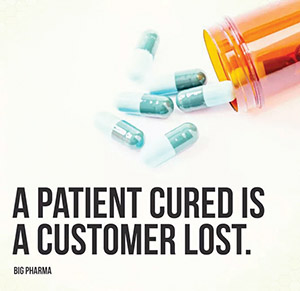
    A patient cured is a customer lost.”
    – Unknown

    On January 9, 2025, actor and director Mel Gibson appeared on the popular podcastThe Joe Rogan Experience (episode #2254). One of the most-watched clips from the discussion began at 1:37:16, when Mel Gibson spoke about three friends who all had stage 4 cancer. 

    “They don’t have cancer anymore,” Gibson stated. When Rogan asked what treatments they had undergone, Gibson mentioned four medications: ivermectin, fenbendazole, hydroxychloroquine, and methylene blue. These medications are often dismissed as quackery by Big Pharma. However, they have allegedly been effective in treating not only COVID-19 but also a variety of other diseases, including cancer. 

    “This stuff works, man,” Gibson asserted, explaining that the methods he and others use for optimal health do not profit Big Pharma and are therefore vilified.
    “There’s a lot of stuff that does work, which is very strange, because when you hear about things that are demonised and then turn out to be effective, you always wonder, ‘What is going on here?’ responded Rogan.

    In fact, substantial research is being conducted into these treatments, many “repurposed” or “repositioned” because they were not originally intended to treat cancer or COVID-19. But you won’t hear anything of it in mainstream media or from so-called government “health” authorities.

    “How have our medical institutions failed us so badly that treatments which can actually cure us aren’t promoted simply because they’re not profitable or can’t be patented? Whether it’s vitamin D, K2, or magnesium – there’s clearly something wrong,” Rogan added.

    The Power of Repurposing

    Using a drug for a purpose other than its original intention is not a new concept. This is often a powerful and effective method to cure disease and treat various ailments. 

    According to the article “Drug Repurposing: An Effective Tool in Modern Drug Discovery,” published in the National Library of Medicine, “Drug repurposing is the technique of using an existing drug or drug candidate for a new treatment or medical condition for which it was not previously indicated. It was initially developed to treat a different medical condition. This process is often described as serendipitous, as it happens unexpectedly. In this case, the undesired side effects of drugs can signal the possibility of their effectiveness for an entirely different medical condition. Generally, these drugs have already established safety in humans and have undergone testing for efficacy against a different disease. This approach allows for a more direct path to preclinical and clinical trials, bypassing many traditional drug development processes, thus reducing risk and costs.”

    The benefits of repurposed drugs have proven to be instrumental in treating diseases that lack current treatments or cures. They can also be valuable for common illnesses where approved treatments may result in significant side effects, be too costly for patients, or may not be covered by insurance for similar reasons.

    Ivermectin
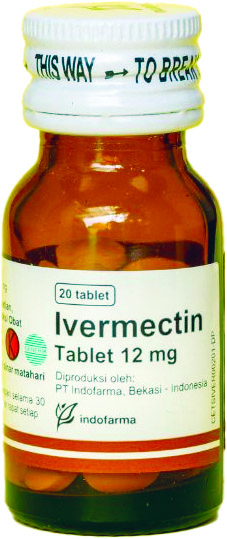
    Known as a “miracle drug,” ivermectin is a member of the avermectin family of medicines. It has a long history of use in addressing various health issues in underdeveloped countries. It has been pivotal in the battle against deadly tropical diseases and parasitic infestations in animals. 

    Discovered in 1975, ivermectin was initially used primarily in veterinary medicine and was approved for human use in 1987. It is effective against infestations such as head lice, scabies, trichuriasis, ascariasis, river blindness, and lymphatic filariasis. For their roles in the discovery and development of ivermectin, William Campbell and Satoshi Omura were awarded the Nobel Prize in Physiology or Medicine in 2015. Since then, ivermectin has been approved by the US Federal Drug Administration (FDA) as an antiparasitic and has become one of the most widely prescribed medications in the world. 

    However, this changed with the onset of COVID-19.

    The COVID-19 years were marked by alarming headlines of mass deaths, leading many people to accept the situation without question. They lined up repeatedly to receive the mRNA vaccines and boosters, sought out officially approved treatments in hospitals, and took prescribed medications that the “experts” claimed would ensure recovery. Unfortunately, these approaches did not work as intended.

    Yet, there were effective alternative drugs and remedies. Why didn’t doctors embrace them? 

    Under US federal law, new vaccines and medications can only receive Emergency Use Authorisation (EUA) when “no adequate, approved, and available alternatives” exist. Because the introduction and wide distribution of COVID-19 mRNA vaccines and expensive new treatments relied upon obtaining this emergency designation, inexpensive, already-approved medications like ivermectin posed a significant obstacle.

    In August 2021, retail pharmacies reported a sharp rise in ivermectin prescriptions, prompting an intense public campaign labelling it as a dangerous “horse dewormer.” This portrayal minimised ivermectin’s long-established human uses, Nobel Prize-winning legacy, and extensive research history, effectively sidelining it from mainstream consideration. Had ivermectin been widely recognised as effective, the pharmaceutical industry’s ability to market COVID-19 as a persistent emergency would have diminished significantly, threatening substantial financial incentives.

    As a repurposed medication, ivermectin was overshadowed by a medical industry that benefited from keeping it in obscurity. Doctors who suggested its use for COVID-19, especially in its early stages, found themselves on “disinformation lists,” faced license suspensions, and endured bans and censorship. Nevertheless, many brave physicians continued to prescribe it as part of treatment protocols for the virus and later for vaccine side effects, risking their careers and lives.

    Ample research indicates that ivermectin works effectively as an antiviral and aids many individuals in their recovery from COVID-19. The Independent Medical Alliance (formerly known as the FLCCC) provides an in-depth look at ivermectin on their website. They feature a comprehensive meta-analysis of 105 studies involving 220,423 patients across 30 countries, demonstrating that ivermectin significantly reduced risks related to mortality, ventilation, ICU admission, hospitalisation, recovery time, case numbers, and viral clearance. Additionally, a thorough 31-page review of trial data was published in Frontiers of Pharmacology in June 2021. A search on PubMed reveals over 700 studies on ivermectin, confirming that the research is readily available.

    But can ivermectin cure cancer?

    According to over 360 research papers found under a search for ivermectin and cancer on PubMed, evidence suggests that ivermectin can inhibit the growth of cancer cells and downregulate cancer cell expression. Research conducted by the IMA indicates that ivermectin “may inhibit the growth of various cancer cells by disrupting multiple signalling pathways essential for cancer cell survival.” For instance, a study titled “Ivermectin as an Inhibitor of Cancer Stem-Like Cells,” conducted in February 2018, aimed to demonstrate that ivermectin preferentially inhibited cancer stem-like cells (CSCs) in breast cancer, downregulating the expression of “stemness” genes.

    Another study, “Anthelmintic Drug Ivermectin Inhibits Angiogenesis, Growth, and Survival of Glioblastoma Through Inducing Mitochondrial Dysfunction and Oxidative Stress,” published in November 2016, found that “the inhibitory effects of ivermectin are significantly reversed in mitochondria-deficient cells or cells treated with antioxidants.” This further confirms that ivermectin acts by inhibiting mitochondrial respiration and inducing oxidative stress. Importantly, the study indicates that ivermectin suppresses phosphorylation of Akt, mTOR, and ribosomal S6 in glioblastoma and human brain microvascular endothelial cells, suggesting its inhibitory role in deactivating the Akt/mTOR pathway. Overall, this research underscores ivermectin as a valuable addition to the treatment options available for various health conditions.

    Many studies are conducted using animal models, typically mice, and they show great promise for human applications. However, it would be beneficial if the medical industry allocated more funding for human studies. Big Pharma often finances medical research, which can cost millions of dollars, leading smaller research studies to be overlooked. As a result, these smaller studies may or may not gain acceptance in medical journals, which are also influenced by the interests of Big Pharma.

    Additionally, it’s important to point out that an increasing body of research has established significant links between certain bacterial and parasitic infections and the development of specific cancers. A landmark study published in The Lancet Infectious Diseases (2006) titled “Infectious causes of cancer: a global perspective” estimated that 15–20% of global cancers may have an infectious origin, with the burden particularly high in developing countries. 

    Hydroxychloroquine
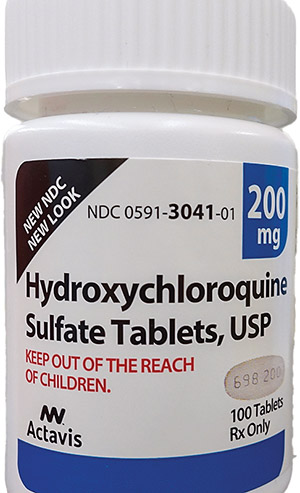
    Hydroxychloroquine has faced scrutiny similar to ivermectin, despite numerous studies demonstrating its efficacy as a potent tool in the fight against COVID-19. This less toxic derivative of chloroquine has been proven effective in inhibiting SARS-CoV-2 infection. 

    Regarding cancer treatment, several studies have explored its applications, including the paper titled “Hydroxychloroquine: Key Therapeutic Advances and Emerging Nanotechnological Landscape for Cancer Mitigation,” published in the December 1, 2023, edition of Chemical Biological Interactions by the National Center for Biotechnology Information. Hydroxychloroquine (HCQ) is classified as a unique medication widely used in cancer treatment. HCQ plays a dual role by inhibiting autophagy induced by the tumour microenvironment (TME). Preclinical studies support the use of HCQ for anti-cancer therapy, especially when combined with conventional treatments, as it can sensitise tumour cells to drugs, enhancing therapeutic effectiveness.

    Fenbendazole

    Another drug of interest is fenbendazole, which Mel Gibson cited in his interview. Fenbendazole has been used to treat rodent pinworm infections due to its ease of use and minimal side effects. Research has been conducted in animal models, such as in the November 2008 Journal of the American Association of Laboratory Animal Science, which reported the “Unexpected Antitumorigenic Effect of Fenbendazole When Combined with Supplementary Vitamins.” This study found that combining vitamins and fenbendazole in a diet resulted in “significant inhibition of tumour growth,” but this effect was observed only in mice that received both treatments, not in control groups that received either only vitamins or only fenbendazole.

    In terms of human studies, “Oral Fenbendazole for Cancer Therapy in Humans and Animals,” published in the September 2024 issue of Anticancer Research, indicates that the anti-cancer activity of fenbendazole has been investigated across various cell lines, showing anti-tumour effects against multiple cancer types. Ongoing research suggests that fenbendazole may disrupt microtubules, which are structures involved in cell division and growth. By interfering with microtubule function, fenbendazole may inhibit the division and proliferation of cancer cells.

    Another anthelmintic medication, mebendazole, is specifically formulated for human use and has demonstrated anti-cancer effects. Previous studies indicate that when mebendazole is used in conjunction with other targeted therapy drugs, it may be effective in treating advanced colorectal cancer and pancreatic cancer.

    Vitamin C

    Another promising cancer treatment, high-dose intravenous vitamin C (HDIVC), has been around for some time, and new studies continue to support it. However, most doctors and nearly all hospitals avoid using it. Why is that? 

    In an article titled “Cancer Treatment and High Dose IV Vitamin C” on NatureMed.com, a study from the University of Iowa found that when combined with chemotherapy, high-dose intravenous vitamin C doubled survival rates for patients with late-stage metastatic pancreatic cancer. The article references studies dating back to the 1950s that highlight the positive effects of HDIVC on cancer treatment. Additionally, the US National Institutes of Health has awarded nearly 2,000 grants for research on this treatment.

    A single but highly significant issue is that pharmaceutical companies cannot patent vitamin C, which means that, like many other potentially groundbreaking treatments, its use is suppressed and restricted. This denial of access affects not only patients who have exhausted other treatment options but also those who are willing to try anything for a chance at survival.

    The Big Blue Powerhouse: Methylene Blue

    Robert F. Kennedy Jr., the US Secretary of Health and Human Services, recently caused a sensation when he was spotted on board a plane dosing his glass with a dropper of blue liquid that was believed to be Methylene Blue.

    Mel Gibson and Joe Rogan also discussed the increasing use of methylene blue for various health issues, particularly its role in enhancing mitochondrial health in cells. 

    This synthetic compound, available both over the counter and by prescription, was originally created in the 1870s as a textile dye due to its vibrant blue colour. Its other beneficial properties soon became apparent, including its therapeutic effects against malaria. Methylene blue also shows promise as an antibiotic and antipsychotic, and since the 19th century, it has been repurposed to treat cyanide and carbon monoxide poisoning.

    In recent years, methylene blue has been associated with improved brain function, enhanced memory, elevated mood levels, and potentially reduced risks of cognitive diseases such as Parkinson’s, various forms of dementia, and Alzheimer’s. 
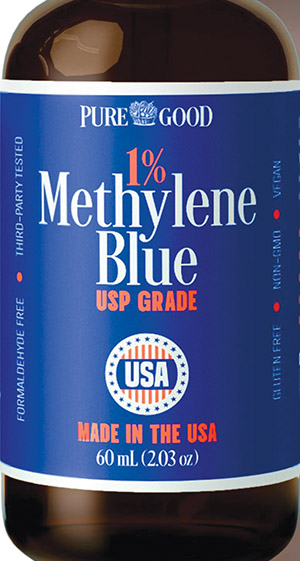
    According to Dr. Eric Berg’s article “Methylene Blue: Benefits, Uses, and Risks,” this remarkable drug operates by improving mitochondrial energy metabolism. It acts as an artificial electron carrier in the electron transport chain (ETC) – a series of proteins embedded in the inner membrane of mitochondria. These electron carriers help shuttle electrons between molecules for energy conversion. By increasing mitochondrial respiration and facilitating electron transport, methylene blue can enhance energy production, thereby linking it to positive effects on mood, energy levels, cardiovascular health (by improving blood circulation and lowering blood pressure), neurodegenerative diseases, and gastrointestinal issues.

    Methylene blue also possesses antimicrobial properties that inhibit the growth of Candida species, staph bacteria, and even E. coli. Research suggests it may offer liver protection by activating SIRT1, enhancing fat metabolism, and supporting hormonal balance. Additionally, it may aid in increasing fat-burning and activating AMPK, known as the “metabolic master switch.”

    In cancer treatment, several studies have indicated that combining methylene blue with photodynamic therapy can reduce tumour sizes in various cancers, including carcinomas, colorectal cancer, and melanoma. A systematic review published on September 28, 2023, in Frontiers in Pharmacology, found evidence supporting the effectiveness of photodynamic therapy with methylene blue against multiple cancer types. While there was a modest decrease in tumour size in breast cancer and HeLa models, the results for colorectal tumours, carcinomas, and melanomas were particularly promising. The findings encouraged continued pharmaceutical development of a dosage form based on methylene blue and further investigation into its therapeutic applications.

    A study, “Methylene blue in clinical practice for cancer identification,” published on July 26, 2022, in Precision and Future Medicine, found that methylene blue could improve tumour detection with minimal error. This study demonstrated the feasibility of utilising methylene blue-based imaging during surgery to identify tumour lesions, such as diagnosing solitary fibrous tumours in the pancreas and identifying parathyroid adenomas and paragangliomas. An intravenous injection of methylene blue at a dose of 1.0 mg/kg, either immediately before surgery or three hours prior to surgery, produced fluorescent signals in 20 out of 24 patients with breast cancer.

    Despite its benefits, methylene blue has some drawbacks, including interactions with SSRIs, potential harm to fetuses for pregnant and breastfeeding women, and drug interactions that can lead to anemia. 

    It’s essential to discuss the use of this powerful compound with a doctor or pharmacist to ensure its safety and determine the correct dosages. Typical side effects may include nausea, vomiting, confusion, and headaches. Additionally, it can cause your tongue, urine, and faeces to turn blue.

    DMSO (Dimethyl sulfoxide)
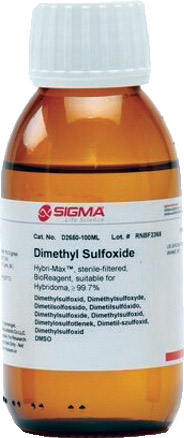
    Midwestern Doctor, in his Substack article “Hundreds of Studies Show DMSO Transforms The Treatment of Cancer,” discusses a remarkably cheap but overlooked treatment for cancer: DMSO (Dimethyl sulfoxide). Several studies demonstrate that DMSO effectively treats various conditions, including cancer, by inhibiting tumour growth and reverting cancer cells to their normal state. Additionally, DMSO may help mitigate some of the damage caused by chemotherapy and radiation, as well as relieve pain from metastatic cancer. DMSO can enhance the treatment’s effectiveness for those undergoing chemotherapy, potentially reducing the number of sessions required.

    Midwestern Doctor asserts that DMSO has the potential to revolutionise cancer care when combined with other natural therapies. However, he noted that few people are aware of DMSO’s existence, and doctors rarely incorporate it into treatment plans. 

    “[S]ince so much money is involved (e.g., 65% of oncologists’ revenues come from chemotherapy drugs, and cancer medications represent the most profitable drug market), there is significant pushback against anyone who attempts alternative cancer therapies making it very difficult to practice unconventional cancer care – particularly since no alternative treatment works all the time,” notes Midwestern Doctor.
    This image has an empty alt attribute; its file name is Cover210-300.jpg

    Get the issue this article appears in

    The Future is Personalised medicine

    As alternative treatments gain acceptance, perhaps driven by movements like MAHA (Make America Healthy Again), there is hope that the research community will produce more well-funded and unbiased studies on these options. 

    Moreover, there is optimism that artificial intelligence (AI) can contribute to the future of medicine by personalising treatment based on individual needs and potential effectiveness rather than aligning with the interests of pharmaceutical corporations. The integration of AI in medicine requires rigorous public oversight to prevent its misuse by powerful entities seeking to steer research toward their financial interests.

    Personalised medicine has the potential to ensure that we, as patients, do not fall into the trap of “one drug fits all,” where a single medication is prioritised and alternatives are sidelined. AI-driven medicine can identify ALL the most suitable treatments, including repurposed medications, that align with how nature and biology function in each individual, proposing the best healing protocols rather than relying on the latest trend in pharmaceuticals. After all, we humans are not “one size fits all,” so why should our medical treatments be?

    In the meantime, individuals are taking on the role of their own medical detectives, uncovering truths that have historically been obscured by those profiting from misinformation and deception.

    Disclaimer: This article is for informational purposes only and does not replace professional medical advice. Always consult a qualified healthcare provider before self-treatment.

    [alert type=”general” dismiss=”no”]This article was published in New Dawn 210.[/alert]

    [alert type=”success” dismiss=”no”]If you appreciate this article, please consider subscribing to help maintain this website.[/alert]

    Sources

    youtube.com/watch?v=1rYtrS5IbrQ (Joe Rogan Experience)
    alternativemedicine.com/cancer/facts-you-might-not-have-known-about-fenbendazole/
    drberg.com/blog/fascinating-health-benefits-of-methylene-blue
    x.com/DrJesseMorse/status/1887928040929534294 (Dr Jesse Morse explains the benefits of methylene blue)
    media.mercola.com/ImageServer/Public/2024/October/PDF/methylene-blue-benefits-side-effects-pdf.pdf
    imahealth.org/an-approach-to-the-use-of-repurposed-drugs-in-patients-with-cancer/
    journals.lww.com/americantherapeutics/fulltext/2021/08000/
    ivermectin_for_prevention_and_treatment_of.7.aspx
    midwesterndoctor.com/p/hundreds-of-studies-show-dmso-transforms
    osti.gov/biblio/22696697
    pnas.org/doi/abs/10.1073/pnas.73.10.3685
    pmc.ncbi.nlm.nih.gov/articles/PMC9945820
    pmc.ncbi.nlm.nih.gov/articles/PMC10631450
    pubmed.ncbi.nlm.nih.gov/19049251
    sciencedirect.com/science/article/pii/S1572100024000863

    © New Dawn Magazine and the respective author.
    For our reproduction notice, click here.
  • The Greatest Health Lies Ever Told

    The Greatest Health Lies Ever Told

    From New Dawn Special Issue Vol 16 No 6 (Dec 2022)

    When it comes to our health, we are way too trusting of industries that are in business to earn a profit, often at our expense. We believe our health professionals’ primary concern is our well-being, not their wallets. We accept at face value anything told to us by “experts” in the media and vilify those who dare to question these experts, even when they lie.

    Sometimes lies are nothing more than great marketing. For example, ever wonder why you are told to walk 10,000 steps a day? It came from a 1965 Japanese company called Yamasa Toki that introduced their new product, a step-counter called Manpo-Kei. This translated into “10,000 steps meter” and the company marketed their device with the slogan, “Let’s walk 10,000 steps a day,” which took off among Japanese walking clubs, and then, the world.

    In this case, the end result was a positive and healthy one.

    Not every health “lie” is.

    Smoking Is Safe!

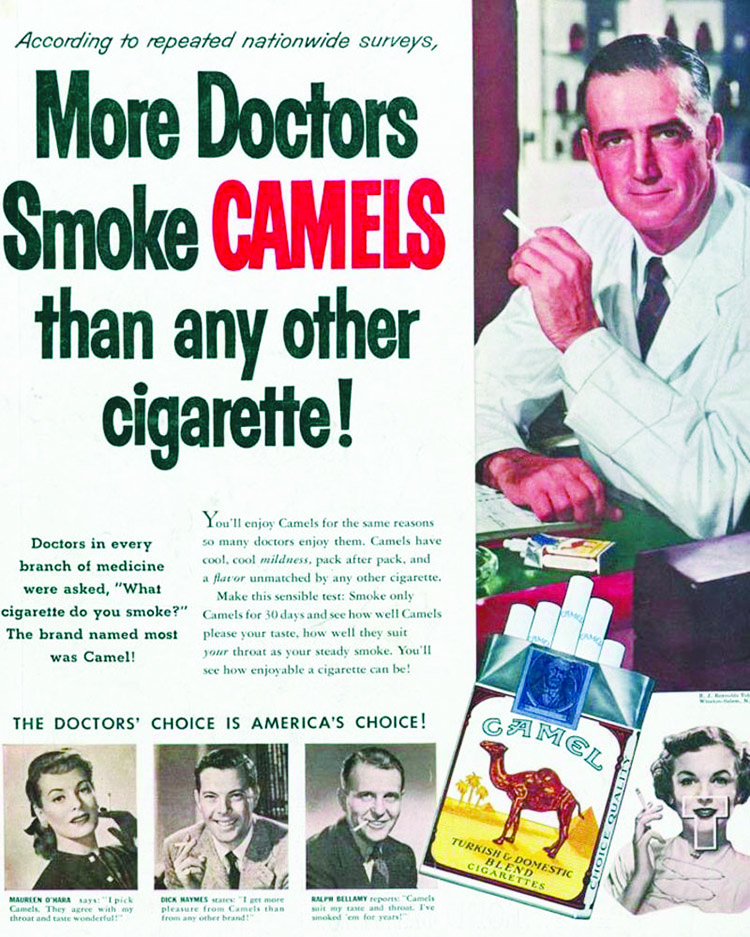
    For decades, cigarette ads touted their product as healthy and sometimes included pregnant women and doctors puffing away. Cigarettes were all the rage until links between smoking and cancer got too big to ignore.

    An authentic advertisement from mid-last century advertising Camel cigarettes as safe because more “doctors” smoke the brand!

    In 2006, Big Tobacco was in big trouble when the US District Court for the District of Columbia found tobacco companies guilty of breaking civil racketeering laws, marketing to children and minorities, and lying about the dangers of smoking. Judge Gladys Kessler wrote in her ruling, “Substantial evidence establishes that tobacco companies have engaged in and executed – and continue to engage in and execute – a massive 50-year scheme to defraud the public.”

    Big Tobacco companies Lorillard, Inc.; Altria, owner of Phillip Morris USA; RJ Reynolds Tobacco, owner of Winston-Salem, who that year spent over $12.5 billion in advertising, were forced to admit they knew of the dangers, publish corrective and educational statements about the dangers of tobacco in national newspapers, and air corrective statements on American media five times per week for a year. They also had to affix a warning statement to a number of cigarette packs for two years and finance anti-smoking ads and campaigns.

    Sadly, it was too late for the average 1,200 Americans dying of smoking every day or the millions who much later developed various cancers, heart disease, emphysema, leukaemia, reduced fertility rates, and nicotine addictions.

    It was a Big Lie that woke many people up from decades of propaganda and manipulation as more research exposed the cancer connection, including to second-hand smoke. Unfortunately, it was not the only Big Lie.

    Sugar Is Safe!

    If cigarettes didn’t kill us, the side effects of a diet rich in this product might.

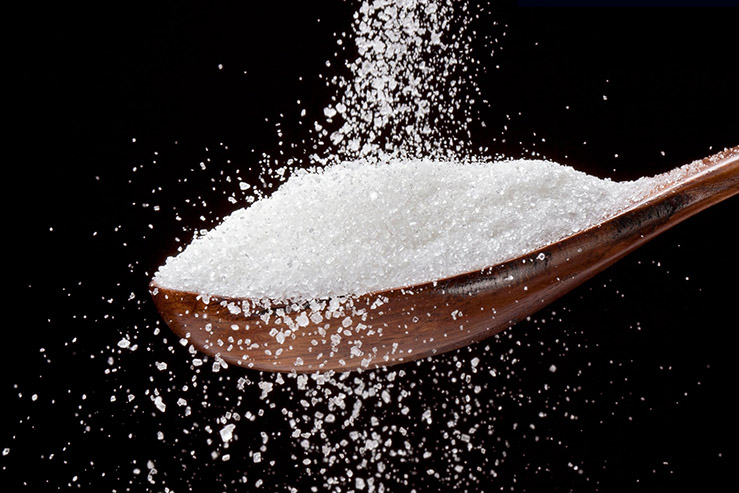
    Sugar.

    The average adult in the United States consumes the most sugar, coming in at 126 grams daily. Germany is right behind with 102 grams. [The average Australian consumes 60 grams.] Children in the US alone consume about 17 teaspoons of sugar each day up until the age of 19.

    Sugar goes by many names including high fructose corn syrup, dextrose, sucralose, and maltodextrin and is found in processed products and treats, but also in many foods you might never suspect, such as “natural” salad dressings, sauces, baby foods, and more. It has been directly linked to inflammation, cancer, heart disease, diabetes, kidney disease, rising obesity in adults and children, and other illnesses, yet for decades it was celebrated as healthy.

    Instead, the bulls-eye target was on something humans had consumed for hundreds of years without the proliferation of heart disease, obesity, or cancers.

    Fat.

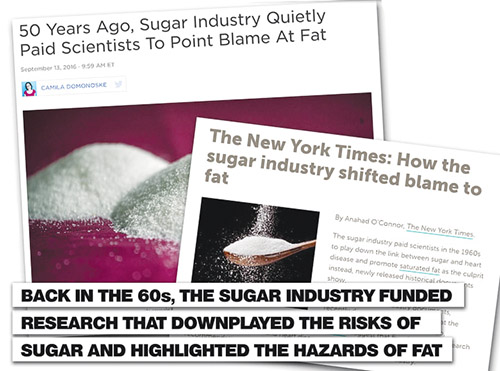
    During the 1960s, the sugar industry paid scientists to perform research studies that played down the links between sugar and heart disease and instead placed the blame on saturated fats, according to internal industry documents published in 2016 by JAMA Internal Medicine. These documents showed a five-decade-long collection of research into nutrition and heart disease, accusing saturated fats as the main culprit behind heart disease while conveniently exonerating sugar.

     According to the 12 September 2016 New York Times “How the Sugar Industry Shifted Blame to Fat” by Anahad O’Connor, this was a concerted propaganda campaign that involved the Sugar Research Foundation paying three Harvard scientists to publish a review on sugar, fat, and heart disease that featured hand-picked studies minimising the links between sugar and heart disease and promoting the links between fat and heart disease. Coca-Cola also paid millions of dollars in funding to researchers to downplay the links between sugar and obesity.

    These faulty and fraudulent industry-sponsored studies became the foundation of a decades-long propaganda push to eliminate fats from our diet and push “healthy” low-fat foods. Carbohydrates in cereals and treats were fine, but a good piece of steak from the local butcher would clog your arteries and send you to the ER. Because the propaganda campaign was so pervasive and those scientists who questioned the narrative were ignored or silenced, people bought it and consumed sugar to the detriment of their health.

    In “Big Fat Lies – A Half Century of Sugary Propaganda Has Made Us Sick” by Brian Krans for Healthline, the sugar industry bought up the advertising necessary to drive home their skewed research. Krans wrote that “Big Sugar” often restructured conversations around health and choice by establishing front organisations to steer the dialogue in their favour. These front organisations used names that made them sound scientific and pro-consumer and paid consultants to speak at conventions and testify at public hearings.

    “During the 1960s, the sugar industry steered public policy away from recommending reduced sugar consumption for children because it caused cavities. Like the tobacco industry, it was able to protect itself from damaging research. It achieved this by adopting a strategy to deflect attention to public health interventions that would reduce the harms of sugar consumption rather than restricting intake.”

    The 2016 JAMA Internal Medicine paper raised even more alarms, according to “50 Years Ago, Sugar Industry Quietly Paid Scientists to Point Blame at Fat” by Camila Domonoske for the 13 September 2016 NPR. JAMA drew on internal documents indicating the Sugar Research Foundation wanted to “refute” concerns about sugar’s possible role in heart disease. The SRF sponsored the research by Harvard scientists and the prestigious New England Journal of Medicine, then published the research in 1967 without disclosing the sugar industry’s funding. The NPR story quotes John Hickson, then SRF vice president and director of research, as having inserted into one document his recommendation that the industry fund its own research studies. “Then we can publish the data and refute our detractors.”

    The following year, after several scientific articles were published linking sucrose and coronary heart disease, the SRF quickly approved the above literature review project and paid approximately $50,000 for the research supporting their pro-sugar goals. Studies that went against their message were dismissed for a variety of trivial reasons, such as one study that found a health benefit when people ate less sugar and more vegetables, dismissed on the grounds that such a dietary change was “not feasible.”

    The Harvard researchers who turned their focus on the dangers of fats ironically used the “same kind of epidemiological studies they had dismissed when it came to sugar,” Domonske wrote. Their conclusion was that cutting out all fat was the best dietary intervention to protect someone against coronary heart disease.

    Heart disease is the number one health-related killer and has been for a long time.

    Statins Are Safe!

    Another great lie was told to millions of people who believe if they don’t take statins, they will die of a heart attack. They believe this because their doctors tell them so and because television ads (in the USA) by pharmaceutical companies scare them into asking their doctors if “such and such drug is right for me.” In the year 2019, sales of the statin Lipitor made Pfizer Pharmaceuticals over $2 billion.

    When saturated fat became the enemy, the debate over cholesterol as a heart disease indicator gained ground, with the narrative that too much cholesterol clogged arteries and caused heart attacks and strokes.

    According to Dr Joseph Mercola in a 16 August 2020 analysis, “Research Confirms Statins Are a Colossal Waste of Money”:

    “The food industry shifted away from saturated fat and cholesterol to improve public health, and the medical industry has massively promoted the use of cholesterol-lowering statin drugs for the same reason. Despite that, the rate of heart disease deaths has steadily risen.”

    The mastermind behind the low-fat, low-cholesterol connection was American physiologist Ancel Keys, who in 1958 conducted his “Seven Countries Study” to create the saturated fat myth. In the study, he claimed to find a correlation between total cholesterol concentration and heart disease but was later found to be cherry-picking data. It was revealed he excluded data from 16 countries that, when added back in, eliminated all associations between saturated fat and mortality and instead proved those who ate the most saturated animal fat tended to have lower incidences of heart disease.

    But it was too late. Big Pharma jumped on Keys’ study and ran with it. The American Heart Association, Proctor & Gamble Co, and the Center for Science in the Public Interest, all jumped on board and promoted the fallacy for decades, ignoring numerous studies disputing older data and other factors that cause heart disease, such as high blood pressure, stress, inflammation, poor diet, and sedentary lifestyle, and passing over more modern research showing that the more LDL, “bad” cholesterol, is lowered, the greater the risk of heart attacks and strokes.

    Mercola notes a number of studies showing statins do not work as promised and that saturated facts are not the evil enemy. “A 2010 meta-analysis which pooled data from 21 studies and included 347,747 adults, found no difference in the risks of heart disease and stroke between people with the lowest and highest intakes of saturated fat.” He cited additional studies and analyses showing the same, including a 2014 meta-analysis of 76 studies by Cambridge University that found no basis for advising low saturated fat consumption to lower cardiac risk.

    A 3 August 2020 Science Daily article, “Doubt Cast on Wisdom of Targeting ‘Bad’ Cholesterol to Curb Heart Disease Risk,” cites an analysis that same year published in BMJ Evidence Based Medicine that stated: “Setting targets for ‘bad’ LDL cholesterol levels to ward off heart disease and death in those at risk might seem intuitive, but decades of research have failed to show any consistent benefit for this approach.”

    Sometimes the lies are told in stealth mode. For example, during the January 2021 COVID media storm, writes Mercola, “a study published in the journal Atherosclerosis quietly revealed that people taking statin medications had a higher rate of cardiovascular events than those who were not on statins.”

    Medical News Today published a June 2016 story by Ana Sandolu, “Statins May Double the Risk of Type 2 Diabetes,” that statins might help heart disease but at the cost of rising rates of the chronic condition. The research, led by Victoria Zigmont, a graduate researcher in public health at Ohio State University in Columbus, appeared in the journal Diabetes Metabolism Research and Reviews. “The analysis revealed that people who took statins were more than twice as likely to receive a diabetes diagnosis than those who did not take the medication. Additionally, people who took statins longer than two years were more than three times as likely to develop diabetes.”

    Statins continue to be handed out like candy, despite side effects that include muscle stress, pain, fatigue, and weakness, including sharp cramping and tendonitis, which can lead to myositis (inflammation of the muscle) and rhabdomyolysis (severe muscle damage, cell death, kidney failure, possible death). They also raise blood insulin levels. Statins can trigger insulin-related issues and increase the risk of new-onset diabetes for those people taking higher dosages of statins after a heart attack or surgery. They are linked to brain fog, impaired concentration, memory loss, cataracts, dementia, mood changes and mood disturbances, and increase the risk of obesity, ironically which can lead to heart disease and strokes. They also deplete the body’s natural stores of CoQ-10, which is critical for heart health.

    5G is Safe!

    In December 2019, a broad coalition of scientists, researchers, doctors, and advocates signed a National 5G Resolution letter and sent it to US president Donald Trump demanding a moratorium on 5G until further studies on the potential hazards to humans and the environment could be fully undertaken by independent scientists not linked to the telecom industries. The letter referenced published studies that clearly demonstrated harm to human health, bees, the environment, wildlife, trees, and birds from existing technology and showed that the increases needed to accommodate 5G would be even more disastrous.

    A petition signed by 26,000 scientists and countless others who opposed 5G was also sent in 2018 to the United Nations, WHO, the European Union, the Council of Europe, and the governments of all nations. The first paragraph stated:

    “We the undersigned scientists, doctors, environmental organisations and citizens from (…) countries, urgently call for a halt to the deployment of the 5G (fifth generation) wireless network, including 5G from space satellites. 5G will massively increase exposure to radio frequency (RF) radiation on top of the 2G, 3G and 4G networks for telecommunications already in place. RF radiation has been proven harmful for humans and the environment. The deployment of 5G constitutes an experiment on humanity and the environment that is defined as a crime under international law.”

    One of the main concerns is 5G’s reliance on the bandwidth of the millimetre wave – MMW, known to penetrate 1 to 2 millimetres into human skin tissue, and that sweat ducts in human skin can act as antennae when in contact with MMWs. The symptoms of such exposure include burning sensations, pain, eye problems, altered heart rate, arrhythmias, and suppressed immune functions. With 5G set to act like an EMF blanket, one can only imagine the symptoms of longer-term exposure.

    In “5G Danger: 13 Reasons 5G Wireless Technology Will Be a Catastrophe for Humanity,” Makia Freeman says that 5G dangers include, but are not limited to:

    Damage to sweat ducts from the broadcast frequencies that could alter the human skin itself.

    Dangers from premature aging and injury to the body, the brain, fertility, hearts, and DNA from the way EMFs activate the body’s VGCCs – Voltage-gated calcium channels.

    Damage from pulsed wave radiation is far worse than continuous radiation.

    Damage from deep EMF penetration when cell phones are held close to the brain.

    Close proximity to the 5G towers causes negative effects in humans.

    The same frequencies used in 5G are used in riot control and crowd dispersal directed energy weapons.

    The MMW frequencies are both mutagenic (causing DNA damage) and carcinogenic (causing cancers).

    Insects, birds, and children are the most vulnerable to 5G frequencies because of their body size.

    Other Lies They Told Us – Fluoride is Safe!

    Since the 1950s, the US Public Service endorsed adding fluoride to public drinking water for supposed benefits to public health, despite earlier 1945 studies not yet reaching any conclusion. Since then, numerous studies have proven fluoridation lowers IQs in children. The US National Institute of Environmental Health Science funded the “Bashash” study, published in 2017, that showed for each 1-milligram per litre increase in fluoride in pregnant women’s urine, there was an associated drop in her child’s IQ of four to five points. Canadian researchers found that bottle-fed children in fluoridated communities had an average of nine points lower on IQ tests than those in non-fluoridated communities. An earlier 2012 meta-analysis by the Harvard School of Public Health and China Medical University found evidence that fluoride negatively affected cognitive development in children.

    Pesticides Are Safe!

    In 2018, major lawsuits were filed against Roundup, a herbicide (weed killer) made by Monsanto (now owned by Bayer). Dewayne Johnson, a school groundskeeper who developed non-Hodgkin’s lymphoma after prolonged exposure on the job, was awarded hundreds of millions in damages. There are now more than 11,000 pending lawsuits against Bayer/Monsanto over the use of Roundup and the key ingredient, glyphosate, a known carcinogen.

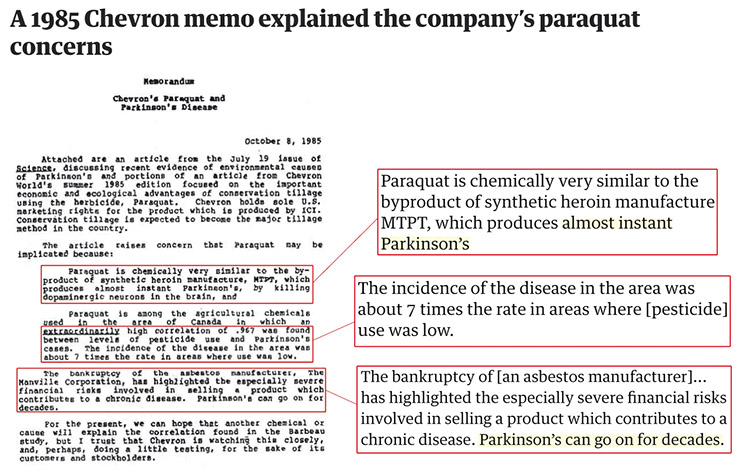
    On 21 October 2022, The Defender featured a story by Carey Gillam, “50 Years of Secrets: How Chemical Giant Syngenta Hid the Truth About a Dangerous Weedkiller.” Gillam documents how Syngenta manufactured and marketed paraquat, a widely used weed killer. The company’s internal documents reveal it was aware their product’s long-term use was linked to Parkinson’s Disease.

    Hundreds of internal corporate records also uncovered conversations between scientists and executives dating back to the 1950s.

    “The documents also lay out how Syngenta crafted strategies to defend paraquat and counter independent researchers who were finding more and more evidence that paraquat may cause Parkinson’s, including development of an ‘influencing’ strategy ‘that proactively diffuses the potential threats that we face’…”

    Sound familiar?

    A Depressing Lie

    There is mounting evidence that a low serotonin level is not the main cause of depression as we have been told for decades. But don’t tell that to the makers of antidepressants called SSRIs, selective serotonin reuptake inhibitors, who rake in billions of dollars, convincing millions of people they need to take drugs like Zoloft, Prozax, or Lexapro.

    Irving Kirsch – associate director of the Program in Placebo Studies and the Therapeutic Encounter at Beth Israel Deaconess Medical Center and Harvard Medical School and a long-time critic of antidepressants – told Newsweek: “People do get better on the drug – but in the vast majority of cases it’s not because of what’s in the drug. There are other treatments that are at least equally effective, and that don’t carry the risks.”

    The small benefits seen in some drug trials are due to emotional numbing, the “flatlined” symptom many on SSRIs report. This numbing effect comes at a steep price, however, as it also prevents you from experiencing emotional highs and does little to counteract the loss of energy, interest and motivation that are so characteristic of depression.

    A systematic review published in Molecular Psychiatry on 20 July 2022 concluded: “The main areas of serotonin research provide no consistent evidence of there being an association between serotonin and depression, and no support for the hypothesis that depression is caused by lowered serotonin activity or concentrations. Some evidence was consistent with the possibility that long-term antidepressant use reduces serotonin concentration.”

    Using these drugs long-term will likely make you more depressed! Not to mention the long list of side effects including suicidal ideation in children and young adults.

    Get the issue this article appears in

    Take Back Your Health!

    Dr Leland Stillman, author of the new book Dying to Be Free: How America’s Ruling Class Is Killing and Bankrupting Americans, and What To Do About It, warns that “people are being really exploited by the medical system… The [conventional] model is to turn you into a recurring revenue stream, where you’re renting your body from Big Pharma.”

    “It’s one of the most disillusioning things, as a practitioner, to realise that so many people are not actually invested in their wellness,” laments Stillman.

    The lies, myths, and half-truths only work if we believe and accept them. Instead, we should believe, as Stillman does, that an entirely new healthcare system can and is being built on maintaining health rather than managing disease.

    [alert type=”general” dismiss=”no”]This article was published in New Dawn Special Issue Vol 16 No 6.[/alert]

    [alert type=”success” dismiss=”no”]If you appreciate this article, please consider subscribing to help maintain this website.[/alert]

    Sources

    https://careygillam.substack.com/p/50-years-of-secrets-revealed
    www.sgtreport.com/2022/10/antidepressants-rarely-outperform-sugar-pills/
    www.newsweek.com/2022/09/30/antidepressants-work-better-sugar-pills-only-15-percent-time-1744656.html
    www.thedailybeast.com/big-tobaccos-biggest-lies
    www.globalresearch.ca/5g-danger-13-reasons-5g-wireless-technology-will-be-a-catastrophe-for-humanity/5680503
    www.1news.info/health-news/how-conventional-medicine-kills-and-what-to-do-about-it-1290461
    https://jamanetwork.com/journals/jamainternalmedicine/article-abstract/2548255
    www.medicalnewstoday.com/articles/325567
    www.npr.org/sections/thetwo-way/2016/09/13/493739074/50-years-ago-sugar-industry-quietly-paid-scientists-to-point-blame-at-fat
    www.nytimes.com/2016/09/13/well/eat/how-the-sugar-industry-shifted-blame-to-fat.html
    www.peoplespharmacy.com/articles/why-doesnt-lowering-ldl-cholesterol-save-more-lives
    www.sciencedaily.com/releases/2020/08/200803184143.htm
    https://tobacco.stanford.edu/antismoking/anti-industry/industry-lies

    © New Dawn Magazine and the respective author.
    For our reproduction notice, click here.
  • Death By Plasticide? How Microplastics Threaten Our Health, Organic Agriculture & Fertility

    Death By Plasticide? How Microplastics Threaten Our Health, Organic Agriculture & Fertility

    From New Dawn 205 (Jul-Aug 2024)

    The amount of microplastic I found in the biosolids was really high… and that means they are all going to our agricultural soil.
    – Shima Ziajahromi, Griffith University, Australia

    Some scientists have estimated the average person might eat 5 grams of microplastics in a week – about the weight of a credit card. Another study breaks that down to up to 52,000 particles annually from various food sources. These figures, which only take into account microplastic particles, are likely underestimated.
    – Phoebe Stapleton, PhD, assistant professor of pharmacology and toxicology, Rutgers University

    The statistics are staggering. By 2060, humans will produce over one billion tons of plastic waste, much of that in the form of microplastics and nanoplastics – plastic particles smaller than five millimetres long. According to “Human Consumption of Microplastics,” a 2022 research analysis of 26 studies published in Environmental Science & Technology, the average person eats, drinks, and breathes between 78,000 and 211,000 microplastic particles every year – and that is considered a vast underestimation.

    Microplastics are found in ever-increasing amounts in our air, water, food, clothing, products, and soil. They pollute our skies, fill our oceans and landfills, and have even been found beneath polar ice and in remote rainforests. We cannot escape them or the detrimental effects they pose to human health. While the global media proclaims climate change as the coming end of humanity, we are slowly being poisoned to death by a far more insidious, immediate threat working its way into our bodies and wreaking havoc with humanity’s future.  

    A Surprising Source

    We once believed that organic soil and fertilisers, and thus, organic farms and the food grown there, were environmentally safe from these tiny plastic particles. However, a new study out of Australia has rung alarm bells within the nation’s agriculture industry and raised public concern. 

    On 17 May 2024, Sky News investigations reporter Jonathan Lea released the shocking results of a study by researchers at Australia’s Griffith University. Tests revealed that a popular organic fertiliser contained microplastics “full of chemicals that could potentially leach into crops and plants.” Two farms that use the fertiliser were found to have these plastic contaminants in their soil. The research team believes this study proves toxic plastics “are not only being transported to farms but may end up back on our dinner plates,” according to Lea’s report.

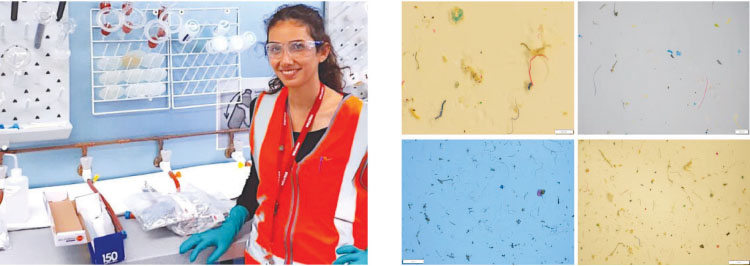
    The Griffith University study, led by researcher Dr Shima Ziajahromi from the ARI-TOX research group at the Australian Rivers Institute, found thousands of microplastics in small fertiliser samples taken from Queensland, New South Wales, and South Australia. Known as “biosolids,” this type of fertiliser was once considered environmentally friendly because it was made from filtered wastewater from sewage treatment plants. The new study showed much greater amounts of microplastics than expected in the biosolids samples analysed.

    Australian wastewater treatment plants produce tonnes of treated sewage sludge annually, which is dried to make these “biosolids.” Two-thirds of the 340,000 tonnes produced annually are used on farms to improve soil quality and stimulate plant growth. 

    When asked if Australia was unwittingly fertilising its fields and farms with microplastics and chemicals, Dr Ziajahromi answered, “Yes.” The study’s results are a shock to the expanding organic agricultural market and its claims of products that are “green, plentiful, and cheap.” Dr Ziajahromi went on to say, “This is the contamination we (humans) produce and it’s coming back to us.”

    Dr Shima Ziajahromi, an Advance Queensland Research Fellow and lecturer at Australian Rivers Institute, Griffith University, led the study that found microplastics in biosolids, as seen under microscope in these images (RIGHT).

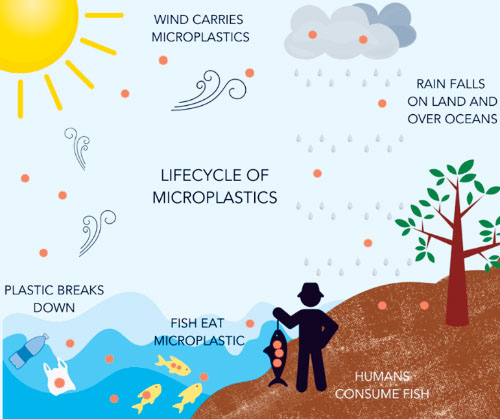
    Microplastics get into wastewater via clothing, food containers, and cosmetics washed down through sinks and showers. Because these tiny contaminants do not degrade easily, they have the potential to leach into our soil, which is then consumed by plants and animals and passed down the food chain to humans. 

    The lack of chemical regulation in Australia is a huge problem, with less than 0.3% of the thousands of chemicals produced daily having regulatory oversight. The call has now gone out to examine Australia’s growing organic farming industry and the need for tighter regulations to protect consumers and farmers who may have used contaminants “by accident” and not with harmful intent. Organic foods Australians consume may not be as healthy as claimed if treated with biosolids filled with microplastics, and consumers deserve to know this.

    The Griffith University study was conducted over multiple seasons using a purification method to accurately identify and quantify microplastics (MPs) from complex samples. It revealed that every Australian releases between 0.7 and 2.1g of MPs into wastewater every year, with New South Wales ranking the lowest and South Australia ranking the highest per capita for concentration of MPs.

    Current Australian regulations control the amount of heavy metals, nutrients, pathogens, and some emerging contaminants allowed in biosolids, but Dr Ziajahromi said there was currently no guideline for microplastics concentrations.

    These findings “underscored the urgent need for a greater understanding of the risks of MPs in biosolids to our agricultural soils as they can accumulate in soils and breakdown into smaller micro and nano-sized particles which can cause more harmful effects to our soil ecosystem.”

    The use of plastics expanded after World War 1 and exploded in the 1970s. According to 2022 OECD data, 460 million metric tonnes of plastic is produced worldwide every year – and growing.

    We now move to other recent reports about microplastic contamination and the price society and the planet are now paying for this love affair with industrial synthetics. 

    A Bite of Plastic

    A BBC report by Isabelle Gerretsen discusses how microplastics have already infiltrated our food. Plastic pollution, she writes, is “one of the defining legacies of our modern way of life, but it is now so widespread it is even finding its way into fruit and vegetables as they grow.”

    MPs are everywhere: buried in the Antarctic sea ice, in the guts of marine animals, in wastewater and drinking water around the world – even on the beaches of the most remote and uninhabited islands. 

    “One study estimated that there are around 24.4 trillion fragments of microplastics in the upper regions of the world’s oceans,” notes Gerretsen. Microplastics then get into the food we eat. “Unwittingly, we may be consuming tiny fragments of plastic with almost every bite we take.”

    A 2022 study by the Environmental Working Group found that sewage sludge had contaminated approximately 20 million acres of US cropland alone. These contaminants are plastic-based “forever chemicals” that do not break down under normal environmental conditions. Europe doesn’t fare any better, as the study showed an estimated 8-10 million tons of sewage sludge produced in Europe each year, with about 40% used on farmlands, which means, according to another study by Cardiff University, between 86 trillion to 710 trillion MP particles could be contaminating European farmland annually.

    Another report by the UK’s Environment Agency showed that sewage waste destined for English farmland was contaminated with pollutants, including dioxins and polycyclic aromatic hydrocarbons at levels that may risk human health. 

    According to a 2020 experiment done by Kansas University agronomist Mary Beth Kirkham, plastic can serve as a vector for plant uptake of toxic chemicals such as cadmium. “In the plants where cadmium was in the soil with plastic, the wheat leaves had much, much more cadmium than the plants that grew without plastic in the soil.”

    We might expect MP contaminants in large, industrialised farms and in the food we buy at big supermarkets but they have also been detected in fruits and vegetables sold by local street sellers in Sicily, Italy. Apples appeared to be the most contaminated fruit, with carrots having the highest levels of MPs among vegetable samples. Analysis revealed that the plastics accumulated in the plant roots, meaning that root vegetables such as carrots, turnips, and radishes have more microplastics when consumed.

    Even when soil is not as highly contaminated, these persistent chemicals will continue to accumulate until they become a real risk to human health. Numerous studies already show strong negative impacts of microplastics on human health, causing cell damage, infertility, heart disease, cancers, disruptions to the endocrine and thyroid systems, autoimmune disorders, and poor foetal development. 

    The toxicological impact of MPs is not a conspiracy theory. Solid research abounds, but industry regulators either won’t address this or can’t keep up with the damage already done. One researcher, Willie Peijnenburg, told BBC that, “It will take decades before plastics are fully removed from the environment.”

    Sewage Sludge

    The Netherlands banned spreading sewage sludge in 1995 and instead exported it to the UK, where it was used as farm fertiliser. Switzerland banned using sewage sludge as fertiliser in 2003 after finding harmful substances and pathogens. In the US, Maine banned the practice in 2023. 

    Biosolids from sludge lagoons in South Australia. Image: SA Water.

    However, some people see a total ban on using sewage sludge or biosolids for fertiliser as problematic because the alternative might be even more detrimental to the environment. Instead, there needs to be more research and development into ways of managing the plastic contaminants found in existing biosolids, and there are many great ideas on how to do that if industry cooperates across the board. Countries like Greece and Italy dispose of their sludge in landfill sites but admit that MPs leaching into surrounding lands is still possible.

    There are benefits to the use of “municipal biosolids,” which are produced at wastewater treatment plants by the process of settling and stabilising the solid fraction of the municipal wastewater inflow. According to an article in The Conversation, “How microplastics are making their way into our farmland,” municipal biosolids improve agricultural farmland soil because they are rich in nutrients to assist plant growth. Canada carefully regulates their municipal biosolid applications for everything but microplastics. Although wastewater treatment plants are efficient at removing up to 90% of MPs, the removed MPs have to end up somewhere, which is in the concentrated, settled sludge that becomes the biosolids then used to fertilise crops. 

    “Wastewater treatment plants are well-equipped to remove large plastics like bottle caps and plastic bags from municipal wastewater. However, microplastic particles are so small they can’t be caught by current treatment infrastructure, so they end up concentrating in wastewater sludge,” the article states. 

    Proposed solutions often involve decreasing the overall use of plastic products, especially single-use plastics like water bottles, which could help minimise the amount of plastic breakdown that gets into wastewater streams and/or into our soil via landfills. New technologies that could be built directly into wastewater treatment facilities could also filter out microplastics through chemical or physical means, although one might again wonder what happens to the stuff that’s filtered out.

    An Unavoidable Risk?

    The authors of an extensive study, Microplastic Sources, Fate and Solution, say plastic mulch waste is a growing problem that poses challenges for abatement. 

    “Residues from plastics and plastic elements used in agriculture for crop protection can harm the environment after use if not properly managed, as over time and with exposure to the sun, plastic decomposes into smaller particles that are absorbed by the soil, transported by water or wind, and also ingested by vertebrate and invertebrate animals.” 

    The study points out that “Mulch film is creating a major environmental problem that is of concern to sector and public administrations. Plastics elimination is both laborious and costly because it is a material composed mainly of low-density polyethylene (LPDE) and takes a long time to biodegrade. It is also often heavily contaminated with soil and plant residues, making it difficult to recycle.” 

    Plastic mulch film used for numerous crops is a major source of MP contamination. 

    Farmers use plastic mulch film on numerous crops during the growing season. However, there are no consistently accessible mechanisms for sustainably disposing of plastic mulch film at the end of its life. 

    According to an article for Modern Farmer, “The use of plastic in agriculture, known as ‘plasticulture’, is expansive. The United States agriculture sector uses one billion pounds of plastic mulch every year. When it comes to disposal, the vast majority of this film gets taken to the landfill or is buried or incinerated.”

    “We always talk about this on the student farm – it’s kind of like the dirty secret of organic agriculture and agriculture in general, is just the amount of waste – the amount of single-use plastic,” agricultural teacher Katherine Myrvold told Modern Farmer. “So, that’s something that we’re very open to finding an alternative to.”

    Ocean Contamination

    Darrell Blatchley pulling plastic out of a Cuvier’s Beaked Whale.

    MP contamination of the oceans not only impacts the ocean environment itself, but compromises food safety and security and, ultimately, collective human health. MPs are changing the gut microbiomes of seabirds according to a University of Trento, Italy study led by Gloria Fackelmann. She and her colleagues sampled gut microbiomes from two gull-like species in the North Atlantic Ocean. They found high levels of MPs, which makes sense since the world’s oceans have become dumping grounds for plastic waste.

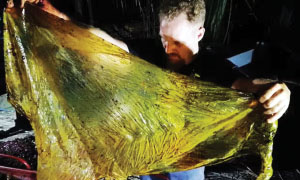
    According to Fackelmann, these pollutants congregate in marine environments and are consumed by marine birds, mammals, and fish. Marine biologist Darrell Blatchley found an astonishing 40 kilos of plastic in the gut of a Cuvier’s Beaked Whale that died along the shores of the Philippines. Researchers in Britain found MPs in the guts of over 50 marine animals representing 10 different species.

    Spermageddon

    For decades, scientists have grappled with the true cause of declining fertility in human populations. The sad reality is that microplastics – which are made up of toxic chemicals – could be directly responsible.

    MPs have been called a “significant” potential cause of male infertility, a study published by the US National Library of Medicine says.

    A May 2024 study published in Toxicological Sciences found MPs in every human testicle examined, pointing to “potential consequences on male fertility,” according to the authors.

    Polyethylene – the type of plastic used in bags and bottles – was the most common type of plastic found, followed by PVC.

    “PVC can release a lot of chemicals that interfere with spermatogenesis and it contains chemicals that cause endocrine disruption,” University of New Mexico professor Xiaozhong Yu, one of the study’s co-authors, told The Guardian.

    “At the beginning, I doubted whether microplastics could penetrate the reproductive system,” Yu told the outlet. “When I first received the results for dogs I was surprised. I was even more surprised when I received the results for humans.”

    The human testicle samples had nearly three times the amount of MPs as the canine samples. The samples were taken in 2016 from men ranging in age from 16 to 88 – and since time has passed, Yu told The Guardian, “The impact on the younger generation might be more concerning” now, given the proliferation of plastic pollution.

    Another study published in Environmental Science and Technology Letters showed disturbing amounts of plastic found in baby poop, with evidence showing a higher presence of polyethylene terephthalate in the faeces of infants than in adults. It was even found in the first stool taken from newborn babies. As infants grow, they are exposed to even more plastics via baby bottles.

    It would appear no life form can escape this onslaught. Tested samples from remote regions of the Amazon rainforest suggest that plastic pollution travels in atmospheric particles over long distances. There is no such thing as “a pristine zone” on the planet. 

    A 2023 Newsweek article by Pandora Dewan, “‘Plastic Rainfall’ Contaminating Nearly Everything People Eat and Drink,” explained that 50-75 trillion pieces of microplastics are found in the world’s oceans, many of which end up in our food and waterways.

    “With so many of these tiny particles in the ocean, it is perhaps unsurprising that some have been drawn up into the atmosphere. However, their presence in high altitude environments has been largely unstudied – until now.”

    Dewan cited a study published in Environmental Chemistry Letters by researchers from Waseda University, Japan. The researchers analysed cloud water from the summits of Mount Fuji and Mount Oyama to investigate whether MPs were found at such high altitudes. 

    Indeed, that was the case. They were highly fragmented but contained molecules that could bond with water, “suggesting they may play a role in cloud formation, acting as the seed at the centre of the cloud around which water vapour can condense.” The scientific name for this is “cloud condensation nucleus,” and it has the potential, according to the study, to influence global weather patterns.

    “Microplastics in the free troposphere are transported and contribute to global pollution,” according to lead researcher Hiroshi Okochi. “If the issue of ‘plastic air pollution’ is not addressed proactively, climate change and ecological risks may become a reality, causing irreversible and serious environmental damage in the future.”

    Get the issue this article appears in

    Human Cyborgs & Plastic People

    Though there are solutions on the table, it could be years, if not decades, before a viable way to decrease MP exposure becomes a reality. In the meantime, people must do what they can to reduce plastic consumption in their own lives: use quality filters for tap water instead of buying cases of plastic bottled water, seek out local farms that use manure-based fertilisers, research products from salt to clothing to cosmetics that have been tested for MP levels, and vote for policies and programs that take this threat seriously.

    Researchers at Columbia and Rutgers universities found that the average litre of bottled water has nearly a quarter million invisible pieces of nanoplastics.

    Still, it may be too late. According to a new documentary titled “We’re All Plastic People Now,” we may have reached the tipping point of becoming “human cyborgs.” Produced and directed by Rory Fielding, the documentary looks at the devastating impact on marine life from MPs and dives into how plastic pollution is harming human life. Researcher David A. Davis, PhD from the University of Miami, states in the film, “Water is life, so if the water is polluted and we have sentinel species like dolphins and sea turtles, if they’re also sick, we can anticipate that we’ll be sick, too.” 

    Dr Antonio Ragusa refers to humans as “cyborgs” because the human body is no longer purely biological and has become part plastic. 

    “When I saw for the first time microplastics in the placenta, I was astonished,” said Dr Ragusa, who is Director of the Department of Obstetrics and Gynecology at San Giovanni Calibita Fatebenefratelli Hospital, Rome, Italy. “It is like having a cyborg baby, no longer composed only of human cells, but a mixture of biological and inorganic entities.” 

    Producer/director Fielding had four generations of his family’s blood tested for plastic-derived chemicals. The blood was sent to Rolf Halden, PhD, an environmental engineer at Arizona State University, who found Fielding and his family carried over 80 different chemicals in their bodies. 

    “What we detected in the blood of all these participants are precursors of plastics, plastic constituents themselves, as well as degradation products of consumer plastics. These chemicals are known to be carcinogens, endocrine-disrupting chemicals, obesogens, and neurodegenerative agents.”

    Halden emphasised the implications of decreasing sperm counts and loss of fertility, and that “we could be playing with the future of humanity.” Dr Ragusa echoed this concern: “Plastics can be the future for big oil companies. But not for us, not for humanity. For humanity, plastic is the end of the future.”

    An Inconvenient Truth

    Plastic is all about convenience, making our lives easier in many ways, but that convenience has now become a dire threat to our health – maybe even our survival. People in Australia have had no clue that the organic produce they buy is contaminated with tiny bits of plastic. Knowledge is power, and the people must take back their power and demand change because industry will rarely, if ever, change on its own unless ample profit is involved.

    [alert type=”general” dismiss=”no”]This article was published in New Dawn 205.[/alert]

    [alert type=”success” dismiss=”no”]If you appreciate this article, please consider subscribing to help maintain this website.[/alert]

    Sources

    skynews.com.au/australia-news/fears-for-australias-agricultural-industry-as-concerning-study-finds-large-amount-of-microplastics-in-organic-fertiliser-and-soil/news-story/ac446c5d8c02d78bbb22ac7cf988f707
    news.griffith.edu.au/2024/02/21/biosolids-containing-microplastics-used-on-farm-lands/
    bbc.com/future/article/20230103-how-plastic-is-getting-into-our-food
    Khan, Anish, Chongqing Wang, Abdullah M. Asiri, Editors. Microplastics Sources, Fate and Solution, Springer Nature Singapore, 2023.
    nature.com/articles/s41591-024-02968-x
    ncbi.nlm.nih.gov/pmc/articles/PMC9134445/
    newscientist.com/article/2366045-microplastics-are-changing-the-gut-microbiomes-of-seabirds/
    modernfarmer.com/2023/08/plastic-mulch-is-problematic/
    newsweek.com/microplastics-found-clouds-1830714
    articles.mercola.com/sites/articles/archive/2023/07/27/microplastic-particles-in-human-stool-samples.aspx
    articles.mercola.com/sites/articles/archive/2024/05/25/plastic-people.aspx
    theconversation.com/how-microplastics-are-making-their-way-into-our-farmland-208346 
    theguardian.com/environment/article/2024/may/20/microplastics-human-testicles-study-sperm-counts
    academic.oup.com/toxsci/advance-article-abstract/doi/10.1093/toxsci/kfae060/7673133

    © New Dawn Magazine and the respective author.
    For our reproduction notice, click here.
  • The Return of Pete Evans: Why Health is the Ultimate Act of Rebellion

    The Return of Pete Evans: Why Health is the Ultimate Act of Rebellion

    From New Dawn 209 (Mar-Apr 2025)

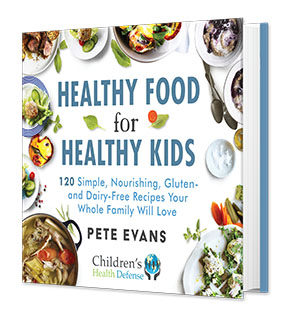
    After being cancelled for challenging the officially-approved COVID narrative, Pete Evans is back with New Dawn magazine to discuss the potential for individual and collective change in a shifting world. He believes that good health, achieved through great food, is a pathway to this transformation. His latest book, Healthy Food for Healthy Kids, is a guide to delicious, paleo- and keto-friendly meals that kids will love.  

    I caught up with Pete for another interview, our first in a post-COVID world. We discussed what that period meant to him, his focus moving forward, the election of Donald Trump, and more.

    ETHAN NASH (EN): Thank you for joining me again. It feels like the perfect time to catch up with everything happening right now in the world. You can almost feel a shift of energy in the air, particularly in the United States, and I want to get to all that.

    But I wanted to start by tying a knot around the COVID-19 period – not so much by talking about what happened or the topic itself, but more by discussing yourself and your role in it all.

    We first spoke in 2020, when you were censored and banned from social media. We spoke again in 2022 when the borders had just been opened, and it was still a bit of a weird period.

    Today, every time I see a post online, a mainstream media article about you, for example, I notice an overwhelmingly positive response.

    Despite how the media has treated you, the Australian public genuinely sees you as a legend for standing up for what you did. You were the first major personality in this country to take a stand against the suppression of free expression, and with everything that’s come out since then, many feel you were on the right side of history.

    How much has your life changed since then? And when all is said and done, looking back, how will you remember that period of your life?

    PETE EVANS (PE): Thank you for the kind words. I think everybody will look back through this period from their own lens and what it meant to them individually and perhaps collectively if they choose to go down that path.

    For me personally… I often say I didn’t have a choice, which is false because we all have a choice in everything we do. I chose to speak out, and I knew there would be some ramifications in doing so. Financially, popularity-wise, career-wise.

    It’s a paradox because I didn’t really feel like I had any other choice, even though I have free will. I guess I was guided by my intuition and gut feeling – a feeling that this was the perfect time for me to hold the torch, along with others, and illuminate what I believed was going on.

    Part of me felt it was vitally important to show others that it’s okay to express yourselves in ways when intuition guides you – and not be fearful of the possible ramifications. I’m not speaking so much about COVID or the agendas you have covered in-depth, but more so from a deeply personal point of view when it comes to relationships.

    For instance, in a loving relationship as husband and wife… is it okay to express what you desire in a relationship? Can you feel safe expressing yourself to your parents, your children, your work colleagues, or your boss in a way that you trust yourself when it needs to be spoken? 

    If we look at the foundations of long-term regenerative health, one of the things that comes up for a lot of people is bottling emotions away for fear of upsetting others – that can cause dis-ease.

    This was one of my motivations for speaking out because I knew there would be retaliation. 

    I feel that for each of us to have long-term health – physical, emotional, spiritual, and mental – we must not fear to express ourselves authentically with love, compassion, empathy, and sympathy. 

    What I found was, if we’re talking about me speaking out publicly during that period…. one of the most common responses I received was, ‘I wish I was brave enough’ or ‘I wish I had the courage to do what you’re doing, but I’m fearful of this, that, and the other.’

    It also represented for others an opportunity to express themselves in ways that they felt they needed to express themselves. I’m still here – I’m living and breathing, they didn’t lock me up – and I was prepared to be locked up if that was what the journey called for.

    I knew the consequences and the potential. I had to consider all the possible scenarios… locked up away from family and the potential of being taken out was the craziest sort of conspiracy I had, which I expressed to Liz Hayes on 60 Minutes in our interview.

    I was prepared for all of those things because I consciously decided that this was something I felt passionate about. I’m grateful I listened to my intuition and my gut – that I could go on a journey and be that person for myself. And if other people resonated with it or not? Great if they did, great if they didn’t. 

    Pete catches a wave. Image courtesy of Pete Evans.

    EN: Very well said; thank you for sharing. Moving to something a little more recent now: As I said earlier, there seems to be a shift in the air right now. 

    The last time we spoke, after the 2022 lockdowns, I asked you a question about navigating the storms ahead. You gave a very eloquent answer about how storms are just a part of changing seasons. As such, there’s also sunshine, rain, hail, and so on. You spoke on learning to embrace the journey, so to speak. 

    Today, with Donald Trump having been elected and Robert F. Kennedy Jr. (RFK) tipped to gain greater influence and ignite change, the rumblings are daily.

    Following up on your previous analogy of changing seasons, do you feel that we’re potentially entering a sunnier season of the current timeline?

    PE: Perhaps, perhaps. Again, it comes down to an individual’s perception of reality and what they deem to be ‘sunny days’. I dare say there would be a lot of people that are like, ‘wow, look what is happening and has happened’ – and they have hope. 

    The other day, a mate sent me a message: ‘Oh, I hope Trump and Kennedy do this’. And I wrote back: ‘Well, I don’t like to use the word hope’.

    In that context, I don’t need Trump or Kennedy to do anything for me. Waiting and hoping for other people to do things that will impact our lives is a source of disempowerment. I’m not even a huge fan of the words optimism or pessimism, either, because it’s sort of like hoping and waiting that things will get better. 

    Can we not take full ownership and responsibility of our human potential on a minute-by-minute, hour-by-hour, day-by-day, week-by-week, or season-by-season basis? No matter what the season, why do we need to have certain expectations met for us to feel content, safe, or trust in ourselves? Why do we wait for external figures to create this safety for us? 

    Don’t get me wrong, I’m stoked that Trump’s back in and I’m stoked about Kennedy playing a role in the new administration. Maybe by the time this interview is published, he might well be confirmed or not. But I’ll be pleased whether he is or isn’t, regardless, because I trust in every decision that’s playing out on this chessboard of life. It really depends on where our focus lies.

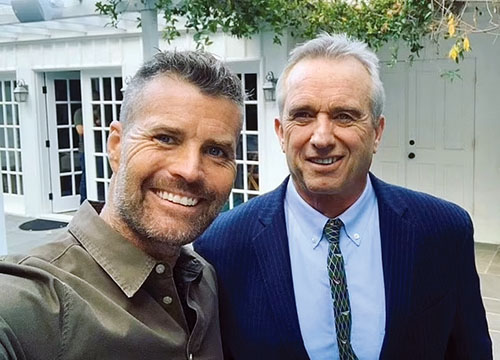
    Pete with Robert F. Kennedy.

    You know, you could be completely oblivious of Donald Trump and Robert Kennedy, Jr. and live a beautiful, peaceful, contented, full experience, regardless of what those men or other people in positions of so-called power do over the coming weeks, months, years, or decades.

    That’s where I like to hang out as much as possible: watching the game unfold. The political games, the bureaucratic games, I find them all quite entertaining. However, I’m not tied to any specific outcome. You know, I love reading fantastic novels that have plot twists you don’t expect. It fascinates me how someone can create a scenario, or twist, or change of season so quickly – and what will come from that shift?

    We can’t hold on to these expectations of what we think must happen. I’ve learned in this life to set an intention for what you desire or wish to see in the world, but then let it go as well. And that isn’t to say that we aren’t wonderful manifesters. We’re also co-creators with every other individual on the face of the planet. I really love the mystery and surprise elements of the game being played, which I choose to observe in those various scenarios. 

    And I’m always open for the curveball that may or may not come. 

    For the last two years, I’ve been reading many Isaac Asimov’s novels from the 40s, 50s, 60s, 70s and even the 80s on the potential applications for robotics and AI.

    I’m fascinated by it because there are so many parallels to what he was writing about decades ago and what’s happening now – and all the possibilities that can spring from this. He’s discussed much of this in his books, and I find it fascinating that just now, I went on social media, and the truth movement is up in arms over the mRNA shot. I love that. 

    To speak out is to express yourself. But at the same time, I’m not willing to throw human ingenuity out because of a potential fear of something we still don’t fully understand. I’m curious to see how these things go. Obviously, if by next year they announce, ‘All right, we’ve got the cure for cancer and an mRNA vaccine, and everyone will be tested and we’ll provide this to you’ – I would likely be very, very vocal again.

    Again, it does not address what I believe should be the foundational principles of long-term regenerative health, which is not overlooking our emotional belief systems. A greater focus on that and diet could have profound implications for the medical and health systems in the coming decades. 

    Who knows if they’ll get there in my lifetime? I’m so excited about everything that’s currently coming to the surface for us to intelligently debate, ponder, contemplate, consider, and even reject. Yeah, I’m excited!

    EN: It’s sure to be a fascinating few decades ahead. It’s an incredible time to be alive. In the magazine, we’ve explored the parallels between early science fiction and the direction the world is taking, particularly regarding artificial intelligence. Like you, I observe from a distance, and many people are definitely invested in the ‘redemption arc of Donald Trump’. From your point of view, do you see anything similar unfolding in Australia in the coming years? Perhaps some push for a political or health revolution? We’d love to hear your thoughts on this, and would you consider being part of something like that if it happened here? 

    PE: I see good people out there in the system – some of the senators, for instance, that you may have interviewed or seen over the past few years. I resonate with what some of them are saying. But it seems they face these almost impenetrable walls because the system has been designed to create these walls that, perhaps, aren’t ready to be broken down just yet.

    I could be wrong; I’d like to be wrong about this. But how long would it take to either rebuild or dissolve some of these walls into a new direction… without actually creating new impenetrable walls? It’s a very deep question that I don’t have a definite answer for. 

    My observation is that America ‘holds the key’, so to speak. What happens over the next four years, depending on who takes over after Trump, will be the proof of the pudding. What ripple effect will we see throughout the rest of the world? 

    And will Australia be second in line, third in line, tenth, or one hundredth in line to feel the ripple effect? I’d love for the ripple effect to be felt here very, very quickly – but whether that happens or not remains to be seen. 

    That doesn’t mean we can’t start taking steps now, though. I see individuals stepping up to the plate for the right reasons, and each person has to figure out if they’re willing to go in and bang on those walls. I’ve thought about the potential of my role in this game, and there’s still a big question mark for me about how I can use my expression to achieve the most impact.

    I still feel that, at this particular point in time, food is vitally important for massive amounts of change. We’ve discussed this before in our prior interviews, so I won’t go there again, but I feel like that seems to be where I’m best suited for my so-called celebrity or fame, and, obviously, knowledge, wisdom and experience in the art of cooking and nutrition. 

    Politics doesn’t really call to me. When I think about it, I can’t see a future there. I haven’t seen any future in it so far, and looking ahead, I still don’t see it. 

    EN: What does the future hold for Pete Evans?

    PE: I have a book coming out with Robert F. Kennedy Jr.’s Children’s Health Defence in the coming weeks, and I’m planning a tour in the States in March [2025]. We’re organising influential people with large audiences so I can share the message of food as medicine and food as poison, depending on what you choose to take into your body. 

    What if we educated people on how to eat delicious, budget-friendly food for themselves and their families, cultivating a deep belief in self-nourishment through the simple acts of shopping and cooking for oneself and then enjoying that food mindfully? If we could inspire people to prioritise food as one of their top values in life, understanding that it could add decades to your life and life to your decades…

    Then, we would probably never have to spend money fighting the multinational food corporations or the FDA, trying to get food dyes or additives out of food. Because once people are educated about healthy eating, they would never shop in that section of the supermarket anyway. That business would, by default, go bankrupt or have to adapt. 

    It’s about focusing on inspiring change because the single greatest act of rebellion against all of the agendas and systems is to be healthy. Once you are healthy, you no longer are a part of medical system, the pharmaceutical system, the multinational food system, the big agricultural system, and the list goes on and on.

    I spoke with RFK Jr. the other day and I said: ‘How about we set up a government website to Make America Healthy Again and include a couple of thousand recipes of mine?’ I thought, my name doesn’t need to be associated with it; I can remain anonymous – but the recipes should be there. We could even bring in America’s top chefs, the ones that people love and know – because they rejected Jamie Oliver when he came over to teach Americans to avoid sugar – so why not approach it cleverly with American chefs preparing nutrient-dense, beautiful, non-inflammatory food. We could even offer it to Americans for free and create a cooking school, teaching people how to cook and hang out. Essentially, create this beautiful database that people can access anytime. 

    I said: ‘How inexpensive would that be to create, and how inspiring could it be for a government agency to offer?! A guide that doesn’t abide by the dietary principles that are currently prescribed by dietary associations in the Western world, as we know they’re completely wrong – in my opinion, even criminal – and rather just inspire people to nourish themselves?’ He loved the idea. Now that I’ve set that intention, will that happen? 

    At the end of the day, it’s up to the individual to decide whether to explore these issues, and I would never force it on anybody. I would never force everyone to eat this way. If you want to eat junk food, I respect your decision; fantastic, good for you. I love free will, but at the same time, I think better, more trustworthy information would be really nice to have available. 

    I’m 51 years old, and I’ve been eating this way for 15 years. According to health authorities, I should be sick, my bones should be brittle, and I probably shouldn’t even be here – because, in their opinion, I’m ‘depriving myself of the most essential foods on the face of the planet’. 

    Yet, as a 51-year-old, I surfed today for two hours, and I’d say I’m in the best physical, mental, emotional, and spiritual shape of my life. My intention is for that to grow, strengthen, and evolve until the day I pass away from old age or an injury. I don’t see myself in a hospital bed on life support or having cancer, heart disease, Alzheimer’s, or dementia – that’s not part of my life plan. My life plan is to age gracefully with wisdom and strength until it’s time to go and not be in any pain or suffering. 

    Again, that’s my belief, and how do we cultivate these beliefs? We cultivate these beliefs through the potential of understanding what is possible.

    If you read mainstream media, you would potentially believe that after the age of 30, it’s all downhill and your health will decline. ‘You should be on this pharmaceutical, and this vaccine, and this trajectory’. In America, on average, every adult is on four pharmaceuticals. It doesn’t have to be like that. I know it can change. Can we get to that point? I believe you can individually. Can we achieve that collectively? I’m not sure if that will occur in my lifetime. Perhaps, perhaps not. That’s once again, part of the mystery.

    EN: Your new book, Healthy Food for Healthy Kids, features 120 fantastic budget-friendly recipes. So, if your suggestion for a health database doesn’t come to fruition on a US government website, people can still access this valuable information. You certainly have the expertise and experience to make a real impact in food and health. 

    Before wrapping up, I wanted to touch on another potentially game-changing alternative that has really grown, which I notice you post about often, and that is cryptocurrency. Could you share your thoughts on how this might influence the future unfolding before our eyes?

    PE: I feel like Bitcoin has manifested as a tool for long-term wealth because we know what inflation and fiat currency are about – taking and devaluing in a centralised manner – basically theft. I came across Bitcoin about five years ago, and I’ve spent thousands of hours studying it. Bitcoin and health principles go hand-in-hand because it’s about self-accountability, self-responsibility, and self-sovereignty. The two mirror each other beautifully, so I’m intently wanting to work in and be seen in that space. There are hundreds of millions of Bitcoiners around the world, and to potentially inspire them regarding food and nutrition would be great.

    A lot of people I’ve interviewed in that space are some of the healthiest and smartest people, and they already have that dialled in. So, there seems to be a correlation between Bitcoin, health, and nutrition – but I haven’t seen a chef bridge the Bitcoin and health worlds. That’s only come up for me in the last month, so I’m pondering and contemplating the best way of bridging those two at the moment.

    If you haven’t studied Bitcoin, I would highly recommend people read The Bitcoin Standard as a bare minimum to understand how governments and medical institutions are very similar to the banking industries. To understand the history of money – what money is, what currency is, what value is – I got to it all quite late, but it’s been one of the greatest experiences I’ve had over the last five years. Learning about Bitcoin has taught me so much – so much more than I thought – and I think that’s always a good thing when you learn. When I learned about cooking, I thought cooking was just about cooking delicious food. Would you believe there’s also a nutritional aspect to it that most chefs don’t really take into consideration?

    I’m sorry to generalise there, but we weren’t taught about nutrition when we did our apprenticeship. Doctors who go to college to study medicine do eight hours maximum on nutrition, which is crazy. In the same way, I was never really taught about finances and money. 

    Once you see it, you can’t unsee it. It will be interesting to see what plays out over the coming decade in the Bitcoin and finance space with central bank digital currencies – whether they get off the ground or not. As you said, it’s an amazing time to be alive.

    Get the issue this article appears in

    EN: Is there anything else you would like to leave the readers with?

    PE: I truly love what you and the others at New Dawn are doing. It’s always a great read, and I’m stoked that you guys are expressing yourselves creatively.

    It’s my deep belief that our purpose on this earth is to express ourselves creatively through whatever brings us joy and cultivates our passion, and to love unconditionally. It’s great to see you and others doing that through your medium, so thanks for providing the space to share.

    Visit peteevans.com for more great content from Pete Evans. His new book, Healthy Food for Healthy Kids: 120 Simple, Nourishing, Gluten and Dairy-Free Recipes Your Whole Family Will Love, is now widely available in bookstores, online and physical. You can also explore Pete’s documentaries, podcasts, vodcasts, and more by visiting evolvenetwork.tv. X: @peteevanschefx

    [alert type=”general” dismiss=”no”]This article was published in New Dawn 209.[/alert]

    [alert type=”success” dismiss=”no”]If you appreciate this article, please consider subscribing to help maintain this website.[/alert]

    © New Dawn Magazine and the respective author.
    For our reproduction notice, click here.
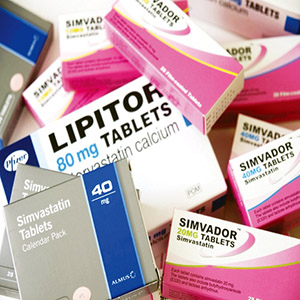
  • The Secrets of Longevity

    The Secrets of Longevity

    From New Dawn 147 (Nov-Dec 2014)

    Today, longevity is a hot topic. Sometimes it goes by other names such as anti-aging, cellular renewal, or regenerative medicine, but since it is a focus of current interest, there is money to be made. As a result, there are all types of pundits, whether MDs or Wellness coaches, plying their wares. Usually their ‘expertise’ ends up urging us to purchase a slew of supplements to slow down the aging process. This is not without good reason. 

    For example, resveratrol, an ingredient found in red wine, grape seed and grape skin extracts, is known to preserve that portion of the chromosome called the telomere, and in-so-doing stop degeneration of our DNA during cellular division. When telomere length is not degraded, any new cells produced are good quality copies of previous cells, which translates into our tissues not becoming structurally entropic. It is equivalent to maintaining a physiological Xerox machine, so that you only produce high quality photocopies of your original ‘documents’ (i.e. your cells).

    Although the science of telomere preservation is important, and although combinations of specific supplements can be helpful in promoting longevity, I would like to take a deeper, more thoughtful approach in this essay since New Dawn readers are a special kind of audience with an appreciation for unusual ways of thinking. And the main difference between what I will present in this article and typical perspectives on longevity is that we need to consider not just the length but also the breadth of a human life.

    As a clinician specialising in alternative medicine, I must deal with every type of human problem, whether it be physical, metabolic, immunological, psychological, or even spiritual. Our lives are cut short by negative factors, which may originate from outside ourselves or from within. Immunity, emotional equilibrium, structural alignment and metabolic hygiene all strongly influence an individual’s chances of a long, robust existence.

    Rare photo of Li Ching-Yuen, martial artist, herbalist and tactical advisor. His death is recorded in 1933, but he was said to have been born in 1677. This would have made him 256 years of age at the time of his death.

    If we were able to minimise the effects of these negative factors, what would be the ‘normal’ length of a human life? Today, the figure of 120 years seems far from unreasonable. There are, in fact, historical records of people living way beyond that. Though it might seem hard to believe, Li Ching-Yuen, a Chinese man born in 1677 apparently endured to an extraordinary age, his life spanning the French Revolution, the American Declaration of Independence, the Russian Revolution and the First World War, with Li’s passing occurring quietly and without fanfare during the roaring twenties at the age of 256.

    What was Li’s secret? Li wrote a brief treatise specifying his diet, exercise, specific herbal regimen, and sexual practices. Unfortunately, most of the herbs Li collected directly from the mountains where he lived are no longer available to us, and the stripped down world we inhabit today has drastically reduced springs of vitality it once offered. What then, practically speaking, can we distil from Li’s example? Suffice it to quote from one of Li’s students who summed up Li’s recipe as follows:

    Keep a quiet heart, sit like a tortoise, walk sprightly like a pigeon and sleep like a dog.

    In fact, there was more involved than this in Li’s longevity regimen. What he trained himself to do was align his every expenditure of life energy with the flows and rhythms of nature. Consider that every step we take, every mouthful of food we consume, every sexual fluid we release or every menstrual cycle we pass through involves a small but cumulative decrease in our total life energy, and the more so each act diverges from the innate ‘settings’ of nature. By consistently resetting the dial, by consistently avoiding excess expenditure and also by consistently replenishing outflows with net inflows, Li was able to accomplish his amazing feat.

    In terms of modern biosciences and specifically anti-aging, is there a technical way of understanding this? The answer is yes. It comes down to two things: epigenetics and flow dynamics. In the field of epigenetics, we apply nutritional, behavioural or lifestyle changes in order to influence gene expression in a positive direction. In the field of flow dynamics, we beneficially modulate the bio-magnetic and bio-electrical systems of the body in order to enhance fluid circulation, detoxification at the cellular level, and revitalisation of our tissues and organs. Taken together, both of these approaches could be summed up as keeping the waters of the body clean and coherent

    Water, which composes 99% of the human body at a molecular level, is intrinsically coherent and life sustaining, but its coherency can easily be compromised by toxins, pathological microorganisms, EMFs, drugs, poor diet, poor posture and negative emotions. All of these end up affecting gene expression in a negative direction, and shortening the telomere, thus leading to premature aging or death.

    In 1912, Alexis Carrel was awarded the Nobel Prize for Medicine. One of Carrel’s main topics of interest was cellular longevity. On 17 January 1912 he began a twenty year long experiment using an embryonic chicken heart which he was able to maintain fully alive into the 1930s, considerably beyond the normal lifespan of an adult chicken. He accomplished this by keeping the fluids in the petri dish clean and fresh. Although his experiment was never successfully replicated, and his thesis would later be repudiated in mainstream biology by the so-called Hayflick limit, Carrel’s work actually substantiates what Li-Ching Yuen was doing. If the fluids of the body are kept clean and fresh, longevity is enhanced.

    “Be like flowing water,” said Bruce Lee, echoing the ageless advice of Lao Tzu in the Tao Te Ching. Flowing water is Life. Ever changing, ever refreshing itself, no drop in the river is ever the same, though its position is unaltered, as Heraclitus observed watching on the banks of that bright Greek river in the ancient sunlight. 

    And what are we composed of, if not mostly water? The cell (cytoplasm) is mostly water, the cells are bathed in an interstitial matrix, mostly water, the brain and spinal column are cushioned and massaged by cerebrospinal fluid, mostly water, the brain itself is over 80% water, and of course the fetus develops in a uterine ocean, rocked gently by the natural rhythms of the cosmos. Indeed, there is striking evidence that our paleo-anthropological forebears went through an aquatic phase, wading in the coastal waters. From my research I have concluded that this aquatic phase of our development has determined our profound physical and spiritual relationship with the fluid element, and the minerals and flow patterns it contains. 

    For example, iodine and magnesium, elements in which most of the world’s population are chronically deficient, come to us essentially from marine waters. Without adequate magnesium, our bodies cannot convert Vitamin D into its active form resulting in a degradation of our immunity, an increased porosity of our bone matrix and a foreshortening of our lives. Vitamin D is really metabolised energy from the Sun, and magnesium (plus iodine and a range of trace minerals) is metabolised energy from the sea. When fire and water, sun and ocean, feed into our bodies in harmony, a synergy is produced which sustains and prolongs human life.

    Entering the Zone

    To approach the question of longevity in a thoughtful way, we must first ask, what is time? According to special relativity theory, time is part of the dyad spacetime which, as we know, is curved because it is subject to gravitational forces. Under the impress of great masses, even cosmic light is forced to bend and so, when observed through powerful telescopes, distant stars and galaxies appear to us as ovals – it is as though their forms had been refracted through a giant wine glass. 

    Close up of the eyes of a fly. It can be postulated that these small creatures are, at the experiential level, living more slowly, hence longer, relatively speaking, than homo sapiens. 

    But subjective or experiential time is even ‘curiouser’ to our commonsense assumptions than the mere fact macroscopic spacetime (and therefore what we think of as duration) can be warped by gravitational forces. Recent studies have demonstrated that the inner processing of sensory-cogitational signalling by insects is far more profuse and rapid than the human version. Research conducted at Trinity College Dublin in the Republic of Ireland has demonstrated the capacity of small creatures such as flies and mosquitoes to read flickering light at least four times faster than we do. This explains why it is so hard to kill them: a fruit fly, for example, nonchalantly eludes our clumsy attempts to dispatch it. It is as though it can read our thoughts in advance. We now know that the fly has a much faster “flicker fusion frequency” than we do, so for it, time is experienced as passing more slowly than for us. To a fly, our attacking hands move in ultra slow motion because their tiny brains are able to discern flickering light forms much more distinctly than we do. (To accomplish something comparable ourselves, we’d have to slow down a video into separate framed images). 

    In brief, the insects’ experience of time is slower, therefore longer at the microsecond level, than ours, more replete with genuine light-filled experience and reflective response than we who observe them. A humbling thought indeed: these swarming, often annoying and usually despised creatures are, at the experiential level, living more slowly, more fully, hence longer, relatively speaking, than homo sapiens. 

    How does this bizarre information relate to our personal pursuit of longevity? Let’s take a moment to dwell on the question of how we measure longevity. Is it to be seen just as a straight line from birth to death? Or should it be understood as a dynamic upward moving spiral? How does length (years) correlate with curvature (experience)?

    Another curious phenomenon is that when we are truly immersed in something, especially something creative, we often lose all sense of linear time. Where did that time go when we were so deeply absorbed in the object of our attention, or the object of our affection? Stranger still, we often seem most deeply satisfied when we ‘lose’ ourselves in such things. Longevity, conventionally understood, implies an unbroken linear continuum extending from past into the future, yet lived life, especially in moments of deep immersion, strongly conflicts with this idea.

    Yet again, when we are in ‘the zone’, we feel generally hyper-aware yet totally relaxed. Our senses are heightened, our reflexes are extremely attuned, and our powers of response greatly enhanced. In such states our sense of time is also radically changed. It is as though everything occurs simultaneously in some strange way, and we are able to process unlimited amounts of changing information with ease. We can read things with grace and speed. The ‘time’ we inhabit in such states can be compared to the super-processing capabilities of the fruit fly with its superior flicker frequency abilities. Were we able to spend more of our lives in these non-linear time modes, our longevity would be altered internally, at the phenomenological level of supra-consciousness. It would be comparable to the idea of travelling close to the speed of light and thereby slowing down the aging process. 

    What I have explored is how this spiralling of renewal and enrichment at the level of the mind also works at a cellular level, the level of the body. To arrive at real longevity (not mere numbers of years), we need to generate fresh, consciously renewed awareness of the present moment, and along with that, intertwining with it, a maintenance of our physical tissues with minimal degradation of DNA during ongoing cellular replication. Our goal must be the seamless renewal of thoughts and emotions at a conscious level in conjunction with undamaged renewal of cells and tissues at a somatic level.

    Are You Present?

    The essential, we have always been told, is to live in the present moment. If we are not there, then where are we? Are we, indeed anywhere at all? Does it matter if I attain a healthy old age if the range of my thoughts and feelings is not genuinely in tune with outer reality or, most important of all, with deep inner truth; worse still, what if I have allowed my streams of consciousness to have been manipulated by outside forces? If I am not in full possession of myself, can I claim my days and hours as my own or am I merely a ‘computer’ processing thoughtforms from elsewhere?

    Interestingly, it appears that children are much more adept at discerning flicker frequency than adults, especially older adults. Could this be one reason why time seems to pass much more slowly for us when we are very young? Because it really is passing more slowly and therefore our childhood years occupy more of our total experiential time than the number of years they represent arithmetically?

    This, although it might appear to be a strange question, is really a question about mapping. Consider, for example, how conventional two dimensional mapping of the globe distorts the physical size of landmasses such as Europe and Greenland, making them appear much larger than they actually are. 

    We have now stepped through the looking glass, but in today’s world we are also all being secretly looked at, watched over, and our private load of thoughts and emotions is increasingly made to percolate through external, flickering light pathways.

    A World of Flickering Distractions

    The French philosopher Paul Virilio has written graphically about a flickering world of light emanations bouncing off cathode ray tubes and coursing wildly through fibre-optic cables. Virilio’s warning is that people are in danger of getting lost in a virtual, electronically driven interactive world of synthetic communications. The embryonic phases of the Internet and IT have ushered us into a brave new world, as we are now witnessing with increasing frequency and alarm. How far and fast things have leapt into the technological abyss is shocking, and this has gone along with our general subjective sense that time is speeding up. Logically speaking, if time is speeding up, are not our lives thereby being experientially shortened?

    ADD and ADHD have reached epidemic proportions in the contemporary developed world. Along with obesity and early-onset degenerative diseases including diabetes and cancer, distractability has become the new normal. Cloud computing has increasingly entranced the average person, and private information of all sorts is ‘dropped’ and stored online in virtual versions of two way mirrored rooms. Light emitting screens all flicker, whether they are TVs, computer monitors or smart phones. Dogs, like insects, are able to discern this flickering of light from such screens whereas we slow-witted humans are easily duped by the magic of projected imagery, no matter how contrived or toxic this imagery may be. Our incapacity to read flickering light as such makes us consume virtual information purveyed to us like a drug, and the more we do this, the more we are in danger of losing not just our privacy, but our very independence of mind.

    We can conclude that the more distracted I am, the less I am in possession of myself. And the less in possession I am of myself, the shorter in real terms is my stay on this planet. 

    The Human Machine

    In 1637, Rene Descartes published his famous Discourse on the Method, which presented the animal as a machine and the human being as almost a machine. With a self-protective nod to the Inquisition, Descartes had to publicly acknowledge the presence of a human soul interpenetrating the anatomical and physiological mechanisms via the pineal gland. A century or so later, in Man Machine which was published in 1748, Descartes’s compatriot Julien Offray de La Mettrie dispensed altogether with any need for a vestigial spiritual presence and presented man as pure machine. These were the heady days of the Enlightenment, and essentially all of what we encounter today, whether it be Hollywood Terminator movies or the Transhumanism movement, was founded by the intellectual drivers of that time. This was the conceptual platform that allowed both IT and cybernetics to emerge. 

    It is vital, for our purposes, to understand this very clearly indeed, because longevity is today a very fashionable subject in both medical and wellness circles, but is generally approached from a robotic perspective without this being consciously acknowledged. There are two undeclared goals:

    • Preservation of the physical form, whether via surgical replacements, prosthetic devices, genetic modifications or other technical interventions.
    • Preservation of the ego-entity by the downloading of this entity’s contents into a new vehicle, whether by cloning, revitalisation of decrepit tissues or other technical procedures and interventions.

    Unsurprisingly, such a technological pursuit for individual immortality is very appealing to rich and powerful individuals or groups with control over resources and companies with scientific outreach. Ray Kurzweil is probably the main exponent of these concepts and ventures, but all of this derives directly from Enlightenment theories reducing the human being to a robotic essence. Today, such thinking is much in favour since technology advances with apparent exponential velocity. 

    If our essence is machine, the answer to our challenges, quite obviously would be through technology. But if our essence is more than machine, what then? What role can and should technology play in extending our lifespan? In what ways could a purely technological perspective ever lead to a qualitative enrichment of the present moment, and thus lengthen life from a subjective point of view?

    According to Karl Popper, who formulated the empirical falsification principle underpinning the modern scientific method (a hypothesis is only verifiable to the extent that it can inherently be proven to be false), La Mettrie’s doctrine would provide an even sharper edge to the upcoming theory of evolution, and especially, I would add, to today’s neo-Darwinist creed. Popper, though a mainstay of the scientific mainstream, also cautioned that the consensual acceptance of La Mettrie’s concept by contemporary biologists, physicists and philosophers represents the human being as, in essence, a computer.

    There is a clear continuum here between 18th century Enlightenment reduction of the human being to a machine and 21st century absorption of the human being into the computer, and thereby into the covert realms of manipulated consciousness. 

    Many people today wish desperately to escape from the matrix and the growing sense of asphyxiation it produces. There still remain a few spots on the planet which are relatively unchanged, though for how much longer, who can say? Let’s take a brief look at these and draw some further conclusions about longevity.

    The Blue Zones

    As a boy growing up in England I recall being fascinated by reports of people from the Caucasus who were apparently living beyond the age of a hundred and sixty. In 1984, I spent a year living in Western Turkey where I befriended a young woman named Selma whose family had emigrated from Turkic speaking regions of Central Asia. Selma told me how common it was for people in those areas to live up to one hundred and twenty. She also told me that people were not expected to act in mature ways until rather late in life. She had cousins who behaved, and were expected to behave, like teenagers, even in their mid-forties. The thought occurred to me: could it be that we age prematurely because we are expected to be too responsible too quickly? 

    After decades of working in the field of advanced holistic medicine, I have by now developed an ultra-refined ‘sixth’ sense of body-mind dynamics. What I can say without question is that longevity is as much attitudinal as biological. In other words, we have a chronological age, a biological age and an attitudinal age, and these three may each diverge widely from one another.

    So where can we look around for viable models for long, healthy and happy lives? 

    In Dan Buettner’s best selling book, The Blue Zones, he explores five small geographical areas around the globe where the local inhabitants outlive people in developed Western nations by at least a decade; and perhaps even more importantly, they retain their vigour, vitality, strength, love of life and even their sexuality where their typical counterparts amongst us would probably be in wheelchairs, incontinent, perhaps lost in dementia or staring vacantly at TV sets. The five areas Buettner identified are Okinawa in Japan, the Greek island of Ikaria, Loma Linda in California, the Nicoya peninsula in Costa Rica, and Sardinia in Italy. 

    Not too long ago I read an article by an English journalist who went to Ikaria to investigate. He interviewed a small section of the local population. He first approaches a robust, white haired man sitting in a café high up in the hills, puffing away on a cigarette. The man’s name is Gregoris. The writer approaches Gregoris and informs him politely that smoking is bad for the health. Gregoris smiles and replies that he’s been smoking a pack a day for the past seventy years. He also drinks about four glasses of red wine a day. Gregoris is (at the time of that interview) already ninety-nine years old. His story is not uncommon. Most Ikarian males between the ages of 65 and 88 report having sex with “good duration” and “achievement” and a few of these continue to do so even into their nineties. Soon he encounters ninety-nine year old Evangelia Karnava, a small strong woman who radiates energy. When asked her secret, she declares, “Coca Cola. I can’t live without it.” She plans, she says, on living to the age of 115, and who would doubt her?

    What, no expensive supplements or life extension products in fancy bottles? Instead, Coca-Cola, lots of wine, cigarettes? Are these the Secrets of Longevity? Of course not, but these Blue Zone inhabitants prove to us that a long life is not attained by textbook purity, nor by striving to be too healthy. Nor is it reducible to diet and hygiene. Ironically, what the average well-intentioned naturopathic doctor orders you to consume (or not consume) might in fact upset your equilibrium and shorten your lifespan – as well make your life less fun. It is vitally important to be free, to have fun and to break the rules. Conclusion: attitude ultimately overrules political correctness in diet and behaviour.

    So what are the other basics we can extrapolate from the long, full and vital lives of people living in these sun-drenched environments? For simplicity’s sake, I will list them here:

    • A healthy local based diet. People eat fresh, locally grown, organic or wild-crafted foods. For example, the wines and herbal teas drunk in Ikaria and Sardinia are filled with the vital energies of place, and local greens have exceptionally high levels of antioxidants. There is an unbroken continuum between the mineral and vegetal life-forces of the region and the human inhabitants who have learned how to distil these forces.
    • A strong sense of community and shared values, festivals and celebrations. Avoidance of loneliness, depression, self-absorption and depression.
    • Laughter and good humour.
    • Plenty of good quality sleep, and perhaps also naps during the day.
    • Rising early.
    • Minimal use of drugs or any synthetic foodstuffs.
    • Minimal exposure to WiFi and electromagnetic pollutants.
    • Minimal exposure to ‘doctored’ news sources or infotainment.
    • A great deal of time spent in the open air.
    • A light hearted and courageous approach, a fluid, bright form of stoicism.
    • Respect, love and inclusion for the elderly whose value is never put into question. To squirrel them away into a ‘home’ would bring shame on the family.
    • Sunshine and proximity to flowing water.
    • Daily aerobic exercise. It is not at all uncommon for nonagenarians to walk three or more cliff miles each day.
    • A sense of purpose in each of the activities you are engaged in.
    • No excess calorie intake and low use of refined sugar. (Burn your fuel before you re-fuel.)
    • High intake of omega 3s, iodine and trace minerals from the ocean.
    • Simplicity and gratitude. Lack of guilt, greed or shame.
    Get this issue

    The Grey Zones

    The Blue Zone people, and the inhabitants of other areas where people live simple lives and have access to sunshine, clean air, water and life-force have much to teach us. But the truth is that most of us do not, and cannot, live in such pristine, simple environments, nor can we easily generate around ourselves the sorts of protective communities produced historically by these areas. We are the inhabitants of the Grey Zones, struggling to survive in heavily polluted environments, controlled by corporate mis-management of the food chain, beset with worries and anxieties and almost drowning in information overwhelm. Not to mention the effects of electromagnetic pollution, chemtrails and mind control initiatives: it is a sad fact that modern humans need to use enormous amounts of energy simply in order to retain their basic healthy functioning. Moreover, if we try to retain integrity in a complex and corrupt geo-political environment, we must also focus on staying awake, which only creates further demands and stressors acting upon our fragile life-force. So what to do?

    Besides trying to replicate, as much as possible, the conditions and behaviours of the Blue Zone inhabitants, in the Grey Zones we can still re-calibrate our life force through epigenetics and energetic adjustments. This re-calibration work is what we offer at my clinic and also during my workshops and trainings. It involves what I call the Infinite Body System and it incorporates a repertoire of vertical, spiral and other flowing movements all of which help to reintegrate the mind into the body and also to make our fluids run clean and fresh, just as Bruce Lee and Lao Tzu recommended.

    How long we live is partly a matter of chance and partly of choice, but most importantly, both length and breadth of our lives will depend upon what we live for. Living with purpose and in pursuit of meaning is both our right and our responsibility. The priority, echoing Viktor Frankl, is to listen to what Life asks of us. Our response to that last question will ultimately determine how long we are here, and whether our stay will have been a narrow one, or great and broad as an estuary tipping gracefully into the sea.

    Nicholas Corrin is the author of The Power of Letting Go, a comprehensive study of self-healing, meditation, and our personal place in the cosmos. Signed copies are available direct from the author through www.nicholascorrin.com or look it up on www.amazon.com.

    [alert type=”general” dismiss=”no”]This article was published in New Dawn 147.[/alert]

    [alert type=”success” dismiss=”no”]If you appreciate this article, please consider subscribing to help maintain this website.[/alert]

    © New Dawn Magazine and the respective author.
    For our reproduction notice, click here.