New Dawn – World's Most Unusual Magazine

Author: Dr Tim Coles

  • Culling the Herd: Eugenics, Depopulation & the Extermination of Lower Classes

    Culling the Herd: Eugenics, Depopulation & the Extermination of Lower Classes

    From New Dawn 182 (Sept-Oct 2020)

    Eugenics is an attempt to produce genetically desirable children and to terminate the lives of those considered to be genetically inferior. Elements of eugenics exist everywhere. For example, when given the choice, people produce children with partners whom they find attractive. Part of them hopes that those attractive qualities will manifest in the offspring. A more extreme form is infanticide: killing children usually because of physical or mental deformity; a practice as old as humanity.1 In Ancient Greece, Plato and Socrates (c. 470-399 BCE) suggested ways of breeding to promote the superior traits of the elite, as sickly infants were deliberately left to die of exposure.2

    Today, there is a sensible and ethical side of what is often called eugenics. Examples include disabled children having operations to save their lives and individuals with learning difficulties asking for sterilisation because they can’t manage contraception and don’t want children. But institutions like the state, prisons, and medical facilities, as well as privileged elites, use eugenics as a way of trying to exterminate the elements of society whom they consider to be a burden. What started out as selective breeding and infanticide has today developed into forced sterilisation and genetic editing to produce “designer babies.” This thinking also informs certain depopulation agendas.

    ORIGINS OF THE THEORY

    In 1866 in Imperial Russia, the obstetrician Vasilii Florinskii authored a book advocating for scientific methods to improve human traits. Given the poverty of Russia at the time, there were no medical facilities to realise Florinskii’s ideas.3 Russia would not endure a eugenics programme until the Bolsheviks seized power in 1917. In Germany, the term “racial hygiene” (Rassenhygiene) was coined in 1895 by the biologist Dr Alfred Ploetz (1860-1940). The notion later informed Nazi thinking on eugenics. 
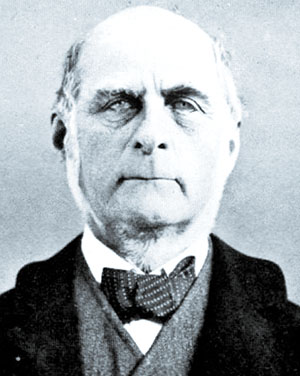
    British biologist Sir Francis Galton coined the term eugenics.

    The British biologist Sir Francis Galton (1822-1911) coined the term eugenics (meaning of good birth) and described it as “the science of improving inherited stock, not only by judicious matings, but by all the influences which give more suitable strains a better chance.”4 Galton was inspired by his cousin, Charles Darwin (1809-82), who was cautious about eugenics. The influential book An Essay on the Principle of Population (1798) written by the economist, Thomas Malthus (1766-1834), also influenced Galton. In it, Malthus argued that unlimited population growth was unsustainable. More inspiration came from Herbert Spencer (1820-1903), the sociologist who coined the term “survival of the fittest.”5 In 1907, Galton established the University of London’s Eugenics Laboratory. 

    In Germany, Wilhelm Schallmayer (1857-1919) authored popular books concerning selective breeding among elites to further “civilisation.”6 Just as US eugenicist groups were sponsored by corporate foundations, Schallmayer was promoted by Krupp, the German industrial giant. Most early feminists opposed abortion, so eugenics was, in many ways, a proxy for abortion. In the 1900s, Germany’s Bund für Mutterschutz (Organisation for Maternal Protection) saw feminists and socialists advocate for eugenics in an effort to own their bodies and gain credence in the male-dominated science milieu. The BfM was established by Elisabeth Bouness (Ruth Bré, 1862-1911), who fostered support groups for single, unwed mothers. Other, more right-wing eugenicists like Agnes Bluhm (1862-1943), dismissed the BfM’s utopianism. Men, conversely, tended to see eugenics as an opportunity to further their control over female bodies. 
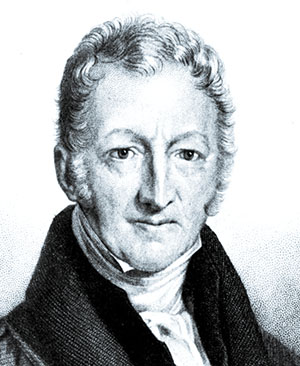
    English economist and demographer Thomas Malthus, best known for his theory that population growth will always tend to outrun the food supply (hence the term Malthusian).

    Inspired by Malthus, the British Eugenics Education Society was founded in 1907 by Sybil Gotto (1885-1955) and headed by Galton. Forty-percent of its members were women. For many feminists, male dominant sexuality produced “maimed, diseased, unwanted babies.” Dora Marsden (1882-1960), editor of Freewoman, opposed the Eugenics Education Society (EES) as “a conspiracy against the poor.” The Swedish feminist Ellen Key (1849-1926) explained that society should protect all “except that which gives occasion to a weak offspring and produces bad conditions for the development of that offspring.”7

    Eugenicists relied on biology to try to define superior and inferior characteristics. They utilised statistics to try to prove that the lowest classes of people were outbreeding the highest. EES members like the mathematician and later Ministry of Food statistician, David Heron (1881-1969), explained that: “higher net fertility is shewn… to be very markedly correlated with the most undesirable social factors (sic).” We now know that poverty can cause serious cognitive problems in developing brains. At the time, poverty-related impaired cognitive function – then called “feeble mindedness” – was falsely attributed to genetics. A 1912 report by the Committee to Consider the Eugenic Aspect of Poor Law Reform refers to the “feeble-minded” – who could not work and were of negative value to the capitalist class – as “the chief burden on the public purse,” as they required health and social care; both of which were still in their infancy. British eugenicists failed in their lobby to legalise for forced sterilisation,8 passing instead the Mental Deficiency Act 1913, which sought to institutionalise people with particular needs. Many British female eugenicists opposed the Act because it primarily targeted single mothers.9 

    The British economist John Maynard Keynes (1883-1946) is credited with influential theories concerning state-planning over national economies. Keynes believed that law and other coercive measures could be imposed on population abroad to improve their living standards by reducing their overall numbers. In 1914, for instance, he wrote: “In many, if not in most, parts of the world there actually exists at the present time a denser population than is compatible with a high level of economic wellbeing.”10 

    FROM BRITAIN TO THE USA

    According to some scholars, 19th-century pedigree animal breeding inspired US eugenics, with the American Breeders Association splintering to form the eugenics movement.11 By the 1910s, US states, particularly in the south, hosted “Better Babies” competitions, in which the mental and physical characteristics of infants were measured and tabulated by eugenicists.12 Writing for American Breeders Magazine in 1910, C.B. Davenport (1866-1944), director of the Cold Spring Harbor Station for Experimental Study of Evolution, argued that “society must protect itself” from the so-called feeble-minded by “segregation” or even sterilisation. American eugenicists established the Carnegie-funded Eugenics Record Office.13 
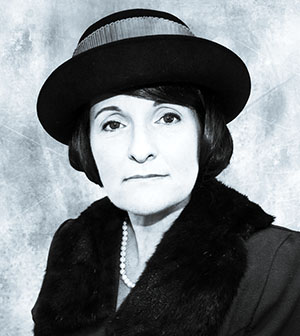
    American birth control activist Margaret Sanger was recently targeted by activists over her ties to eugenics and racism.

    The US socialist, feminist, and birth control advocate, Margaret Sanger (1879-1966), opened America’s first birth control clinic in New York in 1916. Sanger also helped to create the organisation Planned Parenthood. But these progressive steps masked another agenda.14 Sanger was a strong advocate for eugenics, even speaking about the subject at a Ku Klux Klan meeting to white supremacists, who had an interest in wiping out the Black population.15 In 1924, the psychologist and feminist, Leta Hollingworth (1886-1939), explained that “the very intelligent are those who rise in the world of competition, and who are also able to produce children like themselves.” Sponsored by eugenics societies, “Fitter Families” competitions awarded medals, inscribed with: “Yea, I have a goodly heritage.”16

    In the US, eugenicists were behind the Immigration Act 1924 which limited the entering into the US of foreign paupers whom the establishment considered genetically inferior.17 In 1927, US Justice Oliver Wendell Holmes affirmed the constitutionality of forced sterilisation when he decreed in the case of Carrie Buck (who was erroneously thought to have had learning difficulties) vs. John Hendren Bell (a eugenicist): “three generations of imbeciles are enough.” (Buck’s mother had also been misdiagnosed with mental disorders.)18 After Buck v. Bell, a dozen US states felt empowered to enact sterilisation laws against the institutionalised.19

    By the mid-1930s, eugenicists recognised their failure to turn their theory and practice into a science. But there was no clear demarcation and eugenicist ideas developed as “reform eugenics.” The majority of eugenics sterilisation in the US was conducted between 1930 and 1960.20 Into the 1970s, federally-funded US medical facilities continued to quietly perform forced sterilisation, usually on Black women; the most high-profile case being that of Minnie and Mary Relf, aged 12 and 14. Other cases included the sterilisation of Mexican migrant women by Californian obstetricians.21 In 1975, the federally-funded Indian Health Service sterilised 25,000 Indigenous women.22

    As part of its population-reducing, one-child policies, between 1971 and 2013, Chinese state and local authorities forced 200 million sterilisations and over 330 million abortions on lower-class women, offering wealthier families the chance to offset their breeding by paying “social compensation” fees. As part of India’s so-called Emergency, declared in 1975 in response to population booms, India began the forcible sterilisation of 10 million people by 1977. Later, allegedly softer measures were imposed, such as financial incentives for poor families to undergo sterilisation: 90 percent of the victims were women and included 4.6 million people in the year 2012 alone. In the poorest state, Bihar, 13,000 medical camps were established to sterilise 650,000 women.

    GIVING EUGENICS A BAD NAME

    In 1920, the German jurist Karl Binding (1841-1920) and the psychiatrist Alfred Hoche (1865-1943) co-authored the book, Permitting the Destruction of Life Unworthy of Living (Die Freigabe der Vernichtung Lebensunwertes Lebens), in which they gave legal and medical justifications for murder as mercy killing (euthanasia). Their text cites eugenics and social Darwinism. Rejected by most physicians at the time, the Binding-Hoche thesis informed Nazi eugenics policy.23 

    Between the mid-1920s and the close of the Second World War, 60,000 Americans were forcibly sterilised. After the Nazis gave eugenics a bad name, US sterilisation typically occurred behind closed doors in institutions.24

    In 1930s Germany, conditions including epilepsy, manic-depression, and schizophrenia were attributed solely to Mendelian regressive genes.25 When the Nazis came to power in 1933, they legislated to have physicians send patients with particular needs, including physical and mental, to sterilisation courts where judges, panels, witnesses, and medical professionals would decide their reproductive fate.26 The Nazis promoted Lebensborn (Fount of Life) to increase the birth-rate of “Aryan” children.27 At least 350,000 Germans were forcibly sterilised by the Nazis up to 1945. Because sterilisation was legal in many US states, the Nazis were not tried at Nuremberg for eugenics.28 

    By the mid-1930s, more than half of Germany’s physicians had joined the Nazi Party, seeing themselves as “biological soldiers” in the war against racial impurity. “Defective” German children were left to die of starvation and exposure in unheated wards. Others were poisoned with cyanide. Nazi Germany’s forced sterilisation law was also imposed on the countries it occupied, including Austria and Norway. The mass murder of “unfit” adults was usually conducted by morphine injections and the issuance of fake death certificates. By 1939, over 200,000 people had been murdered in the T4 eugenics programme.29

    EUGENICS & DEPOPULATION

    One of the more unusual chapters in the history of the eugenics-depopulation agenda pushed by some elites concerns the Georgia Guidestones. Elberton, Georgia, is known as the granite capital of the world.30 In 1979, one Robert C. Christian (pseudonym) commissioned Joe H. Fendley (c. 1935-2005), President of the Elberton Granite Finishing Company, to construct the five, capped slabs of the 19-feet-high monument to “The Age of Reason.” The Guidestones’ inscribed “ten commandments” include depopulation and eugenics: “Maintain humanity under 500,000,000 in perpetual balance with nature. Guide reproduction wisely improving fitness and diversity.” 

    We’ve seen how the elites feared being outbred by the riffraff. This theme continued into the late-1960s, with fears that third world populations were breeding out of control and threatening the resources of the privileged. Many of the theories were presented as humanitarian, that the poor hadn’t enough food and space to live worthwhile lives. This was popularised by the biologist, Paul Ehrlich (born 1932), whose book The Population Bomb (1968) presented an internationalist argument for population control through education, contraception, and financial inducements. Under cover of philanthropy, the book pushed an environmental agenda. Notably absent from the book is a critique of capitalism, which observes that children starve because poor countries export food to rich markets, that big industry poisons children as a consequence of profit-seeking, and health systems are often privatised. 

    Founded in the same year as Ehrlich’s book, the Club of Rome was set up by Aurelio Peccei and Alexander King. Its book The Limits to Growth (1972, Universe Books) made much the same arguments as Ehrlich. In 1988, the Club of Rome welcomed a speech by Britain’s Prince Philip (born 1921). In the same year, the noble Prince told German media: “In the event that I am reincarnated, I would like to return as a deadly virus, to contribute something to solving overpopulation,”31 and in doing so exposed the antihuman thread that underlies some of the environmental movement. Infamously, another Club of Rome endeavour, The First Global Revolution (1991), argued that humans need a common enemy. Where states and religious minorities fail to act as that enemy, “the new enemy” would be “humanity itself.” Of course, the Club of Rome’s limited budget was no match for the oil industry, which swamped public opinion with climate change denial propaganda, so their agenda largely failed. 

    Climate change deniers attacked sustainability initiatives such as the United Nations Conference on Environment and Development’s document, Agenda 21, a nonbinding, failed roadmap towards sustainability.32 In fairness to those who see conspiracy, the UN Environment Programme’s co-founder and energy businessman, Maurice Strong (1929-2015), told the Earth Summit 1992: “We are now a species out of control. Our very success is leading us to a dangerous future… [O]verall, this [population] growth cannot continue… Population must be stabilised.”33

    The global corporate system has extracted material wealth from the third world, including food and minerals. In doing so, it has facilitated third world overpopulation (China pop. 1.4bn, India 1.3bn), because poor people tend to have more children than middle-class people due to factors including lack of sex education, the unavailability of contraception, religious indoctrination, male domination, and efforts to increase the likelihood of offspring survival by bearing large numbers of children. 

    In richer countries, like those of North America, Europe, and Australasia, fertility has declined drastically. The wealth that is sucked out of the third world causes socioeconomic changes in the West, where people have affluence in the form of smartphones and packaged holidays but no real wealth in terms of affordable housing or savings. This makes it difficult to raise families. It takes two people to make a baby. That means if the fertility rate is two children per female in her lifetime, global population will not significantly fall or rise above its present rate. Globally, the average number of children per female was 4.7 in 1950, hence the rapid growth of the world’s population. But by 2017, it was 2.4. Across Western Europe, it is 1.7, meaning that Europe is in demographic decline.34

    Unlike the ideologies of the recent past, like those of the Club of Rome, today’s depopulation agenda has coupled with big oil. The Michael Moore production, Planet of the Humans (2020), uses outdated and often false information about renewable energy to attack the green movement (big oil agenda) while simultaneously interviewing privileged middle-aged-to-elderly white males about how people of colour in poor countries are killing the planet (Club of Rome-type agenda). The filmmakers’ solution to overconsumption is depopulation. 

    EUGENICS TODAY

    Today, genetic screening and gene editing have the potential to realise the dreams of eugenicists. Part of their agenda is to own life, while the agenda of the corporations to which some of them ally is purely to make money. This can be done, in part, via patenting genes: the building blocks of life.

    The patenting of life began in 1971. Dr Ananda Chakrabarty (1938-2020) of the giant corporation, General Electric, applied to the US Patent and Trademark Office (PTO) to register a genetically-modified organism (GMO), which he’d engineered to eat oil spills. The PTO rejected the application on the grounds that living things are not patentable. Chakrabarty appealed to the Court of Customs and Patent Appeals, whose judges voted in his favour. The decision allowed anything but a “complete” human being to be patented. Since then, the race to patent every gene and combination means that corporations and entrepreneurs own 20 percent of the human genome via 40,000 patents.35 In 1984, after one John Moore (1945-2001) attended the University of California-Los Angeles for cancer treatment, the University together with the Sandoz Pharmaceutical Corp. obtained and patented his spleen cells (making $3 billion in the process), without Moore’s knowledge or consent. In 1990, the Supreme Court of California ruled that Moore had no rights over his cells. By 2003, 127,000 patent applications were filed for human genes and sequences.36
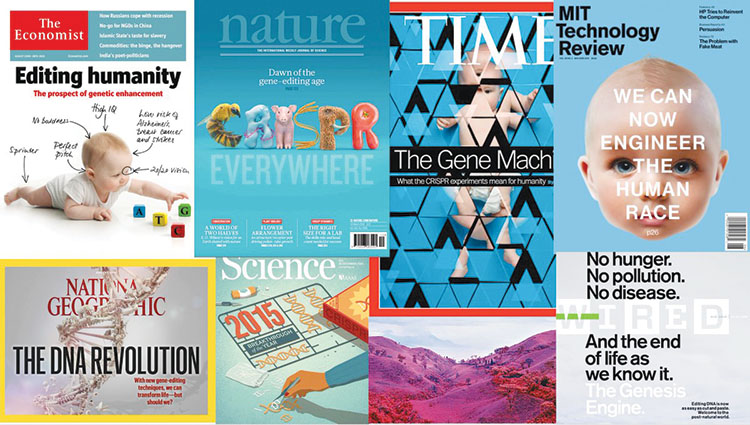
    What is called “consumer eugenics” is already prevalent in many countries and future possibilities widely discussed in magazines in recent years. Through preimplantation genetic diagnosis, physicians routinely test embryos for hundreds of genes. Parents can select embryos with certain genes to avoid particular diseases – or to pick the sex of their future child.

    In 1998, the geneticist Dr David J. Galton, a relative of Sir Francis, wrote not of the immorality of eugenics but of the need for better regulation: “To prevent such abuses in the future statutory bodies, such as a genetics commission, should be established to provide guidance and rules of conduct.”37 In 2003, the geneticist Charles Epstein wrote: “modern human genetics and medical genetics… are eugenic – if not a literal return to the eugenics of the past, at least a reincarnation of that eugenics in a new guise.”38 Between 2005 and 2016, dozens of female prisoners were sterilised in California without their informed consent.39 Historian Daniel J. Kevles says that humanity “now possesses tools to reshape its own hereditary capacities, perhaps even to realise the dream of eugenicists that human beings might take charge of their own evolution.”40

    Today, dozens of gene-editing companies offer services in agbiotech, biobanking, cell therapy, DNA sequencing, stems, synthetic biology, and vaccines.41 These profit-seeking companies have the potential to work in the interests of eugenicists; for example, by editing genes to enhance certain traits desired by parents. Under the section “New Humans,” the UK Ministry of Defence notes that out to the year 2036: “The application of advanced genetics could challenge current assumptions about human nature and existence.” It goes on to note that, “[i]nitially employed for medical purposes, breakthroughs in these areas could be put to ethically questionable uses.” Examples include “the super-enhancement of human attributes, including physical strength and sensory perception.” It concludes that “[e]xtreme variation in attributes could arise between individuals, [or] between societies, creating additional reasons for conflict.” Another section of the report notes that “biotechnology and genetic engineering may be combined to create ‘designer’ bio-weapons to target crops, livestock, or particular ethnic groups” (emphasis in original). The document ends with reference to the final step in eugenics: ethnic cleansing. In referencing neutron weapons, which kill life and leave property undamaged, the MoD states: “The ability to inflict organic destruction, while leaving infrastructure intact, might make it a weapon of choice for extreme ethnic cleansing in an increasingly populated world.”42
    Get the issue this article appears in

    CONCLUSION

    This article has traced the thread of eugenics from our ancient past to the trans- and post-humanist visions of gene-editing tech-heads. The article has documented how eugenics can infringe upon human rights and even lead to genocide. 

    A final thought concerns elder care and social security in economically neoliberal states. In the UK, the policies of the ruling Tory party (2010-present) have, in the last decade, killed a quarter of a million economically useless Britons via fiscal austerity: old people who needed later-life care, disabled people claiming social security, and the most impoverished who depended on the state for their survival.43 

    In the minds of policymakers, eugenics is alive and well. 

    [alert type=”general” dismiss=”no”]This article was published in New Dawn 182.[/alert]

    [alert type=”success” dismiss=”no”]If you appreciate this article, please consider subscribing to help maintain this website.[/alert]

    Footnotes

    1. Marianne Hem Eriksen (2013) World Archaeology, 49(3): 338-356
    2. Timothy M. Reynolds (2009) Clinical Biochemical Reviews, 30: 187-96. 
    3. Nikolai Krementsov (2011) Annals of Science, 68(1): 61-92.
    4. David J. Galton and Clare J. Galton (1998) Journal of Medical Ethics, 24(2): 99-105.
    5. Philip R. Reilly (2015) Annual Review of Genomics and Human Genetics, 16: 351-68.
    6. Reilly, op. cit.
    7. Ann Taylor Allen (2000) German Studies Review, 23(3): 477-505.
    8. Pauline M. H. Mazumdar (2002) Trends in Eugenics, 18(1): 48-52.
    9. Allen, op. cit.
    10. Quoted in Edward W. Fuller, Mises Institute, 14 November 2019, https://mises.org/wire/keynes-eugenics-race-and-population-control#footnote5_z3fncpw
    11. Mazumdar, op. cit. 
    12. Steven Selden (2005) Proceedings of the American Philosophical Society, 149(2): 199-225.
    13. Mazumdar, op. cit.
    14. Reilly, op. cit. 
    15. Margaret Sanger (1938) Margaret Sanger: An Autobiography, NY: W.W. Norton & Co., pp. 366-67. 
    16. Selden, op. cit. 
    17. Mazumdar, op. cit.
    18. Victoria Nourse (2016) Nature, 530: 418.
    19. Reilly, op. cit.
    20. Mazumdar, op. cit.
    21. Reilly, op. cit.
    22. Angela Gonzales et al. (2007) The Public Historian, 29(3): 53-67
    23. Michael A. Grodin et al. (2018) AJPH, 108(1): 53-57
    24. Reilly, op. cit.
    25. Mazumdar, op. cit.
    26. Grodin et al., op. cit.
    27. Reilly, op. cit.
    28. Mazumdar, op. cit.
    29. Grodin et al., op. cit.
    30. City of Elberton, “Welcome…,” no date, www.cityofelberton.net/
    31. Quoted in Charlie Proctor, Royal Central, 14 March 2020, https://royalcentral.co.uk/uk/philip/prince-philips-deadly-virus-gaffe-139041/
    32. United Nations Conference on Environment & Development, Rio de Janeiro, Brazil, 3rd to 14th June 1992, https://sustainabledevelopment.un.org/content/documents/Agenda21.pdf
    33. Maurice Strong, Earth Summit Opening Plenary Part 2, 3 June 1992, www.c-span.org/video/?26478-1/earth-summit-opening-plenary-part-2
    34. James Gallagher, BBC, 9 November 2018, www.bbc.co.uk/news/health-46118103
    35. Chester S. Chuang and Denys T. Lau (2010) Clinical Therapy, 32(12): 2054-56.
    36. See my Privatized Planet (2019, New Internationalist).
    37. Galton and Galton, op. cit. 
    38. Diane B. Paul (2014) Science and Education, 23: 259-71. 
    39. Grodin et al., op cit. 
    40. Daniel J. Kevles (2016) Science and Technology, 32(3): 45-50.
    41. Biotech-careers, no date, https://biotech-careers.org/company-core-activity/gene-editing
    42. Ministry of Defence, The DCDC Global Strategic Trends Programme: 2007-2036, January 2007, pp. 79, 71, 85, https://ia800702.us.archive.org/28/items/strat_trends_23jan07/strat_trends_23jan07.pdf
    43. See my article in The London Economic, 1 July 2020, www.thelondoneconomic.com/politics/tory-policies-have-killed-a-quarter-of-a-million-people-in-the-last-decade/01/07/

    © New Dawn Magazine and the respective author.
    For our reproduction notice, click here.

  • Controlling the Narrative: How Intelligence Agencies Co-Opt UFO Research

    Controlling the Narrative: How Intelligence Agencies Co-Opt UFO Research

    From New Dawn Special Issue Vol 15 No 3 (June 2021)

    For more than a century, intelligence agencies have used unidentified flying objects as a cover for their secret experiments and weapons. During the First World War, unintended sightings of Top-Secret airships could be attributed to visitors from outer space. In the 1950s, civilian observations of sensitive nuclear and space tests could be attributed to Soviet infiltration or extra-terrestrial incursions. 

    By the 1960s, intelligence agencies had infiltrated the New Age movement and its organisations. Ulterior motives included using the knowledge of UFO groups, like the Mutual UFO Network (MUFON), to obtain information about sightings from civilians. For instance, if the Soviets had penetrated US airspace with weapons unknown to US intelligence, their officers posing as MUFON members could glean information on the shape and capabilities of the craft from civilians who thought they were observing alien spaceships.

    Power dominates by dividing to conquer. On one side stand the pro-UFO crowd who believe that some, if not all, UFOs are alien ships. On the other are the anti-UFO-ers who think that every sighting is due to optical illusions, hoaxes, or mental delusions. US intelligence penetrated both groups and used them strategically for different ends, depending on the given circumstances.

    DON’T PANIC!

    Government-sponsored UFO deniers included those mandated by the Central Intelligence Agency (CIA) and others to debunk all UFO encounters in order to prevent mass-panic. Another fear was that if the Soviet Union attacked, the US response could be impaired because observers might think that they are witnessing alien craft. 

    Donald Menzel (1901–1976)

    Donald Menzel was an astrophysicist and Navy Lieutenant Commander who, during the Second World War, was in charge of training cryptographers.1 The Psychological Strategy Board (PSB) was established in 1951 under US President Truman. Its aim was to train diplomats in the language of pro-US propaganda. But the Board had other mandates. They hired Mendel to promote UFO and alien scepticism through a series of books. Another PSB associate was the movie mogul Darryl Zanuck, producer of The Day the Earth Stood Still, written by former US Signal Corps filmmaker Edmund H. North. It was hoped that ufologists could be dismissed as over-imaginative sci-fi fans.2 

    An almost unreadably poor copy of a document to the PSB, written by CIA Director Walter B. Smith in the early-1950s, states that there should be a “[d]etermination of what if any utilization should be made of these phenomena [i.e., UFOs] by US psychological warfare planners and what, if any, defenses should be planned in anticipation of Soviet attempts to utilize them.” The report also wanted to know if UFOs could be controlled by the US and what level of knowledge the Russians had about the phenomena.3 

    In 1953, the CIA’s Office of Scientific Intelligence collaborated with the weapons physicist H.P. Robertson to lessen public interest in UFOs, in their words “to minimize risk of panic,” particularly if the Soviets staged a “UFO” invasion as a cover for a first-strike.4 In addition to quelling public concerns, the Air Force wanted to reduce the thousands of civilian UFO sightings reported to the organisation in volumes that “overload[ed] channels of communication.” A concern was the “[s]ubjectivity of [the] public to mass hysteria and greater vulnerability to possible enemy psychological warfare.” The CIA’s Robertson Panel concluded: “The ‘debunking’ aim would result in reduction in public interest in ‘flying saucers’ which today evokes a strong psychological reaction. This education could be accomplished by mass media such [as] television, motion pictures, and popular articles.”5 

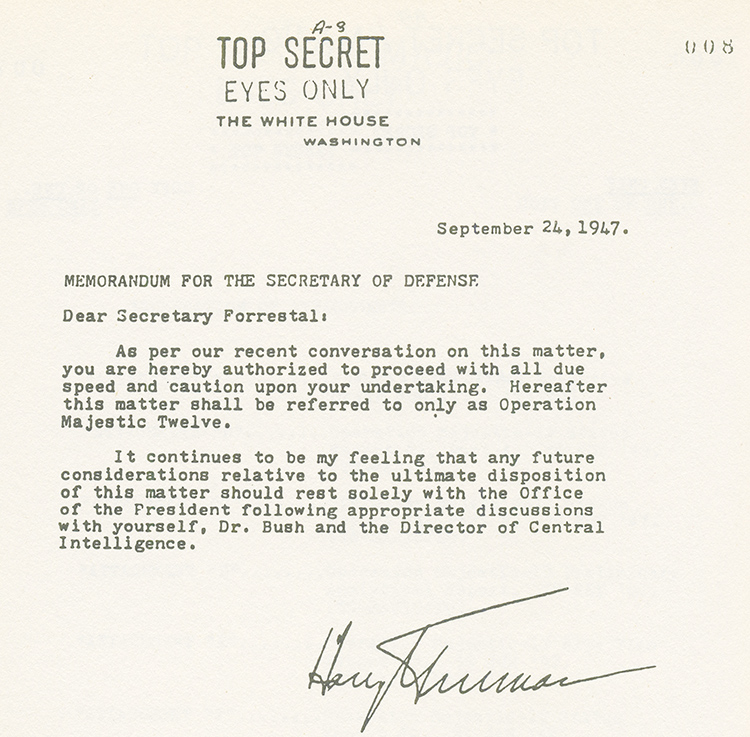
    With this 1947 letter, US President Truman purportedly authorised “Operation Majestic Twelve.” The existence of MJ-12 has been denied by the United States government, which insists that documents suggesting its existence are hoaxed. 

    One of the intelligence agencies’ more elaborate hoaxes was Majestic 12 (MJ-12). The document was supposedly written by the third Director of Central Intelligence, Admiral Roscoe H. Hillenkoetter, and relates to a Top-Secret group of experts put together by President Truman relating to the Roswell crash and alleged recovery of alien bodies. The US Air Force later informed the Federal Bureau of Investigation (FBI) that the document was a fabrication. However, parts of the document may refer to real events not authorised for disclosure, which gave the FBI some cause for concern: “[Department of Defense] representations made to [redacted]… tended to buttress a portion of the document.”6 Hillenkoetter later served on the board of the National Investigations Committee on Aerial Phenomena: a civilian research organisation that, perhaps intentionally, collapsed into disarray.

    Dr. Edward U. Condon (1902–1974)

    In 1966, the Air Force Office of Scientific Research contracted academics at Colorado University to investigate UFOs. The research was led by Dr. Edward U. Condon, Professor of Physics and Fellow of the Joint Institute for Laboratory Astrophysics. But many leading scientists wanted to protect their reputations and secretly plotted to make the report biased against UFOs. Project coordinator Robert J. Low wrote a memo: “The trick would be… to describe the project so that, to the public, it would appear a totally objective study.”7 Staff were interrogated by project leaders over the memo leak and the prime suspect, UFO believer James E. McDonald,8 died some years later in an apparent suicide. Referring to the subject of UFOs, Condon said: “My attitude right now is that there’s nothing to it… but I’m not supposed to reach a conclusion for another year.”9

    PANIC!

    Some operatives in Air Force, Navy, and civilian intelligence had the opposite agenda: to promote UFOs, aliens, and abductions as cover for their classified weapons research. 

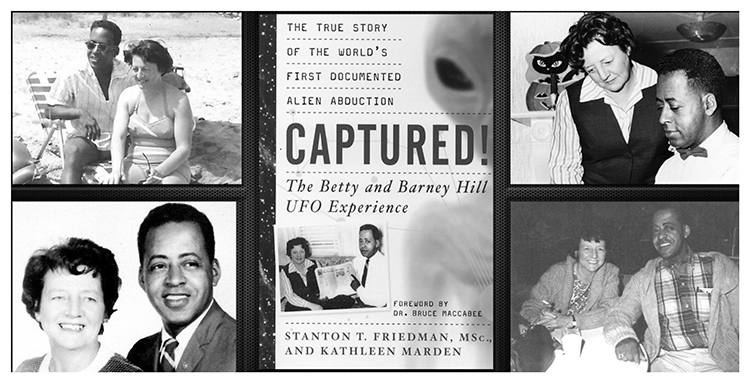
    Barney and Betty Hill were an interracial couple, which was unusual in 1960s’ America. Both were members of the National Association for the Advancement of Colored People and chaired the local branch of the Commission on Civil Rights. They claimed that in September 1961, they were abducted by aliens. Under hypnosis, Barney claimed that sperm and other samples had been taken from him by ETs. Also under hypnosis, Betty said that she had been shown a star map that experts reckoned could be the Zeta Reticuli system. 

    Barney and Betty Hill, an interracial couple, claimed they were abducted by aliens in 1961. It’s possible the FBI tried to link the couple to the Civil Rights movement in an attempt to ridicule the movement. 

    At the same time, the FBI under the direction of the extreme right-winger, J. Edgar Hoover, was waging a secret domestic war against anything progressive. Known as the Counterintelligence Program (COINTELPRO), those targeted included anti-war groups, the Black Panthers, labour movements, the New Left, students, and women’s rights groups. The Civil Rights movement was one of the main organisations targeted. Shortly after the Hills began talking publicly about their experiences, local media began championing their Civil Rights credentials. It seems unlikely that Barney was a COINTELPRO operative, but the Program could have been promoting their story as a way of associating Civil Rights with things that most people consider to be crazy.10 

    Hoover had personally intervened in the UFO topic. In July 1947, a disc built by a human to hoax his friend “crashed” in Louisiana (La.). At the time, the FBI was starting to liaise with the Army on UFO-related events. Hoover wrote by hand: “we must insist upon full access to discs recovered. For instance in the La. case the Army grabbed it and would not let us have it for cursory examination.”11 If it was a hoaxed disc, why would the FBI be interested? If it was a real ET ship, why would Hoover or anyone leave a paper trail? 

    If the US really had a crashed UFO and could back-engineer alien technology to create super-weapons, they would not have released a document pertaining to three child-sized beings recovered at the crash site. Yet, the Guy Hottel memo is one of the most notorious in ufology. Hottel was an FBI special agent and acting head of the Washington Field Office. Three years after the Roswell incident in July 1947, Hottel reported that an Air Force investigator told him of three discs and bodies that had been recovered.12 At the time, the FBI was pushing the Majestic 12 agenda. 

    Just as the AATIP programme today appears to be a psychological operation to make Congress think that Russia and China have advanced aircraft, the British Ministry of Defence advised in secret files in the 1950s: “Monitor all [UFO] reports in case in the future the hitherto unknown/not understood underlying phenomena is being exploited by another nation” (sic). The documents note that “[a]n actual – or potential enemy – could develop a flying device with the characteristics that these phenomena seem to have.”13

    Stories circulated in the late-‘90s that post-Soviet Russia may be in possession of alien technology. Presumably, the agenda was the same: to scare budget-allocators into giving US military developers more cash. Media report that in 1969, a UFO crashed in Sverdlovsk Oblast, in southern Russia. The claim is backed up by obviously staged video footage broadcast in 1998. Footage was purportedly taken by the KGB (or related) of soldiers sent to recover the alien vehicle. More detailed images of the alleged spaceship appear in the form of still photographs. Another staged film of an alleged Russian ET autopsy (no coroners are wearing hazmat suits or even minimal PPE) was supposedly smuggled onto the black market and featured in a US, post-Cold War documentary.14 

    DARE TO BELIEVE

    In the current context of the US military trying to frighten the public into believing that Russia and China are a threat, UFOs remain a hot topic. The CIA continues to want you to believe that UFO sightings and reports are entirely down to them. The Agency tweeted in 2014: “Remember reports of unusual activity in the skies in the ‘50s? That was us.”15

    C.B. Jones (Scott Jones)

    After fighting in Korea in the 1950s, C.B. Jones (Scott Jones) moved into Naval Intelligence before working with the intelligence firm, CACI Management, which worked with the Defense Intelligence Agency. Like Luis Elizondo today, Scott specialised in complex data analysis. In the 1980s, he worked as Special Assistant to Senator Claiborne Pell to study “consciousness research” being conducted in China and Russia. Jones also involved himself in various New Age-linked movements.16 One paper in the CIA archives claims that Jones was a kind of handler for abductee researcher and naturopath, Dr. Rima Laibow, whom the report says had an “exceptional ‘network’ expanding into Europe and the Soviet Union.” The paper suggests that Jones could be an informant tasked with keeping intelligence agencies up-to-date with developments in UFO activities and perhaps to spy on the Soviets under cover of conducting UFO research.17 

    Cryptographer Menzel, mentioned above, was an associate of Philip Klass,18 a senior editor at Aviation Weekly. Like his de facto predecessor Menzel, the debunker Klass authored books with titles such as UFOs Explained. In 1964, FBI head Hoover wrote to CIA Director John A. McCone about Klass’s publications of Top-Secret materials. This suggests that Klass was a significant behind-the-scenes actor. Other FBI documents relating to Klass are heavily redacted, suggesting that he or his associates were linked to the intelligence agencies. One such document states that Klass “only notifies this Bureau…,” but the rest is redacted. The name of one Klass associate in Orange, California, is also redacted. Crucially, one Newark FBI office memo states that Klass came to the attention of the FBI “on several occasions.” The details are again redacted. Other documents cite confidential sources and conclude: “In view of Klass’ intemperate criticism and often irrational statements he made to support them, it was recommended that the Bureau be most circumspect in any future contacts with him.”19 

    Government scientist J. Allen Hynek was hired to investigate/debunk UFO sightings but ended up becoming a believer. The UFO debunker Philip Klass was tasked with discrediting Hynek.

    One of Klass’s missions was to discredit the renowned government scientist, J. Allen Hynek, who was hired to investigate/debunk UFO sightings but ended up becoming a believer. The FBI documents express consternation that Klass was on a crusade to ruin the reputation of eminent researchers.20 Other Klass targets were the lumberjacks of Snowflake, Arizona, whom in the mid-1970s witnessed a UFO that appeared to abduct their friend, Travis Walton. The case remains one of the best alleged abduction encounters in ufology in terms of the evidence and longevity. Klass claimed that the men had invented the story in order to cite force majeure and exit a logging contract. Klass dragged the then-mentally fragile Walton’s reputation through the mud and even bribed Walton’s working-class friend and eyewitness, Steve Pierce, with $10k to pretend that they had made it all up. To his credit, Pierce stuck to what the crew believed was the truth. Astonishingly, Snowflake’s Deputy Sheriff, Chuck Ellison, says that Klass introduced himself to Ellison as “a government UFO investigator.”21

    CONCLUSION

    Not every UFO is an invention of the intelligence services or a Top-Secret aircraft. However, we should always be aware that intelligence officers consider themselves to be masters of illusion. With staged video (deepfakes today), radar spoofing, and the twisting of eyewitness statements, they believe that they can transform perceptions of one thing into something entirely different: always with the goal of achieving ends that are unknown to the wider public. Meanwhile, the truth about unidentified flying objects remains purposefully obscured. 

    [alert type=”general” dismiss=”no”]This article was published in New Dawn Special Issue Vol 15 No 3.[/alert]

    [alert type=”success” dismiss=”no”]If you appreciate this article, please consider subscribing to help maintain this website.[/alert]

    Footnotes

    1. Craig Bauer and John Ulrich (2006) “The Cryptologic Contributions of Dr. Donald Menzel,” Cryptologia, 30:4: 306-39.
    2. www.theguardian.com/film/2014/aug/14/men-in-black-ufo-sightings-mirage-makers-movie
    3. www.cia.gov/readingroom/docs/DOC_0000015338.pdf
    4. Quoted in Leslie Kean (2010) UFOs: Generals, Pilots and Government Officials Go On the Record, Harmony Books, 105-06
    5. https://documents.theblackvault.com/documents/ufos/robertsonpanelreport.pdf
    6. https://vault.fbi.gov/Majestic%2012/Majestic%2012%20Part%201%20of%201/view
    7. https://web.archive.org/web/20080531154408/http://www.nicap.org/docs/660809lowmemo.htm
    8. Kate Dorsch (2019) Reliable Witnesses, Crackpot Science: Ufo Investigations In Cold War America, 1947-1977, Doctoral thesis, University of Pennsylvania, https://repository.upenn.edu/cgi/viewcontent.cgi?article=5017&context=edissertations
    9. Quoted in John G. Fuller, “Flying Saucer Fiasco,” Look Magazine, 14 May 1968
    10. Fosters, “Tale of alien abduction undermines civil rights movement,” 9 April 2009, www.fosters.com/article/20090409/BLOGS07/904099934
    11. Quoted in Kevin D. Randle, Alien Mysteries (2013), Visible Ink Press, 212 
    12. https://vault.fbi.gov/hottel_guy/Guy%20Hottel%20Part%201%20of%201/view
    13. These and other documents are quoted extensively on the website of Ufologist, Dr. David Clarke: https://drdavidclarke.co.uk
    14. Dan Goldman (1998) The Secret KGB UFO Files
    15. CIA, 2 July 2014, https://twitter.com/CIA/status/484429844777037824
    16. https://archives.colorado.edu/repositories/2/resources/346
    17. www.cia.gov/readingroom/docs/CIA-RDP96-00792R000400300004-7.pdf
    18. Links were found in archival sources cited in Stanton T. Friedman and Kathleen Marden (2016) Fact, Fiction, and Flying Saucers, New Page Books.
    19. Numerous declassified files are available: https://ia801605.us.archive.org/19/items/PhilipJ.Klass/Klass%2C%20Philip%20J.pdf 
    20. Ibid.
    21. Interviewed in Jennifer Stein (2015) Travis: The True Story of Travis Walton, Onwinges Productions.

    © New Dawn Magazine and the respective author.
    For our reproduction notice, click here.
  • Obesity Machine: How the Processed Food Industry Profits From Eating Disorders

    Obesity Machine: How the Processed Food Industry Profits From Eating Disorders

    From New Dawn Special Issue Vol 15 No 2 (Apr 2021)

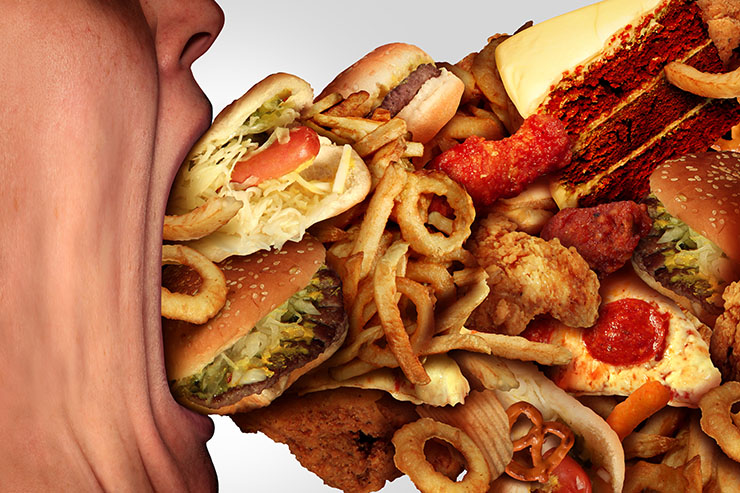
    Scientists, politicians, media, and health professionals note that Western countries face obesity and fatness epidemics. Large numbers of poor, malnourished children are obese because the cheap, processed, low-nutrient food bought by their parents – bread, cereals, snacks, etc. – contains high concentrations of sugars. 

    In addition to the systemic factors explored below, there are darker, more secretive reasons for our addiction to what the late philosopher-comedian George Carlin called “slow death by fast food.” But it is not just fast food. To save money on raw materials, sell innovation to other companies, and hook consumers onto their products, food giants have developed intricate supply lines for big firms like McDonald’s and PepsiCo. Using sophisticated design techniques based on the biology of pleasure and addiction, they have contributed to ill-health. 

    Obesity Epidemic

    Obesity can cause serious health problems that lower life-quality, shorten it, and frequently lead to hospitalisation. Cushing’s disease (excess cortisol), polycystic ovary syndrome, and other ailments can cause obesity, as can depression. Usually, however, pathologies are caused by obesity. Typically, obesity results from the individual’s overeating, choice of foods, and lack of exercise. In most cases, obesity and weight gain do not appear to be solvable by the individual. Data suggest that most people who diet and exercise cannot lose weight and sustain their weight loss. Rather, weight-loss is typically achieved by a holistic change-of-life approach, not by dieting and exercising alone. This is partly because the system makes people revert to their old, sedentary lifestyles and partly because they are addicted to bad food. Only a comparatively small number of people can sustain weight loss without changing their approach to life and food. Obesity can cause, contribute to, or worsen cancer, coronary heart disease, gallbladder disease, high blood pressure, low-density lipoprotein cholesterol, sleep apnoea, and type-2 diabetes.

    Systemic reasons for the obesity crisis include the unconscious, evolutionary flaw that makes people eat more than they need to in case they cannot eat again for a while. In nature, food can be scarce. In our artificial societies, it is abundant. Our brains developed to overeat in case of scarcity. Anthropologists note that once humans developed settled agriculture 10,000 years ago, obesity became a problem for the first time. 

    A related issue is that the human body is built for hunting and gathering. We are “born to run,” as anthropologists put it, yet modernity enforces sedentary living: the bus or car to work, sitting at a desk for most of the day, watching TV in exhaustion in the evening. Our intestines are now excessively long because our ancestors used to eat raw foods that took longer to digest. High-nutrient, fat-burning raw food diets are a niche, not the norm. The system has separated us from our environment: biodiversity is replaced by fields for monoculture, the nutrients in soils are depleted along with the pesticides and transport time, and the shelf-life of food lessens its nutritional quality. Work exhausts people and processed ready-meals are cheap. Corporate branding brainwashes us into reaching for high-sugar treats.

    The epidemic of fatness and obesity has many consequences. Typically, overweight people are less happy and live shorter, unhealthy lives compared to thinner people. Morbidities including diabetes, heart disease, strokes, high blood pressure, and excess cholesterol often combine to make individuals more susceptible to death and injury from bacteria and viruses, including SARS-CoV-2.

    The World Health Organization defines overweight and obese as excess fat accumulation relative to body mass index (BMI): “a person’s weight in kilograms divided by the square of [their] height in meters (kg/m2).” Overweight is BMI greater than or equal to 25 and obese 30. Globally, obesity relative to population increase has tripled since the 1970s. Nearly 2 billion adults are overweight and 650 million are obese. Relative to population size, the fattest populations on Earth tend to live on small islands: American Samoa, the Cook Islands, Kiribati, the Marshall Islands, Nauru, Palau, Samoa, Tokelau, and Tonga. 

    In Australia, nearly 70 per cent of adults are overweight: around half of whom are obese. Obesity is more common in older people. Poverty is a factor. Poor people are up to 40 per cent more likely to be obese than their wealthier counterparts. In the UK, nearly 70 per cent of men and 60 per cent of women are overweight. Of those, a quarter of men and a third of women are obese. Each year, around 800,000 British people are hospitalised with weight-related ailments: over 10,000 of which are directly related to obesity. Prevalence of obesity tends to be higher in the Midlands and in the Northeast of England around Durham, Hull, Lincolnshire, and Yorkshire. These areas correlate to deprivation and poverty. On average, over 50 per cent of Europeans are overweight or obese, with numbers varying from country to country: e.g., 36 per cent in Italy and 54 per cent in the Netherlands. 

    In the US, over 70 per cent of adults are overweight, of whom 42 per cent are obese. Twenty per cent of American children are obese. Areas in the US with the highest numbers of overweight and obese people include Memphis (TN), Shreveport (LA), Carmel (IN), Jackson (MS), and San Antonio (TX). These areas also correlate with high levels of poverty. 

    The most overweight countries in Asia are Malaysia (15 per cent obese), Brunei (14 per cent), Thailand (10 per cent), Indonesia (7 per cent), and the Philippines (6.5 per cent). Being in the top-five economies by GDP, Japan is a good country to compare with other so-called developed countries with big economies and high levels of poverty, such as European giants and the USA. Epidemiologists point to Japan’s traditional dietary habits as a reason for its comparatively low rate of obesity: 4 per cent compared to America’s 42 per cent. The Japanese consumption of fish, vegetables, and soybean products instead of dairy, fat, and meat is one explanation. 

    What’s On Your Plate?

    When it comes to contributing to fatness and obesity, the usual suspects include food and beverage corporations whose products are loaded with bad fats, salt, and sugar: Burger King, Kellogg’s, KFC, McDonald’s, PepsiCo, and other big brands. 

    PepsiCo is worth $204bn and sells numerous brands. Crisps and potato chip brands include Cheetos, Doritos, Lay’s (Walkers in the UK), and Ruffles. Beverages include Aquafina bottled water, Mirinda fizzy orange, Mountain Dew, Pepsi, and Tropicana fruit drinks. Twenty-two such brands generate $1 billion a year for the company. Billions of people across 200 countries consume these for lunch at work, dinner at home, at parties, and when walking or shopping. PepsiCo spends over $2bn per annum on advertising. The cereal producer, Kellogg’s, owns the cracker brand Austin, the Nutrigrain bar, the crisps Pringles, and a number of sweet and savoury breakfast cereals including All-Bran, Coco Pops, Cornflakes, Crunchy Nut, Froot Loops, and Frosted Flakes. These and other products make Kellogg’s a $22bn company. 

    The Swiss firm Nestlé is worth $313bn. In addition to instant coffee, its products include baby food (Cerelac, Gerber, and NaturNes), bottle water (Perrier and S.Pellegrino), cereals (Cheerios, Fitness and Lion), confectionary (Aero, KitKat and Quality Street), instant meals (Buitoni pasta, Lean Cuisine diet and Stouffer’s frozen), and ice cream (Dreyer’s, Extrême and Häagen-Dazs). The company’s bottled water industry is worth $7bn a year. In 2005, Nestlé’s then-CEO, Peter Brabeck-Letmathe, said that many people think that, “as a human being you should have a right to water. That’s an extreme solution.” He added: “The other view says that water is a foodstuff like any other, and like any other foodstuff it should have a market value.” He concluded: “I believe it’s better to give a foodstuff a value.”

    Globally, the baby formula industry is worth $11bn, including Nestlé’s products. Beginning in the 1970s, Nestlé targeted uneducated women in Africa and Latin America with marketing that led them to believe that artificially produced “scientific” baby milk formulae was more nourishing for their infants than breast milk. They also marketed their products as an example of social mobility, appealing to mothers’ yearning to escape absolute poverty. Nestlé hired women to play “nurses” who would call unexpectedly on mothers to sell them their formula. The fake nurses also told the mothers lies about how their natural milk would dry and that they’d be unable to feed their children. Dr Stephen Joseph of the pro-corporate US Agency for International Development said that baby formula killed a million children a year by depriving them of nutrition. It also led to stunted growth and brain damage among survivors. 

    These and other corporations use all manner of modified products in their foods. Sugar is a soluble carbohydrate that comes in several basic forms: galactose (found in a variety of products, including dairy), glucose (plant sugar), fructose (fruit sugar), and sucrose (cane sugar, a.k.a., granulated, regular, table). Added sugar is present in over 70 per cent of processed foods, including savoury products like bran cereals, bread, juice, and yoghurts. In the US, the Food and Drug Administration requires companies to list sugar in their ingredients. But companies use a loophole to disguise sugar as corn syrup, dextrose, fructose, maltose, rice syrup, and sucrose. Government corn subsidies in the 1970s gave food producers an abundance of cheap corn which they synthesised into an unhealthy, cost-saving replacement for natural sugars.

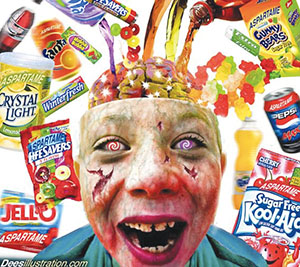
    Starch is the carbohydrate used by plants for energy storage. Corn syrup (also known as glucose syrup) is starch converted to sugar. The process was invented by the chemist Gottlieb Kirchhoff in 1812. Today, most corn syrup is procured from No. 2 yellow dent corn, first grown in the US in 1846. Corn syrup is used as a thickener and as a cheaper alternative to cane sugar. High fructose corn syrup is commonly added to crackers, fizzy drinks, ready-meals, salad dressing, and sweetened juices. Caused by non-alcoholic fatty-liver disease, hepatocellular carcinoma is the most common type of liver cancer. Fructose has toxic effects on the liver, including increasing the production of fatty acid, insulin resistance, and oxidative stress. Fizzy drinks can raise bodily glucose, fructose, and insulin levels within 15 minutes of consumption. The body tries to convert fructose metabolism to glucose. In addition, the high concentrations of corn syrup in fizzy drinks contribute to type-2 diabetes.

    Monosodium glutamate (MSG, a.k.a., sodium glutamate) is a natural salt in a variety of foods. Today, it is used as a synthetic flavour enhancer. In 1908, the chemist Kikunae Ikeda isolated brown crystals of glutamic acid, leading the way for the artificial production of MSG. MSG is present in crisps, dressings, fast foods, processed soups, and seasonings. Clinical studies compared hundreds of middle-aged to elderly people who have the same caloric intake and take the same amount of exercise. They found that those who have a high concentration of MSG in their diets tend to be susceptible to weight gain and obesity compared to those who eat little MSG. 

    So-called “trans fats” are emulsifiers: food additives that prolong shelf-life. They are produced naturally in dairy products, but they also occur when food manufacturers add hydrogen to vegetable oil (hydrogenated oil), which converts liquid into solid fats. Trans fats raise the level of low-density lipoprotein (LDL) cholesterol in the blood. Elevated levels of LDL do not easily dissolve and can increase the risk of Alzheimer’s, artery disease, heart attack, infertility, stroke, and type-2 diabetes. Collectively, trans fats constitute partially-hydrogenated oils, which the US Food and Drug Administration labelled unsafe in 2015. But trans fats are still found in processed bread, cakes, fast foods, margarine, pastries, snacks, and vegetable oils.

    The Giants

    It is easy to point the finger at McDonald’s, PepsiCo and the like, but from which companies do they acquire their modified additives? Kellogg’s, Nestlé, etc. typically purchase their flavour- and shelf-life-enhancing additives from other firms about which few people have heard. Enter the supply kingpins. 

    By 2020, the top ten global food companies and their values (in US dollars) included Cargill ($113.5bn), Archer Daniels Midland (ADM, $64.65bn), Sysco ($60bn), JBS ($51.7bn), and George Weston ($50bn). Scientists at these companies have spent decades perfecting the micro components of their foods to enhance flavour and addictiveness. The packaged products are then sold to food sellers, like KFC, whose scientists find innovative ways to synthesise them into their products. 

    Writing against these practices, Dr Steven Witherly developed a Food-Pleasure equation which posits that humans are addicted to junk food in part because Sensation (including taste like salt (MSG), smell, texture, and variety) are augmented by Caloric Stimulation (with proteins like gluteomorphins (gluten found in breads and cereals, etc.) and carbohydrates such as sugar, starch, and fat (including trans fats)). The stomach and small intestines contain receptors including mechanoreceptors and chemoreceptors, the latter are stimulated by amino acids, carbohydrates, and lipids. Using Doritos as an example, Witherly applies the equation and notes that the potato chip’s shape, dusty coating, combination of sugar and salt, plus high-fat saturation stimulate the consumer’s pleasure whilst increasing the amount of gut hormones that reduce anxiety. The same formula applies to KFC and other brands. 

    Cargill supplies many of the big food companies including KFC, McDonald’s, and PepsiCo. It sells 40 types of salt to food producers: flaked, ground, pulverised, smashed, and more. For instance, when popcorn producers buy from Cargill, they expect the shape of the salt to cling to every part of the textured popcorn kernel. Cheese and meat manufacturers buy Cargill salt because they want the ingredient to be as textureless as possible. In some products, a “flavour burst” is produced by processing the salt into micro-pyramid shapes. 

    In addition to allegedly making consumers addicted, Cargill has developed a shocking environmental and human rights record. In 2019, former US Congressman Henry A. Waxman’s Mighty Earth NGO infamously described Cargill as “the worst company in the world.” The company was founded in 1865 by the US businessman William Wallace Cargill whose descendants remain the controlling shareholders in the business. The original company was a grain-storage house in the frontier towns of Iowa. By the 1920s, operations had expanded to Italy and Canada. In 1938, it was banned from the Chicago Board of Trade for influencing grain prices. Today, Cargill employs 155,000 people in 70 countries and owns more than 60 subsidiaries. In addition to meats, oils, and salts, products include animal feed, bio-industrial, food ingredients, and proteins.

    Founded in 1902, ADM provides products and services including animal feed, drinks, fuel, and industrial chemicals. It owns hundreds of subsidiaries worldwide include agro-investment firms, holding companies, trading partnerships, processing plants, and chemical manufactures. It brags: “We transform natural products into a complete portfolio of ingredients and flavours for foods and beverages, supplements, nutrition for pets and livestock and more.” ADM has at least “27 customer innovation centres in 21 different countries and a team of 400 food scientists.” ADM’s acidulants are used for flavour, colour, and moisture control. They include drums of citric acid (“non-GMO options available”), Citrisol® 501 to prevent off-colouration, sodium citrate dihydrate powders for emulsification, and potassium citrate for preservation. ADM supplies companies including Kellogg’s and PepsiCo.

    Fake Food

    “Sustainability” is the new buzzword among corporate conglomerates that have spent years ruining the Earth. Over the last few decades, food giants have merged to create mega-corporations, with many processed food suppliers like Tyson investing in smaller, organic firms. In the name of sustainability, they have a revolving door system, where the former CEO of one company joins the board of another. Advisory sessions are another feature. In September 2020, for instance, Ray Young, ADM’s Chief Financial Officer, shared a roundtable with, among others, Amy Senter, Vice President of Global Sustainability at Kellogg’s. The agenda included modifying food production in the name of greening up. 

    Recently, the multimillion-dollar asset manager, John Hancock Life Insurance, which owns tracts in Australia and Canada, sold land in the Columbia River Basin in the upper west of the USA to an anonymous investor, who journalists found out was the centibillionaire Bill Gates. The Basin contains unusually rich and tillable soil. The deal made Gates the biggest landowner in the US. Given his open support for genetically-modified organisms, it is possible that Gates will use the land to grow GMO crops. In addition, public money was used by NASA to develop fungus proteins. Using the technology, the company Nature’s Fynd developed a meat-free burger with proteins grown in the public Yellowstone National Park. The company raised $80 million from former US Vice President Al Gore’s Generation Investment Management and from Bill Gates’s Breakthrough Energy Ventures. 

    The solution to the crisis of fake food, GMOs, and addictive substances is to eat as little processed food as possible. Grocery stores have, over the last few decades, expanded their range of dairy-, gluten-, and GMO-free products to include organic foods. Support independent local health food shops and visit farmer’s markets. Social media is full of free, on-demand amateur and professional chefs who teach us how to cook healthy foods from scratch. Where possible, food can be grown in gardens and even in pots on windowsills and balconies, or if you haven’t a garden on an allotment, check for growers’ associations and local community gardens. Self-reliance and group-cultivation is great exercise, fresh air, and key to defeating fattening, poisonous, processed foods. 

    [alert type=”general” dismiss=”no”]This article was published in New Dawn Special Issue Vol 15 No 2.[/alert]

    [alert type=”success” dismiss=”no”]If you appreciate this article, please consider subscribing to help maintain this website.[/alert]

    Footnotes

    1. Centers for Disease Control and Prevention (US), www.cdc.gov/obesity/adult/causes.html
    2. Ariana Chao (2014) Nursing Forum, 49(3): 189-99
    3. David Miles (2006) The Tribes of Britain, Weidenfeld and Nicolson
    4. Christopher McDougall (2009) Born to Run: A Hidden Tribe, Superathletes, and the Greatest Race the World Has Never Seen, Profile Books
    5. Open Access Government 14 August 2019, www.openaccessgovernment.org/office-workers-sitting-down/71612
    6. Karen Hardy et al. (2017) The Science of Nature, 104(2): https://link.springer.com/article/10.1007/s00114-016-1420-x
    7. Donald R. Davis, Melvin D. Epp and Hugh D. Riordan (2004) Journal of the American College of Nutrition, 23(6): 669-82
    8. World Health Organization, 1 April 2020, www.who.int/news-room/fact-sheets/detail/obesity-and-overweight
    9. Alice Murphy, The Who (Australia), 10 Jan 2019, www.who.com.au/the-worlds-top-ten-fattest-countries
    10. Australia Institute of Health and Welfare, 23 July 2020, www.aihw.gov.au/reports/australias-health/overweight-and-obesity
    11. Cate Burns, Victoria Health Promotion Foundation, April 2004, www.vichealth.vic.gov.au/~/media/ResourceCentre/PublicationsandResources/healthy%20eating/Literature%20Review%20Poverty_Obesity_Food%20Insecurity.ashx
    12. National Health Service, Statistics on Obesity, Physical Activity and Diet, 5 May 2020, https://digital.nhs.uk/data-and-information/publications/statistical/statistics-on-obesity-physical-activity-and-diet/england-2020
    13. Graham Moon (2007) Social Science and Medicine, 65: 20-31 
    14. Save the Children quoted in Datablog, The Guardian, 23 February 2011, www.theguardian.com/news/datablog/2011/feb/23/child-poverty-britain-map
    15. Eurostat, 2014, https://ec.europa.eu/eurostat/statistics-explained/index.php/Overweight_and_obesity_-_BMI_statistics
    16. Centers for Disease Control and Prevention, National Center for Health Statistics, www.cdc.gov/nchs/fastats/obesity-overweight.htm
    17. Rochie Bernardo, WalletHub, https://web.archive.org/web/20160323054225/https://wallethub.com/edu/fattest-cities-in-america/10532
    18. PovertyUSA, www.povertyusa.org/data
    19. Molly Moore, Statista, 9 Nov 2020, www.statista.com/statistics/1179519/asean-obesity-prevalence-by-country
    20. GlobalData Healthcare, 28 Jan 2020, www.pharmaceutical-technology.com/comment/low-obesity-japan
    21. Trading Economics, https://tradingeconomics.com/pep:us:market-capitalization
    22. Sirsha Bhogaraju, Market Realist, 26 July 2020, https://marketrealist.com/2019/11/pepsico-a-must-know-overview-of-the-consumer-giant
    23. A. Guttmann, Statista, 12 August 2020, www.statista.com/statistics/286547/pepsico-advertising-spending-worldwide
    24. Kellogg Company, www.kelloggcompany.com/en_US/brandportfolio.html
    25. Sky News, 28 Sept 2017, https://uk.news.yahoo.com/kelloggs-boss-john-bryant-step-195800506.html
    26. Companies Market Cap, https://companiesmarketcap.com/nestle/marketcap
    27. Nestlé, www.nestle.com/aboutus/overview/ourbrands
    28. Quoted in Erwin Wagenhofer (2005) We Feed the World, Bullfrog Films
    29. Jill Krasny, Business Insider, 25 June 2012, www.businessinsider.com/personal-finance/nestles-infant-formula-scandal-2012-6#the-baby-killer-blew-the-lid-off-the-formula-industry-in-1974-1
    30. Darra Goldstein (2015) The Oxford Companion to Sugar and Sweets, Oxford University Press, 688 
    31. University of California San Francisco, http://sugarscience.ucsf.edu/hidden-in-plain-sight
    32. Hopkins Medicine, www.hopkinsmedicine.org/health/wellness-and-prevention/finding-the-hidden-sugar-in-the-foods-you-eat
    33. Tom Philpott, Mother Jones, 26 July 2020, www.motherjones.com/food/2019/07/the-secret-history-of-why-soda-companies-switched-from-sugar-to-high-fructose-corn-syrup
    34. Katherine Marengo, Medical News Today, 29 May 2019, www.medicalnewstoday.com/articles/325315
    35. Brittany Dewdney et al. (2020) Biomolecules, 10(4): 496
    36. Mary E. Patterson et al. (2018) Journal of Nutrition and Intermediary Metabolism, 14: 1-7
    37. Atsushi Yokota and Masato Ikeda (2011) Amino Acid Fermentation, Springer, p. v. 
    38. WebMD, www.webmd.com/diet/foods-high-in-msg
    39. ScienceDaily, 14 August 2008, www.sciencedaily.com/releases/2008/08/080813164638.htm
    40. Food and Drug Administration (US), www.fda.gov/food/food-additives-petitions/trans-fat
    41. WebMD, www.webmd.com/heart-disease/ldl-cholesterol-the-bad-cholesterol
    42. FDA, www.fda.gov/food/food-additives-petitions/final-determination-regarding-partially-hydrogenated-oils-removing-trans-fat
    43. Diabetes.co.uk, 15 Jan 2019, www.diabetes.co.uk/food/trans-fats.html
    44. Food Processing Technology, 6 Nov 2020, www.foodprocessing-technology.com/features/top-ten-food-companies-in-2020
    45. Steven A. Witherly (2007) Why Humans Like Junk Food: The Inside Story on Why You Like Your Favorite Foods, the Cuisine Secrets of Top Chefs, and How to Improve Your Own Cooking Without a Recipe!, iUniverse
    46. FoodIngredientsFirst.com, 17 May 2012, www.foodingredientsfirst.com/news/kfc-introduces-homegrown-canola-oil.html
    47. Cargill, 21 March 2016, www.cargill.com/story/cargill-and-mcdonalds-france-partner-with-french-poultry-farmers
    48. Cargill, 1 January 2015, www.cargill.com/history-story/en/THIRD-BAY-PEPSI.jsp
    49. Michael Moss (2013) Salt, Sugar, Fat: How the Food Giants Hooked Us, W.H. Allen, 286-87
    50. Mighty Earth (2019) The worst company in the world, www.mightyearth.org/wp-content/uploads/Mighty-Earth-Report-Cargill-The-Worst-Company-in-the-World-July-2019.pdf
    51. Banktrack, www.banktrack.org/company/cargill
    52. Neil Weinberg with Brandon Copple, Forbes, 25 Nov 2002, https://web.archive.org/web/20021115202802/https://www.forbes.com/forbes/2002/1125/158.html
    53. Cargill, www.cargill.com/about/company-overview
    54. Securities and Exchange Commission, 31 Dec 2018, www.sec.gov/Archives/edgar/data/7084/000000708419000012/adm-ex21_20181231x10k.htm
    55. ADM, www.adm.com/our-company
    56. ADM, www.adm.com/news/stories/adms-wright-named-a-woman-worth-watching-in-stem
    57. ADM, www.adm.com/products-services/food/acidulants
    58. ADM, www.adm.com
    59. Ibid. 
    60. Anna Wiber, Baking Business, 13 March 2018, www.bakingbusiness.com/articles/45738-how-general-mills-kellogg-keep-ingredient-supply-chains-transparent
    61. ADM, 6 May 2013, www.adm.com/news/news-releases/adm-cocoa-receives-supplier-of-the-year-award-from-pepsico-mexico
    62. Andy Coyne, 15 Dec 2017, www.just-food.com/analysis/2017-the-year-in-food-industry-ma_id138359.aspx
    63. ADM, 16 Sept 2020, www.adm.com/news/news-releases/adm-and-cdp-launch-climate-week-with-panel-on-esg-and-business-performance
    64. Eric OKeefe, “Bill Gates: America’s Top Farmland Owner,” Land Report, 11 Jan 2021, https://landreport.com/2021/01/bill-gates-americas-top-farmland-owner
    65. Katherine Davis, Business Journals, 16 Feb 2021, www.bizjournals.com/chicago/inno/stories/news/2021/02/16/bill-gates-backed-food-startup-reveals-products.html
    66. Jonathan Shieber, Techcrunch, 15 Feb 2020, https://techcrunch.com/2021/02/15/after-raising-150-million-in-equity-and-debt-natures-fynd-opens-its-fungus-food-for-pre-orders

    © New Dawn Magazine and the respective author.
    For our reproduction notice, click here.
  • The Sickness Industry: How Big Pharma Invents Crises & Normalises Dependency

    The Sickness Industry: How Big Pharma Invents Crises & Normalises Dependency

    From New Dawn Special Issue Vol 14 No 2 (Apr 2020)

    The pharmaceutical industry is worth $1 trillion, half of which comes from US-based sales. The alternative health industry, by comparison, is worth just $59bn. Big Pharma bribes doctors, dominates advertising, and drives the anti-natural health narrative. 

    The biggest, multibillion-dollar companies are Pfizer (US), Novartis (Switzerland), Roche (Switzerland), Johnson & Johnson (J&J US), Merck & Co. (US), Sanofi (France), GlaxoSmithKline (GSK UK), AbbVie (US), Takeda (Japan), and AstraZeneca (UK-Sweden). The bulk of their profits come from prescription drugs. Big Pharma kills people in two ways: 1) pricing life-saving drugs out of the market and 2) aggressively marketing potentially dangerous products. 

    It often is cheaper for Big Pharma to break the law and pay fines than follow regulations that hinder profits. Every year at least one major drug company is fined for one or more of the following: bribery, drug safety, false claims, fraud, foreign corruption, off-label and unproven promotion, price-fixing, and violating consumer protection. Since 2000 in the US alone Pfizer has been fined by federal authorities 47 times totalling $4.4bn; Merck 42 times for $3bn; J&J 28 times for $3.4bn; Abbott 25 times for $2.3bn; Novartis 22 times for $1.2bn; and GSK 13 times for $3.9bn.

    Profits are boosted by what Elaine Hollingsworth calls “the sickness industry.” Despite living longer, obesity, depression, dementia, increased cancer and other morbidities mean that Westerners are now less healthy than just a few generations ago. Big Pharma pathologises minor ailments and makes people dependent on drugs instead of encouraging the use of natural alternatives. The crisis of the industry’s influence over the medical profession, from reporting trial results to influencing doctors, prompted the British Medical Journal (BMJ) to launch a “Commercial Influence in Health Initiative” to expose Big Pharma’s deadly influence. 

    “Fictionosis”: From Fake Disease To Fake Journals

    Marketing fake medicine dates back at least to 19th century America when ‘patent medicine shows’ – which promoted products that were neither patented nor medicines – promised cures for fatigue, baldness, and scrofula. Million-dollar enterprises included Ayer’s Hair Vigor and Scovill’s Sarsaparilla. Dr Larry Dossey writes that in the 1900s, medical companies sought “to inflate a common, everyday condition to the level of pathology.” This was the beginning of what the science writer Julie Deardoff calls “fictionosis.” 

    To prove how easy it is to invent new illnesses, doctors Ray Moynihan and David Henry claimed to have discovered a new, potentially fatal, laziness disease: “motivational deficiency disorder.” Data was supposedly supplied by one Dr Leth Argos; a pun on lethargy. Their fake research was published in the BMJ

    The term “disease mongering” was coined by Lynn Payer who identified ten methods used by Big Pharma to convince us that we are sick: abnormalising normal conditions; portraying potential consumers as sufferers; identifying common conditions to maximise target audiences; defining conditions as diseases; working with medical professionals to gain credibility; selecting issues; using selective statistics; using endpoint references; implying that technology is risk-free; and devaluing real ailments for which no cures exist.

    In the 1960s, Dr Keith Connors was paid by the drug company CIBA to trial Ritalin. Connors set a precedent for trialling Big Pharma-sponsored drug studies on children via university-affiliated clinics. Connors watched this model get out of control to the point where he called misdiagnoses of Attention Deficit Hyperactivity Disorder (ADHD) “a national disaster.” Journalist Alan Schwarz revealed that although only 5 per cent of US children actually have ADHD, 15 per cent are diagnosed with it. This is largely due to Big Pharma pushing its products on doctors and families. Thirty per cent of all boys in the American South (i.e., the poor states) are misdiagnosed. Schwarz claims that Big Pharma paid “all the top researchers” to publish studies claiming that ADHD drugs are safe. Big Pharma then took the false data from their subsidised studies and constructed advertisements targeted at worried parents. The advert for Adderall XR, for instance, claimed that the drug boosts the child’s grades to match their intelligence. Schwarz says that “[e]very ADHD drug – Adderall XR, Concerta, Vyvanse, Metadate, you name it – has received a formal reprimand from the [US Food and Drug Administration] for false and misleading advertising.” Yet, many remain on the market. 

    Medical ghostwriters do not disclose their paymasters and are paid by companies to influence both policymakers and doctors. Elsie Langdon-Neuner estimates that over 10 per cent of journal publications are ghostwritten. Ghostwriting becomes apparent thanks only to whistleblowers and court orders. Researchers Healy and Cattell discovered 85 academic papers written by drug companies with the author’s name still to be determined. Fifty-five were written by Pfizer, and 30 were either funded by Pfizer or based on Pfizer’s data. Just two articles declared a conflict of interest, and every single one reported positive results. In 1999, Merck introduced the painkiller Vioxx. By 2004 it was withdrawn after being linked to cardiovascular disorders. Merck had previously hired ghostwriters despite having internal knowledge that the drug may increase the risk of thrombus formations.

    Big Pharma has even paid for the publication of fake peer-reviewed journals that report positive results of drug trials without disclosing funding. Elsevier’s Australia office published six such journals between 2000-05: Australasian Journal of General Practice, Australasian Journal of Neurology, Australasian Journal of Cardiology, Australasian Journal of Clinical Pharmacy, Australasian Journal of Cardiovascular Medicine, and Australasian Journal of Bone & Joint Medicine.

    Lobbying: “They Sell Lies”

    The number of deaths caused by alternative medicines and therapies is so small that no generalised statistics have been compiled with the exception of cancer; namely, that complementary cancer therapy patients are reportedly five times more likely to die than allopathic cancer patients. Compare this to the UK alone, where prescription errors kill 20,000 patients a year. In the US, prescription errors kill a quarter of a million. The World Health Organization says that by 2012, 80 per cent of the world’s population was using alternative health therapies, including people in so-called developed countries. Around that time, 400 high-profile Australian doctors and scientists formed Friends of Science in Medicine, a lobby to remove alternative health degree courses from universities. 

    Today, Big Pharma spends $50 billion a year – almost the value of the entire alternative health industry – on advertising and PR. Ex-salesman and former leader of the Nordic Cochrane Centre, Dr Peter C. Gøtzsche, writes: “Drug companies don’t sell drugs, they sell lies about drugs.” He quotes The Lancet as saying that medical journals “devolved into information laundering operations for the pharmaceutical industry.” By 2010, 85 per cent of drug company-funded trials of new medicines yielded positive results for the top five products (e.g., antidepressants), compared to just half for government-funded studies. In Australia in 2017, Lisa Bero of Sydney University’s Charles Perkins Centre found that drug industry-sponsored trials of medicines and equipment were 30 per cent more likely to report favourable results. “Currently, we have no validated way to detect or evaluate these subtle but systematic biases.” Lobbying means that drug prices in Australia are double those of the UK and three times the cost of medicines in New Zealand. By 2017, Australians were paying $500m above the average for seven common drugs. 

    In the US, Big Pharma is the single largest lobbyist, spending over $200m in 2018 compared to electronics and manufacturing companies, and insurance, which spent over $100m each. In 2015, US Congressman Tom Price bought stock in Innate Immunotherapeutics. A year later, he purchased stock in Amgen, Biogen, Bristol-Myers Squibb, Eli Lilly, McKesson, and Pfizer. Price then went to Australia as part of a Congressional visit where he lobbied the government to drop its protectionist measures in the US-led Trans-Pacific Partnership deal. Innate Immunotherapeutics, which has a Sydney office, offered Price a discount on additional stock, making him a $150,000 profit. Price went on to become Donald Trump’s Health and Human Services Secretary. 

    Part of the Big Pharma PR strategy includes funding patient advocacy groups: AstraZeneca’s launch of Breast Cancer Awareness month to boost sales of its Tamoxifen; Pfizer’s association with the Alzheimer’s Association; and Hoechst-Russel’s promotion of the arterial drug Trental via its support for the National Council of Ageing. Additional blurring occurs in the promotion of drugs, including Viagra and Prozac, as lifestyle drugs in which the judgmental competence of the consumer is weighed against that of the qualified physician. As part of their marketing strategy, Australian drug companies engage in so-called asset exchanges with community organisers, patients, and GPs. They anonymously pay speakers to promote the wonders of drugs at conferences, take GPs out to dinner, infiltrate online patient chatrooms, and so on.

    Death and Addiction: “Just Like Doritos”

    By the year 2001, 100 million women worldwide used hormone replacement therapy drugs (HRT), generating $3.8bn for several companies, particularly the US-based Wyeth which dominated the market. In the absence of scientific evidence, the producers of HRT drugs spent billions of dollars on PR groups like HRT Aware and RED Consultancy, promoting HRT as a “cure” for dementia, heart disease, menopause and its symptoms, mood, osteoporosis, sexual function, and vitality. HRT Aware featured women claiming to have improved their careers, overall health, sex lives, and general wellbeing – all thanks to HRT. HRT Aware turned out to be an industry group comprised of oestrogen producers, including Janssen-Cilag, Novo Nordisk, Organon, Solvay, and Wyeth. After the truth emerged in 2002 – that HRT drugs increase the risk of heart disease and double the risk of breast cancer – the drug-maker Novo Nordisk hired the German PR firm Haas & Health Partner to write letters to GPs downplaying the deadly results.

    Consider also America’s opioid (painkiller) crisis. Around 170,000 Americans die annually in accidents: at home, car crashes, workplace injuries, etc. Included in that statistic is 70,000 deaths by drug overdose, meaning that drug overdose is the leading cause of death-by-accident in the US. Nearly seven in ten overdose victims did not die of heroin, crack-cocaine, or ecstasy but from opioids taken illicitly or on prescription. Each year, 18 million Americans misuse prescription drugs, including opioids, antidepressants, and stimulants. Every day, over 5,400 Americans misuse painkillers for the first time. 

    Opioids include carfentanil (an elephant tranquiliser), fentanyl (50 times stronger than morphine), oxycodone (50 per cent stronger than morphine), Tylenol (for head and body aches), and Vicodin (combining hydrocodone and paracetamol). Producers including Purdue Pharma – which “aggressively” marketed OxyContin (spending $200m in 2001 alone) – deliberately targeted doctors serving ethnic minority patients known to be at risk of addiction in de-industrialised areas like Kentucky and Ohio where disaffected communities succumb to “deaths of despair.” One of the big opioid dealers, Mallinckrodt (tax-haven in Ireland), went bust after paying $1.6bn in settlements over its opioid scandal. Between 2006 and 2012, Mallinckdroft flooded the US with 76 billion hydrocodone and oxycodone pills. Ohio-based distributor Steve Cochrane joked: “It’s like people are addicted to these things or something. Oh, wait, people are…” Accounts manager Victor Borelli responded: “Just like Doritos keep eating. We’ll make more.”

    Each year, one in four adults in England alone (12 million people) are prescribed addictive drugs including antidepressants and opioids. At least one million people in England are potentially hooked on painkillers as are 1.4 million Australians. Each year, around 1,000 Australians die of opioid overdose: seven out of ten from pharmaceutical opioids. In 2018, 4.3 million Australians took 39 million prescribed drugs for mental health issues. Indicative of the ease with which physicians diagnose and prescribe, 86.3 per cent of prescriptions came from GPs compared to just over 12 per cent from mental health specialists. The overwhelming majority of prescriptions were antidepressants (over 70 per cent), compared to just 10 per cent for antipsychotics and 5.6 per cent for sedatives and hypnotics.

    Fighting Back

    There’s plenty of action against Big Pharma. Countries from South Africa to Thailand are saying ‘no’ to international treaties that allow giants to monopolise patents and charge unaffordable prices. Big Pharma recognises the public appetite for natural products, hence its effort to corner the market. Accountability journalists like those at ProPublica expose GPs’ conflicts of interest via the “Dollars for Docs” project, such as the 2,500 physicians who received over $500,000 each between 2014 and 2018 from drug and medical device companies (700 of whom received $1m). The money came in the form of consultancy and lecture fees. The Alliance for Natural Health International documents efforts by the so-called Good Thinking Society, Quackwatch, and others, to delete the Wikipedia profiles of natural and alternative health advocates and/or insert potentially libellous material into their bios. Victims include doctors Malcolm Kendrick, Aseem Malhotra, Joseph Mercola, and Nina Teicholz.

    Growing numbers of people are eating more healthily and looking for non-allopathic treatments. The Hartman Group notes that “[p]rogressive consumers are a window in to the future of health and wellness.” The year 2019 saw the biggest growth in herbal dietary supplements in the US in over two decades, totalling $8.8bn. Adaptogens, Ayurvedic, cannabinoid oils, goji berries, and natural cough drops and lozenges are among the bestsellers. 

    Although most GPs are good people who do great work, it is important to also see them as potential proxies for a huge, unethical industry, and learn to distinguish the necessary drugs from the unnecessary ones. 

    [alert type=”general” dismiss=”no”]This article was published in New Dawn Special Issue Vol 14 No 2.[/alert]

    [alert type=”success” dismiss=”no”]If you appreciate this article, please consider subscribing to help maintain this website.[/alert]

    Footnotes

    1. Eric Whiteside, Investopedia, 4 January 2020
    2. Grand View Research, March 2018
    3. Matej Mikulic, Statista, 31 January 2020 
    4. Good Jobs First, “Violation Tracker Industry Summary Page: Pharmaceuticals,” https://web.archive.org/web/20190907170912/https://violationtracker.goodjobsfirst.org/industry/pharmaceuticals
    5. (2013) Take Control of Your Health and Escape the Sickness Industry, published by the author
    6. G. Hulsegge et al. (2013) European Journal of Preventative Cardiology, doi: 10.1177/2047487313485512
    7. www.bmj.com/commercial-influence
    8. See my (2018) Real Fake News, Red Pill Press
    9. Larry Dossey (2006) Explorations, 2(5): 379-85
    10. Chicago Tribune, 9 April 2006
    11. Ibid. See also Ray Moynihan (2006) BMJ 332: 745
    12. Ray Moynihan et al. (2002) BMJ 324(7342): 886-91
    13. Alan Schwarz (2016) Royal Statistical Society 13(6): doi.org/10.1111/j.1740-9713.2016.00979.x
    14. Gareth Cook, Scientific American, 11 October 2016
    15. Elise Langdon-Neuner (2008) Mens Sana Monographs 6(1): 251-73
    16. Bob Grant, The Scientist, 7 May 2009 & Alan Burdick, New Yorker, 22 March 2017
    17. Alex Matthews-King, Independent, 23 February 2018.
    18. Ray Sipherd, CNBC, 22 February 2018
    19. Sarah Schwager, ABC (Australia), 20 February 2012
    20. Peter C. Gøtzsche (2013) Deadly Medicines, London: Radcliffe
    21. F.T. Bourgeois et al. (2010) Annals of Internal Medicine 153(3): 158-66
    22. Quoted in Lucy Cormack, Sydney Morning Herald, 20 February 2017
    23. Stephen Duckett, “Cutting a better deal,” Grattan Institute, 5 March 2017
    24. Karl Evers-Hillstrom, Center for Responsive Politics, 25 October 2019
    25. Robert Faturechi, Business Insider, 1 June 2017
    26. Andrew Edgar (2013) Medical Health Care and Philosophy, 16: 295-304
    27. Lisa Parker et al. (2019) BMJ, 367(l6694): doi.org/10.1136/bmj.l6694
    28. Jocalyn Clark (2003) BMJ, 327: 400
    29. Centers for Disease Control and Prevention (US), “Leading Causes of Death,” no date, National Center for Health Statistics, cdc.gov
    30. Centers for Disease Control and Prevention (US), “Opioid Overdose,” no date, cdc.gov
    31. National Institute on Drug Abuse (US), “Misuse of prescription drugs,” no date, drugabuse.gov
    32. Art Van Zee (2009) American Journal of Public Health, 99(2): 221-27
    33. Sarah DeWeerdt (2019) Nature, s10-s12: doi: 10.1038/d41586-019-02686-2
    34. Scott Higham et al., Washington Post, 19 July 2019
    35. National Health Service (UK), “1 in 4 people take ‘addictive’ medicines, finds review,” 10 September 2019 
    36. Nick Triggle, BBC, 10 September 2019 
    37. Addiction Center, “The Tragedy of Addiction in Australia,” no date, www.addictioncenter.com
    38. National Drug and Alcohol Research Centre, October 2018
    39. Australian Institute of Health and Welfare, “Mental health services in Australia,” 30 Jan 2020
    40. Charles Ornstein et al., ProPublica, 17 October 2019
    41. www.anhinternational.org/2018/12/12/wikipedia-censorship-of-natural-non-drug-therapies/
    42. Forbes, 19 November 2015
    43. Nutraceuticals World, 23 September 2019

    © New Dawn Magazine and the respective author.
    For our reproduction notice, click here.
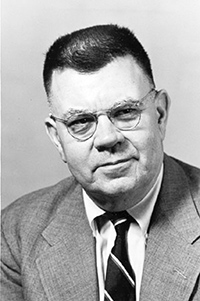
  • Menticide: Don’t Fall Victim to Mind Control Technologies & Techniques

    Menticide: Don’t Fall Victim to Mind Control Technologies & Techniques

    From New Dawn 183 (Nov-Dec 2020)

    In my new book, The War on You, I document how corporate and state elites use information, money, law, and psychology in an effort to control your thoughts and behaviours for their own ends. Most of the psychological warfare documented in the book is a result of living in a fragmented, for-profit culture over which the individual has little control. 

    In case these unconscious structures fail to keep people in their place, the military, secret services, governments, and corporations have developed an impressive array of deliberate mind-control technologies and behavioural analysis firms targeted towards the individual. 

    Brain Chips

    The US Central Intelligence Agency’s (CIA) mind control experiments, dating back to the 1950s, are well-known. Their MK-ULTRA experiments in sensory deprivation continue to be used on Guantánamo Bay captives. But until Ian Cobain’s book Cruel Britannia, few people knew that British psychologists had pioneered the use of sensory deprivation for mind control. 

    During WWII, Lord Swinton “pressed the Home Office for permission to open an MI5 interrogation centre,” codenamed Camp 020. Brightly lit for 24 hours, a resident doctor reportedly said that the Camp induced “mental atrophy and extreme loquacity” in its victims. A resident medical officer named Harold Dearden “dreamed up the regimes of starvation and of sleep and sensory deprivation.” The Camp was one of a number, including the MI19-run Combined Services Detailed Interrogation Centre, later renamed A19. 

    After the War, several individuals convened to share intelligence on mind control. They represented the Defence Research Policy Committee, the Joint Intelligence Bureau, the Canadian Defence Research Board, the CIA’s Research and Development Board, and the Psychology Unit at McGill University (Montreal). The latter was led by Donald Hebb. 

    The scientists referred to their psychological devastation techniques as “menticide.” Hebb subjected terrier puppies to prolonged isolation before trying it on consenting postgraduate students. The British and American governments and the CIA funded Hebb’s successors, including his former student Dr Maitland Baldwin. Baldwin found “that sensory deprivation would almost certainly cause irreparable psychological damage” in humans. 

    The CIA’s Kubark Counterintelligence Interrogation Manual (1963) was based on MK-ULTRA. One of the MK-ULTRA psychiatrists was McGill University’s Dr Ewen Cameron, a colleague of Hebb. Cameron “subjected hundreds of psychiatric patients to large doses of electroshock and total sensory isolation, and drugged them with LSD and PCP,” writes journalist Naomi Klein. In 1960, Cameron lectured to the Brooks Air Force Base, stating that sensory deprivation “produces the primary symptoms of schizophrenia.”

    Tulane University was allegedly involved in the operations, using the services of a state-hospital, as well as funding by a CIA front company called the Commonwealth Fund, to conduct research. The Washington Post reports that the “quest to turn humans into robot-like assassins via electrodes planted in their brains” led to a number of lawsuits, in which several ex-servicemen claim to have been unwitting human test subjects. Plaintiff Bruce Price claims that in 1966, he was ordered into a building full of lab animals in which he was strapped to a gurney. Price kept waking up with bruised arms and covered in blood. A later CT scan, obtained by Price’s lawyer, appears to show that he had been implanted with a mind control device.

    Beyond Freedom & Dignity

    In the 1950s, the psychologist B.F. Skinner utilised the Russian (and later Soviet) scientist Ivan Pavlov’s conditioning techniques to falsely argue that that is how human beings learn. Geneticists pointed out that the potential for knowledge actually comes from innate brain structures, not solely from repetitive learning. But Skinner was correct in that people can be conditioned, if the conditioning is maintained, to behave in certain ways and under certain conditions. 

    Skinner’s work culminated in the publication of his book Beyond Freedom and Dignity (1971), in which he argued that humanity should be scientifically controlled via a blend of Orwellian and Huxleyan social architecture designed to end both human freedom and dignity. 

    Skinner failed to persuade elites to impose a blanket control system. But such a system is gradually creeping in, based on these kinds of ideas. In his work on “nudging,” Barack Obama’s former advisor Cass Sunstein argues that, like rats in a maze, people should be given the illusion of choice in what he and co-authors call choice architecture. Conspiracy forums should be “cognitively infiltrated,” he says, and the supposed rationalism of the official line inserted into chat-rooms. More ominously, he says behavioural science teams should be expanded to control public opinion, for benign reasons, like “nudging” smokers to quit. However, since Brexit in the UK and the British government’s response to coronavirus, we’ve seen the darker sides of “nudging” techniques.

    Nudge Units

    The Behavioural Insights Team (BIT) was founded by the UK’s Tory-Liberal coalition government in 2010. The Cabinet Office said: “The Behavioural Insights Team, often called the ‘Nudge Unit’, draws on insights from academic research in behavioural economics and psychology, to apply them to public policymaking.” The professed aims of the BIT may sound innocent enough: to use insights in human behaviour from the fields of neuroscience and cognitive psychology to influence behaviour (hence the “nudge”) in positive directions, such as helping people to eat more healthily, keep appointments, and pick up litter. 

    Flow chart by the UK’s Behavioural Insights Team. Nudge Units have appeared in dozens of countries across the world including Australia.

    The first thing to be said about the BIT is the moral question of using subconscious ploys to consciously manipulate human behaviour. This takes away agency and thus autonomy from the individual. That is called manipulation. In fact, policymakers are so interested in the subject of how to use psychology, as opposed to force, to control people that there is even The Persuasion Handbook (2002, SAGE). 

    The second issue is consent. In clinical and psychological trials, the consent of the subject is required. Who consents to be manipulated by the government? But putting aside the moral issues, the third problem is that of context. 

    The government only cares about your health when it affects government spending. As it defunds and privatises, the British government doesn’t want people draining the National Health Service with smoking- and obesity-related complaints. It is cheaper to use manipulation techniques as a kind of preventative medicine than it is to properly fund services that everyone can enjoy. The same applies to the British government’s handling of COVID-19. Rather than spending money on testing, tracking, and tracing, the government used “nudge” units to contain the virus on the cheap by social distancing and clapping every Thursday at 8pm for the National Health Service.

    The fourth problem with the BIT is mission creep. As is standard practice in our Western kleptocracies, the public paid for the foundation and research of the BIT until it was profitable enough to be part-privatised. The BIT now operates in several countries and produces reports on everything from policing to labour productivity; all in the interests of humanity, of course. 

    Joint Threat Research Intelligence Group

    By 2010, the British government’s spy agency, GCHQ and the US agency the NSA, were working together on JTRIG: the Joint Threat Research Intelligence Group. The organisation was secret until Edward Snowden leaked some of the organisation’s files. Many of the files were published by the journalist Glenn Greenwald in The Intercept. One document from 2011 is worth quoting at length. It says that “JTRIG targets a range of individual, group and state actors across the globe who pose criminal, security and defence threats.” JTRIG operations also targeted the online “hacktivist” group Anonymous.

    “JTRIG staff use a range of techniques to, for example, discredit, disrupt, delay, deny, degrade, and deter.” Both established and up-and-coming political analysts, journalists, pundits, personalities and other influential people who challenge the British state may find their websites and social media accounts hacked or incriminating evidence planted on their computers. 

    Pages from top secret documents of the JTRIG program. The scope of JTRIG’s mission includes using “dirty tricks” to “destroy, deny, degrade [and] disrupt” enemies by “discrediting” them, planting misinformation and shutting down their communications. According to Edward Snowden, these influence programs became a “major part” of GCHQ’s operations by 2010 – the same year the UK government established its Behavioural Insights Team.

    The techniques include: uploading YouTube videos containing persuasive messages; establishing online aliases with Facebook and Twitter accounts, blogs and forum memberships for conducting HUMINT [human intelligence] or encouraging discussion on specific issues; sending spoof emails and text messages as well as providing spoof online resources; and setting up spoof trade sites. 

    The document goes on to note that “JTRIG provides most of GCHQ’s cyber effects and online HUMINT capability.” GCHQ’s mandate is huge: the whole of Europe, and likely well beyond. It is difficult, therefore, to grasp the potential scope of JTRIG. Above, we noted the civilian government’s use of behavioural science to manipulate society. The JTRIG documents confirm that operatives also study and employ techniques from the human sciences: 

    HUMINT operations can be grounded in scientific theory and evidence from social psychology (i.e., social cognition, attitudes, persuasive communications, conformity, obedience, interpersonal relationships, trust and distrust, and psychological profiling), including its applications to advertising and marketing, and from criminology (i.e., crime prevention).

    The document’s Annex reveals some of the books in the JTRIG library: The Handbook of Trust Research, Influence: Science and Practice, Hacking the Human: Social Engineering Techniques and Security and Countermeasures. JTRIG lists as, and advises using, the following for propaganda operations: “Using stereotypes; Substituting names/labels for neutral ones; Censorship or systematic selection of information; Repetition; Assertions without arguments; [and] Presenting a message for and against a subject.”

    Meet the Artificial You 

    The Boston Globe reports that the US communications giant Verizon has a Wireless Precision Markets Insights programme that combines GPS, user app downloads and visited webpages to market products to individuals. Yves-Alexandre de Montjoye, a mathematician at MIT’s Media Laboratory, “hopes it will be possible someday to run psychological tests on entire cities or countries, simply by analysing the citizens’ phone records.” The newspaper goes on to explain how the Media Lab’s co-developed Sense Networks use cell phone GPS trails “to track where users go in daily routines – to the supermarket, the mall, nightclubs, museums, or movie theatres.” The programme “aggregates the data to create customized market segments” for people keen on music, sports, etc. Media Lab’s Nathan Eagle says that by studying cell phone records, analysts “get a real-time lens into how the aggregate population is actually behaving… That’s useful for anything from urban planning to public health.” 

    We come full circle with Sentient World Simulation (SWS), a programme that pools all the intelligence collected about you. SWS uses that information to simulate and predict how you would behave under certain social conditions, such as civil unrest, economic shocks or environmental catastrophe. 

    But it goes much deeper. The SWS was developed with military money at Purdue University. It creates a digital mirror-image of the real world, including you and me: our streets, towns and even the weather. In order to anticipate how we would react in real life, programmers do things to the digital us: cut our power supplies, simulate weather disasters, crash the economy, etc. This is useful for counterinsurgency planning and market prediction. 

    Technology researcher Mark Baard writes that the US Joint Forces Command (JFCOM-J9) is “capable of running real-time simulations for up to 62 nations, including Iraq, Afghanistan, and China. The simulations gobble up breaking news, census data, economic indicators, and climactic events in the real world, along with proprietary information such as military intelligence.” Based on the behavioural economics theories of Daniel Kahneman, SWS enables “Military and intel officials [to] introduce fictitious agents into the simulations (such as a spike in unemployment, for example) to gauge their destabilising effects on a population.”

    Solutions: Getting Back to Nature

    Self-empowerment is key to winning the psychological war. 

    Modern socio-economic systems isolate humans, simultaneously forcing us to compete. But humans evolved in cooperative, social networks, not within our current, curious blend of isolation and competition. 

    Researchers Apicella et al. studied the behaviours of Tanzanian Hadza, one of the few surviving hunter-gatherer peoples. They conclude that human social cooperation probably stems from similar societies that existed at the beginning of our species. Contrary to the anti-“communist” propaganda positing that communism and socialism encourage laziness, communal societies like the Hadza enjoy mutual reciprocity. Researchers Shirado et al. note that in such societies, “humans are influenced to cooperate by peer pressure.” So-called capitalist propaganda tries to deny us our instinct for cooperation and self-determination. Likewise, dictatorships like Mao’s and Stalin’s used the appeal of authentic communism to justify their centralised tyrannies.

    Living in worker and community cooperatives is one solution to the crisis of social loneliness. Umberson and Montez write: “Social isolation of otherwise healthy, well-functioning individuals eventually results in psychological and physical disintegration, and even death.” They add that “social scientists have gone beyond evidence of extreme social deprivation to demonstrate a clear link between social relationships and health in the general population.” The authors note that, on average, people with better social networks tend to live healthier and longer lives than their relatively isolated counterparts. 

    Life in so-called primitive societies necessitates time outdoors: growing, hunting, and foraging for food; building and maintaining shelter; travelling to trade with neighbours; and travelling to and from homes and community centres for meetings. Researchers Coon et al. note the “promising effects on self-reported mental wellbeing immediately following exercise in nature which are not seen following the same exercise indoors.” 

    Briki and Majed exposed participants to different virtual reality backgrounds, including red, white and green during exercise in laboratory conditions. The authors attributed enhanced wellbeing, particularly increased relaxation, to the green virtual environment. In terms of real-world benefits, think of how little green exists in our concrete jungles. 

    It’s not just being outside that helps the mind. The physical interaction with natural objects is important. Gladwell et al. note: “people’s connectedness to nature appears to be changing and this has important implications as to how humans are now interacting with nature.” They add that “[b]arriers exist, and it is important that these are considered when discussing how to make exercise in the outdoors accessible and beneficial for all.”

    Conclusion: The Joy of Self-Reliance

    The self-sufficiency of stitching, building, maintaining and growing shelter, clothing and food is also psychologically beneficial. Part of today’s widespread mental malaise can be traced to the lack of process. We buy clothes that have already been made. Purchased food has been grown, picked, packaged and delivered by others. We buy or rent prefabricated houses and pay handypeople to maintain them. Dr Kelly Lambert “found that hands-on work satisfies our primal need to make things and could also be an antidote for our cultural malaise.” Psychology Today notes that “[t]oo much time on technological devices and the fact that we buy almost all of what we need rather than having to make it has deprived us of processes that provide pleasure, meaning and pride.” 

    In addition to its structures, the activities of the sovereign community benefit the human mind and enhance affective wellbeing. Our modern, urbanised living takes us ever further from nature. But human-environmental interactions are important for wellbeing. For example, land reform gives people the chance to grow their own food. Researchers Leake et al. cite the “[c]ompelling evidence of major health benefits of fruit and vegetable consumption, physical activity, and outdoor interaction with ‘greenspace’” that has emerged since the millennium. The physiological benefits include improved cardiovascular function, reduced osteoporosis, increased muscle tones, and exposure to light. Nutritional benefits from the kind of brassicas easy to grow independently (e.g., broccoli, cabbage, cauliflower and kale), include folic and ascorbic acids and cancer preventing nutrients. The mental health benefits of communal gardening include increased serotonin from sunlight exposure, which helps reduce depression; feelings of achievement; self-sufficiency; and integrating into a community and social network. 

    A more recent meta-analysis confirms: “gardening increases individual’s life satisfaction, vigour, psychological wellbeing, positive affect, sense of community, and cognitive function.” It is called “horticultural therapy.”

     Dr. Tim Coles’s new book The War on You can be obtained from online booksellers & www.amazon.com/exec/obidos/ASIN/B08HB68N97.

    [alert type=”general” dismiss=”no”]This article was published in New Dawn 183.[/alert]

    [alert type=”success” dismiss=”no”]If you appreciate this article, please consider subscribing to help maintain this website.[/alert]

    Footnotes

    1. Ian Cobain (2012), Cruel Britannia: A Secret History of Torture, Portobello Books
    2. Quoted and cited in ibid. 
    3. Naomi Klein (2007), ‘The US psychological torture system is finally on trial’, Guardian, www.theguardian.com/commentisfree/2007/feb/23/comment.terrorism
    4. Jeff Stein (2010), ‘CIA brain experiments pursued in veterans’ suit’, Washington Post, http://voices.washingtonpost.com/spy-talk/2010/11/cia_brain_experiments_pursued.html
    5. Richard Thaler and Cass Sunstein (2008) Nudge: Improving Decisions about Health, Wealth, and Happiness, Yale University Press
    6. Cass R. Sunstein and Adrian Vermeule (2008) ‘Conspiracy Theories’, John M. Olin Program in Law and Economics, Working Paper No. 387, https://chicagounbound.uchicago.edu/cgi/viewcontent.cgi?article=1118&context=law_and_economics
    7. Cabinet Office (2012), The Behavioural Insights Team, https://web.archive.org/web/20130320014509/https://www.gov.uk/government/organisations/behavioural-insights-team
    8. Sonia Sodha (2020), ‘Nudge theory is a poor substitute for hard science in matters of life or death’, International Science Council and International Network for Government Advice on Science, www.ingsa.org/covidtag/covid-19-commentary/sodha-nudge/
    9. See the company’s website, www.bi.team/
    10. Mandeep K. Dhami (2011), Behavioural Science Support for JTRIG’s (Joint Threat Research and Intelligence Group’s) Effects and Online HUMINT Operations, Cheltenham: GCHQ, www.statewatch.org/news/2015/jun/behavioural-science-support-for-jtrigs-effects.pdf
    11. Glenn Greenwald (2014), ‘How covert agents infiltrate the internet to manipulate, deceive, and destroy reputations’, The Intercept, https://theintercept.com/2014/02/24/jtrig-manipulation/
    12. Dhami, op cit. 
    13. Ibid.
    14. Ibid.
    15. Mark Baard (2007), ‘Sentient world: war games on the grandest scale’, The Register, www.theregister.co.uk/2007/06/23/sentient_worlds/. Part 2 here www.theregister.co.uk/2007/06/23/sentient_worlds/?page=2 and part 3 here www.theregister.co.uk/2007/06/23/sentient_worlds/?page=3
    16. C.L. Apicella, F.W. Marlowe and N.A. Christakis (2012), ‘Social networks and cooperation in hunter-gatherers’, Nature, 25(7382): 497-501
    17. H. Shirado, F. Fu, J.H. Fowler and N.A. Christakis (2013), ‘Quality versus quantity of social ties in experimental cooperative networks’, Nature Communications, 4: 2814
    18. Debra Umberson and Jennifer Karas Montez (2011), ‘Social Relationships and Health: A Flashpoint for Health Policy’, Journal of Health and Social Behavior, 51: 54-66
    19. J. Thompson Coon, K. Boddy, K. Stein, R. Whear, J. Barton and M.H. Depledge (2011), ‘Does participating in physical activity in outdoor natural environments have a greater effect on hysical and mental wellbeing than physical activity indoors? A systematic review’, Environment Science and Technology 45(5): 1761-72
    20. Walid Briki and Lina Majed (2019), ‘Adaptive Effects of Seeing Green Environment on Psychophysiological Parameters When Walking or Running’, Frontiers in Psychology, 10: 252
    21. Valerie F. Gladwell, Daniel K. Brown, Carly Wood, Gavin R. Sandercock and Jo L. Barton (2013), ‘The great outdoors: how a green exercise environment can benefit all’, Extreme Physiology and Medicine, 2: 3
    22. Carrie Barron (2012), ‘Creativity, Happiness and Your Own Two Hands’, Psychology Today, www.psychologytoday.com/gb/blog/the-creativity-cure/201205/creativity-happiness-and-your-own-two-hands
    23. Jonathan R. Leake, Andrew Adam-Bradford and Janette E. Rigby (2009), ‘Health benefits of “grow your own” food in urban areas: implications for contaminated land risk assessment and risk management?’, Environmental Health, 8(1): S6
    24. Masashi Soga, Kevin J.Gaston and Yuichi Yamaura (2017), ‘Gardening is beneficial for health: A meta-analysis’, Preventive Medicine Report, 5: 92-99

    © New Dawn Magazine and the respective author.
    For our reproduction notice, click here.