New Dawn – World's Most Unusual Magazine

Author: Huw Griffiths

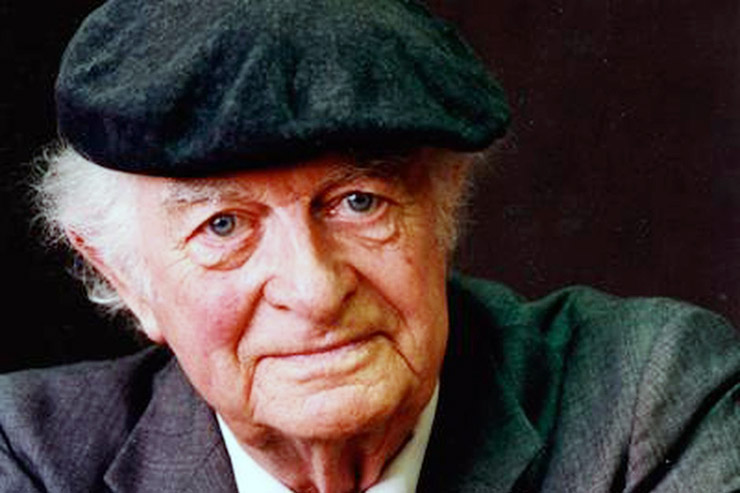
  • Revisiting the Work of Dr. Linus Pauling

    Revisiting the Work of Dr. Linus Pauling

    A few months ago a very good friend of mine, who also happens to be a naturopath, learned that her mother had been diagnosed with breast cancer.

    As is frequently the case with any type of cancer diagnosis, there followed an intense period of fear, tension and anguish as everyone involved tried to sort out exactly what to do next. Typically there would be a tendency to rely wholly, and often desperately, on the advice of doctors and their staff, those who we respect as, not only experts in their field, but also the most caring and capable in terms of the best protocols and treatments available.

    We tend to trust whatever they tell us to do next, we assume theirs is the best possible advice to follow and as a consequence the cancer sufferer hands over total responsibility for their survival or recovery to them and them alone.

    All of which is what made one of the first things my friend’s mother was told to do (or rather was told what ‘not’ to do) all the more strange.

    The resident nutritionist at the hospital involved, while correctly reviewing the many lifestyle and dietary changes that might help her patient in these life-threatening circumstances, went out of her way to warn her not to take any vitamin C at all, and even went as far as to tell her that it was toxic and could even encourage the growth of the cancer!

    This was very strange advice indeed, especially to the ears of her daughter, the trained naturopath. To anyone who is even remotely interested in medicine and medical breakthroughs or health generally, this advice might not only sound questionable, but even bizarre, given that the lady in question was supposedly a fully qualified nutritionist.

    What she was saying flies squarely in the face of one of the most highly publicised and promising of the new medical paradigms of our time (one that the nutritionist could be expected to be fully aware of): Vitamin C not only helps prevent cancer, but can also be used successfully to treat it as well.

    The nutritionist’s advice, given that she is practicing right now (no longer on my friend’s mother, however), was a disturbing example that the pioneering work carried out by the late Dr. Linus Pauling (1901-1994), the one and only two-time solo winner of a Nobel prize, was still at best being ignored and at worst being suppressed by the medical fraternity up to twenty years later.

    Sadly there is nothing new about this, but it runs counter to the developing notion that Pauling’s ideas are at last gaining a degree of acceptance and are beginning to be endorsed, at least in part, by the medical fraternity.

    It was in the late ‘70’s that he and Dr. Ewan Cameron (head of the cancer department at Vale of Leven hospital), first conducted a clinical study into the effects of large doses of vitamin C on cancer patients who had exhausted conventional cancer treatments. They were able to demonstrate that vitamin C not only helped to prolong the life of seriously ill cancer sufferers, but significantly improved the quality of their lives as well.

    These results were not exactly welcomed by the medical industry. In part, this was due to the early and inconclusive stage reached by Pauling and Cameron’s research at that particular time, but also one is forced to speculate because of the potential threat it raised to the booming and highly lucrative cancer treatment industry. Predictably then, what followed was a highly successful and well publicised attempt to debunk Pauling’s and Cameron’s initial findings.

    Claim followed counter claim, but the principal bone of contention was that the Mayo Clinic, which led the challenge to Pauling’s work by claiming to replicate his trials, administered the high levels of vitamin C in oral rather than intravenous form. This was a crucial divergence from the original work as it made it impossible for sufficient concentrations of vitamin C to be brought to bear at a cellular level where Pauling claimed it was needed. Thus any therapeutic benefit was rendered inert.

    Yet, despite this obvious error in methodology, no subsequent attempt was or has ever been made to rerun the trials at the Mayo Clinic. This clearly raises the issue as to whether medical science is deliberately ignoring an inexpensive, non-invasive, non-toxic, new treatment for cancer solely on the grounds that it doesn’t come within the scope of being commercially exploitable by the medical industry.

    We can be sure that had any other new treatment or drug been developed by medical science that could demonstrate even a fraction of the promise that vitamin C has done, it would have been heralded as one of the most promising breakthroughs of the century. Instead, and as a consequence, this painless, universally available, low-cost and highly promising new approach to cancer therapy apparently still languishes in obscurity or denial.

    There have been many other independent studies carried out by other largely privately funded researchers who have either attempted to copy Pauling’s original work to the letter, or have built upon it with their own nutritional concepts.

    One example was Dr. Abram Hoffer who developed his own nutritional program for hundreds of cancer patients between 1978 and 1999. Whilst his approach incorporated several other minerals and vitamins in addition to vitamin C, the backbone of his therapy remained the use of high dosage vitamin C.

    Hoffer was able to demonstrate that his therapy significantly boosted cancer survival rates to the tune of 75% versus 15% in a corresponding control group, and his published work illustrates several illuminating instances (far too many to be coincidental) of spontaneous remission.

    The findings of the research, known about and encouraged by Pauling at the time, were clear evidence of the ability of vitamin C to not only kill many types of cancer cells, but to enhance the benefits of conventional cancer treatments by decreasing their dangerously high levels of toxicity as well as affording greatly increased levels of protection and immunity to healthy cells.

    The best thing about Pauling’s work has been that it was authored by a scientist who was simply too big and too powerful to totally ignore. By all accounts he was a great and compassionate human being with immense powers of observation and deduction. He coupled these rare talents with a stoic affection for the truth and a commitment to defend it (a rare attribute in the scientific community) whatever the odds.

    He will be remembered for many of his great works, but final recognition for his pioneering work in cancer treatment and prevention through the use of vitamin C may yet turn out to be his final and posthumous accolade.

    Follow up research now evidences three vital roles that vitamin C plays in the fight against cancer. Firstly, it inhibits tumour growth by regulating proper cell tissue integrity, secondly it greatly enhances the immune system when ingested in sufficient quantities, and finally it has cytotoxic properties, which means that, in combination with other natural substances, it can kill cancer cells without damaging the healthy ones. In other words it acts as a kind of non-toxic chemotherapy.

    Final proof that Linus Pauling was right after all is slowly coming, but in the meantime and despite the continuing efforts of much of the medical establishment to the contrary, we should be insisting that anyone either embarking upon or currently undergoing a course of cancer therapy should at the very least be offered a course of substantial doses of vitamin C alongside whatever other treatment they are being offered.

    Not to do so, in the face of mounting and accumulating evidence would surely be a crime!

    [alert type=”general” dismiss=”no”]This article was published in New Dawn 100.[/alert]

    [alert type=”success” dismiss=”no”]If you appreciate this article, please consider subscribing to help maintain this website.[/alert]

    © New Dawn Magazine and the respective author.
    For our reproduction notice, click here.

  • Separating Myth From Truth in Today’s Dietary Debate: An Interview With Sally Fallon Morell

    Separating Myth From Truth in Today’s Dietary Debate: An Interview With Sally Fallon Morell

    Sally Fallon Morell, the best-selling co-author of Nourishing Traditions: The Cookbook That Challenges Politically Correct Nutrition And The Diet Dictocrats, says people should eat more saturated fat, such as full-fat dairy products and fatty cuts of meat and offal, to lose weight and improve their health.

    Sally has a growing grassroots following in Australia and regularly tours the world to publicise nutrition pioneer Weston A. Price’s philosophy of Traditional Foods. During her talks she emphasises that governments and the agricultural industry had conspired to demonise animal foods to make people buy processed products filled with refined carbohydrates, sugars, soya products and vegetable oils.

    Naturopath and regular New Dawn contributor Huw Griffiths caught up with Sally during her Australian tour and she kindly obliged to an interview to discuss the US foundation she heads as well as important messages on nutrition and disease.

    HUW GRIFFITHS (HG): Good Day Sally. It’s great to meet you and a warm welcome to Australia. I think my first question must be what many of our readers must be wondering. Just who are you, what is the Weston Price Foundation, and what have you come to Australia to talk about?

    SALLY FALLON MORELL (SF): Well, there are three things that I’d like to put on my tombstone. I am the author of Nourishing Traditions which is a nutritional cookbook, I am the founding president of the Weston Price Foundation, and I’m the founder of the campaign for real milk, but in addition to that I’ve kind of become the lightening rod or the spokesperson for a return to traditional diets and a sloughing off of the whole cholesterol theory and the theories of heart disease which has totally screwed up the way we eat and the way that we practice medicine.

    The Weston A. Price Foundation was established to provide accurate information about nutrition, to counteract the misinformation being put out by our governments and the health industry, to present the work of Weston Price to the public, and to demonstrate the scientific validation of traditional foodways.

    I basically do a seminar on traditional diets and try to answer the question as to what are the characteristics of healthy diets and then to show people the practical steps that they can take towards adopting a healthy diet for themselves.

    HG: Much of what you have to tell us about our dietary habits seems to fly in the face of “conventional wisdom.” Even on the TV the other day I saw Dr. Manny Noakes (the leader of the CSIRO team that published the CSIRO Total Wellbeing Diet) suggesting that the sort of advise you were giving the public was ‘irresponsible’ and ‘not based on any good science’. How do you respond to this sort of criticism?

    SF: What they are saying is not based on any science at all. It is a religion, it is an act of faith and when in fact you start to look at the genuine science of it all it’s actually very different from what they are saying. The people promoting the low fat very high carbohydrate food, especially those who are influencing the diets of growing children, they’re the ones who are being irresponsible. They’re being irresponsible because children cannot grow up healthy and strong on that kind of diet and they are consequently creating tremendous health problems with it all.

    Just as an example, they’ve taken whole milk out of the schools because they say that it makes children fat, but there was a recent scientific study done in Sweden where they put children on a low-fat diet and compared them to children on a normal diet. The children on the low-fat diet ended up getting fatter; they ate more sugar and had more insulin resistance. We’re just setting our children up for obesity and diabetes with these low-fat diets.

    They know the body has to have fat. There is fat around every cell membrane of your body and that fat has to be mostly saturated fat and if you don’t give the body that fat it will make it out of carbohydrates and it will crave carbohydrates to get that fat. The big problem is that those carbohydrates don’t have the vitamins in them that the fats carry, such as vitamins A, E, D and K. You’re just giving the body a very poor substitute, when these vitamins are so vital; they’re needed for cell signalling, immunity, hormone production, and growth. So we’re seeing a growing number of the signs of deficiency in the many diseases and conditions that we see so much of these days.

    For these people to be out there saying that “We don’t need or eat saturated fats any more” is a bit like trying to say that the human body has been genetically and dramatically changed in the last ten years, or something like that! We absolutely need saturated fat in our diet. Every cell in our body is surrounded by it.

    Your lungs can’t work without saturated fat, nor can your kidneys and the organ with the highest amount of saturated fat in it is the brain. These people who vilify saturated fat are demonstrating that they don’t know anything at all about bio-chemistry. People these days have been educated to believe that diets that have saturated fat in them are the diets of the devil and that they have to keep themselves pure by not eating saturated fat. People look at you incredulous when you tell them these days that they have to eat saturated fat.

    I call it ‘food puritanism’, in a way it’s just like when Galileo and Copernicus were first saying that the sun was the centre of the solar system and were persecuted on the basis that to say this was against all common sense.

    HG: It’s difficult to know where to start with the questions, but perhaps one of the cornerstone campaigns for which you are best known and recognised is the Real Milk Movement. Just what exactly is it and why is it so important?

    SF: The Campaign for Real Milk is a project of the Weston Price Foundation. Real milk has all the fat in it, it comes from cows on pasture and is unpasteurised. Milk is a magic food. It has everything in it that a child needs in order for it to grow normally. You can live on raw milk and nothing else. It’s a curative food; it contains numerous components that assist the body to absorb all of the nutrients properly. It helps put dietary calcium in the right place, it helps get rid of bad bacteria and it supports the immune system and when you pasteurise milk all those attributes are destroyed.

    We know all this from the science. A recent study for example has found that the one factor in preventing asthma in children was their access to and ability to consume raw milk. Asthma can be a life-threatening disease and it afflicts around thirty percent of our children. So we really think that raw milk is a key to the nutrition of our children because we historically have gotten calcium and related nutrition from milk.

    I’m not however saying that milk is necessary. There are cultures that don’t drink milk, but they tend to have very different types of diets that Western children tend not to eat.

    The other reason that our campaign is important is because it restores the connection of consumers to the farm and is a way of restoring small pasture based farms, because the people who are looking for real milk are also looking for milk from cows that are reared on genuine pasture. It also gives farmers a tremendous income, at least this is what has happened in the States where the real milk movement is absolutely huge. In fact its growing at about forty percent a year and we have literally saved hundreds of farms.

    HG: Dietary fats are a confusing issue and always have been, but from what I understand you are saying most of the animal, and therefore saturated, fats that have been demonised over the last few decades are, in fact, not only nourishing, but good for us, whereas many of the ‘new’ (for want of a better word) fats such as margarine and canola oil are in fact bad for our health. So how can, for example, the CSIRO, be so far adrift from you on the matter of whether the former type of fats do or do not in fact drive up cholesterol levels which they say inevitably lead to conditions such as atherosclerosis and cardiovascular disease?

    SF: The demonisation of saturated fats has been a deliberate campaign of the vegetable oil industry and in order to do so have set up this cholesterol and heart disease myth (and it is a complete myth). The levels of cholesterol in your blood have really no bearing on your predisposition to heart disease. I’m not saying that we aren’t prone to heart disease, we obviously are, but cholesterol levels are not the thing that we should be looking at.

    Secondly, the amount of saturated fat that we are eating in real life, not in institutions, where people are fed under very strange conditions, bear no relationship to the amount of cholesterol in your blood. This was borne out by the International Atherosclerosis Project, where they looked at fifteen thousand autopsies in thirteen countries and they didn’t find any relationship at all between the diet of the person, the level of cholesterol in their blood and the degree of blockage in their arteries. There was just no correlation!

    We’re simply looking in the wrong place for answers. There are so many other avenues for possible research as far as heart disease is concerned and the really sad thing is that this cholesterol theory has been used to demonise the very types of foods that were so prized by traditional cultures and that were both necessary and sacred to the rearing of healthy children and healthy people.

    Cholesterol is in fact the body’s repair substance and if a person has either weak arteries or a tendency towards inflammation then the body, which is a lot wiser than any of us, produces more cholesterol and that is used for repair. So blaming cholesterol for heart disease is a bit like blaming the outbreak of a fire on firemen because they always seem to be around when a fire breaks out.

    Our biggest concern right now though are these cholesterol lowering drugs which are not saving lives, but are causing a tremendous amount of suffering with the side-effects.

    What has shocked me, however, both over in New Zealand and in Australia, is the type of coercion that is put on people. Now, in the United States a lot of pressure is put on people, but from what I hear here you have to take these drugs or, for example, you can’t get your pilot’s licence, or you can’t get your insurance. We had one women in New Zealand tell us that her doctor told her that if she didn’t take her cholesterol-lowering drug or if she had any kind of heart problem, that she would not be insured.

    It seems to me that if you can’t say “No!” to taking a drug, then there is a real problem and the implications are staggering. So the next thing that you’re going to have are mandatory drugs for children and in essence a giving way to a dictatorship of the doctors. So what we’re simply trying to do is to give people the facts and to reinforce the fact that the only way that we’re going to change this is for individuals to say “No”!

    In fact, a lot of people have woken up to these issues in the States to the extent that the medical industry is not getting the same levels of compliance and have taken to hawking their drugs all over the rest of the world as a result. It’s almost as if doctors have become the new god, or in fact the ‘new devil’.

    HG: Setting aside the morality of killing animals for meat (which I guess is a matter of personal choice)… Is meat eating a preferred thing to do as far as health is concerned, or can we acquire all the nutrition that we need from a vegetarian diet?

    SF: You don’t absolutely have to eat meat to be healthy, but you do absolutely need some animal food in your diet. That would be dairy products, raw dairy products, eggs and fish. But there’s nothing wrong with eating meat as long as you eat it with sufficient fat and not eat lean meat.

    Meat is a wonderful source of complete protein, zinc, iron, B12. It’s a healthy food and there is nothing wrong with eating it, but I just want to go back to the question of personal morality because they may not admit it, but most vegans and vegetarians believe that they have the moral high ground and that they’re better people than the people who eat meat.

    What I’d like to point out though is that the products produced from slaughtered cows are used in many ways that are hidden from the public. They are used in modern building materials, in plastics, in cosmetics, the hydraulic break fluid in aeroplanes, there is even a membrane in your telephone that is made from cattle products, so there is no way that anybody in modern society can say that they don’t use the products of slaughtered animals.

    With our ancestors it was even more so. They absolutely had to kill animals, not only for meat, but for tools, hides and furs in order to be warm and stay healthy. So we have always had to slaughter animals for our survival and well-being. What bothers me is the hypocrisy of saying “Oh, I don’t eat meat,” to look better, when the reality is that you wouldn’t be here if it had not been for your ancestors having to slaughter animals.

    We’re also really concerned about the industrial system that has trivialised animals in the way that they have been made into units of production with a very cruel and heartless system. So we’ve put our money where our mouth is. We, through our local chapters, help people find animal products that are raised humanely.

    HG: Whoever is right on whatever disputed dietary issue, it would seem that children are always the most vulnerable of the lot. We not only play dice with their lives and health by lacking certainty as to how we should nourish them, but by getting things wrong in our own diet, we kind of muck it up for future generations via the genes as well. Do you have any absolutely certain guidelines for diets for children and if so, where can they be accessed?

    SF: Yes, we really set up the Weston Price Foundation because of our concern for children’s diets. All traditional cultures that were healthy put an awful lot of emphasis on nutrient dense foods for pregnant women, nursing women and growing children because you can’t go back, later in life and build a healthy kidney or a healthy inner ear. You have to build health during these crucial periods. The vegetarian, the vegan, low-fat and US government guidelines and other diets that are being heavily promoted today are seriously lacking in important nutrients.

    We show the science in this and we do have diets for pregnant women and for growing children. We have a whole section on our website on children’s health and this is where our most important emphasis is. This is why so many people come to us, often out of desperation over their heartbreaking condition with their children’s health. They ask us what can they do about this or that problem, where nothing has helped these children. I can’t say that we have helped one hundred percent of the children, but we have helped a large proportion with our diet, it really does work. 

    HG: One matter that sticks out like a sore thumb over the years is the issue of whether margarine is (or is not) a safer alternative to butter as far as health in general (but cardiovascular disease in particular) is concerned. And now the National Heart Foundation is issuing press releases headlined “Australia leads the way with virtually transfat free margarine.” This kind of publicity would suggest that even margarines weren’t as good for us as they were hyped up to being, but that they’re OK now. Or should we be circumspect about this type of publicity?

    SF: Definitely be circumspect. First of all, butter absolutely does not cause heart disease and we know that it doesn’t do that because while butter consumption plummeted throughout the twentieth century, heart disease went up. Indeed, one study demonstrated that margarine eaters had twice the rate of heart diseases as butter eaters.

    Getting the transfats out of the margarine is a good publicity stunt, but you’re still using all of these suspect oils. Look for ‘mono’ and ‘triglycerides’ on the label which don’t have to be labelled as fats yet they’re always partially hydrogenated transfats. You just should not use any type of margarine or spreads, you should just use the traditional fats that have kept people healthy for thousands of years.

    The first recorded heart attack in the US was in 1921, it was a new disease and it grew to epidemic proportions especially after the Second World War when Americans started abandoning animal fats in significant amounts.

    HG: What about coconut oil? I’ve been an avid fan of it (for cooking) for years, yet it is still accused of being bad for us (courtesy of being a saturated fat) by most of the public and private sector dietary experts. There is now so much overwhelming evidence to support its credentials as a superior health food (such as that it prevents heart disease, lowers cholesterol, is an anti-microbial and even that it acts as an antidote to some poisons). So which or who is right and how can we be so sure?

    SF: Well, we have a lot of science backing us up on the healthfulness of coconut oil, but let me just say that the parts of the world that use a lot of coconut oil have amongst the lowest rates of heart disease and cancer. Once again, coconut oil is a competitor to the vegetable oils and it’s been demonised. Mary Enig, a colleague of mine, and I have actually written a book on coconut oil called Eat Fat, Lose Fat in which we present a lot of the evidence. So the evidence is there whether people want to believe it or not.

    HG: A lot of what the Weston Price Foundation is about is the benefits of traditional diets among various peoples from around the world. Just very briefly, how can you explain what all this was about and how should we go about finding out what these diets are all about and how we can apply the relevant learning from them to our own diets?

    SF: The work of Weston Price and all the diets are very different in their particulars, but what we look at is the underlying characteristics and I’ll just give you the first three; there were no processed or devitalised foods, all of them contained animal foods, but the most important one was the very high levels of nutrients in these foods. They had very high levels of vitamins and minerals, but the really significant thing was the very high levels of vitamins A, D and K which are found in organ meat, animal meat and some types of seafood, and you absolutely have to have some of these foods in your diet to be healthy, and the moment that you start to industrialise your agriculture and put your animals inside they go away.

    The one that we’re most excited about right now is vitamin K which Dr. Price called the X Factor. He studied it, but didn’t quite know what it was, but it dovetails perfectly with what we now know about vitamin K. Vitamin K is in the fat, butter fat and organ meats of grass fed animals and what it does among many other things is prevent heart disease by preventing the calcification of the arteries. It’s also critical for the myelinisation of the nerves and it supports learning capacity.

    Now we have developed a system where we have heartlessly and thoughtlessly put our animals inside and taken them off green grass. Mother Nature though always gets her revenge and her revenge for what we have done to her animals is that she has given us an epidemic of heart disease and a generation of children who can’t think and there is no way to solve this except to get these foods back in the diet, especially women and especially when they are either pregnant or nursing.

    Doing seminars is the only way that I know how to break through this wall of ignorance and start to make some changes. The alternative is what I call the natural selection of the wise, that is the people who don’t eventually return to these traditional diets are actually going to die out. Their children won’t reach maturity or the parents will be infertile. This of course is something that we’re already seeing.

    What we are seeing now, however, is the sort of thing that we came across in New Zealand, where the libraries are only stocking books that recommend pregnant women adopt low fat diets with lots of whole grains, which of course are very hard to digest. I’m sure the picture is the same here in Australia too.

    HG: Sally, you clearly have a busy agenda and a lot of touring to do before your advice hits a critical level of awareness amongst the consumer mainstream and can be widely embraced. So, apart from your tours, your book Nourishing Traditions and the behind the scenes work done by the Weston Price Foundation, what else do you suggest might be done to advance your new (or maybe the better description should be ‘traditional’) dietary paradigm?

    SF: Weston Price’s dying words were, “You teach, you teach, you teach.” You see we’ve lost that primitive instinct that primitive people had and the only way that we can reach people now is by teaching and showing them the science. So we’ve prepared a lot of educational materials and flyers. We urge people to become members and to recommend them read our magazine so that they are up to date on things. We’re just trying to enlist everyone who becomes a member to help us teach. Even if you only teach two other people by providing them with our literature, you’ve started them with this process and it’s a geometrical process whereby more and more people can learn about it.

    HG: Sally, it’s been very kind of you to spare the time to talk to us and share your goodwill and knowledge. We really appreciate it.

    Find out more about the Weston Price Foundation by visiting www.westonaprice.org

    [alert type=”general” dismiss=”no”]This article was published in New Dawn 104.[/alert]

    [alert type=”success” dismiss=”no”]If you appreciate this article, please consider subscribing to help maintain this website.[/alert]

    © New Dawn Magazine and the respective author.
    For our reproduction notice, click here.

  • Water Fluoridation: Facts & Fallacies

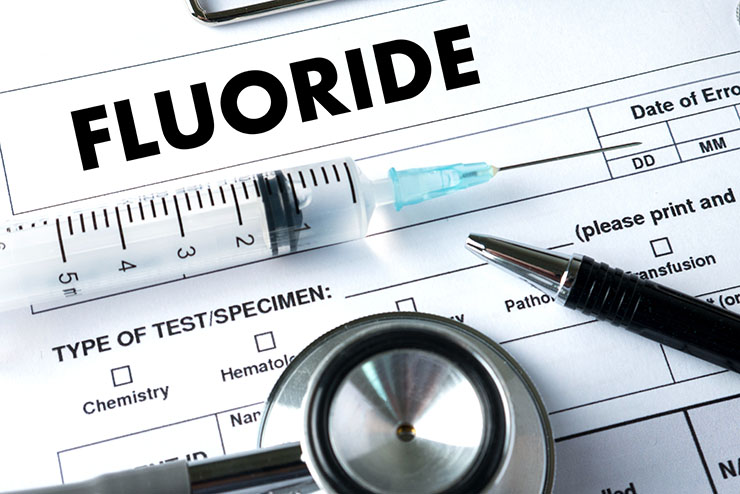
    Water Fluoridation: Facts & Fallacies

    From New Dawn 107 (Mar-Apr 2008)

    Water fluoridation has been around for just over 60 years and whilst the practice has become widespread, particularly in Western nations, it’s always been a controversial and often passionately argued one.

    My formative moment in the fluoride ‘debate’, one that cathartically shunted me into the anti-fluoride lobby’s arms, came many years ago when I was sitting in a dentist’s chair in Cambridge, UK.

    I knew very little about fluoride at the time, so it was with an open mind and calm disposition that I opened my mouth in order for my dentist to pour in some fluoride solution which he said would give my teeth a strong protective coating. The problems started immediately after having dispensed the liquid into my mouth when he stammered, “…but don’t whatever you do swallow it!” “Why?” I gurgled, “Because it’s poisonous and could kill you,” came his reply.

    The swill, which was supposed to have lasted about one minute actually lasted about 10 seconds and ended up all over my lap and the surgery floor. The incident was funny. We laughed about it at the time, but I had learned something new and very disturbing about fluoride that has remained with me. It matured into an understanding and appreciation of matters concerning fluoride that, whether you have any concerns about ingesting this chemical or not, I feel compelled to share with you.

    The pro-fluoridation lobby, notably the dental and medical associations in several countries, together with armies of practitioners tethered to them, will tell you that fluoride is a naturally occurring substance,1 that it is safe and effective at preventing tooth decay when used in designated dosages, and that its use is strongly supported by credible scientific evidence. It has, they say, improved the quality of life and well being of millions of people around the world for decades.

    They will also say that because it is generally added to water supplies at less than 1 part per million, that it is extremely safe, but that ‘if’ young children get too much fluoride they may develop a condition called dental fluorosis which is mostly detectable by dentists and involves a mild discolouration of teeth enamel. All sounds pretty harmless and reassuring don’t you think?

    However, if you were to take a quick peek at even a small amount of the arguments that are levied against the use of fluoride by the anti-fluoride lobbyists, you might be in for a nasty, albeit rather compelling, surprise.

    Let me just pick off a few of them and in no particular order.

    On the history of fluoridation, despite what is written on the Australian Dental Association’s website2 – which states that interest began in the US more than 100 years ago when a Colorado dentist noticed that some of his patients were displaying mottled yet decay free teeth which he deducted was due to their drinking of local spring water that was naturally high in fluoride – the real and well documented origins of water fluoridation actually sprang from a pre-emptive public relations campaign commissioned by US military interests.3 They were attempting to stave off litigation arising out of the Manhattan Project, the one that was set up to produce the world’s first atomic bomb.

    Apparently atomic bomb production required enormous amounts of fluoride, which inevitably resulted in large amounts of fluoridated (not radioactive) effluent spewing out over the US countryside. People, animals and crops that were downwind began to get diseased causing the US government to become concerned (for its precious bomb project, not the people who were sick).

    For the US, with plans to use the A-Bomb as a defensive deterrent after WWII, it was a strategic imperative that bomb production be allowed to continue without the threat of massive class actions hanging over it, and that therefore the exposure of humans to ‘low’ levels of atmospheric fluoride be demonstrated to be biologically safe.

    Human studies developed and administered by institutions associated with the A-Bomb project were mainly focused on the town of Newburgh,4 New York from 1946-56 where the effects on health were observed following the addition of fluoride to the town’s drinking water supplies.

    Whilst the results of the research were heavily censored, the intended purpose of the findings had been to serve as evidence in favour of the safety of continued low, long term exposure of humans to fluoride.5

    The litigants, mainly farmers, were bought off and the results of the research will therefore probably never be dragged into the public spotlight. However, following incidental observations made during the water fluoridation research program, it was floated by one of the team leaders that it “might help to counteract a local fear of fluoride… through lectures on… fluoride toxicology and perhaps the usefulness of fluoride in tooth health.”6

    The rest is history! That the development of water fluoridation was motivated by a benevolent move to prevent dental caries was almost a total myth and it gets a lot worse than that.

    Fluoride production increased significantly since the immediate post-war years and is now a toxic by-product of the chemical industry that is produced in massive quantities. Most of the early research presented to support the notion that fluoride is both safe and effective for use in the prevention of tooth decay was conducted or funded by the very same interests7 that stood to benefit most from its use in the public domain. It was also done when there was a lot less environmental fluoride around too.

    That fluoride is toxic and dangerously so is not in doubt or contention, but the fact that it is poured into the water supply of any local council that so wishes to do so is nothing short of criminal, given the facts that are now available.

    Most European countries including Denmark, France, Germany, Italy, Holland and the whole of Scandinavia, have (in many cases after having embraced it) now rejected water fluoridation outright.8 As of today Europe is reportedly 90%+ free9 of fluoridated water. Indeed there have never been any transparently conducted scientific studies anywhere in the world,10 including Australia, that unequivocally demonstrated the safety of water fluoridation on human health, most of the research having been focused on the chemical’s dubious impact on oral health.

    Fluoride is a cumulative toxin, it gets stored mostly in bone tissue and has now found its way into dental products, food, soft drinks, polluted air and in fact it’s just about in anything manufactured using treated mains water.

    Although it varies from place to place, it is added to water in concentrations of around 1 part per million, a level deemed safe,11 yet is added to toothpaste products in concentrations as high as 1,500 p.p.m., easily enough to kill a small child if it swallowed a whole tube.

    Fluoride does indeed occur in nature in trace amounts, but the fluoride that we have in our water supplies is not the same thing at all. What we put into our mains water is, without exception, an industrial toxic waste product. Neither is fluoride in any of its forms essential for good nutrition.12 Tooth decay (contrary to what is implied by the likes of the Australian Dental Association and the Australian Medical Association) is not a symptom of fluoride deficiency. There is no such thing.

    The forms of fluoride placed into our water systems and then into our bodies are usually calcium fluoride, sodium fluoride or hydrofluorosilicic acid. They are all either industrial or pharmaceutical grades of fluoride compounds which, in the instance of the latter, is scraped from the inside of smokestack scrubbers during the production of phosphate fertilisers. If it were not dumped into our drinking water it would be considered a highly dangerous and toxic chemical to be disposed of at considerable expense and with significant health and safety precautions. Yet we happily consume it when we’re told to.

    Another way of looking at water fluoridation is as a form of forced mass medication not by doctors, but, effectively by dentists. We should remember that these are the same body of professionals who are still lodging tons of mercury in our mouths each year in the form of amalgam fillings. If I lived in an area where 25% of people suffered from headaches I’d be unhappy, to put it mildly, if my local council put paracetamol in my water supply as a preventive measure and on the advice of some doctor. I fail to see the difference with what they are doing with fluoride (except that fluoride is a toxic waste and not an approved medicine).

    If you absolutely do not want to take fluoride when it’s forced on you the only way to resist is to purchase a water filter that is good enough to filter the stuff out. Even if you did this, what about the water you bath and shower in, or those who live in places too small to accommodate an extra tank, or in institutions where you just don’t get the choice. It’s sometimes simply impossible to take evasive action.

    With mass medication there is no such thing as a safe nominated dose. Even if we did need extra fluoride, just like everything else in this world everyone’s needs are totally individual, as are indeed our levels of exposure to fluoride natural and otherwise. We’d do well to remember that early research into fluoride was done before it was widely dispersed into the atmosphere, our food, drinks and personal care products.

    Further, there are those amongst us who tend to drink more than others, sportspeople, the sick or the very young. What level of choice do they get if they don’t want to overdose on fluoride? Water fluoridation will give you the same dose per litre whether you drink a lot of water or not.

    I don’t trust any authority when, as the Australian Dental Association (ADA) does, it continues to claim that the side effects of fluoridation are limited to fluorosis13 and little else. Fluorosis is, in itself, evidence of excessive ingestion of fluoride and shouldn’t be tolerated at all – period. In order for the ADA to say this with any integrity and honesty it has to be ignoring, at the public’s expense, a large body of accumulating evidence that strongly indicates fluoride is neither as effective, nor as safe as it was once cracked up to be.

    New research indicates that the benefits of fluoride are equivalent to an average difference of less than one filling in baby teeth of younger children and “no significant difference” in the permanent teeth of older children,14 yet the pro-lobbyists are still claiming the outdated figure of between a 15-25% reduction in tooth caries in fluoridated areas! They’re having us on!

    Perhaps more to the point, the reduction in dental caries that we have seen (credit for which has been claimed by the pro-lobby) were in line with similar reductions in areas that were not fluoridated. In fact in fluoridated areas that were monitored after they had ceased fluoridation caries reduction was seen to peak immediately after cessation.15

    Other research tells us that for fluoride to be effective as a preventive measure against tooth decay it has to be used topically.16 This means that forced ingestion via the water supply is ineffective. The same research also indicates that fluoride works least well down among the crevasses and fissures of the teeth, where most decay occurs anyway.

    Coming closer to home and Australian research has recently debunked the myth that Australians living in fluoridated areas have healthier teeth and significantly lower levels of tooth decay than the rest of the nation. They don’t.

    Recent claims17 by the Queensland government that Townsville (fluoridated for 50 years or more) has 65% less decay is based on data from 1991 (!) and relates to a tiny 0.2% of a single tooth surface (there are 128 tooth surfaces in the average fully grown adult mouth). Therefore the claims and many others that it is using to support fluoridation, and the same goes for every other state, are misleading and unjustified.

    More recent surveys done between 2000-2002 clearly show that Townsville children have more decay in their permanent teeth than children in North Brisbane, the Gold Coast and several other Queensland Health Districts that do not have water fluoridation. Townsville, for all its decades of fluoridation, is smack in the middle, no better and no worse than any other area of Queensland. Do these sorts of results justify the continued dumping of a toxic waste into our drinking water?

    As the award-winning investigative reporter Christopher Bryson says in his book The Fluoride Conspiracy, “Fluoride science is corporate science, fluoride science is DDT science, it’s asbestos science, its tobacco science.”

    It’s happened in Europe, but when are our politicians going to stop this fluoride nonsense here in Australia?

    2006 was a good year for anti-fluoride lobbies. The National Research Council in the US, a highly reputable scientific organisation, issued a report called ‘Fluoride in Drinking Water: A Scientific Review of EPA’s Standards’.18 It is a lengthy report that was not commissioned to judge the safety or benefits of water fluoridation per se, but rather to assess the safety of the “maximum contaminant level goal,” which incidentally the report recommended should be lowered.

    But the report, despite keeping rigidly to the initial brief, gave strong support to the notion that US citizens are being constantly over-dosed with harmful levels of fluoride and that whilst bones and teeth were most affected, these were not the sole targets of the report’s concern.

    The report threw up a growing body of research linking fluoride exposure to crippling skeletal fluorosis (similar in effect to arthritis), bone fracture, joint pain and damaged teeth. It also pointed to fluoride’s disruption of the nervous and endocrine (hormone) systems with specific focus on the brain, the thyroid and the pineal glands. There is also evidence linking fluoride to behavioural disorders, clinical depression, dementia, lowered levels of I.Q. and migraines, and finally to osteosarcoma (a type of bone cancer that particularly affects young males).

    So, bad news is good news, but does it make you feel like taking a glass of tap water with added fluoride, or what? Small wonder then that there is this world wide phenomenon whereby whenever there is a publicised public debate on the merits or otherwise of the fluoridation of water, no one from the pro-lobby ever shows up.
    By way of reinforcing the reasons why this is so, it’s worth remembering that back in 1965 when fluoridation was well underway in the US, it was Joseph Flanagan of the American Medical Association which openly endorsed the use of fluoride for dental caries prevention. He wrote:

    “The AMA is not prepared to state that ‘no harm will be done to any person by water fluoridation’. The AMA has not carried out any research work, either long-term or short-term, regarding the possibility of any side-effects.”19

    Which brings me to the extraordinary turn of events that appears to be taking place in Queensland at the time of writing.

    Given all the evidence currently available which throws such extreme doubt and serious concerns on the practice of water fluoridation, the State government in Queensland has chosen 2008 to go open slather on water fluoridation.20

    Up until now Queenslanders had been given a choice on whether or not to fluoridate its local water supplies. Only 5% of Queensland has elected to do so, although some previously had done so and subsequently discontinued the practice. Yet according to the latest National Children’s Dental Survey (published in Dec. 2007),21 75.1% of Queensland children aged 5-12 years have no decayed teeth. This compares with figures of 76.9% for the national average and 72.9% and 79.7% in the ACT and South Australia respectively (both fluoridated and the ACT 100%). So why the sudden and urgent need to fluoridate Queensland’s water supply?

    This provides clear and irrefutable proof that fluoridation neither creates good dental health, nor performs any better at doing so than areas that do not have water fluoridation.

    No one is saying there is no problem with standards of dental health and that something really ought to be done about it. The key issue is that overwhelmingly water fluoridation is not the answer, and when it is mistakenly introduced as the answer it presents a plethora of serious new risks to the health of the people who drink it. The ADA doesn’t believe these risks exist and if you don’t believe me go and have a look at the FAQ section of its website.22

    Take any region of Australia whether it is fluoridated or not and compare the figures. The statistics,23 when carefully and thoroughly studied, strongly suggest that fluoridation makes only insignificant improvements to dental health in the early years (in all likelihood only because one of the effects of fluoride is to delay the eruption of first teeth) and none at all once kids reach 12 years or so. After drinking fluoridated water for 12 years, Townsville children have the same or more decay as children who never consumed fluoridated water!

    It isn’t all about the likes of Townsville either. Some of the other problems that water fluoridation hasn’t solved are: a) nursing bottle tooth decay, a problem affecting all areas in Australia, b) lower income groups which tend to have higher levels of tooth decay, yet still drink the same water as higher income groups, c) rural and remote areas where tooth decay is reportedly consistently worse, and finally d) Aboriginal and Islander communities where oral health has declined to levels well below the national average and have been headed in that direction ever since they stopped eating traditional, healthy diets.

    So where is all this going? Well, if Queensland is anything to go by, back to the dark ages. Will someone please tell the Queensland government this is not a good time to take the highly questionable step of forcing water fluoridation onto the rest of the State. It flies directly in the face of common sense, current wisdom, people’s rights and is not in the best interests of everyone’s long term health.

    As a spokesperson for Queenslanders Against Water Fluoridation recently articulated in an open letter to State Premier Anna Bligh,24 “If fluoride ingested water made a real difference to decay, the longer it was consumed, the more difference there would be.”

    So here, for what it is worth, are a few humble suggestions for the way forward from here. My first and number one priority would be to stop water fluoridation now. The evidence is very much against it and has already convinced most of Western Europe.

    My second would be that if you don’t accept the first point, then before anyone with sufficient power and totally lacking an enquiring mind makes a decision that could make us all ill, would someone please fund some good, objective and independent research so that the matter can once and for all be decided.

    Thirdly, whilst I’m not sure where everybody else stands on this issue, if you are quietly and rock solidly convinced that you as an individual need fluoride, especially if you have any affiliation with the ADA, then be my guest and go buy yourself a tube of fluoride toothpaste, but remember to spit it out when you’ve done brushing your teeth as it’s not too good for you if you swallow it.

    Finally, and just in case the whole nasty issue of poor dental health could even remotely have anything to do with poor diet, nutrition and generally poor standards of personal oral hygiene, perhaps we might be better off investing some money on trying to improve these things.

    The ADA can rubbish the anti-fluoridation lobby as unscientific all it likes, but for me I think that the US National Research Council in its 2006 report; theLancet,25 one of the medical world’s most pre-eminent journals, which published an article on fluoride as an emerging neurotoxin; Chinese studies linking fluoride to lowered I.Q.26Cancer, Causes & Control journal which linked osteosarcoma to water fluoridation27; the American Dental Association & Centre for Disease Control 2006 advising that infants under 12 months old not consume fluoridated water28; should all be given bravery awards for finally providing us with good evidence that links adverse health impacts to the practice of water fluoridation.

    Don’t expect the chemical industry to stop producing fluoride any time soon either. It’s a big industry and would probably come to a grinding halt if they found they couldn’t produce it any more. But please, can we make them take it away and store it somewhere safe at their own expense and not at ours?

    Ah well, these are just some thoughts and only mine at that!

    [alert type=”general” dismiss=”no”]This article was published in New Dawn 107.[/alert]

    [alert type=”success” dismiss=”no”]If you appreciate this article, please consider a contribution to help maintain this website.[/alert]

    Footnotes

    1. www.health.qld.gov.au/fluoride/default.asp
    2. Ibid.
    3. Australian Fluoridation News, ‘The Authentic Original History of Fluoridation’ by Glen S.R. Walker, Sept/Oct 2007, p.2.
    4. Ibid., p.6.
    5. Ibid., p.7.
    6. ‘Declassified documents, studies showing lower IQ bolster voter rejection of fluoridation’,Business Wire, 29 November 1996, www.mind-trek.com/arti-int/961202d.txt
    7. Australian Fluoridation News, ‘The Authentic Original History of Fluoridation’ by Glen S.R. Walker, Sept/Oct 2007, p.7.
    8. www.whocollab.od.mah.se/euro.html
    9. Ibid.
    10. ‘Scientists and Professionals Lash Out Against Water Fluoridation’ by Adam Miller, www.naturalnews.com/022008.html
    11. www.health.qld.gov.au/fluoride/q_and_a.asp
    12. ‘50 Reasons to Oppose Fluoridation’ by Paul Connett, Ph.D Prof. of Chemistry, St. Lawrence University, NY, USA, www.fluoridealert.org/50-reasons.htm
    13. www.health.qld.gov.au/fluoride/q_and_a.asp
    14. ‘Caries Experience Among Children in Fluoridated Townsville and Unfluoridated Brisbane’, by Gary D. Slale; John Spencer; Michael J Davies; Judy F. Stewart, Australian and New Zealand Journal of Public Health 1996 Dec; 20(6): 623-9.
    15. Olsson ’79; Retief ’79; Mann ’87 & ’90; Steelink ’92; Diesendorf ’86 and Colquhoun ’97, www.fluorideawareballarat.com/what_the_experts_say.htm
    16. Centers for Disease Control and Prevention (CDC ’99, 2001); http://bmj.bmjjournals.com/cgi/content/full/321/7265/904/a
    17. Water Fluoridation & Children’s Dental Health. The Child Dental Health Survey. Aust. 2002.
    18. National Research Council ‘Fluoride in Drinking Water: A Scientific Review of EPA’s Standards’, 2006, www.fluoridealert.org/health/epa/nrc/
    19. Letter dated 13.5.1965, J.E. Flanagan Jnr. (Assist.Dir. Dept. of Environmental Health, USA).
    20. www.health.qld.gov.au/fluoride/whats_new.asp
    21. National Children’s Dental Survey, Australia, published 17 December 2007.
    22. www.fluoridationqld.com
    23. National Children’s Dental Survey, Australia, published 17 December 2007 & Public Water Fluoridation & Dental Health in NSW (Australian and New Zealand Journal of Public Health 2005. Vol. 9 No.5).
    24. www.gawf.org
    25. ‘Developmental Neurotoxicity in Industrial Chemicals’, Lancet 368.
    26. Wang ’97; Guan ’98; Varner ’98; Zhang’99; Lu 2000; Shao 2000; Sun 2000; Bhatnagar 2002; Chen 2002
    27. Bassin B; Wypi D; David RB; ‘Age Specific Fluoride Exposure in Drinking Water and Osteosarcoma (US), 2006.
    28. www.ada.org/prof/resources/pubs/adanews/adanewsarticle.asp?articleid=2212

    © New Dawn Magazine and the respective author.
    For our reproduction notice, click here.
  • The Tao of Detox

    The Tao of Detox

    Daniel Reid is a leading expert on Eastern philosophy and medicine and is the author of several best selling books on various aspects of Chinese health, healing and traditional practices. His unparalleled ability to explain traditional oriental healing methods to the modern reader in ways that are both practical and easily applicable has earned him an international reputation that puts him in a class of his own.

    In this interview with naturopath Huw Griffiths, Daniel Reid discusses his book The Tao of Detox.

    Huw Griffiths: In The Tao of Detox you combine two extremely potent areas of interest that are current in contemporary society – the gradual, but seemingly inexorable integration of oriental philosophy and practices into Western lifestyle and culture together with the growing Western fixation with ‘Detox’. Until reading your book I wasn’t aware these two concepts were all that closely associated, yet your book presents them almost as two sides of the same coin. Is this just a clever and convenient way of presenting your ideas, or have the two concepts always gone hand in hand?

    Daniel Reid: They’ve always gone hand in hand, but in my book, as in all my books, I do try to present any aspect of Asian culture in ways that are not only acceptable, but understandable to the Western reader.

    Detox today is considered a very modern, a very new thing, and has developed almost to the point of becoming a fixation here in the West. You see the word literally everywhere and presented almost as if it’s a new discovery. Toxicity is the basic cause of disease, but this is ancient knowledge. Even in the West they knew this two hundred years ago.

    A good example of current medical practice can be seen in Russia. If you go to a hospital in Russia for anything, whether it’s an in-growing toenail or a heart attack, the first thing they will give you is a colonic. The first priority is to start to get rid of all the built up, blocked rubbish in your colon, so that the body can start to function normally again.

    I think I quote a sixteenth century TCM (Traditional Chinese Medicine) practitioner in my book: “If you want to be healthy, first clean the bowels.”

    There are various ways of doing it, some systems use purging herbs, some like Ayurveda have elaborate detox methods using salt water that you drink, but the whole point is that tissue toxicity is the base root cause of discomfort and disease in the world today and has been known about for thousands of years.

    Conventional Western medicine denies this direct link for the simple reason that when you detoxify yourself you essentially cure yourself and this would mean that there would no longer be any business for the pharmaceutical or medical industries.

    What is happening to us today is ironic because we are doing it to ourselves. We’re being poisoned! The West’s food is full of additives, preservatives, pesticides, MSG, aspartame, you name it. There a hundreds of things that are allowed into people’s food and water. It’s disgraceful!

    Everything that modern people put inside their mouths these days makes us ever more toxic. We consequently develop symptoms, discomforts and then eventually disease, for which they give us drugs then more drugs until it finally all gets too much and they pack us off to the surgeon for some sort of final solution.

    Another example is what they do to our babies! Whether a baby is born in Australia or the US, within a week of birth they begin to receive a series of vaccines, some of which contain mercury or aluminium adjuvants. Now anyone who injects a new born baby with anything that has got mercury, or anything with heavy metal in it, is either a mad scientist or being unethical. At least when I was a child we got the shots when we were five years old. Now they get it within a week of being born.

    Not surprising then that we have now got a pandemic of autism and brain damage in the US. I’ve known people who have had their babies die in their arms only eight hours after having had a vaccine shot, and the doctors just shrug and say ‘It’s just crib disease’, and turn away. They’ve just killed them!

    It’s incredible that even the doctors are doing it to us. What I’m saying is that it’s really important Westerners pick up on these things and become aware. These foods and medicines are toxic and we should be switching to a more naturopathic, more Asian way of doing things.

    HG: When the word ‘detox’ gets mentioned these days most people think in more physical terms, that is we tend to think more of purifying the body and not much else. Yet the ideas put forward in The Tao of Detox go much further than that. You talk of detoxifying the body, mind and spirit as if they are one inseparable whole. For many Western readers, accepting this concept must surely be a major challenge and for that matter a potential barrier to the adoption of some of the practices that you teach. Do you see these more esoteric aspects to detoxification as absolute needs or could they be treated as optional by the average Westerner?

    DR: They can be treated as optional so long as the person who does it is prepared for the inevitability of the body needing to be detoxified again and again. But a major issue is an individual’s attitude to themselves, to their consciousness and the impact that this can have on their lifestyle habits. A person who eats so much that they weigh say, 750 pounds, is clearly destroying themselves. They have a mental problem, otherwise why would you do that to yourself?

    The issue of addiction is an obvious example: alcoholics, drug addicts, smoking, people who get hooked on diet coke full of aspartame until they end up in a wheelchair. People in this predicament are clearly not enlightened, they have a problem of some kind, whether it’s an unresolved issue from their childhood or whatever.

    Now people in this type of situation, and we’ve had plenty of people like this on our own programs, they tend to come back again and again. We clean them up, and then they come back toxic later on. We tell them, “Hey, you’ve got to get out of this habit, this relationship, this job, you’ve got to stop eating this food,” but very often they just don’t want to. So they go over the same steps again and again.

    Now, with regard to this mind/body thing there is a very definite connection, but it’s very difficult to see the borderline between a person’s energy system and their physical body. But there is a tangible link between the two and it’s ‘Breathing’!

    Take, for example, what happens when you sense fear. Your breathing takes on a certain pattern, then if you are really frightened it will make you pee your pants. Now, for fear, which is most definitely a mental figment, to suddenly make you evacuate your bladder clearly shows a connection between the mind and the body.

    Similarly, when you get angry you get hot (usually under the collar) because blood is rushing up to your face from your liver and makes your face go bright red. These two examples are basic demonstrations of the effects of stress. Stress (which is mental) has become the bane of modern life and everybody who is under stress, without going into heavy detail, is essentially going to experience the fight or flight response. The reality is that the first thing that happens when anyone experiences a stress response is their immune system shuts down.

    Therefore, people who put themselves under stress 24 hours a day, which is easily done, are basically running on no immune system and the ease with which people can escalate from say fear, to a stress response and then on to a heart attack is a major problem.

    Mind and spirit ultimately hold the root causes of all our physical problems. Sure, you can keep fixing the physical problems if you can catch them in time by detoxing or whatever, but if you don’t do something about the root source, you are going to go right back to it all the time. It’s not going to go away.

    HG: Is the need for detoxification reaching some sort of crisis point in the world today? In your book you mention many sources from which toxins emanate and eventually enter our bodies and you present rapid re-toxification as some kind of inevitability. Is the situation really that much worse than it was say ten years ago or are we just becoming more aware of the issues these days?

    DR: OK! As to the answer to the first question about the crisis point… Yes! It really is that serious!

    The main reason is that when you get toxic you effectively destroy your immune response, yet this is exactly what you need most when you get toxic. With your immune response down you are open to all these other diseases, the super germs and all the other things that are happening around the world.

    Detoxification is absolutely essential to restore normal immune response and once you have done that your body has a chance to recover. But when people remain toxic, and today people really are toxic, there is no magic that can help them. They’re shut down.

    As far as today versus ten years ago is concerned, ‘Yes, it’s much worse’. We’re at saturation level and it’s a matter of the amount of chemicals that are being used in the production of food and especially in pharmaceutical drugs, which is much more than was being used ten years ago.

    We also have to now face another major threatening factor: electro-magnetic fields. These artificial fields, and even worse the microwave thing, cell phones themselves, the relay towers that are everywhere (in Australia by the way they are hidden in plastic palm trees so that you can’t see them). All these are far more serious and significant than anyone actually imagines. Just because people don’t see it, they don’t worry about it. The point is, and I have studied this carefully, microwave pollution and artificial electro-magnetic fields, which are all around us in computers, appliances, high tension wires, etc, are doing far worse damage to us than the damage being done by chemicals.

    The radiation from these sources is there all the time, 24 hours a day, and all during that time your body is going through a stress response. You can’t see it, but it is there and causing a stress response in your body. What happens then is that your immune system shuts down, you have cortisone coming out of your adrenal glands and your whole system is in fight or flight response. This isn’t just once in a while, it’s all the time.

    So people who don’t do things like Chi-Gung, or meditation or who don’t know how to calm down and switch themselves back into healing mode, are really falling apart fast.

    So ‘Yes’, the situation really is much worse than before.


    HG: Daniel, I’ve really enjoyed our chat and I didn’t mean to distract our discussion away from your book, which I found to be not only an excellent read, but a highly practical manual for survival in today’s toxic world.

    Daniel Reid’s website is www.danreid.org.
    [alert type=”general” dismiss=”no”]This article was published in New Dawn 102.[/alert]

    [alert type=”success” dismiss=”no”]If you appreciate this article, please consider subscribing to help maintain this website.[/alert]

    © New Dawn Magazine and the respective author.
    For our reproduction notice, click here.