New Dawn – World's Most Unusual Magazine

Category: Health/Wellness

  • The Benefits of Traditional Foods

    The Benefits of Traditional Foods

    From New Dawn 193 (Jul-Aug 2022)

    Traditional foods is a term that emerged at some point around the same time the mainstream diet started to resemble something made in Frankenstein’s lab. These are foods produced on small farms and homesteads that have nourished us for millennia.

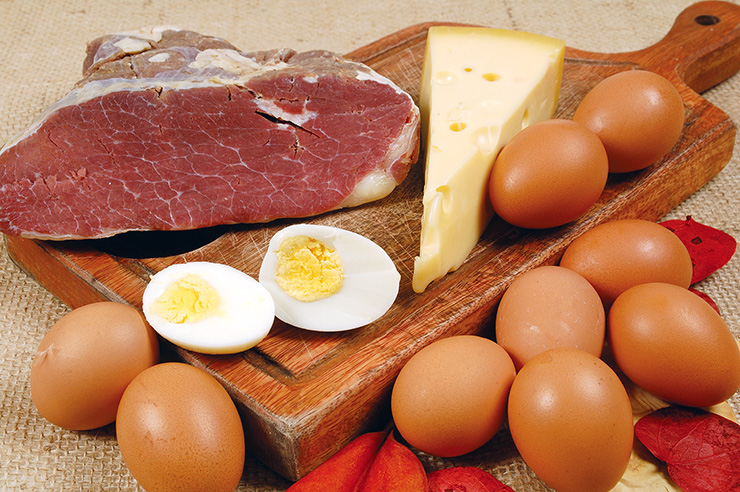
    Traditional food can also be called real food, and a way of eating that focuses on the foods our great great great grandparents would have recognised as foods, such as vegetables, meat, dairy, eggs, fruit, grains, and honey. These foods can be grown on a small scale and don’t need global distribution or factories to feed people.

    A traditional foods approach to eating emphasises:

    • Meat, fat, eggs, and dairy from animals raised naturally outdoors.
    • Animal fats, such as lard, tallow, and butter, for vitamins A, D, and K2, and because they are stable local cooking fats that don’t go rancid when heated.
    • Using the whole animal, especially making broth from bones.
    • Soaking, sprouting, and fermenting grains to make them more digestible (but grain-free diets can be traditional too).
    • Naturally fermented vegetables and drinks.
    • Raw and/or fermented dairy.
    • Choosing nutrient-dense calories over empty processed-food calories. 
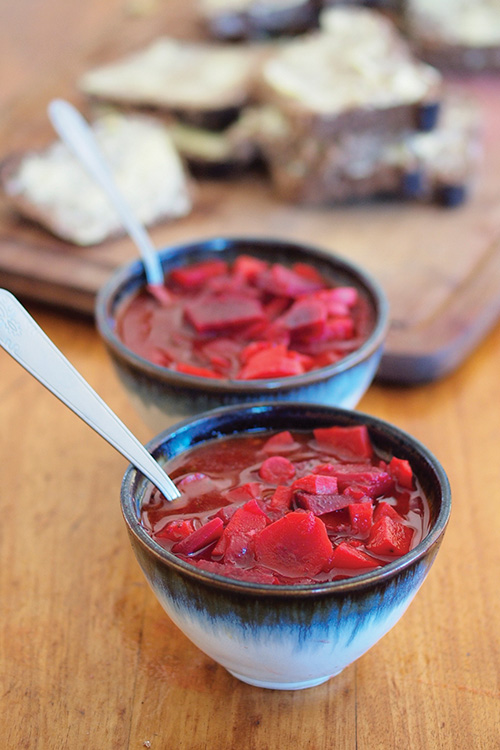
    Borscht. Homemade soups with slow cooked meats, vegetables, and bone broth are a healthy one pot traditional foods meal. Even better when served with homemade sourdough bread and butter. Photo courtesy of the author.

    Listening to the Wisdom of our Ancestors

    The modern way of eating focuses on empty calories that large corporations can easily transport worldwide, such as vegetable oils and white flours. This approach is a modern experiment that has resulted in more chronic illness than any other time in history.

    In contrast, when we learn about cultures that weren’t influenced by the modern world (in particular from Weston A Price’s book Nutrition and Physical Degeneration) we find that the same foods feared in the modern world – such as butter, liver, egg yolks, raw milk, and lard – are prized by traditional cultures.

    Every culture studied by Weston A Price had a different diet, but each diet was based on nutrient-dense foods that grew locally, rather than generic, easily transported globalist foods. Foods high in vitamins A and D were prized above other foods. Special foods high in these nutrients were often fed to children and parents trying to conceive healthy babies.

    Healthy Teeth

    The high amounts of vitamins A, D, and K2 in traditional foods diets were found to influence dental health, and it’s no surprise that the people eating diets high in these vitamins had perfect teeth with no cavities, decay, or deformities. Children born to mothers eating these diets grew up to have enough space in their mouths for all their teeth (including wisdom teeth) to form without trouble. This is how we are meant to be – naturally resilient and healthy people, not weak creatures reliant on modern medicine!

    When Weston A Price studied people who had left these cultures and moved to a modern lifestyle and diet, he found that the first generation had cavities and tooth decay. The next generation, born to mothers eating modern junk food diets, also had narrow mouths that did not have room for all their teeth to develop without trouble.

    Natural Resilience & Natural Childbirth

    It is not only dental health in future generations that is affected by diet, but the entire body and the ability to survive without modern medicine.
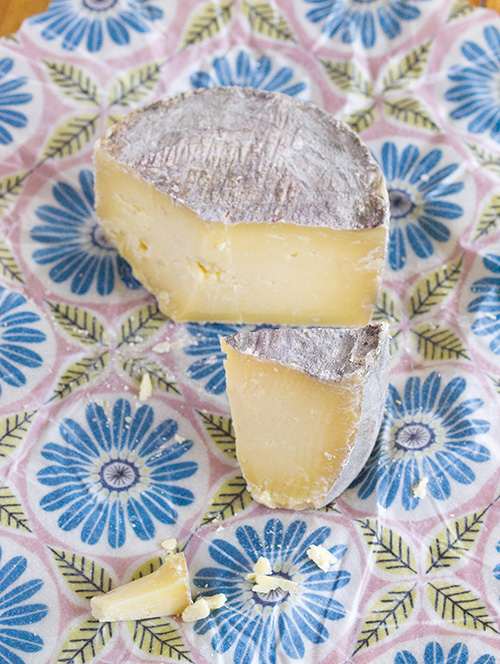
    Cheese – raw and fermented dairy from local cows and goats provide many nutritional benefits. Photo courtesy of the author.

    The entire bone structure was narrowed in children born to mothers eating a nutrient-poor modern junk food diet. They had less room in their noses to breathe through, making flu, colds, and other respiratory issues more difficult to deal with, and the girls were born with narrow hips that later made childbirth more difficult.

    In the traditional cultures Weston A Price and others studied, childbirth was not feared and usually went on without trouble. However, when these same people were fed the modern diet for a generation or more, the next generation had the difficult childbirths that we are familiar with, where medical intervention is the rule rather than an exception.

    Adopting a traditional foods diet can help turn this around and create future generations that do not need the modern industrial sick care system.

    Bone, Joint & Skin Health

    As we age, we have more trouble producing the collagen that helps our joints to function well. A traditional foods diet rich in bone broth gives the collagen and gelatine that we need for optimum health. Many people have found that joint and skin problems disappear by including bone broth in the diet.

    The modern industrial way of eating has replaced the time-honoured process of making bone broth with “convenient” cubes of stock bought from a supermarket. To mimic the deep natural flavour that we crave from bone broths, modern stock cubes are packed full of MSG and other artificial flavours. This approach of attempting to copy the taste of traditional foods without any care for health is a common theme in industrial foods.

    Probiotics & Gut Health

    Every year, more and more information comes out about the importance of gut health on our immune systems, mental health, ability to detox, and more. Traditional food cultures often relied on fermentation to preserve vegetables over the winter. These ferments such as sauerkraut and kimchi are packed full of probiotics and are often served as a condiment on the side of every meal.

    Naturally fermented drinks were popular in many cultures, such as fermented cider, beetroot kvass, fermented ginger beer, kombucha, and kefir. All of these drinks are beneficial to gut health and taste great.

    Milk and cream did not last long without modern refrigeration, and these foods were often fermented to increase their storage life while adding probiotics. Yoghurt, kefir, raw cheese, cultured butter, and cultured cream are all popular sources of probiotics used for their taste and health benefits.

    Nutrient Density & Health

    Sauerkraut and kimchi are tasty probiotic foods and a natural way of preserving the harvest. Photo courtesy of the author.

    Pre-industrial diets contained higher amounts of vitamins and minerals than modern diets. There were no plastic-packed artificial vitamin pills made in factories, just nutrient-dense real food. Traditional bread did not need to be “fortified” with artificial vitamins in the way modern breads are – they were full of the goodness of slowly fermented whole grains, and it’s possible to make bread at home in these same time-honoured ways.

    Foods grown in healthy soils produce higher amounts of vitamins than in industrial dust bowl soils. Animals raised naturally outdoors produce higher amounts of vitamin D in their fat. Pre-industrial breeds of farm animals thrive without modern medicines and produce more of these healthy fats than modern breeds. Raw dairy contains more vitamins and minerals than pasteurised dairy and is more easily digested.

    To process wholegrain flour into white flour requires a lot of time-intensive sifting, and traditional cultures that eat grain rely on wholegrain flour with its natural vitamins intact. Therefore, grain was often freshly-ground as needed, leading to less oxidising and nutrient loss.

    Modern diets rely on calories devoid of nutrients, such as white flours, vegetable oils, and a long list of unpronounceable ingredients. In pre-industrial diets, nearly everything eaten has some benefit to health, as these healthful foods are what is produced in nature and in natural farming systems without being refined by factories.

    The high amounts of vitamins A and D in traditional foods diets help the immune system, eye health, hormone function, bone health, and more. Cholesterol is essential for brain function. Something to reflect on in these times of low cholesterol diets and mass hysteria!

    Listening to Nature, Listening to Ourselves

    Many of the foods we crave are actually very healthy. The chips and gravy we might want on a cold day could mean that our bodies need animal fat and collagen-rich bone broth, not the vegetable oils and MSG in the modern version. With ice cream, we crave dairy fat. The desire for fizzy drinks is our bodies wanting fermented drinks such as kombucha, water kefir and whey soda. The cliché of a pregnant woman craving pickles means she needs some fermented raw sauerkraut and other healthy probiotic foods.

    Each of these foods that we might sometimes crave are very nourishing for health, yet the industrial food system has exploited these natural cravings and directed them towards their products made chiefly from nutrient-poor starches, vegetable oils, sugar, and artificial flavours.

    An Ecological Way of Eating

    A traditional foods diet can help the much-needed transition from factory farms and dust bowl grain farming back to the traditional mixed farming method that cares for soil life and wild animals. Eating in a way that encourages diverse small-scale farms that value animals for producing fertility and food for a diet that can help create a better future.

    If we despise globalisation, there is something to be said for eating local foods, grown by ourselves or bought directly from real people rather than evil corporations. We can prove to ourselves and others that we can survive and thrive without any aspects of globalism by choosing locally-grown traditional foods. Positive actions on a small scale, starting in the kitchen, can have lasting effects.

    How to Get Started with Traditional Foods

    Eat fermented foods every day and drink fermented drinks.

    Avoid processed foods, vegetable oils, and refined sugars.

    Cook from scratch as much as possible.

    Choose old-fashioned animal fats, such as butter, ghee, lard, and tallow.

    Choose animal foods from animals being raised naturally, outdoors.

    Make bone broth.

    Choose real sourdough bread over processed bread.

    Kate Downham’s book A Year in an Off-Grid Kitchen: Homestead Kitchen Skills and Real Food Recipes for Resilient Health, is available from all good bookstores.

    [alert type=”general” dismiss=”no”]This article was published in New Dawn 193.[/alert]

    [alert type=”success” dismiss=”no”]If you appreciate this article, please consider subscribing to help maintain this website.[/alert]

    References

    ‘Lard is a Health Food’ by Kate Downham, New Dawn #189
    ‘The Healing Power of Bone Broth and How to Make it’ by Kate Downham, New Dawn #192
    A Year in an Off-Grid Kitchen by Kate Downham 
    The Complete Book of Self Sufficiency by John Seymour
    Nutrition and Physical Degeneration by Weston A Price 
    Nourishing Fats by Sally Fallon Morell 
    Traditionally Fermented Foods by Shannon Stonger

    © New Dawn Magazine and the respective author.
    For our reproduction notice, click here.
  • Restore Your Microbiome: The Secrets of Good Gut Health

    Restore Your Microbiome: The Secrets of Good Gut Health

    From New Dawn 187 (Jul-Aug 2021)

    The intestinal, or gut, flora of human beings plays a major role in the proper functioning of the body. As a vital link in the various stages of the digestive process, it synthesises nutrients, neutralises toxins, and so forth. It is such a fundamental element of our health that the body would be incapable of carrying on without it. 

    The intestinal flora (microbiome)is made of all the microorganisms living in the intestine. This population is extremely large. It is not counted in thousands but trillions. The human intestinal flora is composed of one hundred trillion microorganisms. It is about ten times the number of cells in the human body. If someone wished to gather all the intestinal microorganisms in a single container, this vessel would need to contain one to two litres. The weight of all these microorganisms would be anywhere from one to four kilograms. The ecosystem of the microbiota hosts more than four hundred different species of bacteria. But one single species of bacteria can include a large number of subgroups or serotypes. For example, the bacteria Escherichia coli (better known as E. coli) can be broken down into more than two hundred different serotypes, some of which produce a toxin but many of which are innocuous. The microorganisms that populate the intestines are tiny – roughly the size of a micron, which is 0.001 of a millimetre. 

    Intestinal microorganisms are not unwelcome guests that the body has to tolerate. On the contrary, their activity is beneficial to the body in a variety of ways. Although the contribution of each microorganism is minimal, the combined efforts of billions of them are extremely helpful (and necessary!) to the body. The microbiota supports the physical organism in many different ways.

    The Functions of the Intestinal Flora 

    Its primary function is to help digestion. Before the cells of the body can benefit from the nutrients we eat, our foods must be broken down into particles that are small enough to cross through the intestinal walls and be transported by the blood to the cells. This preparatory work takes place during digestion. Although the digestive juices are capable of performing an immense part of this transformative work, they cannot do it all. Some of the nutrients in a food item can elude them. 

    Are the nutrients unaffected by digestion doomed to remain unused? No, the microorganisms of the intestine carry out the transformations that are still necessary. They produce enzymes that break down the fibres and framework of the tissues, and they reduce the volume of the large particles. Nutrients that are still highly useful will be released by this process: amino acids, carbohydrates, vitamins, and so forth. These final transformations of food are not performed by intestinal bacteria as a favour to their human hosts but for their own benefit. In fact, they also need to feed themselves to survive, and their food is the remnants of the foods we eat.

    The digestive processes are carried out with the help of two major types of bacteria.

    The bacteria of fermentation target the long carbohydrate chains, such as starch, but also the soft fibres of grains, fruits, vegetables, fruit peels, ribs of leafy plants, stringy parts of leek-like plants, and so on. 

    Bacteria of putrefaction break down any undigested particles of food that come their way. These are not fibres, having already been transformed by fermentation higher up in the intestines, but the residue of proteins (meats, fish, eggs) and starches (bread, pasta, rice). 

    The other functions of the intestinal flora are to:

    • synthesise vitamins (of the B group);
    • support the intestinal transit;
    • destroy toxics;
    • fight against inflammation;
    • stimulate the production of lymphocytes;
    • destroy pathogenic microbes.

    Contribution to the Body’s Defence System: The Barrier Effect 

    A subtle balance is maintained with the size of the various populations of intestinal microorganisms, territories they occupy, the parts of the intestines they colonise, and the parts of foods to which they lay claim. Therefore, it is difficult for these invaders to establish themselves in the intestines and multiply because all the residential possibilities have already been exploited so fully. The living space they require in order to develop is unavailable and they lack nutrients. This is how, through its presence alone, the microbiota acts as a barrier against pathogenic bacteria. It prevents them from unleashing infections in the intestines or other parts of the body. 

    In the event there is an imbalance of the intestinal microorganisms, the barrier effect can be clearly insufficient. In this case, there is no obstacle to pathogenic bacteria establishing themselves and multiplying, which eventually leads to an infection. The destruction of bacteria is often the result of antibiotic treatments. 

    Enemies of the Intestinal Flora

    Enemies of the intestinal flora are factors that sharply reduce the population of microorganisms and thus compromise our health. The bacteria that are most often affected are generally those of fermentation that populate the small intestine and the beginning of the colon. The bacteria of putrefaction that live in the terminus of the colon are much less affected. The two main enemies are:

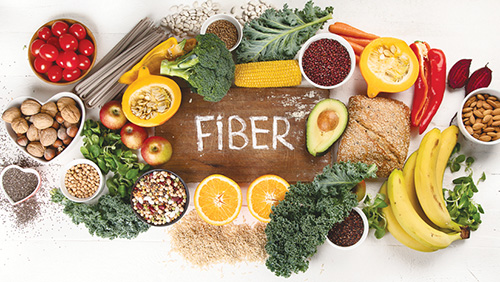
    A Lack of Fibres

    The food required by the bacteria of fermentation in our intestinal flora is the fibre in our human diet. It should be noted that fibre is a choice food for the bacteria of fermentation and not for those of putrefaction. 

    If the bacteria of fermentation receive adequate fibre, they will be healthy and strong, and they will multiply easily. When fibre intake is low, on the other hand, the number of bacteria of fermentation in the intestinal flora will also shrink. In fact, the quantity of food always determines the size of the population that depends on it. Small quantities of fibre can feed only a small number of bacteria, so the population of bacteria of fermentation will shrink. The diminished population will be weakened.

    The three dietary fibres that are the preferred foods of the flora of fermentation are all of plant origin: mucilaginous substances (found in, for example, okra and flax seeds), pectins (found in, for example, apples and guavas), and oligosaccharides (found in legumes, nuts, and so on).

    Consequently, individuals who do not eat enough of these plant foods have a deficiency of fibre. This is common in diets that are poor in salad greens, raw and cooked vegetables, nuts (almonds, hazelnuts), and whole grains. Foods that are high in fibre should be eaten several times a day. 

    The importance of fibre for the fermentation flora stems from the fact that this flora depends entirely on the fibres from food to work and survive. An intake of sufficient fibre is therefore a key factor in the health of the intestinal flora and consequently our overall health. 

    Antibiotics 

    They are among the most often prescribed medications. Their role is to kill living organisms that attack the body, but they don’t necessarily discriminate. The living organisms they target are pathogenic microbes, but in the process antibiotics also kill other microorganisms. There are more than one hundred types of antibiotics, and some cause more damage to the intestinal flora than others, and in different ways. 

    Some antibiotics are able to kill a number of different kinds of disease-causing bacteria; they are known as broad-spectrum antibiotics because of the range of their activity. Other antibiotics have an effect on only one kind of bacteria or another, and they are known as narrow-spectrum antibiotics. The length of the treatment is another factor. During a short course, some microorganisms that could be vulnerable may escape damage due to the limited time they are in contact with the antibiotic. Conversely, during a longer period of treatment, contact is prolonged. The antibiotic is more thorough and effective, but it also destroys many intestinal microorganisms. The same happens when the patient undergoes several antibiotic treatments.

    Diseases Caused by Imbalance

    The problems caused by an imbalance of the intestinal flora are numerous. Some take place at the intestinal level: indigestion, gas, bloating, diarrhea and constipation. General disorders are infections, inflammations, food allergies, autoimmune diseases, some mental disorders, and weight gain.

    How to Restore Your Intestinal Flora 

    Two different complementary approaches are used to rebuild the flora of fermentation. The first approach consists of feeding the bacteria of fermentation by consuming foods that are high in fibre, also called prebiotics. However, this slow process shows results only after a certain period of time. If there is a pressing need to make change quickly, proceed to the second approach. This approach consists of implanting a large number of fermentation bacteria from outside the body into the intestines. This is done by means of probiotics, meaning foods or special preparations that contain a multitude of these bacteria. Instead of waiting for the bacteria that are present to multiply, this approach brings a large number directly into the body from outside. This increases the population and allows it to gradually return to its normal size.

    Feeding with Prebiotics

    Prebiotics are dietary substances that come in the form of plant fibre that cannot be digested by human beings but can be digested by the fermentation bacteria. The two main sources are fruits and vegetables.

    All fruits provide prebiotics that are useful for our intestinal flora. These fruits can all be consumed fresh to enjoy their benefits, but they are just as helpful when dried. Dried fruits include dates, figs, raisins, apricots, prunes, mangoes, and many more. Fruits can be eaten as snacks and desserts.

    Vegetables can be eaten raw in the form of green salad, crudités (including shredded carrots or celery, or sliced tomatoes or cucumbers), mixed salad (salad greens combined with a variety of raw vegetables), juiced with pulp, or as vegetable sticks (carrots, cucumbers, peppers, turnip, with dip); cooked to taste; or simmered in homemade vegetable soup. 

    Fruits and vegetables must be eaten in generous quantities, several times a day and every day.

    This process might appear to be too simple, but it is the most effective!

    Prebiotic Supplements 

    A number of prebiotic supplements are available commercially. The fibres they contain are no different from the fibre contained in foods. In theory, these supplements are unnecessary, as simply eating enough prebiotic foods should supply the bacteria of fermentation with all the food they need. However, in practice, they have been proven to be quite helpful. This is particularly true for those with sensitive intestines that become easily irritated by high fibre content, which then becomes an obstacle to eating as much fibre as they need. 

    Repopulating Bacteria

    The regular ingestion of prebiotic fibres makes it possible to maintain a large and healthy population of flora of fermentation, and to correct any minimal, inevitable reductions in the size of its population. On the other hand, if the flora of fermentation population has been severely weakened, these maintenance procedures will not suffice. More drastic measures are required to make up for the deficit. At this critical point, the intestinal flora has been decimated, and it is necessary to rapidly increase the number of bacteria in residence. In these circumstances, reconstruction of the intestinal flora is achieved by importing fermentation bacteria from outside the body to add numbers to the ones already present in the intestines. 

    These bacteria can be consumed in two different forms. Each has its benefits, and using them together is beneficial. 

    • Foods that have high probiotic content, such as yogurt (bifidus), kefir, fresh and fermented cheeses, sauerkraut, fermented vegetables, and miso;
    • Probiotic supplements manufactured in a laboratory. 

    Probiotic Supplements

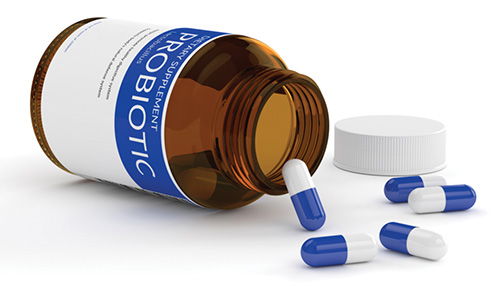
    Probiotic supplements are the greatest help to quickly restore a decimated intestinal flora population, for example, by antibiotics. Probiotic supplements can supply as many as 550 billion bacteria per gel cap. This supply is therefore of a completely different order from that offered by foods with probiotic properties. Yogurt, for example, generally contains a maximum of one billion bacteria per serving. Probiotic supplements are therapy, whereas probiotic foods are still in the dietary domain. However, foods are much more effective over the long term. The bacteria contained in probiotic supplements are primarily lactic bacteria of the Bifidobacterium and Lactobacillus. These strains are strongly represented in the flora of fermentation, but other kinds of bacteria are also used. 

    Because all the bacteria used for manufacturing probiotic supplements have been freeze-dried, they are in the form of a dry powder. It is only when these bacteria are in the warm and moist environment of our intestines that they become active again.

    Who Should Take a Probiotic Cure? 

    People who most need a probiotic cure are those who suffer from:

    • Recurring digestive problems: diarrhea, indigestion, irritable bowel syndrome, constipation, and so forth;
    • Repeated infections: fungal infections, cystitis, colds, and so on;
    • Allergies;
    • Side effects of antibiotics;
    • Psychological problems: anxiety, depression, and so forth.

    All probiotic supplements share the same goal of rebuilding the intestinal flora of fermentation. In the past, reconstruction of this flora was the sole objective for taking supplements. A better understanding of the properties of the different strains has now expanded the range of activity for these preparations. Depending on their composition, they can have an additional complimentary therapeutic action for the following: diarrhea, digestive weakness, constipation, irritable bowel, fungal infections, travel abroad, immune system weakness, weight loss. 

    How Do I Take Probiotics?

    Instructions are provided by the product’s manufacturer. But, as a general rule, probiotics are taken before meals when the stomach is empty so they make their way into the intestines more quickly. Cures will last from one week to several months. Following a course of treatment, it is a good idea to solidify the results by continuing to take one to two doses a week for a period of two to three months. The same amount is also recommended for a preventative dose. If you find after a month that the corrective is not doing its job, it could be that the bacteria in the preparation you are taking are not the bacteria you need. In this case, you should switch to another probiotic supplement.

    There are no side effects from taking probiotics. At the very most, some extra-sensitive individuals might start feeling one of the following symptoms: minor stomach discomfort, gas, bloating, or constipation. The speed with which the effects start to appear depends on the degree of the initial health problem. While the impact of countering some conditions – for example, infectious diarrhea (gastroenteritis) – begin to show up in just a few hours, it usually takes at least a week to feel any improvement from well-established disorders. But these will be only the first signs of improvement. A full cure usually takes several weeks or even a month, depending on the individual case.

    Get the issue this article appears in

    Conclusion 

    A strong and balanced intestinal flora does not depend on remedies or sophisticated treatments but primarily on a healthy lifestyle. This is a parameter we can work within easily. It doesn’t take high-priced supplements or expensive therapies, only simple adjustments to our daily diet. The foods that balance our intestinal flora are far from the most expensive. It’s up to us to make smart and healthy choices about what goes into our grocery baskets and consequently into our bodies. 

    A full rundown can be found in Christopher Vasey’s book Restoring Your Intestinal Flora in which he explains how to restore your microbiome. The book is available from all good bookstores.

    [alert type=”general” dismiss=”no”]This article was published in New Dawn 187.[/alert]

    [alert type=”success” dismiss=”no”]If you appreciate this article, please consider subscribing to help maintain this website.[/alert]

    © New Dawn Magazine and the respective author.
    For our reproduction notice, click here.
  • Healing in the Akashic Field: The Quantum Science of Information Medicine

    Healing in the Akashic Field: The Quantum Science of Information Medicine

    From New Dawn Special Issue Vol 14 No 6 (Dec 2020)

    In the modern world, remote healing has been relegated to the realm of fiction. This is now changing. Compelling evidence has been amassed in experimental parapsychology and the quantum sciences that the phenomena of information-based healing are real and important. The Akashic Field theory developed by the Hungarian philosopher of science, Ervin Laszlo, explains these phenomena and represents an important development in the contemporary healing arts. In this article, I link the new paradigm pioneered and developed by Laszlo with the phenomena I encountered in my twenty year-plus experience as a healer. 

    A new paradigm is entering mainstream science. Scientists realise that space is not empty and that what they have been calling the quantum vacuum is, in fact, a cosmic plenum. It is a fundamental field validating the ancient concept of the Akasha. As Laszlo tells us, the Akashic Field interconnects all things and conserves the trace of all things. It is a constant and complete memory-store of the universe. The existence of interconnection and memory in nature is no longer fantasy: it is an established fact. And it is directly relevant to the practice of healing. 

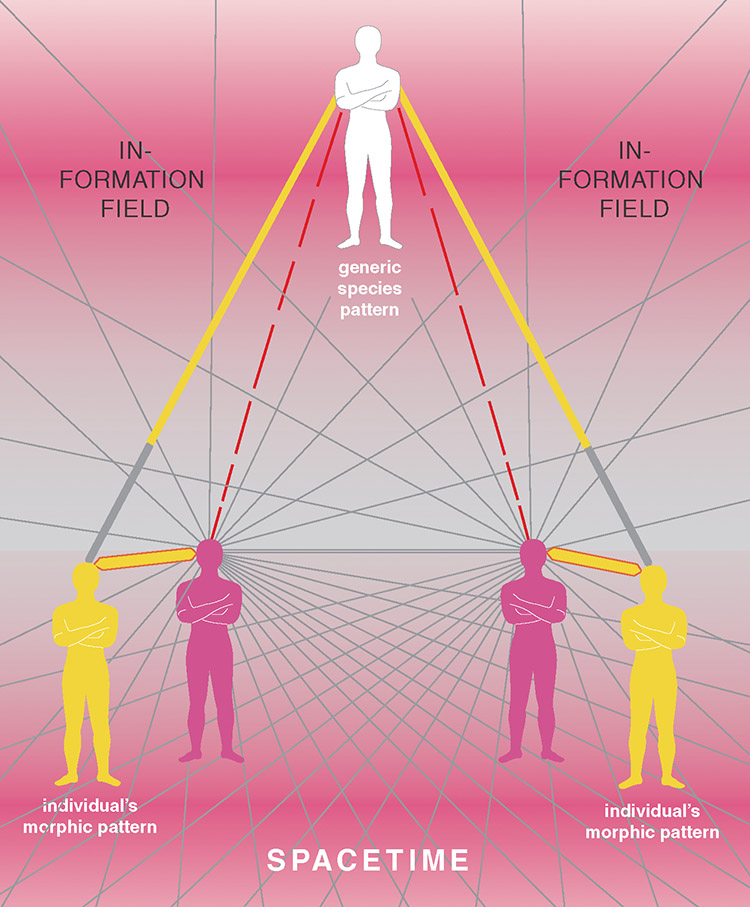
    Healing can be practised not only locally, but also nonlocally – at a distance. This is possible due to a direct connection between the mind and consciousness of the healer and that of the patient. This connection is mediated by a universal information field that Laszlo calls the Akashic Field (see Figure 1). 

    FIGURE 1: The above graphic illustrates the hypothesis that all people, including the healer and the patient, are embedded in a cosmic information field that connects people and conserves the trace of their thinking and acting. Every living system has his/her cluster of waveform vibration constituted by information in the Akashic Field. The information that constitutes the cluster is real, and it is conserved. It is retrievable, in principle, from the Field. 

    The living individual, as all quanta and systems of quanta in the world, is not above or beyond the Akashic Field but embedded in it. The morphic pattern of one individual – his or her informational trace – interacts with the morphic pattern of other individuals. Their interactions shape the cluster of vibrations that defines the species. I call this collective cluster “the generic pattern of the species.” It is the norm of viable functioning for all members of that species. 

    The generic pattern of the species integrates the morphic pattern of the members of the species. In the generic pattern, differences between individuals are cancelled out. In the context of healing, the generic is the pattern of reference for health and vitality. 

    We are capable of maintaining our organism in a state of health as long as our individual morphic pattern matches the generic pattern of the species. The information that determines the functioning of individual organisms is distributed throughout the atoms, molecules, tissues, cells, and organs of the body. Every deviation of the individual’s morphic pattern from the generic pattern means a weakening of the individual’s life-energy and the diminishing of his or her level of health. If not corrected, it invites the onset of disease even before the symptoms of a disease appear in the body. 

    The subject’s mind and consciousness orient the match between the individual’s morphic pattern and the generic pattern of the species. If the mind and consciousness of the subject are open and sensitive to alignment, the health-promoting match can be achieved. The information sent by the healer to the patient promotes and reinforces this match. When it is achieved, the patient’s organism can maintain its vital functions in the domain of health and viability. 

    Malady and malfunction are errors in the way individuals match their individual morphic pattern to the generic species pattern in the Field. Life on the planet could emerge and persist because a significant percentage of living systems achieve the match of their individual morphic pattern with the pattern of their species. 

    In traditional societies, people made intuitive and spontaneous use of the information they needed to create this match. Shamans, medicine-men, and spiritual leaders above all in ancient Egypt, China, India and Mexico have been promoting this match intuitively. Thereby they not only reinforced their own vitality but contributed to a higher level of health in their tribe and society. 

    Ancient cultures accepted the reality of subtle energies and used the bioenergetic processes that take place within and around the physical body in their healing. Although they go by different names, subtle energies and related spiritual elements have been basically the same in all cultures and all periods in history. 

    Healers now know that psychological attributes such as constructive beliefs, positive thinking, and healthy aspirations have an important role in redressing the disorders of the body. Western medicine dismisses these psychological approaches and focuses almost entirely on the biochemical and physiological manifestations of disease. 

    This predilection has historical origins. When the mechanistic/materialistic paradigm of classical physics became dominant, the healing of the body and the healing of the mind went separate ways. The observation and therapy of the body became limited to the domains of the natural sciences, and the functioning of mind and consciousness were assigned to religion. Nonlocal information-based healing was relegated to the domain of religion and spirituality. Today, this separation of science and spirituality is ever more questioned. Some age-old ‘spiritual’ insights are being rediscovered as bona fide elements in science. 

    In my practice, I use information as the instrument by which to effect healing. Since all organisms are basically information-based entities – imbued by the active form of information that David Bohm called “in-formation” – through in-formational means we can treat the cause of an organic malfunction, and not only its symptoms. 

    Given that the information imbuing the myriad processes of the organism is nonlocal (intrinsically interconnected and conserved), we can treat the condition that is the cause of a disease even if it occurred in the past. This contrasts with the mainstream method of Western medicine where (except for branches such as neuropsychoimmunology) diagnosis and treatment are largely limited to the actual physical-physiological condition of the patient. 

    PRACTICING SPACE- AND TIME-TRANSCENDING HEALING

    Healing with information is space- and time-independent. In light of my experience, it is rendered possible by the “tuning” of the healer to the Akashic information and memory field – the field that conserves and conveys the morphic pattern of the individual as well as the generic pattern of the species. The healer selects the information that creates an improved match between the individual and the generic patterns, thus reinforcing the energy balances of the patient. 

    The process of tuning oneself to patterns in the field can be compared to tuning a radio, a TV, or an online computer to the electromagnetic field. We need an artificial device to transduce the signals in the frequency range that is decodable by our device. In the case of information-based healing, that device is the brain. Our brain picks up the signals that reach it from the patient as well as from the world at large. But it can do so only within a limited range. In the normal waking state, this range is relatively narrow. 

    Because of the widespread belief that our bodily senses convey all the information that reaches our brain, most people maintain that their experience is limited to the domain of sense-perceivable information. However, now we know that when we enter into an altered state of consciousness, we extend the range of our perception beyond the receptive scope of our senses. 

    There are a variety of methods at disposition for selecting and fine-tuning the healer’s receptivity. We can make use of any suitable device and modality for this purpose, such as a pendulum, a dowsing rod, direct touch, imaginative “channelling,” and others. We can also designate a substance or an object as a “witness” and focus on it. The witness can be a photo of the patient, a sample of his or her writing, an audio or video recording, a lock of hair, or a sample of blood or saliva. Every sample of the patient’s body facilitates the retrieval of information from the organism of the patient. 

    If patient and healer are emotionally connected – as members of the same family or as close friends – there is no need for a witness: the healer can tune into the field and retrieve information on the patient’s condition through that intermediary person. If healing takes place in a group, and someone in the group knows the patient intimately, it is nearly as easy to attune to information on the patient as if he were within the group. 

    In the next step, the healer evaluates and orders the information he or she gleaned by accessing the patient’s individual morphic pattern. Experience shows that every healer has his or her own system for doing this; many modes of diagnosis and healing are available, and the difference between them is often a matter only of cultural preference. 

    In the Western world, the handiest approach is to make use of the instruments of mainstream medicine, examining and testing the pertinent patient’s organs and organ systems one by one. Homeopathic healers can proceed according to the classical homeopathic system developed by Hahnemann, and physicians working with the method of psionic medicine can complement mainstream and homeopathic treatments by using the radiesthetic method. Anthroposophic healers diagnose with the help of the anthroposophic system. The healer can also work on the basis of the major Eastern diagnostic systems, such as the Chinese, the Ayurvedic, and the Tibetan. Healers who can perceive the aura of the human body can perform their diagnosis based on the appearance of the various auric layers. The colour and density of the aura offers clues for diagnosis. All these methods can help the healer ascertain the particular points in the organism that require treatment and to evaluate the information regarding the condition of the patient. 

    The information received by the healer indicates both the physical condition of the patient and the nature of his or her problem. This information is not limited to the time the examination is carried out: it is distance- as well as time-independent. A diagnosis from a remote location and from a point earlier in time may be as detailed and thorough as one based on direct examination. The healer can discover whether the health problem is temporary or chronic and whether it originated recently or further back in the past. He or she can also determine the causes of the problem, and to what extent they are due to harmful environmental conditions (even of such relatively “soft” varieties as electrosmog and earth radiation). Then the healer needs to decide whether it is necessary to change the patient’s milieu, or whether more favourable conditions can be created in the patient’s current milieu. 

    The therapy to be recommended by the healer can be based on any of the available diagnostic systems. The healer can also prescribe a variety of remedies, including standard allopathic cures, diet, phyto-therapy, homeopathic remedies, and others, and can advise the patient to procure the substances and create the conditions for the cure. 

    It is not necessary for the patient to be aware of the therapy. The important thing is that he or she invites and welcomes it. A negative approach of out-of-hand rejection, and even dogmatic scepticism, can block the transmission of healing information.

    When the transmission is achieved, the entire organism of the patient is affected, not only the dysfunctional parts. The effectiveness of the healing can be measured by follow-up diagnosis, conducted either by conventional or information-based methods. 

    In regard to the physics of the healing process, we should note that space- and time-independence suggests that besides electromagnetic waves, scalar and other, still more esoteric quantum waves are involved in the transmission of the information. This is possible because the healing information is unlikely to be carried by electromagnetic waves alone. In that case, the effects would attenuate with distance in space and in time. But there is evidence this is not the case. 

    On the basis of my own experience, I am convinced that the information I receive and send is transmitted by the universal information- and memory-field we call the Akashic Field. The grounds for this conviction are evident. The pertinent information could not be transmitted directly from the organism of the patient because that information is limited to the patient’s present location and current condition. But other healers and I can receive information on the state of the patient from any point in space and from any point in his or her life – even just after birth, and sometimes before that, from the period of gestation in the mother’s womb. I can concentrate on any period I wish and find the point in time that is pertinent to the health problem of the patient. Often I can pinpoint the traumatic event that created the health problem in the childhood of the patient by interviewing the mother or a friend or family member who witnessed the problem-generating event. The pertinent point may even have preceded the current lifetime of the patient. Although most health issues have roots in one’s own lifetime, there are deep-rooted problems that could have originated in a previous life. 

    I can get information about the patient’s earlier condition and relate it to his or her current condition. Doing so is essential for effective diagnosis, as many and perhaps all organic ills and dysfunctions have their origins in the patient’s past. The fact that I can move back in his or her life-history to any point after birth, sometimes to the period of gestation, and even to a prior existence, is a meaningful indication that a nonlocal field is conserving and conveying the information I receive on the patient’s condition. 

    Testing the Coherence of the Organism

    In the human body there are various forms and manifestations of coherence. Of particular importance is the organisation of the energy flow. Its dominant direction is from the top of the head to the tip of the toes. The polarity of the cells and cellular systems is aligned to produce this flow, and this ensures communication between the parts and the organs crucial for the body’s functioning. 

    If the polarisation of a part of the system is reversed, the coherence of the flow is broken and an energy blockage results. With the methods of new information-based medicine, we can detect the disturbance in the energy flow of the organism even before it provokes physical symptoms. In an energy blockage, the affected organ or body-part is isolated from coherent communication in the rest of the body; a disturbance occurs in the flow of information between the affected part and the central nervous system. To detect energy blockages is an important task of diagnosis in information-based medicine. 

    If we want to preserve the healthy functioning of the organism, we need to sustain the coherence of the body. The self-healing potentials of the body cannot operate unless this coherence is present. However, there are also disadvantages to the coherent operation of the organism. If there is a local lesion (an injury) in the body, owing to the coherence of the affected part with the rest, this will affect the entire organism, and this can produce a diminished sense of wellbeing in the whole organism. The local problem is amplified by the coherence of the body’s information and communication system. 

    Information-based medicine explores how energetic influences and information processes outside the organism affect the overall coherence of information in the body. It maps these connections regarding the extent to which adaptive resonance is created between the body and the environing world. Disease is a disturbance of the resonance between the environing world and the body. The highest level of adaptive resonance means health. 

    In my method of healing, the nature of the energetic condition of the body is shown by the movement of the bioindicator. Changes in the information affecting the various parts of the body produce changes in the energy flow. We need to identify information that is harmful to the body and attempt to neutralise it. We can transform harmful inputs into beneficial ones and thereby improve the capacity of the organism to use coherent energy flows.

    Get the issue this article appears in

    The functionality of the vital processes of the organism is determined by the interaction of the body with the embedding electromagnetic field. Nobel laureate brain researcher Roger Sperry has experimentally shown this. Sperry demonstrated that the consciousness associated with the neocortex displays the functioning of the entire nervous system. Consciousness reflects the functioning of the brain and the neuronal networks. Positive or negative contents of consciousness affect all the cells of the body. Positive contents of consciousness promote the coherent functioning of the system. For good health, every cell in the system needs to function in harmony with every other cell. Any stimulus, whether external or internal, which proves positive promotes the coherence – the harmonious functioning – of the system.

    Sperry’s discovery has been confirmed by Bruce Lipton’s experiments on endothelial cells. Lipton succeeded in demonstrating on the cellular level that instructions arriving from the mind can overwrite instructions from the organism. The experimental finding is that endothelial cells in a tissue culture change their behaviour in line with signals from their environment. If the environment is rich in food, they move rapidly toward the source of nourishment. In a toxic environment, the cells distance themselves from the source of harmful stimuli. But Lipton found that signals coming from the central nervous system have priority over signals of local origin. 

    Austrian scientist Erich Körbler found that positive contents of consciousness bring an energy surplus to the organism, while negative contents depress the energy levels. With favourable inputs, cell voltage builds up to -60 mV and even higher. The molecular structure of the cell develops to enable further connections. Because of the coherence of this process, effects spread over the entire organism. 

    In my experience, the bioindicator reacts sensitively to changes in the psychosomatic condition of my patient: it indicates whether a subtle psychological factor, such as a thought or idea, is tolerable or intolerable for him or her. It also shows how psychological changes act on the physical state of the body. Negative, destructive or harmful events affecting the mind reappear on the physical level and affect bodily function. This holds true even if the harmful event concerns another person, or we merely see it on the screen. All survival threatening acts trigger one of the standard responses: flee, fight, or freeze. 

    Learn more on this subject by reading Dr. Maria Sági’s book Remote Healing: Nonlocal Information Medicine and the Akashic Field. 

    [alert type=”general” dismiss=”no”]This article was published in New Dawn Special Issue Vol 14 No 6.[/alert]

    [alert type=”success” dismiss=”no”]If you appreciate this article, please consider subscribing to help maintain this website.[/alert]

    © New Dawn Magazine and the respective author.
    For our reproduction notice, click here.
  • Sound Healing & Energy Medicine: Can Raga Therapy Calm the Emotions?

    Sound Healing & Energy Medicine: Can Raga Therapy Calm the Emotions?

    From New Dawn 190 (Jan-Feb 2022)

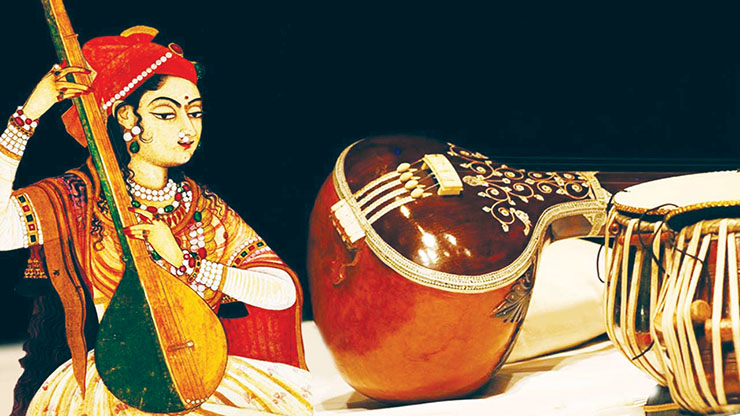
    Energy is a unique expression of Nature – it can neither be created nor destroyed, but it can be converted from one form to another. Amongst all forms of energy, the capacity of sound energy to evoke emotions has been investigated by scientists,1 and it was common knowledge in ancient cultures.2

    In the USA, healing by use of sound was pioneered in the late 1950s.3 Since human emotions are defined in Latin as ‘energy in motion’, and music is sound energy, I’ve wondered for quite some time if sound energy, as music, can be used to bring about positive and lasting changes in our bothersome emotions.

    When an opportunity arose to interview a leading clinician-scholar and musician, Dr Rajan Sankaran, I had several questions on this subject, and his answers (excerpts below) were quite illuminating.

    VATSALA SPERLING (VS): Music is sound energy. Emotions have energy. Can music be used for healing our emotional state?

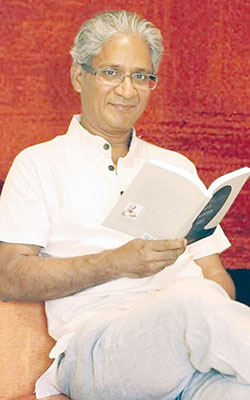
    Dr Rajan Sankaran

    RAJAN SANKARAN (RS): Yes. Can a random selection of music help, or is there a possibility of matching a person’s emotional state with music and have them listen to specific music that might lead to a therapeutic experience? To answer this question, I looked into like cures like, a principle based on matching of frequencies. Ill-matched frequencies lead to disharmony. Well-matched frequencies express harmony. My research of over three decades is based on the paradigm that within us, a tune is playing that I have named as “the other song.” This tune, an energy pattern that we borrow from the natural world, is the loudest when we are unwell. When we find an energy pattern that is a match for the ‘other song’ playing within us, we experience healing, and in the current context, I am exploring Hindustani classical music ragas as a source of matching energy patterns.

    VS: What are ragas? How to find an energy pattern from the ragas that matches our emotional state?

    RS: A raga is an energetic expression of a certain musical note in a certain harmonic pattern. Differences in patterns differentiate one raga from the other. Based on my research,4 I am proposing that a specific type of person must have an affinity for a specific type of raga. When a raga is selected per the principle, like cures like, this specific raga is able to elicit a healing response. You can find matching ragas in the Raga App and hear them using your phone.

    VS: How did you create a Raga App?

    RS: During the pandemic lockdown, for 26 days, I gathered volunteers from around the world online and sang to them a raga each day. I sang solo at a particular speed or tempo with just one string instrument. The listeners wrote down their responses at the physical, emotional, imagery and sensation levels, and if they experienced speed, vibration, thermal sensitivity, perception of colours, etc. The common theme emerging from these responses was considered as the essence of the raga. The result of this research is distilled in my Raga App.

    VS: Please describe your Raga App.

    RS: The Raga App includes 26 of the most well-known ragas. Simple questions spread over a few frames allow you to identify your emotions and choose a raga that matches your emotional state. You listen to the raga singing for the next uninterrupted fifteen minutes or so, you get to rate it and click on the effect the raga has on you. You can also send detailed feedback to the email address provided with the App.

    VS: What feedback has come in so far?

    RS: Some people had brief relief, but many others experienced lasting improvement and deeper healing after listening to ragas that matched their emotional state.

    VS: What is coming next?

    RS: My research team is trying to find ragas specific for various disease states. Ragas, as pure music, do not have coherent words. They do not engage the mind in deciphering any meaning. Mind is free to experience the sound of the ragas as an energy signature. When chosen per like cures like, the energy signature of the raga can mirror the innate energy pattern of an individual and initiate healing.

    If we see disease and healing as a dynamic process, then freedom from disease must come from deploying energy as a healing agent. Energy cannot have a better representation than music. Music cannot have a better representation than a raga, which is pure energy. Energy medicine is the future of medicine, and raga therapy is a step in that direction.

    The Raga App is free for download. For Android phones and iOS, https://play.google.com/store/apps/details?id=com.unthinkable.raga&hl=en_IN&gl=US. For Apple phones: https://apps.apple.com/us/app/raga-therapy/id1553586373.

    Dr Rajan Sankaran is a practitioner, research scientist, teacher and author of Homoeopathy System of Medicine. He lives and practices in Juhu area of Mumbai, India. Websites: www.theothersong.com & www.sankaransclinic.com. Email: raga@sankaransclinic.com.

    Dr Vatsala Sperling’s book The Ayurvedic Reset Diet was reviewed in New Dawn 188.

    [alert type=”general” dismiss=”no”]This article was published in New Dawn 190.[/alert]

    [alert type=”success” dismiss=”no”]If you appreciate this article, please consider subscribing to help maintain this website.[/alert]

    Footnotes

    1. https://news.berkeley.edu/2020/01/06/music-evokes-13-emotions
    2. https://hampi.in/vittala-temple; https://en.wikipedia.org/wiki/Airavatesvara_Temple; https://en.wikipedia.org/wiki/Singing_Stones_of_Brittany; https://svaram.org/wp-content/uploads/2020/10/BRO-Stones-low.pdf; Clarke J, Unexplained!: 347 strange sightings, incredible occurrences and puzzling physical phenomena. Visible Ink, 1993.
    3. Psychiatric music therapy in the community: The legacy of Florence Tyson. Barcelona Publishers, 2004.
    4. Sankaran, R. The substance of Homeopathy. Homeopathic Medical Publishers, India, 2004.

    © New Dawn Magazine and the respective author.
    For our reproduction notice, click here.
  • Secrets of Natural Antibiotics & Antivirals

    Secrets of Natural Antibiotics & Antivirals

    From New Dawn 184 (Jan-Feb 2021)

    For much of human history, the true cause of infectious diseases remained a mystery. In the absence of treatment, many patients succumbed to their illnesses. It was not until the nineteenth century that evidence for the existence of germs was revealed. The discovery of penicillin in 1929, and then that of many other pharmaceutical antibiotics, finally permitted the specific treatment of infectious diseases. The mortality and suffering connected to these illnesses dropped so spectacularly that the plants we had used empirically until then in the fight against germs were abandoned.

    However, over the last few decades, an increasing number of studies have brought these plants back into the spotlight. Extensive research has made it possible to gain a deeper understanding of their antibiotic properties. Not only have they been shown to have greater therapeutic effectiveness than was once believed, but also a much greater spectrum of action. Indeed, many are effective against viruses, which is not the case for pharmaceutical antibiotics. In addition, their side effects – if they even have any – tend to be benign, and the plants do not prompt germs to develop resistance against them.

    Today, we also benefit from better preparation methods for plant-based remedies, making it possible to obtain products that are more powerful and reliable than those of centuries past.

    Natural Antibiotics

    Natural antibiotics are chemical substances produced by plants ranging from the most common weeds (Thyme, Savory, Oregano etc.) of our local surroundings to more exotic species (Eucalyptus, Ravintsara, Tea Tree etc.). Several hundred plants possess antibiotic properties, so our reserve of these remedies is quite extensive. People have been benefiting from their healing properties for thousands of years.

    Natural antibiotics have a twofold action: a direct effect against the germ and an indirect effect through the terrain. A plant’s direct action comes from the toxicity and caustic nature of the antibiotic substances it possesses. The indirect action of natural antibiotics (which conventional antibiotics do not possess) is equally dangerous for germs. Although they are not attacked directly, germs still suffer serious damage because, by altering the characteristics of the terrain, natural antibiotics make it unfit for their survival. 

    Anti-viral properties

    While both kinds of antibiotics share points in common – a more or less powerful effect depending on the germ, a narrow or broad spectrum of action, and the ability to attack protozoans, bacteria, and fungi – the comparison ends there. Natural antibiotics possess, in fact, other characteristics that distinguish them fundamentally from conventional antibiotics.

    The majority of natural antibiotics are antivirals, which is never the case with conventional antibiotics. Moreover, their antiviral properties are often quite powerful. They offer effective and non-toxic treatment against numerous illnesses (flu, shingles, etc.) that are untreatable by conventional antibiotics. This is all the more valuable because, outside of natural antivirals, the number of existing antivirals is quite limited.

    An advantage of natural antibiotics is they do not encourage germs to develop resistance to them. What are the reasons for this? 

    Conventional antibiotics consist of a single molecule. This makes it easy for a germ to manufacture an enzyme capable of neutralising them. Natural antibiotics, on the other hand, are composed of many different molecules. The essential oil of mountain savory, for example, owes its action to one ketone, four kinds of phenols, and seven kinds of monoterpenes, to mention only a few of its components. A germ that tries to develop a resistance to this natural antibiotic would have to produce either an enzyme capable of neutralising all these molecules at once (which is impossible) or a dozen different enzymes (which is also impossible).

    Another advantage is that the side effects common with conventional antibiotic therapy – diarrhea, bloating, digestive disorders – do not manifest with natural antibiotics because they do not throw the intestinal flora out of balance. To the contrary, they support a healthy microbial balance by killing the virulent germs. If they do happen to trigger such symptoms, it would only be due to the laxative effect of certain plants.

    Essential Oils

    Natural antibiotics are mostly used in the form of essential oils. These are the volatile aromatic oils that give plants their characteristic odours and contain their medicinal constituents. They are extracted from plants by distillation or expression. These oils are contained in the tiny droplets of aromatic substances that are released by crushing mint or thyme leaves, for example.

    According to biologists, essential oils contain more compounds than all the chemists in the world could synthesise by working for one thousand years. Among these compounds are terpenes, phenols, aldehydes, and alcohols with antibiotic properties. They are among the most powerful of natural antibiotics.

    Essential oils can be taken orally, as an ointment on the skin, or by suffumigation – that is, using fumes (from steams, vapours, smoke, etc.). Their distribution power in the tissues is enormous. Several minutes after they have been spread on the skin, they will have entered the bloodstream. Twenty minutes to two hours later, they are in the lungs, being exhaled with every breath.

    Because essential oils are extremely concentrated – it requires pounds of plants to obtain several drops of essential oil – it is important to scrupulously respect the indicated dosages and the instructions on using them.

    One of these instructions is that a cure with essential oils should not last more than about seven days. If an additional cure is necessary, one should switch to natural antibiotics in the form of mother tinctures, which are alcohol and water-based preparations. These can be used for long-duration treatments.

    Three examples of natural antibiotics will now follow, two in the form of essential oil and the other in the form of a mother-tincture.

    The Essential Oil of Niaouli (Melaleuca quinquenervia)

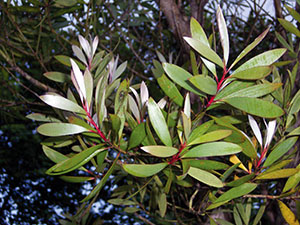
    Niaouli essential oil is extracted from the leaves of the paperbark tree, which is widespread in New Caledonia and Madagascar. The antibiotic properties of this tree have been long known to the natives of these regions, who used them to disinfect water. 

    Niaouli oil is distilled from the fresh leaves and twigs of the paperbark tree.

    Niaouli essential oil is a very powerful natural antibiotic against numerous bacteria (including Staphylococcus aureus and the streptococci responsible for scarlet fever and acute articular rheumatism) and against most viruses and fungi. It is therefore an excellent antibacterial, antiviral, and antifungal. To a lesser extent, it is also active against parasites like the plasmodium that is responsible for malaria.

    This essential oil’s spheres of activity are the respiratory tract, the digestive tract, and the genital and urinary domains. Diluted in a little sweet almond oil, it is effective against skin infections.

    Dosage:

    Oral: Take 2 to 4 drops, three to five times a day, diluted in 1 teaspoon of honey or dispersant 

    Topical: Dilute 5 to 10 drops in 1 teaspoon of sweet almond oil for use as an ointment.

    A Natural Anti-Viral: Ravintsara (Cinnamomum camphora)

    Cinnamomum camphora,commonly known as the camphor tree, is native to China, Japan, and Taiwan, and has been introduced to many other countries. The oil extracted from the Cinnamomum camphora that grows in Madagascar is known as ravintsara. This is the medicine of the Malagasy, who have long known of the medicinal properties of the tree’s leaves and have benefited from using them to treat a vast number of health problems.

    Ravintsara essential oil is rich in 1,8-cineole and alpha-terpineol. It is an extremely powerful antiviral with a broad spectrum of action. This spectrum is, in fact, so broad that ravintsara essential oil is recommended for all viral afflictions: herpes, hepatitis, viral enteritis, chickenpox, and more. It is especially effective against the flu virus (whether used to prevent it or heal it), shingles, and infectious mononucleosis. In addition to its antiviral activities, ravintsara essential oil is also an effective antibacterial and has both antifungal and antiparasitic effects. Its spheres of operation are primarily the respiratory tract, the digestive tract, and the skin.

    Ravintsara essential oil has no caustic effects and so can be used neat (undiluted) on the skin.

    Dosage:

    Oral: Take 3 to 5 drops, three times a day, in 1 teaspoon of honey or dispersant.

    Topical: For massages or ointments, use 3 to 5 undiluted drops; for baths, add 10 to 15 drops to the bathwater.

    Note: Don’t confuse ravintsara with ravensara (Ravensara aromatica)

    The Mother Tincture of Purple Coneflower (Echinacea purpurea)

    Echinacea owes its effectiveness to its combination of antibiotic and immune-stimulating properties. Its enzymes destroy the enzymes that bacteria release to weaken the cellular membranes of their host cells. The bacteria must therefore remain outside the cells to carry out their harmful activities, and there they are destroyed by the macrophages whose production and activity are strongly increased by the immune-stimulating properties of echinacea.

    The activity of macrophages – which consists of swallowing and then destroying invaders – is a nonspecific defence system. It works against bacteria as well as viruses, fungi, and parasites. Echinacea therefore has an extremely broad spectrum of action, which makes it useful against all infections, wherever they may be located. Because of its completely innocuous nature, it is recommended for use by everyone, including children and the elderly.

    Mother tincture of echinacea offers a simple and effective means of using this medicinal plant. Small doses ingested several times a day (five or six times, for example) have been shown to be more effective than a higher dose taken one time. In long-term treatments (to address chronic infection or flu prevention, for example), echinacea’s immune-stimulating actions are more effective if it is taken in courses with a pause between them. For example, you might take echinacea for two weeks, then pause for one week, then repeat.

    Dosage:

    Oral: Take 20 to 30 drops of the MT, in a little water, three to five times a day. For acute disorders, take 20 drops every two hours during the first two days, and then start taking the normal dosage.

    Topical: Try gargling with echinacea MT to treat an infection of the throat, teeth, or mouth (canker sores); dilute 30 to 50 drops in a glass of lukewarm water and gargle. The same dosage can be applied to cotton padding for a compress to treat infections in wounds, bites, boils, abscesses, and so forth.

    To learn more, obtain a copy of Christopher Vasey’s book Natural Antibiotics and Antivirals: 18 Infection-Fighting Herbs and Essential Oils.

    [alert type=”general” dismiss=”no”]This article was published in New Dawn 184.[/alert]

    [alert type=”success” dismiss=”no”]If you appreciate this article, please consider subscribing to help maintain this website.[/alert]

    © New Dawn Magazine and the respective author.
    For our reproduction notice, click here.