New Dawn – World's Most Unusual Magazine

Category: Health/Wellness

  • Getting Serious with Spiritual Practices in an Age of Crisis

    Getting Serious with Spiritual Practices in an Age of Crisis

    From New Dawn 181 (Jul-Aug 2020)

    Over the years, I have used a variety of contemplative practices in combination to achieve specific spiritual outcomes. These practices eventually became ritualised into cyclical patterns in which the stage was set for some surprising results. 

    For almost two decades, I became fascinated with the idea that we are living in a computer simulation but I couldn’t wrap my head around that concept because it didn’t fit with the near-death-experience studies of how the soul transitions into the afterlife. To gain a better understanding of what I was dealing with, I put together a set of contemplative practices to give me insight into this phenomenon. I used mindfulness meditation, the mantra sound āh as well as visualising and dialoguing with inner images of spiritual masters from both Western and Buddhist traditions to create a ritual. To help anchor and entrain this experience in my mind, I used Theta music sounds. Entrainment enabled my mind to reproduce the Theta frequencies within the ritual practice.

    Intermittently, I had been working with these specific ritual practices throughout the years eager to find some resolution, but none emerged. About a year ago, I set aside a few months devoted to this practice hoping for insight; still nothing. I then changed the routine – one day mindfulness meditation and the next the ritual practice – but still nothing, so I thought. Then a few weeks later while practising only mindfulness meditation, I found myself in an unusual reality, not knowing if it was related to my computer simulation quest.

    What emerged was a stunning inner vision. I found myself looking at a small open gate made of shiny sparkling gold. I saw beyond the gate a pathway meandering through a landscape of beautiful colours made up of various shades of blues, reds and yellow flowers, beautiful grasses and trees made up of various shades of green. I was looking out of my eyes at this beautiful scene and decided that since the gate was open I would walk through. Once across the threshold, I found myself in a world hard to describe! Those beautiful colours of blues, reds, yellows, and greens were now vibrant shimmering brilliant colours. I have never seen anything so beautiful. 

    It suddenly dawned on me, if I walked further into this beautiful landscape, I would not return to ordinary reality. I gently backed out and crossed the threshold. Once on this side of the gate, the colours muted and the brilliance was gone. Then, suddenly, my timer went off and I moved out of mindfulness meditation and back into ordinary reality. The experience deeply puzzled me, and I wondered why it happened in mindfulness meditation rather than ritual state, and what it meant in regard to what I was pursuing.  

    Two weeks later, I decided to use insight meditation and go back to the gate. In the meditation, it was hard focusing my awareness back to the gate, but once there I found a new problem – the gate was closed. Not only was the gate closed but it had a dull gold finish and the brilliant colours of the flowers, grass and trees on the other side were also dull. “Why is it now different,” I asked myself. Since that experience, I have made three more inner journeys back to the gate and in all three, the gate remains closed. This raised questions such as, “Why am I now locked out”? and “Why was I trapped on this side of the gate”? 

    Throughout the oncoming months, I puzzled over this inner vision trying to understand its meaning. It all came together with my second vision which was prophetic. It began on 13 August 2019 when I read an article in the British newspaper The Telegraph on DNA bioweapons. These weapons could potentially target specific individuals and groups. I had read similar reports before, but this time something different happened. While reading the article online, I lost it! Something radically shifted inside me. In my inner vision, I saw thousands of people dying from these bioweapons. I panicked, feeling trapped in a new world I didn’t want to be part of. I tried to run but to where? I thought of Canada, the mountains, some island, where I could be safe. My spouse and a friend tried to calm me, but to no avail, I was trapped. For three weeks, I had constant visions flooding my mind of mass deaths and every part of my mind was filled with profound darkness and gloom, watching people dying from these biological agents. I have never had an experience like this before. 

    Trying to gain some composure, I reached out to one of the editors at New Dawn magazine, asking if they had published any articles on bioweapons. The tenor of the email I sent New Dawn was one of panic because I was still seeing the death visions in my mind. I discovered they had published an article on the topic. Once I got the email response, I closed my computer for over a week trying to deal with these constant dark visions of mass death. During that week, my contact at New Dawn sent three very consoling emails.
    After three weeks, the visions slowly lessened, giving me the chance to attempt to process what happened. For the first time, I connected the vision of the golden gate with the mass death vision. In the golden gate vision, I felt trapped on this side of the gate because the gate remained closed. In the mass death vision, I felt trapped in a dark world I could not escape. At the time, I could not understand what all this meant. Then, in April 2020, after meditating, it all came together – these were visions of what was to come, the COVID-19 pandemic. I saw it all on 13 August 2019! 

    Currently, we do not know if COVID-19 was scientifically created in a lab as a bioweapon. If that’s not the case, then it was probably made in the environmental lab of the earth from pollution, or could have come from outer space hitching a ride on a spacecraft returning to earth from the international space station, or transmitted from animals that have these novel viruses. It appears these visions were triggered by contemplative practices which enabling me to see a dark gloomy future, the one we all globally experienced.      

    Components of Contemplative Practices and Lifestyle

    When I first began putting together a contemplative lifestyle, I used the Trappist (Cistercian), Tibetan Buddhist and Hindu monastic (ashrams) daily practices as a loose model. This model included working in the everyday world, contemplation, meditations, mindfulness, silence, solitude, spiritual retreats, study to enhance spiritual growth, simplicity, and service to others. I added these activities one at a time until I had a complete regimen. Some activities I used daily, some weekly, some monthly, some quarterly, and some yearly such as retreats. 

    As we enter this new age of mass deaths from biological agents, these contemplative practices are essential to our emotional, mental, and spiritual health, and provide insights into our lives. 

    If you are a monk living in a community, your daily regimen is set. However, most of us, including myself, live in the secular world and need to create our own personal contemplative routine. I felt that the most important activities for a spiritual lifestyle was to begin with contemplation and meditation practices because I was already using some of them. Contemplation, which includes contemplative prayer and various forms of meditations, are used to alter one’s consciousness to bring oneself into the present moment, as well as focusing and visualising on specific spiritual icons and images. By being in the present moment, a person can explore their inner landscapes; in my case, opening a portal to prophetic visions. 

    Mindfulness eventually emerges from various forms of contemplation and meditation. I learned early on that contemplating sacred images and using various forms of meditation put me in contact with the present moment. I attuned to minute details in the present moment, allowing me to focus exclusively on the task at hand, bringing me into the here and now.  

    Contemplation, meditation and being mindful is wrapped in a cocoon of silence. Silence allows one to disconnect from the outer world of distractions. It facilitates an inner exploration by gaining insights into one’s inner world – we learn to know ourselves. As with insight meditation, silence allows us to observe thoughts coming into our awareness without the disruption of external sounds. 

    With silence comes solitude and with solitude comes spiritual retreat. Silence enhances contemplation, meditation and mindfulness, setting the stage for solitude. Solitude can be practised without going on a spiritual retreat. The best option is to create a personal retreat by isolating yourself for a weekend in your home. In a pandemic lockdown, isolating oneself should be easy if you are alone, but with a family this could be difficult. Solitude enables you to listen and experience the inner presence, that deep connection with your soul, what I experienced with the visions. 

    A contemplative lifestyle also includes a study regimen to enhance spiritual growth. I studied the world’s contemplative traditions and religions, and the individuals within those traditions who created new spiritual practices. This information helped me compare where I was in my spiritual growth and where I was on my spiritual journey. I also used spiritual readings called Lectio Divina. Lectio Divina is a Benedictine contemplative practice incorporating spiritual reading, meditation and prayer which promotes spiritual communion and connection. 

    All these practices gave me perspective on what is important in life. I became aware that I own nothing. I’m only using things in this reality for a short period of time. I knew that shedding a lot of useless physical baggage and clutter, and living a life of simplicity, was the answer to many of my woes and distractions. Besides, in our present situation, human lives are more important than the useless baggage we throw away.

    It goes without saying, that if one cultivates a contemplative lifestyle, one finds themselves in service to others, which happened with people helping those during the COVID-19 pandemic. I have been in service to others throughout my life beginning as a child, helping family and neighbours as well as others in my community who were in need. When I was a psychotherapist, I set aside a certain amount of time to see clients in need at no cost or at a very reduced fee. As a priest, I help others specifically in spiritual development and tutor students on the college level at no cost. Being in service to others not only feeds our spirituality but our humanness as well. 

    The Tree of Contemplative Practices 

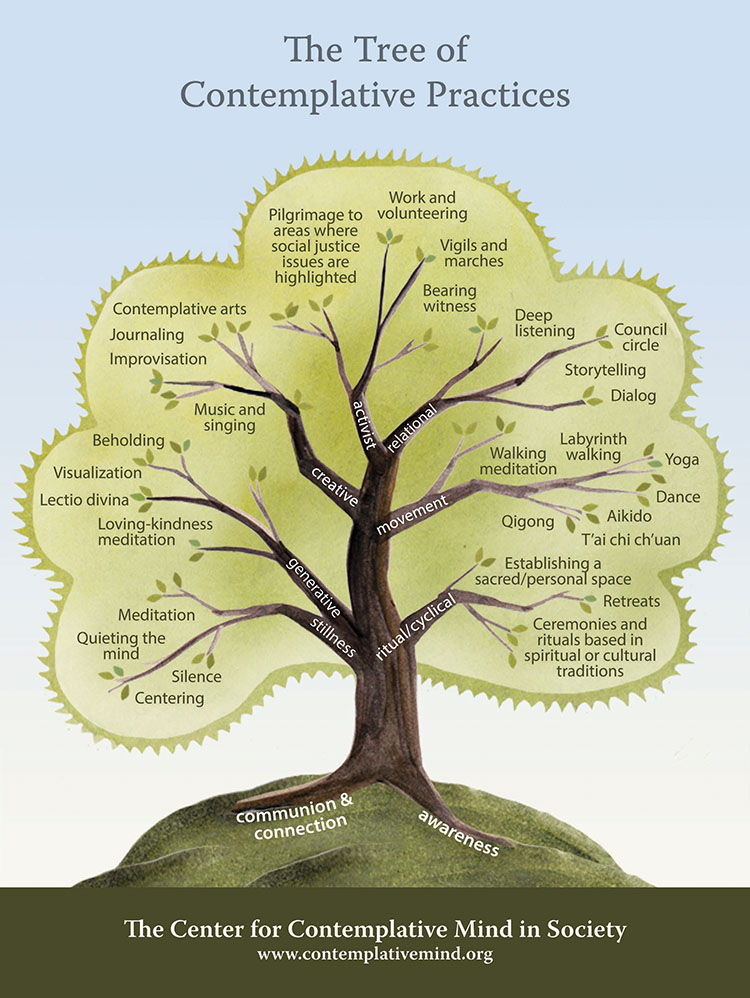
    In this time of global crisis, where does one begin? The Tree of Contemplative Practices (issued by US-based Center for Contemplative Mind in Society), offers a sampling of some of the practices used the world over. In reference to the above illustration, there are two roots feeding the tree – communion/connection and awareness – which symbolise the various contemplative practices from the world’s wisdom traditions as well as those created in the secular world. 

    Throughout my life, I have engaged in at least one of the practices in each category, beginning in childhood with storytelling. I can attest that each practice focuses the practitioner’s attention on the here and now as we must be aware of what we are doing in the present moment for the practices to work. 

    The branches on the Tree signify seven categories of contemplative practices: 

    Stillness Practices are used to quiet the mind and body to create calmness and focus, and they include contemplation, meditation, quieting the mind, silence, and centring. 

    Generative Practices produces thoughts and feelings of devotion and compassion and includeLectio Divina, visualisation, beholding, and loving-kindness meditations. 

    Creative Practices are activities that begin with inner fermentation and move into outer manifestation in the exploration, development, expression and interactions with our creative potential as well as our humanness resulting in a deep sense of fulfilment, and include contemplative arts, improvisation, journaling, music and singing. 

    Activist Practices are in service to others and include pilgrimages to areas where social justice issues are highlighted, work and volunteering, vigils, marches, and bearing witness. 

    Relational Practicesfocus on the interaction with others and include council circles as in Native American and other indigenous cultures, dialogue with deep listening and storytelling. 

    Movement Practices are actively focused practices that brings one into the moment through physical actions, and they include labyrinth walking as in many monasteries, walking meditation, yoga, dance, Qigong, Aikido, and Tai Chi Chu’an. 

    Ritual/Cyclical Practices focus on specific intentional routines that brings one’s attention and awareness into the here and now by altering consciousness through various rituals connecting us to the deepest parts of our spirituality. They include symbolic ceremonies and rituals based on replaying mythical stories from spiritual and cultural traditions, establishing a sacred/personal space and spiritual retreats.

    This is only a sampling of contemplative practices as there are many more, for example, eating meditation, contemplative walks, gardening, and chanting. All these practices are intended to cultivate awareness, wisdom and being in the present moment. These practices can help relieve the anger, tension, and desperation that one may feel when coping with crises such as the COVID-19 pandemic. 
    © The Center for Contemplative Mind in Society. Concept & design by Maia Duerr; illustration by Carrie Bergman. Permission to use given by The Center for Contemplative Mind in Society.

    Developing a Contemplative Lifestyle in the Age of COVID-19

    One of the key objectives when developing a contemplative lifestyle is commitment. Commitment to making major modifications in one’s spiritual journey by changing the habitual patterns that keep us locked in a destructive mindset. These habitual patterns often divorce us from our humanness, and we became mediocre and lifeless. By helping others, we move away from the mundane and reconnect with ourselves and those we love. Once we set ourselves apart for a short period of time to unplug from the distractions of everyday life, we commune on a vastly different level. The practices that we incorporate into our contemplative routines are those we commit to observing daily, and this commitment allows us to help others. Commitment is extremely important!

    If one does not currently use contemplative practices, select at least one from the Tree of Contemplative Practices and learn to use it by yourself through readings or with the help of a teacher. I suggest starting with a stillness practice such as contemplation or meditation because these practices centre a person and bring them into the moment – and being in the moment is that state of mindfulness which allows us to think more clearly. 

    You may then go on to add another practice such as silence. With silence, one becomes aware of the small gradation in thoughts and a deep awareness of one’s spiritual core – the soul. 

    In all contemplative traditions, simplicity is the key to happiness. Without simplicity, we are caught in the cluttered web of meaningless materialistic consumption that never makes us happy. True happiness comes from simplicity because it unclutters our mind so we can think of more important things such as our connections with each other. Being in service to others allows our humility and compassion to grow and can give meaning and purpose to our lives. 
    All the years I engaged in contemplative practices, beginning in high school with the study of Thomas Merton and later joining the Rosicrucian Order, all those practices helped open a prophetic portal in myself. The one thing I now know that I did not know before is I have visionary insight. I had two prophetic visions which I did not understand at the time. With hindsight, I know our world was caught in the grip of a new biological threat coupled with the other threats we currently face. My extra burden is that I had these prophetic visions and did not understand them at the time – in a sense I knew what was coming – a situation I now have to grapple with. 

    In this age of crises and sudden threats such as COVID-19, contemplative practices are truly an effective panacea to help us cope with anger, frustration, and fear of an uncertain future. Mindfulness meditation, in particular, can calm us and create a solid foundation for connecting with each other. I cannot guarantee you will have a prophetic visionary experience as I did, but as I look to the future, one question haunts me, “Is this the shape of things to come?” 

    [alert type=”general” dismiss=”no”]This article was published in New Dawn 181.[/alert]

    [alert type=”success” dismiss=”no”]If you appreciate this article, please consider subscribing to help maintain this website.[/alert]

    © New Dawn Magazine and the respective author.
    For our reproduction notice, click here.
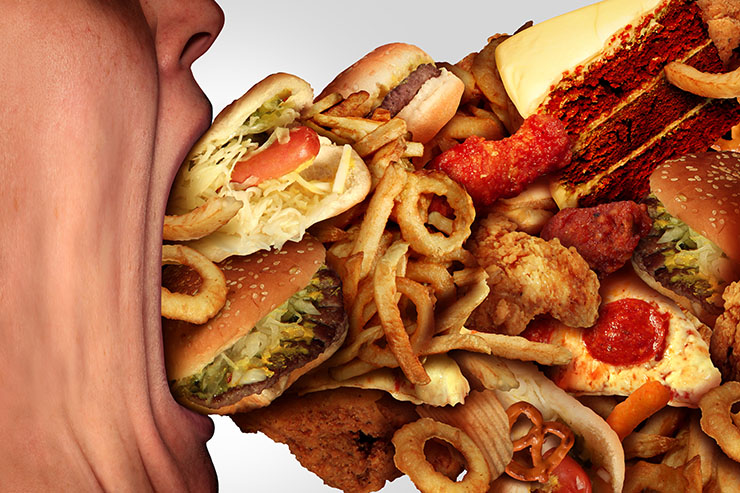
  • Obesity Machine: How the Processed Food Industry Profits From Eating Disorders

    Obesity Machine: How the Processed Food Industry Profits From Eating Disorders

    From New Dawn Special Issue Vol 15 No 2 (Apr 2021)

    Scientists, politicians, media, and health professionals note that Western countries face obesity and fatness epidemics. Large numbers of poor, malnourished children are obese because the cheap, processed, low-nutrient food bought by their parents – bread, cereals, snacks, etc. – contains high concentrations of sugars. 

    In addition to the systemic factors explored below, there are darker, more secretive reasons for our addiction to what the late philosopher-comedian George Carlin called “slow death by fast food.” But it is not just fast food. To save money on raw materials, sell innovation to other companies, and hook consumers onto their products, food giants have developed intricate supply lines for big firms like McDonald’s and PepsiCo. Using sophisticated design techniques based on the biology of pleasure and addiction, they have contributed to ill-health. 

    Obesity Epidemic

    Obesity can cause serious health problems that lower life-quality, shorten it, and frequently lead to hospitalisation. Cushing’s disease (excess cortisol), polycystic ovary syndrome, and other ailments can cause obesity, as can depression. Usually, however, pathologies are caused by obesity. Typically, obesity results from the individual’s overeating, choice of foods, and lack of exercise. In most cases, obesity and weight gain do not appear to be solvable by the individual. Data suggest that most people who diet and exercise cannot lose weight and sustain their weight loss. Rather, weight-loss is typically achieved by a holistic change-of-life approach, not by dieting and exercising alone. This is partly because the system makes people revert to their old, sedentary lifestyles and partly because they are addicted to bad food. Only a comparatively small number of people can sustain weight loss without changing their approach to life and food. Obesity can cause, contribute to, or worsen cancer, coronary heart disease, gallbladder disease, high blood pressure, low-density lipoprotein cholesterol, sleep apnoea, and type-2 diabetes.

    Systemic reasons for the obesity crisis include the unconscious, evolutionary flaw that makes people eat more than they need to in case they cannot eat again for a while. In nature, food can be scarce. In our artificial societies, it is abundant. Our brains developed to overeat in case of scarcity. Anthropologists note that once humans developed settled agriculture 10,000 years ago, obesity became a problem for the first time. 

    A related issue is that the human body is built for hunting and gathering. We are “born to run,” as anthropologists put it, yet modernity enforces sedentary living: the bus or car to work, sitting at a desk for most of the day, watching TV in exhaustion in the evening. Our intestines are now excessively long because our ancestors used to eat raw foods that took longer to digest. High-nutrient, fat-burning raw food diets are a niche, not the norm. The system has separated us from our environment: biodiversity is replaced by fields for monoculture, the nutrients in soils are depleted along with the pesticides and transport time, and the shelf-life of food lessens its nutritional quality. Work exhausts people and processed ready-meals are cheap. Corporate branding brainwashes us into reaching for high-sugar treats.

    The epidemic of fatness and obesity has many consequences. Typically, overweight people are less happy and live shorter, unhealthy lives compared to thinner people. Morbidities including diabetes, heart disease, strokes, high blood pressure, and excess cholesterol often combine to make individuals more susceptible to death and injury from bacteria and viruses, including SARS-CoV-2.

    The World Health Organization defines overweight and obese as excess fat accumulation relative to body mass index (BMI): “a person’s weight in kilograms divided by the square of [their] height in meters (kg/m2).” Overweight is BMI greater than or equal to 25 and obese 30. Globally, obesity relative to population increase has tripled since the 1970s. Nearly 2 billion adults are overweight and 650 million are obese. Relative to population size, the fattest populations on Earth tend to live on small islands: American Samoa, the Cook Islands, Kiribati, the Marshall Islands, Nauru, Palau, Samoa, Tokelau, and Tonga. 

    In Australia, nearly 70 per cent of adults are overweight: around half of whom are obese. Obesity is more common in older people. Poverty is a factor. Poor people are up to 40 per cent more likely to be obese than their wealthier counterparts. In the UK, nearly 70 per cent of men and 60 per cent of women are overweight. Of those, a quarter of men and a third of women are obese. Each year, around 800,000 British people are hospitalised with weight-related ailments: over 10,000 of which are directly related to obesity. Prevalence of obesity tends to be higher in the Midlands and in the Northeast of England around Durham, Hull, Lincolnshire, and Yorkshire. These areas correlate to deprivation and poverty. On average, over 50 per cent of Europeans are overweight or obese, with numbers varying from country to country: e.g., 36 per cent in Italy and 54 per cent in the Netherlands. 

    In the US, over 70 per cent of adults are overweight, of whom 42 per cent are obese. Twenty per cent of American children are obese. Areas in the US with the highest numbers of overweight and obese people include Memphis (TN), Shreveport (LA), Carmel (IN), Jackson (MS), and San Antonio (TX). These areas also correlate with high levels of poverty. 

    The most overweight countries in Asia are Malaysia (15 per cent obese), Brunei (14 per cent), Thailand (10 per cent), Indonesia (7 per cent), and the Philippines (6.5 per cent). Being in the top-five economies by GDP, Japan is a good country to compare with other so-called developed countries with big economies and high levels of poverty, such as European giants and the USA. Epidemiologists point to Japan’s traditional dietary habits as a reason for its comparatively low rate of obesity: 4 per cent compared to America’s 42 per cent. The Japanese consumption of fish, vegetables, and soybean products instead of dairy, fat, and meat is one explanation. 

    What’s On Your Plate?

    When it comes to contributing to fatness and obesity, the usual suspects include food and beverage corporations whose products are loaded with bad fats, salt, and sugar: Burger King, Kellogg’s, KFC, McDonald’s, PepsiCo, and other big brands. 

    PepsiCo is worth $204bn and sells numerous brands. Crisps and potato chip brands include Cheetos, Doritos, Lay’s (Walkers in the UK), and Ruffles. Beverages include Aquafina bottled water, Mirinda fizzy orange, Mountain Dew, Pepsi, and Tropicana fruit drinks. Twenty-two such brands generate $1 billion a year for the company. Billions of people across 200 countries consume these for lunch at work, dinner at home, at parties, and when walking or shopping. PepsiCo spends over $2bn per annum on advertising. The cereal producer, Kellogg’s, owns the cracker brand Austin, the Nutrigrain bar, the crisps Pringles, and a number of sweet and savoury breakfast cereals including All-Bran, Coco Pops, Cornflakes, Crunchy Nut, Froot Loops, and Frosted Flakes. These and other products make Kellogg’s a $22bn company. 

    The Swiss firm Nestlé is worth $313bn. In addition to instant coffee, its products include baby food (Cerelac, Gerber, and NaturNes), bottle water (Perrier and S.Pellegrino), cereals (Cheerios, Fitness and Lion), confectionary (Aero, KitKat and Quality Street), instant meals (Buitoni pasta, Lean Cuisine diet and Stouffer’s frozen), and ice cream (Dreyer’s, Extrême and Häagen-Dazs). The company’s bottled water industry is worth $7bn a year. In 2005, Nestlé’s then-CEO, Peter Brabeck-Letmathe, said that many people think that, “as a human being you should have a right to water. That’s an extreme solution.” He added: “The other view says that water is a foodstuff like any other, and like any other foodstuff it should have a market value.” He concluded: “I believe it’s better to give a foodstuff a value.”

    Globally, the baby formula industry is worth $11bn, including Nestlé’s products. Beginning in the 1970s, Nestlé targeted uneducated women in Africa and Latin America with marketing that led them to believe that artificially produced “scientific” baby milk formulae was more nourishing for their infants than breast milk. They also marketed their products as an example of social mobility, appealing to mothers’ yearning to escape absolute poverty. Nestlé hired women to play “nurses” who would call unexpectedly on mothers to sell them their formula. The fake nurses also told the mothers lies about how their natural milk would dry and that they’d be unable to feed their children. Dr Stephen Joseph of the pro-corporate US Agency for International Development said that baby formula killed a million children a year by depriving them of nutrition. It also led to stunted growth and brain damage among survivors. 

    These and other corporations use all manner of modified products in their foods. Sugar is a soluble carbohydrate that comes in several basic forms: galactose (found in a variety of products, including dairy), glucose (plant sugar), fructose (fruit sugar), and sucrose (cane sugar, a.k.a., granulated, regular, table). Added sugar is present in over 70 per cent of processed foods, including savoury products like bran cereals, bread, juice, and yoghurts. In the US, the Food and Drug Administration requires companies to list sugar in their ingredients. But companies use a loophole to disguise sugar as corn syrup, dextrose, fructose, maltose, rice syrup, and sucrose. Government corn subsidies in the 1970s gave food producers an abundance of cheap corn which they synthesised into an unhealthy, cost-saving replacement for natural sugars.

    Starch is the carbohydrate used by plants for energy storage. Corn syrup (also known as glucose syrup) is starch converted to sugar. The process was invented by the chemist Gottlieb Kirchhoff in 1812. Today, most corn syrup is procured from No. 2 yellow dent corn, first grown in the US in 1846. Corn syrup is used as a thickener and as a cheaper alternative to cane sugar. High fructose corn syrup is commonly added to crackers, fizzy drinks, ready-meals, salad dressing, and sweetened juices. Caused by non-alcoholic fatty-liver disease, hepatocellular carcinoma is the most common type of liver cancer. Fructose has toxic effects on the liver, including increasing the production of fatty acid, insulin resistance, and oxidative stress. Fizzy drinks can raise bodily glucose, fructose, and insulin levels within 15 minutes of consumption. The body tries to convert fructose metabolism to glucose. In addition, the high concentrations of corn syrup in fizzy drinks contribute to type-2 diabetes.

    Monosodium glutamate (MSG, a.k.a., sodium glutamate) is a natural salt in a variety of foods. Today, it is used as a synthetic flavour enhancer. In 1908, the chemist Kikunae Ikeda isolated brown crystals of glutamic acid, leading the way for the artificial production of MSG. MSG is present in crisps, dressings, fast foods, processed soups, and seasonings. Clinical studies compared hundreds of middle-aged to elderly people who have the same caloric intake and take the same amount of exercise. They found that those who have a high concentration of MSG in their diets tend to be susceptible to weight gain and obesity compared to those who eat little MSG. 

    So-called “trans fats” are emulsifiers: food additives that prolong shelf-life. They are produced naturally in dairy products, but they also occur when food manufacturers add hydrogen to vegetable oil (hydrogenated oil), which converts liquid into solid fats. Trans fats raise the level of low-density lipoprotein (LDL) cholesterol in the blood. Elevated levels of LDL do not easily dissolve and can increase the risk of Alzheimer’s, artery disease, heart attack, infertility, stroke, and type-2 diabetes. Collectively, trans fats constitute partially-hydrogenated oils, which the US Food and Drug Administration labelled unsafe in 2015. But trans fats are still found in processed bread, cakes, fast foods, margarine, pastries, snacks, and vegetable oils.

    The Giants

    It is easy to point the finger at McDonald’s, PepsiCo and the like, but from which companies do they acquire their modified additives? Kellogg’s, Nestlé, etc. typically purchase their flavour- and shelf-life-enhancing additives from other firms about which few people have heard. Enter the supply kingpins. 

    By 2020, the top ten global food companies and their values (in US dollars) included Cargill ($113.5bn), Archer Daniels Midland (ADM, $64.65bn), Sysco ($60bn), JBS ($51.7bn), and George Weston ($50bn). Scientists at these companies have spent decades perfecting the micro components of their foods to enhance flavour and addictiveness. The packaged products are then sold to food sellers, like KFC, whose scientists find innovative ways to synthesise them into their products. 

    Writing against these practices, Dr Steven Witherly developed a Food-Pleasure equation which posits that humans are addicted to junk food in part because Sensation (including taste like salt (MSG), smell, texture, and variety) are augmented by Caloric Stimulation (with proteins like gluteomorphins (gluten found in breads and cereals, etc.) and carbohydrates such as sugar, starch, and fat (including trans fats)). The stomach and small intestines contain receptors including mechanoreceptors and chemoreceptors, the latter are stimulated by amino acids, carbohydrates, and lipids. Using Doritos as an example, Witherly applies the equation and notes that the potato chip’s shape, dusty coating, combination of sugar and salt, plus high-fat saturation stimulate the consumer’s pleasure whilst increasing the amount of gut hormones that reduce anxiety. The same formula applies to KFC and other brands. 

    Cargill supplies many of the big food companies including KFC, McDonald’s, and PepsiCo. It sells 40 types of salt to food producers: flaked, ground, pulverised, smashed, and more. For instance, when popcorn producers buy from Cargill, they expect the shape of the salt to cling to every part of the textured popcorn kernel. Cheese and meat manufacturers buy Cargill salt because they want the ingredient to be as textureless as possible. In some products, a “flavour burst” is produced by processing the salt into micro-pyramid shapes. 

    In addition to allegedly making consumers addicted, Cargill has developed a shocking environmental and human rights record. In 2019, former US Congressman Henry A. Waxman’s Mighty Earth NGO infamously described Cargill as “the worst company in the world.” The company was founded in 1865 by the US businessman William Wallace Cargill whose descendants remain the controlling shareholders in the business. The original company was a grain-storage house in the frontier towns of Iowa. By the 1920s, operations had expanded to Italy and Canada. In 1938, it was banned from the Chicago Board of Trade for influencing grain prices. Today, Cargill employs 155,000 people in 70 countries and owns more than 60 subsidiaries. In addition to meats, oils, and salts, products include animal feed, bio-industrial, food ingredients, and proteins.

    Founded in 1902, ADM provides products and services including animal feed, drinks, fuel, and industrial chemicals. It owns hundreds of subsidiaries worldwide include agro-investment firms, holding companies, trading partnerships, processing plants, and chemical manufactures. It brags: “We transform natural products into a complete portfolio of ingredients and flavours for foods and beverages, supplements, nutrition for pets and livestock and more.” ADM has at least “27 customer innovation centres in 21 different countries and a team of 400 food scientists.” ADM’s acidulants are used for flavour, colour, and moisture control. They include drums of citric acid (“non-GMO options available”), Citrisol® 501 to prevent off-colouration, sodium citrate dihydrate powders for emulsification, and potassium citrate for preservation. ADM supplies companies including Kellogg’s and PepsiCo.

    Fake Food

    “Sustainability” is the new buzzword among corporate conglomerates that have spent years ruining the Earth. Over the last few decades, food giants have merged to create mega-corporations, with many processed food suppliers like Tyson investing in smaller, organic firms. In the name of sustainability, they have a revolving door system, where the former CEO of one company joins the board of another. Advisory sessions are another feature. In September 2020, for instance, Ray Young, ADM’s Chief Financial Officer, shared a roundtable with, among others, Amy Senter, Vice President of Global Sustainability at Kellogg’s. The agenda included modifying food production in the name of greening up. 

    Recently, the multimillion-dollar asset manager, John Hancock Life Insurance, which owns tracts in Australia and Canada, sold land in the Columbia River Basin in the upper west of the USA to an anonymous investor, who journalists found out was the centibillionaire Bill Gates. The Basin contains unusually rich and tillable soil. The deal made Gates the biggest landowner in the US. Given his open support for genetically-modified organisms, it is possible that Gates will use the land to grow GMO crops. In addition, public money was used by NASA to develop fungus proteins. Using the technology, the company Nature’s Fynd developed a meat-free burger with proteins grown in the public Yellowstone National Park. The company raised $80 million from former US Vice President Al Gore’s Generation Investment Management and from Bill Gates’s Breakthrough Energy Ventures. 

    The solution to the crisis of fake food, GMOs, and addictive substances is to eat as little processed food as possible. Grocery stores have, over the last few decades, expanded their range of dairy-, gluten-, and GMO-free products to include organic foods. Support independent local health food shops and visit farmer’s markets. Social media is full of free, on-demand amateur and professional chefs who teach us how to cook healthy foods from scratch. Where possible, food can be grown in gardens and even in pots on windowsills and balconies, or if you haven’t a garden on an allotment, check for growers’ associations and local community gardens. Self-reliance and group-cultivation is great exercise, fresh air, and key to defeating fattening, poisonous, processed foods. 

    [alert type=”general” dismiss=”no”]This article was published in New Dawn Special Issue Vol 15 No 2.[/alert]

    [alert type=”success” dismiss=”no”]If you appreciate this article, please consider subscribing to help maintain this website.[/alert]

    Footnotes

    1. Centers for Disease Control and Prevention (US), www.cdc.gov/obesity/adult/causes.html
    2. Ariana Chao (2014) Nursing Forum, 49(3): 189-99
    3. David Miles (2006) The Tribes of Britain, Weidenfeld and Nicolson
    4. Christopher McDougall (2009) Born to Run: A Hidden Tribe, Superathletes, and the Greatest Race the World Has Never Seen, Profile Books
    5. Open Access Government 14 August 2019, www.openaccessgovernment.org/office-workers-sitting-down/71612
    6. Karen Hardy et al. (2017) The Science of Nature, 104(2): https://link.springer.com/article/10.1007/s00114-016-1420-x
    7. Donald R. Davis, Melvin D. Epp and Hugh D. Riordan (2004) Journal of the American College of Nutrition, 23(6): 669-82
    8. World Health Organization, 1 April 2020, www.who.int/news-room/fact-sheets/detail/obesity-and-overweight
    9. Alice Murphy, The Who (Australia), 10 Jan 2019, www.who.com.au/the-worlds-top-ten-fattest-countries
    10. Australia Institute of Health and Welfare, 23 July 2020, www.aihw.gov.au/reports/australias-health/overweight-and-obesity
    11. Cate Burns, Victoria Health Promotion Foundation, April 2004, www.vichealth.vic.gov.au/~/media/ResourceCentre/PublicationsandResources/healthy%20eating/Literature%20Review%20Poverty_Obesity_Food%20Insecurity.ashx
    12. National Health Service, Statistics on Obesity, Physical Activity and Diet, 5 May 2020, https://digital.nhs.uk/data-and-information/publications/statistical/statistics-on-obesity-physical-activity-and-diet/england-2020
    13. Graham Moon (2007) Social Science and Medicine, 65: 20-31 
    14. Save the Children quoted in Datablog, The Guardian, 23 February 2011, www.theguardian.com/news/datablog/2011/feb/23/child-poverty-britain-map
    15. Eurostat, 2014, https://ec.europa.eu/eurostat/statistics-explained/index.php/Overweight_and_obesity_-_BMI_statistics
    16. Centers for Disease Control and Prevention, National Center for Health Statistics, www.cdc.gov/nchs/fastats/obesity-overweight.htm
    17. Rochie Bernardo, WalletHub, https://web.archive.org/web/20160323054225/https://wallethub.com/edu/fattest-cities-in-america/10532
    18. PovertyUSA, www.povertyusa.org/data
    19. Molly Moore, Statista, 9 Nov 2020, www.statista.com/statistics/1179519/asean-obesity-prevalence-by-country
    20. GlobalData Healthcare, 28 Jan 2020, www.pharmaceutical-technology.com/comment/low-obesity-japan
    21. Trading Economics, https://tradingeconomics.com/pep:us:market-capitalization
    22. Sirsha Bhogaraju, Market Realist, 26 July 2020, https://marketrealist.com/2019/11/pepsico-a-must-know-overview-of-the-consumer-giant
    23. A. Guttmann, Statista, 12 August 2020, www.statista.com/statistics/286547/pepsico-advertising-spending-worldwide
    24. Kellogg Company, www.kelloggcompany.com/en_US/brandportfolio.html
    25. Sky News, 28 Sept 2017, https://uk.news.yahoo.com/kelloggs-boss-john-bryant-step-195800506.html
    26. Companies Market Cap, https://companiesmarketcap.com/nestle/marketcap
    27. Nestlé, www.nestle.com/aboutus/overview/ourbrands
    28. Quoted in Erwin Wagenhofer (2005) We Feed the World, Bullfrog Films
    29. Jill Krasny, Business Insider, 25 June 2012, www.businessinsider.com/personal-finance/nestles-infant-formula-scandal-2012-6#the-baby-killer-blew-the-lid-off-the-formula-industry-in-1974-1
    30. Darra Goldstein (2015) The Oxford Companion to Sugar and Sweets, Oxford University Press, 688 
    31. University of California San Francisco, http://sugarscience.ucsf.edu/hidden-in-plain-sight
    32. Hopkins Medicine, www.hopkinsmedicine.org/health/wellness-and-prevention/finding-the-hidden-sugar-in-the-foods-you-eat
    33. Tom Philpott, Mother Jones, 26 July 2020, www.motherjones.com/food/2019/07/the-secret-history-of-why-soda-companies-switched-from-sugar-to-high-fructose-corn-syrup
    34. Katherine Marengo, Medical News Today, 29 May 2019, www.medicalnewstoday.com/articles/325315
    35. Brittany Dewdney et al. (2020) Biomolecules, 10(4): 496
    36. Mary E. Patterson et al. (2018) Journal of Nutrition and Intermediary Metabolism, 14: 1-7
    37. Atsushi Yokota and Masato Ikeda (2011) Amino Acid Fermentation, Springer, p. v. 
    38. WebMD, www.webmd.com/diet/foods-high-in-msg
    39. ScienceDaily, 14 August 2008, www.sciencedaily.com/releases/2008/08/080813164638.htm
    40. Food and Drug Administration (US), www.fda.gov/food/food-additives-petitions/trans-fat
    41. WebMD, www.webmd.com/heart-disease/ldl-cholesterol-the-bad-cholesterol
    42. FDA, www.fda.gov/food/food-additives-petitions/final-determination-regarding-partially-hydrogenated-oils-removing-trans-fat
    43. Diabetes.co.uk, 15 Jan 2019, www.diabetes.co.uk/food/trans-fats.html
    44. Food Processing Technology, 6 Nov 2020, www.foodprocessing-technology.com/features/top-ten-food-companies-in-2020
    45. Steven A. Witherly (2007) Why Humans Like Junk Food: The Inside Story on Why You Like Your Favorite Foods, the Cuisine Secrets of Top Chefs, and How to Improve Your Own Cooking Without a Recipe!, iUniverse
    46. FoodIngredientsFirst.com, 17 May 2012, www.foodingredientsfirst.com/news/kfc-introduces-homegrown-canola-oil.html
    47. Cargill, 21 March 2016, www.cargill.com/story/cargill-and-mcdonalds-france-partner-with-french-poultry-farmers
    48. Cargill, 1 January 2015, www.cargill.com/history-story/en/THIRD-BAY-PEPSI.jsp
    49. Michael Moss (2013) Salt, Sugar, Fat: How the Food Giants Hooked Us, W.H. Allen, 286-87
    50. Mighty Earth (2019) The worst company in the world, www.mightyearth.org/wp-content/uploads/Mighty-Earth-Report-Cargill-The-Worst-Company-in-the-World-July-2019.pdf
    51. Banktrack, www.banktrack.org/company/cargill
    52. Neil Weinberg with Brandon Copple, Forbes, 25 Nov 2002, https://web.archive.org/web/20021115202802/https://www.forbes.com/forbes/2002/1125/158.html
    53. Cargill, www.cargill.com/about/company-overview
    54. Securities and Exchange Commission, 31 Dec 2018, www.sec.gov/Archives/edgar/data/7084/000000708419000012/adm-ex21_20181231x10k.htm
    55. ADM, www.adm.com/our-company
    56. ADM, www.adm.com/news/stories/adms-wright-named-a-woman-worth-watching-in-stem
    57. ADM, www.adm.com/products-services/food/acidulants
    58. ADM, www.adm.com
    59. Ibid. 
    60. Anna Wiber, Baking Business, 13 March 2018, www.bakingbusiness.com/articles/45738-how-general-mills-kellogg-keep-ingredient-supply-chains-transparent
    61. ADM, 6 May 2013, www.adm.com/news/news-releases/adm-cocoa-receives-supplier-of-the-year-award-from-pepsico-mexico
    62. Andy Coyne, 15 Dec 2017, www.just-food.com/analysis/2017-the-year-in-food-industry-ma_id138359.aspx
    63. ADM, 16 Sept 2020, www.adm.com/news/news-releases/adm-and-cdp-launch-climate-week-with-panel-on-esg-and-business-performance
    64. Eric OKeefe, “Bill Gates: America’s Top Farmland Owner,” Land Report, 11 Jan 2021, https://landreport.com/2021/01/bill-gates-americas-top-farmland-owner
    65. Katherine Davis, Business Journals, 16 Feb 2021, www.bizjournals.com/chicago/inno/stories/news/2021/02/16/bill-gates-backed-food-startup-reveals-products.html
    66. Jonathan Shieber, Techcrunch, 15 Feb 2020, https://techcrunch.com/2021/02/15/after-raising-150-million-in-equity-and-debt-natures-fynd-opens-its-fungus-food-for-pre-orders

    © New Dawn Magazine and the respective author.
    For our reproduction notice, click here.

  • Home Apothecary: Oils, Rocks & Fungi – What Did Your Nanna Have In Her Medicine Cabinet?

    Home Apothecary: Oils, Rocks & Fungi – What Did Your Nanna Have In Her Medicine Cabinet?

    From New Dawn Special Issue Vol 11 No 5 (Oct 2017)

    Natural substances that were once abundantly used for health and well-being are making a comeback today. All are easily and cheaply obtained from the local supermarket, chemist or hardware store. 

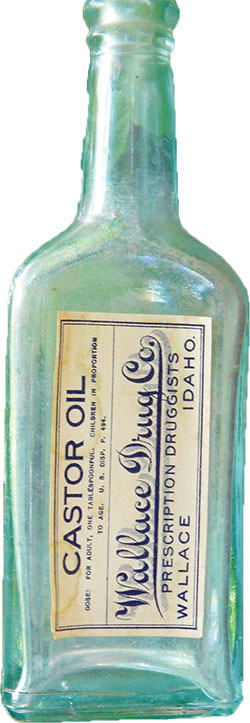
    Castor Oil

    Castor oil is derived from the castor bean plant, aka Palma Christie. It has been used since ancient Egyptian times and in many Ayurvedic medications. Castor oil supports the immune system as it contains a very dense source of ricinoleic acid (an unsaturated fatty acid), increases the count of T-11 cells (white blood cells) and boosts lymphocyte production. It helps detox by supporting the lymphatic system, increases blood circulation, and supports the digestive system while reducing viruses, bacteria, yeasts and moulds.

    Applied topically, castor oil can help ease pain while promoting the healing of internal organs. Edgar Cayce advocated the use of Castor Oil Packs – applying castor oil to painful areas with a heat source (specific instructions can be found at www.edgarcayce.org). Rub into the stomach for digestive disorders, on the kidneys for infection and pain, on the neck for lymphatic drainage or over the adrenal glands to fight fatigue. Its anti-inflammatory properties help ease joint pain by simply rubbing it into the joint and applying a hot water bottle.

    Castor oil kills toenail fungus within days and has been used with a pinch of baking soda to remove cysts, warts, corns and moles. Absorbed easily through the skin, it has also been known to dissolve internal cysts in the ovaries. It helps any skin inflammation, including acne, while also used as a beauty product to nourish the skin and hair (reduces dandruff and scalp infections).

    Taken internally, castor oil is a mild laxative and helps regulate hormone levels, such as estrogen. It has been used to lessen PMS and menopause symptoms while reducing fatigue, mood swings and depression. It should not be taken during pregnancy, as it can induce labour.

    Cod Liver Oil

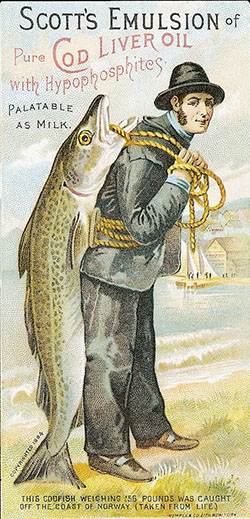
    This nutrient-dense source of vitamin A, vitamin D and omega-3 fatty acids has been a favourite of grandmas all over the world for general well-being. Oiling the ‘creaks’ from the inside, cod liver oil is an excellent anti-inflammatory. It plays an important role in maintaining cardiovascular, immune, reproductive, hormonal and neurological health.

    Cod liver oil has been reported to lower cholesterol and high blood pressure, treat depression and anxiety while reducing risks of heart disease, arthritis, autoimmune disease, kidney disease and eye disorders. Omega-3 fatty acids keep the brain sharp and are particularly helpful for children struggling at school. Cod liver oil has one of the richest sources of vitamin D and works with calcium to provide good bone health, prevent cancer, and vital for proper cognitive health.

    In inflammatory conditions such as arthritis, cod liver oil reduces swelling, stiffness and pain. Used during pregnancy and lactation, cod liver oil has helped produce healthier babies and been linked to higher brain development. As it nourishes the brain, cod liver oil has also been found helpful in preventing Alzheimer’s disease.

    Epsom Salt

    Epsom salt is a natural mineral compound of magnesium sulphate (MgSO4 – magnesium, sulphur and oxygen), three essential elements required for a healthy body. Magnesium and sulphur are readily absorbed through the skin, therefore taking an Epsom salt bath is the most beneficial way to ease tired muscles and release stress. Add one to two cupfuls of Epsom salt to your bath and soak for 20 minutes. Stress drains the body of magnesium and increases adrenaline levels. Absorbing the magnesium from Epsom salt lowers the effects of adrenaline, helps lower blood pressure, creates a relaxed feeling, improves sleep and concentration, reduces inflammation while helping muscles and nerves to function properly. Sulphates improve the absorption of nutrients, flush toxins from the body and help ease migraine headaches. A foot bath can also be beneficial – add ½ cup to a bowl of warm water.

    As magnesium and sulphur are essential to hundreds of bodily functions, Epsom salt can enhance your health in hundreds of ways: helps prevent the hardening of arteries and blood clots, makes insulin more efficient, enhances electrical impulses of the nerves, reduces muscles cramping and restless legs, relieves the symptoms of arthritis and gout. Taken internally, Epsom salt cleanses the colon, thus having a laxative effect. A few sprinkles can be added to your water bottle to sip throughout the day. 

    Caution: As Epsom salt detoxifies the body, you may feel drained of energy, dizzy or experience a healing crisis to begin with.

    Activated Charcoal

    Activated charcoal is the resulting medical-grade carbon made from slow burning wood. Charcoal adsorbs (rather than absorbs) toxins from the body by attracting them electrostatically. ¼ – 1 teaspoon in a glass of water is sufficient for most health problems, however, a tablespoon portion can be used as a first aid remedy for poisoning.

    Activated charcoal has been used internally to treat diarrhoea, IBS, stomach flu, bloating and gas, infections, body odour and for detoxing. Take two hours away from medications, as it may adsorb them. Also, drink lots of water to avoid constipation.

    Charcoal can be made into a poultice to draw out toxins from the skin. A poultice is useful for insect bites, food poisoning, pain, swelling, ovarian cysts, canker sores, tooth abscess and haemorrhoids. Gauze pouches or patches can be made to apply charcoal to the skin to draw out impurities, e.g. for leg ulcers, tea bags and sanitary pads have been used for this purpose.

    Baking Soda

    Baking soda, also known as sodium bicarbonate, is useful for alkalising the body. Too much acidity causes many illnesses that baking soda can help relieve. Mix ½ – 1 teaspoon of soda in a glass of water until fully dissolved; drink first thing in the morning. This can help with stomach issues, such as pain, gas, bloating and heartburn. Balancing the pH levels of the body aids kidney function which have difficulty processing acids. Take a ¼ teaspoon of soda in water half an hour after meals to avoid heartburn, indigestion and acid reflux (or take when the attack occurs).

    Sodium bicarbonate helps dissolve uric acid, the main cause of gout, and lactic acid that builds up with strenuous exercise to cause muscle pain. Baking soda is easily absorbed through the skin, therefore a foot bath for gout or full bath (add 1 cup) for aching muscles is beneficial. Baths can also help relieve itchy skin, shingles, insect bites and dermatitis, or mix a little soda with water to make a paste to apply directly onto the itchy area.

    If you are already eating an alkaline diet of fresh vegetables or drinking alkaline water, do not use bicarb as too much can alter the hydrochloric acid needed in the stomach for proper digestion; it’s about balancing the pH levels.

    Boron

    Borax is a naturally mined compound containing sodium, boron, oxygen and hydrogen. Boron is a trace mineral which has vital functions in the body. It has an alkalising effect and has been used to treat fungus, candida, ringworm, tinea, hormone imbalances, autoimmune disease, calcium deposits, bone spurs, osteoporosis and insomnia. Boron is an excellent healer of arthritis; there have been correlations made between low boron levels in the soil to high rates of arthritis, and vice versa, from all around the world. Boron is needed in the body for the proper absorption and functioning of calcium, magnesium and phosphorous – essential for healthy bones. It also helps memory and cognitive function.

    To make a borax tonic, add a heaping teaspoon to a litre of water as your base solution. Then take one teaspoon of this solution once or twice a day with food (provides about 30mg of borax / 3mg of boron per dose).1 Applied topically in a bath or poultice, borax can be used for skin irritations, fungal infections, nits and scalp problems; also on dogs to treat mange. 

    In Australia, Borax is considered toxic (about the same as table salt). Do not use in high doses or with children. Borax can be found in the laundry aisle of the supermarket or hardware store. For more information go to www.health-science-spirit.com/borax.htm

    Lectric Soda

    Lectric Soda, soda crystals or sodium carbonate is a naturally mined limestone also found in the laundry aisle (same as Borax). It has been used for over 50 years to draw fluids away from the body, thus reducing swelling. In recent years soda crystals have made their way into the sports medicine section of the chemist to relieve aching muscles, to rejuvenate after strenuous exercise, accelerate sports recovery, as well as drawing fluid away from swollen joints. The soda crystals can be added to a bath or foot bath; sodium can help relieve sciatica.* To draw fluid away, an old sock or nappy was filled with crystals, tied around the swollen joint and left overnight. In the morning the sock will be full of fluid. Nowadays, special wrappings are available, with pockets for the crystals (in the sports medicine section of chemists).

    Blackstrap Molasses

    Molasses is a by-product of the processing of sugar cane. Blackstrap molasses, from the third boiling of the sugar cane, is the strongest type of molasses because it is so concentrated with nutrients. It contains calcium, iron, magnesium, potassium, phosphorous, zinc, manganese, selenium, pantothenic acid, thiamine (vitamin B1), Vitamin B2, niacin (B3), vitamin B6, amino acids and linoleic acid. As a nutrient dense food, it has been used for many ailments caused by nutrient deficiencies, such as anaemia, heavy menstrual bleeding, fibroids, acne, arthritis, grey hair, hair loss, constipation, low energy, hot flushes, headaches, anxiety, restless leg syndrome, nose bleeds, weight loss and sugar cravings. It has also been mixed with baking soda to help treat cancers.

    Blackstrap molasses can be taken by the spoonful, but be warned it is very strong tasting. Use it in cooking or add a tablespoon to warm water for a drink. As the vitamins and minerals are naturally occurring, the body readily absorbs them better than capsules or tablet supplements.

    Apple Cider Vinegar

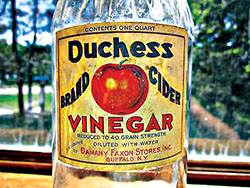
    Apple cider vinegar (ACV) is made from raw apples, with the purest form still containing the ‘mother’ (stringy parts of apple). It has been hailed a miracle cure as it has hundreds of health benefits. Our modern day diet leads to over acidity in the body that can be the root cause of many ailments. ACV helps alkalise the body, improves digestion, balances mineral intake, binds with enzymes to metabolise fats and carbohydrates, is antifungal and antibacterial, stimulates the immune system and contains the prebiotic Pectin, enzymes and minerals, e.g. potassium and magnesium. Here are just some of the conditions ACV can benefit: heartburn, reflux, diarrhoea, shingles, warts, eczema, nail fungus, constipation, high blood pressure, dandruff, sinus infection, gout, high cholesterol, diabetes, hives, insect bites, PMS, arthritis, low energy, colds, fever, cramps and sprains. Taken internally, ACV reduces inflammation and has been known to relieve the pain of plantar fasciitis in the foot within days.

    When using topically, dilute ACV by 50% with water. For general well-being, take a 15-20ml shot in the morning; two tablespoons a day is a rough guide. For weight loss or digestive issues, take an ACV shot half an hour before meals. ACV can be added to your water bottle to sip throughout the day or made into a hot drink with lemon and honey. Nanna’s recipe for arthritis: 2 teaspoons of ACV, 2 teaspoons of honey in a glass of water, at each meal sipped.

    Kombucha

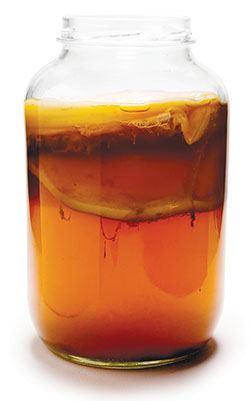
    Kombucha tea is a fermented drink containing living bacteria, organic acids, enzymes, vitamins, minerals and probiotics. It is primarily used for good gut health – killing bad yeasts and pathogenic bacteria in the digestive tract while increasing enzyme and nutrient content in foods. Kombucha tea is made by combining tea, sugar and the starter culture, known as ‘Scoby’ (symbiotic colony of bacteria and yeast), then allowed to ferment. Scoby is also referred to as a culture, fungi or mushroom, but these terms are not strictly accurate.

    Reports of Kombucha tea usage date back thousands of years; it was known as the ‘elixir of long life’ during the Tsin Dynasty of the Chinese Empire in 221 BCE; used by a Korean medicine man named Kombu to treat the Japanese Emperor Inkyo’s disorders in 14 CE; carried by Japanese warriors in mediaeval times for greater energy; used in Russian folk medicine for maintaining health. Kombucha tea made a revival as a health tonic in the 1960s, easily brewed at home. Traditionally, the ‘mushroom’ was gifted to you from a fellow brewer; the initial mushroom ‘mother’ produces ‘sons’ during the brewing process. Kits containing Scoby can be found at health food stores or online. Kombucha tea can now be found ready-made on supermarket shelves.

    Drinking Kombucha tea is said to bring balance to the body, which in turn aids in the recovery of many different illnesses. The most commonly observed effects include:

    • Balancing the metabolism
    • Cleansing the blood and regulating the acid/alkaline levels in the body
    • Improving liver, gall bladder and digestive function
    • Detoxifying the body and enhancing the immune system
    • Raising energy levels.

    For general well-being, three wine glasses (150ml) of tea is recommended daily; one first thing in the morning on an empty stomach, then one each with lunch and dinner.

    Kombucha can be applied topically to soothe and heal skin conditions such as eczema, and taken internally it fortifies the body aiding in the recovery from such conditions. Compresses made with the tea have been used successfully to reduce the pain of rheumatoid arthritis in the joints. The tea can help remove brown liver spots from the hands; apply twice a day with cotton wool. A Kombucha bath can be used to energise the whole body, treat skin conditions and improve general well-being; add half a litre to a warm bath.

    The Scoby can be used to heal wounds such as leg ulcers, abscesses and boils. Cut a piece of the Scoby from the fermenting jar and bandage it onto the wound; cover surrounding skin firstly with a barrier cream, as the Scoby may irritate normal skin. Or make your own cream by crushing some Scoby with an electric blender, then combine with unperfumed hand cream (ratio: 1 part Scoby to 2 parts hand cream).

    Kombucha tea can be gargled to help heal throat and mouth infections. Gargling ten times a day has helped tonsillitis while swishing around the mouth for 15 minutes has helped heal intestinal diseases and nasal cavity inflammations. Make a steam inhalation by adding 1 cup of tea to a bowl of steaming water. Cover your head and bowl with a towel to breathe in the steam; use for colds and sinusitis relief. A nasal spray can be made by mixing equal parts of water and tea placed in a small spray bottle.

    Studies have been done with high-performance athletes in Russia, drinking a ¼ litre of tea, three times a day. Performance was enhanced while muscle aches and recovery times were reduced due to the tea’s ability to lessen the salt component of lactic acid (the cause of muscle soreness as a result of strenuous exercise).

    KOMBUCHA RECIPE

    Ingredients & materials:

    1 Kombucha Scoby – starter culture

    2 litre of boiling water

    2-4 black tea bags (or loose leaf)

    ¾ cup of white sugar

    30ml cider or white vinegar (1st batch only). For subsequent batches, use 200ml ‘mother tea’ kept from 1st batch.

    1 large glass jar or bowl

    1 cotton muslin cloth

    1 tea towel

    1 rubber band / elastic

    Method

    Bring water to the boil

    Add tea bags and sugar, brew for 10-15 mins

    Remove tea bags and pour into glass jar

    Cool to room temperature

    Add vinegar or ‘mother tea’

    Add Scoby (do not add culture to hot liquid as this will kill it)

    Scoby can lay anywhere within the mixture

    Cover with muslin and secure with elastic, cover with tea towel to keep out light

    Store in a dark, ventilated space, e.g. cupboard

    Ferment for 5-10 days (depends on temperature)

    Taste should be neither sweet or sour – if sweet, leave for a few more days, if sour it is still usable, just don’t leave as long next time

    When ready, remove ‘mother’ and separate any ‘sons’ that have formed onto a plate

    Strain beverage into bottles, refrigerate

    Keep 200ml for next brew

    Start your next brew using the ‘mother’ (up to 8 times) or ‘son’ if thick and healthy

    If not making another brew immediately, store Scoby in an airtight container covered with Kombucha brew, in the fridge. Ensure there is air space between the culture and the lid. Can be stored for up to 6 months.

    Other types of tea can be used, e.g. green tea or herbals. Experiment by adding fruits or herbs to the final brew.

    [alert type=”general” dismiss=”no”]This article was published in New Dawn Special Issue Vol 11 No 5.[/alert]

    [alert type=”success” dismiss=”no”]If you appreciate this article, please consider subscribing to help maintain this website.[/alert]

    Resources

    www.webmd.com 
    draxe.com
    www.earthclinic.com
    www.health-science-spirit.com
    Kombucha Tea For Your Health and Healing by Alick & Mari Bartholomew, Gateway 2000
    Kombucha – Miracle Fungus by Harald Tietze, Gateway 1996 
    Nourishing Fats by Sally Fallon Morell, Hachette Book Group 2017

    © New Dawn Magazine and the respective author.
    For our reproduction notice, click here.

  • The 7 Chakras: Portals to Cosmic Awakening

    The 7 Chakras: Portals to Cosmic Awakening

    From New Dawn Special Issue Vol 12 No 4 (Aug 2018)

    The chakras are our energetic blueprint. The knowledge of the chakras is a critical component to genuinely understand the nonphysical energy body. To understand who we truly are, we need to investigate this component of our being that is normally invisible to the naked eye – know thyself.

    The word chakra itself means wheel in Sanskrit. This is due to the fact that the chakras are circular in shape. The chakras, however, do not spin. The nadis and the spokes or petals as they are sometimes called are fixed. It is the energy or prana that spins or moves through the chakras. An excellent comparison is the acupuncture points from Chinese medicine. These specific points are fixed yet it is the chi or the life-force that moves through the meridians.

    The chakras are much more than just energy centres. The 7 chakras are complex in nature. They are responsible for maintaining physical, emotional, mental and spiritual well-being. In fact, the condition of the aura and the chakras will have a direct correspondence to a person’s health as well as their emotional and psychological state. Although there are seven major chakras, numerous secondary chakras have specific and different functions.

    They represent the complete spectrum of human consciousness. These states can fluctuate depending on the various situations we experience and how we integrate our awareness into our experience. They are our interface to the universe and our potential for evolution and inner transformation.

    Muladhara Chakra – root support in Sanskrit

    This chakra is related with the Earth element and consists of 4 spokes. Muladhara is essentially the battery of the being and is responsible for vitality. Many people who suffer from low energy levels are often disconnected from their inherent source of vitality, the Earth. People who work in big cities, in tall buildings, with air-conditioning are fundamentally deprived of prana, the basic life-force. By connecting with the Earth, even the simple act of walking on the beach (barefoot) will energise this chakra.

    As this chakra is the root, it will directly influence the ‘glow’ of the other chakras and the aura in general. It is the foundation and the base level of our energetic being. It is also the home of kundalini shakti, the primordial energy that although dormant in most people, once awakened rises through the energetic column known as sushumna nadi creating transformation and spiritual awakening as it fuses with the crown. This awakening is the union of energy and consciousness, which is the fusion of the feminine and masculine to produce states of samadhi or cosmic consciousness.

    Psychologically, the energy of fear and greed is located here. This creates a fight or flight mentality. Muladhara is also responsible for the overall integration on the physical plane.

    This chakra is the location of some of the most basic instincts such as survival, shelter, eating and sleeping. In comparison to the upper chakras, muladhara is a more primitive form of consciousness but highly significant for maintaining life. Physically this chakra controls the bones and the teeth, the dense aspects of our being and is also related with the sense of smell.

    Svadhisthana chakra – one’s own dwelling place in Sanskrit

    This chakra is related with the water element and consists of 6 spokes. Svadhisthana is a highly significant chakra as approximately 80% of humanity is dominant in this form of consciousness. Similarly, approximately 75% of this planet is water. This chakra is related to the collective consciousness and incorporates many of our social norms, ‘the done thing’.

    As svadhisthana is related with the water element it will take the shape of any receptacle that it is poured into. If you pour water into a glass, it takes the shape of the glass. If you pour water into a pot, it takes the shape of the pot etc. This is notable as it reflects the lack of distinct individual values and beliefs that define svadhisthana. This chakra is therefore the crowd, the masses or the perceived norm. Opinions and beliefs are malleable to ‘fit in with the crowd’. If everyone is talking about the football, the person who thinks at the level of svadhisthana will want to fit in and then display an interest in football. This consciousness also reflects the need to ‘keep up with the neighbours’, be respectable and conform.

    This way of being has given rise to the derogatory term ‘sheeple’ by those in the awakening community. The global elite exploit this form of consciousness as people who perceive reality through this lens just ‘go with the flow’ and are in fact afraid to be different or adopt an attitude that goes against mainstream beliefs. This is the core of the manipulation and control because this consciousness is simply not able to evaluate control systems and methods of manipulation. Judgment is unproductive as when this consciousness is dominant it is simply not possible to decipher the orchestrated methods of global control and deception.

    The Roman phrase ‘give them bread and circuses’ summarises the distraction and entertainment-celebrity-gossip consciousness of today, which is precisely designed to keep humanity locked in the lower of frequencies of existence. Moreover, the sense of taste is the sense governed by svadhisthana, which is typified by fashionable ‘foodie’ culture and further reinforces the point. This reflects the pleasure seeking nature of svadhisthana.

    Breaking free of these control systems requires a rising of consciousness to begin to understand the powerful indoctrination that humanity currently endures and having the ‘eyes to see’.

    Svadhisthana is also related with the moon, sexuality and reproduction hence the relationship to the genitals and the tongue. A sexy, charismatic or charming person is a definitive characteristic of svadhisthana chakra. Even forms of dance that involve sensual movements of the pelvic area is a reflection of the consciousness at this level.

    When most people consider their personal issues and emotional problems, they are predominantly on this chakra. The water element is quite heavy and thus depression, feeling dejected, self-pity and sadness are all related to impurities or imbalances in this chakra.

    Manipura chakra – city of jewels in Sanskrit

    This is a reference to the dazzling aspect of manipura as it is related to the fire element and consists of 10 spokes.

    Manipura is the antithesis of svadhisthana as it is related to the Sun and the qualities associated with leadership, authority, power and self-confidence. Svadhisthana is the crowd. Manipura are the leaders of the crowd. This consciousness assumes the role of leadership, the emotional and psychological connection to success and ‘making it’ as well as positions of influence and power.

    In essence, all personal development teachings to be more motivated, productive, dynamic, confident and to believe in oneself are related to this chakra. This is an expression of the fire element which embodies these qualities.

    However, the lower emotions of manipura include anger, frustration, rage, arrogance and egocentric behaviour. This is an expression of the disharmony of the fire in an impure state. The precision and control of martial arts is also related to this chakra, which is a reflection of the legs being connected to this sphere of force. The sense of sight is also related to manipura chakra.

    Importantly, the lower three chakras are not ‘bad’ as there is only an issue if there are impurities, blockages or the chakras are imbalanced. Otherwise there will be an ongoing harmonious experience. Yet all negative states of consciousness and emotions can be attributed to these 3 lower energy centres.

    Anahata – unstruck in Sanskrit

    This refers to the quality of the soul that is indestructible or eternal. Anahata chakra has 12 spokes and is related to the air element. The numbers of spokes the chakras have is significant as there is a relationship between the number of spokes of the chakra and the consciousness that is embodied. For example, in regard to anahata, the 12 astrological signs, the 12 months of the year, the 12 hours of the day, the 12 disciples of Jesus, the 12 different names of the Sun god Surya (and there are many others), all have a relationship to the heart.

    The consciousness of the heart is also considered a key aspect of the ongoing planetary Paradigm Shift. Many mystics claim that this is the cosmic plan for humanity and the future earth will be characterised by love and compassion.

    Yet the prevalent issue of heart disease in today’s society although can be related to dietary and lifestyle choices is still a disharmony at the level of the physical heart.

    Significantly, the etheric body and the chakras control the physical body. If there is a disturbance, weakness or blockage in the subtle bodies, this will eventually be reflected in the physical body. Generally, the deepest and most complete way of healing an emotional issue is to work directly on the non-physical aspect of our being. Although this is not true in every situation as once a health issue has manifested in the physical body, the health of the physical body also needs to be addressed. The cause of the issue itself can be due to an emotional imbalance, which will originate in the astral body at the emotional level and then filter through to the physical body. This is definitively the body-mind connection.

    The consciousness of the heart is always beautiful. These qualities of tenderness, softness, humility, self-abnegation, compassion, forgiveness, empathy, affectivity, self-acceptance, pure unconditional love and deep inner peace are all wonderful aspects of anahata chakra.

    There is also a form of deep refinement, a certain gracefulness and a deep harmony that reflects an individual with this resonance. The connection to the air element also gives an energetical lightness to someone who is dominant at this level. The arms and hands are related to the heart and this correlates with the sense of touch and the practice of various forms of healing through the hands which all correspond to anahata chakra.

    Anahata chakra is also significant as there are 3 chakras above and 3 chakras below. This is the middle way or middle path of the heart that unites the lower and higher aspects of our being.

    The chakras also comprise the polarity of the universe – the plus and the minus, the solar and the lunar, the yin and the yang. Thus in the case of the heart, the capacity to feel love, to understand and to receive love is yin. The ability to emit love, to produce it and to manifest love is yang. This means the chakras needs to be balanced and centred between the 2 poles of the universe for deep and profound harmony.

    Visuddha – especially pure in Sanskrit

    This chakra is related with the ether, which is the fifth element and has 16 spokes. The number of spokes or petals is significant as this is an indicator of the complexity of consciousness. As the chakras move higher in the body they also become more complex in their scope of consciousness.

    Visuddha chakra is related to time and space. This is the true nature of reality that transcends the experience of time from the limited perspective of past, present and future. At this level, time is experienced as a single duration – the eternal now. Visuddha encapsulates the vastness of space, the cosmos and the expansion of the universe. This elevated sphere of consciousness also includes aesthetics, sacred geometry – and a deeper form of inspiration that can unlock the mysteries of the universe and discover the true laws of reality. Some classical music also has the frequency of Visuddha, which has a pristine and sublime resonance.

    This level of consciousness is rare on this planet at this time, yet traces are still apparent such as the exceptional aesthetic qualities and precision of the Great Pyramid at Giza.

    As this chakra rules over the thyroid and parathyroid glands and as thyroid health issues are common today for women over 40, it is important be aware of the significance of this energy centre for maintaining good health in this area of the body.

    The purity of visuddha chakra filters through to an individual’s actions and the type of environments they frequent and the lifestyle they adopt. Clairaudience is another aspect of visuddha as hearing is the sense connected to this energy centre. Other paranormal powers also include the ability to access the akashic records. The throat chakra also governs the power of speech from a very elevated perspective.

    Ajna – command in Sanskrit

    This chakra is related to the mind and has 96 spokes although is it often depicted with just 2 large petals. This is related to the fact that it is the final level of polarity (yin and yang) before connecting to unity consciousness.

    Ajna chakra is a truly elevated sphere of consciousness that few can truly embody in today’s society. The power of ajna is to offer a superior form of intellect that is consistent with that of a genius. Examples include those people that can flick through a telephone book and remember the numbers of each person, a chess player that can play numerous games of chess simultaneously and win, as well as those that can learn and retain knowledge quickly, all resonate with the power of the third eye.

    Ajna chakra also contains the power of clairvoyance, telepathy and a form of ‘knowing’. Some of the great prophets of history such as Nostradamus had their gift from the opening of ajna chakra. The third eye has this capacity for one to be a seer or a visionary – the ability to see with the mind’s eye.

    The assumption that as ajna is connected to the mind that all mental health issues are related to this chakra is incorrect. Each chakra has an aspect that is connected both to the emotional body as well as the mental body. So it is best to harmonise the chakra that is relevant to the specific emotional or mental issue. Although, because of its superior nature, ajna does control the chakras beneath it.

    Sahasrara – thousand-petaled in Sanskrit

    Although sahasrara is not technically structured in the same way as the 6 other major chakras, it is still classified as one of the 7 chakras. This is because sahasrara is not a wheel but it covers the top of the head and is shaped like a steeple pointing upwards, similar to the ‘crown’ of Buddha.

    Sahasrara is the pinnacle of human evolution. Its activation produces states of samadhi or cosmic consciousness in the yogic tradition. This opening creates what is known as enlightenment, moksha, mukti, sartori, self-realisation and is the gateway to transcendence to experience the true nature of reality.

    The consciousness of sahasrara is characterised by lucidity, detachment, sacredness and a higher state of consciousness. Sahasrara is the sum total of all the chakras. The enduring symbol of the beam of light fusing with the prism and then dispersing into all of the colours of the rainbow succinctly represents the quality of this chakra. This is because sahasrara has no polarity, it is oneness and is unity consciousness. Sahasrara embodies the ultimate oneness of creation and eliminates the role of the ego that creates the illusion of separation.

    The subject of the chakras is a vast one. Human beings are a direct carbon copy of the Universe. The quantum physics understanding that the part is in the whole and the whole is in the part reflects this wisdom. Ultimately, to fully embody and know the 7 chakras is to know the universe and experience the complete spectrum of consciousness that is the potential of humanity.

    [alert type=”general” dismiss=”no”]This article was published in New Dawn Special Issue Vol 12 No 4.[/alert]

    [alert type=”success” dismiss=”no”]If you appreciate this article, please consider subscribing to help maintain this website.[/alert]

    © New Dawn Magazine and the respective author.
    For our reproduction notice, click here.

  • You Can Heal Your Life: Identifying the Beliefs & Emotions Causing You Pain and/or Illness

    You Can Heal Your Life: Identifying the Beliefs & Emotions Causing You Pain and/or Illness

    From New Dawn Special Issue Vol 13 No 4 (Aug 2019)

    Our emotions and beliefs form our world. They are the basis for everything we manifest into our lives. Our beliefs are formed over time by our family, upbringing, culture, governments, media, schools, friends and general society. We are often unaware of what deep seated beliefs we hold. 

    Emotions are an in-the-now expression of our inner beliefs, e.g. the same event can cause one person to feel anger, another sadness, or for a different person no emotional reaction. We often think of emotions as an innate reaction, something we have no control over. However, we can consciously choose to change our emotions and how we react to certain situations through positive thought, which in turn changes our beliefs. Our subconscious (where our beliefs reside) has no judgment or understanding of ‘good’ or ‘bad’; it simply draws to us experiences that support our beliefs. Henry Ford once said, “If you believe you can, or believe you can’t, you are right.”

    General negative emotions and beliefs cause general ill health. Anger can cause chemical reactions in the body to produce an acidic environment that welcomes viruses to take up residence. An acidic diet can also bring on anger; some people are attracted to acidic producing foods in the first place by holding an underlying belief such as, “I’m not worthy of health or happiness.” Germs aren’t the bad guys; it is the environment in which the germs thrive that cause the problems,1 which are directly connected to our emotions.

    Specific medical issues can be connected to specific beliefs, e.g. rheumatism comes from feeling victimised, resentment, lack of love and chronic bitterness.2 An illness or pain is your body’s final warning that something is wrong and needs to be treated on the physical level. However, if the emotional cause behind the illness or pain is not addressed, the physical symptoms will return over time.

    Positive emotions, such as joy and gratitude, bring healing energy to the body. Having a good laugh or thinking of something that makes your heart go ‘ahh’ is the best medicine for your body and spirit. Positive thoughts, gratitude and affirmations are very powerful when repeated over time for improving health and wellbeing. 

    The Hawaiian practice of healing and forgiveness, Ho’oponopono,3 suggests we repeat the phrase, “I’m sorry, forgive me, thank you, I love you,” wherever negative emotions arise. “I’m sorry” is an acknowledgement that you created pain or caused errors. “Forgive me” for not knowing this was inside you. “Thank you” for allowing yourself to release and cleanse the memory. “I love you” is directed to your inner being. This is a very empowering exercise. 

    The body directs us to negative beliefs and emotions by how and where it exhibits pain and illness.

    Louise Hay (1926–2017) was an American motivational author and the founder of Hay House. She authored several New Thought self-help books, including the 1984 best seller, You Can Heal Your Life.

    One of the best systems I have found to identify and rectify health problems is the work of Louise Hay (1926–2017). For over forty years she shared her knowledge of positive thinking. Louise’s work is based on using positive affirmations to change your inner beliefs. She suggested that by repeating these affirmations over and over, seeds are planted in your subconscious for new beliefs to blossom. Love Your Body came out in the mid 1980s with affirmations for each specific body part. You repeat one affirmation each day, taking note of any negative emotions that arise. Then go back to these problem areas and work specifically with them for a few months. The subconscious needs at least a month of constant repetition to plant those seeds of change. When doubts and fears arise, Louise suggests we acknowledge they are old limiting beliefs that no longer have power over us, and say “Out! I no longer need you.”

    Some examples from Love Your Body:

    I Love My Neck – I willingly turn to acknowledge other viewpoints and other ways of doing things. I am willing to change. I choose thoughts that keep me flexible in my ideas and in my creative expression. I express myself freely and joyously. I am safe. I love and appreciate my beautiful neck!

    I Love My Toes – My toes are inspectors of the future, going before me to clear the way. They are straight, flexible and strong. They reach out, feeling and finding the perfect pathway in life. I choose the thoughts that protect my pathway. As I move forward, all details take care of themselves. I love and appreciate my beautiful toes!

    You can also use the book for information on acute conditions, e.g. if you have a sore neck, ask yourself if there is some viewpoint you are ignoring or if you are being inflexible. Sometimes just acknowledging the emotional cause can help clear the physical symptom.

    Louise’s book Heal Your Body was first published in 1976 listing ailments, possible causes and affirmations. This is my most used resource from my hundreds of books, with my 1988 edition falling to pieces! The insights into the emotional causes of illness are still as relevant today as when they were first written. Here are some examples:

    Abdominal cramps = Fear. Stopping the process. = I trust the process of life. I am safe.

    Acne = Not accepting the self. Dislike of the self. = I am a Divine expression of life. I love and accept myself where I am right now.

    Gum Problems = Inability to back up decisions. Wishy-washy about life. = I am a decisive person. I follow through and support myself with love.

    Heart Attack = Squeezing all the joy out of the heart in favour of money or position etc. = I bring joy back to the centre of my heart. I express love to all.

    Indigestion = Gut-level fear, dread, anxiety. = I digest and assimilate all new experiences peacefully and joyously.

    Migraines = Dislike of being driven. Resisting the flow of life. Sexual fears. = I relax into the flow of life and let life provide all that I need easily and comfortably. Life is for me.

    Overweight = Fear, need of protection. Running away from feelings. Insecurity, self rejection. Seeking fulfilment. = I am at peace with my own feelings. I am safe where I am. I create my own security. I love and approve of myself.

    Skin problems = Anxiety, fear. Old, buried gunk. I am being threatened. = I lovingly protect myself with thoughts of joy and peace. The past is forgiven and forgotten. I am free in this moment.

    Here is one of Louise’s daily general affirmations: “Everything I need to know is revealed to me. Everything I need comes to me. All is well in my life.” Imagine how wonderful life could be if this affirmation was the basis for you creating your day. My personal affirmation is, “I am happy, healthy, wealthy and wise,” and on most days I achieve at least one of these goals!

    In her book The Secret Language of Your Body, Inna Segal, a Melbourne based healer and teacher, also lists body parts, medical conditions and possible emotional causes similar to Louise Hay’s work. However, instead of using affirmations, Inna advises to ask your ‘Divine Healing Intelligence’ for help, in combination with visualisations. This phrase is an acknowledgement that you have created the negative health condition and you have the power and means to heal it. 

    For example, gums represent being unsure of yourself or decisions you have made, procrastinating, not following through on projects, being too demanding or selfish or a refusal to change. Remedy: Close your eyes. Focus on your gums. Visualise a red ray of light moving through your gums, clearing and dissolving all infections, stagnation and blockages. You might even feel your gums begin to tingle. Say: “Divine Healing Intelligence, I ask you to release all procrastination, indecision, self sabotage, selfishness and stagnation from my gums, as well as all points of view, positive and negative charge, and all patterns that contribute to this condition.” Repeat the word “CLEAR” until you feel a shift occur. Visualise a white ray of light moving through your gums, cleansing and regenerating them. Say: “Divine Healing Intelligence, please install my ability to make empowering decisions, follow through with projects, be persistent and open myself to positive change and transformation. Thank you.” Say: “Divine Healing Intelligence, please heal and regenerate my gums and teeth to their maximum strength, vitality and health.”4

    Both Louise and Inna connect gums with decision-making. Become your own health detective (as well as healer) by matching body parts with the way the condition exhibits itself, i.e. itching, inflammation, infection, pain, tumours etc. You can change beliefs, emotions, stresses and reactions through awareness of the part you play in the process of manifesting. 

    For example: itching = unsatisfied, remorse, irritated and annoyed; Inflammation = anger, frustration, fear, seething and self sabotage; legs = carrying us forward in life, facing our future; left side of the body = feminine aspect. 

    So, if you have an itchy left leg ask yourself, “Am I annoyed with the direction my future is taking? Has a female irritated me? Am I feeling unsatisfied with the feminine side of myself with regards to this future project?” If the right leg is inflamed, ask yourself, “Do I have a fear of the future? Am I angry at a male for blocking my progress?” 

    If the itching or inflammation is acute, then it may clear up quickly once you have acknowledged the emotional cause or situation that caused it. If it is a chronic condition, then this detective exercise can point you in the right direction for identifying your beliefs, to enable you to write your own positive thoughts to change the limiting belief.

    Here is a brief list of conditions, body parts and emotions I have compiled mainly from Louise Hay:

    Itching = unsatisfied, remorse, irritated, annoyed

    Inflammation = anger, frustration, fear, seething, self sabotage

    Pain = guilt, seeking punishment, longing for love

    Infection = anger, frustration, annoyance, bitterness, lack of joy

    Fat = over sensitivity, resistance to forgive, fear, needing protection, covering anger

    Tumour = building remorse, holding onto old hurts and shocks

    Ulcers = fear, not being good enough

    Eyes = to see the past, present and future clearly

    Mouth = new ideas, nourishment

    Neck = flexibility of ideas

    Throat = expression, creativity

    Breast = nurturing, female principle

    Lungs = ability to take in life and joy

    Heart = love, security

    Arms = ability to hold experiences of life

    Spine and joints = flexibility, support

    Stomach = digest new ideas

    Liver = anger, primal emotions

    Kidney = shame, disappointment, failure

    Intestines = assimilation, absorption, elimination

    Bladder = anxiety, fear of letting go, 

    Bowel = holding on to old ideas

    Knees = support, ego, pride

    Feet = our understanding of life

    A lifetime of your subconscious supporting negative beliefs results in “becoming set in your ways.” Many symptoms of ‘old age’ reflect this, e.g. being inflexible can cause aching joints, stooped posture and arthritis, while fear of the future can result in poor eyesight, loss of hearing, leg pain and Alzheimer’s.

    Have lots of fun being a health detective, and keep your physical body healthy through your emotions. Remember, fairy dust can only make Peter Pan fly when combined with happy thoughts, and Harry Potter can only defeat the dementors that feed on fear with his happiest memory!

    [alert type=”general” dismiss=”no”]This article was published in New Dawn Special Issue Vol 13 No 4.[/alert]

    [alert type=”success” dismiss=”no”]If you appreciate this article, please consider subscribing to help maintain this website.[/alert]

    FOOTNOTES
    1. The Truth About Cancer by Ty Bollinger (see review in New Dawn 160)
    2. Heal Your Body by Louise Hay
    3. The Book of Ho’oponopono by Luc Bodin M.D., Nathalie Bodin Lamboy & Jean Graciet (see review in New Dawn 158)
    4. The Secret Language of Your Body by Inna Segal

    © New Dawn Magazine and the respective author.
    For our reproduction notice, click here.