New Dawn – World's Most Unusual Magazine

Author: Alan Cantwell

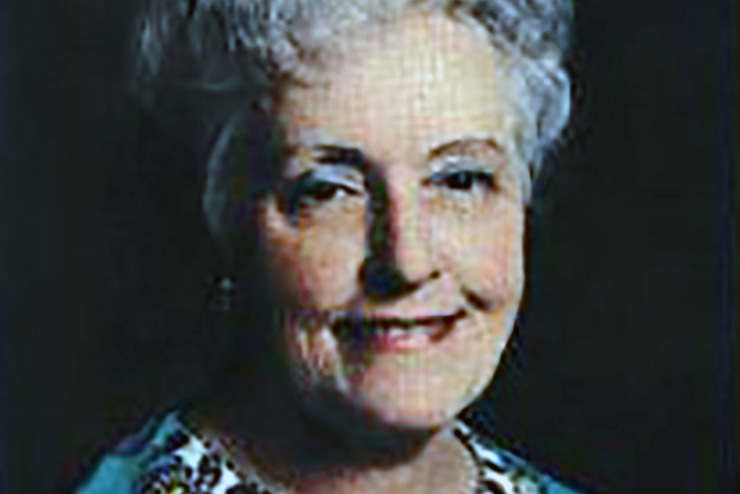
  • Virginia Livingston, M.D.: Cancer Quack Or Medical Genius?

    Virginia Livingston, M.D.: Cancer Quack Or Medical Genius?

    From New Dawn 98 (Sept-Oct 2006)

    Cancer is the most frightening human disease and its cause remains elusive. Therefore, it seems inconceivable that the discovery of a germ cause of cancer would provoke such hostility among the cancer establishment. But, in truth, the belief in a cancer germ has always been the ultimate scientific heresy.

    In the long history of cancer research there was never a physician more outspoken and controversial than Virginia Wuerthele-Caspe Livingston (1906-1990). For more than 40 years she championed the revolutionary idea that bacteria caused cancer and devised a treatment to try and combat these microbes by immunotherapy.

    Sixteen years after her death she is now largely forgotten but still condemned by such powerful organisations as the American Cancer Society and blacklisted on Quackwatch, a self-proclaimed “non-profit corporation dedicated to combating health-related frauds, myths, fads, and fallacies.”

    Livingston’s Cancer Research

    Beginning in the late 1940s, Livingston was able to grow bacteria from cancer tumours; and when she and her associates injected cancer bacteria into laboratory animals, some developed cancer. Other animals developed degenerative and proliferative diseases, and some animals remained healthy. Livingston believed the “immunity” of the host was an important factor in determining whether cancer would develop.

    In 1969 at a meeting at the New York Academy of Sciences, Livingston and her colleagues proposed that cancer was caused by a highly unusual bacterium which she named Progenitor cryptocides – Greek for ‘ancestral hidden killer.’ Nevertheless, Livingston claimed elements of the microbe were present in every human cell. Due to its biochemical properties, she believed the organism was responsible for initiating life and for the healing of tissue – and for killing us with cancer and other infirmities. Critics of this research continued to insist there was no such thing as a cancer germ.

    In her attempt to use a variety of modalities (diet, supplements, antibiotics, as well as traditional methods) to treat cancer, she utilised an ‘autogenous’ vaccine derived from the patient’s own cancer bacteria found in the urine and blood. Livingston explained it was not an anti-cancer vaccine, but rather a vaccine to help stimulate and improve the patient’s own immune system. The administration of this unapproved vaccine caused a furore in the cancer establishment and eventually legal action was undertaken against her and the Livingston-Wheeler Clinic in San Diego. In spite of all her legal troubles, she continued seeing patients until her death at 83.

    In March 1990, the year of her death, a highly critical article on the Livingston-Wheeler therapy appeared in the American Cancer Society-sponsored CA: A Cancer Journal for Physicians. (No authors were listed.) The report advised patients to stay away from the San Diego clinic and claimed:

    “Livingston-Wheeler’s cancer treatment is based on the belief that cancer is caused by a bacterium she has named Progenitor cryptocides. Careful research using modern techniques, however, has shown that there is no such organism and that Livingston-Wheeler has apparently mistaken several different types of bacteria, both rare and common, for a unique microbe. In spite of diligent research to isolate a cancer-causing microorganism, none has been found. Similarly, Livingston-Wheeler’s autologous vaccine cannot be considered an effective treatment for cancer. While many oncologists have expressed the hope that someday a vaccine will be developed against cancer, the cause(s) of cancer must be determined before research can be directed toward developing a vaccine. The rationale for other facets of the Livingston-Wheeler cancer therapy is similarly faulty. No evidence supports her contention that cancer results from a defective immune system, that a whole-foods diet restores immune system deficiencies, that abscisic acid slows tumour growth, or that cancer is transmitted to humans by chickens.” (The full report is on-line at http://caonline.amcancersoc.org/cgi/reprint/40/2/103)

    Bacteria As A Cause Of Cancer

    The recognition of disease-producing bacteria allowed medical science to emerge from the dark ages into the era of modern medicine. In the late nineteenth century when diseases like tuberculosis (TB), syphilis, and leprosy were proven to be caused by bacteria, some doctors also suspected human cancer might have a similar cause.

    The idea that bacteria cause cancer is considered preposterous by most physicians. However, despite the antagonistic view of the American Cancer Society and medical science, there is ample evidence in the published peer-reviewed literature that strongly suggests that ‘cancer microbes’ cause cancer.

    According to reports by Livingston and various other researchers, cancer is caused by pleomorphic, cell wall deficient bacteria. The various forms of the organism range in size from submicroscopic virus-like forms, up to the size of bacteria, yeasts, and fungi. In culture and in tissue the bacterial forms are variably ‘acid-fast’ (having a staining quality like TB bacteria). These bacteria are ubiquitous and exist in the blood and tissues of all human beings (yet another ‘heresy’). In the absence of a protective immune response, these cell wall deficient bacteria may become pathogenic and foster the development of cancer, autoimmune disease, AIDS, and certain other chronic diseases of unknown etiology.

    Needless to say, all this research fell on dead ears because bacteria were totally ruled out as the cause of all cancers in the early years of the twentieth century. Thus, bacteria observed in cancer were simply dismissed as elements of cellular degeneration, or as invaders of tissue weakened by cancer, or as ‘contaminants’ of laboratory origin.

    Livingston And Progenitor Cryptocides

    Beginning in 1950, in a series of papers and books, Livingston and her co-workers claimed the cancer microbe was a great imitator whose various pleomorphic forms resembled common staphylococci, diphtheroids, fungi, viruses, and host cell inclusions. Yet if the germ were studied carefully through all its transitional stages, it could be identified as a single agent. She was the first to suggest that the acid-fast stain was the key to the identification of the cancer microbe in tissue and in culture; and also demonstrated its appearance in the blood of cancer patients, by use of dark-field microscopy.

    Anyone who takes the time to read Livingston’s reports in the medical literature will quickly recognise that she was a credible research scientist, who allied herself with other experts – and was certainly not the quack doctor pictured by her detractors. Her achievements in cancer microbiology can also be found in her autobiographical books: Cancer, A New Breakthrough (1972); The Microbiology of Cancer (1977); and The Conquest of Cancer (1984). Her research has been confirmed by other scientists, such as microbiologist Eleanor Alexander-Jackson, cell cytologist Irene Diller, biochemist Florence Seibert, and dermatologist Alan Cantwell, among others.

    The Cancer Microbe And Bacterial Pleomorphism

    Microbiologists have long resisted the idea of bacterial pleomorphism, and do not recognise or accept the various growth forms and the bacterial ‘life cycle’ proposed by various cancer microbe workers. Most bacteriologists do not accept the idea of a bacterium changing from a coccus to a rod, or to a fungus. Depending on the environment, the microbe in its cell wall-deficient phase may attain large size, even larger that a red blood cell. Other forms are submicroscopic and virus-sized. Electronic microscopic studies and photographs of filtered (bacteria-free) cultures of the cancer microbe show virus-size elements of the cancer microbe that can revert into bacterial-sized microbes.

    The cancer microbe has adapted to life in man and animals by existing in a mycoplasma-like or cell wall deficient state. In tissue sections of cancer stained for bacteria with the special acid-fast stain, the microbe can be seen as a variably acid-fast (blue, red, or purple-stained) round coccus or as barely visible granules. At magnifications of one thousand times (in oil), these forms can be observed within and also outside of the cells.

    Careful study and observation of the tiny round coccoid forms in cancer tissue indicate they can enlarge progressively up to the size of so-called Russell bodies, which are well-known to pathologists. Russell bodies can attain the size of red blood cells, and even larger.

    William Russell was a well-respected Scottish pathologist who in 1890 first reported the finding of ‘cancer parasites’ in the tissue of all the cancers he studied. However, modern pathologists deny that Russell’s bodies are microbial in origin. For more information on Russell bodies and Russell’s ‘cancer parasite’ (and its intimate relationship to cancer microbes), Google: The forgotten clue to the bacterial cause of cancer; or go to www.joimr.org/phorum/read.php?f=2&i=50&t=50.

    Overlooking Hidden Bacteria In Cancer

    Once bacteria were eliminated as a cause of cancer a century ago, it became dogma and impossible to change medical opinion. In this current era of medical science, one would think it impossible for infectious disease experts and pathologists to not recognise bacteria in cancer. However, bacteria can still pop up in diseases in which they were initially overlooked.

    When a new and deadly lung disease broke out among legionnaires in Philadelphia in July 1976, two hundred and twenty-two people became ill and thirty-four died. The cause of the killer lung disease remained a medical mystery for over five months until Joe McDade at the Leprosy Branch of the CDC detected unusual bacteria in guinea pigs experimentally infected with lung tissue from the dead legionnaires. Further modification of bacterial culture methods finally allowed the isolation of the causative and previously overlooked bacteria, now known as Legionella pneumophila.

    Yet another example of dogma-defying research is provided by recent studies proving that bacteria (Helicobacter pylori) are a common cause of stomach ulcers, which can sometimes lead to stomach cancer and lymphoma. For a century, physicians refused to believe bacteria caused ulcers because they thought bacteria could not live in the acid environment of the stomach. In 2005 the Nobel Prize in Medicine was awarded to two Australian researchers for their 1982 discovery. These stomach bacteria could only be detected by use of special tissue stains. The CDC now claims that H. pylori causes more than 90% of duodenal ulcers and 80% of gastric ulcers. Approximately two-thirds of the world’s population is infected with these microbes.

    In the past four years there have been medical reports of newly discovered bacteria in serious lymph node disease; in Hodgkin’s lymphoma; in cancer of the mouth; and in prostate cancer, to name only a few.

    All these studies prove bacteria can pop up in diseases where they are least expected. Such a caveat is appropriate for doctors who think they know everything about cancer and who pooh-pooh all aspects of cancer microbe research.

    A Century Of Cancer Microbe Research
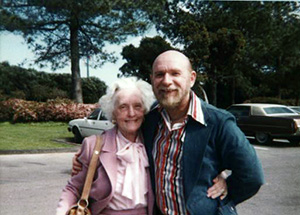
    Virginia Livingston, MD and Alan Cantwell. San Diego, California, 1981.

    Livingston never claimed that she was the discoverer of the microbe of cancer. In her writings she always gave credit to various scientists, some dating back to the nineteenth century, who attempted to prove that bacteria cause cancer. Some of these remarkable researchers include the long-forgotten cancer microbe studies of Scottish obstetrician James Young, Chicago physician John Nuzum, Montana surgeon James Scott, the infamous psychiatrist and cancer researcher Wilhelm Reich, microscopist Raymond Royal Rife, and others too numerous to mention.

    This cancer microbe research has been explored in my books The Cancer Microbe: The Hidden Killer in Cancer, AIDS, and Other Immune Diseases (1990) and in Four Women Against Cancer: Bacteria, Cancer, and the Origin of Life (2005) – the story of Livingston, Alexander-Jackson, Diller and Seibert – four outstanding women scientists who attempted to bring the cancer microbe to the attention of a disinterested medical establishment. I was privileged to have met all these remarkable women, who greatly influenced my own cancer research.

    Why is research exploring bacteria in cancer so strongly opposed? Perhaps it poses a threat to the money interests involved in the established and orthodox treatment for cancer. Various forms of cancer treatment include surgery, radiation and chemotherapy. These therapies might have to be reevaluated if it were proven that cancer was an infectious disease.

    Suggestions For Further Study

    Further information pertaining to cancer microbe research (both pro and con) can be found by Googling: cancer microbe; bacterial pleomorphism; cell wall deficient bacteria; “alan cantwell”; “virginia livingston”; “Eleanor Alexander-Jackson”; as well as other names and key words mentioned in this communication.

    For a list of scientific publications pertaining to the microbiology of cancer, go to the PubMed website hosted by the National Institute of Health (www.ncbi.nlm.nih.gov) and type in “Cantwell AR”, “Livingston VW”, “Alexander-Jackson E”, “Diller IC”, “Seibert FB”, etc. in the search box.

    This short communication is unlikely to convince many health professionals that bacteria cause cancer. However, after four decades of studying cancer microbes in cancerous tissue, I am personally convinced that Dr. Virginia Livingston will one day be vindicated and recognised as one of the greatest medical geniuses of the twentieth century.

    Ralph W. Moss, cancer advocate and author of The Cancer Industry, notes her passing was “a major loss to the cancer world.” In the Cancer Chronicles #6, 1990, he writes, “Virginia Livingston was a great person and a great scientist. Sadly, she never received the recognition she deserved in her lifetime. The true scope of her achievements will only become known in years to come.”

    This report honours the centennial of her birth which takes place on 28 December, 2006.

    [alert type=”general” dismiss=”no”]This article was published in New Dawn 98.[/alert]

    [alert type=”success” dismiss=”no”]If you appreciate this article, please consider subscribing to help maintain this website.[/alert]

    Bibliography

    Alexander-Jackson E. A specific type of microorganism isolated from animal and human cancer: bacteriology of the organism. Growth. 1954 Mar;18(1):37-51.

    Cantwell AR. Variably acid-fast cell wall-deficient bacteria as a possible cause of dermatologic disease. In, Domingue GJ (Ed). Cell Wall Deficient Bacteria. Reading: Addison-Wesley Publishing Co; 1982. Pp. 321-360.

    Cantwell A. The Cancer Microbe. Los Angeles: Aries Rising Press; 1990.

    Cantwell A. Four Women Against Cancer. Los Angeles: Aries Rising Press; 2005.

    Diller IC, Diller WF. Intracellular acid-fast organisms isolated from malignant tissues. Trans Amer Micr Soc. 1965; 84:138-148.

    Greenberg DE, Ding L, Zelazny AM, Stock F, Wong A, Anderson VL, Miller G, Kleiner DE, Tenorio AR, Brinster L, Dorward DW, Murray PR, Holland SM. A novel bacterium associated with lymphadenitis in a patient with chronic granulomatous disease. PLoS Pathog. 2006 Apr;2(4):e28. Epub 2006 Apr 14.

    Hooper SJ, Crean SJ, Lewis MA, Spratt DA, Wade WG, Wilson MJ. Viable bacteria present within oral squamous cell carcinoma tissue. J Clin Microbiol. 2006 May;44(5):1719-25.

    Nuzum JW. The experimental production of metastasizing carcinoma of the breast of the dog and primary epithelioma in man by repeated inoculation of a micrococcus isolated from human breast cancer. Surg Gynecol Obstet. 1925; 11;343-352.

    Russell W. An address on a characteristic organism of cancer. Br Med J. 1890; 2:1356-1360.

    Russell W. The parasite of cancer. Lancet. 1899;1:1138-1141.

    Sauter C, Kurrer MO. Intracellular bacteria in Hodgkin’s disease and sclerosing mediastinal B-cell lymphoma: sign of a bacterial etiology? Swiss Med Wkly. 2002 Jun 15;132(23-24):312-5.

    Scott MJ. The parasitic origin of carcinoma. Northwest Med. 1925;24:162-166.

    Seibert FB, Feldmann FM, Davis RL, Richmond IS. Morphological, biological, and immunological studies on isolates from tumors and leukemic bloods. Ann N Y Acad Sci. 1970 Oct 30;174(2):690-728.

    Shannon BA, Garrett KL, Cohen RJ. Links between Propionibacterium acnes and prostate cancer. Future Oncol. 2006 Apr;2(2):225-32. Review.

    Wuerthele Caspe-Livingston V, Alexander-Jackson E, Anderson JA, et al. Cultural properties and pathogenicity of certain microorganisms obtained from various proliferative and neoplastic diseases. Amer J Med Sci. 1950; 220;628-646.

    Wuerthele-Caspe Livingston V, Livingston AM. Demonstration of Progenitor cryptocides in the blood of patients with collagen and neoplastic diseases. Trans NY Acad Sci. 1972; 174 (2):636-654.

    Young J. Description of an organism obtained from carcinomatous growths. Edinburgh Med J. 1921; 27:212-221.

    © New Dawn Magazine and the respective author.
    For our reproduction notice, click here.
  • The Secret Origins of AIDS: Facts, Fallacies & Conspiracy Theories

    The Secret Origins of AIDS: Facts, Fallacies & Conspiracy Theories

    In 2006 the AIDS epidemic was a quarter-century old. Officially starting in June 1981 as a mysterious and fatal disease exclusively found in several dozen young white gay men from New York City and Los Angeles, the disease has already killed 20 million people with 40 million more currently infected with the human immunodeficiency virus (HIV), widely accepted as the sole cause of AIDS. One million Americans are now infected with HIV; and almost half of the new cases are African-American.

    The disease was first uncovered in homosexual men from Manhattan. “Gay cancer,” in the form of Kaposi’s sarcoma skin tumours, was the most striking telltale sign; and drugs, promiscuity, and anal sex were all thought to play a role in the unprecedented suppression of the immune system. It was soon obvious that the disease was not limited to gays: the mysterious agent was in the national blood supply, and an epidemic of AIDS was also uncovered in Central Africa.

    In April 1984 Robert Gallo of the US National Cancer Institute (NCI) announced his discovery of HIV as the cause of AIDS. Subsequently, Luc Montagnier of the Pasteur Institute in Paris filed a lawsuit claiming he had first discovered the AIDS virus at Pasteur, and that Gallo had stolen the French virus after it was sent to his lab for study.

    Twenty-five years later, the origin of AIDS still remains a mystery. The disease is widely believed to have originated in Africa when a primate (monkey) virus “jumped species” to first infect Black Africans. However, it is important to note that this belief is theory, not proven fact.

    Montagnier has wisely cautioned that it is extremely important to distinguish between the ancestral origin of HIV and the actual beginning of the AIDS epidemic. The animal virus ancestor of HIV may indeed be centuries old, but it is obvious that the epidemic itself is new.

    The epidemic did not begin in Africa. The first AIDS cases were uncovered in Manhattan in 1979. At that time there were no reported African cases. In fact, the AIDS epidemic in Africa did not begin until the autumn of 1982 at the earliest.

    How was HIV introduced exclusively into the gay community in the late 1970s? The exclusive introduction of HIV into the homosexual population of New York City is an unprecedented event in the history of medicine. This biologic phenomenon has never been fully explained scientifically. There is certainly no evidence to indicate white gay men were the only people exposed to sexual contact with Africans, particularly at a time when the epidemic did not exist in Africa. Furthermore, it is biologically impossible for a purported sexually-transmitted and blood borne “virus out of Africa” to infect only young, white, healthy men in Manhattan! Yet, the impossible did happen. Despite these facts, we are repeatedly told that AIDS began in Africa, even though the American epidemic began before the African epidemic.

    The mixing of AIDS facts and fallacies has long been apparent to researchers like myself who are convinced that HIV did not come from Mother Nature and “species jumping,” but was most likely introduced via contaminated vaccine experiments exclusively targeting the Black African and the American Gay community.

    Before exploring the man-made theory of AIDS, it is important to note a small but highly vocal group who believes the cause of AIDS is still unknown, that the AIDS blood test is worthless, and that HIV is a harmless virus that is not sexually transmitted. This group, headed by retrovirologist Peter Duesberg and other well-credentialed scientific “dissidents,” believes AIDS is a toxic and nutritional syndrome. They blame AIDS on recreational drug use among gays – and poverty and malnutrition in Africa for the disease.

    As a medical doctor and AIDS and cancer researcher, I am certainly not in accord with this group, but they have been quite successful politically, influencing world leaders like President Thabo Mbeki of South Africa, much to the chagrin of the World Health Organisation. For more information, go to www.google.com and type in “VirusMyth” or “The Perth Group”.

    Genetic Engineering and the AIDS Epidemic

    There is a close connection between the rise of genetic engineering and mixing of viruses in the early 1970s and the outbreak of HIV in the late 1970s. This connection persists in the form of the many unprecedented “emerging diseases” caused by “new viruses” that continue up to the present time.

    In 1970 the discovery of a cell enzyme, called “reverse transcriptase” by Howard Temin and David Baltimore, allowed molecular biologists to detect so-called retroviruses in some animal cancers. It was soon recognised that retroviruses could be found normally in the genes of many animal cells, and that scientists could manipulated these viruses to produce detrimental effects on the immune system. In “species jumping” laboratory experiments, many viruses were transferred between different animal species and were also adapted to human cells.

    As part of President Richard Nixon’s “War on Cancer,” genetic engineering of viruses became an integral part of the now largely forgotten Special Virus Cancer Program, conducted under the auspices of the NCI. Nixon also transferred part of the Army’s biological warfare unit at Fort Detrick, Maryland, over to the NCI, thereby allowing secret biowarfare experimentation to be carried out under cover of bona fide cancer research.

    All this virus transfer and molecular manipulation was a biologic disaster waiting to happen. What would happen if one of these highly dangerous genetic creations escaped from the laboratory into the public sector? This culminated in a historic conference entitled “Biohazards in Biological Research” held at Asilomar, near Pacific Grove in California in 1973. Despite the biologic dangers, it was decided to continue this research.

    By the late-1970s the War against Cancer and the Virus Cancer Program proved a bust with no cancer-causing retroviruses found in humans. The Program was winding down in 1978, at the exact time when government scientists were also enrolling thousands of gay men in New York City to serve as guinea pigs in the hepatitis B experiment that took place that same year at the New York Blood Centre in Manhattan. In 1979 the first cases of AIDS in gay men were reported from Manhattan. Coincidence? I think not.

    Five years later, Gallo, who had worked for the Virus Cancer Program (VCP), “discovered” the retrovirus that causes AIDS; and Duesberg, who also worked for the VCP, continues to declare that HIV is harmless.

    Is there a connection between the laboratory manipulation of primate retroviruses in the 1970s and the outbreak of AIDS? Or did Mother Nature conveniently pick that exact time to jump monkey genes into gay men to spectacularly revive the science of retrovirology and the careers of virologists like Gallo?

    The Gay Vaccine Experiment and the Outbreak of AIDS

    The earliest AIDS cases in America can be clearly traced back to the time period when the hepatitis B experiment began at the New York Blood Centre. The Centre began injecting gay men with multiple doses of the experimental vaccine in November 1978. The inoculations ended in October 1979, less than two years before the official start of the epidemic. Most importantly, the vaccine was developed in chimpanzees – the primate now thought to contain the “ancestor” virus of HIV. Also downplayed is the Centre’s pre-AIDS connection to primate research in Africa and also to a primate centre in the New York City area. The final experimental vaccine was also made by Merck and the NIH from the pooled serum specimens of countless gay men who carried the hepatitis B virus in their blood.

    The New York Blood Centre (NYBC) is the largest independent blood supplier and distributor in the USA. In 1970, Alfred M Prince, M.D., head of the NYBC Laboratory of Virology, began his hepatitis research with chimps housed at LEMSIP (Laboratory for Experimental Medicine and Surgery) in downstate Tuxedo, NY. Until disbanded in 1997, LEMSIP supplied New York area scientists with primates and primate parts for transplantation and virus research.

    Founded in 1965, LEMSIP was affiliated with New York University Medical Centre, where the first cases of AIDS-associated Kaposi’s sarcoma were discovered in 1979. NYU Medical Centre researchers were also heavily involved in the development of the experimental hepatitis B vaccine, and the Centre received government grants and contracts connected with biological warfare research beginning in 1969, according to Dr. Leonard Horowitz, author of Emerging Viruses: AIDS and Ebola (1996).

    In 1974 Prince, with the support of Aaron Kellner, President of the NYBC, moved the chimp hepatitis research to a new primate centre called Vilab II in Robertsfield, Liberia, in Africa. Chimps were captured from various parts of West Africa and brought to VILAB. The lab also prides itself by releasing “rehabilitated” chimps back into the wild. One cannot help but wonder if some of the purported “ancestors” of HIV in the African bush have their origin in chimpanzees held in African primate labs for vaccine and medical experimentation.

    The hepatitis B experiment, which inoculated over 1,000 healthy gay men, was a huge success with 96% of the men developing antibodies again the hepatitis virus. This high rate of success could not have been achieved if the men were immunosuppressed, because immunosuppressed people do not easily form antibodies to the vaccine. The experiment was followed by similar hepatitis B experiments using gay men in Los Angeles, San Francisco, Chicago, Denver and St. Louis, beginning in March 1980 and ending in October 1981, the same year the epidemic became official.

    In the mid-1980s the many blood specimens donated by the gay Manhattan men during the experiment were retrospectively examined for HIV infection by researchers at the NYBC. It was determined that 6% of the specimens donated between 1978-1979 were positive for HIV. By 1984 (the end of the study period) over 40% of the men tested positive for HIV.

    The final fate of all the men in the experiment has never been revealed. However, the blood donated by these men are the oldest HIV-positive blood tests on record in the United States. The full story of this experiment and its aftermath are contained in my two books on man-made AIDS: AIDS and the Doctors of Death (1988), and Queer Blood (1993). One fact is obvious: There was no AIDS in America until the exact year the government began experimenting with gay men.

    There is also a suppressed connection between the outbreak of AIDS in Africa and the widespread vaccine programs conducted by the World Health Organisation (WHO) in the 1970s in Central Africa, particularly the smallpox eradication program. On May 11, 1987, London Times science writer Pearce Wright suggested the smallpox vaccine program could have awakened a “dormant” AIDS virus infection in Africa. Gallo was quoted as saying, “The link between the WHO program and the epidemic is an interesting and important hypothesis. I cannot say that it actually happened, but I have been saying for some years that the use of live vaccines, such as that used for smallpox, can activate a dormant infection such as HIV.”

    This explosive story linking AIDS to African vaccines was suppressed and never appeared in the controlled major American media. The genocidal and depopulation implications of this suppressed story can be found on the Internet by googling “WHO Murdered Africa”, by William Campbell Douglas, M.D.

    Vaccines, Species Jumping and HIV

    There are inherent dangers in vaccine production because vaccines are made on living cells. Contamination with bacteria and viruses are constant problems during the manufacturing process. Laboratory additives used to feed the cell cultures (such as fetal bovine [cow] serum) may also be a source of microbial contamination. Some researchers believe living and killed viruses injected into the body can combine with other viruses normally present in the body, resulting in disease-causing “recombinants.” Vaccines can also contain viral particles, as well as newly recognised tiny bacteria known as “nanobacteria.” Half the 2004 flu vaccine supply was destroyed due to contamination with disease-causing bacteria. The dangers of vaccines are downplayed in an attempt to assure the public that vaccines are safe.

    We are repeatedly told that HIV is the first primate virus to “jump species” and produce an epidemic in humans. But, in truth, the AIDS epidemic is the secondinstance in which a monkey virus has been transferred to humans via vaccines.

    Rarely-publicised is the fact that a cancer-causing monkey virus jumped species a half century ago when contaminated polio vaccines were injected into millions of people, including half the US population of that era. In the early 1960s it was discovered that some lots of polio vaccine manufactured on rhesus monkey kidney cells during the period 1955 to 1963 were contaminated with a monkey virus called SV40 (Simian virus #40). This primate virus was proven to cause cancer in experimental animals. However, to this day, health officials still insist there is no proof that SV40 causes human cancer.

    Despite the lack of government interest, genetic and immunologic studies of SV40 by independent researchers over the past decade indicate this virus is clearly associated with rapidly-fatal cancers of the lung (mesothelioma), bone marrow cancer (multiple myeloma), brain tumours in children, and other forms of cancer.

    Washington Times report (September 21, 2003) states, “Some of the polio vaccine given to millions of American children from 1962 until 2000 could have been contaminated with a monkey virus that shows up in some cancers, according to documents and testimony to be delivered to a House committee Wednesday. The vaccine manufacturer said such claims ‘don’t have any validity,’ and the Centres for Disease Control and Prevention (CDC) agrees.” (See the website: www.sv40cancer.com.) For anyone who still believes vaccine makers and health officials always act in your best interest, I would highly recommend a recently published book titled The Virus and the Vaccine: The True Story of a Cancer-Causing Monkey Virus, Contaminated Polio Vaccine, and the Millions of Americans Exposed by Debbie Bookchin and Jim Schumacher.

    Medical Experimentation and Biological Warfare

    The idea of man-made AIDS is often considered a paranoid belief. Why would scientists introduce a virus to kill millions of people? AIDS experts routinely blame primates and human sexuality for the origin and spread of HIV, but they never consider the possibility that HIV could have originated in an animal cancer virus laboratory.

    The sad truth is that governments and the military do indeed experiment on unsuspecting citizens. And Iraqi bioweapons of mass destruction was one of the reasons used to justify the current invasion of Iraq.

    It is clear that AIDS started as a “gay disease.” However, yet another downplayed fact is that the HIV “strain” in America is different from the HIV strains found in Africa.

    Harvard virologist Max Essex claims the American HIV strain spreads more easily via anal sex; whereas the African strains spread more efficiently via vaginal sex. This could explain why the American epidemic spreads primarily through homosexual activity and anal sex, while in Africa it is primarily heterosexual and spreads through vaginal sex. The “different” HIV strain in America is further evidence that “American AIDS” did not originate in Africa.

    The Relationship Between AIDS and Cancer

    The relationship between AIDS and cancer is also downplayed, along with the connection between the Special Virus Cancer Program and the ensuing outbreak of HIV. In Gallo’s book he readily admits to a relationship between AIDS and cancer, noting that “many people with AIDS develop one or more cancers.” There is now no doubt that HIV can lead to an increased incidence of cancer, particularly Kaposi’s sarcoma, Hodgkin’s disease, non-Hodgkin’s lymphoma, and cervical cancer.

    The purpose of the Virus Cancer Program was two-fold. First, to discover a virus in humans that could cause a form of cancer. Second, to develop immunosuppressive laboratory viruses useful in “making” cancer in experimental animals.

    When Gallo discovered HIV in 1984, he called it a cancer-causing “leukemia/lymphoma” virus. The name was quickly changed to a “lymphotropic” virus, thus obscuring the relationship between the new “gay disease” and cancer. Virologists were quickly convinced that the virus came from primates, and both Gallo and Essex heavily promoted the readily accepted African green monkey origin of HIV. A decade later, chimpanzees (rather than monkeys) became the more favoured origin. The primate origin of HIV was further obscured by titling the virus as a “human immunodeficiency virus” (HIV) , rather than calling it “primate immunodeficiency virus” (or PIV) in humans.

    Is HIV the Sole Cause of AIDS?

    As noted, HIV is believed to be the sole cause of AIDS, although a few AIDS dissidents believe HIV is harmless. Generally disregarded by both groups is the matter of the origin of Kaposi’s sarcoma, the “gay cancer” associated with AIDS.

    In 1994 it was reported that KS is actually caused by a new “herpes-8” virus. KS cases were first discovered in the late nineteenth century; and before AIDS it was a rare form of cancer. Before AIDS, KS was a non-transmissible disease that was never seen in young American men.

    The finding of a new KS virus indicates that two different viruses were simultaneously introduced into gay men when AIDS began in the late 1970s. No rational explanation has been put forth for this bizarre occurrence; and how this “new” virus could cause a gay epidemic of KS has never been explained satisfactorily. Further complicating the “sole cause” of AIDS scenario is the recent discovery of tiny bacterial forms known as “mycoplasma.” Luc Montagnier believes these microbes are important infectious “co-factors” in the development of AIDS, although most AIDS researchers ignore mycoplasma.

    The “Cancer Microbe” Link to AIDS

    Although the precise cause of cancer is unknown, there is a century of microbial research linking certain tuberculosis-like bacteria to cancer. This research is ignored as medical heresy, but my own reported cancer studies indicate that “acid-fast” bacteria indeed exist in common forms of cancer and in Kaposi’s sarcoma.

    I have written extensively about these bacteria in AIDS; The Mystery & the Solution (1984), The Cancer Microbe (1990), and Four Women Against Cancer(2005). Cancer bacteria have characteristics of both bacteria and viruses. There are also similarities to mycoplasma and to newly-discovered nanobacteria, currently considered to be the smallest forms of life and known to contaminate commercial vaccines. Nanobacteria are ubiquitous and may be involved in the pathology of many diseases currently considered of unknown cause.

    Cancer microbe research has been ignored in AIDS and KS. However, Lawrence Broxmeyer, M.D., in AIDS: What the Discoverers of HIV Never Admitted (2003), concludes that the real cause of AIDS is not HIV, but actually tuberculosis-like bacteria. He thinks Gallo and Montagnier found a retrovirus because that was the only thing they were looking for.

    Unlike Broxmeyer, I believe HIV came out of animal cancer research and dangerous vaccine and biological warfare experimentation – and that HIV made its way into vaccines injected into African Blacks and American Gays. If unrecognised cancer microbes are proven to be an unrecognised infectious factor in cancer and AIDS, as I believe they are, this would certainly add to the dangers of genetic engineering of cancer viruses and new bio-warfare agents.

    I believe HIV is essential to produce the immunodeficiency characteristic of AIDS, but I consider HIV plus unrecognised “cancer bacteria” to be the causes of AIDS.

    The Origin of Gallo’s HIV Virus

    Could HIV be related to reported virus-like forms of cancer bacteria? A careful reading of how Gallo “isolated” HIV indicates possible derivation from cancerous cells harbouring unrecognised bacteria.

    Unlike most bacteria which can be grown on artificial laboratory culture media, viruses need living cells to grow and survive. Pulitzer Prize-winning author John Crewdson provides a detailed analysis of the discovery of HIV in Science Fictions: A Scientific Mystery, A Massive Cover-Up, and the Dark Legacy of Robert Gallo (2002), a highly unflattering portrait of Gallo and an account of the lawsuit initiated by the Pasteur Institute, accusing Gallo of stealing the AIDS virus.

    According to Crewdson, HIV was finally isolated in Gallo’s lab by isolating the virus in pooled blood T-cells from ten patients with AIDS. From that brew, the virus was cultured in larger amounts for commercial purposes by growing HIV on “cell lines” derived from the white blood cells (T-cells) of patients with lymphoma cancer. This particular strain of HIV became the basis for Gallo’s patented HIV blood test and the resulting lawsuit.

    Montagnier claimed that he first discovered HIV at Pasteur and when he sent the virus to Gallo’s lab for testing, he believes Gallo stole the virus and made it his own discovery. Gallo repeatedly declared his virus was not the French virus.

    It was eventually proven that Montagnier’s virus somehow made its way into Gallo’s HIV culture. Just as everyone’s fingerprints are different, so too is every HIV virus. Gallo’s virus was molecularly identical to Montagnier’s in every respect. With the intervention of President Ronald Reagan and the French Premier, the lawsuit was settled out of court in 1987 , with the two researchers agreeing to split the royalties from the AIDS blood test.

    Despite all this, the scientific controversy continued, resulting in additional investigations by the National Academy of Sciences and the NIH Office of Scientific Integrity. In 1991, Gallo finally conceded that Montagnier’s virus had most likely contaminated his laboratory and that his AIDS patented blood test was indeed based on the Pasteur virus. In 1992, the National Academy of Sciences’ panel completed its investigation, producing a report critical of Gallo.

    All these scientific irregularities surrounding the precise lab origin of HIV point to serious problems in virology. For example, for several years Gallo was unable or unwilling to admit his virus was identical to Montagnier’s virus, even though they proved as identical as any two HIV virus strains could be. Furthermore, the controversy proves how easily virus laboratories can be contaminated by “outside” viruses.

    One of the contentions of the man-made theory of AIDS is that the experimental hepatitis B vaccine was contaminated with an immunosuppressive AIDS-causing agent and/or the Kaposi’s sarcoma virus. This theory is condemned as conspiracy theory. Certainly the vaccine was unlike any other in that it was made from the blood of gay men who were hepatitis B virus carriers. During the gay experiment at the NYBC there was concern that something was wrong with the vaccine and that it might be contaminated. According to June Goodfield’sQuest for the Killers, p 86, “This was no theoretical fear, contamination having been suspected in one batch made by the National Institutes of Health, though never in Merck’s.”

    Four years before AIDS in 1975, Gallo also reported a “human virus” (HL-23) that subsequently proved to be three contaminating laboratory cancer-causing primate viruses (gibbon ape virus, simian sarcoma virus, and baboon endogenous virus). Gallo claims he has no idea how these animal viruses contaminated his lab. In 1986 Essex also reported a “new AIDS virus” that eventually turned out to be a monkey virus traced back to his own lab. Despite these contaminations, Gallo and Essex both blamed AIDS on monkeys in the jungle and heavily promoted the “out of Africa” origin of American AIDS.

    After AIDS began there were instances where a strain of HIV isolated from a particular AIDS patient inadvertently contaminated HIV specimens from other AIDS patients – and where HIV strains sent to other laboratories accidentally contaminated additional specimens.

    For years Montagnier insisted that Gallo’s virus was isolated from a French patient named Brugiere. In 1991 the two foremost AIDS experts were astonished to learn that Gallo’s strain of HIV actually belonged to a patient named Laillier. Unbeknownst to Montagnier, the “Bru” culture had somehow contaminated the “Lai” culture at the Pasteur lab.

    Is AIDS Genocide Against Gays and Blacks?

    Why is there a blackout of the man-made theory of AIDS in the scientific literature and in the corporate-controlled media? Although some evidence is presented here, it is a fraction of the documentation presented in my two books on the man-made epidemic, and in books by Dr. Leonard Horowitz, and Professor Robert E Lee, and in Dr. Robert Strecker’s video “The Strecker Memorandum”, and in other sources.

    I do not believe the exclusive introduction of HIV into the most hated minority in America was caused by monkeys in the African bush, particularly when AIDS appeared immediately after the gay experiment. Why are primates in the African wild blamed when tens of thousands of captive primates in virus labs all over the world have been injected with infectious viruses and cancerous tissue for more than a century?

    Why were African Blacks targeted? Many Africans and African-Americans believe AIDS is an experiment to rid the world of Black people, as part of a government-sanctioned world depopulation program.

    American gays were the perfect target to test a new retrovirus. A largely homophobic public would easily accept HIV infection in gays, due to their purported promiscuity and drug use. Few people would believe the US government would secretly test biologic agents on its civilians, although there is a well-documented history of secret unethical experimentation extending back to the Cold War of the 1950s which includes the government’s horrendous “radiation experiments.”

    I cannot explain the silence and apathy on these issues from the Black and the Gay communities. People don’t seem to care much about genocide unless their own group is affected; and even so, most people are in denial and don’t want to know about man-made AIDS. Many AIDS activists simply dismiss the man-made theory as a “distraction” which interferes with HIV testing and treatment, and the search for a cure.

    The Secret History of AIDS

    The history of AIDS has been deliberately white-washed to obscure its man-made origin. Knowledge of HIV and other retroviruses came directly out of the little-known and secret Special Virus Cancer Program of the 1970s. More than one virus was introduced into American gays in the late 1970s, and mycoplasma and “cancer bacteria” are additional infectious agents that have been ignored in proclaiming HIV as the “sole cause of AIDS.”

    Secret bio-warfare research co-mingled with bona fide cancer research at the NCI in the decade before AIDS, and that association continues up to the present time. AIDS in America erupted when government researchers began experimenting with gays, using an experimental vaccine developed in primates – the animals purported to contain the “ancestor virus” of HIV. AIDS in America did not come from Africa. HIV occurred exclusively in the gay community because the virus was put there by the “hand of man.”

    Mother Nature wisely separated the species but, in the decade before AIDS, genetic researchers repeatedly violated the “species barrier” by transferring cancer-causing viruses between various animal species, ostensibly to improve our health.

    The man-made theory of AIDS is not based on conspiracy theory. The theory warrants a full scientific investigation – and the secret history of HIV and AIDS needs to come out of the closet.
    [alert type=”general” dismiss=”no”]This article was published in New Dawn 91.[/alert]

    [alert type=”success” dismiss=”no”]If you appreciate this article, please consider a contribution to help maintain this website.[/alert]

    © New Dawn Magazine and the respective author.
    For our reproduction notice, click here.
  • Dr. Wilhelm Reich: Scientific Genius – or Medical Madman?

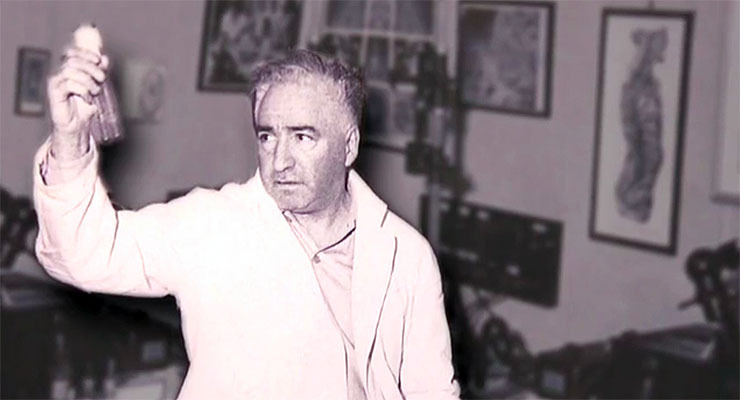
    Dr. Wilhelm Reich: Scientific Genius – or Medical Madman?

    From New Dawn 84

    In my medical research into the infectious cause and origin of cancer, I never imagined I would become enmeshed in the strange world of Wilhelm Reich. For two decades I had studied the work of scientists linking bacteria to cancer, but never once did I come across Reich’s important experiments with the deadly “T-bacilli” that he discovered in cancer.

    I first learned about Reich in 1982 from Lorraine Rosenthal who heads the Cancer Control Society in Los Angeles. Her mother worked in his laboratory in the 1950s, and Lorraine was sure his cancer work was related to my cancer microbe research. She recommended I read Reich’s two most revolutionary books: The Bion Experiments on the Origin of Life (1938) and The Cancer Biopathy (1948). These two volumes provide valuable and fascinating insights into the origin of the cancer cell and his discovery of cancer “T” bacteria.

    During his life, Reich was portrayed as a mad psychiatrist and scientist who advocated free love, abortion, communism, and a multitude of other so-called perversions. The medical establishment regarded him as quack who tried to dupe the public into believing he had a cure for cancer. Eventually the US government took legal action to suppress Reich’s research, and the closing years of his life were filled with tragedy. Persecuted and hounded by the government, he was finally sacrificed on the altar of science.

    Who was Wilhelm Reich? And why was he condemned for his beliefs? Was he merely a crack-pot psychiatrist? Or was he one of the greatest and most misunderstood scientific geniuses of the twentieth century?

    Reich’s Sex Experiments and Orgone Energy

    Reich was born on March 24, 1897, on a small farm on the eastern outreaches of the Austro-Hungarian empire in what is now known as the Ukraine. At age twelve his childhood was shattered by his mother’s suicide. Provoked by marital unhappiness and infidelity, and beatings by her husband, she swallowed a kitchen poison. Reich watched her die a slow and agonising death. His father died of tuberculosis in 1914, and twelve years later his only brother also died of TB. Orphaned at age 17, Reich entered the Austrian army and experienced the brutality of World War One and the ensuing breakup of the Austro-Hungarian Empire.

    After the war he resumed his studies in Vienna and entered medical school. He was a brilliant student who developed a strong liking for the new speciality of psychiatry. At age twenty-three he became one of Sigmund Freud’s prized associates and began private practice as an analytic psychiatrist.

    As a pioneer in the study of human sexuality, he used novel experimental methods to examine, analyse and measure various aspects of physical lovemaking. He concluded that the ability to love was dependent on one’s physical ability to make love with “orgastic potency.” Reich coined this term to denote a kind of super-lovemaking in which the mental, physical and emotional aspects of sexuality were all functioning at a high level. Experimenting with electrical stimulation of erogenous zones, he showed that sexual feelings of touch, pleasure, and pain could all be measured in the laboratory.

    The physiologic process of erection of the male penis provided the beginning formula for Reich’s great scientific discoveries. Before male orgasm, he noted four distinct and separate processes that had to take place physiologically. First is the necessary psychosexual build-up or “tension.” Second, the “charge” that accompanies tumescence of the penis, which Reich measured electrically. Third, the electrical “discharge” at the moment of orgasm. And fourth, the final “relaxation” of the penis.

    Reich observed these four essential stages (tension, build-up, discharge and relaxation) in all aspects of life forms he examined. In the orgasm process of sex, he discovered a unique energetic life force that pervaded all nature. Reich named this force “orgone energy.”

    With Freud’s professional support, Reich quickly rose to the highest ranks of academia. His classic book, Character Analysis (1933), recounts his original contributions to psychiatry and introduces Reich’s novel concept of “body armoring.” Reich discovered that unreleased psychosexual energy could produce actual physical “blocks” within the muscles and organs of the body. These blocks act as an unfortunate “armor” preventing the release of blocked sexual energy. The orgasm, along with the convulsive body spasms which accompany orgasm, is the mechanism through which “orgone energy” is released by the body.

    Reich believed a healthy and loving sex life is everyone’s right. In fact, he considered a good sex life absolutely necessary for the proper functioning of the body. He stressed that the social and political ills of the world stemmed largely from society’s repression of sexuality. This repression leads to unhappiness, depression, and the inability to express joyous sexual love. For countless people the sexual energy is blocked because of personal body armoring. As a result of this armoring, such people often fall victim to various aspects of the “emotional plague.”

    In his practice of analytic psychiatry Reich broke with tradition. Instead of sitting passively, notebook in hand while his patients talked, Reich took an active role in the therapy. He frequently touched his patients, felt their chests for breathing, and repositioned their bodies. Sometimes he badgered and goaded them to physical action. In order to observe their body response during analysis, he sometimes insisted that all or part of the clothing be removed. Men were often reduced to shorts; women to bra and panties. Reich’s colleagues publicly protested against these unorthodox and radical psychiatric practices, and his most vociferous opponents accused him of immorality.

    Reich, Communism and the Nazis

    As a young man in post-war Vienna during the 1920s and 30s, Reich was active politically. Disliking the anti-sexual right-wing conservatives and repelled by the fanaticism of the fascists, he migrated to Marxism and the sexual freedom proclaimed by the communists. Although Reich was a sex expert, his expertise did not carry over to the state of matrimony. In 1922 he married Annie Pink, a psychiatrist. Their first child Eva was born in 1924, and a second daughter in 1928. No matter how hard he tried, it was impossible for Reich to conform to marital convention and the marriage was chaotic.

    In his writings the outspoken Reich went so far as to propose that a series of romantic relationships (“serial monogamy”) was a better alternative to marriage. In The Function of the Orgasm (1927) he declared: “Marriage is only one of the many issues where social scientists go astray, especially since they fail to see marriage for what it really is – a sexual union, based primarily on genital love. They prefer to ignore that fact and merely view it as an economic union or means to perpetuate the human race. Actually very few people marry for money or to have children; marriages of today really limit peoples’ freedom and may lead to economic deprivation.”

    For professional, political, and social reasons, Reich moved his practice to Berlin in 1930. He joined the German Communist party, convinced the sexual freedoms of Marxism would liberate the common man and foster his mental health. As a spokesman for the Party, Reich advocated free contraceptives, birth control, abortion on demand, and sex education in schools.

    By 1933, Reich’s marriage was on the rocks and he was already in another passionate love relationship. The German communists were increasingly disenchanted with the controversial Reich due to some of his outrageous ideas on sexual-political matters. The Party finally expelled him. He was also in a career crisis. His psychiatric writings and left-wing political activities became progressively more out of tune with Freud’s ideas and their relationship cooled considerably. In a supreme blow to Reich’s career, the Psychiatric Association revoked his membership.

    All this personal turbulence was compounded by the rise of Hitler and Nazism. The Nazi press damned Reich as a radical psychiatrist, an anti-Nazi communist, a womaniser, and a Jew. Berlin was no longer safe. Disguised as a tourist on a ski trip to Austria, he luckily got out of the city by the skin of his teeth.

    Returning to Vienna, he soon realised he was no longer professionally welcome there either. He emigrated to Denmark but soon became embroiled in disputes with Danish communists. From there, he relocated to Sweden, but was again harassed by the authorities. Finally, through the help of Norwegian colleagues, he secured residence in Oslo, where he had a new laboratory and enough money to continue his research.

    By 1934 Reich’s divorce was finalised. Escaping the Nazis, Annie and his children resettled in Austria. Reich was madly in love with Elsa Lindenberg who had dutifully followed him in his exodus to Austria, Denmark, Sweden, and finally to Norway. In Norway he was determined to continue his research into the orgone life force that he had discovered in his orgasm experiments.

    The Bion Experiments and the Origin of Life

    His experiments began simply by close microscopic examinations of the smallest form of cell life known to man: the so-called “protozoa.” Reich marveled at the squirming amoebae that developed from his grass and water “infusions.” Swimming in his microscopic preparations, the one-celled organisms were seemingly structureless blobs, yet they were also exceedingly complex forms that ate, digested, contracted, expelled, and multiplied. He playfully applied a small electric current and watched the protozoa contract and elongate.

    During the years 1934-1937 Reich was totally absorbed in his experiments on the origin of life. His preparations consisted of infusions of various substances, such as grass, beach sand, earth, coal, iron fillings and animal tissue. He tested various combinations and added potassium, gelatin and other biochemicals to the mixtures. Boiling the preparations resulted in a marked increase in the number of “vesicles” that could be cultured.

    After much experimentation, Reich concluded the cultured vesicles were intermediate “transitional” forms which were “midway between life and non-life.” “Dead” inorganic substances (such as sand, earth, and coal) gave birth to vesicles which pulsed with life. Reich named these energetic vesicles “bions.” He suspected bions were a heretofore unrecognised elementary stage of life.

    After cooling the boiled bion cultures, he poured some of the boiled material onto laboratory nutrient culture media designed to grow ordinary bacteria. An unbelievable phenomenon resulted: the boiled bion cultures gave birth to peculiar-looking bacteria, and amoeboe!

    To eliminate the possibility of contamination, Reich heated the cultures to the intense, flaming, glowing temperatures of incandescence (150 degrees Centigrade), and repeatedly sterilised his lab culture media by autoclaving it at a high temperature (180 degrees Centigrade) and pressure. At the time it was thought no known bacteria or any other life forms could possible survive such a high temperature and pressure.

    Reich believed he had discovered an indestructible life force that defied death. He concluded: Bions are preliminary stages of life; they are transitional forms from the inorganic and non-motile – to the organic, motile, and culturable state.

    When Reich’s The Bion Experiments On the Origin of Life was published in Oslo in 1938, the book created a furore. His critics latched onto one paragraph in the book that intimated Reich might have inadvertently found a cancer cure. Reich wrote that preliminary studies showed bion-like structures could be cultured from human blood and “bion research proved particularly fruitful for an understanding of cancer.” He was attacked by the scientific and lay press as a “Jew pornographer” who was tinkering with life and promoting a quack cancer cure.

    Instead of discouraging him, the attacks lured him deeper and deeper into orgone research. Reich was determined to prove, beyond doubt, the reality of the new life energy forms he had discovered.

    The T-Bacilli, Cancer and Reich’s Bions

    The unfair accusations surrounding the publication of The Bion Experiments goaded Reich into trying to solve the mystery of cancer. Weeks earlier he had placed some sterile cancer tissue (provided by the surgeons at a local hospital) into flasks containing liquid nutrient broth. Now in his anger, he scurried around to retrieve the bottles. To his astonishment, “all these cultures showed a green-blue coloration. Taking material from the margin, [Reich] inoculated a new agar plate and saw, for the first time, the T-bacilli, the discovery of which would help break down the mystery surrounding the cancer problem.”

    The finding of bacteria in cancer filled Reich with a curious mixture of fear and awe. With fear because he knew that solving the secrets of cancer would be a Herculean task, further antagonising the medical establishment against him. With awe, because he intuitively knew these bacilli were involved in the agonising cancer deaths that affected countless millions. After much study, Reich named his newly-discovered cancer microbes “T” bacilli, after the German word “Tod”, meaning death.

    The years 1934-1937 in Norway were Reich’s happiest. The bion work was exceedingly productive, and he was deeply in love with Elsa Lindenberg. In August 1938, Hitler annexed Austria. Miraculously, Annie and his children had emigrated to America the month before. Reich’s lingering presence in Norway increasingly angered the authorities, and the newspaper attacks against him were unrelenting.

    Aggravated by depression and bouts of jealously and pettiness, his relationship with Elsa cooled. An American colleague strongly urged Reich to emigrate to the United States. In August 1939, on the last boat to leave Norway before the war, Reich left for America. Half-heartedly he had asked Elsa to come, but their tempestuous love affair was over and beyond repair. By this time Reich was also completely disillusioned with the communists and their false promises and their perversion of Marx’s humanitarian ideals. Never again would their philosophy interest him, and he became an ardent anti-communist.

    When he embarked for America, Wilhelm Reich was no longer young. He was 42 years old and he would again be a stranger in a strange land. He rented a house in Forest Hills, Long Island, and soon began a new love affair with Ilse Ollendorf, who was extremely helpful in assisting him with his research. They were married in 1946 and Ilse bore him a son, Peter.

    The cancer work continued with the T-bacilli proving to be the key to the origin of cancer. Reich’s experiments showed that all life contains orgone energy and when this energy diminishes in the cells, either through injury or aging, the cells undergo a death process that Reich termed “bionous degeneration.” As a consequence of this degeneration, the deadly T-bacilli begin to form in the cells.

    Reich could demonstrate these bacteria microscopically in living (and unstained) cancer cells. Cultures of T-bacilli injected into mice caused inflammation and eventual death from cancer. The T-bacilli that formed in the cells provoked a reaction in the tissues resulting in the formation of vesicular swellings. Microscopically, these vesicles gave off a bluish glow, and Reich called them “blue PA bions” because they resembled the clumped “PAcket” bions that were experimentally produced when he heated substances (such as grass and coal) to high temperatures.

    In degenerating cancerous tissue, the blue PA bions seriously affected the orgone energy of the cells. In other mouse experiments, Reich injected blue bions into the tissue and observed the resulting cancerous cell changes and the development of actual protozoa. These cancerous changes were similar to what had occurred in Reich’s earliest experiments during the death process of cut blades of grass immersed in his water infusions. First the tissue cells swelled and formed vesicles; and eventually transformed into protozoa.

    Reich found that cancer cells have less orgone energy than normal, healthy cells. As the energy-depleted cancer cells break down and degenerate into T-bacilli, putrefaction of the body occurs. It is the overwhelming infection with T-bacilli and the massive breakdown of cancer tissue that causes most deaths from cancer. Cancer is literally death in the living body.

    Reich discovered T-bacilli not only in the cancer tumours, but also in the blood, the body fluids, and the excreta of cancer patients. He originally thought the T-bacillus was the specific infectious agent of cancer. But these cancer microbes were eventually found by Reich in persons with other diseases – and Reich also observed the T-bacilli in the blood and excreta of normal healthy people!

    The blood of cancer patients produced T-bacilli easily and quickly. In contrast, normal blood produced the bacilli slowly. Reich concluded “the disposition to cancer is therefore determined by the biological resistance of the blood and the tissues to putrefaction. This biological resistance, in turn, is itself determined by the orgone energy content of the blood and tissues, which is to say, by the organotic potency of the organism.”

    Reich in America, the Oranur Experiment, and Orgone Energy

    Reich’s early years in America were comparatively quiet compared to his turbulent years in Europe, but his biomedical activities did not go unnoticed by the authorities. In December 1941, under the guise of subversive activity, the FBI arrested Reich and detained him at Ellis Island for three weeks. The exact reasons for the arrest were never made clear, but the harrowing experience further embittered him against his real and imagined enemies.

    Along with his cancer discoveries, Reich had first noticed biological energy radiating from a beach sand bion culture in his Oslo lab back in January 1939. Now, in America, Reich would follow his hunches that would lead him to discover a new energy pervading the entire planet.

    Reich and his lab co-workers frequently experienced headaches, irritability, and other unpleasant psychological and physical effects when working with certain radioactive bion cultures. It was theorised the beach sand had absorbed considerable quantities of radiation from the sun. When the sand was experimentally heated to incandescence (1,500 degrees Centigrade), Reich believed the solar radiation energy contained within the sand was released. Whatever the reason, there was no doubt orgone radiation was real and bion cultures had to be handled with extreme care because of their radioactivity.

    In July 1940 Reich discovered orgone energy in the atmosphere! In order to study the effects of this radiation, he designed a specially-constructed box to house and concentrate this energy. Boxes were constructed to house lab animals. Eventually larger boxes were constructed in which a person could sit comfortably. Reich was interested in determining the effect of atmospheric orgone energy on humans, particularly persons with far-advanced and incurable forms of cancer.

    It was this “orgone accumulator box” and its use in human cancer experimentation that caused the US Food and Drug Administration (FDA) to begin an intensive investigation of Reich’s scientific activities in the late 1940s. There were all sorts of rumours that the accumulator was a “sex box” which induced uncontrollable erections and stirred up intense and immoral sexual passions. As a result, Reich was harassed and intimidated by the authorities. Condemnatory articles in the professional and lay press added fuel to the fire by alluding to Reich’s mental problems and his sex-tinged research.

    In the early 1940s Reich bought a summer house and acreage in Maine. He dearly loved the clean air, the clarity of the atmosphere, and the peacefulness of the place. A research lab was eventually built on the site, and in 1950 he moved permanently to the site he named Organon. He was fifty-three years old and tired of the stress of his psychoanalytic practice. Over the years his continuing practice had helped tremendously to support Reich’s studies and family, but now he wished to devote the remaining years of his life exclusively to orgone research.

    At Organon a dangerous experiment began. Reich was deeply concerned with the planetary dangers unleashed by atomic warfare at Hiroshima and Nagasaki, and in the early 1950s it was feared the Korean War might provoke another nuclear holocaust. Reich believed orgone energy could be harnessed as a possible antidote for nuclear radiation. He began testing the effects of orgone energy (OR) on nuclear energy (NR), and named the experiment “Oranur.”

    During the Oranur experiment, radioactive radium was brought to Reich’s lab and housed in a special room containing orgone energy. The slow mixing of the two energies produced a nuclear chain reaction with devastating consequences. As a result of this nuclear accident, Reich learned that nuclear energy drastically changes orgone energy – converting it into “deadly orgone energy” (DOR). The laboratory accident seriously affected the physical, mental, and emotional health of Reich and his co-workers and necessitated a complete shut down of the lab until the dangerous radiation levels cleared.

    Reich’s daughter, Eva, almost died in the mishap. Eva had been estranged from her father for years, but after finishing medical school, she joined him at Organon to help with the Oranur experiment. The stressful changes wrought by Oranur, and the increasing harassment by the FDA, put Reich under great pressure. He was never quite the same again.

    The experiment undoubtedly contributed to Reich’s worsening relationship with Ilse. The marriage become more and more stormy as he tormented Ilse with accusations of infidelity and was physically abusive. Few people understood the clinical nature of feelings and emotions better than Reich; and yet he could be cruel, unyielding, and insanely jealous in his love relationships. He preached sexual freedom for all but he practised a sexual double standard in marriage that allowed him to be unfaithful, but never his mate.

    While Reich was immersed in the problems of Oranur, Ilse developed uterine cancer. She was convinced her cancer was connected with the radiation experiments at Organon. While she convalesced from surgery, Reich cruelly filed for divorce. After it was finalised in September 1951, he began another relationship. The following month he suffered a major heart attack.

    According to David Boadella’s biography of Reich, “The Oranur experiment had exposed Reich and all those who worked with him to severe strains. The remainder of his life was to be devoted to working on the many problems that the atmospheric chain reaction provoked by Oranur opened up, and it was particularly unfortunate for Reich that just at the time when he was struggling to cope with the dislocation to the normal activities of the Institute, he should become victim of a sustained campaign to belittle, discredit and attack his work on many fronts.”

    Reich’s Trial, Book Burning and Imprisonment

    Despite constant attacks by the FDA, Reich pursued his experiments undaunted. He built a “cloud buster” in order to affect the orgone energy in the atmosphere. In the Arizona desert he induced rain by forcing clouds to form and disperse. Like a god, he began to control the forces of nature, as no one before him had ever done.

    He was convinced the scientific world would recognise the value of his work and would appreciate the great benefit orgone energy could bring mankind. Long before such subjects were popular, Reich was concerned about toxic waste, nuclear energy, and planetary pollution; he knew their detrimental and damaging effects on the atmospheric orgone energy. He was sure the FDA would never destroy his research which held so much promise for the planet and its healing. Reich also had implicit faith in the fairness of the American legal system. He fully believed that American justice would never allow his important work to be discontinued.

    Whether from ignorance or arrogance, or both, Reich severely underestimated the power of the FDA and the campaign against him. In February 1954 the FDA issued an injunction forbidding the interstate shipment of orgone accumulators. The injunction also denied the existence of orgone energy, and proclaimed all Reich’s books and publications were promotional materials for the worthless accumulator.

    As demanded by the terms of the injunction, Reich foolishly refused to appear in court. He was adamant his scientific work could never be properly argued or evaluated in court. His legal counsel pleaded with him to reconsider, but he stood firm in his position. His unyielding decision had disastrous consequences. The FDA won the injunction by default.

    The legal maneuverings culminated in a trial that took place in Portland, Maine, in May 1956. Reich was arrested in Washington, DC, on contempt of court charges, and was forcibly brought to Portland in chains. His refusal to cooperate with the court did not bode well with the judge.

    Time was running out for Reich. Years earlier he had been abandoned by the psychoanalytic establishment. The communists drummed him out of the Party, and the Nazis wanted him dead. He had offended the Austrians, the Danes, the Swedes and the Norwegians. Now the Americans would have the opportunity to destroy the mad psychiatrist and his new god of orgone.

    Reich was finally done in. He had played into the hands of his enemies, and now they had him where they wanted him. Reich was sentenced to two years in federal prison.

    Before imprisonment, the FDA had its final vengeance. On June 5, 1956, FDA officials came to Organon. Reich and his young son Peter watched in silence as the federal officials axed the accumulators. On June 26, Reich’s many books and journals at Organon were burned by government authorities. On August 23 in New York City the final destruction of Reich’s literature took place. Six tons of books, journals and papers were burned in a scientific holocaust. And not a single major newspaper in the Land of the Free protested this unprecedented action, so reminiscent of Nazi Germany.

    In early March 1957 Reich was imprisoned at Danbury Federal Prison. The psychiatrist who examined Reich recorded the diagnosis: “Paranoia manifested by delusions of grandiosity and persecution and ideas of reference.” A few weeks later, Reich was transferred to the federal penitentiary in Lewisburg, Pennsylvania.

    The United States government won. Officially, orgone energy did not exist. Reich was certified as a mentally ill, quack psychiatrist who tried to foist a sex box and a cancer cure on the American public. The Reich affair was terminated.

    In his prison cell towards the end of October he began to feel poorly, but he was afraid to bring the matter to the attention of the prison officials. He told friends that his jailers would try to kill him in prison, and believed he would never get out alive. On November 3, 1957, Reich was found dead in his cell, an apparent victim of a heart attack.

    Reich’s Scientific Legacy

    The body was taken to Organon for burial. A small band of loyal followers, including Ilse, Eva, and Peter, paid their last respects. Elsworth Baker, M.D., who had studied with Reich for eleven years, gave the eulogy. “Friends, we are here to say farewell, a last farewell to Wilhelm Reich. Once in a thousand years, nay once in two thousand years, such a man comes upon this earth to change the destiny of the human race. As with all great men, distortion, falsehood, and persecution followed him. He met them all until an organised conspiracy sent him to prison and there killed him.”

    Years later, Dr. Baker also wrote: “Reich’s attitude, in fact his entire life, was unconventional and as difficult for the world to understand as were his discoveries. Many legends, probably even religions, will develop about him. Already, some people look upon him as a superman who could not err, or as a spaceman come to earth; others have rationalised and written articles attempting to prove him insane, a charlatan, or a fraud, He was very human, natural, and open, and foremost, a great and genuine scientist. He could be as soft and warm as a summer breeze or as violent and angry as a thunderstorm.”

    Was he a genius or a madman? For those who consider Reich an enemy of the people, his official sins are duly recorded in the dusty archives of office buildings in Vienna, Berlin, Copenhagen, Oslo and Washington. For those willing to take the time to investigate Reich’s writings, a different sort of man emerges.

    It is my feeling that Reich desperately wanted to show the world God existed in the realm of the orgone. Through the study of orgonomy, Reich believed man and science could prove, beyond doubt, that God is real. Like God, the orgone is indestructible. And like God, orgone energy exists everywhere in the universe. Man’s spirit constantly reflects the orgone, eternally imbued with new life rising from the ashes of death.

    Almost a half-century after his death, his scientific legacy persists. Reichian (Orgone) therapy is practised by some psychiatrists and psychologists. The American College of Orgonomy publishes the Journal of Orgonomy devoted to his work, and maintains a web site (www.orgonomy.org). Reich’s laboratory and burial place at Organon is now a Museum with a bookstore open to the public. Cloud-busting followers like Jim DeMeo have established an Orgone Biophysical Research Laboratory in Ashland, Oregon. The lab conducts yearly seminars reproducing Reich’s bion experiments and demonstrating Reich’s blood test procedures.

    Reich’s T-bacilli are obviously connected to still controversial and current bacteriologic findings of so-called nanobacteria, pleomorphic bacteria, cell-wall-deficient bacteria, and mycoplasma. In addition, newly discovered bacteria have been found in the blood of all human beings. All of these microbial life forms have been implicated as possible cancer-causing and disease-causing agents.

    In some ways Reich was childlike and surprisingly naïve. His downfall was overestimating the goodness of science; and underestimating the dark forces of science. In human terms, he paid for this error with his life.

    Science, as we know it, is becoming increasingly “dark.” As this new century begins, scientists continue to discover all sorts of new ways to kill mass numbers of people and other living things with chemical, biological, and nuclear warfare. Perhaps it is time to take another look at Reich’s discoveries and his dream to harness orgone energy for planetary healing. Rather than automatically placing Dr. Wilhelm Reich in the trash bin of medical science, he might eventually prove to be the most inventive and far-sighted physician-scientist of the twentieth century.

    [alert type=”general” dismiss=”no”]This article was published in New Dawn 84.[/alert]

    [alert type=”success” dismiss=”no”]If you appreciate this article, please consider subscribing to help maintain this website.[/alert]

    References:

    Baker EF: “My eleven years with Reich”. Journal of Orgonomy 18:155-171, 1984.

    Boadella D: Wilhelm Reich: The Evolution of His Work. Vision Press, Chicago, 1973.

    Cantwell AR, Blasband RA: “Bionous tissue disintegration in AIDS”. Journal of Orgonomy 22:220-228, 1988.

    Cantwell AR: The Cancer Microbe. Aries Rising Press, Los Angeles, 1990.

    Cantwell AR: “Bionous breakdown in degenerative disease”. Journal of Orgonomy 25:191-202, 1991.

    Cantwell AR: “Bacteria, cancer and the origin of life”. New Dawn, November 2003, pp 71-76.

    Reich W: The Bion Experiments on the Origin of Life. Ferrar, Straus and Giroux, New York, 1979.

    Reich W: The Cancer Biopathy. Ferrar, Straus and Giroux, NY, 1973.

    Reich W: Passion of Youth; An Autobiography, 1897-1922. Ferrar, Straus and Giroux, New York, 1988.

    Sharaf MR: Fury On Earth: A Biography of Wilhelm Reich. St. Martin’s Press/Marek, New York, 1983.

    © New Dawn Magazine and the respective author.

    For our reproduction notice, click here.
  • The Human Radiation Experiments

    The Human Radiation Experiments

    This article was published in New Dawn 68 (Sept-Oct 2001)

    In preparing America for nuclear attack during the Cold War years following World War II, thousands of US citizens became the innocent victims of over 4,000 secret and classified radiation experiments conducted by the Atomic Energy Commission (AEC) and other government agencies, such as the Department of Defense, the Department of Health, Education and Welfare, the Public Health Service (now the CDC), the National Institutes of Health, the Veterans Administration (VA), the CIA, and NASA.

    Millions of people were exposed to radioactive fallout from the continental testing of more than 200 atmospheric and underground nuclear weapons, and from the hundreds of secret releases of radiation into the environment. Over 200,000 “atomic vets” who worked closely with nuclear detonations at the Nevada test site during the 1950s and 1960s were especially vulnerable to radiation fallout.

    Also affected were the thousands of so-called “downwinders”, who lived in nearby small towns in Nevada, Utah, Colorado and New Mexico. These downwinders (along with the animal populations) suffered the worst cumulative radioactive effects of fallout, along with a contaminated environment teeming with radioactive food and farm products. The plight of these poor country people exposed to government-induced radiation sickness has been recorded in Carole Gallagher’s remarkable photo-essay American Ground Zero: The Secret Nuclear War (The Free Press, 1993).

    In reviewing declassified AEC records (now the Department of Energy) from the 1950s, Gallagher was shocked to discover one document that described the people downwind of the Nevada Test Site as “a low use segment of the population.” Her shock at such callous bigotry caused her to eventually move West to research, investigate and document those who lived closest to the Test Site, as well as workers at the site, and soldiers repeatedly exposed to nuclear bombs during the military tests.

    Disinformation and Nuclear Fallout

    In the nuclear arms race, government doctors and scientists brainwashed the public into believing low dose radiation was not harmful. Some officials even tried to convince people that “a little radiation is good for you.” Totally ignored was the knowledge that the radiation from nuclear fallout could lead to an increased risk of cancer, heart disease, neurological disorders, immune system disease, reproductive abnormalities, sterility, birth defects, and genetic mutations which could be passed on from generation to generation. The full extent of this radiation damage to the American public during the Cold War years will never be known.

    A secret AEC document, dated 17 April 1947, reveals that physicians were aware of these radiation hazards but simply ignored them. Under the title “Medical Experiments in Humans,” the memorandum read: “It is desired that no document be released which refers to experiments with humans that might have an adverse effect on public opinion or result in legal suits. Documents covering such field work should be classified ‘Secret’.”

    According to Gallagher, many downwinders testified that the Public Health Service officials told them that their ‘neurosis’ about the fallout was the only thing that would give them cancer, particularly if they were female. Women with severe radiation illness, hair loss, and badly burned skin, were clinically diagnosed in hospitals as “neurotic.” Other severely ill women were diagnosed with “housewife syndrome.” When Gallagher’s investigation led her to ask a Department of Energy spokesperson about the AEC/DOE’s practice of waiting until the wind blew towards Utah before testing nuclear bombs or venting radiation in order to avoid contaminating Las Vegas or Los Angeles, the unabashed and unconcerned official actually said on tape, “Those people in Utah don’t give a shit about radiation.”

    Secret Radiation Experiments

    Only recently, with the forced release of Top Secret documents, have details been revealed about the unethical and inhumane radiation studies conducted during the Cold War years from 1944 to 1974. The initial story broke in November 1993 in a series of articles in the Albuquerque Tribunewhich identified the names of 18 Americans secretly injected with plutonium, a key ingredient of the atomic bomb and one of the most toxic substances known to man. Some, but not all, of the patients were terminally ill. This horrifying story by journalist Eileen Welsome (who later won a Pulitzer Prize) unleashed a storm of nationwide protest prompting Department of Energy Secretary Hazel O’Leary to order the release of secret files and documents pertaining to these Cold War experiments.

    The extremely dangerous plutonium experiment was performed under the auspices of the government’s Manhattan Project, which brought together a revered group of distinguished scientists to develop and test the atom bomb. The purpose of these secret experiments was to establish occupational standards for workers who would be producing plutonium and other radioactive ingredients for the nuclear energy industry.

    Some of the classified government experiments included:

    * Exposing more than 100 Alaskan villagers to radioactive iodine during the 1960s.

    * Feeding 49 retarded and institutionalised teenagers radioactive iron and calcium in their cereal during the years 1946-1954.

    * Exposing about 800 pregnant women in the late 1940s to radioactive iron to determine the effect on the fetus.

    * Injecting 7 newborns (six were Black) with radioactive iodine.

    * Exposing the testicles of more than 100 prisoners to cancer-causing doses of radiation. This experimentation continued into the early 1970s.

    * Exposing almost 200 cancer patients to high levels of radiation from cesium and cobalt. The AEC finally stopped this experiment in 1974.

    * Administering radioactive material to psychiatric patients in San Francisco and to prisoners in San Quentin.

    * Administering massive doses of full body radiation to cancer patients hospitalised at the General Hospital in Cincinnati, Baylor College in Houston, Memorial Sloan-Kettering in New York City, and the US Naval Hospital in Bethesda, during the 1950s and 1960s. The experiment provided data to the military concerning how a nuclear attack might affect its troops.

    * Exposing 29 patients, some with rheumatoid arthritis, to total body irradiation (100-300 rad dose) to obtain data for the military. This was conducted at the University of California Hospital in San Francisco.

    The Atomic Energy Commission

    In 1995 the Energy Department admitted to over 430 radiation experiments conducted by the Atomic Energy Commission between the years 1944 and 1974. Over 16,000 people were radiated, some of whom did not know the health risks or did not give consent.

    These experiments were designed to help atomic scientists understand the human hazards of nuclear war and radiation fallout. Because the entire nuclear arms buildup was classified secret, these experiments were all stamped secret and allowed to take place under the banner of protecting “national security.”

    Amazingly, these clandestine studies were conducted at the most prestigious medical institutions and colleges, including the University of Chicago, the University of Washington, the Massachusetts Institute of Technology, Vanderbilt University in Nashville, and the previously mentioned universities.

    Uranium Mine Workers

    In addition to these radiation experiments, workers who mined uranium for the AEC in the Four Corners area of Arizona, Utah, Colorado and New Mexico, were exposed to radioactive dust during the 1940s up to the 1960s. Although AEC scientists and epidemiologists knew the dust in these poorly ventilated mines was contaminated with deadly radon gas which could easily cause death from lung cancer, this lifesaving information was never passed on to the miners, many of whom were Native Americans. As a result, many miners died prematurely of cancer of the lung.

    Stewart Udall, an Arizona Congressman and lawyer who also served as Secretary of the Interior during the Kennedy and Johnson administrations, represented the miners and their families in a class action lawsuit against the federal government for radiation injuries. In The Myths of August, Udall writes that some physicians who defended the decisions of the atomic establishment sought to justify these experiments by contending that little was known about the health risks associated with the various exposures. Others tried to put a positive face on tests conducted without obtaining informed consent by maintaining that these experiments nevertheless produced advances in medical knowledge. Some physicians argued that the conduct of the AEC doctors should be condoned because they were merely following the ‘prevailing ethics’ of the postwar period. When the miners’ case finally came to trial in 1983, the federal court in Arizona dismissed the case by declaring the US government was immune from lawsuit.

    Medical Ethics of the Cold War

    How could these physician-experimenters ignore the sworn Hippocratic Oath promising that doctors will not harm their patients? Did they violate the Nuremberg Code of justice developed in response to the Nazi war crimes trials after World War II?

    The Nuremberg Code includes 10 principles to guide physicians in human experimentation. In actuality, prior to the Nazi war crime tribunals, there was no written code for doctors; and lawyers defending the Nazi doctors tried to argue that similar wartime experiments were conducted with prisoners at the Illinois State Penitentiary, who were deliberately infected with malaria.

    During the Nuremberg trials the AMA came up with its own ethical standards, which included three requirements: 1) voluntary consent of the person on whom the experiment is to be performed must be obtained; 2) the danger of each experiment must be previously investigated by animal experimentation; and 3) the experiment must be performed under proper medical protection and management.

    The records now show that many victims of the government’s radiation experiments did not voluntarily consent as required by the Code. As late as 1959, Harvard Medical School researcher Henry Beecher viewed the Code “as too extreme and not squaring with the realities of clinical research.” Another physician said the Code had little effect on mainstream medical morality and “doubted the ability of the sick to understand complex facts of their condition in a way to make consent meaningful.”

    Writing in the Journal of the American Medical Association in 1996, Jay Katz recalls an argument at Harvard Medical School in 1961 suggesting that the Code was not necessarily pertinent to or adequate for the conduct of research in the United States. Katz writes: “The medical research community found, and still finds, the stringency of the NC’s first principle all too onerous.” But patients in medical experiments expect the experiment to help them in some way – not to harm them! Patients also are often inclined to totally trust their physicians not to harm them. In The Nazi Doctors and the Nuremberg Code, Katz concludes that many doctors view the Code as “a good code for barbarians but an unnecessary code for ordinary physicians.”

    The President’s Advisory Committee

    In January 1994 President Clinton convened an Advisory Committee to investigate the accusations surrounding the human radiation experiments. In their final report presented to the president on 3 October, 1995, the Committee found that up to the early 1960s it was common for physicians to conduct research on patients without their consent.

    The Committee’s harshest criticism was reserved for those cases in which physicians used patients without their consent in experiments in which the patients could not possibly benefit medically. These cases included the 18 people injected with plutonium at Oak Ridge Hospital in Tennessee, the University of Rochester in New York, the University of Chicago, and the University of California at San Francisco, as well as two experiments in which seriously ill patients were injected with uranium, six at the University of Rochester and eleven at Massachusetts General Hospital in Boston. The plutonium and uranium experiments undoubtedly put the subjects at increased risk for cancer in ten or twenty years’ time.

    The Final Report of the President’s Advisory Committee is now available in The Human Radiation Experiments, published in 1996 by Oxford Press. Although the Committee studied the experiments in depth, there was no attempt to assess the damage done to individuals. In many cases, the names and records of the patients were no longer available, nor was there any easy way to identify how many experiments had been conducted, where they took place, and which government agencies sponsored them. The Department of Health and Human Services, the primary government sponsor of research, had long since discarded files on experiments performed decades ago.

    The Committee discovered “the records of much of the nation’s recent history had been irretrievably lost or simply could not be located” and “only the barest description remained” for the majority of the experiments.

    The Department of Energy also claimed all the pertinent records of its predecessor, the AEC, had been destroyed during the 1970s, but in some cases as late as 1989. All CIA records are classified. When records of the top secret MKULTRA program (in which unwitting subjects were experimented upon with a variety of mind-altering drugs) were requested, the CIA explained that all pertinent records had been destroyed during the 1970s when the program became a national scandal.

    Keeping Government Secrets

    The Committee made clear that its story could not have been told if the government did not keep some records that were eventually retrieved and made public. However, federal records management law also provides for the routine destruction of older records. Thus, in the great majority of cases the loss or destruction of requested documents was a function of normal record-keeping practices.

    The Committee was dismayed to report: “At the same time, however, the records that recorded the destruction of documents, including secret documents, have themselves been lost or destroyed.” Thus, the circumstances of destruction (and indeed, whether documents were destroyed or simply lost) is often hard to ascertain.

    In the Committee’s judgment the AEC had repeatedly deceived the public by denying it had engaged in human experimentation, and by issuing cover stories to cover-up secret investigations, and by deliberately supplying incomplete information to people who participated in government-sponsored biomedical research. It was clear that once government information was “born secret” it often remained that way.

    The Committee concludes: “The government has the power to create and keep secrets of immense importance to us all.” Yet, without documents how can historians and other researchers uncover the truth about the government’s clandestine activities? Where is the ‘smoking gun’ when secret records are systematically shredded or reported as ‘lost’? We now know that many people were damaged during the government’s Cold War period of secrets and lies. But how can we uncover the medical and scientific secrets that remain hidden in the still classified documents from 1974 up to the present?

    In the absence of medical records and follow-up, the ultimate fate of individuals who willingly or unwillingly “volunteered” for these experiments is not known. The Committee simply did not have the time or the resources to review individual files and histories. In many instances only fragmentary information survives about these experiments; whether people were harmed in these experiments could not be ascertained.

    Current Secret Biomedical Experimentation

    The US has the world’s largest arsenal of chemical and biological weapons. However, few people are aware of the covert biowarfare experiments conducted by various government agencies, particularly the military and the CIA.

    For example, in August 1977 the CIA admitted to no less than 149 subprojects, including experiments to determine the effects of different drugs on human behaviour; work on lie-detectors, hypnosis, and electric shock; and the surreptitious delivery of drug-related materials. Forty-four colleges and universities were involved, along with fifteen research foundations, twelve hospitals or clinics, and three penal institutions. In the infamous MKULTRA mind-altering experiments, the victims were lured to hotel rooms for sexual encounters with prostitutes and were then drugged and monitored by CIA agents.

    Military biowarfare attacks against unsuspecting Americans in the 1950s and 60s are a documented reality. The most notorious was a six-day US military bioattack on San Francisco in which clouds of potentially harmful bacteria were sprayed over the city. Twelve people developed pneumonia due to these infectious microbes, and one elderly man died from the bioattack.

    In other secret attacks, bacteria were sprayed into New York City subway tunnels; into crowds at a Washington, D.C. airport; and onto highways in Pennsylvania. Biowarfare testing also took place in military bases in Virginia, in Key West, Florida, and off the coasts of California and Hawaii.

    For 50 years the shameful details of the government’s radiation experiments were kept secret from the public. In The Plutonium Files, Eileen Welsome notes the ethical horror that resulted from the melding of military and medical agendas during the Cold War. She credits the atomic bomb project’s public relations machine for downplaying the fallout controversy, the illnesses of the atomic veterans, and the diseases of the downwinders. The government propagandists simply placed the blame on sudden wind shifts, misinformed scientists, the overactive imagination of aging soldiers, and even Communist propagandists.

    Welsome concludes: “The web of deception and denial looks in retrospect like a vast conspiracy, but in actuality it was simply a reflection of the shared attitudes and beliefs of the scientists and the bureaucrats who were inducted into the weapons program at a time of national urgency and never abandoned their belief that nuclear war was imminent.” She worries if what we have learned from the thousands of radiation experiment documents made public over the last several years will be remembered. Like the Holocaust and the Nazi crimes against humanity, the radiation experiments should never be forgotten.

    In reviewing Welsome’s book for the Los Angeles Times (2 January, 2000), Thomas Powers asks: “If the government lied about the danger of nuclear testing, can we trust them to tell us the truth about acid rain, global warming or the safety of deep storage for nuclear waste?”

    Does Secret Medical Experimentation Continue?

    To this day there are no adequate safeguards to protect people from secret government experimentation. Since the mid-1970s we have witnessed the spectacular rise of genetic engineering and molecular biology, as well as the concomitant outbreak of new and mysterious diseases like AIDS, chronic fatigue syndrome, the peculiar “Four Corners” lung disease discovered on Navajo land, and the appearance of unprecedented “emerging” viruses never before seen on the planet.

    Investigators linking the possible origin of these diseases to the dangerous engineering of new microbes are often dismissed as paranoids and crackpots. The mysterious Persian Gulf War syndrome is yet another recent illness clouded in military and biologic secrecy, with the origin and cause still debated and the medical records of sick veterans often “lost” or otherwise unavailable. Not surprisingly, the same government institutions that funded the radiation experiments now largely control the research, the funding, and the cover stories pertaining to all these new diseases and viruses.

    What is clear from studying the Committee’s Final Report is that the medical and scientific professions collaborated with the government and the military to abuse and harm US citizens. In the process, the nuclear establishment literally got away with murder. And there is simply no end to the secrets that still emerge from the Cold War years that began 58 years ago with the Manhattan Project.

    In January 2000, the government presented the results of a statistical study showing that atomic workers employed in the nuclear weapons industry during the Cold War were more likely to suffer a higher rate of cancer, due to their exposure to cancer-causing radiation and chemicals.

    From the 1940s up to the present time, government lawyers and scientists have repeatedly rejected the claims of workers who became sick as result of nuclear radiation and exposure to deadly uranium, plutonium, and fluorine. As many as 600,000 workers in 14 nuclear weapons plants are now affected by the government’s final admission of wrongdoing in exposing these people to cancer and other chronic illnesses.

    According to a Los Angeles Times report, “workers told of spending years trying to get compensation payments from the state, of having to hire attorneys to get disability pay, of going to clinics that forced them to sign away rights to a portion of any future disability payment before they could be treated.”

    Kay Sutherland, a worker at the Hanford plutonium plant in central Washington State, told a hearing that “the people in this area have been forced into poverty because they’ve had to retire in their 30s, 40s, and 50s, too young to get a retirement, and too young to get Social Security. They fall through the cracks and they die.” Sutherland has lost four of her five family members to disease, and has an enlarged liver and multiple tumours. She considers herself “a Holocaust survivor for the American Cold War.”

    How can we stop these nuclear and biological horrors, which have condemned thousands of innocent people to disease and death? Why must decades of government-sanctioned medical abuse be kept secret and covered-up by scientists and physicians who claim to be concerned about the health of the public?

    One way to prevent abuse might be to bring the physician-scientist perpetrators of these experiments to justice in a court of law. However, unless the public is aroused, this is unlikely to happen.

    Writing in the Columbia Journalism Review, Geoffrey Sea notes: “A startling fact about the experiments is that, despite the documentation of hundreds of cases of unethical conduct resulting in lasting damage to thousands of people, not a single physician or nurse, scientist or technician, policy maker or administrator has yet come forward to admit wrongdoing.”

    For over twenty years the law allowed the US Department of Defense (DoD) to use Americans as “guinea pigs.” This law (the US code annotated Title 50, Chapter 32, Section 1520, dated 30 July, 1977) remained on the books until it was repealed under public pressure in 1998. The new and revised bill prohibits the DoD from conducting tests and experiments on humans, but allows “exceptions.” One of the exceptions is that a test or experiment can be carried out for “any peaceful purpose that is related to a medical, therapeutic, pharmaceutical, agricultural, industrial, or research activity.” Thus, the 1998 law has obvious loopholes which allow secret testing to continue. For details on the restrictions (and exceptions) for human testing for chemical and biological agents, consult the Gulf War Vets website at http://www.gulfwarvets.com/1520a.htm.

    Unethical and dangerous experimentation undoubtedly continues in secret up to the present time, ostensibly under the guise of “national security.” Thus, it would seem prudent for patients to think twice before signing-up for government-sponsored medical studies, particularly at leading medical institutions. Enlightened patients might also view doctors (and scientists) with a healthy dose of skepticism, and a touch of paranoia.

    As weird as all this sounds, it could save your life!

    [alert type=”general” dismiss=”no”]This article was published in New Dawn 68.[/alert]

    [alert type=”success” dismiss=”no”]If you appreciate this article, please consider subscribing to help maintain this website.[/alert]

    References:

    Cantwell AR Jr: Queer Blood: The Secret AIDS Genocide Plot. Aries Rising Press. Los Angeles, 1993.

    Declassified: Human Experimentation (Video, 1999). A&E Television. Distributed by New Video, 126 Fifth Avenue, New York, NY 10011.

    Faden RR, Lederer SE, Moreno JD: “U.S. medical researchers, the Nuremberg Doctors Trial, and the Nuremberg Code: A review of findings of the Advisory Committee on human radiation experiments.” JAMA 276:1667-1671, 1996.

    Faden R; “The Advisory Committee on human radiation experiments: Reflections on a presidential committee.” Hastings Center Report 26 (no.5): 5-10, 1996

    Gallagher C: American Ground Zero: The Secret Nuclear War. The Free Press, New York, 1993.

    Harris R and Paxman J: A Higher Form of Killing: The Secret Story of Chemical and Biological Warfare. Hill and Wang, New York, 1982.

    Katz J: The Nazi Doctors and the Nuremberg Code. Oxford University Press, New York, 1993.

    Katz J: “The Nuremberg Code and the Nuremberg trial.” JAMA 276: 1663-1666, 1996.

    Murphy K: “Government finally hears a nuclear town’s horrors.” Los Angeles Times, February 5, 2000.

    Sea G: “The radiation story no one would touch.” Columbia Journalism Review, March/April 1994.

    The Human Radiation Experiments: Final Report of the Advisory Committee on Human Radiation Experiments. Oxford University Press, New York, 1996.

    Udall SL: The Myths of August: A Personal Exploration of Our

    Tragic Cold War Affair with the Atom. Pantheon Books, New York, 1994.

    Watts ML: “U.S. acknowledges radiation caused cancers in workers.” New York Times, January 29, 2000.

    Welsome E: The Plutonium Files: America’s Secret Medical Experiments in the Cold War. The Dial Press, New York, 1999.

    © New Dawn Magazine and the respective author.

    For our reproduction notice, click here.