New Dawn – World's Most Unusual Magazine

Category: Health/Wellness

  • Virginia Livingston, M.D.: Cancer Quack Or Medical Genius?

    Virginia Livingston, M.D.: Cancer Quack Or Medical Genius?

    From New Dawn 98 (Sept-Oct 2006)

    Cancer is the most frightening human disease and its cause remains elusive. Therefore, it seems inconceivable that the discovery of a germ cause of cancer would provoke such hostility among the cancer establishment. But, in truth, the belief in a cancer germ has always been the ultimate scientific heresy.

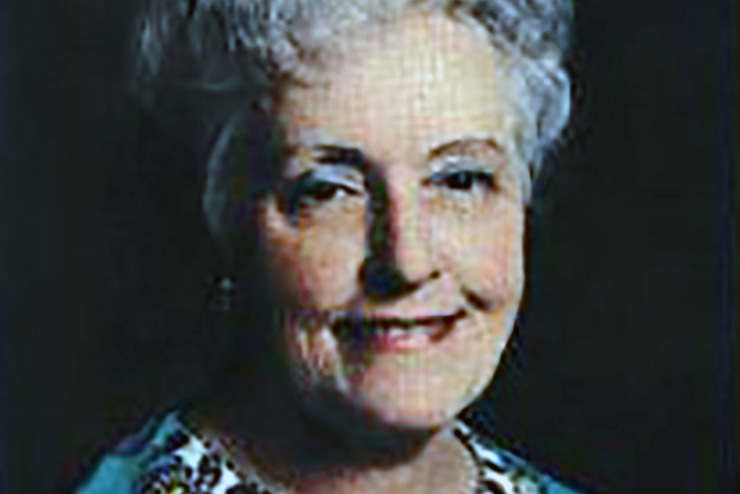
    In the long history of cancer research there was never a physician more outspoken and controversial than Virginia Wuerthele-Caspe Livingston (1906-1990). For more than 40 years she championed the revolutionary idea that bacteria caused cancer and devised a treatment to try and combat these microbes by immunotherapy.

    Sixteen years after her death she is now largely forgotten but still condemned by such powerful organisations as the American Cancer Society and blacklisted on Quackwatch, a self-proclaimed “non-profit corporation dedicated to combating health-related frauds, myths, fads, and fallacies.”

    Livingston’s Cancer Research

    Beginning in the late 1940s, Livingston was able to grow bacteria from cancer tumours; and when she and her associates injected cancer bacteria into laboratory animals, some developed cancer. Other animals developed degenerative and proliferative diseases, and some animals remained healthy. Livingston believed the “immunity” of the host was an important factor in determining whether cancer would develop.

    In 1969 at a meeting at the New York Academy of Sciences, Livingston and her colleagues proposed that cancer was caused by a highly unusual bacterium which she named Progenitor cryptocides – Greek for ‘ancestral hidden killer.’ Nevertheless, Livingston claimed elements of the microbe were present in every human cell. Due to its biochemical properties, she believed the organism was responsible for initiating life and for the healing of tissue – and for killing us with cancer and other infirmities. Critics of this research continued to insist there was no such thing as a cancer germ.

    In her attempt to use a variety of modalities (diet, supplements, antibiotics, as well as traditional methods) to treat cancer, she utilised an ‘autogenous’ vaccine derived from the patient’s own cancer bacteria found in the urine and blood. Livingston explained it was not an anti-cancer vaccine, but rather a vaccine to help stimulate and improve the patient’s own immune system. The administration of this unapproved vaccine caused a furore in the cancer establishment and eventually legal action was undertaken against her and the Livingston-Wheeler Clinic in San Diego. In spite of all her legal troubles, she continued seeing patients until her death at 83.

    In March 1990, the year of her death, a highly critical article on the Livingston-Wheeler therapy appeared in the American Cancer Society-sponsored CA: A Cancer Journal for Physicians. (No authors were listed.) The report advised patients to stay away from the San Diego clinic and claimed:

    “Livingston-Wheeler’s cancer treatment is based on the belief that cancer is caused by a bacterium she has named Progenitor cryptocides. Careful research using modern techniques, however, has shown that there is no such organism and that Livingston-Wheeler has apparently mistaken several different types of bacteria, both rare and common, for a unique microbe. In spite of diligent research to isolate a cancer-causing microorganism, none has been found. Similarly, Livingston-Wheeler’s autologous vaccine cannot be considered an effective treatment for cancer. While many oncologists have expressed the hope that someday a vaccine will be developed against cancer, the cause(s) of cancer must be determined before research can be directed toward developing a vaccine. The rationale for other facets of the Livingston-Wheeler cancer therapy is similarly faulty. No evidence supports her contention that cancer results from a defective immune system, that a whole-foods diet restores immune system deficiencies, that abscisic acid slows tumour growth, or that cancer is transmitted to humans by chickens.” (The full report is on-line at http://caonline.amcancersoc.org/cgi/reprint/40/2/103)

    Bacteria As A Cause Of Cancer

    The recognition of disease-producing bacteria allowed medical science to emerge from the dark ages into the era of modern medicine. In the late nineteenth century when diseases like tuberculosis (TB), syphilis, and leprosy were proven to be caused by bacteria, some doctors also suspected human cancer might have a similar cause.

    The idea that bacteria cause cancer is considered preposterous by most physicians. However, despite the antagonistic view of the American Cancer Society and medical science, there is ample evidence in the published peer-reviewed literature that strongly suggests that ‘cancer microbes’ cause cancer.

    According to reports by Livingston and various other researchers, cancer is caused by pleomorphic, cell wall deficient bacteria. The various forms of the organism range in size from submicroscopic virus-like forms, up to the size of bacteria, yeasts, and fungi. In culture and in tissue the bacterial forms are variably ‘acid-fast’ (having a staining quality like TB bacteria). These bacteria are ubiquitous and exist in the blood and tissues of all human beings (yet another ‘heresy’). In the absence of a protective immune response, these cell wall deficient bacteria may become pathogenic and foster the development of cancer, autoimmune disease, AIDS, and certain other chronic diseases of unknown etiology.

    Needless to say, all this research fell on dead ears because bacteria were totally ruled out as the cause of all cancers in the early years of the twentieth century. Thus, bacteria observed in cancer were simply dismissed as elements of cellular degeneration, or as invaders of tissue weakened by cancer, or as ‘contaminants’ of laboratory origin.

    Livingston And Progenitor Cryptocides

    Beginning in 1950, in a series of papers and books, Livingston and her co-workers claimed the cancer microbe was a great imitator whose various pleomorphic forms resembled common staphylococci, diphtheroids, fungi, viruses, and host cell inclusions. Yet if the germ were studied carefully through all its transitional stages, it could be identified as a single agent. She was the first to suggest that the acid-fast stain was the key to the identification of the cancer microbe in tissue and in culture; and also demonstrated its appearance in the blood of cancer patients, by use of dark-field microscopy.

    Anyone who takes the time to read Livingston’s reports in the medical literature will quickly recognise that she was a credible research scientist, who allied herself with other experts – and was certainly not the quack doctor pictured by her detractors. Her achievements in cancer microbiology can also be found in her autobiographical books: Cancer, A New Breakthrough (1972); The Microbiology of Cancer (1977); and The Conquest of Cancer (1984). Her research has been confirmed by other scientists, such as microbiologist Eleanor Alexander-Jackson, cell cytologist Irene Diller, biochemist Florence Seibert, and dermatologist Alan Cantwell, among others.

    The Cancer Microbe And Bacterial Pleomorphism

    Microbiologists have long resisted the idea of bacterial pleomorphism, and do not recognise or accept the various growth forms and the bacterial ‘life cycle’ proposed by various cancer microbe workers. Most bacteriologists do not accept the idea of a bacterium changing from a coccus to a rod, or to a fungus. Depending on the environment, the microbe in its cell wall-deficient phase may attain large size, even larger that a red blood cell. Other forms are submicroscopic and virus-sized. Electronic microscopic studies and photographs of filtered (bacteria-free) cultures of the cancer microbe show virus-size elements of the cancer microbe that can revert into bacterial-sized microbes.

    The cancer microbe has adapted to life in man and animals by existing in a mycoplasma-like or cell wall deficient state. In tissue sections of cancer stained for bacteria with the special acid-fast stain, the microbe can be seen as a variably acid-fast (blue, red, or purple-stained) round coccus or as barely visible granules. At magnifications of one thousand times (in oil), these forms can be observed within and also outside of the cells.

    Careful study and observation of the tiny round coccoid forms in cancer tissue indicate they can enlarge progressively up to the size of so-called Russell bodies, which are well-known to pathologists. Russell bodies can attain the size of red blood cells, and even larger.

    William Russell was a well-respected Scottish pathologist who in 1890 first reported the finding of ‘cancer parasites’ in the tissue of all the cancers he studied. However, modern pathologists deny that Russell’s bodies are microbial in origin. For more information on Russell bodies and Russell’s ‘cancer parasite’ (and its intimate relationship to cancer microbes), Google: The forgotten clue to the bacterial cause of cancer; or go to www.joimr.org/phorum/read.php?f=2&i=50&t=50.

    Overlooking Hidden Bacteria In Cancer

    Once bacteria were eliminated as a cause of cancer a century ago, it became dogma and impossible to change medical opinion. In this current era of medical science, one would think it impossible for infectious disease experts and pathologists to not recognise bacteria in cancer. However, bacteria can still pop up in diseases in which they were initially overlooked.

    When a new and deadly lung disease broke out among legionnaires in Philadelphia in July 1976, two hundred and twenty-two people became ill and thirty-four died. The cause of the killer lung disease remained a medical mystery for over five months until Joe McDade at the Leprosy Branch of the CDC detected unusual bacteria in guinea pigs experimentally infected with lung tissue from the dead legionnaires. Further modification of bacterial culture methods finally allowed the isolation of the causative and previously overlooked bacteria, now known as Legionella pneumophila.

    Yet another example of dogma-defying research is provided by recent studies proving that bacteria (Helicobacter pylori) are a common cause of stomach ulcers, which can sometimes lead to stomach cancer and lymphoma. For a century, physicians refused to believe bacteria caused ulcers because they thought bacteria could not live in the acid environment of the stomach. In 2005 the Nobel Prize in Medicine was awarded to two Australian researchers for their 1982 discovery. These stomach bacteria could only be detected by use of special tissue stains. The CDC now claims that H. pylori causes more than 90% of duodenal ulcers and 80% of gastric ulcers. Approximately two-thirds of the world’s population is infected with these microbes.

    In the past four years there have been medical reports of newly discovered bacteria in serious lymph node disease; in Hodgkin’s lymphoma; in cancer of the mouth; and in prostate cancer, to name only a few.

    All these studies prove bacteria can pop up in diseases where they are least expected. Such a caveat is appropriate for doctors who think they know everything about cancer and who pooh-pooh all aspects of cancer microbe research.

    A Century Of Cancer Microbe Research
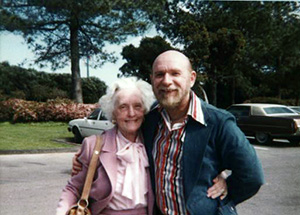
    Virginia Livingston, MD and Alan Cantwell. San Diego, California, 1981.

    Livingston never claimed that she was the discoverer of the microbe of cancer. In her writings she always gave credit to various scientists, some dating back to the nineteenth century, who attempted to prove that bacteria cause cancer. Some of these remarkable researchers include the long-forgotten cancer microbe studies of Scottish obstetrician James Young, Chicago physician John Nuzum, Montana surgeon James Scott, the infamous psychiatrist and cancer researcher Wilhelm Reich, microscopist Raymond Royal Rife, and others too numerous to mention.

    This cancer microbe research has been explored in my books The Cancer Microbe: The Hidden Killer in Cancer, AIDS, and Other Immune Diseases (1990) and in Four Women Against Cancer: Bacteria, Cancer, and the Origin of Life (2005) – the story of Livingston, Alexander-Jackson, Diller and Seibert – four outstanding women scientists who attempted to bring the cancer microbe to the attention of a disinterested medical establishment. I was privileged to have met all these remarkable women, who greatly influenced my own cancer research.

    Why is research exploring bacteria in cancer so strongly opposed? Perhaps it poses a threat to the money interests involved in the established and orthodox treatment for cancer. Various forms of cancer treatment include surgery, radiation and chemotherapy. These therapies might have to be reevaluated if it were proven that cancer was an infectious disease.
    Suggestions For Further Study

    Further information pertaining to cancer microbe research (both pro and con) can be found by Googling: cancer microbe; bacterial pleomorphism; cell wall deficient bacteria; “alan cantwell”; “virginia livingston”; “Eleanor Alexander-Jackson”; as well as other names and key words mentioned in this communication.

    For a list of scientific publications pertaining to the microbiology of cancer, go to the PubMed website hosted by the National Institute of Health (www.ncbi.nlm.nih.gov) and type in “Cantwell AR”, “Livingston VW”, “Alexander-Jackson E”, “Diller IC”, “Seibert FB”, etc. in the search box.

    This short communication is unlikely to convince many health professionals that bacteria cause cancer. However, after four decades of studying cancer microbes in cancerous tissue, I am personally convinced that Dr. Virginia Livingston will one day be vindicated and recognised as one of the greatest medical geniuses of the twentieth century.

    Ralph W. Moss, cancer advocate and author of The Cancer Industry, notes her passing was “a major loss to the cancer world.” In the Cancer Chronicles #6, 1990, he writes, “Virginia Livingston was a great person and a great scientist. Sadly, she never received the recognition she deserved in her lifetime. The true scope of her achievements will only become known in years to come.”

    This report honours the centennial of her birth which takes place on 28 December, 2006.

    [alert type=”general” dismiss=”no”]This article was published in New Dawn 98.[/alert]

    [alert type=”success” dismiss=”no”]If you appreciate this article, please consider subscribing to help maintain this website.[/alert]

    Bibliography

    Alexander-Jackson E. A specific type of microorganism isolated from animal and human cancer: bacteriology of the organism. Growth. 1954 Mar;18(1):37-51.

    Cantwell AR. Variably acid-fast cell wall-deficient bacteria as a possible cause of dermatologic disease. In, Domingue GJ (Ed). Cell Wall Deficient Bacteria. Reading: Addison-Wesley Publishing Co; 1982. Pp. 321-360.

    Cantwell A. The Cancer Microbe. Los Angeles: Aries Rising Press; 1990.

    Cantwell A. Four Women Against Cancer. Los Angeles: Aries Rising Press; 2005.

    Diller IC, Diller WF. Intracellular acid-fast organisms isolated from malignant tissues. Trans Amer Micr Soc. 1965; 84:138-148.

    Greenberg DE, Ding L, Zelazny AM, Stock F, Wong A, Anderson VL, Miller G, Kleiner DE, Tenorio AR, Brinster L, Dorward DW, Murray PR, Holland SM. A novel bacterium associated with lymphadenitis in a patient with chronic granulomatous disease. PLoS Pathog. 2006 Apr;2(4):e28. Epub 2006 Apr 14.

    Hooper SJ, Crean SJ, Lewis MA, Spratt DA, Wade WG, Wilson MJ. Viable bacteria present within oral squamous cell carcinoma tissue. J Clin Microbiol. 2006 May;44(5):1719-25.

    Nuzum JW. The experimental production of metastasizing carcinoma of the breast of the dog and primary epithelioma in man by repeated inoculation of a micrococcus isolated from human breast cancer. Surg Gynecol Obstet. 1925; 11;343-352.

    Russell W. An address on a characteristic organism of cancer. Br Med J. 1890; 2:1356-1360.

    Russell W. The parasite of cancer. Lancet. 1899;1:1138-1141.

    Sauter C, Kurrer MO. Intracellular bacteria in Hodgkin’s disease and sclerosing mediastinal B-cell lymphoma: sign of a bacterial etiology? Swiss Med Wkly. 2002 Jun 15;132(23-24):312-5.

    Scott MJ. The parasitic origin of carcinoma. Northwest Med. 1925;24:162-166.

    Seibert FB, Feldmann FM, Davis RL, Richmond IS. Morphological, biological, and immunological studies on isolates from tumors and leukemic bloods. Ann N Y Acad Sci. 1970 Oct 30;174(2):690-728.

    Shannon BA, Garrett KL, Cohen RJ. Links between Propionibacterium acnes and prostate cancer. Future Oncol. 2006 Apr;2(2):225-32. Review.

    Wuerthele Caspe-Livingston V, Alexander-Jackson E, Anderson JA, et al. Cultural properties and pathogenicity of certain microorganisms obtained from various proliferative and neoplastic diseases. Amer J Med Sci. 1950; 220;628-646.

    Wuerthele-Caspe Livingston V, Livingston AM. Demonstration of Progenitor cryptocides in the blood of patients with collagen and neoplastic diseases. Trans NY Acad Sci. 1972; 174 (2):636-654.

    Young J. Description of an organism obtained from carcinomatous growths. Edinburgh Med J. 1921; 27:212-221.

    © New Dawn Magazine and the respective author.
    For our reproduction notice, click here.
  • How Long Do You Choose to Live? The Truth About Longevity

    How Long Do You Choose to Live? The Truth About Longevity

    Recently my wife and I were driving back from Seattle to the island of San Juan where we live. To reach the island you must take a ferry from the small port town of Anacortes, some two hours north of Seattle, once the famed capital of Grunge. Now the stomping ground of Yahoo, Google, Amazon and Microsoft, this new Seattle is in constant motion… but not the motion of people walking about, conversing and interacting.

    As in so many places around the world today, Seattlites’ gaze is increasingly dug into their smart phones, a ceaseless thumb twirling, the last vestige of the bodily urge to move. Except, that is, for the hordes of Lance Armstrong lookalikes speeding by on their bicycles, the same look in their eyes, the same expression on their faces.

    Around this digitised social mass there is only an inexorable motion upwards: everywhere you look you see scaffolding rising to support the mutating species of tech-humans required to run this ultimate software machine. Glisteningly boring architecture wraps its soulless coils around the tree-lined communities with their famed water views, slowly asphyxiating them as might a giant python its prey. This brave new world emanates a distinct whiff of Singularity as technology continues its phallic and parabolic rise against the dwindling forces of nature.

    Or perhaps not. Nature is also uprising, with an unstoppable force of its own. As TS Eliot once wrote, the centre no longer holds. From the relative calm at the eye of the storm, we are now being spun out into the concentric rings of tempest that surround it. The centre is collapsing as the outer rings unleash the hounds of chaos.

    A perfect storm? Loss of faith in government, in religion, in financial regulation, in science, in our humanity; even loss of trust in our species capacity to prevail against self-administered adversity. Shadows are building around the glib optimism spouted by governments with their sycophantic media vomit and cherry-picking disregard for scientific consistency.

    As we shall see, this entropy at the centre need not always mean death and destruction. It could mean exactly the opposite. In fact, it is this very same dynamic (implosion at the centre, explosive growth at the periphery) that allowed larrea tridentate – humble creosote bush and longest living species of plant yet discovered – to endure for over eleven thousand years, outliving all the multicoloured empires man has sought to erect on this Earth.

    Elsewhere, in the deeps, swim arctic whales in whose flesh lie embedded ivory tips of harpoons aimed at their flanks by whalers of the early nineteenth century. Deeper still, close by the vents on ocean floors through which rise intense heat from beneath the planetary crust, delicate tube worms called lamellibrachia stack upwards like surreal, futuristic skyscrapers of the forgotten depths. These subluminous creatures can easily live out a quarter of a millennium. And if we go deeper still, under the very bottom of the basins of the great oceans, we encounter the largest biomass on Earth, that composed by archaea – tiny, ancient, unicellular creatures not to be confused with their later evolutionary relatives, the bacteria. We know that archaea metabolise time far more slowly than we do. How long can one of them survive? It has been posited that the answer may lie well north of one million years.

    And strange as all that may sound, it is not the strangest of all. That prize must go to turritopsis nutricola, the so-called immortal jellyfish. But we’ll get to him, or her, a little later.

    Longevity in a World Gone Mad

    Let me return for a moment to our drive back from Seattle. The whole day there had been a misty pall hanging over the entire region, giving it a sort of milky humidity through which the sun could not penetrate. By evening, as we drove in towards the harbour, the sun had broken through and hung above the horizon, a vermilion acrobat of astonishingly beautiful elegance, in slow motion descent. Just beneath it, waves of scorched yellows and ochres etched themselves between the far horizon and the lowest hanging cloud, suggesting that above the entire Pacific Ocean a great fire was raging. We drove slowly in our car, mesmerised by the bizarre beauty. From the CD player, tracks from Laurie Anderson’s album, Bright Red, played out softly:

    and when you think you’re swimming to the surface,

    you’re swimming right down,

    down to the bottom, all the way to the bottom…

    The entire landscape had become a dreamscape. There was a simple reason for this: fire. Five of the westernmost states of the US had caught flame: California, Idaho, Oregon, Montana and now eastern Washington. At this time of writing, the fires are officially “out of control.” Unable to quell them even after bringing in the army, the US government has requested the assistance of special crews from Down Under. Trained forest firefighters from Australia and New Zealand are due to land in Boise, Idaho.

    At around this same moment, a foiled terrorist attack has just taken place in Europe aboard the Arras-to-Paris train. A Moroccan man, naked to the waist, wielding an AK 47 and carrying nine magazines, a hand gun and a boxcutter knife is wrestled down by three Americans and a Briton just before he is able to unleash multiple rounds from a temporarily jammed barrel. That fire was stopped, just.

    Fear of death by fire, fear of death by water. These terrors lurk within the recesses of our unconscious, and for good reason they are now welling up. Just as parts of the rapidly desiccating land masses are catching flame and the ocean levels growing taller, and more menacing.

    So here we get to my point, or my $64,000 question: does it make sense for us to talk about longevity in a world that has become so precarious? Is it not rather like planning for retirement when we all know that the shadows of deflation and hyperinflation stalk the countries we inhabit, and especially those of the West, which are functionally bankrupt? When we see that the dying fiat currencies are being kept alive on inhalers called QE, the stock markets pumped full of steroids swollen anabolically by corporate buybacks to distract the eye from dwindling price-to-earnings ratios, the militarisation of police forces and all the other aggressive control reactions the authorities are throwing at a global situation they sense is fundamentally spinning out of central control? Is there a place amongst these madding crowds to hunker down and cultivate a long, happy and healthy life?

    How Long to You Choose to Live

    About ten years ago I read a book entitled How Long Do You Choose to Live? The name of the author is Peter Ragnar. Known for his unbridled pursuit of physical immortality and record beating feats of physical strength, Ragnar is also a successful businessman and New Age guru. Is it a sign of mental illness to believe that one can live forever? Not necessarily, although it might be a sign of mental illness to want to live forever. But we will get into that later. For now, let’s look at Ragnar’s basic premises, and then let’s see what he is doing to remain “forever young.”

    Ragnar notes that the Bible speaks about individuals living to immense ages. Noah was the last of the batch of early patriarchs who lived to be a thousand years (Noah himself died a little prematurely at age 950). After Noah, lifespan shortened dramatically. Less than three hundred years after Noah’s passing, Moses would only live to be 120, although most people today would agree that, with all that Moses had to live through, he went through a great deal of what we would now call stress, both personal and professional. Even back then, stress can’t have been good for you.

    In China and in India too, there are tales, whether fiction or fact, of tremendous longevity. Taoism in particular developed an esoteric cult of longevity which aimed at transcending death altogether. This was by dint of becoming a Taoist Immortal, or Cloud Wanderer. Such a path entailed diligent self-cultivation practices, and not only at a physical level of health. The fundamental concept is alchemical: which is to say that it is possible not only to slow down the processes of cellular decline and live a long life, but also in-so-doing to gradually spiritualise the body’s core energies in such a way as to build a sort of special energy vehicle (or capsule) for the self to survive intact in the worlds to come.

    Ragnar’s interest is not focused on that, however. It is purely focused on extending his physical life indefinitely. Or at least, he suggests, giving it a good try. Seeing whether it is in fact possible. One of Ragnar’s favourite texts is As A Man Thinketh by James Allen. Here is one sentence from Allen’s famous book:

    You are today where your thoughts have brought you;

    you will be tomorrow where your thoughts take you.

    Taking this literally, we are presented with a simple but radical notion: our thoughts precede our material circumstances. Is it possible to infer from this that if we change the way we think about aging (and dying) we can literally control the rate at which we physically decline; even, in theory, postpone death by refusing to accept the inevitable arrival of that cloaked and hooded figure with his sickle (the Ultimate Terrorist)? Is this an outrageous act of stupidity, or at least of hubris? Or does it merit closer attention? Ragnar, to his credit, is giving it a go and doing pretty well so far.

    Longevity & States of Mind

    Let’s switch gear to a recent study. A paper just published in JAMA in February 2015 describes a twelve-year study conducted by researchers at the University of London on a group of 6,489 people. What the research team was trying to find out was whether perceived age has any influence on mortality. In other words, say you are aged 60 but in your mind you perceive yourself to be 50, could that conceivably affect your lifespan? The research team concluded very clearly that it does. Those people who perceived themselves to be younger than their actual age lived longer (or died later) than those people whose self perceived age was identical to their biological age. People whose perceived age was greater than their biological age died the soonest. Mortality rates were 24.6% in the last group and only 14.3% in the first, almost double. Well, well, well. Perhaps there is something to this after all.

    In my previous article on longevity for New Dawn (see Nov-Dec 2014 issue), I mentioned how in some cultures you aren’t expected to behave like an adult until well into middle life. These cultures (I was referring to the people of the South Caucasus) lived typically into what we would today call extreme old age (120+).

    Are there any examples currently of people who have attained an extraordinary age, and also managed to remain vital and healthy? If so, how important is mental attitude in all this, and what other factors may be involved?

    Officially, the two oldest living persons in China and possibly the world are both Uyghurs from Xinjiang province. Alimihan is 127 and can still thread a needle without glasses. Her blood pressure and appetite are those of person one-third her age. Yakup is 120 and looks like a very fit 60 year old. He bends and squats without no obvious signs of arthritis or weakness. He walks around all day long tending to his five sheep and helping to feed the family’s other animals. His son in law attributes Yakup’s longevity to the fact that “he never stops moving.”

    Okay, so we know exercise is good and if you don’t use it you lose it. But, surely there would have to be some special water, herbs, diet (or perhaps esoteric spiritual practice) that has kept Yakup supple, strong and vital all these years. No: corn naan (a kind of flat bread) and tea are the only things he consumes each and everyday. No proteins, no antioxidants, no alkaline water, no blue-green algae, no super-raw-food diet, no human growth hormone, no special anything. Just corn bread and tea.

    If you check out those centenarians from the Greek island of Ikaria from my previous New Dawn article, you will see that most of them are not too politically correct when it comes to diet. Smoking, drinking copious amounts of wine, even Coca Cola are mentioned by numerous 100 year-old residents as daily pleasures which enhance their wellbeing and thus their longevity. On the other hand, they consume a diet rich in local greens, herbs, fruits and vegetables, little meat, and very little if any WiFi. Instead of sitting (as I am at this moment) glued in front of a computer, they are clambering over the windblown cliffs on their way to visit a neighbour or friend, and perhaps share a glass or two, or maybe even three. Women from Spain are, after the Japanese, the second longest living women in the world. Why? No doubt similar reasons apply as do in Greece. These Spanish women live more communally, are more expressive, more spontaneous, less pent up than many of their Anglo-Saxon counterparts, and do not refrain from drinking some wine with their meals, but not in a way that exhibits immoderation or alcoholic tendencies.

    But let’s get back to what Peter Ragnar recommends in his book How Long Do You Choose To Live?

    I would say he breaks things down to the following factors:

    1) Make sure you get regular, direct exposure to sunshine

    2) Actively focus your powers of positive belief, keep your mind open, and tap into limitless potential

    3) Keep your body fluids running clear and clean like a mountain stream so that your cells do not accumulate toxins and thus degrade

    4) Avoid three things like the plague: Stress, Drugs and Doctors

    5) Learn how to breathe deeply. Always oxygenate yourself well with fresh air and detox thoroughly with powerful exhalations

    6) Learn how to do “electric breathing” practices (that is, Qigong or Pranayama)

    7) Avoid noise pollution as much as possible (including the silent noise within from negative states of mind)

    8) Avoid electromagnetic pollution as best you can (including radio towers, WiFi and the proximity of smart phones)

    9) Drink only clear, clean, energised water and keep your PH alkaline

    10) Become a vegetarian. Eat raw food

    11) Exercise diligently and keep your muscles strong and primed

    12) Use hydrotherapy and dry skin brushing regularly: take hot/cold baths or showers

    These suggestions, simple as they might seem, are not so easy to put into practice as we all know. Not all of us can retire to a mountain retreat, have access to (or afford) garden-fresh organic produce, or drink vibrationally charged, purified water let alone breathe in uncontaminated air. By contrast, most of us are submerged in thickening seas of electrosmog. Before too long there will likely be class action suits about a slew of deaths caused by this invisible electrical pollution, just as there have been huge class action suits about deaths from smoking tobacco.
    [alert type=”info” dismiss=”no”]If you appreciate this article, please consider a subscription to New Dawn magazine.[/alert]

    How Can I Minimise the Damage?

    Realistically speaking, most of us tend to think: “How can I minimise the damage?” rather than “How can I maximise my potential?” We are playing catch up. The big irony is that the mainstream keeps assuring us people’s lives are manifestly getting longer. This is true, at least in developed parts of the world. But people’s bodies (and minds) are also growing weaker, fatter, slower and disturbingly disconnected. Our DNA is degrading, our robustness and vitality diminishing.

    Chronic degenerative disease is the new normal. And it is happening by stealth: no-one in a position of authority is willing to admit what is going on. The human being is morphing into a defenseless blob. Health, without the “QE” of more and more drugs and prosthetic interventions, is sliding on a downward trajectory. But this situation is actually perfect for big business interests. And perfecter still for those who want to fast-forward us into a post-Singularity world: a world where human and machine have finally fused. The ultimate makeover. The ultimate transgender wet dream fantasy: conquest of death by technology.

    On 18 August, scientists at Ohio State University announced they had grown a human brain in the lab. Their miniature brain, about the size of a pencil eraser, is not conscious and supposedly resembles that of a five-week old fetus. It has been engineered from adult skin cells. Interestingly, the research work and its fruit (if that is the right word) were presented to the Military Health System Research Symposium in Fort Lauderdale, Florida.

    The research team claims their brain is connected to a spinal cord, and even a retina. This work was accomplished by turning initial adult stem cells into pluripotent cells, which were then programmed to become central nervous system cells in the lab grown brain.

    What the heck are pluripotent cells, you may well ask? Actually, they are a kind of stem cell that can develop any which way. That’s why they are called pluripotent cells: they have plural powers, archetypal, magical powers of transformation and metamorphosis. And we are full of them. Nor are these cells only responsive to secretive scientists working on semi-classified projects. One of the most powerful remedies I use in my clinic is made from the aloe arborescens leaf. This leaf contains multiple factors including special sugars (polysaccharides) which can dramatically transform macrophages (human white blood cells) into pluripotent cells. There is an interesting documented case about a young girl who was born without an esophagus. After being given a preparation of the aloe formula, her body was able to grow one. Conclusion: nature still has the upper hand when it comes to technology.

    The Immortal Jellyfish

    Let’s get back to our friend turritopsis nutricola, the Immortal Jellyfish. How does this bizarre creature manage to defeat Father Time? It’s by a process known as transdifferentiation. When the adult, medusa shaped jellyfish senses danger, it has the option of floating back up to the surface of the ocean and simply reverting back into a blob. That is, its cells go backwards in time, from highly differentiated adult ones to cells which are essentially primitive stem cells. It hangs close to the surface until the danger has past. Then it re-morphs back into a medusa with tendrils, stomach, sense organs and so on. Of course, whilst in the blob state it could always get eaten. This is a risk it has to take. But if it escapes the marauding jaw of a fish, it returns to its fully fledged form as though nothing had ever happened. Thus, it does not age, it simply regroups, refreshed and revitalised. And it isn’t homo sapiens with all his superior intellect and technological prowess. It’s just a “stupid” jellyfish. Conclusion: when the going gets tough, simplify. Get rid of what you don’t need. Hang for a while and cling only to the essentials. Bide your time and then return, stronger than ever.

    Nature shows us many other examples of great intelligence and adaptability in supposedly primitive micro-organisms such as amoeba, which move around by means of limbs called pseudopods that they can sort of “haul in” and compress back into their blob-like core as they move fluently through pond water or through the extracellular fluids of your body. My own longevity system, which is called the Infinite Body SystemTM, was developed by studying creatures such as the amoeba proteus, and in fact by studying the precise movements of many diverse things in the universe, from nebulae to single molecules of water. We should remind ourselves that since the planet first began to sustain forms of life, there have been multiple extinctions and those species that found themselves over-specialised in a rapidly changing environment were the first to go. There is a lesson in that.

    Longevity & Reincarnation

    But we have one more twist of the puzzle to ponder over. When we speak of longevity, are we assuming that we live only once?

    In Old Souls by Tom Schroder, the author sets out to explore whether there is any hard evidence for reincarnation. He is a sceptic for whom lack of convincing proof would mean that the idea of rebirth is pure fantasy. A seasoned journalist, Schroder is allowed to accompany physician and psychiatrist Dr. Ian Stevenson on his field work in search of proof of reincarnation.

    Stevenson’s field work spans three continents, three cultures and three languages: Lebanon, India, and the USA. By the end of his travels with Stevenson, Schroder’s scepticism has been shaken to the core. It has become conviction, so mind-blowing is the evidence: concrete, compelling recollections of past life by children. These detailed accounts are not hazy. They consist of precision-sharp references to life information (inner and outer) of biographically identifiable individuals whose deaths occurred only months, weeks and, in some instances, just hours prior to the birth of the child in whom they “re-incarnate.”

    The documentation in Schroder’s book is of paramount importance to our interest in longevity. Why? Because if we only live once, then it makes sense to approach life as a private business: a precious, personal stretch of time. It is “our” time” and “our” life to live out as we see fit. If we wish to burn the candle at both ends, so be it. If we wish to “stretch” our bit of fabric so as to live a little bit longer, we will need to practice longevity. If we follow Ray Kurzweil and the other prophets of Singularity, we can go down that synthetic yellow brick road. But what if we live more than once? Does it still make sense to focus so much on longevity, or are we missing the point?

    I am sure that New Dawn readers from Australia all remember Kerry Packer, that brash, outspoken entrepreneur of the late twentieth century. In terms of personality, Kerry Packer had more than a few things in common with Donald Trump and Rupert Murdoch, another Australian! In 1990, Kerry suffered one of his four major heart attacks whilst playing polo. The attack left him clinically dead for a total of six minutes. Later on at a press conference he referred to this experience: “I’ve been to the other side and let me tell you, son, there’s f*cking nothing there… there’s no one waiting there for you, there’s no one to judge you so you can do what you bloody well like.”

    Packer’s conviction that “there’s nothing f*cking there” on the other side and that thus you can (and should) do what you like has to be one of the best tools we possess for understanding the way the world works today. The so-called elites, with their protective fatty membrane of politicians, media sycophants and rigged judiciaries, operate from the same belief system as Packer: we only live once, the world is up for grabs and may the best man (or rather, the worst man) win. There’s nothing to worry about except winning and holding on to what you’ve got. The rest is just empty background space, cannon fodder and raw materials to be exploited.

    They are convinced that they are right in this. They feel superior to everyone else in understanding the basic facts better and therein lies their right to the winnings. To remain undisturbed in their hegemony, they airbrush over their nihilistic beliefs, hiring legions of liars (politicians and media) to spread illusions of ethical governance to conceal the boundless predation and depredation in which they are so invested.

    The world we inhabit today is increasingly unstable. Geopolitical tensions between nation blocs are intensifying. Conflicts in the Middle East and elsewhere are threatening to spill out into the greater, perhaps even global, arena. War is now being increasingly spoken about in alternative media as a deliberate tactic to distract Western populations from the financial crimes of banks, corporations and corrupted government. The general awareness today, albeit a semi-conscious one, is of an Orwellian drift in government.

    At the same time we are witnessing an unravelling of natural balances involving weather patterns, symbiotic relationships between plants and insects, magnetic currents and polar fluctuations, sudden decreases in solar activity and so on. The spirit of our times is far from one of calm and predictability.

    So what to do? I’d like to suggest there is a way to consider the pursuit of longevity that is more real – and more meaningful – than simply trying to live for a very long time, and stay healthy. That way of thinking seems almost narcissistic unless, that is, our goals are greater and deeper than that. I would like to point out that often people who have a strong sense of integrity and truth live longer, healthier lives than their less awakened contemporaries. Their very strength of character seems to sustain their bodies and keep them vital.

    I will end this article by stressing that, as I see it, longevity in our times must involve both courage and generosity of spirit. Now more than ever we see how all life is profoundly interwoven and interconnected. Decades ago, Einstein pointed out that if bees suddenly vanished, we too would be gone in a few short years. A sobering thought back then. How much more so today? Our longevity as a species is utterly dependent upon the longevity of other species, just as our longevity as an individual is utterly dependent upon the fellowship and support of our companions. We cannot allow the threads of life to unravel. Living in support of ethical and spiritual values invites a powerful life force into the human heart. Living from the heart with steadiness and courage may be the best recipe for longevity there is. In the end, it is not the quantity of years that count, it is the quality of experience and how your life was lived, no matter what the circumstances.

    [alert type=”general” dismiss=”no”]This article was published in New Dawn 153.[/alert]

    [alert type=”success” dismiss=”no”]If you appreciate this article, please consider subscribing to help maintain this website.[/alert]

    © New Dawn Magazine and the respective author.
    For our reproduction notice, click here.

  • Space Weather Its Effect on Human Health & Behaviour

    Space Weather Its Effect on Human Health & Behaviour

    Solar energy and cosmic radiation have electrical influences over a multitude of human activities including human health. Mainstream science has begun to accept these effects, and to investigate the topic in a serious way, but the science itself is by no means ‘new’.

    At the December 1926 annual meeting of the American Meteorological Society, Russian Professor Alexander Tchijevsky (also spelt Chizhevsky) presented the paper “Physical Factors of the Historical Process.” The paper examined the cyclical variations in the sunspot number of the Solar Cycle in order to create a mass index of human excitability throughout history. He found that revolutions and periods of intense fighting seemed to occur during Solar Maxima – the period of greatest activity in the 11-year solar cycle of the Sun – while cultural flourishing and social cohesion tended to occur during Solar Minima.

    It was in this paper that Tchijevsky wrote:

    The Sun is an enormous generator of electric energy and emits it in the form of radiation and induction. The Sun is surrounded by an electromagnetic field, the limits of which reach beyond the farthermost planet Neptune, and therefore the Earth with its electromagnetic field is in the Sun’s field of tremendous power.1

    Tchijevsky and other observers at this time noticed that during the period of maximum solar activity, all of the Sun’s phenomena would acquire tremendous size and strength, and that, “The Sun ejects streams of anode and cathode rays which ionize the Earth’s atmosphere (Birke, Arrhenius, Nordmann, Paulsen, Villards) and create certain effects.”

    Based on previous research, Tchijevsky postulated that:

    The influence of the Sun on the human organism results in chemical changes in the pigment of the skin, in the chaining of the heart-beat, in the alterations in the chemical composition of the blood and the latter results in changes in the general condition of the organism and its nervous tonicity (Lenkei, Behring, Hasselback, Nogler, Aimes, Rollier, Revillet, Marques, d’Oelsnitz, Robin, Moleshott, Loeb, I. Newton, Professor Bechtereff, Lombroso).

    Given that the varying amount of the Sun’s energy received by the different climatic zones has such a great influence on humanity, Tchijevsky posed the question: do the periodical changes of the Sun’s activity resulting in the amount of the emitted innumerable streams of electrical particles and electromagnetic waves also have an influence upon humanity?

    It wasn’t until 1942 that Soviet leader Joseph Stalin became aware of this paper and Tchijevsky’s research. Tchijevsky was subsequently asked to retract his ideas and writings on the influence of Solar Cycles on human behaviour, “which contradicted Soviet theories of the reasons for the Russian revolutions of 1905 and 1917. He refused, was arrested and spent eight years in a forced labour gulag in the Ural mountains.”2

    Nonetheless, his ideas were central to the budding field of Space Weather research. In a paper from 2007, “Solar Activity, revolutions and cultural prime in the history of mankind,” Prof. Miroslav Mikulecký’s research is in agreement with Tchijevsky’s hypothesis that “revolutions culminated near to solar maxima while cultural flourishing usually distinctly near to solar minima. This conclusion is based on the level of statistical significance alpha=0.05” (Mikulecký, 2007).3

    Space Weather

    When we talk about ‘Space Weather’ we’re discussing the conditions on the Sun and in the solar wind, which contains charged plasma that is emanating away from the Solar surface and stretching all the way out past Pluto.

    In this space, charged ions are all flowing along electromagnetic currents, tethers that are connecting each planet to the Sun. Known as the Interplanetary Magnetic Field, this dynamo of sphere magnets (planets) revolving around one central, powerful sphere magnet (the Sun) makes up the protective shell of our Solar System known as the Heliosphere.

    The Earth has its own protective interface from the various effects of Space Weather, called the Magnetosphere. According to the European Space Agency, there are concerns the “force that protects our planet is weakening and may even be on the verge of reversing polarity. Over the last 150 years, the magnetic field has lost about 15% of its strength.”4

    But that’s not all. This decline in Magnetospheric strength on Earth has also been accompanied by a weakening in Solar Magnetics,5 as a Sunspot Grand Minima is quite possibly knocking at our door. Recent research into the modes of Solar Activity have revealed there is, on average, a 400 year Sunspot Grand Minima Cycle,6 with the last one occurring about 400 years ago during what’s commonly referred to as the Maunder Minimum:

    During the Maunder Minimum (MM) period extremely few auroras were recorded (Chapman, 1967) suggesting that atmospheric/magnetospheric processes were significantly affected. Reduced solar irradiance such as during the MM and Dalton Minimum, is correlated with the negative shift of the North Atlantic Oscillation (NAO) index leading to enhance north easterly wind which results into cooling of Europe, whereas enhanced solar irradiance is correlated with positive NAO index (Singh et al. 2011).7

    Whether or not a Global Warming or a Global Cooling scenario will play-out is still very much ‘up in the air’ (see our article ‘Global Warming or Global Cooling?’ in New Dawn 144), and the proposed, often exaggerated claims of warming proponents attempt to ignore the natural factors and cyclical variations that are taking place, untamed by any of the anthropogenic ‘climate forcing’ factors. The 11-year Solar Cycle and 22-year Magnetic Cycle will continue to unfold, unhindered, into the foreseeable future; this periodicity was first discovered by H. von Schwabe in 1851.

    The Heliosphere and Magnetosphere both protect the Earth from the harsh effects of Galactic Cosmic Rays, which are high-speed energetic particles capable of stripping away the Earth’s Ozone and atmosphere. Cosmic Rays are thought to induce cloud formation in the lower atmosphere8 and charge-up lightning strikes, thereby impacting regional temperatures.

    Both the Heliosphere and Earth’s Magnetosphere are stronger during Solar Maximum (offering more protection from Galactic Cosmic Rays) and weaker during Solar Minimum (offering less protection from the harmful effects of Cosmic Rays).

    This inverse relationship between Solar Activity (SA) and Cosmic Ray Activity (CRA) has been well-established in scientific literature. What this means is that whenever SA is high, CRA will be low, and vice versa, whenever SA is low, CRA will be high.

    A coronal mass ejection (CME) is a massive burst of solar wind and magnetic fields rising above the Sun’s corona or being released into space. A danger arises when these are directed towards Earth, and the term geoeffectiveness is used when determining a CME’s ability to generate geomagnetic storms on Earth.

    An important aspect of geoeffective CMEs is how large of a Forbush decrease (drop in galactic cosmic radiation) they produce. In the 2005 NASA article ‘Who’s Afraid of a Solar Flare?’, Dr. Tony Phillips wrote that

    Magnetic fields deflect charged particles, so when a CME sweeps past Earth, it also sweeps away many of the electrically-charged cosmic rays that would otherwise strike our planet. This is the ‘Forbush decrease’.9

    Large CMEs that become geoeffective often spark geomagnetic storms, which are marked by the appearance of the Aurora Borealis throughout the Auroral Ovals, which circle both of Earth’s polar regions and expand towards the equator during intense magnetic storms.

    A geomagnetic storm induced blackout was the case in 1989, after a large Earth-directed solar flare occurred on Friday, 10 March, which reached the Earth on Monday, 13 March 1989. The most significant damage occurred to Canada’s Hydro-Québec power utility grid, which crashed “when safety systems sensed a power overload caused by the currents pulsing through the ground.”10

    These ‘ground induced currents’ knocked out electricity for nine hours to as many as six million people in northeastern Canada. We know for a fact that extreme geomagnetic storms can induce ground currents that will affect all of sorts of sensitive electronics.

    Effects on the Human Body

    There are a wide variety of effects that Space Weather exerts on the electricity of the brain, heart and central nervous system inside of our own bodies.

    Recent research suggests the solar wind actually modulates lightning intensity here on Earth, and that an, “increase in Galactic Cosmic Ray flux may directly trigger lightning through ‘runaway breakdown’ of electrons, leading to breakdown (Roussel-Dupré et al 2008)” (Scott et al. 2014).11

    This is important given that, according to NASA, at any moment “2,000 thunderstorms roll over Earth, producing some 50 flashes of lightning every second. Each lightning burst creates electromagnetic waves that begin to circle around Earth captured between Earth’s surface and a boundary about 60 miles up…”12 and lightning is associated with local emission of photons.

    The Schumann Resonances (SR) are a set of frequencies ranging from 3 Hz to 60 Hz, increasing in 6.5 Hz intervals, with the ‘fundamental’ frequency of the Schumann Resonance standing at 7.83 Hz. The Schumann Resonances are easily detectable on any planet on which lightning takes place, and so far the SR signals have been detected on Venus, Mars, Titan, Jupiter and Saturn.

    In the paper “Schumann Resonance Frequencies Found Within Quantitative Electroencephalographic Activity: Implications for Earth-Brain Interactions,” Dr. Michael Persinger discusses the “bulk velocity of action potentials within the cerebral cortices, the approximate standing wave or resonance for a 60 cm circumference skull would be ~7.5 Hz. This bulk velocity would require ~20 to 25 milliseconds to traverse the cerebral length and is equivalent to about 40 to 45 Hz” (Persinger 2014).13 This 40 to 45 Hz band is the classic frequency associated with ‘consciousness’, as well as other complex biological functions.

    It is apparent that disruptions in the Schumann Resonances via external factors, such as natural variations in Space Weather intensity, can have a profound impact on the physiological and psychological health of an organism.

    The brain is a “massive source of extremely-low-frequency (ELF) signals that get transmitted throughout the body via the nervous system, which is sensitive to magnetic fields. Brainwaves and natural biorhythms can be affected by external factors” (Babayev & Allahverdiyeva 2007).14

    The late Dr. Neil Cherry wrote:

    The first five Schumann Resonances coincide with the frequency range of the first four EEG bands. The primary EEG bands are: Delta 0.5 to 4 Hz, Theta 4-8 Hz, Alpha 8-13 Hz and Beta 13 to 30 Hz (Malmivuo & Plonsey 1995). Hence resonant absorption and reaction is biophysically plausible…” (Cherry 2001).15

    Dr. Cherry had collected and conducted research showing that the effects to human health via solar and geomagnetic activity (S-GMA) are biophysically possible through changes in Schumann Resonance intensity. The effects include,

    altered blood pressure and melatonin, increased cancer, reproductive, cardiac and neurological disease and death. Many occupational studies have found that exposure to ELF fields between 16.7 Hz and 50/60 Hz significantly reduces melatonin levels (Cherry 2001).

    Melatonin is a potent anti-oxidant with receptors in every major organ, and it is released from the pineal gland when the natural boundary of light is missing.16 Melatonin production peaks at night, around 4 am when the temperature is at its lowest and the melatonin level is at its highest.

    The variable changes in Space Weather and solar wind parameters lead to perturbations in the environmental electromagnetic fields, certain frequencies of which can “significantly alter the cellular calcium ion fluxes and Electromagnetic Radiation (EMR) waves in brain tissue” (Cherry 2001).17

    The collected evidence reveals that the effects can go from environmental ULF/ELF signals to directly altering our cellular calcium ion homeostasis, which is capable of altering primate and human EEG waves, thereby affecting cell-to-cell communication and impacting reaction times.

    There is evidence that “at days with high neutron activity (CRA) there were more medical emergencies and more deaths… A strong trend of Sudden Cardiac Death (SCD) (mostly of fatal cardiac arrhythmia, fibrillation) occurred more often on days of high CRA (neutron activity)” (Stoupel et al. 2014). During periods of low Solar Activity and ‘zero’ geomagnetic activity, data showed that those at risk were more likely to die of SCD; this illustrates the inverse correlation between Solar Activity and Cosmic Ray Activity.

    On the other hand, in the scientific paper “Geomagnetic Storms Can Trigger Stroke,” the authors purpose was to present evidence for the impact of geomagnetic activity on stroke occurrence, which has been “limited and controversial.” They conclude that, “Geomagnetic storms are associated with increased risk of stroke and should be considered along with other established risk factors” (Feigin et al. 2014).18 Perhaps it is the balance, the middle ground, which is most prevalent compared to high Solar Activity and CRA, which are short-term events and less prevalent than active conditions.

    Previous research shows that geomagnetic variations of a solar origin have been correlated with enhanced anxiety, sleep disturbances, altered moods, and greater incidences of psychiatric admissions (Persinger, 1987).19 Babayev and Allahverdiyeva’s findings indicate, “there were an indisposition, weakness and presence of indistinct localised headaches during the days with severe Geomagnetic Storms in experiment participants.” They concluded that “geomagnetic disturbances affect mainly the emotional and vegetative sphere of human beings… changes in geomagnetic conditions mostly affect the activity of the regulating systems of the right hemisphere and the ability to adapt to changes in a physical environment.”

    There have been numerous papers that explore even more connections between human health and energy from space. Infant mortality, suicide, traffic accidents, crime rates, and numerous other significant events and human conditions have been statistically matched with fluxes in solar and cosmic energy. Although this field of study is by no means new, it is just now becoming accepted, understood, and investigated in a serious manner.

    For more information on the work of Ben Davidson and David Hyde, go to www.Suspicious0bservers.org & www.youtube.com/user/Suspicious0bservers

    [alert type=”general” dismiss=”no”]This article was published in New Dawn 146.[/alert]

    [alert type=”success” dismiss=”no”]If you appreciate this article, please consider a contribution to help maintain this website.[/alert]

    Footnotes

    1. A.L. Tchijevsky, ‘Physical Factors of the Historical Process’, Translated edition published January 1971, www.cyclesresearchinstitute.org/
      cycles-history/chizhevsky1.pdf
    2. Alexander Chizhevsky, http://en.wikipedia.org/wiki/
      Alexander_Chizhevsky
    3. M. Mikulecky, ‘Solar Activity, revolutions and cultural prime in the history of mankind’, Neuro Endocrinology Letters [2007, 28(6):749-756], http://europepmc.org/abstract/MED/18063926
    4. ESA, ‘The Force That Protects Our Planet’, European Space Agency.
    5. Tony Phillips, ‘Cosmic Rays Hit Space Age High’, NASA Science News, 29 September 2009, http://science1.nasa.gov/science-news/science-at-nasa/2009/29sep_cosmicrays/
    6. Arnab Rai Choudhuri, ‘The irregularities of the sunspot cycle and their theoretical modelling’, arXiv.org, Solar and Stellar Astrophysics, 12 December 2013, http://arxiv.org/abs/1312.3408
    7. A.K. Singh, Devendraa Siingh, R.P. Singh, ‘Impact of galactic cosmic rays on Earth’s atmosphere and human health’, Atmospheric Environment (2011) 3806-3818, www.sciencedirect.com/science/article/pii/S1352231011004055
    8. Ibid
    9. Tony Phillips, ‘Who’s Afraid of a Solar Flare?’, NASA Science News, 7 October 2005, http://science.nasa.gov/science-news/science-at-nasa/2005/07oct_afraid/
    10. Adam Hadhazy, ‘A Scary 13th: 20 Years Ago, Earth Was Blasted with a Massive Plume of Solar Plasma’, Scientific American, 13 March 2009, www.scientificamerican.com/article/geomagnetic-storm-march-13-1989-extreme-space-weather/
    11. C.J. Scott, R.G. Harrison, M.J. Owens, M. Lockwood & L. Barnard, ‘Evidence for solar wind modulation of lightning’, Environmental Research Letters, Vol. 9, No. 5, 15 May 2014, http://iopscience.iop.org/1748-9326/9/5/055004
    12. Jim Wilson, ‘Schumann Resonance’, NASA, www.nasa.gov/mission_pages/sunearth/news/gallery/schumann-resonance.html
    13. Michael A. Persinger, ‘Schumann Resonance Frequencies Found Within Quantitative Electroencephalographic Activity: Implications for Earth-Brain Interactions’, International Letters of Chemistry, Physics and Astronomy (2014), www.ilcpa.pl/wp-content/uploads/2013/10/
      ILCPA-111-2014-24-32.pdf
    14. Elchin S. Babayev & Aysel A. Allahverdiyeva, ‘Effects of geomagnetic activity variations on the physiological and psychological state of functionally healthy humans: Some results of Azerbaijani studies’, Advances in Space Research 40 (2007), 1941-1951, www.sciencedirect.com/science/article/pii/S0273117707009404
    15. Neil Cherry, ‘Schumann Resonances, a plausible biophysical mechanism for the human health effects of Solar/Geomagnetic Activity’, 8 September 2001, www.salzburg.gv.at/cherry_schumann_resonances.pdf
    16. www.sleepdex.org/melatonin.htm
    17. Op. cit., Neil Cherry
    18. V. L. Feigin, et al. ‘Geomagnetic Storms Can Trigger Stroke’, Stroke – American Heart Association, published online 22 April 2014, http://stroke.ahajournals.org/content/early/2014/04/22/STROKEAHA.113.004577.short
    19. M.A. Persinger, ‘Geopsychology and geopsychopatology: mental processes and disorders associated with geochemical and geophysical factors’, Experientia 43 (1), 92–104, 1987, www.ncbi.nlm.nih.gov/pubmed/3792507

    © New Dawn Magazine and the respective author.
    For our reproduction notice, click here.
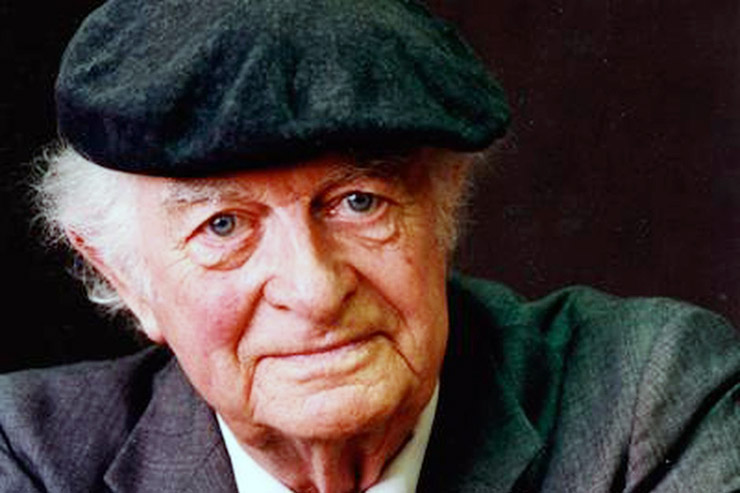
  • Revisiting the Work of Dr. Linus Pauling

    Revisiting the Work of Dr. Linus Pauling

    A few months ago a very good friend of mine, who also happens to be a naturopath, learned that her mother had been diagnosed with breast cancer.

    As is frequently the case with any type of cancer diagnosis, there followed an intense period of fear, tension and anguish as everyone involved tried to sort out exactly what to do next. Typically there would be a tendency to rely wholly, and often desperately, on the advice of doctors and their staff, those who we respect as, not only experts in their field, but also the most caring and capable in terms of the best protocols and treatments available.

    We tend to trust whatever they tell us to do next, we assume theirs is the best possible advice to follow and as a consequence the cancer sufferer hands over total responsibility for their survival or recovery to them and them alone.

    All of which is what made one of the first things my friend’s mother was told to do (or rather was told what ‘not’ to do) all the more strange.

    The resident nutritionist at the hospital involved, while correctly reviewing the many lifestyle and dietary changes that might help her patient in these life-threatening circumstances, went out of her way to warn her not to take any vitamin C at all, and even went as far as to tell her that it was toxic and could even encourage the growth of the cancer!

    This was very strange advice indeed, especially to the ears of her daughter, the trained naturopath. To anyone who is even remotely interested in medicine and medical breakthroughs or health generally, this advice might not only sound questionable, but even bizarre, given that the lady in question was supposedly a fully qualified nutritionist.

    What she was saying flies squarely in the face of one of the most highly publicised and promising of the new medical paradigms of our time (one that the nutritionist could be expected to be fully aware of): Vitamin C not only helps prevent cancer, but can also be used successfully to treat it as well.

    The nutritionist’s advice, given that she is practicing right now (no longer on my friend’s mother, however), was a disturbing example that the pioneering work carried out by the late Dr. Linus Pauling (1901-1994), the one and only two-time solo winner of a Nobel prize, was still at best being ignored and at worst being suppressed by the medical fraternity up to twenty years later.

    Sadly there is nothing new about this, but it runs counter to the developing notion that Pauling’s ideas are at last gaining a degree of acceptance and are beginning to be endorsed, at least in part, by the medical fraternity.

    It was in the late ‘70’s that he and Dr. Ewan Cameron (head of the cancer department at Vale of Leven hospital), first conducted a clinical study into the effects of large doses of vitamin C on cancer patients who had exhausted conventional cancer treatments. They were able to demonstrate that vitamin C not only helped to prolong the life of seriously ill cancer sufferers, but significantly improved the quality of their lives as well.

    These results were not exactly welcomed by the medical industry. In part, this was due to the early and inconclusive stage reached by Pauling and Cameron’s research at that particular time, but also one is forced to speculate because of the potential threat it raised to the booming and highly lucrative cancer treatment industry. Predictably then, what followed was a highly successful and well publicised attempt to debunk Pauling’s and Cameron’s initial findings.

    Claim followed counter claim, but the principal bone of contention was that the Mayo Clinic, which led the challenge to Pauling’s work by claiming to replicate his trials, administered the high levels of vitamin C in oral rather than intravenous form. This was a crucial divergence from the original work as it made it impossible for sufficient concentrations of vitamin C to be brought to bear at a cellular level where Pauling claimed it was needed. Thus any therapeutic benefit was rendered inert.

    Yet, despite this obvious error in methodology, no subsequent attempt was or has ever been made to rerun the trials at the Mayo Clinic. This clearly raises the issue as to whether medical science is deliberately ignoring an inexpensive, non-invasive, non-toxic, new treatment for cancer solely on the grounds that it doesn’t come within the scope of being commercially exploitable by the medical industry.

    We can be sure that had any other new treatment or drug been developed by medical science that could demonstrate even a fraction of the promise that vitamin C has done, it would have been heralded as one of the most promising breakthroughs of the century. Instead, and as a consequence, this painless, universally available, low-cost and highly promising new approach to cancer therapy apparently still languishes in obscurity or denial.

    There have been many other independent studies carried out by other largely privately funded researchers who have either attempted to copy Pauling’s original work to the letter, or have built upon it with their own nutritional concepts.

    One example was Dr. Abram Hoffer who developed his own nutritional program for hundreds of cancer patients between 1978 and 1999. Whilst his approach incorporated several other minerals and vitamins in addition to vitamin C, the backbone of his therapy remained the use of high dosage vitamin C.

    Hoffer was able to demonstrate that his therapy significantly boosted cancer survival rates to the tune of 75% versus 15% in a corresponding control group, and his published work illustrates several illuminating instances (far too many to be coincidental) of spontaneous remission.

    The findings of the research, known about and encouraged by Pauling at the time, were clear evidence of the ability of vitamin C to not only kill many types of cancer cells, but to enhance the benefits of conventional cancer treatments by decreasing their dangerously high levels of toxicity as well as affording greatly increased levels of protection and immunity to healthy cells.

    The best thing about Pauling’s work has been that it was authored by a scientist who was simply too big and too powerful to totally ignore. By all accounts he was a great and compassionate human being with immense powers of observation and deduction. He coupled these rare talents with a stoic affection for the truth and a commitment to defend it (a rare attribute in the scientific community) whatever the odds.

    He will be remembered for many of his great works, but final recognition for his pioneering work in cancer treatment and prevention through the use of vitamin C may yet turn out to be his final and posthumous accolade.

    Follow up research now evidences three vital roles that vitamin C plays in the fight against cancer. Firstly, it inhibits tumour growth by regulating proper cell tissue integrity, secondly it greatly enhances the immune system when ingested in sufficient quantities, and finally it has cytotoxic properties, which means that, in combination with other natural substances, it can kill cancer cells without damaging the healthy ones. In other words it acts as a kind of non-toxic chemotherapy.

    Final proof that Linus Pauling was right after all is slowly coming, but in the meantime and despite the continuing efforts of much of the medical establishment to the contrary, we should be insisting that anyone either embarking upon or currently undergoing a course of cancer therapy should at the very least be offered a course of substantial doses of vitamin C alongside whatever other treatment they are being offered.

    Not to do so, in the face of mounting and accumulating evidence would surely be a crime!

    [alert type=”general” dismiss=”no”]This article was published in New Dawn 100.[/alert]

    [alert type=”success” dismiss=”no”]If you appreciate this article, please consider subscribing to help maintain this website.[/alert]

    © New Dawn Magazine and the respective author.
    For our reproduction notice, click here.

  • Separating Myth From Truth in Today’s Dietary Debate: An Interview With Sally Fallon Morell

    Separating Myth From Truth in Today’s Dietary Debate: An Interview With Sally Fallon Morell

    Sally Fallon Morell, the best-selling co-author of Nourishing Traditions: The Cookbook That Challenges Politically Correct Nutrition And The Diet Dictocrats, says people should eat more saturated fat, such as full-fat dairy products and fatty cuts of meat and offal, to lose weight and improve their health.

    Sally has a growing grassroots following in Australia and regularly tours the world to publicise nutrition pioneer Weston A. Price’s philosophy of Traditional Foods. During her talks she emphasises that governments and the agricultural industry had conspired to demonise animal foods to make people buy processed products filled with refined carbohydrates, sugars, soya products and vegetable oils.

    Naturopath and regular New Dawn contributor Huw Griffiths caught up with Sally during her Australian tour and she kindly obliged to an interview to discuss the US foundation she heads as well as important messages on nutrition and disease.

    HUW GRIFFITHS (HG): Good Day Sally. It’s great to meet you and a warm welcome to Australia. I think my first question must be what many of our readers must be wondering. Just who are you, what is the Weston Price Foundation, and what have you come to Australia to talk about?

    SALLY FALLON MORELL (SF): Well, there are three things that I’d like to put on my tombstone. I am the author of Nourishing Traditions which is a nutritional cookbook, I am the founding president of the Weston Price Foundation, and I’m the founder of the campaign for real milk, but in addition to that I’ve kind of become the lightening rod or the spokesperson for a return to traditional diets and a sloughing off of the whole cholesterol theory and the theories of heart disease which has totally screwed up the way we eat and the way that we practice medicine.

    The Weston A. Price Foundation was established to provide accurate information about nutrition, to counteract the misinformation being put out by our governments and the health industry, to present the work of Weston Price to the public, and to demonstrate the scientific validation of traditional foodways.

    I basically do a seminar on traditional diets and try to answer the question as to what are the characteristics of healthy diets and then to show people the practical steps that they can take towards adopting a healthy diet for themselves.

    HG: Much of what you have to tell us about our dietary habits seems to fly in the face of “conventional wisdom.” Even on the TV the other day I saw Dr. Manny Noakes (the leader of the CSIRO team that published the CSIRO Total Wellbeing Diet) suggesting that the sort of advise you were giving the public was ‘irresponsible’ and ‘not based on any good science’. How do you respond to this sort of criticism?

    SF: What they are saying is not based on any science at all. It is a religion, it is an act of faith and when in fact you start to look at the genuine science of it all it’s actually very different from what they are saying. The people promoting the low fat very high carbohydrate food, especially those who are influencing the diets of growing children, they’re the ones who are being irresponsible. They’re being irresponsible because children cannot grow up healthy and strong on that kind of diet and they are consequently creating tremendous health problems with it all.

    Just as an example, they’ve taken whole milk out of the schools because they say that it makes children fat, but there was a recent scientific study done in Sweden where they put children on a low-fat diet and compared them to children on a normal diet. The children on the low-fat diet ended up getting fatter; they ate more sugar and had more insulin resistance. We’re just setting our children up for obesity and diabetes with these low-fat diets.

    They know the body has to have fat. There is fat around every cell membrane of your body and that fat has to be mostly saturated fat and if you don’t give the body that fat it will make it out of carbohydrates and it will crave carbohydrates to get that fat. The big problem is that those carbohydrates don’t have the vitamins in them that the fats carry, such as vitamins A, E, D and K. You’re just giving the body a very poor substitute, when these vitamins are so vital; they’re needed for cell signalling, immunity, hormone production, and growth. So we’re seeing a growing number of the signs of deficiency in the many diseases and conditions that we see so much of these days.

    For these people to be out there saying that “We don’t need or eat saturated fats any more” is a bit like trying to say that the human body has been genetically and dramatically changed in the last ten years, or something like that! We absolutely need saturated fat in our diet. Every cell in our body is surrounded by it.

    Your lungs can’t work without saturated fat, nor can your kidneys and the organ with the highest amount of saturated fat in it is the brain. These people who vilify saturated fat are demonstrating that they don’t know anything at all about bio-chemistry. People these days have been educated to believe that diets that have saturated fat in them are the diets of the devil and that they have to keep themselves pure by not eating saturated fat. People look at you incredulous when you tell them these days that they have to eat saturated fat.

    I call it ‘food puritanism’, in a way it’s just like when Galileo and Copernicus were first saying that the sun was the centre of the solar system and were persecuted on the basis that to say this was against all common sense.

    HG: It’s difficult to know where to start with the questions, but perhaps one of the cornerstone campaigns for which you are best known and recognised is the Real Milk Movement. Just what exactly is it and why is it so important?

    SF: The Campaign for Real Milk is a project of the Weston Price Foundation. Real milk has all the fat in it, it comes from cows on pasture and is unpasteurised. Milk is a magic food. It has everything in it that a child needs in order for it to grow normally. You can live on raw milk and nothing else. It’s a curative food; it contains numerous components that assist the body to absorb all of the nutrients properly. It helps put dietary calcium in the right place, it helps get rid of bad bacteria and it supports the immune system and when you pasteurise milk all those attributes are destroyed.

    We know all this from the science. A recent study for example has found that the one factor in preventing asthma in children was their access to and ability to consume raw milk. Asthma can be a life-threatening disease and it afflicts around thirty percent of our children. So we really think that raw milk is a key to the nutrition of our children because we historically have gotten calcium and related nutrition from milk.

    I’m not however saying that milk is necessary. There are cultures that don’t drink milk, but they tend to have very different types of diets that Western children tend not to eat.

    The other reason that our campaign is important is because it restores the connection of consumers to the farm and is a way of restoring small pasture based farms, because the people who are looking for real milk are also looking for milk from cows that are reared on genuine pasture. It also gives farmers a tremendous income, at least this is what has happened in the States where the real milk movement is absolutely huge. In fact its growing at about forty percent a year and we have literally saved hundreds of farms.

    HG: Dietary fats are a confusing issue and always have been, but from what I understand you are saying most of the animal, and therefore saturated, fats that have been demonised over the last few decades are, in fact, not only nourishing, but good for us, whereas many of the ‘new’ (for want of a better word) fats such as margarine and canola oil are in fact bad for our health. So how can, for example, the CSIRO, be so far adrift from you on the matter of whether the former type of fats do or do not in fact drive up cholesterol levels which they say inevitably lead to conditions such as atherosclerosis and cardiovascular disease?

    SF: The demonisation of saturated fats has been a deliberate campaign of the vegetable oil industry and in order to do so have set up this cholesterol and heart disease myth (and it is a complete myth). The levels of cholesterol in your blood have really no bearing on your predisposition to heart disease. I’m not saying that we aren’t prone to heart disease, we obviously are, but cholesterol levels are not the thing that we should be looking at.

    Secondly, the amount of saturated fat that we are eating in real life, not in institutions, where people are fed under very strange conditions, bear no relationship to the amount of cholesterol in your blood. This was borne out by the International Atherosclerosis Project, where they looked at fifteen thousand autopsies in thirteen countries and they didn’t find any relationship at all between the diet of the person, the level of cholesterol in their blood and the degree of blockage in their arteries. There was just no correlation!

    We’re simply looking in the wrong place for answers. There are so many other avenues for possible research as far as heart disease is concerned and the really sad thing is that this cholesterol theory has been used to demonise the very types of foods that were so prized by traditional cultures and that were both necessary and sacred to the rearing of healthy children and healthy people.

    Cholesterol is in fact the body’s repair substance and if a person has either weak arteries or a tendency towards inflammation then the body, which is a lot wiser than any of us, produces more cholesterol and that is used for repair. So blaming cholesterol for heart disease is a bit like blaming the outbreak of a fire on firemen because they always seem to be around when a fire breaks out.

    Our biggest concern right now though are these cholesterol lowering drugs which are not saving lives, but are causing a tremendous amount of suffering with the side-effects.

    What has shocked me, however, both over in New Zealand and in Australia, is the type of coercion that is put on people. Now, in the United States a lot of pressure is put on people, but from what I hear here you have to take these drugs or, for example, you can’t get your pilot’s licence, or you can’t get your insurance. We had one women in New Zealand tell us that her doctor told her that if she didn’t take her cholesterol-lowering drug or if she had any kind of heart problem, that she would not be insured.

    It seems to me that if you can’t say “No!” to taking a drug, then there is a real problem and the implications are staggering. So the next thing that you’re going to have are mandatory drugs for children and in essence a giving way to a dictatorship of the doctors. So what we’re simply trying to do is to give people the facts and to reinforce the fact that the only way that we’re going to change this is for individuals to say “No”!

    In fact, a lot of people have woken up to these issues in the States to the extent that the medical industry is not getting the same levels of compliance and have taken to hawking their drugs all over the rest of the world as a result. It’s almost as if doctors have become the new god, or in fact the ‘new devil’.

    HG: Setting aside the morality of killing animals for meat (which I guess is a matter of personal choice)… Is meat eating a preferred thing to do as far as health is concerned, or can we acquire all the nutrition that we need from a vegetarian diet?

    SF: You don’t absolutely have to eat meat to be healthy, but you do absolutely need some animal food in your diet. That would be dairy products, raw dairy products, eggs and fish. But there’s nothing wrong with eating meat as long as you eat it with sufficient fat and not eat lean meat.

    Meat is a wonderful source of complete protein, zinc, iron, B12. It’s a healthy food and there is nothing wrong with eating it, but I just want to go back to the question of personal morality because they may not admit it, but most vegans and vegetarians believe that they have the moral high ground and that they’re better people than the people who eat meat.

    What I’d like to point out though is that the products produced from slaughtered cows are used in many ways that are hidden from the public. They are used in modern building materials, in plastics, in cosmetics, the hydraulic break fluid in aeroplanes, there is even a membrane in your telephone that is made from cattle products, so there is no way that anybody in modern society can say that they don’t use the products of slaughtered animals.

    With our ancestors it was even more so. They absolutely had to kill animals, not only for meat, but for tools, hides and furs in order to be warm and stay healthy. So we have always had to slaughter animals for our survival and well-being. What bothers me is the hypocrisy of saying “Oh, I don’t eat meat,” to look better, when the reality is that you wouldn’t be here if it had not been for your ancestors having to slaughter animals.

    We’re also really concerned about the industrial system that has trivialised animals in the way that they have been made into units of production with a very cruel and heartless system. So we’ve put our money where our mouth is. We, through our local chapters, help people find animal products that are raised humanely.

    HG: Whoever is right on whatever disputed dietary issue, it would seem that children are always the most vulnerable of the lot. We not only play dice with their lives and health by lacking certainty as to how we should nourish them, but by getting things wrong in our own diet, we kind of muck it up for future generations via the genes as well. Do you have any absolutely certain guidelines for diets for children and if so, where can they be accessed?

    SF: Yes, we really set up the Weston Price Foundation because of our concern for children’s diets. All traditional cultures that were healthy put an awful lot of emphasis on nutrient dense foods for pregnant women, nursing women and growing children because you can’t go back, later in life and build a healthy kidney or a healthy inner ear. You have to build health during these crucial periods. The vegetarian, the vegan, low-fat and US government guidelines and other diets that are being heavily promoted today are seriously lacking in important nutrients.

    We show the science in this and we do have diets for pregnant women and for growing children. We have a whole section on our website on children’s health and this is where our most important emphasis is. This is why so many people come to us, often out of desperation over their heartbreaking condition with their children’s health. They ask us what can they do about this or that problem, where nothing has helped these children. I can’t say that we have helped one hundred percent of the children, but we have helped a large proportion with our diet, it really does work. 

    HG: One matter that sticks out like a sore thumb over the years is the issue of whether margarine is (or is not) a safer alternative to butter as far as health in general (but cardiovascular disease in particular) is concerned. And now the National Heart Foundation is issuing press releases headlined “Australia leads the way with virtually transfat free margarine.” This kind of publicity would suggest that even margarines weren’t as good for us as they were hyped up to being, but that they’re OK now. Or should we be circumspect about this type of publicity?

    SF: Definitely be circumspect. First of all, butter absolutely does not cause heart disease and we know that it doesn’t do that because while butter consumption plummeted throughout the twentieth century, heart disease went up. Indeed, one study demonstrated that margarine eaters had twice the rate of heart diseases as butter eaters.

    Getting the transfats out of the margarine is a good publicity stunt, but you’re still using all of these suspect oils. Look for ‘mono’ and ‘triglycerides’ on the label which don’t have to be labelled as fats yet they’re always partially hydrogenated transfats. You just should not use any type of margarine or spreads, you should just use the traditional fats that have kept people healthy for thousands of years.

    The first recorded heart attack in the US was in 1921, it was a new disease and it grew to epidemic proportions especially after the Second World War when Americans started abandoning animal fats in significant amounts.

    HG: What about coconut oil? I’ve been an avid fan of it (for cooking) for years, yet it is still accused of being bad for us (courtesy of being a saturated fat) by most of the public and private sector dietary experts. There is now so much overwhelming evidence to support its credentials as a superior health food (such as that it prevents heart disease, lowers cholesterol, is an anti-microbial and even that it acts as an antidote to some poisons). So which or who is right and how can we be so sure?

    SF: Well, we have a lot of science backing us up on the healthfulness of coconut oil, but let me just say that the parts of the world that use a lot of coconut oil have amongst the lowest rates of heart disease and cancer. Once again, coconut oil is a competitor to the vegetable oils and it’s been demonised. Mary Enig, a colleague of mine, and I have actually written a book on coconut oil called Eat Fat, Lose Fat in which we present a lot of the evidence. So the evidence is there whether people want to believe it or not.

    HG: A lot of what the Weston Price Foundation is about is the benefits of traditional diets among various peoples from around the world. Just very briefly, how can you explain what all this was about and how should we go about finding out what these diets are all about and how we can apply the relevant learning from them to our own diets?

    SF: The work of Weston Price and all the diets are very different in their particulars, but what we look at is the underlying characteristics and I’ll just give you the first three; there were no processed or devitalised foods, all of them contained animal foods, but the most important one was the very high levels of nutrients in these foods. They had very high levels of vitamins and minerals, but the really significant thing was the very high levels of vitamins A, D and K which are found in organ meat, animal meat and some types of seafood, and you absolutely have to have some of these foods in your diet to be healthy, and the moment that you start to industrialise your agriculture and put your animals inside they go away.

    The one that we’re most excited about right now is vitamin K which Dr. Price called the X Factor. He studied it, but didn’t quite know what it was, but it dovetails perfectly with what we now know about vitamin K. Vitamin K is in the fat, butter fat and organ meats of grass fed animals and what it does among many other things is prevent heart disease by preventing the calcification of the arteries. It’s also critical for the myelinisation of the nerves and it supports learning capacity.

    Now we have developed a system where we have heartlessly and thoughtlessly put our animals inside and taken them off green grass. Mother Nature though always gets her revenge and her revenge for what we have done to her animals is that she has given us an epidemic of heart disease and a generation of children who can’t think and there is no way to solve this except to get these foods back in the diet, especially women and especially when they are either pregnant or nursing.

    Doing seminars is the only way that I know how to break through this wall of ignorance and start to make some changes. The alternative is what I call the natural selection of the wise, that is the people who don’t eventually return to these traditional diets are actually going to die out. Their children won’t reach maturity or the parents will be infertile. This of course is something that we’re already seeing.

    What we are seeing now, however, is the sort of thing that we came across in New Zealand, where the libraries are only stocking books that recommend pregnant women adopt low fat diets with lots of whole grains, which of course are very hard to digest. I’m sure the picture is the same here in Australia too.

    HG: Sally, you clearly have a busy agenda and a lot of touring to do before your advice hits a critical level of awareness amongst the consumer mainstream and can be widely embraced. So, apart from your tours, your book Nourishing Traditions and the behind the scenes work done by the Weston Price Foundation, what else do you suggest might be done to advance your new (or maybe the better description should be ‘traditional’) dietary paradigm?

    SF: Weston Price’s dying words were, “You teach, you teach, you teach.” You see we’ve lost that primitive instinct that primitive people had and the only way that we can reach people now is by teaching and showing them the science. So we’ve prepared a lot of educational materials and flyers. We urge people to become members and to recommend them read our magazine so that they are up to date on things. We’re just trying to enlist everyone who becomes a member to help us teach. Even if you only teach two other people by providing them with our literature, you’ve started them with this process and it’s a geometrical process whereby more and more people can learn about it.

    HG: Sally, it’s been very kind of you to spare the time to talk to us and share your goodwill and knowledge. We really appreciate it.

    Find out more about the Weston Price Foundation by visiting www.westonaprice.org

    [alert type=”general” dismiss=”no”]This article was published in New Dawn 104.[/alert]

    [alert type=”success” dismiss=”no”]If you appreciate this article, please consider subscribing to help maintain this website.[/alert]

    © New Dawn Magazine and the respective author.
    For our reproduction notice, click here.