New Dawn – World's Most Unusual Magazine

Category: Health/Wellness

  • The Spiritual Dimensions of the Martial Arts

    The Spiritual Dimensions of the Martial Arts

    From New Dawn 85 (Jul-Aug 2004)

    He who wishes to live in an oriental martial art, rather than to just practice it on a physical level, must so train his consciousness to attain a self-discipline that at last his conscious mind will merge into an identity with the very principle of life itself.
    – Maurice Zalle

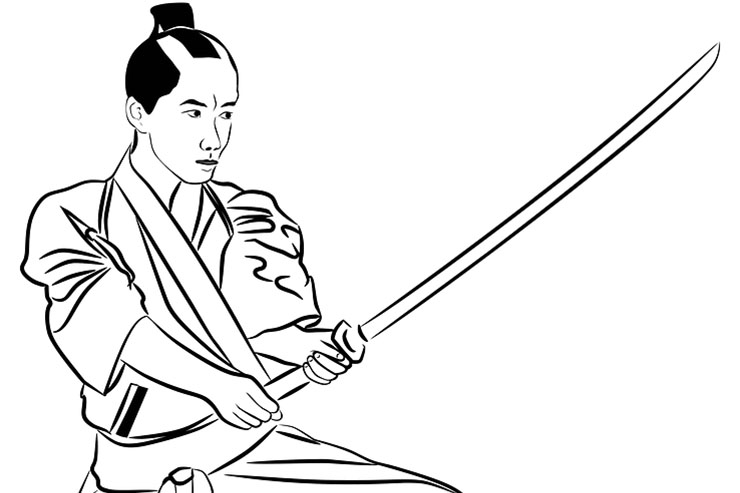
    Amongst the usual loud and predictable offerings at the Australian cinema box office last summer, the Hollywood movie The Last Samurai emerged as an interesting alternative for many curious movie-goers. We were presented with a unique perspective on the cultural interaction between East and West. The film deals almost exclusively with the philosophical, spiritual and martial differences between Japan and America, and presents in grand form the figure of the Samurai, and the way his martial practice has a powerful spiritual dimension to which the West cannot relate.

    The traditional practice of Martial Arts is now experiencing a renaissance of sorts, and this is largely due to the fact many people are realising the existence of the esoteric spiritual components behind widely known styles. The Arts are no longer considered remnants of old cultures, but valid and effective methods of achieving spiritual growth. The Martial Arts were actually formulated for this purpose all along.

    A Spiritual Heritage

    In 475, the Indian monk Bodhidharma arrived in Southern China. On his arrival he moved to the Huan province where he spent nine years in meditation, facing the rock wall of a cave. When the monk emerged from his retreat, he stumbled across a small mountain temple approximately one mile away called Shaolin. Bodhidharma was shocked to see the terrible physical condition of the monks of the Shaolin Temple who practiced long-term meditation exercises which, while making them spiritually strong, totally destroyed their physical health.

    Bodhidharma created an exercise regime for the monks involving physical techniques that were efficient in strengthening the body, and eventually, could be used to defend oneself from the inevitable travelling thieves and gangs prominent in the area at the time. The latter benefit was a simple side benefit of the practice. The former was the main objective. The primary concern was always maintaining the physical strength of the monks for the purpose of meditation. These physical exercises developed into what we now know as Martial Arts.

    Amongst the myriad of contemporary options for developing the spirit, the Martial Arts remains one of the oldest and most universally effective systems for teaching internal ideas which awaken the spiritual dimension in all parts of life.

    The Physical Path To Enlightenment

    The true value in studying the Martial Arts lies not in the learning of the technique or system itself, but in the acquisition of particular internal qualities that are developed through the learning process. The physical exercises are the concrete examples of abstract philosophical principles. Footwork systems teach the student about the qualities of energy, ebb and flow, and both creative and destructive potential. Handwork patterns teach the student about balance, dynamics and the intuition of natural spirit.

    The actions of blocking, deflecting, striking, breaking and throwing all contain concepts that can be applied to the human spirit. Then in combat, we unite these concepts and in the process discover our own nature which is forced to emerge under extreme stress and pressure.

    One is never rattled as much as when under attack. In this act, one’s metal is tested and they emerge with a new view of themselves and in many cases, a view of their true self. This is a first step to self realisation.

    The legendary Japanese swordsman, Myamoto Musashi, found that the more he looked for proficiency and efficiency in his training, the more he looked for proficiency and efficiency in all things. He began to look for the deeper purpose in everything that he did.

    When farming, he took land made useless by yearly floods and turned it into productive land by building his dikes and fields in the shape of the natural water flow. The farmers built a shrine in his honour for his concepts and prayed at that shrine daily. He found that every part of his life effected every other part of his life and he began to look for the spirituality in every part of his life.

    Combat places great demands on the capacities of the warrior. Such demands act as powerful learning situations for self-discovery and self-confrontation.

    Confronting Death

    To defeat a thousand enemies is good, but the Samurai who defeats himself is the greatest of warriors.

    Perhaps the first and most important of these is the confrontation with death. Throughout life we are sporadically confronted with death, be it through family, television or literature. In the modern world we are very familiar with death, but rarely if ever are we confronted with the prospect of our personal demise. But when it does arrive it most likely will be a sudden, irrevocable and inconvenient event from which we learn nothing. The martial artist does not ignore or wait for death, but walks right up to it.

    In the Martial Arts, death is a constant presence. The whole activity revolves around it. Attack, defense and counter-attack are all performed as if a true life-or-death situation were involved. With proficiency, the vigour of the actions increases and, if one is using weapons, one may employ, for instance, a ‘live’ (naked) sword instead of a bamboo or wooden sword – all of which make the situation genuinely dangerous. The practitioner confronts death and makes peace with it in the knowledge it is inevitable. With this understanding, there exists no more fear, and the martial artist is now truly free.

    All spiritual systems set up a confrontation with death, for confronting death is perhaps the most important element of spirituality. The basic preparatory practices of Buddhism involve the recognition one’s life is short and one may die tomorrow. In the Chod rite of Tibet, practitioners visit a graveyard at night (where the corpses are left exposed to the elements and scavengers) and invite the demons to come and take them. Christians and Muslims invite the Almighty to take their souls at any time.

    The fear of death is the greatest obstacle for the martial artist. This fear has a quality of rigidity, or paralysis, or of loss of control; one may freeze with terror, or one may panic and react blindly and irrationally. Such reactions, intruding at the crucial moment in combat, will spell death, even for the technically accomplished fighter.

    But freedom from this incapacitating fear releases great powers. There is a story of a Master of the Japanese Tea Ceremony from the province of Tasa – a man of no martial skill yet of great meditative and spiritual accomplishment. He accidentally gave offence to a high-ranking Samurai and was challenged to a duel.

    He went to the local Zen Master to seek advice. The Zen Master told him frankly that he had little chance of surviving the encounter, but that he could ensure an honourable death by treating the combat as he would the formal ritual of the Tea Ceremony. He should compose his mind, paying no attention to the petty chatterings of thoughts of life and death. He should grasp the sword straightforwardly, as he would the ladle in the Tea Ceremony; and with the same precision and concentration of mind with which he would pour the boiling water onto the tea, he should step forward, with no thought of the consequence, and strike his opponent down in one blow.

    The Tea Master prepared himself accordingly, abandoning all fear of death. When the morning of the duel arrived, the Samurai, encountering the total poise and fearlessness of his opponent, was so shaken that he promptly begged forgiveness and called off the fight.

    The recognition and mental triumph over death is the martial artist’s greatest power, in that he will focus on the fact he has little time and hence lets his acts flow accordingly. Each act is your last battle on Earth, and only with this philosophy will your acts have their rightful power. Otherwise they will be, for as long as you live, the acts of a timid man.

    In the words of a Samurai legend, “being timid is fine if you are to be immortal, but if you are going to die, there is no time for timidity, simply because timidity makes you cling to something that exists only in your thoughts.” It soothes you while everything is at a lull, but then the awesome, mysterious world will open its mouth for you, as it will open for every one of us, and then you will realise your sure ways were not sure at all. Being timid prevents us from examining and exploiting our lot as men.

    Mastery of Energy

    To the martial artist, Energy manifests within each individual as spirit, spirit manifests in each individual as mind. This Energy or “Chi” as it is known in China, or “Ki” in Japan, permeates everything, and hence is both the martial artist’s strongest connection to his enemy as well as his strongest weapon against his enemy.

    The mastery of this energy is a central element of all traditional forms of Martial Arts practice. Two widely recognised expressions of this ideal are the Chinese art of Tai Chi Chuan, and the Japanese art of Aikido.

    Tai Chi Chuan integrates many elements of Chinese culture such as philosophy and religion, medicine, and military practice. It draws its inspiration for movement heavily from the philosophy of yin and yang. It incorporates the theory of the Five Elements of cosmology and the principles of the Bagua (“Eight Trigrams”) together with motion, creating a continuous flow of movement that reflect the ideas behind these ideologies.

    The Yin-Yang symbol, which is often linked with Tai Chi Chuan, represents the interaction of Yin and Yang. Yin and Yang are shown in equal amounts, yet the Yin portion of the Yin-Yang contains a small amount of Yang and the Yang portion an equally small amount of Yin.

    The ancient Chinese saw the universe as a vast unity with every part of it being related to and dependent on every other part. Within this unity, there is continual change in an endless cycle between two partners, the Yin (feminine, dark, soft, yielding) and the Yang (masculine, hard, aggressive).

    The universe is entirely made from these two forms of energy and in order for all things to progress harmoniously, the forces of Yin and yang must constantly interact with each other. While doing so, each must evolve, over a period of time, into its opposite, just as day gradually turns to night. For this reason, everything that seems to be Yin contains some Yang and all that is Yang also contains some Yin, without which change would not be possible. (Chen Lei)

    From this view of existence and energy, the style of Tai Chi Chuan was constructed. It is a perfect physical expression of the Yin-Yang philosophy and operates within the same parameters and limitations.

    While other martial styles are violently fast and rigid, Tai Chi is slow and controlled, with techniques that flow endlessly into one another. Just as Yin-Yang energy maintains a continual flow, so does the Tai Chi form. There is no rigid stop-start, only a controlled natural mimic of energy. This is why Tai Chi is often seen as one of the most graceful and peaceful Martial Arts. Just as energy is circular in flow, all Tai Chi footwork is circular in direction, and just as energy is a natural phenomenon, the Tai Chi defence postures are always in a natural form, not rigid, boxing-like military stances.

    The effective practice of Tai Chi relies on a pure and deep understanding of the Yin-Yang/ Tai Chi view of Chi and the universe. Without this spiritual dimension to the art, the student is not practicing Tai Chi, they are simply performing empty movements of little significance to themselves or the world around them.

    Another art dealing with the dynamics of energy was founded by Ueshiba Morihei in 1942. The Japanese art of Aikido was considered a continuation of the Samurai Arts, and borrows much of its spiritual dimension and expression from Bushido (The Way of the Samurai), particularly its use of traditional sword practices. It is a relatively contemporary system and much a continuation of Japanese values and culture as it is a cultivation of philosophy and spirit.

    The meaning of Aikido is literally the “artful path of discovery of gathering Ki”. Ki is the Japanese translation of Chi, and shares an identical definition. It is suggested that Ki was “born” at the same instant as the rest of the universe, and that we are all born from the Ki of the universe. All living organisms have equal access to Ki, and it will course through our system if we allow it. Daily Aikido practice is primarily directed at maintaining a balanced state physically and emotionally, and practicing ways to cultivate this energy.

    Like Tai Chi, Aikido is a physical expression of this way of seeing the world. As a result, it has no attack form, because attacking an opponent would be like attacking a family member or damaging the flow of Universal Ki energy sustaining the world. Once again, because Ki moves constantly, so does the martial artist, with all of Aikido’s footwork occurring in circular patterns. Aikido also places great attention on the balance aspect of energy, and hence has created an awareness of balance essential to its maneuvers. The main techniques of the style involve particular throwing and wrestling patterns that are precisely dependent on the perfect balance of its practitioner.

    In Aikido like all Martial Arts, physical and emotional balance is codependent.  Physical balance helps to engender emotional balance. An understanding of the nature of our spirit will help the practitioner create an effective alignment of thought and action. When every aspect of the individual is aligned the individual is better able to adapt and change.

    Spirituality and the Samurai

    The Way of Zen perpetuates the earliest Buddhist traditions. It signifies the perfect natural state of enlightenment. Zen cannot be rationalised, only experienced, lived and realised. Unattainable through concrete thought and analysis, the Way of Zen is found through meditational practice engaging both mind and body. Zen may be considered a unique expression of the Mahayana Buddhism. It originated in the northern regions of India and later moved to China and then Japan where it became a strong influence from around 1190 CE onwards. It exerted such an influence that up until a few years ago, it would have been difficult to find a person of noble Japanese origins who had not been exposed to Zen philosophy.

    Zen offers an interesting perspective in the world of Martial Arts and spirituality, because it becomes hard to see where the spiritual philosophy ends and the martial practice begins. While most Martial Art philosophies are a building process supplying us with tools and understanding, the experience of Zen is a destructive process, in the strict sense that it removes things from our lives that keep us from enlightenment. Zen’s liberation comes in absolute autonomy. There are no gods, no denominations, and no higher authority. It is necessary to abandon all crutches and proceed forward with no assistance.

    The role of Zen in the Samurai society is amazingly complex. It sustained the warrior spirit in two ways: Morally, because Zen is a system which teaches the individual not to look back once the course is decided; and philosophically, because Zen treats life and death indifferently.

    The classic text, Hagakure or “Hidden by Leaves” attributed to the Samurai Yamamoto Tsunetomo, states that, “The Way of the Samurai is found in death” and goes on to say that the Samurai is powerful because his mind is no longer attached to life and death. The Samurai will “conquer immortality by dying without hesitations.” Great deeds are accomplished when one attains the Zen state of “no-mind-ness.”

    It is through this Zen state of “no-mind” that swordplay becomes not an act of killing but an instrument of spiritual self-discipline. The individual, the sword and the target become one. The blade moves by itself under the influence of the target without any individual decision, always finding a perfect blow. The acknowledgement of mastery in the sword is also the acknowledgement of a higher degree of Zen spirituality. The “no-mind” is one of the most influential Zen concepts to mix with the Samurai psyche.

    A mind unconscious of itself is a mind that is not at all disturbed by affects of any kind. It is the original mind and not the delusive one that is chock-full of affects. It is always flowing; it never halts; nor does it turn solid. It fills the whole body, pervading every part of the body. It is never like a stone or a piece of wood. If it should find a resting place anywhere, it is not a mind-of-no-mind. A no-mind will keep nothing in it. It is thus called mushin. (G.R. Parulski)

    This “empty-minded-ness” applies to all creative activities, such as dancing and swordplay.  The mind flows freely from one object to another stopping at no single concern. In this process the mind is free and fulfills every function required of it. When the mind stops at a single thought, it loses its freedom. It cannot hear, it cannot see, even when sound enters the ears or light flashes before the eyes. Every mind has the nature of Buddha and every person is already liberated beyond birth and death. They must only realise this fact. Zen seeks to promote this realisation, the gradual process of which is referred to as Satori. The consequence of Satori is a completely new way of seeing the world and one’s place within it. According to Zen, liberation should not be looked for in the next world, for this is the next world and is already liberated. We are already at our goal, yet we cannot realise it.

    Zen does not require involvement in speculation, sacred texts or writings, and every theory is valid only as an indication toward the Way. Originally a secret doctrine, passed on by the Buddha to his disciple Mahakassapa, Zen itself arose as a reaction against the fantastic and shallow rituals of traditional Hinduism, and while seeming quite loose in form, it actually operates on a base of severe self-discipline which appealed to the Samurai. Far removed from the harsh ascetic practices of its contemporary systems, the discipline of Zen involves a more subtle and inward form operating on four levels.

    The first is the mastery of external objects, in particular the reactions which emanate from them. The student must understand that every time a yearning leads him toward something, he is not in control of the external object, but rather the object is in control of him. “He who loves a liquor, deceived himself in thinking that he is drinking the liquor; the truth is, the liquor is drinking him.” (Hagakure)

    The second stage sees the student master the physical body. Often at this level, martial training accompanies spiritual growth as an initiatory counterpart. It is here that legends grew of superhuman Samurai and masters who could withstand the extremes of heat and cold, and break trees and stone with their bare hands. The Samurai exerts dominion over his body and mastery of his own mental functioning.

    Imagine your own body as something other than yourselves. If it cries, quiet it right away, as a strict mother does with her own child. If it is capricious, control it as a rider does his own horse, through the bridle. If it is sick, administer medicines to it, just as a doctor does with a patient. If it disobeys you, punish it, as a teacher does with a pupil. (Hagakure)

    The third stage involves controlling personal emotion, and establishing an inner equilibrium. Through meditational practices the student confronts every fear and excitement in an effort to “bring the heart under control.”

    The fourth stage is the rejection of the Ego, and the most difficult. The heart of the philosophy promotes a higher form of spontaneity, freedom and calmness in action. Traditional arts have originated in the East as a response and execution of this mental state. Many of these arts were developed as a means of achieving Zen awareness. While the majority are martial in nature, the Zen element extends to the art of drama, the tea ceremony, flower arranging, and painting. Mastery in any of these arts cannot be achieved without the inner enlightenment and transformative power of Zen.

    Generally Zen does not promote the hermit like existence found in legend, but rather asks that the practitioner lives in the world with a Zen state of consciousness which should be permanent and permeate every experience and activity. The student will labour with his mind and body until they have reached the extreme limit of all natural faculties, and eventually achieve Satori. The student is only supposed to spend the training period in Zen monasteries, and once they have achieved Satori, the student returns to the world, choosing a way of life that fits their needs.

    Martial Arts systems are all united in the fact they demand the practitioner to readjust their lifestyle. Aside from being an intellectual and physical pursuit, true practice arises in the expression of the Art throughout one’s daily life and thought. Attending a Martial Arts class once a week will not release the enormous transformative potential of this avenue, but it will start you on an ancient path that has affected lives for centuries. Like all spiritual endeavours it requires commitment and patience.

    [alert type=”general” dismiss=”no”]This article was published in New Dawn 85.[/alert]

    [alert type=”success” dismiss=”no”]If you appreciate this article, please consider subscribing to help maintain this website.[/alert]

    Bibliography

    Evola, J., The Zen Tradition, Holmes Publishing Group

    Tsunetomo, Y., trans. W. Wilson (1979), Hagakure, Kodansha Int. Company: Tokyo

    Parulski, G., (1976), An Introduction to Oriental Philosophy, Ohara Publications, Inc: California

    Suzuki, D.T., (1959), Zen and Japanese Culture, Pantheon Books, Inc: New York

    Chen Lei, Exploding the Myths of Martial Arts

    Geis, K.E., (1987), Christmas Clinic Newsletter, The Fugakukai International Association

    Geis, K.E., (1990) The Spiritual Aspect of the Martial Arts, The Fugakukai International Association

    Parulski, G., Zen and the Samurai: Why Zen Became Associated with a Warrior Class

    © New Dawn Magazine and the respective author.

    For our reproduction notice, click here.
  • The Great Cholesterol Myth

    The Great Cholesterol Myth

    From New Dawn 101 (Mar-Apr 2007)

    If you eat too much cholesterol, or saturated fat, your blood cholesterol will rise to dangerous levels. Excess cholesterol will then seep through your artery walls causing thickenings (plaques), which will eventually block blood flow in vital arteries, resulting in heart attacks and strokes….

    Scientific hypotheses don’t get much simpler than this: the cholesterol, or diet-heart, hypothesis, has broken free from the ivory towers of academia to impact with massive force on society.

    It has driven a widespread change in the type of food we are told to eat, and consequently the food that lines the supermarket shelves. Many people view bacon and eggs as a dangerous killer, butter is shunned, and a multi-billion dollar industry has sprung up providing ‘healthy’ low-fat alternatives.

    At the same time, millions of people are prescribed statins to lower cholesterol levels, and each new set of guidelines suggests that ever-more lowering of cholesterol is needed. When it comes to explaining what causes heart disease, the cholesterol hypothesis reigns supreme.

    But as the US editor and critic H.L. Mencken put it, “For every complicated problem there is a solution that is simple, direct, understandable and wrong.” This is how we might view the diet-heart hypothesis: just because it is dominant does not mean it is right, and just because it looks simple does not mean that it actually is.

    The Development of the Cholesterol Hypothesis

    Landmark developments:

    1850s

    Rudolf Virchow notes the presence of cholesterol in atherosclerotic plaques, and suggests that excess cholesterol in the bloodstream may be the cause.

    Early 1900s

    Ashoff feeds rabbits on fat and cholesterol, and notes the development of atheroma.

    1912

    First heart attack described by Herrick.

    1940s

    Epidemic of heart disease hits the USA, and interest in the area explodes. Many researchers blame the high fat/cholesterol diet.

    1948

    The Framingham study on heart disease begins. It is still running today.

    1954

    Ancel Key’s seminal Seven Countries Study is published, demonstrating clear links between saturated fat intake and heart disease.

    1961

    Framingham confirms the link between raised cholesterol levels and heart disease.

    1960s

    The first cholesterol-lowering drugs are developed.

    1970s

    Brown and Goldstein find the gene leading to extremely high cholesterol levels (Familial Hypercholesterolaemia) and premature heart disease.

    1980s

    Statins are launched.

    1985

    The Nobel Prize is awarded to Brown and Goldstein.

    1990s

    Statins trials demonstrate that cholesterol lowering protects against heart disease.

    Presented in this way, it’s not difficult to see how the cholesterol hypothesis became the dominant hypothesis, effortlessly swatting alternative ideas. Indeed, to question this theory is to risk being placed on the same shelf as flat-earthers and creationists.

    However, all is not what it seems. The cholesterol hypothesis can be likened to a cathedral built on a bog. Rather than admit they made a horrible mistake and let it sink, the builders decided to try and keep the cathedral afloat at all costs. Each time a crack appeared, a new buttress was built. Then further buttresses were built to support the original buttresses.

    Although direct contradictions to the cholesterol hypothesis repeatedly appear, nobody dares to say ‘okay, this isn’t working, time to build again from scratch’. That decision has become just too painful, especially now that massive industries, Nobel prizes, and glittering scientific careers, have grown on the back of the cholesterol hypothesis. The statin market alone is worth more than US$14 billion each year.

    In reality, cracks in the hypothesis appeared right from the very start. The first of these was the stark observation by Prof. Ancel Keys that cholesterol in the diet has no effect on cholesterol levels in the bloodstream: “There’s no connection whatsoever between cholesterol in food and cholesterol in blood. And we’ve known that all along. Cholesterol in the diet doesn’t matter at all unless you happen to be a chicken or a rabbit.”1

    A bit of a blow to a cholesterol hypothesis, you might think, to find that dietary cholesterol has no effect on blood cholesterol levels. However, as everyone was by then fully convinced that something rich and ‘fatty’ in the diet was the primary cause of heart disease, nobody was willing to let go.

    So the hypothesis quietly altered, from cholesterol in the diet to saturated fat in the diet – or a bit of both. As if cholesterol and saturated fat are similar things. In reality, this could hardly be further from the truth. Saturated fat and cholesterol have completely different functions in the body, and they have very different chemical structures.

    As chemist Joseph Black warned over 200 years ago: “A nice adaptation of conditions will make almost any hypothesis agree with the phenomena. This will please the imagination, but does not advance our knowledge.”2

    Unfortunately, this adaptation did not work. It is true that Ancel Keys appeared to have proven the link between saturated fat consumption and heart disease, but when it came to the major interventional trials, confirmation proved elusive.

    The MR-FIT trial in the USA was the most determined effort to prove the case. This was a massive study in which over 350,000 men at high risk of heart disease were recruited. In one set of participants, cholesterol consumption was cut by 42 percent, saturated fat consumption by 28 percent and total calories by 21 percent. This should have made a noticeable dent in heart disease rates.

    But nothing happened. The originators of the MR-FIT trials refer to the results as “disappointing,” and say in their conclusions: “The overall results do not show a beneficial effect on Coronary Heart Disease or total mortality from this multifactor intervention.”

    In fact, no clinical trial on reducing saturated fat intake has ever shown a reduction in heart disease. Some have shown the exact opposite:

    “As multiple interventions against risk factors for coronary heart disease in middle aged men at only moderate risk seem to have failed to reduce both morbidity and mortality such interventions become increasingly difficult to justify. This runs counter to the recommendations of many national and international advisory bodies which must now take the recent findings from Finland into consideration. Not to do so may be ethically unacceptable.”3

    This quote followed a disturbing trial involving Finnish businessmen. In a 10-year follow-up to the original five-year trial, it was found that those men who continued to follow a low saturated fat diet were twice as likely to die of heart disease as those who didn’t.

    It is not as if this was one negative to set against a whole series of positive trials. In 1998, the Danish doctor Uffe Ravnskov looked at a broader selection of trials: “The crucial test is the controlled, randomised trial. Eight such trials using diet as the only treatment has been performed but neither the number of fatal or non-fatal heart attacks was reduced.” As Ravnskov makes clear, no trial has ever demonstrated benefits from reducing dietary saturated fat. At this point most people might think it was time to pull the plug.

    Far from it. In 1988, the surgeon general’s office in the USA decided to silence the nay sayers by putting together the definitive report proving a causal link. Eleven years later the project was abandoned. In a circulated letter, it was stated that the office “did not anticipate fully the magnitude of the additional external expertise and staff resources that would be needed.”

    Bill Harlan, a member of the oversight committee and associate director of the Office of Disease Prevention at the US National Institute of Health, says: “The report was initiated with a preconceived opinion of the conclusions, but the science behind those opinions was not holding up. Clearly the thoughts of yesterday were not going to serve us very well.”

    The sound of a sinking cathedral fills the air with a great sucking slurpy noise. But still nobody let go. Instead, more buttresses were desperately thrown at a rapidly disappearing pile of rocks.

    Variations on a theme emerged. It is not saturated fat per se that causes heart disease. It’s the ratio of polyunsaturated to saturated fat that is critical. Or is it the consumption of monounsaturated fats, or a lack of omega-3 fatty acids, or an excess of omega-6? Take your pick. These, and a host of other add-on hypotheses, have their proponents.

    As of today nobody can – or will – tell you which type of fat, in what proportions, added to what type of anti-oxidant, vegetable, monounsaturated fat or omega-3 is the true culprit. Hugely complicated explanations are formulated, but they all fall apart under scrutiny.

    This may all seem incredible, such has been the level of anti-fat propaganda, but it is true. With the exception of the Ancel Keys’ flawed Seven Countries Study (he pre-selected the seven countries for his study in order to prove his hypothesis), there is not one scrap of direct evidence.

    But, of course, there are two parts to the cholesterol hypothesis. The diet part, and the raised cholesterol level part. Leaving diet behind, surely it has been proven beyond doubt that a raised cholesterol level is the most important cause of heart disease?

    Cholesterol Levels and Overall Mortality

    Before looking at the connection between blood cholesterol levels and heart disease, it is worth highlighting a critically important – remarkably unheralded – fact: After the age of 50, the lower your cholesterol level is, the lower your life expectancy.

    Perhaps even more important than this is the fact that a falling cholesterol level sharply increases the risk of dying of anything, including heart disease.

    The dangers of a low cholesterol level were highlighted by a major long-term study of men living in Honolulu: “Our data accord with previous findings of increased mortality in elderly people with low serum cholesterol, and show that long-term persistence of low cholesterol concentration actually increases the risk of death.”

    Somewhat ironically, the danger of a falling cholesterol level was first discovered in the Framingham study: “There is a direct association between falling cholesterol levels over the first 14 years [of the study] and mortality over the following 18 years.”

    It seems almost unbelievable that warnings about the dangers of a high cholesterol level rain down every day, when the reality is that a low cholesterol level is much more dangerous than a high level. Given this, why would anyone want to lower the cholesterol level? On the face of it, it would make more sense to take cholesterol-raising drugs. Especially after the age of 50.

    Cholesterol Levels and Heart Disease

    The reason why everyone is so keen to lower cholesterol levels is that supporters of the hypothesis have decreed the following:

    – A high level of cholesterol causes premature heart disease.

    – A low level of cholesterol is caused by an underlying disease. It is the underlying disease that kills you, not the low cholesterol.

    Ergo, if you lower the blood cholesterol level, you will reduce the risk of heart disease, and you will not increase the risk of dying of any other disease. This could be true, but it is worth reviewing some of the evidence that linked raised cholesterol levels to heart disease in the first place. Let’s begin with women.

    Perhaps the largest single analysis of cholesterol levels, and death from cardiovascular disease (and other diseases), was published in 1992. This review included over 100,000 women, aggregated from a number of different studies and countries.

    To quote from the study: “The pooled estimated risk for total cardiovascular death in women showed no trend across TC (total cholesterol) levels.” In short, for more than 50 percent of the world’s population – women – raised cholesterol is not a risk factor for heart disease.

    Moving to men, it is true that under the age of 50 there does seem to be an association between raised cholesterol levels and heart disease. But after the age of 50, when more than 90 percent of heart attacks happen, the association disappears.

    In addition, those populations in the world with the highest rates of heart disease in younger men, including emigrant Asian Indians, Eastern Europeans, Native Americans and Australian Aboriginals, tend to have significantly lower cholesterol levels than the surrounding populations/countries.

    Perhaps the single most directly contradictory fact is that, in young Japanese men, the average cholesterol level has risen over the past 20 years, yet the rate of heart disease has fallen. But as with many facts in this area, if they don’t fit the cholesterol hypothesis, they are dismissed.

    Lowering Cholesterol Levels with Drugs

    Surely, despite everything written up to this point, all previous arguments are refuted by the knowledge that lowering cholesterol levels with statins protects against heart disease? As all good scientists know, ‘reversibility of effect’ provides the most powerful supportive evidence for a hypothesis.

    However, the flipside to this argument is as follows. How can lowering cholesterol levels prevent heart disease in people who do not have a high level? The most often quoted clinical trial in the past few years is the UK-based Heart Protection Study (HPS): a veritable triumph for statins, demonstrating protection in almost every group studied.

    What is most intriguing, however, is that protection was apparent if the starting cholesterol level was high, average or low. How can this be explained?

    At this point we enter Alice in Wonderland territory. A rational person would accept that a normal cholesterol level cannot be a risk factor for heart disease (or anything else for that matter). Therefore, people with normal cholesterol levels can gain no benefit from having their levels lowered. Therefore, if statins do protect those with normal, or low, cholesterol levels – which they clearly do – they must be doing this through some other mechanism of action, unrelated to cholesterol lowering.

    In fact, there is a growing body of evidence to support the idea that statins have a whole series of different protective actions. However, accepting that statins work ‘in another way’ would demolish the final buttress keeping the cholesterol hypothesis afloat. And so the latest argument is that nobody in modern society has a normal cholesterol level.

    An article in the Journal of the American College of Cardiology best sums up this line of thinking. Under the heading ‘Why average is not normal’, O’Keefe, the lead author, makes the claim that: “Atherosclerosis is endemic in our population, in part because the average LDL (‘bad’ cholesterol) level is approximately twice the normal physiologic level.” In short, according to O’Keefe, our cholesterol level should be about 2.5mmol/l, not 5.2mmol/l.

    This argument, if true, does neatly demolish the question, ‘How can people with normal, or low, cholesterol levels be protected against heart disease?’ O’Keefe and others would argue that we all have a high cholesterol level. Everyone is ill, and all shall have statins.

    One regularly quoted fact, which superficially seems supportive of O’Keefe’s hypothesis, is that peasant farmers in China have very low cholesterol levels and a very low rate of heart disease (although their average cholesterol levels are actually about four, not two-and-a-half).

    But when you study the figures with more care, they reveal something else. As usual, those with low cholesterol levels have by far the highest mortality rates. Liver failure and liver cancer are common causes of death. However, there is a simple explanation for this association. Many Chinese peasant farmers have chronic hepatitis, which creates low cholesterol levels, and also leads to liver failure and liver cancer. This is why people with low cholesterol levels die young.

    Does this mean that a low cholesterol level protects against heart disease? No: what the Chinese data tell us is that those with higher cholesterol levels are not chronic hepatitis carriers, so they live longer and have more chance of developing heart disease in old age. On the other hand, those with low cholesterol levels cannot die of heart disease, because they are already dead.

    Without chasing too many mad arguments around, the simple fact is that everyone in the West does not have a raised cholesterol level. Repeated studies have shown that a perfectly normal, or healthy, cholesterol level lies between about four and six, and lowering it cannot protect against heart disease, otherwise we will have introduced a new concept into medical science: normal is unhealthy and must be treated.

    People are grasping at straws in their attempts to explain why statins protect against heart disease in those with normal cholesterol levels, and in women and the elderly – where a raised cholesterol level is not even a risk factor. The only possible explanation for the results of the statin trials is that statins do not work by lowering cholesterol levels.

    The Cholesterol Hypothesis is a Complicated Mess

    The cholesterol hypothesis has always exuded the siren song of simplicity. However, once you start to examine it in any detail, the simplicity rapidly mutates into complexity.

    Even at the very start, people should have known that cholesterol in the diet was never capable of appearing, unchanged, in the bloodstream. Cholesterol is not soluble in water (thus blood) which means that after absorption, cells lining the gut pack cholesterol into a small protein/lipid sphere, known as a lipoprotein, before releasing it into the bloodstream.

    Thus, you do not have any cholesterol floating about in the blood – it is all contained within lipoproteins. You do not actually have a cholesterol level. Instead, you have a level of different lipoproteins, with the low-density lipoprotein (LDL) or ‘bad’ cholesterol being the so-called dangerous one.

    Next question, what raises the LDL level? Eating too much fat, or cholesterol? The first problem here is that the cells lining the gut do not make, or release, LDL – they make other forms of lipoprotein. So, no matter what you eat, it can have no direct effect on LDL levels.

    So where does LDL come from? LDL is, effectively, the shrunken form of a very low-density lipoprotein (VLDL). VLDLs are made in the liver and used to transport fat and cholesterol from the liver to other cells around the body. As VLDLs lose fat they shrink, transforming into LDL.

    Therefore, in order to find out what makes LDL levels rise, we must surely find out, firstly, what makes VLDL levels go up; and what makes VLDL levels go up, primarily, is eating excess carbohydrates. What makes them go down is eating fat!

    Recognising this, and a host of other problems, the supporters of the cholesterol hypothesis have twisted and turned. As of today (and this will certainly change), the original – dietary – cholesterol hypothesis has become the following: If you eat too much saturated fat, the body will reduce the number of LDL receptors (things that remove LDL from the bloodstream), forcing the LDL up. A more tenuous, and unproven, link could hardly be imagined, but that is what is left of the originally super-simple cholesterol hypothesis. The diet part anyway.

    But the difficulties of trying to establish a dietary link to heart disease actually pale into insignificance when you start trying to work out how the raised LDL level itself may cause heart disease. If it were simply a case of excess LDL seeping through the artery wall when the level gets too high, then why doesn’t this happen in all artery walls, everywhere? If I lie too long in the sun I expect to get sunburned on every bit of skin exposed. I do not expect to get discrete patches of sunburn. Yet we do see little ‘patches’ of atherosclerosis. Some people die of heart disease and are found to have perfectly clean arteries, apart from a single killer plaque (thickening). So why did the LDL seep through at only one place? What protected the rest of the arterial system?

    And why do veins never develop atherosclerotic plaques? They are exposed to exactly the same LDL level as the arteries. They are thinner than arteries, but their general structure is identical. I should add that if you use a vein as a coronary artery bypass graft (effectively turning it into an artery), it will develop atherosclerosis.

    These questions represent only the tip of a huge iceberg. In an attempt to answer some of them, the cholesterol hypothesis has turned itself into the following, complicated mess:

    – LDL, when it is oxidised, travels through the lining of the artery wall (endothelium) into the middle part of the artery. (How oxidised LDL passes straight through an endothelial cell into the artery wall behind is unexplained.)

    – In this oxidised state it attracts white blood cells from the bloodstream. They, in turn, migrate into the artery wall and start to ‘digest’ the oxidised LDL in order to remove it. (This bit is plausible.)

    – However, white blood cells, once they have started to digest oxidised LDL cannot stop. They get bigger and bigger until they burst. This, in turn, attracts more white blood cells to the area which then burst. (White blood cells that just burst? This makes no sense whatsoever. Why on earth would the body develop a scavenger system that automatically self-destructs?)

    – The burst white blood cells, in turn, release substances that trigger a whole cascade of inflammatory reactions in the arterial wall. After a period of time you have a mass of dead white blood cells, cholesterol, oxidised LDL remnants, and a whole series of other inflammatory agents all focused in one area, trapped in the artery wall. (Well, this is what is found in a plaque, among many other things.)

    This is allegedly how a plaque starts and grows. I have kept that explanation as simple as humanly possible, but it seems absurdly unlikely. Oxidised LDL – what happened to normal LDL? Well, there’s no way anyone can see of getting that through an arterial wall. Exploding white blood cells…. Another buttress?

    In truth, the current ideas on plaque formation used to keep the cholesterol hypothesis afloat are complex nonsense. But the entire area is now protected by a ring-fence of scientific jargon that frightens off all but the most dedicated seeker after truth.

    To those who have studied the hypothesis with a critical eye, it seems unbelievable that it can possibly still be standing. Dr. George Mann pronounced it dead in an editorial in the New England Journal of Medicine in 1977, referring to it as the “Greatest scam in the history of medicine.” Yet this hypothesis has never had more followers than today.

    Time, I think, that it was consigned to the dustbin of history. It is not simple, direct, or understandable – the only certain thing about it is that it is wrong.

    Dr. Kendrick’s book, The Great Cholesterol Con, is available from www.amazon.com.

    [alert type=”general” dismiss=”no”]This article was published in New Dawn 101.[/alert]

    [alert type=”success” dismiss=”no”]If you appreciate this article, please consider subscribing to help maintain this website.[/alert]

    Footnotes

    1. Ancel Keys PhD, professor emeritus at the University of Minnesota, 1997.
    2.  J. Black, Lectures of the Elements of Chemistry, 1803
    3.  Professor Michael Oliver, British Medical Journal, 1991

    © New Dawn Magazine and the respective author. For our reproduction notice, click here.
  • Electro-magnetic Energy Pollution

    Electro-magnetic Energy Pollution

    Science tells us that everything is energy and that matter is nothing more than energy in a different form. Our bodies are a composite of many different energy patterns and vibrations. In fact, the universe and everything in it is made up of different levels of vibration.
    – Dr. John Veltheim, author & energy therapist, 1992

    In traditional medicine, the human energy system (HES) serves as a functional bridge between body and mind, and energy is the therapeutic medium that heal and balances both physical disease and mental malaise. Today, the HES has come under intensive attack from an entirely new phenomenon which the human system has never before had to face.

    This new threat to human health and longevity is the rapidly growing hazard of electromagnetic “energy pollution.” Since the industrial revolution and the subsequent electronic age, the earth’s electromagnetic energy environment has become intensely polluted with artificial electromagnetic fields (EMF), unnatural radio frequencies, microwave radiation, nuclear radiation, and many other forms of aberrant energy that cause severe deviations and imbalances in the HES.

    Today, there are 250 million times more artificially generated radio frequencies in the earth’s atmosphere than there were in 1930. These invisible but highly reactive energy waves and artificial EMF from high-voltage power lines, transformers, and home appliances have become the big unknown factor in all the vital equations of human health, and they constitute the hidden cause in many common human ailments, from cancer to schizophrenia.

    This pollution of our energy environment is even more hazardous to the human system than chemical and ecological pollution, and it calls for an entirely new approach to healing, an approach that effectively protects the HES from distortion by artificial energies and EMF and cures the conditions they cause.

    Let’s take a quick look at some of the most widespread and hazardous forms of electro-magnetic energy pollution on the earth today. High-voltage alternating current power lines and transformers, which operate at 60 hertz, create an artificial EMF of 100 milligauss extending 20 meters around them. At a range of 30 centimetres from the human body, 3 milligauss has been determined to be the level of exposure to EMF above which cancer and brain damage can occur.

    As Dr. Robert Becker, one of the world’s leading authorities on energy medicine, writes in his book Cross Currents:

    “At this time, the scientific evidence is absolutely conclusive: 60 hertz magnetic fields cause human cancer cells to permanently increase their rate of growth by as much as 1,600 percent and to develop more malignant characteristics.”

    The two types of human tissue most seriously damaged by artificially generated EMF are brain tissue and rapidly developing tissues, such as those in growing children, because these tissues display the most electrical activity and are therefore most strongly affected by external EMF.

    Common household appliances produce artificial EMF that brings energy pollution straight into your own home and expose every member of the family to danger.

    Electric blankets create fields of 50-100 milligauss, far above safe levels, and pregnant women who use them are known to experience a far higher than normal rate of miscarriage. Electric razors operated from a plug-in power line generate highly hazardous fields ranging from 200-400 milligauss, a risk to the brain behind the beard that’s hardly worth the “convenience” of not having to use shaving cream and a razor.

    A 10-watt fluorescent light tube produces an artificial EMF that is twenty times stronger than an ordinary 60-watt bulb, and in offices and school rooms lit by multiple banks of fluorescent tubes, everyone in the room is exposed to aberrant EMF far above the level of safety for human health.

    Electric hair dryers produce a harmful field of 50 milligauss at six inches, and this factor is suspected as the cause of the abnormally high rate of breast cancer among professional beauticians and hair dressers, who operate these devices all day only inches from their chests.

    At 30 cm, an electric stove will expose you to an EMF of 50 milligauss, far above the 3 milligauss safety limit, so if you do a lot of cooking at home, it’s much safer to use gas. The list goes on an on, but by now you probably get the picture.

    All of these artificial energy fields and unnatural energy frequencies to which humans are today routinely exposed also catalyse extremely harmful reactions between toxic chemical pollutants and natural biochemicals within the human body.

    These reactions create all sorts of noxious poisons in the tissues, and have extremely strong acid-forming effects in the bloodstream and other bodily fluids, thereby upsetting the all-important natural pH balance in the blood and tissues and causing a state of chronic acidosis. Acidosis of blood and tissues is a primary pre-condition for the development of all cancers.

    Despite the proven risk of exposure to artificial EMF over 3 mG, very few countries have legislated legal limits to the EMF produced by machines and appliances at home and in offices and factories. In Sweden, there are strict laws prohibiting EMF exposure to humans above 2.5 mG, and in Russia, where this hazard has been extensively researched, the limit is an even safer 1.5 mG.

    Compare that with the legal limit of 1,000-5,000 mG exposure to EMF for people in homes, offices, and schools in Australia, and similar hazardous levels in America, Canada, and the UK, as well as most of Asia. Small wonder that one in three people today develop some form of cancer, and that brain disorders and mental malaise have become rampant throughout the world.

    The Global Microwave “Oven”

    Brain tumours have also been conclusively related with microwave pollution, and the worst offenders here are wireless cell phones, which drive a powerful beam of microwave radiation straight into the brain.

    Recall that during the Cold War, the Soviet Union beamed microwaves at the American Embassy in Moscow from a rooftop across the street, and as a result, one American ambassador and several staff members developed cancer. The level of microwave radiation they used for that purpose was less than that at which an ordinary household microwave oven operates.

    Here’s what Dr. Robert Becker has to say about microwaves:

    “The scientific data at this time indicate that microwaves have major biological effects at power levels far below those required to cause heating [such as microwave ovens]. The majority of these effects are productive of various disease states, primarily cancer and genetic defects, in those exposed and in their unexposed offspring. . . The hazard comes from the fact that exposure to microwaves, like exposure to any abnormal electromagnetic field, produces stress, a decline in immune system competency, and changes in the genetic apparatus. Thus, the levels of exposure that the government says are ‘safe’ are in fact not safe at all.”

    Think about that next time you receive a call on your cell phone or heat up a pizza in a microwave oven!

    The human body, particularly the electrically active brain, is extremely sensitive to disruption from the high-frequency electromagnetic radiation produced by cell phones and cell phone transmission towers.

    Our brains and bodies depend on hundreds of delicately balanced, internally generated electrical impulses to conduct the vital functions of life, and these are thrown into disarray by the invasive ultra-high frequencies generated externally by cell phones and phone towers.

    As Blake Levitt states in his book Electromagnetic Fields, “When it comes to mobile phones, a worse frequency could not have been chosen for the human anatomy.” Researcher Carolanne Patton has found that “the brain reaches peak absorption in the UHF bands, right where cellular (mobile phone) telecommunications operate.”

    Since the advent of cell phones, there has been a 600% increase in automobile accidents among drivers who use these devices, and this alarming rise in road fatalities and injuries is not due to the “distraction” of speaking on a cell phone. It’s due to impairment of brain function and nerve response while such phones are being used.

    Tests conducted by the US Department of Energy found that “using mobile phones impairs memory and reaction times. ‘Hand-free’ mobile speakerphones cause even more crashes because they typically emit 10-times more brainwave interference than handheld units.” This elevation of intensity is due to the metal frame of the car, which amplifies the field frequencies produced by cell phones and speakers used in automobiles.

    A University of Toronto study concludes that “the heightened probability of crashing your car persists for up to 15 minutes after completing a call,” and Dr. Chris Rumball of the B. C. Medical Association notes, “This is comparable to driving while dead drunk.”

    One of the leading experts on cell phone hazards was the late biophysicist Dr. Neil Cherry of Lincoln University in New Zealand, where mobile phone towers are prohibited on school grounds due to their hazardous influence on human health, particularly the rapidly developing nervous systems of children.

    His research showed accelerated aging, rapid cell death, and an increase in cancer rates caused by microwave radiation from cell phones and phone towers. He warned that frequent exposure to these frequencies disrupt the delicate balance of the brain’s electro-chemical communications and can result in chronic headaches, fatigue, lethargy, nausea, dizziness, depression, arteriosclerosis, and possibly Alzheimers.

    “There is also a higher incidence of cardiac problems,” states Dr. Cherry. “It has now been shown in many studies that mobile phone users get more heart attacks and more heart disease.”

    He also discovered that the imbalances in the brain of essential minerals such as calcium, various trace elements, and neurotransmitters such as serotonin caused by mobile phones can easily alter moods and result in depression, suicide, rage, and violent behaviour.

    Another scientist who has issued public warnings about the hazards of mobile phones is Dr. George Carlo, who found that rare types of brain tumours have more than doubled among mobile phone users, particularly on the side of the head where they use their phones.

    “Mobile phones cause genetic damage leading to cancer,” states Dr. Carlo bluntly, and he recommends “prudent avoidance” of these devices after finding that every type of mobile phone tested exceeded US Federal Communications Commission’s own standards for EMF absorption rates.

    Dr. Carlo notes that “the more a person uses a mobile phone, the more cellular destruction and health risks they incur. Mobile phone confused cells can go crazy. Experiments on captive animals show that this cumulative DNA damage is passed on to succeeding generations.”

    A study conducted at Adelaide Hospital in Australia confirmed Dr. Carlo’s conclusions when it demonstrated a doubling in the rate of B-cell lymphoma cancer in mice after 18 months of only one hour exposure daily to the frequencies used in mobile phone technology.

    Studies conducted by Dr. Peter French in Sydney, Australia, show that “cells are permanently damaged by mobile phone frequencies and inherited unchanged, from generation to generation.”

    Since the introduction of mobile phones, metropolitan Sydney has experienced a 25% increase in the incidence of asthma and a 5% increase in asthma related deaths.

    Dr. French found that “the production of histamine, which triggers broncial spasms, is nearly doubled after exposure to mobile phone transmissions. Mobile phones also reduce the effectiveness of anti-asthmatic drugs, and retard recovery from illness.”

    One of the most disturbing effects of exposure to mobile phone transmissions is the disruption of the delicate protective mechanism known as the “blood brain barrier,” which is designed by nature to prevent toxins and other dangerous substances from entering the brain from the bloodstream.

    Professor Leif Salford stated to the Daily Mail his finding that after a two minute conversation on a mobile phone, “It seems that molecules such as proteins and toxins can pass out of the blood, while the phone is switched on, and enter the brain. We need to bear in mind diseases such as MS and Alzheimers, which are linked to proteins being found in the brain.”

    The accumulation of toxic residue in the brain due to the malfunction of the blood brain barrier caused by exposure to radiation from mobile phones and phone towers can also lead to the formation of tumours in the brain, which then grow even faster than normal as a direct result of exposure to abnormal EMF, as noted above by Dr. Robert Becker.

    You don’t even have to be using your cell phone to receive or make a call in order to suffer serious damage. In one hospital in Australia, nurses noted a direct correspondence between which side of the body kidney cancer occurred in patients and which side of the body they habitually wore their cell phones on their belts. Men who carry cell phones in their front pockets run the risk of sterility, impotence, and even testicular cancer, and women who keep mobile phones in their pockets risk the same problems with their ovaries.

    As EMF researcher Dave Ashton states, “because mobile phones constantly search for the nearest repeating tower, long-term damage comes from mobile phones in the stand-by mode.”

    And if you think the analogy of a global microwave oven is an exaggeration, then consider this: if you place a mobile phone on stand-by mode in the cavity of a fresh raw chicken and leave it there for about three days, the microwave radiation from the phone will cook the chicken.

    The telecommunications industry is trying very hard to prevent these facts from coming to light in order to protect what has become a $50 billion dollar a year industry.

    But the scientific research is conclusive: artificial electromagnetic fields, microwave radiation from cell phones, and transmissions from phone towers pose a serious hazard to human health and cause particularly serious damage to the brain and immune system.

    There are only two ways to avoid these serious threats to your health and longevity: either stop using these high-frequency electronic devices, or else start using high-tech devices which are designed to transform harmful EMF and microwave radiation into harmonious patterns which are compatible with the bioelectric energies of life.

    Further information can be obtained by visiting the author’s website at www.danreid.org.
    [alert type=”general” dismiss=”no”]This article was published in New Dawn 101.[/alert]

    [alert type=”success” dismiss=”no”]If you appreciate this article, please consider subscribing to help maintain this website.[/alert]

    © New Dawn Magazine and the respective author. For our reproduction notice, click here.

  • What is Biodynamic Farming?

    What is Biodynamic Farming?

    From New Dawn 112 (Jan-Feb 2009)

    My first introduction to a biodynamic farm was over 35 years ago, yet it made such an indelible impression upon me that I can still vividly recreate the mem­ory. Nestling in the soft East Sussex hills, Busses Farm, run by Jimmy and Pauline Anderson, was a clear demonstration of a living example of biodynam­ics. 

    Walking through the kitchen garden was like being in a Monet painting. The French intensive biodynamic method was being practised, with raised beds and an exuberant riot of herbs, flowers and vegetables. Patches of marigolds, tagetes and nasturtiums tangled with bright blue borage, lavender, rosemary, courgettes, cucumbers and firm-hearted lettuce. Runner beans busily twined up poles and tomatoes grew warm, sweet and ripe.

    If you managed to glimpse the soil through this cornucopia it was black and crumbly, the kind that produces happy plants. Bees provided the background hum as they gratefully progressed from flower to flower, spoilt for choice between gardens and orchards. This was the first time I remember hearing about companion planting.

    Out in the fields was a herd of horned Sussex cows, most with their calves, for breeding as well as some milk cows; a few fluffy sheep that looked like an advertisement for washing powder, 300 pecking and excitable hens, and a wonderful workhorse that was used for transporting heavy loads.

    All of these animated the landscape with their variety of shapes, colours, sounds and behaviours. In addition to this huge quantity of mouths and beaks to feed there was usually a group of very hard-working and very hungry apprentices who would come to train for 3-6 month blocks. Their healthy appetites meant that Pauline’s four-oven Aga was always on the go, full of marvellous dishes. And, as if this was not enough, the indefatigable Andersons pioneered a veg­etable and wholefood shop in the village of Forest Row, which has continued to go from strength to strength.

    So many people were enthusiastic about getting biodynamic produce that a number came forward with their various talents, and the next enterprise was a restaurant run by a team of good cooks – some days the queues would stretch round the block The salads fairly jumped off the plates with vitality and we all felt that this was an ‘idea whose time had certainly come’.

    On the farm were study groups looking at the theoretical side of biodynamics, and regular celebrations of festivals with music, singing and dancing. It was very hard work to be sure, but it made the profound statement of Manfred Klett (former head of biodynamic work in Germany) that “the farm is the university of the future,” a living ideal to be realised eventually on a much wider scale.

    When it honours the particular piece of land that forms it, in all its true depth of potentiality, the farm is a world of symbiotic relationships and processes. Then the farm becomes the most excellent, cheap and efficient place to study botany, zoology, chemistry, physics, water, soil, chemistry, nutrition, cooking, animal husbandry, crafts, climatology, astronomy and true economy (the Greek oikos, meaning house + nomia, meaning management; to manage nature’s household properly we will need to develop a new and qualitatively different understand­ing of economic principles).

    To bring us back to today, my local biodynamic farmer Richard Smith takes up the theme:

    “Walking around a biodynamic garden, or as in my case, over the fields of a biodynamic farm, one soon begins to realise that there is something different going on here. It is usually an impression of vibrancy in the plants, warmth in the soil and a health and con­tentment amongst the animals. When we look at some of the sur­rounding conventional farms, the fact that they have become highly specialised will be evident. There will be a small selection of crops spread out over huge fields or there will perhaps be animals, usually cattle or sheep. We rarely see poultry or pigs, because they tend to be kept in barns or feedlots where they stay summer and winter. It is hard to think of the deprivations that they endure. Whereas on a biodynamic farm we will usually see a wide diversity of crops and animals outside in smaller groups, smaller machines (e.g. lighter tractors) and generally a closer connection between human beings and nature.”

    One of the biodynamic farmer’s main goals is to create a balance between plants, animals and humans, and the needs of that particular soil. The aim is as far as possible to grow food for the animals entirely on the farm. No artificial fertilisers are brought in since the fertility of the soil will be derived exclusively from composted plant waste mixed with the different animal manures. If there are so many animals that it is necessary to buy feed in, or the plants do not thrive because there is insufficient compost, then somehow a more realistic and secure ratio of plants and animals has to be achieved. With experience, most biodynamic farmers usually find this to be possible. It is a principle at the heart of biodynamic farming; it is also one of the ways biodynamics may differ from organic farming (where the main aim for some farmers is to be able to grow food without chemicals).

    Sometimes, of course, there are difficulties to be faced, such as extremes of weather, which seem to be occurring with greater frequency. A farmer who has a wide spread of plants and animals usually observes that not all are affected with equal severity. Failures are neither total nor ruinous, and there is a meas­ure of security in such an approach. (No biodynamic cattle succumbed to the foot and mouth epidemic. The only cull of biodynamic cattle was in Scotland where the farm was contiguous with an infected farm.) Such security came from diversity, which used to be true of traditional farms before the last World War, but is not the lot of the current conventional farmer who has sacrificed a wide spread of farm products to concentrate on mono-crops or only dairy cows and has to cope with the unpredictable and fluctuating prices of different com­modities. This is short-term, high-risk farming because specialisation also exhausts the soil, limits the habitat of insects and birds and can open the door to disease.

    A biodynamic farmer trying to ‘orchestrate’ the number and type of animals required to create the ideal and appropriate balance on the farm will need to consider the different types of manures produced by the various animals, and this in a qualitative way. In animal dung there is something of the essence of the animal and its whole relationship with the earth. Each group of animals has a different attribute or gift, and a good farmer will understand how to direct cer­tain animals to specific parts of the farm where they can improve and enliven the soil. Here are some thoughts on various farm animals.

    The Pig is a very intelligent creature. It spends a great deal of time rooting in the soil and is inexhaustibly curious, heaving up the soil and disturbing it where it is compact and damp, letting in the air. As an omnivore it is partial to whatever is rich in flavour, especially the taproots of pernicious weeds. With only a sparse coat of hair it likes to grow fat to keep itself warm and it seems to extract all the potential for warmth from its feed, so that its dung tends to be much more earthly and cold (compared to that of the cow). But this type of manure works well on the cold root crops.

    Sheep, clothed in the ‘Golden Fleece’ and famous as the ‘Golden Hoof’, improve the land wherever they tread. They nibble close to the ground thus allowing light to penetrate the pasture, which responds by the production of a rich clover. Their silica-rich manure encourages the growth of strong stems that help the plant reach up into the air and light. Although the sheep is a ruminant animal with a complex digestion, involving four stomach chambers and a circu­lar process of regurgitation into the mouth for further chewing, its digestion is not as advanced as that of the cow.

    The Cow, a ruminant, has a digestive system that has reached a state of perfection. The reach of the cow’s senses out into the world, however, is limited; she chews the cud in a state between dreaming and waking. She seems to inwardly experi­ence all the plants of the meadow as she chews and re-chews them in a wonder­ful reverie. It is not difficult to appreciate why this animal is so venerated by the Hindus as a model of meditative peace. The dung that derives from a digestive tract 22 times the length of the animal is so transformed from the original plant state that cattle are not repulsed by it, as other animals are by theirs. Cow dung has been so well assimilated that it is provides the most nutritionally available dung for maturing plants on the farm or in the garden, when composted. Its effect is strongest on the soil surface; it nourishes leaves – the watery part of the plant – ­and so balances the earthly and watery realms. The cow is indeed quite central to the proper workings of a biodynamic farm.

    So farm animals are connected with the four elements of earth, air, fire and water. If only there were still horses on farms, then the aspect of ‘warmth’ would be more completely fulfilled. (Horse manure has always been prized by flower growers.) The dung of the pig specially fertilises root crops and sheep’s dung the stems and flowers. Much that we have been describing could be observed on a well-run organic farm, so what is different about biodynamics?

    Origins of the Biodynamic Movement

    The biodynamic movement grew out of the deep concerns of a group of farm­ers in central Europe back in the 1920s. They had noticed an increasing degen­eration in seed strains, in many cultivated plants, and in their livestock. They approached scientist and philosopher Rudolf Steiner in 1924 seeking some insights and practical ideas to offset this decline. (How much has happened to exacerbate this trend since then!) Steiner envisaged what might happen if mineral fertilisers should be used extensively in farming rather than the natural fertility of animal manures and good compost. He said:

    “The materialistic farmer who thinks about these matters can cal­culate how many decades it will be in this century before agricul­tural products have degenerated so far that they can no longer nourish the human being adequately. With the materialistic world conception, agriculture has come the furthest away from rational principles.” (Agriculture)

    He went on to predict how farm products would become so denatured that people would endeavour to make mineral blueprints of them, and here we are reminded of the growth of the mineral and vitamin supplement industry over past decades. Steiner pointed out that not only was the earth already middle­ aged, but it would become increasingly sclerotic (declining in vitality) as a result of the developing materialistic view of the earth as a resource for human beings to exploit. When he was persuaded to offer his insights into agriculture, his aim was to try and correct a largely one-sided, mechanistic view of nature, entrenched as early as the 1920s.

    Steiner’s approach offered a view of life that reconnected the earth and the cosmos, physical life with its origins, in a spiri­tual worldview – a vision that takes account of the powerful forces that pour down from the cosmos to work within the soil and plant. These forces stimu­late the processes vital to agriculture, but in order for these beneficent influ­ences to be fully active, the soil needs to be sufficiently sensitive. This in turn requires the use of natural organic fertilising materials, to keep it alive. Coupled with this, special potentised ‘medicines’ (usually known as ‘preparations’) would be required for the compost heap and for spraying on the land, as well as a renewed understanding of planetary and zodiacal influences, to be creatively harnessed by the sensitive farmer.

    The Moon and Its Relation to the Zodiac

    The forces that come from the zodiac (Greek zodiakos means circle of animals) have always been recognised as being connected with the enlivening forces of the four elements, for the earth is indeed a living organism, deriving energy, warmth and light from the sun. The processes of rain, evaporation, day and night, summer and winter all depend on our relationship to the sun. The earth’s satellite, the moon, particularly influences the move­ment of the waters on the surface of the earth, waters that are in con­stant ebb and flow according to the phases of the moon.

    As the moon circles the earth it is able to focus the particular aspect of each con­stellation rather like a lens, accord­ing to its passage in front of that sign. So that when the moon is in front of the constellation of Pisces, Cancer or Scorpio (all water signs), it magnifies their influence on the watery part of the plant – the leaves. The earth element (partic­ularly favourable for root vegetables) can be stimulated by the arrangement of planting, hoeing or any work that disturbs the soil, at a time when the moon is in Capricorn, Taurus or Virgo (earth signs).

    Some biodynamic gardeners arrange their garden rotations so that each year a different plant activity is accentuated on each plot. Flowers should be grown under air signs (Gemini, Aquarius and Libra) and cereal and seed crops under the fire signs (Leo, Sagittarius and Aries).

    The Roman scholar Pliny the Elder, in his Natural History, examined the influ­ences of the moon’s phases on vegetal and animal life. He observed that if one wanted juicy and good-looking fruits and vegetables for sale or for consump­tion, the optimal time to pick them was at full moon, just when ants were busiest in their hills, even at night, and marine animals such as oysters were in their period of burgeoning growth. At new moon the ants were seen to be list­less and the growth of sea creatures slack. “Fruit,” said Pliny, “is much less sus­ceptible to rotting at new moon and can be easily and efficiently dried.”

    Virgil, born just after the death of Pliny, told in a discourse on agriculture how hus­bandmen took cues from the heavenly spheres and constellations to tell them when to sow their crops, certain seeds being best put into the ground when “glit­tering Taurus opens the year with his gold­en horns.” Paracelsus – a healer and one of the last of the true alchemists – made much of the connections in astronomy and astrology for perceiving the ‘signa­tures’ of plants and to use remedies much more effectively, as did Nicholas Culpeper who saw that each planet was linked to a particular plant species, in turn connected to a particular organ of the body. From the seventeenth century onwards people following such traditional wisdom have been systematically marginalised, so we have lost the link to the cosmos.

    Biodynamic farmer Alan Brockman adds:

    “Each planet has its own force field; thus each planet can, at some time or other, be seen in every part of the zodiac. The earth can be pictured as being surrounded by seven spheres of force, of which each physically visible planet is marking out its own particular boundary. These spheres were known as ‘crystal spheres’ (a description attributed to Ptolemy). Steiner indicated that the var­ious leaf spirals and their positioning around the stem, or ‘phyl­lotaxis’, indicates which particular force field the plant is reacting to. So clearly plants and planets have correspondences, as healers such as Paracelsus and Culpeper knew.”

    Part two of this article appears in New Dawn 113 and explains how biodynamic preparations are made and their effectiveness compared to modern chemical fertilisers.

    Reprinted with permission from The Biodynamic Food & Cookbook: Real Nutrition that Doesn’t Cost the Earth by Wendy E. Cook, ISBN: 1905570015, published by Clairview Books.

    [alert type=”general” dismiss=”no”]This article was published in New Dawn 112.[/alert]

    [alert type=”success” dismiss=”no”]If you appreciate this article, please consider subscribing to help maintain this website.[/alert]

    © New Dawn Magazine and the respective author.
    For our reproduction notice, click here.
  • Sacred Sight: Improving Vision Naturally

    Sacred Sight: Improving Vision Naturally

    One, two, buckle my shoe
    Three, four, knock at the door
    Five, six, pick up sticks …And so the nursery rhyme goes. Preschool kids learn to count in many fun ways to give them a head start in arithmetic. Once they enter the formalised school system, the subject matter eventually takes on a more serious “measure.” As the grades advance, the material progresses into more complex and diverse subjects, such as geometry, trigonometry, algebra and calculus.The focus of formalised mathematical education is all about quantity, for numeracy is as important as literacy in our Western world of clocks, commerce and computers. This type of calculation, although very pragmatic, is really only half the equation. The educational system is usually devoid of any reference to the quality of numbers. The ancient traditions of “sacred number” and “sacred geometry” have been largely snuffed out over time. The deeper spiritual aspect – studying the repeating shapes, forms, symbols and patterns in nature – is all but lost in our work-a-day world. We need to bring these esoteric traditions back into view, and what better way to begin than with vision itself.

    Number One

    One touch of nature makes the whole world kin.
    – Shakespeare

    The spiritual side of the computational equation starts at the same point – literally. The ancient Greek mathematical philosophers viewed the number one as unity, a wholeness that provides a divine order to the cosmos. The circle, which is constructed from a central point, is the sacred geometric representation of this wholeness, the One that forms the Many. There exists one unique pattern of the circle, of which all circles share the same principles. But no two circles that arise from the One are identical.

    Circular shapes abound in nature. Of particular significance is the circular shape of the human eyeball, the organ of our most valuable sense of sight. Ralph Waldo Emmerson recognised the first sacred shape in the human form when he wrote, “The eye is the first circle, the horizon which it forms is the second.” Other circles immediately apparent in the eye are the iris, the coloured portion, and the pupil, the black area which dilates and contracts in response to changing light stimuli.

    Deep within the eye, unbeknownst to an observer, the point and the circle play an important role in how we visually perceive the outside world. The inside back portion of the eye (the “retina”) contains numerous light receptors called “cones.” The cones are distributed in such a way that the highest concentration is packed in a very small centre area called the “fovea centralis.” The cones gradually diminish in density as the distance increases from the fovea centralis. The cones are virtually non-existent at the outer periphery, or circumference, of the retina.

    Contrary to what some may believe, we do not see equally clearly within the entire circle of our visual field. The focus is different than that captured on photographic film by a camera. The distribution of cones in the eye means that we see the clearest in the central point of our sight. Objects in the periphery are less clear. Because the cone distribution in the retina follows a geometric pattern similar to the energy distribution in a concentric wave, I call it “concentric focus.”

    Also within the retina are receptors called “rods.” It is believed that the rods sense movement in our peripheral field. The distribution of the rods is essentially the opposite of the cones. The rods are non-existent in the centre and gradually increase in density towards the periphery. That’s why something moving in your peripheral field of vision can abruptly grab your attention.

    Another principle of the circle is the continuous rotary motion of cycles and rhythms. With eyesight, oscillating rhythms are manifest in several ways. One of the most obvious is the continuous blink reflex. Our eyes also respond in cycles by closing at night and opening in the day. During sleep, the eyes have an alternating motion called rapid eye movement (REM), and when awake, they have numerous subconscious micro-movements – some vibrating at the frequency of a strummed guitar string – to key in on objects and maintain focus. The motion is contrary to that of a still camera, for without the continuous rhythmic activity, objects would quickly fade into blur.

    Dr. William Bates was a New York ophthalmologist who pioneered the concept of natural vision improvement almost a century ago. He discovered that the most common types of blurred eyesight, for which glasses are usually prescribed, are actually responses to stress in our environment. The habitual pattern of strained looking causes the eyeball’s natural circular shape to go out of round. By removing strained vision habits, a person can gradually improve one’s eyesight and return to the purity of the One.

    The ancient philosophers considered a true mathematical point within the circle as symbolic. It emerges from the immaterial realm and has no dimensions. Dr. Bates related this concept when he said, “The part seen best when the sight is normal is extremely small… the nearer the point of maximum vision approaches a mathematical point, which has no area, the better the sight.” The idea of concentric focus is a fundamental fact that must be truly appreciated when improving eyesight naturally.

    Number Two

    Tao gives birth to one,
    One gives birth to two
    – Lao Tzu

    SS image 2If the number one represents unity and wholeness, how does a second separate number emerge? The root word for “nature” means “to be born,” and the number two emerges through a birth-like process. Symbolically speaking, this process begins as the circle divides and replicates itself – just as a living cell does. The geometric representation of this replication is two circles of the same diameter each having their centre points touching the circumference of the other. The One projects forth as a reflection of itself and a “true” mathematical line is created from point to point.
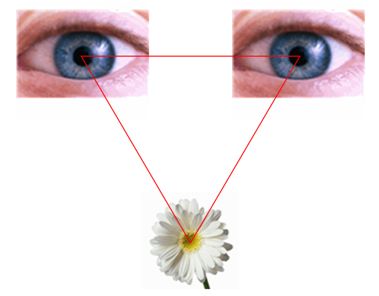
    The sacred principle of number two is polarity, whereby the line forms a tensile link between opposite poles. Paradoxically, there is both a separation and an attraction that binds the two, yearning once again for wholeness. It’s the yin/yang principle of Taoist thought, the perpetual rhythmic alternation of all life and the universe. The human body has a left side and a right side, a feminine side and a masculine side, an intuitive side and intellectual side, and so on. The modern left brain/right brain theory suggests the eyes are extensions of the brain’s two hemispheres. Although each eye sees things from a slightly different angle, they must work together seamlessly.

    The concept of “two” in eyesight has further spiritual significance beyond the apparent. In Plato’s Timaeus, eyesight is described as a two-way process; the eye mediates between the inner realm and the external world of objects. The fire of the soul was said to emit a gentle light from within, flow through the eye and meet the outer daylight. Like falls upon like, coalesces and forms the perception of sight. In this philosophical view, the eye acts as a portal, the proverbial “window of the soul.”

    The portal is actually a symbol that arises geometrically from one circle beginning to replicate into two. The fish-shaped vesica piscis is the area of overlap between the linked circles. It has been venerated throughout history by various cultures and nations and dates back to pagan and mystical religions. The early Christians considered it the link between heaven and earth, a bridge between spirit and form. Consequently, much medieval art symbolically depicts Christ within the fish-shaped area. In ancient architecture, particularly in cathedrals and holy temples, the vesica piscis was used extensively in the design of doorways. They were portals which permitted entry from the mundane world of reality into spiritual space.

    Applying the metaphor of a portal to the eyes, one is immediately drawn to the distinct vesica piscis shape which the upper and lower eyelids produce. Within the eye itself, the same pointed oval shape is found when studying the anatomy of the lens from a side view. The lens is the part of the eye where light rays emitted from an external object refract in such a way to form an image on the retina.

    Dr. Bates discovered that visual perception is more than simply a biomechanical process of camera-like parts in the body. The inner and outer aspects of eyesight are linked, as the mind and emotions have a great impact on how well we see external objects. During thirty years of clinical observation, he studied various ways in which people strained to see. He concluded that imagination, memory and sight coincide, and that when one is imperfect, all are imperfect. He encouraged visualisation as a healing technique long before it became in vogue. Perhaps a good mental image is to imagine the gentle light of your soul meeting the external light in the vesica piscis of your eyes.

    The Western, scientific mindset artificially separates objective reality and subjective reality. This creates a tendency to overemphasise the external world of objects, freezing them into a supposed condition of permanence. Greek philosopher Heraclitus apparently equated such an unbalanced view as being stung by a scorpion. This “scorpion vision” paralyses us from seeing the eternal rhythm.

    In a related vein, Dr. Bates cautioned against the forced concentration of staring, claiming it is an attempt to imagine things as stationary. The forced attention of staring immobilises the natural, healthy movements of the eye, and this straining actually has a boomerang effect. Instead of objects coming in more clearly, the objects become more blurred. An essential habit of healthy vision, therefore, is to maintain relaxed seeing by continuously shifting.

    Number Three

    But every tension of opposites culminates in a release, out of which comes the “third,” In the third, the tension is resolved and lost unity is restored.
    – Carl Jung

    SS image 3When our two eyes work together in harmony to fuse a single image, our visual perception restores the “lost unity.” An outcome of this reunion is the emergence of a new number; three dimensional (3D) vision is born. The technical term for 3D vision is “stereopsis,” which is derived from stere, New Latin for “solid,” and opsis, Greek for “vision.” A stereoscopic image is, thus, solid sight that gives us a sense of volume. 3D vision provides depth to our world view, a level of understanding that goes beyond a two dimensional (2D) flat surface.

    The sacred geometrical representation of number three is the triangle, which takes shape from the vesica piscis. An object in our sight is the third point midway between the eyes, the vertex that balances the opposing views of each eye’s unique perspective. The ancient philosophers valued the triad, assigning it qualities such as piety, friendship, harmony, peace, justice, temperance and virtue. It is the symbol of wisdom, for living prudently in the present requires learning from the past and planning for the future.

    In addition to the physical concept of 3D vision, there is another principle of the triad in vision, but in a metaphysical sense. Mystics throughout the ages have spoken of a “third eye” between the brows that is the seat of the spirit. Renowned spiritual scientist and philosopher Rudolf Steiner described humans as a three-fold constitution – body, soul and spirit. Seers have supposedly awakened the eye of the spirit, the highest of the three levels, resulting in clairvoyant vision. The third eye, which remains dormant for the majority of people, may also be responsible for triggering hallucinations and out-of-body experiences. The pinecone shaped pineal gland, about the size of a pea and located between the brain’s two hemispheres, is claimed by some to be the location of the mysterious third eye.

    Awakening the third eye may be highly elusive, but re-awakening a diminished sense of 3D vision is more easily attainable. Lenses prescribed to compensate for blurred vision are a compromise solution. Dr. Bates noted that glasses do provide immediate artificial clarity, but they don’t restore eyesight to a normal state. The lenses, although curved to help light rays converge properly inside the eye for better acuity, act as a barrier. Colours are less intense through the glass and objects are distorted in size. For people wearing glasses for distant viewing, the lenses diminish 3D perception, flattening it almost to the point of 2D vision for those with high strength prescriptions. The condition is reversible, for people who improve their eyesight by natural means invariably notice a marked improvement in their ability to see 3D again.

    Mathematics and geometry are applied with efficient precision in our technological era. A prime example is the science of optics, where good vision is reduced to purely a numerical term, 20/20. Ironically, as the vision industry has grown and prospered, we’re collectively seeing worse, not better. The incidence of vision difficulties in North America signifies the imbalance. Fewer than three percent of children are born with visual defects yet, as they reach adulthood, nearly two thirds will become dependent on prescription eyewear. Non-industrialised nations are virtually free of such widespread vision problems. To help restore a quality outcome, perhaps it’s time we return to the spiritual teachings of sacred number and sacred geometry to understand what really “counts.”
    [alert type=”general” dismiss=”no”]This article was published in New Dawn 111.[/alert]

    [alert type=”success” dismiss=”no”]If you appreciate this article, please consider a contribution to help maintain this website.[/alert]

    © New Dawn Magazine and the respective author.
    For our reproduction notice, click here.