New Dawn – World's Most Unusual Magazine

Category: New Science/Consciousness

  • Morphic Resonance & Morphic Fields: Collective Memory & the Habits of Nature

    Morphic Resonance & Morphic Fields: Collective Memory & the Habits of Nature

    From New Dawn Special Issue 15 (Mar 2011)

    The word morphic comes from the Greek morphe, meaning form. Morphic fields organise the form, structure and patterned interactions of systems under their influence – including those of animals, plants, cells, proteins, crystals, brains and minds. They are physical in the sense that they are part of nature, though they are not yet mentioned in physics books.

    All self-organising systems are wholes made up of parts which are in turn lower-level wholes themselves – such as organelles in cells, cells in tissues, tissues in organs, organs in organisms, organisms in social groups. At each level, the morphic field gives each whole its characteristic properties, and coordinates the constituent parts.

    The fields responsible for the development and maintenance of bodily form in plants and animals are called morphogenetic fields.

    The existence of these fields was first proposed in the 1920s and this concept is widely used within biology. But the nature of these fields has remained obscure.

    I suggest they are part of a larger family of fields called morphic fields. Other kinds of morphic fields include behavioural and mental fields that organise animal behaviour and mental activity, and social and cultural fields that organise societies and cultures. All of these organising fields are different kinds of morphic field.1

    Morphic fields are located within and around the systems they organise. Like quantum fields, they work probabilistically. They restrict, or impose order upon, the inherent indeterminism of the systems under their influence.

    For example, of the many direction in which a fish could swim or a bird fly, the social fields of the school or flock restrict the behaviour of the individuals within them so they move in coordination with each other rather than at random.2

    The most controversial feature of this hypothesis is that the structure of morphic fields depends on what has happened before. Morphic fields contain a kind of memory. Through repetition, the patterns they organise become increasingly probable, increasingly habitual. The force these fields exert is the force of habit.

    Whatever the explanation of its origin, once a new morphic field, a new pattern of organisation, has come into being, the field becomes stronger through repetition. The more often patterns are repeated, the more probable they become.

    The fields contain a kind of cumulative memory and become increasingly habitual. All nature is essentially habitual. Even what we view as the fixed “laws of nature” may be more like habits, ingrained over long periods of time.

    Morphic Resonance

    The means by which information or an activity-pattern is transferred from a previous to a subsequent system of the same kind is called morphic resonance. Any given morphic system, say a squirrel, “tunes in” to previous similar systems, in this case previous squirrels of its species. Morphic resonance thus involves the influence of like upon like, the influence of patterns of activity on subsequent similar patterns of activity, an influence that passes through or across space and time from past to present. These influences do not to fall off with distance in space or time. The greater the degree of similarity of the systems involved, the greater the influence of morphic resonance.

    Morphic resonance gives an inherent memory in fields at all levels of complexity. In the case of squirrels, each individual squirrel draws upon, and in turn contributes to, a collective or pooled memory of its kind. In the human realm, this kind of collective memory corresponds to what the psychologist C.G. Jung called the collective unconscious.

    Morphic resonance should be detectable in the realms of physics, chemistry, biology, animal behaviour, psychology and the social sciences.

    Long-established systems, such as zinc atoms, quartz crystals, insulin molecules and muscle cells are governed by strong morphic fields, with deep grooves of habit established over millions of years, and consequently little change can be observed over a few weeks, or even years, of research. They behave as if they are governed by fixed laws.

    By contrast, new systems should show an increasing tendency to come into being the more often they are repeated. They should become increasingly probable; they should happen more easily as time goes on.

    For example, when a new chemical compound is synthesized by research chemists and crystallised, it may take a long time for a crystal to form for the first time. There is no preexisting morphic field for the lattice structure. But when the first crystals form, they will make it easier for similar crystals to appear anywhere in the world. The more often the compound is crystallised in one place, the easier it should be to crystallise elsewhere.

    New compounds do indeed tend to crystallise more easily the more often they are made. Chemists usually explain this effect in terms of crystal “seeds” from the new crystals spreading around the world as invisible dust particles in the atmosphere, or chemists learning from others how to do it. But the hypothesis of morphic fields predicts that this should happen anyway under standardised conditions, even if dust particles are filtered out of the air.

    Testing for Morphic Fields

    There are several possible ways in which the hypothesis of morphic fields can be, and has been, investigated by experiment. Some tests attempt to detect the fields as they link together different parts of a system in space; others look for the effects of morphic resonance over time.

    The easiest way to test for morphic fields directly is to work with societies of organisms. Individual animals, for example, can be separated in such a way that they cannot communicate with each other by normal sensory means. If information still travels between them, this would imply the existence of interconnections of the kind provided by morphic fields. The transfer of information through morphic fields could help provide an explanation for telepathy, which typically takes places between members of groups who share social or emotional bonds.

    One promising area for this kind of research concerns telepathy between people and domesticated animals, as discussed in my book Dogs That Know When Their Owners Are Coming Home. For example, many dogs and cats seem to know when their owners are returning, even when they come at non-routine times in unfamiliar vehicles such as taxis, and when no one at home knows when they are on the way. The animals seem to be responding telepathically to their owners’ intentions.3

    The unsolved problems of animal navigation, migration, and homing may also depend on invisible fields connecting the animals to their destinations.4 In effect, these could act like invisible elastic bands linking them to their homes, which serve as “attractors.”5 (In the branch of mathematics known as dynamics, attractors represent the limits toward which dynamical systems are drawn.)

    Morphic Resonance in Development & Behaviour

    The build-up of habits can be observed experimentally only in the case of new patterns of development and of behaviour.

    There is already evidence from experiments on fruit flies that morphic resonance occurs in developing organisms. When fruit fly eggs were exposed to a chemical (diethyl ether), some of them developed abnormally, turning into flies with four wings instead of two. When this treatment was repeated generation after generation, more and more flies developed four wings, even if their ancestors had never been exposed to the chemical.6

    There is much circumstantial evidence that animal behaviour can evolve rapidly as if a collective memory is building up through morphic resonance. In particular, large-scale adaptations have occurred in the behaviour of domesticated animals all over the world.

    One example concerns cattle guards. Ranchers throughout the American West have found that they can save money on cattle guards by using fake ones instead, consisting of stripes painted across the road. Real cattle guards are made of a series of parallel steel tubes or rails with gaps in between, which make it difficult for cattle to walk across them, and painful to try. However, present-day cattle do not usually even try to cross them. The illusory guards work just like the real ones. When cattle approach them, they “put on brakes with all four feet,” as one rancher expressed it to me. Even calves encountering them for the first times avoid them just as much as cattle previously exposed to real guards, even if they have never seen cattle guards before.7 This aversion may well depend on morphic resonance from previous members of the species that have learned to avoid cattle guards the hard way.

    There are also data from laboratory experiments on rats and other animals implying that such effects occur. In one series of experiments rats learned how to escape from a water maze. New batches of rats were tested month by month, year by year. As time went on, rats in laboratories all over the world escaped more and more quickly.8

    Connections with Quantum Physics

    Some physicists have been intrigued by the possible connections between morphic fields and quantum theory, including John Bell (of Bell’s theorem) and David Bohm, whose theory of the implicate order, based on the non-locality of quantum systems, turned out to be extraordinarily compatible with the idea of morphic fields.9

    These connections have also been explored by the American quantum physicist Amit Goswami10 and by the German quantum physicist Hans-Peter Dürr.11

    But it is still not clear exactly how morphic fields might fit in with quantum physics, if only because the implications of quantum theory for complex systems like cells and brains are still unknown.

    Get the issue this article appears in

    Implications for Human Behaviour & Creativity

    Morphic resonance has many implications for the understanding of human learning, including the acquisition of languages. Through the collective memory on which individuals draw, and to which they contribute, it should in general be easier to learn what others have learned before.

    Morphic fields could revolutionise our understanding of cultural inheritance, and the influence of the ancestors. Richard Dawkins has given the name “meme” to “units of cultural transmission,”12 and memes can be seen as cultural morphic fields. Morphic resonance also sheds new light on many religious practices, including rituals.13

    The hypothesis of morphic fields has far-reaching implications in all branches of science. In particular, it points to a new understanding of the nature of the mind, which no longer needs to be seen as confined to the inside of the head. Just as magnetic fields extend beyond the surface of a magnet, and electromagnetic fields beyond a cell phone, so the mind extends beyond the brain through mental fields. When we look at something, say a tree, the image of the tree is projected out through these fields to the place where the tree actually is. Our minds touch what we are looking at. This provides an explanation for our ability to sense when someone is looking at us from behind. There is now much evidence for the reality of this sense, discussed in my recent book The Sense of Being Stared At, And Other Aspects of the Extended Mind.14

    But the hypothesis of morphic fields has an inherent limitation. It helps explain how patterns of organisation are repeated; but it does not explain how they come into being in the first place. It leaves open the question of evolutionary creativity. This hypothesis is compatible with several different theories of creativity, ranging from the idea that all novelty is a matter of chance, to explanations in terms of divine creative power.15 Evolution, like our own lives, is an interplay between habit and creativity.

    A new, completely revised edition of Rupert Sheldrake’s book on morphic fields and morphic resonance A New Science of Life was published by Icon Books (UK) and by Inner Traditions (US) under the title Morphic Resonance.

    [alert type=”general” dismiss=”no”]This article was published in New Dawn Special Issue 15.[/alert]

    [alert type=”success” dismiss=”no”]If you appreciate this article, please consider subscribing to help maintain this website.[/alert]

    Footnotes

    1. R. Sheldrake, The Presence of the Past: Morphic Resonance and the Habits of Nature, Times Books, New York, 1988
    2. Ibid., Chapters 13 and 14.
    3. R. Sheldrake and P. Smart, A dog that seems to know when his owner is coming home: Videotaped experiments and observations, Journal of Scientific Exploration 14, 233-255; R. Sheldrake and P. Smart, Testing a return-anticipating dog, Kane, Anthrozoos 13, 203-12.
    4. R. Sheldrake, Dogs That Know When their Owners Are Coming Home, And Other Unexplained Powers of Animals, Part V, Crown, New York, 1999
    5. For a discussion of this idea, see R. Sheldrake, T. McKenna, and R. Abraham, The Evolutionary Mind, Chapter 4, Trialogue Press, Santa Cruz, 1998.
    6. Sheldrake, The Presence of the Past, Chapter 8.
    7. R. Sheldrake, Cattle fooled by phoney grids, New Scientist, Feb 11, 1988, 65.
    8. Sheldrake, The Presence of the Past, op. cit. Chapter 9.
    9. D. Bohm and R. Sheldrake, Morphogenetic fields and the implicate order. In: R. Sheldrake, A New Science of Life (second edition), Blond, London, 1985, 234.
    10. A. Goswami, Eine quantentheoretische Erklärung von Sheldrakes morphischer resonanz. In: Rupert Sheldrake in der Diskussion (eds H.P. Dürr and F.T. Gottwald), Scherz Verlag, Bern, 1997
    11. H.P. Dürr, Sheldrakes Vorstellungen aus dem Blickwinkel der modernen Physik. In: Rupert Sheldrake in der Diskussion (eds H.P. Dürr and F.T. Gottwald), Scherz Verlag, Bern, 1997.
    12. R. Dawkins, The Selfish Gene, Oxford University Press, Oxford, 1976.
    13. R. Sheldrake and M. Fox, Natural Grace, Doubleday, New York, 1996.
    14. R. Sheldrake, The Sense of Being Stared At, And Other Aspects of the Extended Mind, Crown, New York, 2003.
    15. R. Sheldrake, The Rebirth of Nature, Bantam, New York, 1990.

    © New Dawn Magazine and the respective author.
    For our reproduction notice, click here.

  • Tesla vs. Einstein: The Ether & the Birth of the New Physics

    Tesla vs. Einstein: The Ether & the Birth of the New Physics

    From New Dawn 113 (Mar-Apr 2009)

    Nikola Tesla (1856-1943) was an electrical inventor, well known as a competitor of arch rival Tom Edison. Where Edison’s inventions include the light bulb, the microphone in the telephone and the phonograph, Tesla’s inventions include fluorescent lighting, the AC hydroelectric power system and wireless communication. Tesla is therefore mostly billed as an inventor.

    The fact is, Tesla was also a physicist who studied in college such courses as analytic geometry, experimental physics and higher mathematics.1 In his early 1890s lectures at Columbia University, the Chicago World’s Fair and at Royal Societies in Paris and London, building on the ideas of Isaac Newton and Lord Kelvin, Tesla demonstrated and discussed the structure of atoms as being similar to solar systems and wave-like and particle-like aspects to what later became known as the photon. Colleagues he lectured before and corresponded with included many Nobel Prize winners like Wilhelm Roentgen, J.J. Thompson, Lord Raleigh, Ernst Rutherford and Robert Millikan and other scientists such as Elmer Sperry, Sir William Crookes, Sir Oliver Lodge, Lord Kelvin, Heinreich Hertz and Hermann von Helmholtz.

    As far as I know, no standard text on the history of physics mentions Tesla even though these ideas would lead to Nobel Prizes when they were further developed by Rutherford and Bohr (with their solar-system description of the atom with electrons orbiting the nucleus) and Einstein’s discovery of the photoelectric effect, which was equivalent to Tesla’s wave and particle-like description of light.

    However, another idea which Tesla discussed was abandoned by modern physicists, and that was the concept of the all pervasive ether. This led to a number of key differences between Tesla’s view of the world as compared to that of Albert Einstein (1879-1955). Tesla disagreed with the findings of Einstein’s Theory of Relativity in a number of ways. As far back as the turn of the century, Tesla thought that he had intercepted cosmic rays emanating from the sun that attained velocities “vastly exceeding that of light.” In the last decade of his life he also claimed that these cosmic rays could be harnessed to generate electrical power. Tesla also saw radioactivity as evidence of the material body absorbing energy as much as it was giving it up.

    On a separate front, the inventor stated that the impulses transmitted from his turn of the century Wardenclyffe wireless transmitting tower would also travel at velocities in excess of the speed of light. He likened the effect to the moon’s shadow spreading over the Earth.

    It is very difficult to explicate the first two speculations concerning tachyonic (faster than lightspeed) cosmic rays and radioactivity. However, with regard to the third claim, this suggestion that he transmitted energy at speeds in excess of the speed of light can be discussed from a variety of points of view. As the Earth has a circumference of roughly 25,000 miles, and light travels at about 186,000 miles/second, one can see that it would take light approximately 1/7th of a second to circle the Earth. But does the Earth itself exist in its own realm, that by the nature of its size transcends the speed of light? For example, does the north pole, interact/exist with the south pole instantaneously? If so, in a sense the theory of relativity is violated as nothing, accordingly, can “travel” faster than the speed of light, yet the Earth’s very electromagnetic unity belies that theory.

    Taking this concept a step further, does the solar system, or galaxy, when perceived as a functional unit, interact with itself in some way that by necessity makes a mockery of the speed of light? (The galaxy, of course, is hundreds of thousands of light years long.) In fact, when we look at photographs of galaxies, we are seeing entities that are hundreds of thousands of light years long. Certainly these systems have an orthorotational stability, and/or angular momentum which exists as a gestalt (totality) in a realm that easily transcends the speed of light and therefore, in that sense, violates relativity.2

    Concrete proof that relativity can be violated can be found in George Gamow’s watershed book Thirty Years That Shook Physics. Gamow, one of the founding fathers of quantum physics, tells us that in the mid-1920’s, Goudsmit and Uhlenbeck discovered not only that electrons were orthorotating, but also that they were spinning at 1.37 times the speed of light. Gamow makes it clear that this discovery did not violate anything in quantum physics, what it violated was Einstein’s principle that nothing could travel faster than the speed of light. Paul Adrian Dirac studied the problem. Following in the footsteps of Herman Minkowski, who used an imaginary number i, (the square root of -1) to be equivalent to the time coordinate in space-time equations, Dirac assigned the same number i to electron spin. In this way he was able to combine relativity with quantum mechanics and won a Nobel Prize for the idea in the process (1966, pp. 120-121). That was the upside. The downside was that the finding that elementary particles spin faster than the speed of light as a matter of course went the way of the passenger pigeon. No physicist talks about this anymore. What this means is that the entire evolution of 20th and nascent 21st century physics is evolving ignoring this key Goudsmit and Uhlenbeck finding. The ramifications suggest that elementary particles, by their nature, interface dimensions. Because they are spinning faster than the speed of light, the idea is that they are drawing this energy from the ether, a pre-physical realm, and converting the energy into material form.

    The Structure of the Ether

    On a body as large as the sun, it would be impossible to project a disturbance of this kind [e.g., radio broadcasts] to any considerable distance except along the surface. It might be inferred that I am alluding to the curvature of space supposed to exist according to the teachings of relativity, but nothing could be further from my mind. I hold that space cannot be curved, for the simple reason that it can have no properties. It might as well be said that God has properties. He has not, but only attributes and these are of our own making. Of properties we can only speak when dealing with matter filling the space. To say that in the presence of large bodies space becomes curved, is equivalent to stating that something can act upon nothing. I for one, refuse to subscribe to such a view.

    – Nikola Tesla3

    In Tesla’s model, a force-field would curve light around large bodies. These ideas were related to Tesla’s original theories on gravity which do not seem to have ever been published but can be ascertained by decoding related articles by or about Tesla from the 1930s and 40s. They also coincide with some of the most recent theories on physics, gravity and magnetism which challenge Einstein’s claim that nothing can travel faster than the speed of light. E. Lerner, writing about “Magnetic Whirlwinds” in Science Digest in 1985, stated that “magnetism is as fundamental as gravity.” Citing the research and theories of plasma physicist A. Peratt of Los Alamos National Laboratory, Lerner noted:

    Astronomers using [a]… radio telescope [have]… observed filaments of gas arcing far above the galactic plane. These twisting spirals appeared to be held together by a magnetic field… stretching across 500 light years…. Such magnetic vortices [may] play a major role in the universe… as important… as gravitation.4

    Another key mystery where Tesla differs from Einstein involves the paradoxical findings of Michelson and Morley who in 1887, tried to detect the ether by using two sets of mirrors pointed at each other and placed miles apart. One set was aimed in the direction the Earth was moving and the other set was aimed at right angles to the movement of the Earth. It was hypothesised that if the ether existed, once an impulse was sent, there would be a difference in the return times of each set, yet no difference was found.

    Einstein essentially agreed with the findings by stating that by its nature, the ether could not be detected. However, Einstein also upped the ante considerably by also saying that if the ether could be detected then his theory of relativity was in error.5 Einstein further stated that if light could travel like a particle it would not need a medium (i.e., the ether) to travel through. Even though most of the great scientists of the day such as Maxwell, Faraday, Kelvin, Fitzgerald and Lorentz all accepted the obvious conclusion that there had to a medium of transfer in space, i.e., the ether, all of this was glossed over. This led to a generally accepted conclusion that the ether did not exist and that is the situation today, a full century later! It would take Einstein 15 years before he addressed this glaring misconception but the damage had already been done.

    In 1920, lecturing at the University of Leiden, on the topic “Ether and the Theory of Relativity,” Einstein stated outright that the ether did exist, that is was necessary as a medium of transfer because light also had wave-like properties. He even wrote Lorentz to clarify this point.6 But by now, the damage had been done. This lecture received little notice, it was ignored in Roland Clark’s watershed biography on Einstein published in 1971, and so the 20th and early 21st centuries evolved in such a way to dismiss entirely ether theory.

    Since in the Michelson Morley experiment light travelled at the same speed in the direction the Earth was moving and at right angles to that direction, Einstein concluded that the speed of light had to be constant (according to the formulas of Special Relativity). He further suggested in 1905 that the ether of 19th century physics was not necessary although what he really meant to say was that it could not be detected. At the time, this was a radical view, it was soon widely accepted, even though it implied that there was nothing between the stars. This concept quickly became dogma as it helped solve a number of dilemmas, for instance, they no longer had to search for the ether because according to this view, it didn’t exist. “Einstein did not disprove the existence of the ether…. He only stated [in Special Relativity] that whether or not it existed, light would always travel at the same speed.”7

    From the perspective of popular science writers, “belief in the nonexistence of the ether remained alive, but in actuality, by 1916, Einstein had replaced the old ether in his theory of General Relativity by curved space-time itself. Only, this new ‘ether’ is no longer a medium in three-dimensional Euclidean space, but in four-dimensional non-Euclidean (curved) space-time.”8 It was this idea that was completely unacceptable to Tesla, and he criticised Einstein in the 1930s because of it.

    One area where they were in some agreement, however, had to do with the speculations of the German physicist Ernest Mach. Taking his ideas from monotheistic and Buddhist teachings, and from Isaac Newton, who suggested that all material bodies attract one another through gravity, Mach postulated that the mass of any material body, such as the earth, was dependent upon some type of gravitational force from all the stars. In other words, all effects in the universe were related to all others. Einstein wrote Mach to tell him that this idea was intrinsically related to his formulation of the Theory of Relativity.9

    I have yet to find a direct quote by Tesla of Mach’s Principle, but in an article Tesla wrote in 1915, clearly based upon his writings of 1893, he states exactly this position.

    There is no thing endowed with life – from man, who is enslaving the elements, to the nimblest creature – in all this world that does not sway in turn. Whenever action is born from force, though it be infinitesimal, the cosmic balance is upset and universal motion results.10

    It seems to me that the interconnectedness between all of the stars in the universe (related to Einstein’s curved space/time) is the ether.11 Similarly, Tesla’s view of the ether aligned itself with that of the Theosophists:

    Long ago [I] recognised that all perceptible matter comes from a primary substance, of a tenuity beyond conception and filling all space – the Akasa or luminiferous ether – which is acted upon by the life-giving Prana or creative force, calling into existence, in never ending cycles, all things and phenomena.

    The primary substance, thrown into infinitesimal whirls of prodigious velocity, becomes gross matter; the force subsiding, the motion ceases and matter disappears, reverting to the primary substance.12

    Removing the spiritual component from “Akasa,” Tesla postulated that everything in the universe derived its energy from external sources. This corresponded to his model of the automata or remote controlled robot, which received commands from the electrician, and also of himself, that is, of the human condition itself. Denying the Platonic concept of intrinsic motivation, as an Aristotelian, and thus a believer in the idea of the tabula rasa, Tesla assumed that all of his ideas came from external sources even though, paradoxically, his life was the very essence and expression of self-determination and the power of the will. Each hierarchical entity in his system was not endowed with a soul, per se, but rather, a self-directed electrical component which moved by attraction or repulsion.

    As a non-psychologist, Tesla also negated, by necessity, the concept of the unconscious, the archetypes, and also the Freudian id, as primary motivators. So, for instance, a dream would always ultimately derive from some extrinsic factor, never from a completely inner source. However, unlike Einstein, who negated the mental component from his model concerning the primary forces of the universe, Tesla addressed this factor with his construction of the first prototype of a thinking machine, his telautomaton or remote controlled robot which was in the form of a wireless activated boat that the inventor displayed before the public at Madison Square Garden in 1898.13 In essence, for Tesla, the mind was at its basis, a binary electrical system of attractions and repulsions, stimulated from an outside source, and wholly compatible with Pavlov’s stimulus-response reflex model for cognitive processes.

    Smashing Atoms

    Tesla also differed with Einstein and the quantum physicists in his view of the structure of the elementary particles and the possible consequences caused by the smashing of atoms. “I have disintegrated atoms in my experiments with a high potential vacuum tube… operat[ing] it with pressures ranging from 4,000,000 to 18,000,000 million volts…. But as to atomic energy, my experimental observations have shown that the process of disintegration is not accompanied by a liberation of such energy as might be expected from present theories.”14

    To Tesla, the Theory of Relativity was just “a mass of error and deceptive ideas violently opposed to the teachings of great men of science of the past and even to common sense. The theory wraps all these errors and fallacies and clothes them in magnificent mathematical garb which fascinates, dazzles and makes people blind to the underlying error. The theory is like a beggar clothed in purple whom ignorant people take for a king. Its exponents are very brilliant men, but they are metaphysicists rather than scientists.” Writing a decade before the explosion of the atom bomb, and ignoring the space curvature data from the 1919 eclipse which supported Einstein’s idea that space was curved around large bodies such as stars, Tesla suggested that the existence of a force field would account for the same mathematical results. Thus, Tesla brazenly concluded, “Not a single one of the relativity propositions has been proved.”15

    It would be shortsighted to simply judge Tesla wrong and Einstein and the quantum physicists right for at least two reasons. (1) Both relativity and quantum theory have been established as incomplete, and in some sense, incompatible, theories on the structure of the universe.16 (2) Tesla was discussing these phenomena from a different perspective that was not completely analogous to the one espoused by the theoretical physicists. In Colorado Springs, for instance, Tesla was generating over 4,000,000 volts, whereas only about 1,000,000 volts is required for separating electrons from the nucleus of an atom. Thus, Tesla was able to disintegrate atoms, but in an entirely different way than that postulated by Einstein or the quantum physicists (for Tesla did not destroy the nucleus). No atomic explosion could ever occur with his type of apparatus. Tesla completely misunderstood the ramifications of Einstein’s equation E = mc2, and the corresponding suppositions of the equivalence of mass and energy. Unfortunately, he would never live to see the proof that tremendous amounts of power were locked inside the tiny space occupied by the nuclei of atoms.17

    Gravity

    Concerning the curvature of space (Einstein) versus the idea of a force field (Tesla), I discussed this point with Edwin Gora, Professor Emeritus, from Providence College. Gora, whose teachers include Werner Heisenberg and Arnold Sommerfeld, agreed that the two concepts might actually be different viable ways of describing the same thing. Both Tesla and Einstein are trying to describe the fundamental structure of space and its relationship to the constancy of lightspeed and gravity.

    In an obscure paper I discovered on the web published by M. Shapkin but supposedly written by Tesla, Shapkin/Tesla states that the reason why light only travels at one speed, 186,000 mph, is because the ether, its medium of transfer, slows down photonic energy to that rate the same way air slows down sound to its constant speed.18 According to this view, the ether is a specific medium that restricts the speed of light to exactly the speed that it is. This is a very exciting theory because it suggests that the energy which manifests itself as light ultimately exists in a tachyonic realm, that is, in a realm that exceeds the speed of light.

    Another aspect of this ether theory which derives from Tesla and numerous other modern writers such as Price and Gibson, Ed Hatch, Vencislav Bujic, Ron Heath, Warren York and David Wilcox outlined in detail in my book Transcending the Speed of Light, is that matter is constantly absorbing ether all the time.

    If we look at the structure of matter, we see that it is comprised of atoms, which is, essentially, electrons orbiting protons and neutrons. But neutrons are, by definition, protons sandwiched to electrons. So the fundamental structure of matter is just two particles, electrons and protons and a glue that binds these atoms into molecules, which are photons. These particles spin. What keeps them spinning? Ether theory suggests that elementary particles are absorbing ether all the time to maintain their spin. And when they do this, they emanate the absorbed energy as electromagnetic fields. That is the link between gravity and electromagnetism.

    Take the Earth, for instance. Classical physics sees the force of gravity as some type of almost magical attractive force between stars and planets. Ether theory has a totally different view. The reason we fall back to the Earth when we jump up is not this mystical force of gravity, but rather it is because the Earth is constantly absorbing a tremendous amount of ether to keep all of its elementary particles spinning. We are just in the way of this influx. This view explains what gravity is, and also explains Tesla’s seemingly odd statement that the sun is absorbing more energy than it is radiating. The more you think about it, the more this seemingly nutty idea makes perfect sense. The sun requires a gargantuan amount of etheric energy to keep its integrity.

    Grand Unification

    Now we go to Einstein, who as we learn from the new Isaacson biography, came to reject Mach’s principle. Einstein did indeed see a connection between gravity and acceleration, but he was not ready to accept the etheric view, because to do so would mean to drive a stake through his precious theory of relativity. Remember, he said that if ether could be detected, then his theory was wrong.

    According to the etheric view as espoused by the various writers listed above, Price and Gibson, et al., ether is easily detected. If you are driving in a car and accelerate greatly, you will feel a G-force. This is an increased absorption of ether. That’s what a G-force is. Ether flowing into matter is gravity, matter flowing rapidly through ether, that is, acceleration, is experienced as a G-force.

    Einstein started to become aware of this in 1916, just as Louis de Broglie’s wave mechanics was coming into vogue. Where before that time physicists were looking at electrons and protons as particles, de Broglie emphasised the wave aspect of their nature. Looking at electrons as waves rather than particles makes it a lot easier to understand a quantum leap, or the shift of an electron from one orbit to another without going into an in-between state. From this de Broglie wavelike point of view, quantum leaps occur when electrons simply shift their point of focus. Once de Broglie began to gain acceptance, elementary particles including photons were now looked at more from the wave point of view and this view was more in accord with the necessity for an ether as the medium of transfer for light, for instance, to get from the sun to the Earth.

    Initially, Einstein was still too caught up in his particle view and in Mach’s principle which suggested that all matter in the universe was interdependent. Thus, concerning rotating bodies, Einstein would write the young mathematician Karl Schwarzchild on January 9, 1916, “Inertia is simply an interaction between masses, not an effect in which space of itself is involved, separate from the observed mass.” Schwarzchild, Isaacson points out, disagreed. Now, four years later, in 1920 after reconsidering the necessity of the ether, for instance, as a means to propagate light, Einstein changed his mind. He abandoned Mach’s Principle and now saw that a rotating body did not obtain its inertia from, and in relations to, all the rest of the matter in the universe [Mach’s Principle], but on its own accord due simply to “its state of rotation [because] space is endowed with physical qualities.”19

    Because of the power of de Broglie’s emphasis on particle wave theory, Einstein shifted gears to be current. Back ahead of the curve, he lectured on the ether at Leiden University (discussed above). Einstein never came to view gravity as the absorption of ether by elementary particles and electromagnetism as a product of this process, because to do so would be to abandon relativity. Einstein also never was able to integrate gravity into his grand unification scheme, a problem he wrestled with for the entire last half of his life.

    Once it is realised that electrons spin at speeds in excess of the speed of light, a new paradigm is born. The idea simply is that the elementary particles, by their nature, are absorbing ether all the time. This influx is what gravity is. As ether is absorbed two things happen. (1) The process enables the elementary particles to maintain their spin, and (2) Simultaneously, this etheric energy, probably stemming from what some physicists call the zero point energy realm, which is a vast reservoir of untapped energy, is transformed into electromagnetic energy. That is Grand Unification, Einstein’s dream of how to combine gravity with electromagnetism.

    Tesla understood ether theory a lot better than Einstein did, but obviously, Tesla also did not truly understand the ramifications of Einstein’s famous equation E=mc2. He dismissed it as mathematical poppycock. Had he lived a few more years to see the explosion of the atom bomb, Tesla would have been forced to re-evaluate what he had discarded, and had Einstein re-evaluated the full ramifications of Tesla’s ether theory, he may have been able to achieve his grand dream of unifying gravity with electromagnetism, a process explainable by a full understanding of ether theory.

    A large number of thinking physicists believe that an ether of sorts exists, and that forces of some type may transcend lightspeed. Once one begins to study ether theory, profound new insights concerning such things as particle spin, zero point energy, the fundamental structure of matter and space, the constancy of lightspeed and the link between gravity and electromagnetism begin to emerge.

    The above is excerpted and adapted with permission from Marc J. Seifer’s book Transcending The Speed Of Light: Consciousness, Quantum Physics & the Fifth Dimension (Inner Traditions, 2008). 

    [alert type=”success” dismiss=”no”]If you appreciate this article, please consider subscribing to help maintain this website.[/alert]

    Footnotes

    1. Marc Seifer, Wizard: The Life & Times of Nikola Tesla, New York: Birch Lane, 1996, pp. 18-19.

    2. One need not resort to Bell’s theorem of non-locality, or instantaneous transference of information, or the new worm hole theories, each which suggest extra dimensions, to follow the argument as far as I have taken it.

    3.Nikola Tesla, Pioneer radio engineer gives views on power. In J. Ratzlaff (Ed.), Tesla Said. Millbrae, CA: Tesla Book Company, 1984, pp. 240-242.

    4. E. Lerner, ‘Magnetic whirlwinds’, Science Digest, 6/1985, p. 26.

    5. Roland Clark, Einstein: The Life & Times, NY: World Publishing, 1971, p. 78.

    6. Walter Isaacson, Einstein: His Life & Universe, New York: Simon & Schuster, 2007, p. 318.

    7. Edwin Gora, Physics Department, Providence College, private correspondence, 1991.

    8. Ibid.

    9. Einstein had really postulated two theories. The special theory of relativity postulated in 1905, dealing with uniform motions, and the general theory, which dealt with motions speeding up and slowing down. Mach’s principle is linked to the general theory.

    10. Nikola Tesla, (1915), in Lectures, Patents, Articles, Belgrade: Nikola Tesla Museum, 1956, p. A-172.

    11. Or one hierarchical dimension of it. Further, each point in space (in a galaxy) codes for every other point, as each contain the intersecting light from every star in the system. This idea is associated with holographic principles and the “enfolded order” where the whole is distributed throughout each part, as expounded by such theoreticians as David Bohm.

    12. Nikola Tesla, 7/6/1930; J. Ratzlaff, (Ed.), Solutions to Tesla’s Secrets, Milbrae, CA: Tesla Book Company, 1981, p. 91.

    13. Einstein, however, did not negate the conscious component from his philosophy. “I want to know how God created the world,” Einstein said. “I want to know his thoughts; the rest are details” [from E. Mallove, ‘Einstein’s Intoxication with God and the Cosmos’, Washington Post, 12/22/1985].

    14. Nikola Tesla, ‘Radio power will revolutionize the world’, Modern Mechanix & Invention, 7/1934, pp. 40-42; 117-119.

    15. Nikola Tesla, ‘Tesla, 79, promises to transmit force’, New York Times, 7/11/1935, 23:8; in Nikola Tesla, 1981, pp. 128-130.

    16. “A principle of physics that Einstein held even more dear than determinism was the principle of local causality – that distant events cannot instantaneously influence local objects without mediation. What the EPR [Einstein, Podolsky, Rosen] argument did… was to show that quantum theory violated causality. This finding startled most physicists, because they held the principle of local causality sacred. This mean that either quantum physics was incomplete or non-local events [i.e., instantaneous information transmission] occurred.” The Cosmic Code, by Heinz Pagels, Bantam Books, NY, 1982, p. 139.

    Einstein’s Theory of Relativity is also incomplete, as physicists have not, as yet, obtained a Grand Unification Theory based upon it. See, for instance ‘Einstein’s Dream’, by Gary Taubes, Discover, 12/1983, p. 48, whereby an 11 dimensional graviton (gravity particle) has been postulated as the ultimate particle to explain supergravity, quarks, electrons, etc.

    17. It would take approximately 55 million volts to vaporise carbon, but only 4.37 million volts to change carbon into helium, the latter case within the parameters Tesla was capable of achieving [calculations performed by E. Gora]. A pound of carbon, on the other hand, if converted into nuclear energy, could provide enough electricity to run the country for an entire month [from Coleman, 1958, p. 54].

    18. Mikhail Shapkin, “Unknown Manuscript of Nicola Tesla.” Farshores.org/wmtesla.htm.

    19. Marc Seifer, Transcending the Speed of Light, p. 96; Isaacson, p. 125.

    © New Dawn Magazine and the respective author.
    For our reproduction notice, click here.
  • Science Was Wrong: An Interview With Stanton Friedman

    Science Was Wrong: An Interview With Stanton Friedman

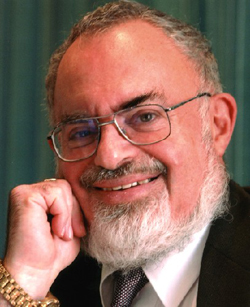
    Stanton Friedman is one of the world’s most famous ufologists, and a man who understands the workings of mainstream science and academia. Employed for 14 years as a nuclear physicist for companies like General Electric, General Motors, Westinghouse and Aerojet General Nucleonics, he worked on highly classified US programs involving nuclear aircraft, fission and fusion rockets.

    In 1958, UFOs caught his attention, and Friedman has since lectured about this subject at more than 600 colleges and professional groups in all 50 states of the US and around the world.

    His most significant and controversial book Top Secret/Majic revealed much about how the US government dealt with the 1947 crash of a “flying saucer” near Roswell, New Mexico.

    In their new book Science Was Wrong: Startling Truths About Cures, Theories, and Inventions “They” Declared Impossible, Friedman and social scientist Kathleen Marden discuss various examples throughout history when scientists misjudged or ignored scientific evidence or breakthroughs.

    Having worked as an insider for many years, Friedman understands what is wrong with the system and the reasons why otherwise intelligent people refuse to acknowledge hard truths and continue to resist change.

    New Dawn magazine recently spoke to Stanton Friedman…

    What do you think about Global Warming and Cold Fusion?

    There is no question that climate changes – sometimes the world gets warmer and sometimes it gets colder. The much more important question is whether man is responsible for these changes (so called Anthropogenic Global Warming) and whether billions of dollars should be spent to control evil CO2. The data do not support the claims of the Intergovernmental Panel on Climate Change (IPCC) and Al Gore. Mother nature has far more to do with overall weather cycles than man. Contrary to the IPCC’s claim that all scientists agree with them, there are many examples of serious scientists who do not. Politics has become the major issue not science.

    Cold Fusion is still being investigated by such respectable institutions as Toyota, The Electric Power Research Institute and the US Navy. More and more supporting evidence has been found that scientists Stanley Pons and Martin Fleischmann were on the right track, even if not “politically correct.” Their debunkers were guilty of the typical false claims based on bias rather than on the facts. It will be interesting to see how this story plays out.

    Several of the chapters in Science Was Wrong deal with medical issues such as the Hemophilia Holocaust. Why are they important?

    The medical chapters, with most of the work being done by Kathleen Marden, are important because they demonstrate there can be serious consequences (often fatal) when well educated authority figures make totally wrong claims. 10,000 American hemophiliacs were made HIV positive because it was claimed that the chance of HIV being transmitted via transfusions was one in a million. The clotting factor used by hemophiliacs is batch processed from many thousands of individual units of blood. If one was contaminated, the entire batch would be. It was already known that heat treatment could get rid of the viruses. But that was considered too much trouble and expense and not required anyway. Strong claims were made without any supporting evidence.

    Why is that so many smart people make what turns out to be stupid statements?

    I am a physicist not a psychiatrist, but I have certainly encountered many “smart” debunkers. There seem to be major problems of arrogance and ignorance. The “smart person” assumes that if something as obviously significant as alien visitations were taking place, that would be important and therefore he would know about it because he keeps track of what is important. Since he doesn’t know about it, it must not be true and there is no point in wasting his time becoming familiar with the relevant data since there must not be any.

    The basic rules for these arrogant opinion setters are: 1. Don’t bother me with the facts, my mind is made up; 2. What the public doesn’t know, I won’t tell them; 3. If one can’t attack the data, attack the people, it is easier, and 4. Do “research” by proclamation rather than admitting ignorance and doing a serious investigation.

    From a more philosophical viewpoint I would like to quote a serious debunker, Dr. Michael Shermer, founder of the Skeptics Society and author of Why People Believe Weird Things, for why he believes such a weird notion there is no evidence indicating some UFOs are alien space craft.

    First comes this on page 283: “Smart people believe weird things because they are skilled at defending beliefs they arrived at for non-smart reasons.” BINGO. Clearly this applies not only to Michael, but to Dr. Joseph Nickell, the paid “scientific” investigator for the newly named “Committee for Skeptical Inquiry” which used to be CSICOP. His three degrees in English and experience as a magician (master of deception) hardly provide scientific training as demonstrated by his nonsensical explanation of a six foot owl for the Flatwoods, W.V. Monster. He did actually visit Flatwoods but didn’t talk to the witnesses nor visit the site.

    The second quote from Michael’s book that applies to the debunkers is on page 299: “The Confirmation Bias, or the tendency to seek or interpret evidence favourable to already existing beliefs, and to ignore or reinterpret evidence unfavourable to already existing beliefs.”

    It was no wonder that at the end of a three hour debate that Michael and I had about UFOs on Coast to Coast Radio, the audience voted on a winner. I got 80% of the vote. He, of course, had not read any of my books.

    Have there really been serious consequences resulting from the wrong claims made by scientists?

    As documented in Science Was Wrong, thousands died because of the resistance to the use of vaccinations against smallpox. When Dr. Ignatz Semmelweiss was forced out of his hospital in Vienna because he insisted doctors seriously wash their hands between doing autopsies and delivering babies, 20% of the woman came down with child bed fever and died as did their babies. Fewer than 3% delivered by mid wives with clean hands died. Many women were sterilised because of the loud advocacy of the leaders of the Eugenics movement bound on creating a super race by eliminating reproduction by those not deemed suitable. Hitler used their justifications for his ethnic cleansing work.

    Development in space and communication technology and in aviation were often seriously delayed by the arrogance of the leaders claiming man would never fly, space travel was utter bilge, battleships could not be sunk by bombs dropped from an airplane, planes couldn’t go faster than the speed of sound, jet engines had no place in aviation, etc. One expert in the use of explosives insisted to US President Truman that the notion of an atomic bomb was ridiculous.

    Have you personally encountered many closed minds in the academic world?

    I have encountered a number. Professors seem to believe that only PhDs in academia publishing in standard peer reviewed scientific journals can do research. They seem totally oblivious to the huge amounts of money being spent in classified programs in industry and in the various major laboratories operated for the government. They are shocked when I point out that when I worked for the General Electric Aircraft Nuclear Propulsion Department near Cincinnati in 1958, we spent $100,000,000 that year and employed 3,500 people of whom 1,100 were engineers and scientists. We published many classified reports, but were certainly not in the publish or perish mode of academia. The three nuclear weapons labs (Los Alamos, Sandia, Lawrence Livermore) several years ago each employed over 8,000 people and each had an annual budget over $1 billion. Together just those three labs were spending more than the amount spent on all its projects by the National Science Foundation.

    When it comes to flying saucers and the notions of interstellar travel, the academics seem to think the only possibility would be chemical rockets… the Pony Express of the propulsion system business. In contrast, the first nuclear powered submarine was operated in 1956. Hundreds have been built since. There are several nuclear powered aircraft carriers that can operate for 18 years without refuelling. Think how many tankers of diesel fuel would be required. The academic astronomers all know that the stars produce their energy via nuclear fusion. But they are totally unaware of the studies done in industry using appropriate nuclear fusion reactions for deep space propulsion. Using the right isotopes, particles can be ejected having 10 million times as much energy per particle as can be obtained in a chemical rocket. They have all heard of nuclear weapons, but can provide no sensible context. A World War II big bomb was a 10 ton blockbuster. Hiroshima was about 15,000 tons of TNT equivalent. The first H Bomb released 10 million tons of TNT equivalent and had a three mile wide fireball. The biggest Russian bomb was equivalent to 57 million tons of TNT and these guys are thinking of chemical rockets. I worked on a study of fusion rockets back in 1962.

    You spent 14 years working in industry, but have lectured at over 600 colleges and universities. Did you find industry different from academia?

    Industry was much more concerned with results – not the publish or perish business, not outside honours, or tenure – but how can we get our systems to work. We had access to fine equipment, sophisticated facilities, exotic materials. Yes, much work was done under security. The academic guys don’t understand the national security aspects of flying saucer reality. Every country would surely like to duplicate the flight behaviour. Young engineers and scientists had great opportunities as programs expanded and could learn a lot from working closely with more experienced professionals.

    In universities I have found many are afraid to even talk about such unacceptable topics as flying saucers and the cosmic Watergate. Sometimes I have had to wake them up with the fact that Lockheed built the Stealth aircraft at a cost of $10 billion dollars over 10 years in total secrecy. The existence of the Corona spy satellite wasn’t revealed until 35 years after the first one obtained more data about Soviet military installations than all the U-2 flights that preceded it.

    Astronomers seem to be a favourite target in Science Was Wrong. Can you give some examples?

    An astronomer (British Astronomer Royal) in 1956 said space travel was utter bilge and nobody would pay the cost, and what good would it be anyway. Astronomy has benefitted more from the space program than any other science. One claimed in 1903 that man would never fly in a machine. The Wright brothers’ flight happened quietly two months later. The negative attitudes had discouraged many from seeking development funds or doing experiments. One astronomer computed in 1941 that to send a man to the moon and back would require an initial launch weight of a million tons. Turns out he was too high by a factor of 300 million. Turns out, as one might expect, that he was totally unfamiliar with the literature that already had been published, that he made all the wrong assumptions. He like other academics think you can determine feasibility from basic physics. In the real world the initial assumptions are very important. He assumed a single stage rocket launched vertically with much too low an exhaust velocity and much too low an acceleration and using a retrorocket to slow the vehicle down upon return. We use the atmosphere and take advantage of cosmic freeloading at every turn including taking advantage of the moon’s gravitational field.

    The SETI [Search for Extra-Terrestrial Intelligence] cultists assume that interstellar travel is impossible even though they know nothing about it. They assume that aliens would send signals using technology compatible with our techniques roughly 100 years into the age of radio. There are stars less than 40 light years away that are over a billion years older than the sun. Surely their technology is more advanced. Rarely do astronomers point out how terribly wrong they have been in the past. Venus is not a tropical jungle. Mars has had water, and electromagnetic effects are very important in the solar system. Obviously if aliens are visiting, listening for signals using our technology makes no sense. So many cases of arrogance coupled with ignorance. They even would have us believe that they know how aliens would behave. They don’t understand earthlings no less aliens.

    Why are you better equipped to deal with topics such as space travel than the Professors who claim there is nothing to UFOs or to star travel?

    I have studied an enormous amount of evidence, books, documents, and reports about the UFO evidence. When I discuss five large scale scientific UFO studies at my lectures, I ask how many have read each one. Usually fewer than 1%. Dr. Seth Shostak’s SETI specialists had read none of the five, yet claimed as did Dr. Jill Tartar there is no evidence.

    I have worked on far out propulsion systems such as nuclear airplanes, fission nuclear rockets, fusion nuclear rockets. Our most powerful nuclear rocket operated at a power level of 4400 megawatts or twice the power output of Grand Coulee dam. They are totally ignorant about such matters, but hate to admit it. They know nothing about these topics. I worked under security for 14 years, have visited 20 document archives, wrote many classified reports. They know nothing about the work being done in secret.

    Tell us about space travel and other topics you discuss in Science Was Wrong?

    I discuss fission and fusion rockets and the need to take advantage of what has been learned in the programs. I also refer readers to the chapter in my 2008 book Flying Saucers and Science which has pictures of fission nuclear rockets, nuclear airplane propulsion systems etc., and other exotic propulsion systems such as the electromagnetic submarine.

    You seem to be an admirer of the late Dr. Immanuel Velikovsky and yet many scientists have heaped ridicule on him. Why do you support many of his views?

    The first reason is that it turns out he was correct about high temperatures on Venus, radiation from Jupiter and the importance of electromagnetic fields in the solar system. He carefully reviewed many stories from various societies about events in the planet’s past history. Often his opponents attacked him because his background was in medicine and psychiatry not in astronomy. Often they attacked without even reading his books such as Worlds in Collision. He was a true scholar.

    Do you believe that the changes in the energy output of the sun are the real cause of climate change as opposed to the production of CO2?

    The data seems to strongly support these conclusions. New satellites that can carefully observe the sun, solar storms, particulate radiation etc., are backing up these views. Many scientists also have finally been willing to speak out about the phony arguments such as the Himalayan glaciers will soon melt. That notion was nonsense.

    Dr. Robert O. Becker is somebody you obviously admire and consider to have been a pioneer in relating the effects of magnetic fields on people including not only treating certain medical conditions, but influencing people’s behaviour. Can you give some examples of his work?

    He did some great work on using magnetic fields to speed healing in fractures that otherwise seemed unable to heal. He looked at limb regeneration in animals that do indeed regenerate limbs such as salamanders. He did a massive study on admissions to Veterans mental hospitals and behaviour in them as a function of the earth’s electric and magnetic field environment. There was indeed a strong connection. He was a fine scientist with the courage to dig in areas where others were unwilling to follow the evidence. His work was a fine example of my mantra that technological progress comes from doing things differently in an unpredictable way. Think about it. Lasers aren’t just better light bulbs. Nuclear rockets aren’t just better chemical rockets. In both cases there were entirely different physics involved.

    Can you tell us the general rules as you see them for the methods of approach of scientists who try to debunk such topics as UFOs, Cold Fusion, space travel?

    The basic approach is always to assume there is nothing to the crazy notions being put forth. Assume if there had been you would already have known about it. Read only the work of those who think the topics are nonsense. I almost never see an anti-UFO professional refer to the large scale scientific studies or to the more than 10 PhD theses that have been done on UFO related topics, or to the many papers presented by scientists at the 40 annual MUFON Symposia. They never subscribe to the journals. Never admit there has been a great deal of sophisticated research done outside of academia.

    Twice I have had academics claim that Roswell couldn’t have happened because if it had loads of academic scientists would have been pulled from their universities to work on figuring out what was going on. I had to strongly point out this was nonsense.

    During World War II the US established a large number of major laboratories with all the requisite equipment and facilities for examination of alien wreckage, data on flight performance, biology of aliens, and also large budgets etc. What they required was top notch professionals who already had high level security clearances, access to top notch equipment, places for storing and preparing classified reports. There were well over a dozen such large scale labs available to those wanting very high level work, all outside academia. These academics were totally ignorant about this huge resource. And still their thinking is the equivalent of assuming that the most advanced communication system is the pony express instead of the internet!

    Science Was Wrong: Startling Truths About Cures, Theories, and Inventions “They” Declared Impossible (New Page Books, 2010) is a fascinating collection of stories about the pioneers who created or thought up the “impossible” cures, theories, and inventions “they” said couldn’t work. How many have suffered or died because cures weren’t accepted? How many inventions have been quashed? You will end up shaking your head in disbelief and even disgust as you learn the answers. 
    [alert type=”general” dismiss=”no”]This article was published in New Dawn 123.[/alert]

    [alert type=”success” dismiss=”no”]If you appreciate this article, please consider a contribution to help maintain this website.[/alert]

    © New Dawn Magazine and the respective author.
    For our reproduction notice, click here.
  • Worlds in Collision: Will the Controversial Theories of Immanuel Velikovsky Be Proven Right?

    Worlds in Collision: Will the Controversial Theories of Immanuel Velikovsky Be Proven Right?

    From New Dawn Special Issue Vol 6 No 1 (Jan 2012)

    Some of the controversies that arise in the world seem to latch on to the public’s imagination and then, for decades or years following, simply will not let go. Such is the character of intrigue that has, for more than sixty years now, swirled turbulently around the personage of Immanuel Velikovsky.

    Velikovsky, who sadly died in 1979, was a Russian-born medical doctor and psychoanalyst. He first came into the public eye in the 1920’s for founding the Scripta Universitatis academic journal in Berlin, and later worked alongside others to establish the Hebrew University in Jerusalem. Velikovsky was an intensely curious man who had been broadly educated in many different fields of study as diverse as science, medicine, philosophy, ancient history and law. He studied psychoanalysis under Sigmund Freud’s acclaimed protégé Wilhelm Stekel. Velikovsky first worked alongside Albert Einstein in Berlin, when Einstein edited mathematical articles in Scripta Universitatis, again in Jerusalem during their efforts to help found the Hebrew University, and later in life as close friends and colleagues at Princeton University.

    In 1939, Velikovsky brought his family to New York City, planning to spend the summer engaged in research at Columbia University’s library. He was compiling a psycho-historical text to outline the many intriguing parallels he had uncovered between the Greek literary character Oedipus and the Egyptian Pharaoh Akhnaton. This research, however, was soon sidelined when Velikovsky uncovered an Egyptian papyrus called “The Admonitions of Ipuwer,” a text that seemed to provide historical confirmation for biblical accounts of the 10 plagues in Egypt at the time of Moses. Intrigued that the biblical account might possibly have foundation in actual historic events, Velikovsky began to seek out other ancient references that might serve to uphold that point of view.

    Using the techniques of a comparative mythologist, Velikovsky began a comprehensive review of ancient texts from around the world dating from that same time period, and produced a body of supporting evidence that was more substantial than he at first imagined. The ancient texts presented what he saw as a kind of universality of theme relating to reports of global calamity – descriptions of fire raining from the sky, violent earthquakes, volcanoes erupting, displacement of great bodies of water, and similar disasters of seeming mythic proportion.

    At the same time he also began a search for references that might point to some real-world agent capable of inflicting the kinds of misfortunes described in the Book of Exodus. He eventually settled on the theoretic close approach of a comet to the Earth as the type of natural event that most closely fits the profile of destructive consequences described in the texts. This tentative conclusion was upheld in his mind by many explicit ancient references to a fearful wandering comet associated with great calamity. References to this comet were given by different cultures under various names such as Seth and Typhon. Velikovsky also found himself confused to learn that in some cultures, the names that had been initially assigned to this fearful comet also came later to be associated with the planet Venus.

    Meanwhile, Velikovsky became aware of the sudden rise at about that same historical period of what seemed to be a global obsession with tracking the motions of Venus. Many different cultures began to keep careful written counts of the number of days between the risings and settings of Venus. Tracking Venus is the likely motive that is cited by some historians as having inspired the Oracle Bone texts – the earliest form of written record known to exist in China. For Velikovsky, these facts taken together seemed to implicate Venus as the fearsome agent of terrible events that he believed may have ravaged our planet. Velikovsky associated this same period of destruction with the stupendous eruption of the volcano Thera on the island of Santorini, the sudden fall of the Minoan Empire in the Mediterranean, and the end of the Middle Kingdom in Egypt at around 1500 BCE.

    In support of this unorthodox thesis, Velikovsky noted that the texts of most ancient cultures prior to 1500 BCE – most notably those of the Hindus, Babylonians and Egyptians – refer only to four planets – Jupiter, Saturn, Mars and Mercury. References to Venus prior to that date are inexplicably given using words and symbols that were traditionally reserved for comets. They describe Venus as appearing “hairy” or refer to its “horns” or “long tail.” (There are references prior to 1500 BCE to goddesses such as the Sumerian Innana, however, the iconography associated with these goddesses typically involve images of comets.)

    Two independent but synchronised sets of ancient astronomic records – one from China and the other from Korea – describe the first appearance of a supernova on the same observation date and both compare it in size and brightness to Venus “with its rays.” Furthermore, virtually all ancient cultures went through a period during which they classified Venus alongside the Sun and the Moon, rather than with the planets, based on its brightness. While it’s true that even now, under proper circumstances, the planet Venus can remain visible during the first hours of daylight, there are ancient reports that refer to the brightness of Venus as rivalling that of the Sun.

    Velikovsky changed the focus of his study from Oedipus to the origins of Venus, and in 1950, MacMillan and Company published his highly controversial book on the subject called Worlds in Collision. In the book Velikovsky postulated – based on a wide range of ancient accounts and references – that the planet Venus must have been formed within the historic memory of mankind as a consequence of the impact of a large astronomic body with Jupiter. This event was recorded in a Greek myth in which Jupiter was said to have swallowed whole a pregnant goddess named Metis, soon after which Athena burst newborn from Jupiter’s head. According to Velikovsky, Venus – whose name in Greek means “the newcomer” – at first “blazed as brightly as the Sun” as it roamed across the sky, far outside the Newtonian bounds of its familiar modern-day orbit. He proposed that Venus, in its travels, had wrought considerable havoc within the solar system, that its trajectory had brought it to a near-miss with Earth around 1500 BCE and that Venus had directly impacted Mars. This impact caused Mars, in turn, to leave its orbit and to become the catalyst for a second series of close encounters between Mars and the Earth. The worst of these happened, according to Velikovsky, around 750 BCE. One serious consequence of this final interaction with Mars, according to Velikovsky, is that it affected the Earth’s orbital period, lengthening it from an ancient 360-day year to our familiar 365-day year, and ejecting Mars into its present orbit.

    Several factors conspired together to help position Velikovsky’s book to become a top seller. The first of these was Velikovsky’s own personal reputation and long time association with high-profile projects and people, which together made him a difficult heretic to simply ignore outright, since Velikovsky already had a well-established reputation. The second was that his theory of an historically recent birth for Venus directly contradicted modern planetary theory and scientific conceptions of proper planetary motion. The third may have come out of the sheer astonishment on the part of traditional scientists that Velikovsky would presume to offer a theory that crossed the traditional boundaries of numerous academic disciplines, and move outside of his own field of expertise into another field entirely – namely astronomy – to make his case. The fourth was that he deemed it appropriate to cite as evidence for this theory ancient textual references that, in the estimation of many astronomers of the day, rated somewhere alongside a child’s fairy-tale in scientific evidentiary value. Moreover, this evidence – which was drawn from the fields of ancient history and archaeology – fell far outside of the ability of most astronomers to even attempt to evaluate, let alone refute. With the help of some very effective advance publicity – including a condensation of the book that appeared in a popular magazine and advance copies of the book that were sent to several leading astronomers – the outrage of the astronomers was effectively stoked. Their professional outrage helped propel the book to the status of a runaway bestseller.

    The rising popularity of Velikovsky’s book turned the astronomic world on its head. The din of uproar against the heretic Velikovsky approached levels that had not been heard since the Catholic Church’s infamous persecution of Galileo in the mid-1600’s. In retrospect, the outrage was understandable: In what had by 1950 become an increasingly Darwinian world, Velikovsky’s theory threatened to resurrect a kind of fire-and-brimstone religion that the scientific world had struggled for more than a century to supplant. Likewise, by contradicting the view that all planets must be billions of years old, Velikovsky’s theory threatened to undermine the Uniformitarian views that provided the foundation for Darwinism itself. Darwin’s theory required a stable and unchanging universe to accommodate the imperceptibly slow processes of the evolution it proposed.

    Several top astronomers wrote to MacMillan’s management urging the company to block publication of Velikovsky’s book. Dr. Harlow Shapley (then director of the Harvard Observatory) worked behind the scenes to organise colleges and universities in a boycott of MacMillan’s highly profitable textbook division, hoping to financially arm-twist them into dropping the book. MacMillan – hoping to defuse the boycott without actually bowing to the demands of the astronomers – took the highly unusual step of transferring its lucrative publishing rights for a bestselling book to Doubleday, one of its competitors who had no stake in the sale of textbooks.

    At the time of publication of Worlds in Collision, many aspects of Velikovsky’s theories were flatly characterised as purest nonsense by authorities within the astronomic world. Later the truth would surface that some of Velikovsky’s harshest critics had never actually read his book prior to making their declarations, but had instead based their critique solely on pre-publication summaries of the book. Certainly Velikovsky’s vision of a young, hot Venus ran counter to the conventional wisdom in 1950, which presumed that Venus had an Earth-like atmosphere and might ultimately prove to be colonisable. The seemingly acrobatic requirements for the motions of Venus laid out by Velikovsky in his book – moving first like a comet but then somehow eventually coming to inhabit one of the most circular and regular orbits of all the planets – appeared to flatly contradict Newtonian laws of motion. Carl Sagan pointed out that the great amount of energy required to eject a body the size of Venus from Jupiter would likely have vaporised large portions of Jupiter and left those areas intensely hot, even today. Even Einstein, whose natural impulse was to be sympathetic to his friend and colleague, at first sided against Velikovsky, flatly discounting his suggestion that electromagnetic forces must play a significant role in planetary dynamics.

    Velikovsky’s theory, when carefully considered, carries with it a number of logical eventualities or consequences that, if they were not all within the reach of scientists to prove or disprove experimentally in 1950, would surely become testable sometime in the near future. For example, a geologically-recent birth for Venus would require the planet to be intensely hot. Likewise, it would imply that Venus exhibit a seemingly unevolved set of geological formations. Furthermore, if Venus had roamed the solar system as a rogue astronomic body for centuries then we would expect to find certain anomalies in its orientation and rotation when compared to the other planets. Surely we would eventually be able to detect if either Mars of Venus had ever suffered a direct impact with a planet-sized body. If Venus and Mars had made close approaches to the Earth in ancient times, we should be able to identify chemical, geological or magnetic signatures associated with those events. Moreover, Velikovsky himself had provided a long list of his own “prognostications” – consequential observations that he felt must eventually show themselves to be true, if the facts were to uphold what he saw as the unmovable cornerstones of his theory.

    Soon after publication of the book, certain of Velikovsky’s “prognostications” began to be affirmed, if not always for the precise reasons offered by Velikovsky. For example, the controversial outlook Velikovsky held on the role of electromagnetism in the interaction of planetary bodies – the one that had been at first opposed by Einstein – was upheld by the incidental discovery of radio emissions from Jupiter and acceptance based on work by Van Allen of the existence of a significant magnetic field surrounding the Earth. By the 1960’s, Velikovsky was considered a credible enough authority on questions of astronomy to be hired by a leading television network to consult and comment during NASA’s live Moon landings. In 1974, a symposium of scientists (including Velikovsky) was held in San Francisco to debate Velikovsky’s theories that ended up pitting several leading critics against Velikovsky. The official “spin” coming out of that conference – and the impression left on the general public – was that Velikovsky’s theories had been finally and definitively disproved.

    However since that time, as new evidence continues to emerge, there has been a persistent nagging tendency for new findings to – at least outwardly – appear to uphold many of Velikovsky’s “prognostications.” In recent years when new discoveries are made that could potentially relate to the controversy, these findings are most often presented without official mention of Velikovsky. Instead, they are typically announced bundled with an accompanying new theory, whose net effect is to distance the find from Velikovsky’s controversial theories. For example, when probes to Venus did, in fact, show the planet to be intensely hot – a key point that Velikovsky had cited as a crucial demonstration of the correctness of his theory – scientists completely sidestepped the issue by pre-emptively postulating a runaway greenhouse effect to explain the unexpectedly high temperature. When Venus was found to have far fewer impact craters than would be expected for a billions-year-old planet, astronomers again proposed that “unknown geologic forces” must have somehow caused a geologically-recent global resurfacing of Venus, thus wiping away evidence of the craters.

    As far-fetched as some of Velikovsky’s proposals may seem at first blush – especially his often questionable musings on chemical interactions that he presumes to have occurred between the atmospheres of Venus, Mars and the Earth – there is a perspective from which we might profit by carefully considering certain aspects of his theory. For example, his suggestion that a planet might be formed as a consequence of a large impact on a gas giant planet seems as reasonable as either of the two leading traditional theories of planetary creation – both of which are believed by some astronomers to suffer from serious (perhaps fatal) theoretic difficulties. Likewise, it is already an accepted part of traditional astronomic theory that our own Moon was formed as the by-product of an impact. Surely it is not unreasonable to think that what can happen on a small scale in our solar system could also happen on a larger scale. Some of Velikovsky’s critics say that it is unreasonable to think that the wandering orbit of Venus as a comet could have circularised for the planet Venus in such a short period – and yet it is well known there are some comets that have apparently achieved circular orbits around our Sun. Some theories suggest that a comet’s tail can provide the necessary drag to circularise its orbit. Others claim the tidal forces of gravity can cause the orbits to circularise.

    The way Velikovsky’s argument is structured, there are a number of single-question fail-points attached to his scenario. For example, if it could be definitively shown that granite exists on Venus (a type of rock that takes millions of years to form) then much of Velikovsky’s theory would simply fall to the ground. The same would be true if an archaeologist suddenly turned up an ancient document from prior to 1500 BCE that explicitly referred to Venus as a planet. Likewise, if explicit evidence could be produced for the existence of a 365-day year in ancient times, then one of Velikovsky’s key claims would be effectively rebutted.

    Get the issue this article appears in

    My purpose in writing my newest book The Velikovsky Heresies is to help bring Immanuel Velikovsky and the many still-unanswered questions he raised relating to Venus back into the consciousness of the reading public. My goal is to remind this audience that – notwithstanding the symposium held in 1974 – an open, ongoing controversy still exists relating to Velikovsky. That controversy continues to be coloured by the disturbing suggestion of long-term, politically-motivated manipulation of scientific results. Another of my main goals is to update the Velikovsky controversy with the latest astronomic evidence relating to Venus, Mars and Jupiter. Much of this new evidence is drawn from the wealth of data gathered by recent probes such as the European Space Agency’s Venus Express, and recent first-hand studies that have been conducted in relation to comets.

    One of my original hopes – unfortunately not yet realised – was to pinpoint a single fact upon which the controversy could be said to turn – one essential, illusive bit of evidence that a person could point to as unquestionable proof that Velikovsky’s theory must either be largely correct or specifically and fatally flawed. Instead, I believe I have brought new eyes and new evidence to bear on many of the critical questions and criticisms that shape the unique and enduring controversy fostered more than sixty years ago by Velikovsky’s Worlds In Collision.

    [alert type=”general” dismiss=”no”]This article was published in New Dawn Special Issue Vol 6 No 1.[/alert]

    [alert type=”success” dismiss=”no”]If you appreciate this article, please consider subscribing to help maintain this website.[/alert]

    © New Dawn Magazine and the respective author.
    For our reproduction notice, click here.
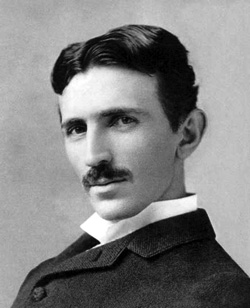
  • Consciousness, Resonance & the Paranormal: Synchronised Swimming in the Quantum Sea

    Consciousness, Resonance & the Paranormal: Synchronised Swimming in the Quantum Sea

    As a kid, watching the synchronised swimming competition of the summer Olympic games, I was always struck by how silly the sport seemed. Not to mention how it looked! Later, as a wise adult, I came to understand and appreciate both the degree of difficulty of getting human bodies to move in perfect unison, and the beauty that results when they do.

    Humans often operate in synch with others. I am reminded of groups of women who work or live together menstruating at the same times, as if their hormonal systems sought a certain resonance of unity and harmony, and adjusted the individual bodies accordingly.

    But bodies are not the only things that resonate. Quantum physics has taught us that there is no such thing as empty space, and that the so-called vacuum of space often called the Zero Point Field (ZPF), is teeming with quantum fluctuations that display a resonance, a vibration. Nothing does not vibrate. There is no such thing as zero, dead, still. Everything that exists gives off some vibration of a certain frequency.

    Every planet, every person, every particle.

    Musicians know that when a guitar string is plucked on one instrument in a music store, all the other guitars in the same room will vibrate to that tone. Healers refer to this as “entrainment,” when two objects (or people!) in close proximity, vibrating on different frequencies, begin altering their vibrations until they are vibrating at the same, or nearly the same, frequency. The Zero Point Field could act as a field of “entrainment” or resonance, where the vibrations of particles tune to specific frequencies, creating different forms of matter, energy and interactions. Other scientists believe this field has different names.

    In 1998, physicist Paul Steinhardt and his colleagues coined a term that would describe a mysterious field of what they believed to be dark energy, or a “fifth essence.” They called it “quintessence.” Based upon an earlier idea proposed by Fermilab physicist Chris Hill and colleague Josh Freeman, quintessence suggested that, like the cosmological constant of Einstein’s vision, this essence fills all of “empty” space with a form of matter-energy that is changeable in strength. Some parts of space might have a thicker quintessence, others a thin “layer,” creating a field of invisible essence that has no direction, like a vector field, only magnitude, like a scalar field.

    Described as kinetic energy by Tom Siegfried in Strange Matters, the strength of this field would be measured by how quickly it approaches the zero point. Because quintessence is believed to exert negative pressure, it is said to be a slow rolling scalar field, one that does not change too quickly over a period of time. Whether or not quintessence is the dark energy so eagerly sought by physicists will decide the fate of the universe itself, because of its relationship to expansion. The presence of a negative energy in space would possibly stop the expansion.

    Aside from the role quintessence plays in the outcome of our universe’s destiny, it may also play a role in the way matter and energy interacts, or resonates. Nature is filled with signs of the importance of resonance and the beauty of synchronicity. From the physical foundation of all musical composition to the intricate mathematical ratios of the natural world, there seems to be an element of “arrangement” that results in a visible pattern.

    Physicist David Bohm believed that underlying the physical, tangible world, there was a far more mysterious, deeper order of “undivided wholeness.” He called the visible world the explicate order, and that deeper world the implicate order, and used the analogy of a flowing stream to describe his realisation of unbroken unity.

    “On this stream, one may see an ever-changing pattern of vortices, ripples, waves, splashes, etc., which evidently have no independent existence as such. Rather, they are abstracted from the flowing movement, arising and vanishing in the total process of the flow. Such transitory subsistence as may be possessed by these abstracted forms implies only a relative independence or autonomy of behaviour, rather than absolutely independent existence as ultimate substances.”

    Those rather philosophical words came from Bohm’s Wholeness and the Implicate Order, which he wrote in 1980, and suggested the world of the implicate order was similar to a hologram, where the complex interference patterns appear to be chaotic and disordered to the naked eye, yet on a deeper level possess a pattern that is hidden or “enfolded” into the whole object. Bohm even suggested the universe itself was like a flowing hologram, or “holomovement,” that contained order on an implicate level. The explicate order would be the projection from higher dimensions of reality, and any apparent stability of objects and entities are really a sustained process of enfoldment and unfoldment. Nothing solid is really solid at the implicate level.

    Bohm also believed there was a superquantum potential, or a higher “superimplicate” order operating in the universe, and that life and consciousness were enfolded within, with matter appearing in varying degrees of “unfoldment.” He even stated that the separation of matter and spirit is nothing but an abstraction, that the “ground is always one.”

    All is Vibration

    The study of music (and the patterns of sacred geometry) suggests an invisible, “implicate” vibratory nature. Sympathetic Vibratory Physics is a term assigned to a “musical universe,” an interesting alternative theory of reality proposed by Walter Russell in A New Concept of the Universe. Russell believes that there exists nothing in nature other than vibration. He attempts to create a paradigm of reality using wave and vibration theory based upon the work of John W. Keely’s concepts of a sympathetic vibration that connects all things and energies, and that the harmony of these vibrations creates what we see.

    Russell and Keely suggest that music can be thought of as a model of the order found in the universe, with organised vibration or sound following principles of structure and behaviour that make sound into harmonies. These principles mimic those governing other vibratory patterns in the universe.

    Take the idea that everything is the result of a vibration, and even Zero Point Energy in the quantum vacuum has been shown to “jiggle” or vibrate. Everything has its “jiggle.” We can go on to say that different things have different “chords” or “vibration signatures,” and that is what makes one thing discernible from the next. Sounds a lot like superstring theory, with tiny, vibrating cosmic strings at the very heart of existence.

    Vibrations are dynamic, interacting with one another and their environment, creating different tones and chords and harmonics. In a sense, vibrations are more fundamental to reality than the tiniest subatomic particle, because in a sense, that is what the tiniest particle is… a vibration.

    The most exciting thing about this invisible vibratory field, no matter what form it might take, is the potentiality it contains. Potential as a source of all other sources. Potential as a pure energy field upon which all matter is created and thrown out into the explicate order. Potential even is a doorway to other dimensions or levels of reality, where things like ghosts, UFOs and psychic abilities are the norm.

    “Subquantum Kinetics” & “Morphogenetic Fields”

    Physicist Paul LaViolette writes extensively about “transmuting ether” in his book, Genesis of the Cosmos: The Ancient Science of Continuous Creation. This ether, which is the basis of LaViolette’s theory of “subquantum kinetics,” is described as an active substrate that differs from the mechanical ethers once considered in previous centuries. LaViolette states, “The concentrations of the substrate composing this ether are the energy potential fields that form the basis of all matter and energy in our universe.” The ether reactions cause wave-like field gradients that emerge and form the “observable quantum level structures and physical phenomena,” including the various particles, forces, fields and electromagnetic waves.

    Subquantum kinetics, which LaViolette proposes as a unified field theory that fills in the gaps conventional physics cannot, rests on the existence of this “primordial” transmuting ether present throughout space. “The transmuting ether is the wellspring of Creation,” he states, adding that were its activity to diminish, everything physical would cease to exist, coming to a state of “multi-dimensional consciousness” from which the physical universe is generated. A ground state, or Source of all Sources.

    Rupert Sheldrake, biologist and co-author of The Evolutionary Mind: Conversations on Science, Imagination and Spirit refers to this vibratory field as the “morphogenetic field.” This “M-field” (and there can be many M-fields) is an underlying energy field that acts as an organising principle to give form to various levels of reality. He also suggests there is “morphic resonance,” or the resonance of memories sort of like Edgar Cayce’s “Akashic field” or the “collective unconscious” of Carl Jung. These memories shape our minds today, but subconsciously. Sheldrake, who has experimented with psychic pets and animals, theorises that the existence of an invisible field of influence, although unproven, could be the link between humans and their pets. “Morphic fields also contain attractors, which draw organisms towards future states.” This could explain how a dog might pick up a change in the morphic field that lets it know its owner is only a half block away.”

    The morphogenetic field itself could be made up of “morphic wavelets” of resonating, vibratory energy that differ in scale and frequency. The wave could have a resonance that synchs up with the resonance of a pet, or a human, who then displays some “psychic” ability to predict a coming earthquake or disaster. And if they are tapping into a field that contains memories of past, present and future, a time landscape so to speak, they could access any event throughout the space/time continuum.

    Obviously, it’s not that simple, or we would all be seeing ghosts, aliens, strange creatures, having precognitive dreams, major déjà vu episodes, and reading each other’s minds. But if even one small percentage of the claims of the paranormal is true, someone somehow is figuring out just how to do it.

    Terence McKenna, psychedelic visionary and co-author of The Evolutionary Mind, points out: “Once non-locality is accepted, some of the things we’re interested in are permitted – telepathy, information from other worlds arriving by the morphogenetic field, and so on.” We know that experiments have proven non-locality to be a reality on the quantum level. Two particles continue to affect one another at extreme distances. The same actually happens on a macrocosmic level all the time.

    The Synchronised Universe

    Advanced physics tells us that an event at Point A in the universe does not cause an event in Point B to occur a little later. Actually, both events occur at the same time. Carl Jung used the term “synchronicity” to describe this same phenomenon on a human level. In his amazing book Power Vs. Force, Dr. David R. Hawkins states that a “question can’t be asked unless there’s already the potentiality of the answer… there can be no ‘up’ without an already existent ‘down’.” Synchronicities are evidence of an all-inclusive field that goes against the normal cause-and-effect rationale for events that occur that challenge our illusion of the line between subjective and objective reality.

    Perhaps, the universe itself is based upon principles of synchronisation. Physicist Claude Swanson, educated at M.I.T. and Princeton, believes it is. He even believes his “synchronised universe” theory leaves the door wide open for a variety of paranormal phenomena to exist in a reality where our own matter operates in synchronised fashion with everything else.

    In his book, The Synchronized Universe, Swanson points out that parallel universes superimposed upon our own can differ in phase or frequency of their synchronisation. Basically, people can only access their own universal “sheet” of existence, and thus believe that is the only one that exists. Same goes for anything moving around on all the other parallel “sheet” universes.

    But alter the phase or frequency just so, and an object can disappear from one reality, and appear in another. Like a ghost.

    The synchronised universe theory could explain how UFOs can appear and vanish instantly, as reported in hundreds of sightings, and how teleportation might be achieved. It could also explain the existence of “subtle energy,” which, Swanson theorises, arises from the motions coupled across the layers of parallel universes. Subtle energies, Swanson states, are the “coherent structure which crosses several of these parallel realities, and therefore is ‘higher dimensional’.”

    The interesting thing about synchronisation is that it allows every particle a fundamental frequency proportional to its mass, and also explains how particles can become synchronised, like those Olympic swimmers, at small scales. This “synchronising” of matter and energy would indeed allow for paranormal events to occur, and would no doubt explain why they might occur in transient, unpredictable ways. Ghosts, out-of-body experiences, remote viewing, psychokinesis and poltergeist activity all may be the result of the synching of particles and matter between various levels of existence, creating a literal means for moving between dimensions of reality.

    Swanson states, “Paranormal effects and ‘subtle energy’ cause a synchronisation across adjacent parallel universes. When this occurs, these adjacent universes become to a degree synchronised with ours. The interaction becomes more coherent, more in phase.”

    When there is no synchronisation, we experience the other universe or dimension as “random noise.”

    Even teleportation fits into the synchronised universe theory. Swanson points out, “The behaviour and position of matter is dependent on its radiation field, which keeps it in place, gives it inertia and allows it to interact with other matter in the universe. If we shift the phases of radiation coming into the particle and coming out of it from the past and the future, we may be able to shift its position.” This may be the key to a form of “hyperdrive” that causes teleportation.

    An Explanation for Ghosts?

    Physicist F. David Peat suggests that synchronicities are “flaws” in the fabric of reality, momentary fissures that offer those sensitive to them a brief peek into the implicate, underlying order of nature.

    We know from the Law of the Conservation of Energy that the total inflow of energy into a system must equal the total outflow of energy from the system, plus the change in the energy contained within the system. In other words, energy never dies. It is converted into another form. Ghosts, if they represent trapped energy, may move between parallel dimensions or universes by this process of synchronisation (possibly using the ZPF as a vehicle for moving between the dimensions) and become visible in our world because they are still energy. Many ghost sightings involve balls of plasma and changes in electromagnetic field measurements, as well as visible signs of energy manipulations. Lights flicker or pop, static appears on radios and televisions, and people report the feeling of their hair rising on their skin or the back of their head. These are also widely reported elements of UFO sightings (stalled car engines, black-outs, phone interference…). Obviously, energy is present, and affecting its environment.

    Again, one is reminded of music. When two or more notes are played together, they either create a beautiful harmony, or a noisy discord. The notes that work well together create a resonance. Those that don’t “make sweet music” together create a dissonance.

    If paranormal events can only occur when the “right two notes are struck,” then something in the brain, or the body, is responding to those notes and “tuning in” to the phenomena that is otherwise beyond perception. All of these frequencies exist in the field, and… even our brains seem to have access to this field of all possibility.

    The Brain Works Like a Hologram

    Neurosurgeon Karl Pribram spent decades pondering the secrets of the human brain and memory, and eventually discovered that the brain worked somewhat like a hologram, and that when you first see something, specific frequencies resonate in the brain’s neurons, which then send information about the frequencies to other sets of neurons, and the process continues until your neurons construct an image of what you are looking at. That the brain seems to process information in wave-frequency patterns suggested that human memory could hold amazing amounts of information “in storage,” and, using the same holographic model, be able to access and recall a memory as a three-dimensional image.

    The holographic model of the brain could allow for ESP and telepathy, then, by the same process, according to Swanson. “If the sender can cause energy or information to refocus at some other point in space-time using the 4-D holographic principle, then it can be received if a person is there to sense the thought-form.”

    Pribram’s brain research didn’t stop with the holographic model and its implications for a variety of interesting abilities. He also showed that the brain acted like a frequency analyser that literally filters out unlimited wave information from the Zero Point Field, where all the information possible existed. This allows the mind to take and use only what it needs, and not be overwhelmed with a bombardment of unnecessary frequencies trying to compete for some “brain time.”

    Think about the simple experience of déjà vu, which may be our ability to access, albeit in very small doses, glimpses of ourselves in a parallel universe or dimension, or even the ZPF. When you have déjà vu, you are remembering what is happening to you in the present moment. That doesn’t make sense. If it is happening in the present moment, how can you yet have a memory of it? But if there exist parallel universes that have “branched off” each time we made a different choice, then it makes sense that we would, in many of those universes, be doing the same exact things at the same exact time. Déjà vu may then be our successful attempts to find and synch up with another reality, even just for a minute or two. Or perhaps we are accessing the Zero Point Field, which, like Edgar Cayce’s Akashic Record, supposedly contains the memories of every thought, action or event that ever happened or will ever happen in the universe.

    If déjà vu, dreams and out of body experiences, including near death experiences, allow us to wander for a while in other realities, it begs the question – why can’t we easily access these other realities all the time, any time we please? I might suggest that it is because if we could, we would go insane. Information overload. Our brains operate as information sorting machines, only bringing into our perceptive fields what we need to see, hear and know to survive, and hopefully thrive.

    That does not prevent us from being able to, when we meditate or go into a trance or zone out at our computer, have a peek into other dimensions of existence.

    People do this all the time when they dream, when they know who is on the phone after only one ring, when they get a “bad vibe” about a person they’ve just met. Remote viewers may be tuning into a frequency upon which the information they are either sending or receiving is naturally “broadcasting,” as a psychic might pick up on similar frequencies when doing a reading or having their own clairvoyant episode.

    If paranormal elements operate on a different frequency, again we must think of the dog that hears a high-pitched whistle that is soundless to us. Many species of snake have organs that allow them to perceive the infrared range of the electromagnetic spectrum and “see” the heat of another living thing. Sharks and eels are ultra-sensitive to changes in electrical fields, and some insects can see ultraviolet light. These creatures are obviously observing things we humans simply aren’t built to observe.

    Yet somewhere there are humans who can hear these whistles, and sense EMF alterations, just as there are humans that can see auras and other forms of light energy the rest of us cannot. It could just be a matter, then, of the level of one’s consciousness or perception.

    Whether energy is synching up, or emerging in a coherent pattern from the ZPF, or moving along a morphogenetic field, or even floating in a sea of quintessence, there is definitely fertile, dynamic ground for the movement of that energy between our world and the world of the paranormal (which could in fact be our own world, or one parallel to ours).

    We are limited to our five senses: sight, smell, sound, touch and taste. But what about this sixth sense? Perhaps that is the sense, underdeveloped in most, yet present in all, which allows us to turn on and tune in to the frequencies that reveal the other layers of existence.

    I think of years ago, long before cell phones, when I owned a CB radio and loved to listen to motorists and truckers chatter. Occasionally, there would be some bandwidth cross talk from a nearby Ham radio operator. Ghosts, UFOs, and other paranormal events may be cross-talk cutting into our normal bandwidth; chatter from another dimension, or universe, or somewhere in between. We don’t normally hear it because it is usually operating on another frequency altogether, but sometimes signals get crossed. Consciousness may be the key to knowing exactly which frequency to tune into to perceive paranormal phenomena. Think about that the next time you listen to the radio.

    Tune into the right frequency and you may find yourself face to face with a ghost.

    Reprinted, with permission of the publisher, from Psience: How New Discoveries In Quantum Physics And New Science May Explain The Existence Of Paranormal Phenomena © 2007 Marie D. Jones. Published by New Page Books a division of Career Press, Pompton Plains, NJ, USA. 800-227-3371. All rights reserved.
    [alert type=”general” dismiss=”no”]This article was published in New Dawn Special Issue 15.[/alert]

    [alert type=”success” dismiss=”no”]If you appreciate this article, please consider a contribution to help maintain this website.[/alert]

    © New Dawn Magazine and the respective author.
    For our reproduction notice, click here.