New Dawn – World's Most Unusual Magazine

Category: Articles

  • Gallipoli: The Untold Story – ‘The first casualty of war is truth’

    Gallipoli: The Untold Story – ‘The first casualty of war is truth’

    From New Dawn 149 (Mar-Apr 2015)

    The truth about Gallipoli has, unlike its victims, been buried deep. Historians like Peter Hart who describe it as “an idiocy generated by muddled thinking”1 are justified in their anger, but not their conclusions. The campaign was conceived in London as a grotesque, Machiavellian strategy to fool the Russians into believing that Britain was attempting to capture Constantinople for them. The paradox of its failure lay in its success. Gallipoli was purposefully designed to fail.

    A secret cabal of immensely rich and powerful men – the Secret Elite – was formed in England in 1891 with the explicit aim of expanding the British Empire across the entire globe. They planned a European war to destroy Germany as an economic, industrial and imperial competitor and, to that end, drew France then Russia into an alliance termed the Entente Cordiale. Their massive land armies were needed to crush Germany. France would be rewarded with Alsace and Lorraine, while Russia was conned into believing she would get Constantinople.2 Thereafter, seizing the Ottoman capital became a “widespread obsession, bordering on panic” in St Petersburg.3

    Had Britain encouraged the friendship of Turkey in 1914, the disaster of Gallipoli would never have happened.4 The Turks generally disliked the Germans and their growing influence,5 and made three separate attempts to ally with Britain. They were rebuffed on each occasion.6 They also pleaded in vain with the French to accept them as an ally,7 and protect them against their old enemy, Russia.8 Poor fools. The French and British alliance with Russia was at the expense of the Turks, not an alliance with the Turks to save them from Russia. Britain and France planned to carve up the oil rich Ottoman Empire. To that end, the Turks had to be pushed into the German camp and defeated.

    In July 1914 the majority of the Turkish cabinet was still well disposed towards Britain,9 but their faith was shattered by the seizure of two battleships being built for them in England. As an essay in provocation it was breathtaking.10 “If Britain wanted deliberately to incense the Turks and drive them into the Kaiser’s arms she could not have chosen more effective means.”11 Winston Churchill (a loyal servant of the Secret Elite) seized the dreadnoughts because they were “vital to Britain’s naval predominance.”12 The truth ran much deeper.

    Back in February, Russia laid plans for her Black Sea fleet to take Constantinople by landing 127,500 troops and heavy artillery from Odessa. Arrival of the dreadnoughts from England would destroy this plan.13 Russia’s Foreign Minister Sazonov issued a thinly veiled warning to London on 30 July: “It is a matter of the highest degree of importance that… these ships must be retained in England.”14 Fearful that Russia would renege on her commitment to war should the ships be released, the Secret Elite withheld them. It kept Russia on board and helped drive Turkey into the German camp (they signed a treaty on 2 August), but it created a major problem. How to prevent the Russian Black Sea fleet from seizing Constantinople? Two German warships provided the answer. On 4 August, while off the coast of Algeria, the battle cruiser Goeben and attendant light cruiser Breslau received orders to head for Constantinople.

    Vastly outnumbered (73 to 2) by French and British warships, the escape of the German cruisers to Constantinople, 1,200 miles away, is described as a “fiasco of tragic errors” by “fumbling” British Admirals.15 The British Admiralty supposedly had no idea where they were heading, but the reality was very different. On 3 August, Kaiser Wilhelm telegraphed King Constantine to say that both warships would be proceeding to Constantinople. This information was transmitted to London,16 and to the British naval mission in Athens.17 Naval Intelligence in London had intercepted and decrypted the actual encoded message from Berlin to Goeben: “Alliance concluded with Turkey. Goeben and Breslau proceed to Constantinople.” The Admiralty knew,18 but relayed information to the Mediterranean fleet that “was either useless or inaccurate.”19 Goeben and Breslau were allowed to escape in order to neutralise the Russian Black Sea fleet. Foreign Secretary Sazonov was outraged that the Royal Navy had failed to prevent it.20

    The Ottoman Ambassador in Berlin summed it up perfectly: “Considering the displeasure and complications which a Russian attack on Constantinople would produce in England, the British navy having enabled the German ships to take cover in the Sea of Marmora, has, with the Machiavellianism characteristic of the Foreign Office, foiled any possibility of action by the Russian Black Sea Fleet.”21 Safe arrival of the Goeben rendered a Russian amphibious operation well-nigh impossible,22 and the British Ambassador at Constantinople admitted that their presence served British interests, since “they protected the straits against Russia.”23

    On 9 September Admiral Arthur Limpus, head of the British naval mission in Turkey, was recalled. Turkey, although still neutral, closed and mined the Dardanelles. In late October Goeben and Breslau bombarded Sevastopol and other Black Sea ports. Infuriated, Tsar Nicholas insisted on war with Turkey and the seizure of Constantinople for Russia. British and French fears that he would make peace with Germany if Constantinople was denied him gave the Tsar overwhelming diplomatic leverage, and it was agreed that Turkey must now be brought into the war.24

    War Declared & the Secret Elites Initiate Gallipoli Campaign

    On 2 November Russia declared war on Turkey. Britain and France followed suit three days later. “November 1914 brought a kind of holy war fever to the Russian Foreign Ministry.”25 With over one million Russian casualties for no gain, anti-war protests and revolution stalked the streets of Petrograd. In London, fear of Russia signing a peace treaty with Germany loomed large. How was Russia to be kept in the war with the promise of Constantinople, without actually allowing it? The solution, an attack on Gallipoli, was fraught with pitfalls. The Tsar had to be tricked into believing Britain was generously responding in his hour of need by mounting an all-out effort to take Constantinople for Russia.

    The Gallipoli campaign supposedly arose from an urgent call for help from the Russian commander-in-chief Grand Duke Nikolay Nikolaevich on 31 December. Would Britain create a diversion to relieve pressure on Russian troops fighting in the Caucasus?26 This widely held view is wrong. The suggestion came not from Nikolaevich, but from the British military attaché at Petrograd, Sir John Hanbury-Williams. Intimately linked to the Secret Elite and their leader Lord Alfred Milner,27 Hanbury-Williams was frequently in close contact with Nikolaevich. He expressed anxiety about Russia’s domestic morale, but never even mentioned the Dardanelles. It was Hanbury-Williams who planted the idea of a British demonstration against the Ottoman Empire.28 Next day this was presented to the British War Council and magically transformed into a desperate plea for help from Russia.

    Having already decided their strategy to keep the Russians out of Constantinople, the Secret Elite now cleverly made it appear that the idea came from Russia. It was all pre-planned, “long before any kind of military imperative in the Ottoman theatre was apparent.”29 The Secretary of the Committee for Imperial Defence, Maurice Hankey, proposed a solution that met all requirements, and it is no coincidence that Hankey was himself a member of the Secret Elite.30 The Gallipoli campaign would be mounted as a sop to the Russians, but set up to fail.

    Days later the military dynamic changed. The Turkish 3rd Army was decimated in the Caucasus and, irrespective of whose suggestion it had been, there was no need whatsoever for any British intervention to help Russia. Nonetheless, on 20 January Britain informed Russia that she would undertake not just a demonstration, but a complete operation to penetrate the Dardanelles and Gallipoli. The Russians desperately wanted to take part, but were told to concentrate all efforts against Germany on the Eastern Front. The Secret Elite moved into top gear. An objective that required long months of careful preparation was rushed ahead at breakneck speed with disregard for the basic prerequisites for success.

    Churchill assumed command and chose men for their ineptitude rather than ability. He turned to Vice-Admiral Sackville Carden, recently appointed commander of the Mediterranean Squadron after years in a desk-bound job, as superintendent of the Malta dockyards. Slow and ineffective,31 Carden was tasked with drawing up a plan for a naval attack on the Dardanelles, and relaying it to Churchill within days for presentation to a War Council meeting.32 On 15 January Carden was informed that his plan had been accepted33 and that he would be in command. What had happened? The ‘plan’, rapidly cobbled together on the back of an envelope by a second rate officer, was to be used as the blueprint for the Gallipoli campaign. The reluctant Carden was given no option other than to get on with it,34 and was effectively set up to take the blame when it failed. For fail it must.

    Rear-Admiral Arthur Limpus, an eminently more experienced and knowledgeable man who had spent years in Turkey advising on all naval matters, including the defence of the Dardanelles, was overlooked.35 Here was the man “who knew the Turks and the Dardanelles intimately,”36 yet Churchill shunned him because “the Turks might be offended” and it would be “unfair and unduly provocative” to place in command a man with an inside knowledge of the Turkish fleet.37 Limpus “knew all their secrets,”38 and more about the Dardanelles and the Turkish navy than any other naval officer, yet we are asked to believe that he wasn’t given command because it was considered ungentlemanly – “not quite cricket.”39 Limpus had been sent to the Malta dockyards to sit at Carden’s old desk. Outrageous stupidity or cold calculation?

    Limpus was opposed to Churchill’s plan,40 stressing that the first stage must be an amphibious landing, not a naval attack.41 He was not alone in his opposition. In 1906, naval chiefs considered a naval assault too risky.42 Any attack on Gallipoli would “have to be undertaken by a joint naval and military expedition,”43 and Churchill himself stated in 1911 that it was “no longer possible to force the Dardanelles.”44 Rear-Admiral Carden was ignorant of the fact that any chance of success at Gallipoli was absolutely dependent on a combined naval and military operation. Without long, detailed joint planning, and a sufficient number of troops, it was impossible. Lord Kitchener, the British Secretary of State for War, refused to make troops available and Carden was ordered to proceed with a naval attack.

    The Russians were turning the screw. Pressure for immediate action influenced the War Council’s decision.45 On 14 February, Sazonov stated that the time for moderation had passed. Tsar Nicholas agreed, informing the French ambassador that his people were making terrible sacrifices in the war without reward. Constantinople must be incorporated into his empire.46 Sazonov implied to the British ambassador that he would resign, and be replaced by Sergei Witte, a pro-German sympathiser who would immediately seal a treaty with Germany.47 All warnings against a purely naval attack were ignored. The navy’s objective was to “bombard and take the Gallipoli peninsula with Constantinople as the objective.”48 After the disastrous failure the Dardanelles Commission asked, “How can a fleet take a peninsula? And how could it have Constantinople as its objective? If this meant… that the Fleet should capture and occupy the city, then it was absurd.”49 It was all absurd.

    Naval bombardment of the outer forts of the Dardanelles began on 19 February and ran for six days. It caused some damage but destroyed all hope of surprise and merely led the Turks to strengthen their defences.50 The main naval attack took place on 18 March. On the previous day Vice-Admiral De Robek had to take charge when Carden suffered a nervous breakdown. It was no surprise. He was never fitted for the task and felt completely undermined by the Admiralty’s refusal to provide custom-built minesweepers. They were utterly essential but he was given only North Sea trawlers that could barely make headway against the strong 5-6 knot current. Eight powerful destroyers, which could have been fitted with sweeps, remained idle that fateful day while the officers sat playing cards,51 and only two out of a total of 387 mines were cleared.52 A fleet of 16 British and French battleships bombarded the coast, but were unable to penetrate the minefield and six battleships were sunk or disabled by mines. The Bouvet sank within two minutes with over 600 men trapped inside. It was the disaster predicted as far back as 1906.

    [alert type=”info” dismiss=”no”]If you appreciate this article, please consider a subscription to New Dawn magazine.[/alert]

    A Campaign That Could Never Succeed

    Orchestrated chaos shrouded a campaign that could never succeed. Kitchener meantime had changed his mind and agreed to make troops available for a combined attack, but the naval assault had gone ahead before their arrival. Maurice Hankey, acting more as strategic adviser to the War Council than its Secretary,53 stated, “combined operations require more careful preparation than any other class of military enterprise. All through our history such attacks have failed when the preparations have been inadequate.”54 He listed ten points to be met if a joint attack was to succeed. Was he saying, “it will fail as long as we do not take the following measures”? According to the War Council minutes, Hankey’s plan was not even discussed.55 In the event, every point he made was studiously ignored.

    Military leadership, like naval, was barely functional. General Sir Ian Hamilton, a man in the twilight of his career who “knew little of the Dardanelles, the Turkish army or of modern warfare,” was chosen to command.56 Scared of Kitchener, and hamstrung by his long-subservience,57 he noted in his diary, “It is like going up to a tiger and asking for a small slice of venison.” During the Boer War he had witnessed Kitchener respond to an officer’s appeal for reinforcements by taking half his troops away.58 The genial Hamilton, like poor Carden, was a scapegoat made to order.

    Summoned by Kitchener on 12 March, Hamilton was brusquely informed, “We are sending a military force to support the fleet now at the Dardanelles and you are to have command.” Hamilton was stunned, later admitting, “My knowledge of the Dardanelles was nil, of the Turk nil, of the strength of my own forces next to nil.” When asked if a squadron of modern aircraft with experienced pilots and observers could be made available, Kitchener testily replied, “Not one.” 150,000 men was the minimum required strength for the task, but Kitchener insisted that “half that number” would do handsomely.59 No attempt was made to co-ordinate intelligence about the defences at Gallipoli, not even at strategic level.60 Hamilton was given a cursory briefing, two small tourist guidebooks and old, inaccurate maps.61 Detailed reports from Admiral Limpus and Lieutenant-Colonel Charles Cunnliffe-Owen, another officer with considerable knowledge of Gallipoli, were kept from him.62 Hamilton set off within 48 hours, together with some inexperienced members of staff who did not even know “how to put on their uniforms.”63 So much for detailed preparation.

    The chaos continued. There was no discussion, no plan, no naval/military coordination. Indeed, it was a worse situation than preceded the naval operation.64 Gallipoli was to be invaded with a mixed force of 80,000 men from Britain, France and the Empire. Raw Anzac troops and unseasoned French recruits were to be thrown into battle for the first time. Marshall Joffre, the French commander-in-chief, was profoundly opposed to the whole operation and initially refused to provide troops. Political expediency forced his hand.65 A French army Colonel who had spent years in Constantinople also opposed the attack, but like everyone else with intimate knowledge of the area, its topography and defences, he was dismissed.66 Lieutenant-Colonel Cunnliffe-Owen, the British military attaché at Constantinople in 1914, who had personally conducted a detailed survey of Gallipoli, was likewise deliberately overlooked. In London when staff were being scratched together for Hamilton’s team, Cunnliffe-Owen was passed over. His detailed reports on the peninsula were never shown to General Hamilton.67

    Kitchener agreed to the deployment of 18,000 men from the British army’s 29th Division. Its commander, Shaw, had served with distinction at Mons and was considered a highly competent and “impressively professional soldier.” Two days before leaving for Gallipoli, when continuity was all-important, Shaw was inexplicably replaced by Major-General Hunter-Weston. He immediately rejected his allocated ship because it lacked first class accommodation, and was transferred to the luxury liner Andania.68 Major-General Shaw suffered the same fate as Admiral Limpus. A competent, knowledgeable man was rejected in favour of Hunter-Weston, a laughing-stock in the British Army,69 spectacularly incompetent, and “one of the most brutal commanders of the First World War.”70 Ask yourself, what was going on?

    Hamilton arrived to find his army scattered in confusion over much of the Mediterranean. Some battalion commanders couldn’t trace their companies. Ships came from Britain with such poorly written orders that captains did not know their destination.71 On their arrival at Mudros, the ships were found to be loaded in a shambolic fashion, and had to be taken 700 miles to Egypt to be unloaded and repacked.72 Such was the lack of preparation that even the simplest questions could not be answered. “Was there drinking water on Gallipoli? What roads existed? Were troops to fight in trenches or the open? What sort of weapons were required? What was the depth of water off the beaches? What sort of boats were needed to get the men, the guns and stores ashore? What casualties were to be expected? How were they to be got off to the hospital ships? It was simply a case of taking whatever came to hand and hoping for the best.”73

    An “Amateurish, Do-It-Yourself Cock-Up”

    You couldn’t make it up. There was a shortage of guns, ammunition, aircraft and, above all, troops. Hamilton’s requests for additional supplies and reinforcements were either ignored or refused.74 Gallipoli veteran Charles Watkins described the campaign as an “amateurish, do-it-yourself cock-up.”75 It was designed to be exactly that. The quality of preparation and leadership guaranteed it. General Ian Hamilton was the Secret Elite’s Patsy-in-Chief, unwittingly abetted by the incompetent Admiral Carden. These were the men chosen to fail.

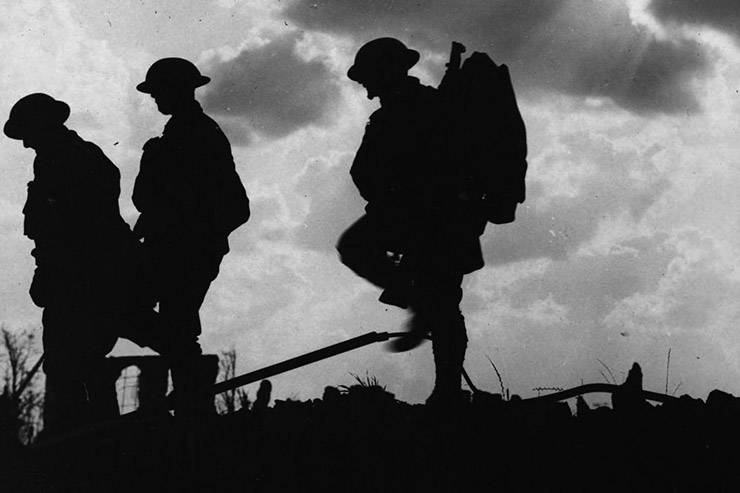
    The Gallipoli landings went ahead on 25 April 1915 with the terrible slaughter and wounding of many incredibly brave young men, dispensable pawns on Imperial Britain’s chessboard. Despite the fleet now having some thirty powerful destroyers equipped to sweep the mines, and many officers totally confident that the fleet could now get through, no further attempt was made to force the Dardanelles. The navy would play no further part other than ferrying the men ashore, taking off the wounded, and providing a safe haven off-shore for the likes of Hunter-Weston. Successful mine sweeping had always been the key to a successful naval assault, and with the new minesweepers and a clear run through to the Straits, the fleet could have greatly assisted the army with controlled bombardments of Turk positions from within the channel. It would, of course, also have been able to cripple Goeben and Breslau. For the above stated reasons, that would not be allowed to happen.

    For years knowledgeable men had insisted that a well planned and resourced combined naval and military attack was the only type of operation that might succeed, but never at any point in the entire Gallipoli campaign was a joint assault carried out. The elites in London ordered the shambolic attack by the navy when they knew it was bound to fail, and now ordered an equally shambolic attack by the army in the full knowledge that it too could never succeed.

    Gallipoli was a lie within the lie that was the First World War. The campaign ended in military defeat, but geo-strategic victory for the British Empire. By late 1915, with Russian forces pushed back on the eastern front and any likelihood of their intervention in Constantinople gone, the British government began planning withdrawal from the corpse strewn peninsula. The last Allied troops were taken off on 9 January 1916, leaving behind 62,266 of their comrades. The majority of the dead on both sides have no known graves. Many of the 11,410 Australians and New Zealanders who died76 suffered unspeakable deaths, deliberately sacrificed on the altar of British imperialism.

    Get the issue this article appears in

    A Myth Obscures the terrible Truth

    Over the last century, in both Britain and Australia, Gallipoli has been turned into a heroic-romantic myth,77 a myth promoted by court historians and pliant journalists in order to hide the stark truth. It was a ruse, a sop to the Russians to keep them in the war in the belief that allied forces would capture Constantinople on their behalf. Put into the hands of incompetent generals and admirals, starved of troops, determined leadership, ill-equipped, ill-advised and certain to fail, the attack on Gallipoli as an integral part of the imperial strategy was a stunning success.

    We are aware of at least one renowned Gallipoli historian and writer in Australia who agrees with our thesis. Like us, he proposes that “it was the intention of the British and French governments of 1915 to ensure that the Dardanelles and the Gallipoli campaign would not succeed” and was “conceived as a ruse to keep the Russians in the war…” He believes that while the proposition has circumstantial evidence to support it, there is “little or no documentary evidence.”78 He is very unlikely to find it. As revealed in our book Hidden History: The Secret Origins of the First World War, masses of crucial documents relating to the First World War were shredded or burned, or have been kept hidden away to this very day in a high security establishment at Hanslope Park in England. The individuals responsible for the war, responsible for Gallipoli, were many things, but they weren’t so stupid as to leave incriminating evidence lying around. Historians in Australia and New Zealand must stop protecting their comfortable careers and start acknowledging the terrible truth about Gallipoli. Peddling mythology as truth is an insult to the memory of those brave young men.

    Just as in Britain, the Government of Australia seeks to be the guardian of public memory, choreographing commemoration into celebration,79 ritually condemning war while the rhetoric gestures in the opposite direction.80 The War Memorial in Sydney’s Hyde Park proudly exhorts, “Let Silent Contemplation Be Your Offering,” yet the deafening prattle of political expediency mocks the valiant dead with empty words and lies. Don’t be fooled. Those young men died for the imperial dreams of wealthy manipulators, not for ‘freedom’ or ‘civilisation’. They died deceived, expendable, and in the eyes of the power-brokers, the detritus of strategic necessity. Remember that.

    To read exclusive extracts from their book Hidden History: The Secret Origins of the First World War, including their latest research on Gallipoli, please visit the authors’ blog at firstworldwarhiddenhistory.wordpress.com. Hidden History is available from all good bookstores and online retailers.

    The authors contributed the article “The Secret Origins of the First World War” to New Dawn Special Issue Vol 9 No 1.

    [alert type=”general” dismiss=”no”]This article was published in New Dawn 149.[/alert]

    [alert type=”success” dismiss=”no”]If you appreciate this article, please consider subscribing to help maintain this website.[/alert]

    Footnotes

    1. Peter Hart, Gallipoli, vii
    2. David Fromkin, A Peace to End All Peace, The Fall of the Ottoman Empire and the Creation of the Modern Middle East, 138; Niall Ferguson, The Pity Of War, 61
    3. Sean McMeekin, The Russian Origins of the First World War, p.28.
    4. J Laffin, The Agony of Gallipoli, 3
    5. Robert Rhodes James, Gallipoli, 8
    6. Hew Strachan, The First World War, 102
    7. Friedrich Stieve, Isvolsky and the World War, 177
    8. W W Gottlieb, Studies in Secret Diplomacy, 34
    9. Dan Van Der Vat, The Dardanelles Disaster, 28
    10. L A Carlyon, Gallipoli, 42
    11. Gottlieb, Studies, 42
    12. W.S. Churchill, The World Crisis, 221-2
    13. Sean McMeekin, The Russian Origins of the First World War, 30-34
    14. Ibid., 102
    15. Ulrich Trumpener, ‘The Escape of the Goeben and Breslau’, Canadian Journal of History, September 1971, 171
    16. Ibid., 178-9
    17. Geoffrey Miller, The Straits, ch. 16
    18. Alberto Santini, ‘The First Ultra Secret: The British Cryptanalysis in the Naval Operations of the First World War’, Revue Internationale d’Histoire Militaire, Vol. 63, 1985, 101
    19. Ulrich Trumpener, ‘The Escape of the Goeben and Breslau’, Canadian Journal of History, September 1971, 181-7
    20. Gottlieb, Studies, 45
    21. Ibid., 46
    22. McMeekin, The Russian Origins, 105-106
    23. Strachan, The First World War, Vol. 1, 674
    24. McMeekin, The Russian Origins, 96-97
    25. Ibid., 115
    26. Ronald P Bobroff, Roads to Glory, Late Imperial Russia and the Turkish Straits, 125
    27. Carroll Quigley, The Anglo-American Establishment, 56
    28. McMeekin, The Russian Origins, 129-30
    29. Ibid., 121
    30. Quigley, Anglo-American Establishment, 313
    31. Tim Travers, Gallipoli, 20-21
    32. Laffin, The Agony, 21-22
    33. Robin Prior, Gallipoli, The End of A Myth, 22
    34. Ibid., 52
    35. Rhodes James, Gallipoli, 63
    36. B. H. Liddell Hart, History of the First World War, 213
    37. Laffin, The Agony, 9
    38. Alan Moorehead, Gallipoli, 60
    39. Michael Hickey, Gallipoli, 27
    40. Harvey Broadbent, Gallipoli, The Fatal Shore, 21
    41. Laffin, The Agony, 9
    42. Memorandum by the General Staff, 19 December 1906, National Archives, PRO. CAB/4/2/92
    43. Hickey, Gallipoli, 28
    44. James, Gallipoli, 3-4
    45. Broadbent, Gallipoli, The Fatal Shore, 28
    46. Ronald P Bobroff, Roads to Glory, Late Imperial Russia and the Straits, 126-131
    47. McMeekin, The Russian Origins, 130-131
    48. Laffin, The Agony, 15-22
    49. Moorehead, Gallipoli 40
    50. Laffin, The Agony, 31
    51. Travers, Gallipoli, 29
    52. Prior, Gallipoli, 53
    53. Stephen Roskill, Hankey, Vol. 1, 156
    54. Ibid., 163
    55. War Council Minutes, 19 March, 1915, CAB 42/2
    56. Prior, Gallipoli, 67
    57. Peter Hart, Gallipoli, 63
    58. Laffin, The Agony, 39
    59. Ibid., 30
    60. Ibid., 19
    61. Ibid., 31
    62. Hickey, Gallipoli, 67
    63. Laffin, The Agony, 31
    64. Prior, Gallipoli, 70
    65. Laffin, The Agony, 35
    66. Edmond Delage, The Tragedy of the Dardanelles, 109
    67. Laffin, The Agony, 12-13
    68. Hickey, Gallipoli, 57-58
    69. Denis Winter, Haig’s Command, 140
    70. Prior, Gallipoli, 80
    71. Laffin, The Agony, 31
    72. Moorehead, Gallipoli, 90
    73. Prior, Gallipoli, 242
    74. Moorehead, Gallipoli, 117
    75. Laffin, The Agony, 217
    76. Prior, Gallipoli, 242
    77. Jenny Macleod, Reconsidering Gallipoli, 7-14
    78. ‘Gallipoli: one great deception?’ by Harvey Broadbent, ABC, 29 Sep 2010, www.abc.net.au/news/2009-04-24/30630
    79. James Brown, Anzac’s Long Shadow, 19-22
    80. Marilyn Lake and Henry Reynolds, What’s Wrong With Anzac? The Militarisation of Australian History, 8

    © New Dawn Magazine and the respective author.
    For our reproduction notice, click here.
  • Will Thinking Make It So? An Interview With Mitch Horowitz

    Will Thinking Make It So? An Interview With Mitch Horowitz

    This article was published in New Dawn 142 (Jan-Feb 2014)

    Much of today’s writing about spirituality is loaded with nonsense. Often it consists of little more than wild speculation, shoddy reasoning, and the repetition of a few stale truisms.

    A very small number of writers and editors have climbed above this morass to combine spiritual depth with intellectual acumen and literary polish. Mitch Horowitz is one of them. A writer and publisher of many years’ experience with a lifelong interest in man’s search for meaning, he is vice-president and editor-in-chief at Tarcher/Penguin in New York and the author of the acclaimed book Occult America: White House Séances, Ouija Circles, Masons, and the Secret Mystic History of Our Nation. His website is mitchhorowitz.com.

    Horowitz’s latest work, published in January 2014, is One Simple Idea: How Positive Thinking Reshaped Modern Life. It is a wide-reaching and insightful history of the mind power movement and how it has changed contemporary society. In November 2013, I conducted an interview with him by e-mail about this book.

     __________________

    Richard Smoley (RS): Your book is entitled One Simple Idea. Could you tell us what this one idea is?

    Mitch Horowitz (MH): The idea is the very American concept that thoughts are causative – which later came to be called “the power of positive thinking.” This notion has appeared, with varying degrees of orthodoxy and literalism, at different times throughout human history. New Englanders in the 1830s and 1840s used this idea to launch a vibrant culture in “mental healing,” in which trances, prayer, and affirmations were seen as a means to heal the body.

    During much of the nineteenth century allopathic or mainstream medicine in America was in an abysmal state. The traditional medicine of the day often relied on painful and dangerous regimens of bloodletting, weeping wounds, draining of bodily fluids, and ingestion of toxins and harmful narcotics. Mental healing was seen as a gentler alternative.

    By the late nineteenth century, experimenters in mental healing began asking what other powers the mind might possess. The mental healing culture came to believe that our thoughts could influence or shape our personal experiences, extending to matters of wellbeing, success, and, finally, money. This principle of mind power has traversed the cultural landscape, reshaping much of our religion, therapy, and ideas of self-help.

    RS: The story of positive thinking, as you describe it, begins in the eighteenth and nineteenth centuries. Do you see any precedents for this approach in earlier forms of philosophy or occultism?

    MH: You can find threads of the mind-power thesis within Egyptian-Greek Hermeticism, within certain strands of Neoplatonism, within elements of Idealism, Transcendentalism, and Swedenborgianism – and, significantly, within some of the experiments launched by students of the eighteenth century Viennese occult healer Franz Anton Mesmer. Mesmer believed that all of life was suffused with an invisible energy called “animal magnetism.” He theorised that if you placed a subject into a trance state – in a practice later called hypnotism – the patient’s “animal magnetism” could be manipulated to produce bodily cures. Mesmer’s students in Paris refined the master’s ideas: They edged away from Mesmer’s theory of an ethereal bodily fluid and believed that it was the mind itself that was bringing about the cures. Mesmer’s best students formed our earliest conceptions of the subconscious mind, which they believed not only could produce healing but, under certain conditions, could bring on displays of clairvoyance, telepathy, and even astral travel. The tumult of the French Revolution cut short many of these experiments – but the ideas of mesmerism began travelling to the United States. In the early decades of the nineteenth century, Americans – who love remaking ideas and finding new and broader ways of using them – took the mind-power thesis even further. American experimenters came to see the mind as a tool of metaphysical power that could be used for attracting and influencing circumstances.

    RS: One of the central figures in your story is Phineas P. Quimby. Could you tell us about who he was and why he was so important?

    MH: Quimby was one of the earliest and most impactful founders of New England’s mental cure scene. He was a nineteenth century clockmaker who spent most of his adult life in Maine. In the early 1830s Quimby suffered from tuberculosis, which was worsened by the side effects from harmful treatments, such as mercury ingestion. One day Quimby took a raucous horse-and-buggy ride in the Maine countryside and unexpectedly found that the excitement of the ride lifted the symptoms of his tuberculosis. Quimby marvelled at the effects of his mood on his body. He believed that this private insight revealed a mind-body connection – and searched for a theoretical model to confirm it. That confirmation arrived for him in 1836 when lecturers began visiting Maine extolling the ideas of mesmerism. Quimby believed that mesmerism revealed the connection between mind and body. He worked the rest of his life as a mental healer, refining and applying various methods, especially arousing the confidence of a patient in his ability to recover. Quimby was extremely influential on the New England scene until his death in 1866.

    RS: One of Quimby’s disciples, Warren Felt Evans, introduced the concept of the New Age in a book of his called The New Age and Its Messenger, published in 1864. Could you talk a little bit about how the positive-thinking movement shaped the New Age?

    MH: Evans was among a circle of Americans who were dedicated to the ideas of the eighteenth century Swedish mystic and scientist Emanuel Swedenborg. Swedenborg believed that earthly events mirrored and were controlled by laws and events in the spirit world. In Swedenborg’s view, the material and spirit worlds formed a continuum. When figures such as Quimby and Evans began experimenting with mental healing, they believed they were, in effect, channelling and applying cosmic laws. The early mental healers did not possess a psychological vocabulary – they often spoke and thought in religious terms. Hence the ideas of Swedenborg – who described a universe of spiritual laws and influences – made innate sense to mental healers. Evans believed that humanity stood on the brink of a New Age of therapeutic spirituality – of whom the “messenger” was Swedenborg. The founding idea of New Age spirituality, as articulated by Evans and his contemporaries, was the philosophy of mind power. This later came to be called positive thinking and New Thought.

    RS: In the early generations, the positive-thinking movement centred on healing. Around the turn of the twentieth century, it shifted toward “prosperity thinking” and the attainment of material success. Why did this change come about?

    MH: The early twentieth century French hypnotherapist Émile Coué observed that the, “French mind prefers first to discuss and argue on the fundamentals of a principle before inquiring into its practical adaptability to every-day life. The American mind, on the contrary, immediately sees the possibilities of it, and seeks… to carry the idea further even than the author of it may have conceived.” This was the pattern for most of America’s spiritual experiments, and it highlights the transformation of mental healing into the prosperity gospel. American enthusiasts came to believe that the mind could improve health – and they began seeking ever-greater ways of applying the mind’s power.

    The person who first hit upon the idea of using mind-power methods to attract money was actually an English writer and political activist, Frances Lord. She visited America in the late 1880s to take part in the suffragist movement. But Lord also grew interested in mental healing – and she proposed expanding its boundaries to prosperity. Lord wasn’t a “think and grow rich” exponent; rather she believed that if labourers and working people could alter their thought patterns they could balance out economic inequality.

    Critics rarely see that the prosperity gospel had its earliest roots in the ideals of the Progressive Era. Lord and her American contemporaries – who included Wallace D. Wattles, a socialist activist and the author of The Science of Getting Rich, and suffragist Elizabeth Towne – believed that the mind could serve as a force for social equity. As the twentieth century opened, the industrial economy produced a mass wave of consumer goods; and at the same time the state of American medicine greatly improved. Hence, money, rather than health, moved to the front of the American mind – and became the focus of the positive-thinking movement.

    RS: The positive-thinking movement sometimes seems indifferent to social issues: poor people are poor and sick people are sick because of their own wrong attitudes. Has there been any response to this problem from within the movement itself?

    MH: In the positive-thinking movement’s early days, from the late nineteenth to the turn of the twentieth century, it showed deep concern for social issues. Surprising figures adopted the positive-thinking gospel, including black nationalist Marcus Garvey, suffragist Elizabeth Cady Stanton, and many figures that identified themselves as socialists or radicals, such as Ralph Waldo Trine and Wallace D. Wattles. These people believed that the patterns of the mind were one element – and certainly not the only one – in alleviating social oppression; they believed that working people, women, and minorities needed to claim a dramatic new sense of self-worth. That tendency faded as the movement became more geared toward a philosophy of individual advancement. Within today’s New Thought churches you continue to find large numbers of very liberal people. Attendees at New Thought churches include actors, artists, experimenters, gay and lesbian congregants, and many people who work to create social openings. So the core movement has remained liberal in its makeup. However, the popular mainstream literature to emerge from the positive-thinking movement, by authors such as Napoleon Hill, Norman Vincent Peale (pictured above), and Dale Carnegie, evinces almost none of its earliest reformist aims.

    RS: The positive-thinking movement is also sometimes criticised for its callousness: since you create your reality with your thoughts, it must be your fault if bad things happen to you. Is this a valid criticism? If so, is there any valid response to it?

    MH: It is a valid criticism – and it is one of the problems that I try to deal with in the book, especially in the final chapter, “Does It Work?”, where I explore the failings and efficacy of the movement. In short, I believe that the positive-thinking movement’s embrace of what is called the Law of Attraction was both a theological and ethical mistake, and it overshadowed the movement’s greater promise. I believe that no one should endeavour to frame life as the product of one overarching mental super law. That simply doesn’t square with the personal experience of most sensitive people. We all encounter a mixture of joys and tragedies in life, and these experiences are attributable to myriad and sometimes inscrutable factors – not solely to tendencies or accidents of thought. We live under many laws, influences, and events. However, if the positive-thinking movement can move away from this “mind is all” concept, then we can newly appreciate the movement’s very powerful insights. As has been borne out in many reaches of the sciences, the mind provides a little-understood but persistent and traceable impact across various aspects of existence, from health to relationships to addiction recovery. The impact of the mind can also be seen – most controversially – in the findings of quantum physics. This last point is very contentious, and I try to explore it in an accurate and non-sensationalistic manner in the book.

    RS: One little-known figure that you highlight toward the end of your book is Vernon Howard. Could you tell us about him and why you find him interesting?

    MH: Vernon Howard was a late-twentieth century spiritual philosopher who I see as probably the most remarkable and unclassifiable figure to emerge from America’s recent metaphysical culture. Howard was loosely a part of the positive-thinking movement insofar as his books of the 1950s and early 1960s were in the mould of typical New Thought literature in which you were counselled to use your mind to attain influence, prosperity, and power. But in the mid-1960s, Howard underwent a remarkable spiritual maturation. From that point until his death in 1992 he produced an extraordinary output of writings and talks that distilled the core principles of the world’s ethical and religious philosophies. Howard taught that we live from a false, conditioned nature, which prods us to seek conventional modes of success, which, in turn, prop up our ego and self-image. This puts us on a constant cycle of seeking recognition from a world filled with people who are themselves frightened and desperately seeking approval, and who often lash out in hostility to cover their fears.

    If we can see through this painful predicament, Howard wrote, we can experience a sense of our true nature, which emanates from what we call God. We experience this true self when we reach the limits of our conditioned responses to life. No other figure that I have encountered possessed a voice as practical and vivid – or an intellect as piercing of human foibles – as Howard’s.

    RS: In your book, you posit Ronald Reagan as a kind of culmination of the positive-thinking movement, in both good and bad ways. Could you talk a little about how Reagan fits in with this movement, how it shaped his politics, and how the movement has shaped American politics today?

    MH: Reagan is a continual mystery to journalists and biographers because he seems to them to possess no internal barometer or motivating influence. Many observers have wondered about his inner nature, about what made him tick psychologically. My contention in the book is that Reagan, to be fully understood, must be seen as a product of the positive-thinking culture. The core assumptions and phraseology of positive thinking are at the back of much of his personal philosophy. Reagan also reflects many of the movement’s strengths and weakness: He was capable of continually reconceiving of himself at different times in life to meet the challenges that he faced, and it gave him a surprising resilience and adaptability when climbing out of near-poverty as a young man and when confronting the new realities of US-Soviet relations during the Gorbachev era, during which Reagan dramatically shifted from flinty cold warrior to global peacemaker. Yet it could also contribute to an unnerving blindness in matters of policy, when Reagan would emotionally fixate on a single fact, story, or anecdote and use it to buttress sweeping political convictions, such as the belief in widespread welfare fraud or in the efficacy of the Star Wars missile defence system.

    In the political realm, Reagan ushered in an age where presidents had to sing praises to the limitless potential of the American public. In President Obama’s 2011 State of the Union address he declared, “This is a country where anything is possible.” That was a direct echo of Reagan, who routinely described America as a nation where “nothing is impossible.”

    RS: Even if you grant that the mind has the power to shape reality, it’s also true the mind has many facets that are not accessible to the conscious ego. What level of mind is actually shaping reality, and how can we have access to it?

    MH: That’s a very intriguing question. We have a strange habit of putting a name on concepts – such as “ego” or “unconscious mind” – and then thinking we have identified a clearly definable thing and can proceed to talk about it as though we all agree upon it, as if it were an apple tree. Yet we know very little about the mind and its agencies. We can’t even agree on what produces the so-called placebo effect and how it works, though for more than a century medical researchers have tracked the persistence of some kind of physical relief related to mental expectancy. One of the things I argue in the book is that we do seem to be able to enter an exquisitely sensitive and suggestible state where mental properties are heightened. This is sometimes called the hypnagogic state, experienced in the period just before drifting off to sleep or awakening, or in times of deep relaxation or comfortable sensory deprivation. Émile Coué, and others who worked with affirmations to recondition the mind, believed this hypnogogic state possessed unique potential for autosuggestion or self-hypnosis. I won’t go into the data here, but serious psychical researchers have also detected what appear to be heightened instances of clairvoyant perception and telepathic conveyance in subjects during this state.

    One Simple Idea coverIt’s difficult to place precise labels on what is occurring at such times but there does seem to be a state of relaxation from which the mind is unusually receptive – and which may point to the mental-emotive condition from which we can produce or revise self-conceptions, and maybe do something more.

    RS: All things considered, how much truth do you see in the “one simple idea” of positive thinking?

    MH: As I’ve suggested above, and as I explore in the book, I am convinced that the mind harbours some shade of influence, not only in matters of self-worth but also in circumstances of outer life, as well. I believe that our repeated thoughts – when held with determination and emotional conviction – can evince a shade of influence on external events. This is a very delicate claim, which presents more questions than answers. But I believe that if we look historically across broad disciplines – from psychology to medicine to the physical sciences – and if we consider, with care and discretion, the empiricism of personal experience, we find ourselves facing an ever-broadening conception of the mind’s influence.

    Historically, the modern assessment of the mind’s reach continually broadens and never recedes. The mind is, of course, one factor among many under which we live. We are affected by environment, chance, physiology, economy, and accident. But grappling with this idea – that the mind, like other factors, produces a shade of practical impact on our experience – can help deepen and expand our sense of ourselves, and our questions about what it means to be human.

    „For further discussion of New Thought and its history, see New Dawn 142. 

    One Simple Idea: How Positive Thinking Reshaped Modern Life by Mitch Horowitz (Crown 2014) is available from all good bookstores and online retailers in hardback and on Kindle.

    [alert type=”general” dismiss=”no”]This article was published in New Dawn 142.[/alert]

    [alert type=”success” dismiss=”no”]If you appreciate this article, please consider subscribing to help maintain this website.[/alert]

    © New Dawn Magazine and the respective author.
    For our reproduction notice, click here.

  • Eternal Atlantis

    Eternal Atlantis

    From New Dawn 89 (Mar-Apr 2005)

    For more than one hundred years, mostly independent researchers who argued that Atlantis had in fact been destroyed by a great flood were ridiculed by mainstream scientists. Conventional scholars were convinced that Earth changes were incremental, requiring thousands and millions of years.

    They belittled Plato’s statement that Atlantis was engulfed by the sea “in a day and a night” as imaginative fantasy, and scoffed at any suggestion civilisations have ever succumbed to natural forces. These professional debunkers were in for a rude shock during late December, last year, however, when a relatively small-scale re-enactment of the Atlantis catastrophe was played out in the Indian Ocean.

    A single earthquake sent super-waves traveling at speeds of five hundred miles per hour across the sea to claim more than three hundred thousand lives in a dozen countries. The infra-structure of Sri Lanka, much of Indonesia and large parts of southern India were shattered beyond repair, without massive outside aid from the rest of the world. Multiply that disaster by a factor of ten and some appreciation may be had for the cataclysm that struck Atlantis. Had the Indian Ocean catastrophe been followed by just one more similarly destructive tsunami, the region would have been beyond reconstruction. Photographs and videos of the killer waves that came ashore resembled the last moments of Atlantis, before the geologically unstable island on which she perched so precariously was similarly overwhelmed.

    Exactly ten years before the Indian Ocean tsunami, two worlds changed forever. One of them was Earth. When Jupiter was struck by a barrage of meteors in the summer of 1994, their impact on the scientists of our planet was hardly less dramatic. Until then, most of them believed with the Larousse Encyclopedia of Astronomy that “the perfect timing and positioning required make the possibility of collision extremely slight.” Nonetheless, a comet six miles in diameter disintegrated in the Jovian gravitational field. Its pieces broke free and began a final pass, in tandem, around the Sun. During mid-July, stony remnants of the dead comet returned. A line of twenty one fragments, each about one-and-a-half miles across, hit the planet at more than thirty seven miles per second.

    Disbelieving observers watched, as columns of flame shot several thousand miles high into the atmosphere. Ejected fireballs larger than Earth itself exploded in full view of the Hubble Space Telescope. Impact of the cometary debris generated energy ten thousand times more powerful than mankind’s entire nuclear arsenal. For more than a year following these collisions, Jupiter was still pock-marked by their resultant super-heated gas-bubbles, one of which was large enough to have swallowed our planet whole. Centuries of calm assurance that Earth possessed some special immunity from outer space threats had been dramatically replaced by a more sober appreciation for our precarious position in the solar system.

    These two event-horizons of our time – one in outer space, the other from inner space – combined to provide some inkling of what happened to Atlantis, while underscoring the fragility of human civilisation, then and now. That is the great value in examining the Atlantean catastrophe: It is very up-to-date, because it is an eternal story. Numerous cultures around the world remembered four major floods followed by mass-migrations. This tradition was shared by such diverse peoples as the Incas of Peru, the Celtic Irish, Classical Greeks, the Aztecs of Mexico, and many others beside.

    The close fit results when we compare their folk memories with what science now recognises as a quartet of natural catastrophes that ravaged the Earth beginning more than five thousand years ago. But when physical archaeology was added to myth, astronomy and geology, a new light on the ancient past suddenly winked on. Its brightness uncovered the hitherto unseen causes that brought history into existence. And clearly exposed was a common theme that over and over again threaded together and made sense of all the diverse twists and turns in a vast human drama – Atlantis. The name was as inescapable as it was powerfully revealing.

    Applying that sunken realm to the four separate global calamities we now know occurred explains the beginning and development of civilisation, while simultaneously defining Atlantis within the credible parameters of real history, not speculative fantasy. It suffered not one but several different catastrophes, each one separated by many centuries, until a fourth destruction finally obliterated the kingdom.

    The Age of Atlantis

    My book, Survivors of Atlantis, describes these event-horizons for the first time, and elucidates them via traditions from Egypt, Mesopotamia, Morocco, the Canary Islands, Ireland, Wales, Scandinavia, pre-Columbian North America, Mesoamerica and pre-Conquest South America. Survivors of Atlantis relates another story yet to be told. This is the war Plato said the Atlanteans launched in a bold bid to conquer the world. Their hitherto neglected military adventure was intimately connected with and actually determined by the natural calamities which eventually overwhelmed them. The chaos men brought about on Earth was mirrored in the angry heavens.

    When the Atlantean Age suddenly ended around 1200 BCE, Pre-Classical Civilisation everywhere collapsed or went into irreversible decline, from Pharaonic Egypt and Homeric Greece to the Hittite Empire and China’s Shang Dynasty. Atlantis was one more victim of the worldwide catastrophe. And, like the others, it was an identifiably Bronze Age city, according to Plato’s description. Survivors of Atlantis describes each of the four global cataclysms, as uncovered by science and graphically related in the folk memories of peoples whose shores were washed by the Atlantic Ocean. In so doing, the lost empire comes into clearer focus than ever before. The legacy of its enduring influence on our current civilisation stands out for the first time in bold relief. And we come to realise that the story of Atlantis is the story of the world.

    In terms of power-politics, it was not much different from our own, tragically. By 1198 BCE, the day Atlantean militarists waited for so long finally arrived. The powerful Egyptian king, Merenptah, had died of old age. He was followed by no less than five rulers in quick succession, including the club-footed Siptah and Tewosret, a short-reigned queen. These prolonged political crises destabilised the XIXth Dynasty, and Atlantean strategists prepared to take advantage of the situation. Now the Egyptians were preoccupied with the accession of a new pharaoh and all the powerful implications, good and evil, a change of divine leadership inevitably brought. This time they had special cause for worry. A frightening omen appeared following the death of King Sethnahkt, who had just founded a new dynasty, the XXth. An immense, dark cloud began to cover the sky at unnatural speed from the west. The Sun turned blood red, then disappeared. Broad daylight was reduced to twilight, accompanied by a rain of black dust that fell for weeks over the entire land. “Men walk about like ravens,” the Egyptian scribe recorded. “No one can keep their garments clean anymore.”

    These ominous conditions boded ill for the Atlanteans, too. In the midst of organising an invasion of the Nile Delta, such signs and wonders in the heavens presaged disaster for someone. Having been born and raised on a geologically active island, they recognised the “black dust” as ash-fall blown in on the prevailing westerlies from some major volcanic event outside the Mediterranean. Naturally and anxiously, their thoughts turned to the ever-smoking mountain of their far-off homeland, Mt. Atlas.

    Their worst fears were confirmed when waves of human migration deluged through the Pillars of Heracles. Panicked refugees streamed by the hundreds of thousands along North African shores or in ragged flotillas of boats and ships overcrowded with dispossessed families traumatised by disaster. Most of them were fellow Atlanteans, and they had a report to make. “You can’t go home again,” they said, “because home is no longer there.” With hardly more than one day’s warning, the island of Atlantis had been torn by earthquake and sky-fire before the angry sea swallowed it whole. The accompanying devastation was so pronounced and widespread, that the entire region, including all foreign coastal areas raked by a series of ruinous tsunami waves, had been rendered uninhabitable. The occupied areas of Italy, Tripoli and the Mediterranean islands swelled with new populations of survivors, compromising living conditions everywhere.

    But the exiles brought with them more than tales of woe. Important sections of the home fleet escaped the catastrophe, carrying warriors and supplies, as well as crowds of displaced persons. The Sea People armada at Cyprus and Rhodes was appreciably reinforced by these new arrivals of warships and marines. More than before, the conquest of Egypt was needed to resettle the streams of refugees, their growing numbers making increasing demands on the limited resources of the occupied territories. Bolstered with fresh battle-cruisers, munitions and soldiers, the Atlantean commanders resolved to strike at once, while the Egyptians were still distracted by their royal interregnum and celestial portents. Nearly two thousand years before, the Atlanteans conquered Egypt for the first time as fugitives from a natural calamity. They would do so again. Let the fall of “black dust” be a sign of doom for the new pharaoh!

    The Fall of Atlantis

    Like other aggressors before and since, however, the Atlanteans would go down in defeat against a surprisingly capable leader, Rameses III. But the story of their military debacle and simultaneous destruction of their capital spread far beyond Egypt. In Ireland, there were tales of a “Sea People” known as the Tuatha de Danann. Their leader was Ogma, from Tir-nan-Og, the Irish Atlantis.

    According to a classic authority on early Ireland, Henry O’Brien, the Tuatha de Danann arrived at the south coast of Ireland in 1202 BCE. This date compares remarkably well with the final Atlantean catastrophe that occurred around the turn of the 12th century BCE. O’Brien, who wrote in 1834, knew nothing, of course, about the untranslated wall-texts at Egypt’s Medinet Habu or late 20th century oceanography and astrophysics confirming the ultimate destruction of Atlantis precisely in the same period he determined entirely from Irish folk tradition. His conclusions were supported in the next century by a fellow countryman, Michael Bailey, a leading dendrochronologist, whose investigation of Irish peat bogs revealed that a major climate change with disastrous ecological consequences took place around 1200 BCE. Bailey’s research contributed importantly to scientific understanding of the worldwide cataclysm that brought the curtain down on Bronze Age civilisation. O’Brien believed that the strange, obelisk-like towers still found in Ireland were erected by the Tuatha de Danann, citing the 10th century Book of Leccan, which tells of “the Tuathan tower”. Ruins of several such towers are found, appropriately enough, in County Roscommon, at Moy-tura, where the Tuatha de Danann decisively defeated their immediate enemies. Known more correctly as Moye-tureadh, the battle-area is translated as “the Field of Towers”.

    Hostilities among the various Atlantean groups in the midst of their disasters might in part be explained by their different origins, however related. The Tuatha de Danann told of four, great cities – Findias, Gorias, Murias and Falas – all simultaneously overtaken by a natural catastrophe and dragged to the bottom of the sea. They appear to have been located on separate islands in the Atlantean Empire, from which various groups contested each other for control of Ireland. Gorias, for example, was probably in the Gorgon Isles associated with the Canary Islands.

    The 16th century scholar William O’Flaherty recorded that the Milesians, the last of the pre-Celtic invaders, arrived before 1000 BCE. His general time-parameter, too, coincides with a Late Bronze Age Atlantis. Their leader was Eremon, a name synonymous for all Ireland. It appears to be a linguistic inflection on Euaemon, the fourth king of Atlantis in Plato’s dialogue, the Kritias. “The Book of Invasions” tells how Eremon established Tara as the capital of his new kingdom. Originally known as Tea-mhair, he named it after his wife, Tea. Together with her sister, Tephi, Queen Tea made Tara the spiritual centre of ancient Ireland. The women are described as daughters of the royal house in the Blessed Isles lost beneath the sea.

    The Milesians chief deity, Macannan Mac Lir, was a worldwide wanderer from Annwn famed throughout Celtic myth as “Land under Wave”, from the Brythonic an (“abyss”) and dwfn (“world”). Also known as the “Revolving Castle” (Caer Sidi), it was a fortified island of great natural beauty with fresh water streams and a circular-shaped city surrounded by concentric walls lavishly decorated with gleaming sheets of precious metal. The central palace was called Emahin Ablach, “Emhain of the Apple Trees”. His home-away-from-home, however, was at the Isle of Man, where Reel Castle allegedly covers his grave site.

    Although a god and supposedly immortal, he preferred death to eternity when Ireland went Christian. Before then, he traveled in a chariot as “the rider of the crested sea”, and was the divine patron of sailors. He founded Llyr-cestre, modern Leichester, and was head of the “three Chief Holy Families of the Isle of Britain”, known equally in Wales as “the Children of Llyr”. Today, he is better remembered as the figure of tragic disillusionment in Shakespeare’s King Lear.

    Resemblances between Macannan Mac Lir and Poseidon, the Atlantean sea-god, are unmistakable. Both crossed the waves in a chariot, were patrons of sailors, and progenitors of royal families. Their islands were identically configured into concentric walls sheeted in decorative metal, while “Emhain of the Apple Trees” echoes Atlas’ Garden of the Hesperides with its golden apple trees. The medieval Fate of the Children of Tursun likewise describes an island called “the Plain of Happiness”, where trees bearing golden apples grew in the “Garden of Hisberna”. In the lost “Druidic Books of Pheryllt” and “Writings of Pridian”, Ynys Avallach, or Avallenau were “more ancient than the Flood, when all the rest of mankind had been overwhelmed.”

    Avallenau was also the name of a Celtic goddess of orchards, reaffirming the Hesperides’ connection with Atlantis. Avalon was additionally referred to as Ynys-vitrius, the “Island of Glass Towers”, an isle of the dead, formerly the site of a great kingdom in the Atlantic Ocean, the same story embraced by Portuguese Gauls as their foundation-myth. Another Irish memory of Atlantis preserved in The Voyage of Maeldune, presented below, mentions the “Island of Apples”. Britain’s Geoffrey of Monmonth characterised an identically named place he additionally called “Fortunate” in his 12th century Vita Merlin. Atlantis was often referred to by Classical writers other than Plato (Strabo, Pliny, Aelian, etc.) as “the Fortunate Isle”.

    It was remembered in several other Irish epics, such as The Voyage of Bran. It told of “a distant isle, the plain on which the hosts hold games. Pillars of white bronze shine through eons of beauty. It is a lovely land through all the ages of the world, a silvery land on which dragon stone and crystal rain. Sweet music strikes the ear. The host races along Magh Mon, a beautiful sport. Coracle races against chariot.” Bran’s kingdom describes no other island than Atlantis, from its vast plain to horse races, similarly described by Plato.

    “Pillars of white bronze” suggest orichalcum, the high-grade, gold-alloy copper he reported was the extraordinary product of Atlantean metallurgy. It is mentioned again in other Irish accounts of Atlantis, such as the 9th century “Travels of O’Corra”, which told of a bright metal unlike any other, findrine, found at Formigas. The island “had a wall of copper all around it. In the centre stood a palace from which came a beautiful maiden wearing sandals of findrine on her feet, a gold-coloured jacket covered with bright, tinted metal, fastened at the neck with a broach of pure gold. In one hand she held a pitcher of copper, and in the other a silver goblet.” Here, again, is encountered the central palace surrounded by walls adorned by precious metals, together with typical mineral opulence, especially copper, described in the Kritias.

    The unique metal occurs again in “The Voyage of Maeldune”, where it is referred to as bath. The seafaring Maeldune lands at “a large, high island with terraces all around it, rising one behind one another; a shield-shaped island.” As he explored the island, he found “a broad, green race course”. But there were several other islands in the vicinity. The next one he visited was the “Island of the Apples” mentioned above. A third featured a city surrounded by a high wall, while a fourth was divided in two across its centre by a massive wall of gleaming brass. The last island had no less than four concentric walls arranged in rings encircling each other. The outer wall was decorated with gold, the second with silver, the third with copper and the innermost wall with crystal.

    It is clear that the four places Maeldune visits are not separate locations, but alternating rings of land and water on one, large island – a self-evident representation of Atlantis remarkably presented in an Old Irish account. But it was not the only one. Others recalled Rath-cruachain, a circular, stone fortification with walls thirteen feet thick at the base and surrounded by five concentric ramparts. Its bronze, golden and silver palace was the centre of the fortress-like city, which one day vanished under the sea. Even the Atlantean sacred numeral occurs in Rath-cruachain‘s five walls.

    Stonehenge’s Connection to Atlantis

    If Eremon-Euaemon was the Atlantean-Milesian monarch of Ireland, Late Bronze Age Britain was ruled by the eighth refugee king mentioned in Plato’s account of Atlantis. Mestor, whose name meant, “the Counselor”, may have been associated with Europe’s most famous megalithic site, which gave counsel, as it were, regarding the movements of the heavens. According to archeo-astronomers, Stonehenge was a kind of astronomical computer primarily oriented to the positions and phases of the moon. Indeed, it resembles the concentric city-plan of Atlantis itself, even to the inclusion of Atlantean sacred numerals, Five and Six, repeated throughout its design.

    Archaeologists believe the structure was first laid out by 3000 BCE, began to reach the apex of its construction 1,400 years later, and was suddenly discontinued around 1200 BCE. Its development, use and abandonment parallel Atlantean immigration at the close of the 4th millennium BCE, the zenith of Atlantis as the foremost Bronze Age civilisation, and final destruction in 1198 BCE. Not coincidentally, Atlas was depicted in Greek myth as the founder of astronomy; hence, his representation as a titan supporting the sphere of the heavens on his shoulders. He therefore signified the birth and florescence of astronomy at the city named after him – Atlantis.

    Its impact on Britain was no less dramatic than in Ireland, as suggested by native folk memories of foreigners arriving from an oceanic catastrophe in the deep past. Comparisons between Irish versions and their Welsh counterparts are often very close, suggesting a common event that was experienced independently by two different peoples. For example, the story of Murias, the Tuatha de Danann’s sunken homeland, was almost identically known in Wales as Morvo. But British renditions of Atlantis throw a new light on the fate of its survivors.

    Llyon Llion was the Lake of Waves, which overflowed its banks to inundate the entire Earth. Before this former kingdom was drowned, the great shipwright, Nefyed Nav Nevion, completed a vessel just in time to ride out the cataclysm. He was joined in it by twin brothers, Dwyvan and Dwyvach, who, landing safely on the coast of Wales, became the first Welsh kings. This myth is less the slight degeneration of an obviously earlier tradition than it is an example of the Celtic inclination toward whimsical exaggeration, making a mere lake responsible for the world flood. In all other respects, it conforms to other Atlantean deluge accounts, wherein surviving twins, like those listed in Plato’s Atlantis story, become the founding fathers of a new civilisation.

    Hu-Gadarn is mentioned in the Hanes Taliesan, the “Tale of Taliesan,” where he is known as Little Gwion. If this affectionate diminutive seems derivative of the Trojan capital, Ilios, (Wilion in Hittite and perhaps the Trojan language, as well), the impression is deepened when Hu-Gadarn says, “I am now come here to the remnant of Troia.” Troy was allied with Atlantis through common blood-ties. Hu-Gadarn is regarded as the first ancestor of the Cymry, the Welsh people.

    His Atlantean identity is no less apparent: “I have been fostered in the Ark,” he confesses. The Hanes Taliesan reports, “He had been fostered between the knees of Dylan and the Deluge,” arriving in Wales after a worldwide flood whipped up by a monstrous serpent.

    Llys Helig is a stony patch on the floor of Conway Bay, sometimes visible from the shore during moments of water clarity, and still locally regarded as the site of a kingdom formerly ruled by Helig ap Glannawg. He perished with Llys Helig when it abruptly sank to the bottom of the sea. The stones taken for the ruins of his drowned palace are part of a suggestive natural formation that recalls one of several Welsh versions of the Atlantis disaster. Others speak similarly of Llyn Llynclys. A large, dark pool of fathomless water in the town of Radnorshire is supposed to have swallowed an ancient castle known as Lyngwyn.

    In the Preiddu Annwn, “the Spoils of Annwn”, King Arthur and his men escape from Caer Wydyr, the “Fortress of Glass”, which sank beneath the waves soon after. A “Tower of Glass” appears in the Historium Britanum by medieval chronicler Nennius. Standing majestically in the midst of the sea, Turris Vitrea echoes only the voices of outsiders, and seems utterly abandoned – a Celtic device symbolising death. Similar Welsh tales told of Caer Feddwid, the “Court of Carousal”, and Caer Siddi, opulent island-kingdoms featuring fountains and curative fresh water springs, as similarly described in Plato’s Atlantis dialogue.

    The “Tale of the Lowland Hundred” tells of Cantref y Gwaelod, an island forty miles long and twenty miles across. It was filled with fruit trees, natural hot springs, forests and ringed by a great range of mountains. A system of sluices created alternating rings of land embankments and moats with canals bridged over by connecting walk-ways. The island had a capital, Caer Gwyddno, which extended political control over sixteen neighbouring islands and cities. But a disaster overtook the city, and it sank beneath the ocean, drowning most of its inhabitants. King Gwyddno Garanhir, along with a party of survivors, landed on the Welsh coast, and eventually became the first royal family of Wales. A rocky ridge running some seven or eight miles out to sea before its disappearance under water was said to mark the direction in which Caer Gwyddno lay at the bottom of the Atlantic.

    Remembered in some parts of Wales as Llyn Syfaddon, Llyn Savathan was the extensive kingdom of Helig Voel ap Glannog, whose great possessions, extending far into the sea from Priestholm, had been suddenly overwhelmed by the sea. His name is remarkable, because it contains the “og” derivative of Atlantean deluge-heroes in other parts of the world. Another Welsh flood tradition, Llys Elisap Clynog, not only repeats the “og” theme, but seems to include Plato’s second king of Atlantis, Elasippos.

    So many similar accounts deeply rooted in the folkish consciousness of both Ireland and Wales were never regarded by their peoples as mere fables, but revered instead as sacred traditions of ancestral beginnings. Myths such as these may not yield their truths to the archaeologist’s spade, but can disclose themselves to any honest mind, as they were intended.

    Folk memory of Atlantis is deeply rooted in the mythic traditions of numerous peoples impacted by the military adventures of its massive armed forces, the nuclear-like destruction of its homeland, and the migration of its survivors to numerous lands which formerly comprised their world empire.

    [alert type=”general” dismiss=”no”]This article was published in New Dawn No. 89 (Mar-Apr 2005).[/alert]

    [alert type=”success” dismiss=”no”]If you appreciate this article, please consider subscribing to help maintain this website.[/alert]

    © New Dawn Magazine and the respective author.
    For our reproduction notice, click here.
  • The Changing Face of Russian Psi Research

    The Changing Face of Russian Psi Research

    From New Dawn 104 (Sept-Oct 2007)

    Were the Soviets really experts in paranormal research? Were they, as some researchers claimed during the Cold War, light years ahead of the rest of the world in the field of parapsychology? If so, what kind of work are the Russians up to today?

    The mysterious case of Robert Toth may shed some light on the matter.

    The Toth Incident

    Robert C. Toth, a Los Angeles Times correspondent, was arrested and detained in Moscow on June 11, 1977. He had been given papers by a Soviet scientist named Valery G. Petukhov, who claimed to be Chief of the Laboratory of Bio-Physics at the State Control Institute of Medical and Biological Research. The papers supposedly disclosed ‘state secrets’ and Toth, of course, had obtained them illegally. He was arrested before he had a chance to examine them properly.

    The papers were supposed to offer proof of Petukhov’s grounding breaking scientific research in the field of parapsychology. When living cell undergo division, Toth had been told, they emit certain particles that can be “detected and measured.” These particles can “carry information,” and their function could “explain the basis for telepathy” and other phenomena of this nature.

    Toth claimed that seconds after he had been given the papers, a small car pulled up beside him, from out of which emerged five men, dressed as civilians. They threw him inside the vehicle, which then sped off. “Our car drove through red lights and down one-way streets the wrong way to a militia [police] station,” writes Toth. “My captors were firm and polite, offering me cigarettes… I was ushered into a room with an inspector who declined my requests to phone the US Embassy but said a Soviet Foreign Ministry official would be called.”

    Toth was detained for a period of several days. He was interrogated by police officers and KGB officials. A senior researcher of the USSR Academy of Sciences, Professor I.M. Mikhailov, was asked to provide expert testimony on the information Toth had been given by Petukhov. “This material is secret and shows the kind of work done in some scientific institutes of our state,” he declared.

    Suddenly told he was free to go, Toth caught the next flight back to America. The Toth incident hit newspapers all over the world, including The Washington Post and The New York Times. The story was quickly forgotten, however – at least by the public. “But,” writes the late Martin Ebon, “intelligence analysts understood that Toth had gotten into his hand, if only for a few moments, one of the tips of the enormous iceberg of top secret Soviet research into psychic powers of the human mind.”

    The Psi Warfare Gap

    Another possibility is that the Toth incident was a Soviet orchestrated conspiracy – a set up, in other words. Between 1969 and 1971, during the height of the Cold War, American intelligence sources discovered the Soviets had a deep interest in parapsychology, were researching the subject extensively, and that this research was being well-funded by the Soviet military and the KGB.

    In 1967, it was learned, the Soviets were spending an estimated US$500 million a year on parapsychological related research. The money was being used to fund fourteen separate research institutes. This naturally worried the Americans, who deduced a hostile intent behind the Soviet’s actions.

    As to why the Soviets were spending so much money on psi research, a brief explanation needs to be given. In the aftermath of World War II, Soviet authorities feared the prospect of becoming involved in yet another war – this time with the West – much in the same way that the US authorities were greatly concerned about a possible ‘communist takeover’ and nuclear war with the Soviet Union.

    Acting as an important catalyst for the Soviet ‘psychic boom’ was a story that appeared in the French periodical Constellation, entitled ‘Thought Transmission – Weapon of War’. The article, published in 1959, told of supposed telepathy experiments that were being conducted by the US military. The article claimed that the ‘receivers’ in the experiment, located onboard the submerged nuclear submarine Nautilus, had successfully managed to pick up telepathic transmissions from the ‘senders’ back on land.

    When the US Navy denied the story, the Soviets assumed they were lying, deciding to take it seriously. Not wanting to be left behind in the field of psi research, the Soviets took immediate action. The father of Soviet parapsychology, the physiologist Leonid L. Vasiliev, who, in 1923, had been ordered by Joseph Stalin to investigate telepathy, made the following remark in April 1960, while addressing a group of top Soviet scientists: “Today the American Navy is testing telepathy on their atomic submarines. Soviet scientists conducted a great many successful telepathy tests over a quarter of a century ago. It’s urgent that we throw off our prejudices. We must again plunge into the exploration of this vital field.”

    One theory is that the Nautilus story was a clever piece of American disinformation, aimed to lead the Soviets astray, so that they would start to invest money and energy into a decided waste of time. “Whether telepathic communication experiments were ever carried out aboard the USS Nautilus is a topic that generates much doubt and dispute among paranormal enthusiasts,” explains W. Adam Mandelbaum in his book The Psychic Battlefield.

    Regarding the Toth incident, the parapsychologist Elmar R. Gruber has some interesting comments to offer: “The feeling remains that the Soviets were attempting to impart deliberate disinformation in their power game with the Americans… Did they intend to create the impression that they were far more advanced in this field than the Americans?”

    Intentional or not, the impression was certainly there, as proven by a now declassified 1972 Defence Intelligence Agency (DIA) report, entitled ‘Controlled Offensive Techniques’. The report begins by stating that parapsychology in the Soviet Union is very different to that in West, the former being a “multi-disciplinary field consisting of the sciences of bionics, biophysics, psychophysics, psychology, physiology and neuropsychology.” The Soviets had named this field ‘psychotronics’. The nearest English equivalent to the word is mind (psycho) energy applications (-tronics).

    The report mentions that Soviet scientists had explored “detrimental effects of subliminal perception techniques,” which, using “telepathic means,” might be “targeted against the US or allied personnel in nuclear missile silos.” The report continues: “The potential applications of focusing mental influences on an enemy through hypnotic telepathy have surely occurred to the Soviets… Control and manipulation of the human consciousness must be considered a primary goal. Soviet knowledge in this field is superior to that of the United States.”

    Psychic Discoveries Behind The Iron Curtain

    The year 1970 marked the publication of a now classic book on Soviet psychic research. Called Psychic Discoveries Behind the Iron Curtain, it was written by two Western journalists, Sheila Ostrander and Lynn Schroeder. During their stay in what was then the Soviet Union, Ostrander and Schroeder travelled far and wide, interviewing numerous scientists who were conducting groundbreaking research in the field of parapsychology.

    When Psychic Discoveries was first released, it caused quite a stir, sparking both public and government interest in ‘psychic warfare’. Had it never been written, the US government’s fear of ‘Soviet psychic mind control’ would probably not have reached the extreme that it did.

    Kirlian photography, dowsing, telepathy, eyeless sight, telekinesis, hypnosis – these are just some of the subjects that Ostrander and Schroeder investigated and wrote about. Their book showed that Soviet scientists had already managed to gain a practical understanding of how these types of phenomena were possible, while the rest of the world was lagging far behind.

    So what had the Soviets discovered about the unknown powers of the human mind? And how did they approach the study of this enigmatic subject?

    Experiments In Distance Influence

    Existing in the Soviet Union were two different types of parapsychology – one official, the other secret. The former was allowed to exist in public, while the latter was taking place at well-funded, top secret state-controlled research institutes, and was largely military-based. Parapsychologists who wanted to do research in non-military areas often had difficulty obtaining funding.

    To divert attention away from the real research they were doing, the Soviets had established, in Moscow, a military-based parapsychology centre called the Institute of Problems of Information Transmission. To help it look authentic, the Soviets made sure it was well-guarded at all times. As for the real research, that was being conducted in a remote region of western Siberia, near the pioneer town of Novosibirsk, in a massive research facility named Akademgorodok, ‘Science City’.

    Built after World War II, Science City was composed of around 40 scientific centres, and housed tens of thousands of scientists and their families. It was developed, says Martin Ebon, “with such single-mindedness that even the names of the streets and city squares reflect its nature. For example, one could take a bus down Thermophysics Street, get off at the corner of Calculators Street, and walk across the Institute of Hydrodynamics Square.”

    One of its scientific centres was called the Institute for Automation and Electrometry. Located here was the mysterious Special Department 8, where entry was not permitted unless one had access to a special code. Security was such that the code was changed on a weekly basis. For the sixty or so scientists employed at No. 8, their job was to investigate telepathy and distant influence, otherwise called ‘biocommunication’.

    For psi to be possible, thought Soviet scientists, there had to be an exchange of energy taking place. At No. 8, writes Ebon, “physicists sought to discover the nature of ‘psi particles’, the elusive elements that some Soviet scientists regarded as essential to the function of such psychic techniques as biocommunication and bioenergetics.”

    In one series of experiments, telepathic communication was tested among people. Experiments in telekinesis were also conducted. Some of the subjects used were Tibetan monks and Siberian shamans, who had been carefully selected by the KGB for their remarkable psychic abilities. The American journalist Jim Marrs says the KGB “laboriously screened more than a million people in an effort to locate ‘super naturals’, persons with the greatest amount of psychic power.”

    In another series of experiments – which were conducted at No. 8 before it was closed down in 1969 – August Stern, one of the scientists who worked there, and his colleagues tested the properties of biophotons, to see if they could account “for some inexplicable forms of communication.” Photons, by the way, are the smallest physical units of light, the quanta of electromagnetic radiation. Biophotons are a type of photon that radiate from living cells. In this experiment, bacteria was placed on two sides of a glass plate, “to see whether a fatal disease could be transmitted through the glass” with the help of biophotons. “There were also experiments with photon waves, in which frogs’ eyes were used as a more sensitive measuring instrument than a machine,” recalls Stern, who migrated to France in 1977.

    Due to the shutting down of No. 8, the photon communication experiments conducted by Stern and his colleagues were not fully realised. Several years later, however, three Soviet scientists attempted the same problem, achieving impressive results. Their names were Vlail Kanachevy, Simon Shchurin and Ludmilla Mikhailova. In their experiments, two groups of cells were used, one of which was contaminated with a virus, the other of which was not. They were placed adjacent to each other, but remained physically separate. When the two groups were isolated by quartz glass, which ultra-violet waves are able to penetrate, the non-contaminated cells suddenly became contaminated; they ‘caught the disease’, in other words. When regular glass was used, which ultra-violet waves cannot penetrate, this did not occur; the non-contaminated cells remained healthy.

    These results confirmed what many Soviet scientists in the field of bioenergetics had previously theorised – that living cells can ‘communicate’ with each other over distances, and in a non-chemical way. When the affected cells were attacked by the virus, says Shchurin, they “virtually cried out loud about the danger” and “their cry freely penetrated the barrier of quartz glass… Something highly improbable happened. These waves were not only perceived by the neighbouring cells, they also conveyed the sickness to the neighbouring cells.”

    The KGB Takes Control

    No later than 1970, the KGB had taken control of the country’s research in parapsychology. It should be mentioned, however, that the KGB was an integral part of everyday life in the Soviet Union, permeating society on all levels, so their influence on psi research was not exactly sinister.

    During the 1970s, more and more KGB-controlled parapsychology research institutes were established. Because the nature of Soviet psi research was becoming increasingly secret, many Western parapsychologists lost contact with their colleagues ‘behind the iron curtain’. In addition, rumours began to circulate about sinister ‘mind control’ experiments being conducted in clandestine Soviet labs, as well as the development of dangerous ‘psi weapons’ to be used against the West. As mentioned in Psychic Discoveries, a Czech engineer named Robert Pavlita claimed to have invented a ‘psychotronic generator’, which could apparently store, enhance and radiate ‘psychotronic’ energy.

    Also known as ‘bioplasmic’ energy, Soviet scientists claimed that this energy was behind all manner of psychic phenomena, that it filled and animated all living things, and could also be harnessed for healing purposes. Using a process called Kirlian photography, the ‘bioplasmic body’ – or aura – could allegedly be photographed. The Austrian-American scientist Dr. Wilhelm Reich called this energy ‘orgone’. He invented a device called an ‘orgone energy accumulator’, consisting of a box lined with alternating layers of organic and inorganic materials, which was apparently able to trap this energy.

    “A psychotronic generator can influence an individual or a whole crowd of people. It can affect a person’s psyche mentally and emotionally. It can affect memory and attention span. A psychotronic device can cause physical fatigue, disorientation, and alter a person’s behaviour,” asserts the Soviet biologist Edward Naumov. According to Ostrander and Schroeder, “certain generators can arouse fear, anxiety, anger, insomnia, depressions and suicidal thoughts and even lead to cerebral thrombosis.” The KGB, says Naumov, spent more than half a billion roubles on developing psychotronic technology.

    When it comes to alleged Soviet mind control technology, nothing can compare to the immensity of project ‘Woodpecker’. Apparently, using an array of giant transmitters, the Soviets began to beam extremely low frequency (ELF) modulated signals all over Western Europe, Australia, North America and the Middle East. These transmissions, claims Tim Rifat, were designed to “permanently rewire the neural networks in the brains of the entire Western population, thereby destroying their social cohesiveness…” The KGB, it is said, had copied the brain frequencies of pathological criminals, mental patients, clinically depressed people and socio-psychopaths, whose brain wave maps they had studied. It is these negative frequencies that were beamed down on the West – from the early 1980s until the collapse of the Soviet Union in 1991. Assuming it was real, project Woodpecker appears to have been a tremendous success!

    Apparently, the Soviets were not the only ones who managed to create advanced ‘psi weapons’ and large scale ‘mind control’ devices; so had countries in the West – most notably the US. This technology was allegedly used against the Soviet Union, in an attempt to bring about its destruction.

    Soviet journalist Emil Bachurin claimed in Young Guard magazine that Yuri Andropov, the head of the KGB, spoke of several “psi weapons centres” in Canada, adding that “Canadian research must be surpassed.” The information was given to Bachurin by a KGB general. Other members of the Soviet intelligence community have mentioned the existence of advanced ‘psi weapons’ created by the West, even claiming that such devices have been used many times against civilian populations in the Soviet Union.

    Comments made by the late Aleksander Lebed, a distinguished General and popular politician, seem to support such charges. As mentioned in New Dawn No. 43, Lebed insisted that Western secret services had carried out a series of psychological operations (or PSYOPS) against the Soviet Union, involving “tech­nologies of psycho-semantic pro­gramming,” brainwashing and hypnosis. One such psychological operation, claimed Lebed, was the collapse of the Soviet Union itself, which had been artificially organised by the West.

    Modern Psi Research

    Since the collapse of the Soviet Union, some interesting psi experiments have been conducted in Russia, many of which involved animals and other living things. The Russians have long tried to develop biological ‘psi detectors’ – and so far they’ve been partially successful. Their theory is that psi is primarily a biological process, and that living systems react far more strongly to mental influence than do material systems. Researchers in the US have also attempted to develop psi detectors, or ‘thought switches’ – electronic devices that respond to mental intention.

    The eminent American parapsychologist Dean Radin has already managed to construct a prototype of such a device, which, he says, “incorporated a new type of physical detector, involving a matrix of random-number generators, and some advanced statistical and signal-processing techniques to detect the predicted psi-influence.” As Radin explains in his book The Conscious Universe, countless laboratory experiments have shown that random number generators – devices that produce a stream of random digits – can be influenced by a focused mind. These ‘electronic coin flippers’ are designed to operate in a truly random fashion, producing an equal number of ‘heads’ and ‘tails’. Due to the influence of consciousness, however, these devices begin to function in a more ordered way, producing statistically less probable results, such as more heads than tails, for instance.

    Georgi Gurtovoy, head of the Laboratory on Applying Isotopes in Ophthalmology in Moscow, and Alexander Parkhamov, a physicist, have done some interesting research on the distant influence of living systems that produce random fluctuations. Some of their instruments have been able to register micro-PK effects. They have also carried out anomalous distant influence experiments involving a species of fish called Gnathonemus petersii. These fish are known for their ability to emit pulsed electric signals, which they use to assist navigation in the darkness. Psychics were asked to slow down the rate of the fishes’ pulses – allegedly with much success.

    Also compelling are the experiments of Sergei Speransky, a toxicologist at the Institute of Hygiene in Novosibirsk. His findings seem to confirm the existence of ‘morphogenetic fields’, as proposed by the controversial British biologist Dr. Rupert Sheldrake. In one experiment, a population of mice that had grown up together in the same cage were split into two groups. The mice in one group were fed as usual, while the mice in the other group were made to starve. Almost instantly, noticed Speransky, the non-starving mice began to consume much more food than before, as though trying to compensate for their ‘friends’. There appeared to be a telepathic link between the two groups. Had the non-starving mice picked up a signal from the starving mice, warning them that food was scarce and that they needed to increase food consumption and storage within their bodies?

    Out of the thirty experiments conducted, twenty-seven had a positive outcome. Speransky then carried out an additional series of experiments, so as to refine his methodology, varying weight, sex and other variables. Once again, the results were nothing less than astonishing. Speransky concluded that the “biological significance of the rapid increase in weight in mice which received signals about starvation from their ‘friends’ is clear: a danger of starvation has to give them an additional stimulus to be sated.”

    It’s interesting to note that the famous British biologist Sir Alister Hardy had formulated a similar theory to Speransky’s, stating that telepathic communication between animals might play a role in evolution and adaptation. Animal habits, he suggested, might be spread by “telepathic-like means.” He further suggested that a “psychic pool of existence” might operate among members of a species.

    This brings us back to the work of Sheldrake. He believes morphogenetic fields contain the information that is required to shape the form of living things, much in the same way that certain frequencies of sound ‘contain the information’ to create complex geometric patterns in sand. We are reminded here of the bioplasmic body, which, as mentioned in Psychic Discoveries, was thought by Soviet scientists to be “some kind of matrix, some kind of invisible organising pattern inherent in living things.” Morphogenetic fields also serve a social function, shaping behaviour on both an individual and group level.

    Furthermore, due to a process called ‘morphic resonance’, remarkable forms of ‘communication’ – not limited by space or time – are able to occur within a species. “The fields organising the activity of the nervous system are likewise inherited through morphic resonance, conveying a collective, instinctive memory,” writes Sheldrake. “Each individual both draws upon and contributes to the collective memory of the species. This means that new patterns of behaviour can spread more rapidly than would otherwise be possible.”

    A Revolutionary New Approach

    When, in the 1920s, parapsychology was beginning to establish itself as a legitimate scientific field in the Soviet Union, Leonid Vasiliev greatly influenced the course of its development – more so, by far, than anyone else. In his highly influential books, articles and presentations, he continued to assert that the study of psi phenomena should be approached in a purely physiological manner, as he feared it would be exploited by proponents of “religious superstition.”

    Nowadays, parapsychology in Russia is undergoing a gradual yet fundamental transformation, thanks partly to a growing interest in transpersonal psychology. New approaches to psi research are being sought out, with an emphasis on Asian religious concepts. Scientists, moreover, are no longer so averse to ‘spiritual’ ideas. Ever since the end of the totalitarian communist regime, explains Gruber, “spirituality and religion, the pre-eminent features of the Russian soul, which were forced underground for so many decades, are again raising their claims to be the guiding principles in the understanding of man and his position in the world.”

    Russia’s leading expert on parapsychology, Alexander Dubrov, who is regarded as the spokesman for the modern approach to psi research, believes there is more to psychic phenomena than biology and neurophysiology. Psi phenomena, he says, is a quantum-mechanical process, and man is a ‘quantum subject’. Be that as it may, says Dubrov, the physical side of psi and the psychophysics of altered states of consciousness should also be taken into account, so as to gain a complete understanding of the matter.

    [alert type=”general” dismiss=”no”]This article was published in New Dawn 104.[/alert]

    [alert type=”success” dismiss=”no”]If you appreciate this article, please consider subscribing to help maintain this website.[/alert]

    References

    Lucid Viewing – The Way Forward in Remote Viewing, How it all Started – In Russia, www.bibliotecapleyades.net/vision_remota/esp_visionremota_9a.htm

    Compare Martin Ebon, Amplified Mind Power Research in the Former Soviet Union, 1996-7, www.biomindsuperpowers.com/Pages/Ebon1.html

    Deep Black Magic: Government Research into ESP and Mind Control, Ingo Swann on CIA/ESP Connection, 1995, www.mindspring.com/~txporter/iswann.htm

    Rupert Sheldrake, Biologist and Author, Morphic Fields and Morphic Resonance – an Introduction, 2005, www.sheldrake.org/Articles&Papers/papers/morphic/morphic_intro.html

    Elmar R. Gruber, Psychic Wars: Parapsychology in Espionage – and Beyond (Blandford, UK, 1999)

    Jim Marrs, Psi Spies (AlienZoo Publishing, US, 2000)

    Sheila Ostrander and Lynn Schroeder, Psychic Discoveries (Marlowe & Company, USA, 1970

    Adam Mandelbaum, The Psychic Battlefield: A History of the Military-Occult Complex (St. Martin’s Press, USA, 2000)

    Dean Radin, The Conscious Universe: The Scientific Truth of Psychic Phenomena (HarperCollins, USA, 1997)

    Tim Rifat, Remote Viewing – What is it, Who uses it and How to do it (Vision Paperbacks, UK, 2001)

    Holly DeNio Stephens, The Occult in Russian and Soviet Culture (Cornell University Press, 1997)

    © New Dawn Magazine and the respective author.
    For our reproduction notice, click here.
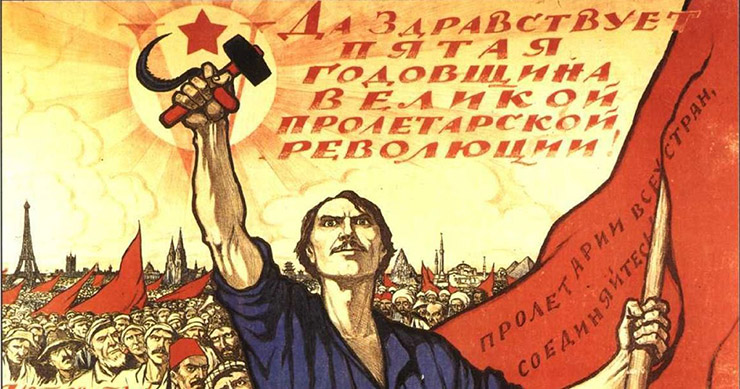
  • Separating Myth From Truth in Today’s Dietary Debate: An Interview With Sally Fallon Morell

    Separating Myth From Truth in Today’s Dietary Debate: An Interview With Sally Fallon Morell

    Sally Fallon Morell, the best-selling co-author of Nourishing Traditions: The Cookbook That Challenges Politically Correct Nutrition And The Diet Dictocrats, says people should eat more saturated fat, such as full-fat dairy products and fatty cuts of meat and offal, to lose weight and improve their health.

    Sally has a growing grassroots following in Australia and regularly tours the world to publicise nutrition pioneer Weston A. Price’s philosophy of Traditional Foods. During her talks she emphasises that governments and the agricultural industry had conspired to demonise animal foods to make people buy processed products filled with refined carbohydrates, sugars, soya products and vegetable oils.

    Naturopath and regular New Dawn contributor Huw Griffiths caught up with Sally during her Australian tour and she kindly obliged to an interview to discuss the US foundation she heads as well as important messages on nutrition and disease.

    HUW GRIFFITHS (HG): Good Day Sally. It’s great to meet you and a warm welcome to Australia. I think my first question must be what many of our readers must be wondering. Just who are you, what is the Weston Price Foundation, and what have you come to Australia to talk about?

    SALLY FALLON MORELL (SF): Well, there are three things that I’d like to put on my tombstone. I am the author of Nourishing Traditions which is a nutritional cookbook, I am the founding president of the Weston Price Foundation, and I’m the founder of the campaign for real milk, but in addition to that I’ve kind of become the lightening rod or the spokesperson for a return to traditional diets and a sloughing off of the whole cholesterol theory and the theories of heart disease which has totally screwed up the way we eat and the way that we practice medicine.

    The Weston A. Price Foundation was established to provide accurate information about nutrition, to counteract the misinformation being put out by our governments and the health industry, to present the work of Weston Price to the public, and to demonstrate the scientific validation of traditional foodways.

    I basically do a seminar on traditional diets and try to answer the question as to what are the characteristics of healthy diets and then to show people the practical steps that they can take towards adopting a healthy diet for themselves.

    HG: Much of what you have to tell us about our dietary habits seems to fly in the face of “conventional wisdom.” Even on the TV the other day I saw Dr. Manny Noakes (the leader of the CSIRO team that published the CSIRO Total Wellbeing Diet) suggesting that the sort of advise you were giving the public was ‘irresponsible’ and ‘not based on any good science’. How do you respond to this sort of criticism?

    SF: What they are saying is not based on any science at all. It is a religion, it is an act of faith and when in fact you start to look at the genuine science of it all it’s actually very different from what they are saying. The people promoting the low fat very high carbohydrate food, especially those who are influencing the diets of growing children, they’re the ones who are being irresponsible. They’re being irresponsible because children cannot grow up healthy and strong on that kind of diet and they are consequently creating tremendous health problems with it all.

    Just as an example, they’ve taken whole milk out of the schools because they say that it makes children fat, but there was a recent scientific study done in Sweden where they put children on a low-fat diet and compared them to children on a normal diet. The children on the low-fat diet ended up getting fatter; they ate more sugar and had more insulin resistance. We’re just setting our children up for obesity and diabetes with these low-fat diets.

    They know the body has to have fat. There is fat around every cell membrane of your body and that fat has to be mostly saturated fat and if you don’t give the body that fat it will make it out of carbohydrates and it will crave carbohydrates to get that fat. The big problem is that those carbohydrates don’t have the vitamins in them that the fats carry, such as vitamins A, E, D and K. You’re just giving the body a very poor substitute, when these vitamins are so vital; they’re needed for cell signalling, immunity, hormone production, and growth. So we’re seeing a growing number of the signs of deficiency in the many diseases and conditions that we see so much of these days.

    For these people to be out there saying that “We don’t need or eat saturated fats any more” is a bit like trying to say that the human body has been genetically and dramatically changed in the last ten years, or something like that! We absolutely need saturated fat in our diet. Every cell in our body is surrounded by it.

    Your lungs can’t work without saturated fat, nor can your kidneys and the organ with the highest amount of saturated fat in it is the brain. These people who vilify saturated fat are demonstrating that they don’t know anything at all about bio-chemistry. People these days have been educated to believe that diets that have saturated fat in them are the diets of the devil and that they have to keep themselves pure by not eating saturated fat. People look at you incredulous when you tell them these days that they have to eat saturated fat.

    I call it ‘food puritanism’, in a way it’s just like when Galileo and Copernicus were first saying that the sun was the centre of the solar system and were persecuted on the basis that to say this was against all common sense.

    HG: It’s difficult to know where to start with the questions, but perhaps one of the cornerstone campaigns for which you are best known and recognised is the Real Milk Movement. Just what exactly is it and why is it so important?

    SF: The Campaign for Real Milk is a project of the Weston Price Foundation. Real milk has all the fat in it, it comes from cows on pasture and is unpasteurised. Milk is a magic food. It has everything in it that a child needs in order for it to grow normally. You can live on raw milk and nothing else. It’s a curative food; it contains numerous components that assist the body to absorb all of the nutrients properly. It helps put dietary calcium in the right place, it helps get rid of bad bacteria and it supports the immune system and when you pasteurise milk all those attributes are destroyed.

    We know all this from the science. A recent study for example has found that the one factor in preventing asthma in children was their access to and ability to consume raw milk. Asthma can be a life-threatening disease and it afflicts around thirty percent of our children. So we really think that raw milk is a key to the nutrition of our children because we historically have gotten calcium and related nutrition from milk.

    I’m not however saying that milk is necessary. There are cultures that don’t drink milk, but they tend to have very different types of diets that Western children tend not to eat.

    The other reason that our campaign is important is because it restores the connection of consumers to the farm and is a way of restoring small pasture based farms, because the people who are looking for real milk are also looking for milk from cows that are reared on genuine pasture. It also gives farmers a tremendous income, at least this is what has happened in the States where the real milk movement is absolutely huge. In fact its growing at about forty percent a year and we have literally saved hundreds of farms.

    HG: Dietary fats are a confusing issue and always have been, but from what I understand you are saying most of the animal, and therefore saturated, fats that have been demonised over the last few decades are, in fact, not only nourishing, but good for us, whereas many of the ‘new’ (for want of a better word) fats such as margarine and canola oil are in fact bad for our health. So how can, for example, the CSIRO, be so far adrift from you on the matter of whether the former type of fats do or do not in fact drive up cholesterol levels which they say inevitably lead to conditions such as atherosclerosis and cardiovascular disease?

    SF: The demonisation of saturated fats has been a deliberate campaign of the vegetable oil industry and in order to do so have set up this cholesterol and heart disease myth (and it is a complete myth). The levels of cholesterol in your blood have really no bearing on your predisposition to heart disease. I’m not saying that we aren’t prone to heart disease, we obviously are, but cholesterol levels are not the thing that we should be looking at.

    Secondly, the amount of saturated fat that we are eating in real life, not in institutions, where people are fed under very strange conditions, bear no relationship to the amount of cholesterol in your blood. This was borne out by the International Atherosclerosis Project, where they looked at fifteen thousand autopsies in thirteen countries and they didn’t find any relationship at all between the diet of the person, the level of cholesterol in their blood and the degree of blockage in their arteries. There was just no correlation!

    We’re simply looking in the wrong place for answers. There are so many other avenues for possible research as far as heart disease is concerned and the really sad thing is that this cholesterol theory has been used to demonise the very types of foods that were so prized by traditional cultures and that were both necessary and sacred to the rearing of healthy children and healthy people.

    Cholesterol is in fact the body’s repair substance and if a person has either weak arteries or a tendency towards inflammation then the body, which is a lot wiser than any of us, produces more cholesterol and that is used for repair. So blaming cholesterol for heart disease is a bit like blaming the outbreak of a fire on firemen because they always seem to be around when a fire breaks out.

    Our biggest concern right now though are these cholesterol lowering drugs which are not saving lives, but are causing a tremendous amount of suffering with the side-effects.

    What has shocked me, however, both over in New Zealand and in Australia, is the type of coercion that is put on people. Now, in the United States a lot of pressure is put on people, but from what I hear here you have to take these drugs or, for example, you can’t get your pilot’s licence, or you can’t get your insurance. We had one women in New Zealand tell us that her doctor told her that if she didn’t take her cholesterol-lowering drug or if she had any kind of heart problem, that she would not be insured.

    It seems to me that if you can’t say “No!” to taking a drug, then there is a real problem and the implications are staggering. So the next thing that you’re going to have are mandatory drugs for children and in essence a giving way to a dictatorship of the doctors. So what we’re simply trying to do is to give people the facts and to reinforce the fact that the only way that we’re going to change this is for individuals to say “No”!

    In fact, a lot of people have woken up to these issues in the States to the extent that the medical industry is not getting the same levels of compliance and have taken to hawking their drugs all over the rest of the world as a result. It’s almost as if doctors have become the new god, or in fact the ‘new devil’.

    HG: Setting aside the morality of killing animals for meat (which I guess is a matter of personal choice)… Is meat eating a preferred thing to do as far as health is concerned, or can we acquire all the nutrition that we need from a vegetarian diet?

    SF: You don’t absolutely have to eat meat to be healthy, but you do absolutely need some animal food in your diet. That would be dairy products, raw dairy products, eggs and fish. But there’s nothing wrong with eating meat as long as you eat it with sufficient fat and not eat lean meat.

    Meat is a wonderful source of complete protein, zinc, iron, B12. It’s a healthy food and there is nothing wrong with eating it, but I just want to go back to the question of personal morality because they may not admit it, but most vegans and vegetarians believe that they have the moral high ground and that they’re better people than the people who eat meat.

    What I’d like to point out though is that the products produced from slaughtered cows are used in many ways that are hidden from the public. They are used in modern building materials, in plastics, in cosmetics, the hydraulic break fluid in aeroplanes, there is even a membrane in your telephone that is made from cattle products, so there is no way that anybody in modern society can say that they don’t use the products of slaughtered animals.

    With our ancestors it was even more so. They absolutely had to kill animals, not only for meat, but for tools, hides and furs in order to be warm and stay healthy. So we have always had to slaughter animals for our survival and well-being. What bothers me is the hypocrisy of saying “Oh, I don’t eat meat,” to look better, when the reality is that you wouldn’t be here if it had not been for your ancestors having to slaughter animals.

    We’re also really concerned about the industrial system that has trivialised animals in the way that they have been made into units of production with a very cruel and heartless system. So we’ve put our money where our mouth is. We, through our local chapters, help people find animal products that are raised humanely.

    HG: Whoever is right on whatever disputed dietary issue, it would seem that children are always the most vulnerable of the lot. We not only play dice with their lives and health by lacking certainty as to how we should nourish them, but by getting things wrong in our own diet, we kind of muck it up for future generations via the genes as well. Do you have any absolutely certain guidelines for diets for children and if so, where can they be accessed?

    SF: Yes, we really set up the Weston Price Foundation because of our concern for children’s diets. All traditional cultures that were healthy put an awful lot of emphasis on nutrient dense foods for pregnant women, nursing women and growing children because you can’t go back, later in life and build a healthy kidney or a healthy inner ear. You have to build health during these crucial periods. The vegetarian, the vegan, low-fat and US government guidelines and other diets that are being heavily promoted today are seriously lacking in important nutrients.

    We show the science in this and we do have diets for pregnant women and for growing children. We have a whole section on our website on children’s health and this is where our most important emphasis is. This is why so many people come to us, often out of desperation over their heartbreaking condition with their children’s health. They ask us what can they do about this or that problem, where nothing has helped these children. I can’t say that we have helped one hundred percent of the children, but we have helped a large proportion with our diet, it really does work. 

    HG: One matter that sticks out like a sore thumb over the years is the issue of whether margarine is (or is not) a safer alternative to butter as far as health in general (but cardiovascular disease in particular) is concerned. And now the National Heart Foundation is issuing press releases headlined “Australia leads the way with virtually transfat free margarine.” This kind of publicity would suggest that even margarines weren’t as good for us as they were hyped up to being, but that they’re OK now. Or should we be circumspect about this type of publicity?

    SF: Definitely be circumspect. First of all, butter absolutely does not cause heart disease and we know that it doesn’t do that because while butter consumption plummeted throughout the twentieth century, heart disease went up. Indeed, one study demonstrated that margarine eaters had twice the rate of heart diseases as butter eaters.

    Getting the transfats out of the margarine is a good publicity stunt, but you’re still using all of these suspect oils. Look for ‘mono’ and ‘triglycerides’ on the label which don’t have to be labelled as fats yet they’re always partially hydrogenated transfats. You just should not use any type of margarine or spreads, you should just use the traditional fats that have kept people healthy for thousands of years.

    The first recorded heart attack in the US was in 1921, it was a new disease and it grew to epidemic proportions especially after the Second World War when Americans started abandoning animal fats in significant amounts.

    HG: What about coconut oil? I’ve been an avid fan of it (for cooking) for years, yet it is still accused of being bad for us (courtesy of being a saturated fat) by most of the public and private sector dietary experts. There is now so much overwhelming evidence to support its credentials as a superior health food (such as that it prevents heart disease, lowers cholesterol, is an anti-microbial and even that it acts as an antidote to some poisons). So which or who is right and how can we be so sure?

    SF: Well, we have a lot of science backing us up on the healthfulness of coconut oil, but let me just say that the parts of the world that use a lot of coconut oil have amongst the lowest rates of heart disease and cancer. Once again, coconut oil is a competitor to the vegetable oils and it’s been demonised. Mary Enig, a colleague of mine, and I have actually written a book on coconut oil called Eat Fat, Lose Fat in which we present a lot of the evidence. So the evidence is there whether people want to believe it or not.

    HG: A lot of what the Weston Price Foundation is about is the benefits of traditional diets among various peoples from around the world. Just very briefly, how can you explain what all this was about and how should we go about finding out what these diets are all about and how we can apply the relevant learning from them to our own diets?

    SF: The work of Weston Price and all the diets are very different in their particulars, but what we look at is the underlying characteristics and I’ll just give you the first three; there were no processed or devitalised foods, all of them contained animal foods, but the most important one was the very high levels of nutrients in these foods. They had very high levels of vitamins and minerals, but the really significant thing was the very high levels of vitamins A, D and K which are found in organ meat, animal meat and some types of seafood, and you absolutely have to have some of these foods in your diet to be healthy, and the moment that you start to industrialise your agriculture and put your animals inside they go away.

    The one that we’re most excited about right now is vitamin K which Dr. Price called the X Factor. He studied it, but didn’t quite know what it was, but it dovetails perfectly with what we now know about vitamin K. Vitamin K is in the fat, butter fat and organ meats of grass fed animals and what it does among many other things is prevent heart disease by preventing the calcification of the arteries. It’s also critical for the myelinisation of the nerves and it supports learning capacity.

    Now we have developed a system where we have heartlessly and thoughtlessly put our animals inside and taken them off green grass. Mother Nature though always gets her revenge and her revenge for what we have done to her animals is that she has given us an epidemic of heart disease and a generation of children who can’t think and there is no way to solve this except to get these foods back in the diet, especially women and especially when they are either pregnant or nursing.

    Doing seminars is the only way that I know how to break through this wall of ignorance and start to make some changes. The alternative is what I call the natural selection of the wise, that is the people who don’t eventually return to these traditional diets are actually going to die out. Their children won’t reach maturity or the parents will be infertile. This of course is something that we’re already seeing.

    What we are seeing now, however, is the sort of thing that we came across in New Zealand, where the libraries are only stocking books that recommend pregnant women adopt low fat diets with lots of whole grains, which of course are very hard to digest. I’m sure the picture is the same here in Australia too.

    HG: Sally, you clearly have a busy agenda and a lot of touring to do before your advice hits a critical level of awareness amongst the consumer mainstream and can be widely embraced. So, apart from your tours, your book Nourishing Traditions and the behind the scenes work done by the Weston Price Foundation, what else do you suggest might be done to advance your new (or maybe the better description should be ‘traditional’) dietary paradigm?

    SF: Weston Price’s dying words were, “You teach, you teach, you teach.” You see we’ve lost that primitive instinct that primitive people had and the only way that we can reach people now is by teaching and showing them the science. So we’ve prepared a lot of educational materials and flyers. We urge people to become members and to recommend them read our magazine so that they are up to date on things. We’re just trying to enlist everyone who becomes a member to help us teach. Even if you only teach two other people by providing them with our literature, you’ve started them with this process and it’s a geometrical process whereby more and more people can learn about it.

    HG: Sally, it’s been very kind of you to spare the time to talk to us and share your goodwill and knowledge. We really appreciate it.

    Find out more about the Weston Price Foundation by visiting www.westonaprice.org

    [alert type=”general” dismiss=”no”]This article was published in New Dawn 104.[/alert]

    [alert type=”success” dismiss=”no”]If you appreciate this article, please consider subscribing to help maintain this website.[/alert]

    © New Dawn Magazine and the respective author.
    For our reproduction notice, click here.