New Dawn – World's Most Unusual Magazine

Category: Articles

  • Eros & Gnosis: A Gnostic Study of Human Sexuality

    Eros & Gnosis: A Gnostic Study of Human Sexuality

    From New Dawn 121 (Jul-Aug 2010)

    Human beings are not only the funniest monkeys: they are the sexiest ones as well. In many ways we are a species singularly devoted to sex. We talk, write, read, joke and argue about it; we dress and undress for it, and, given favourable circumstances, we perform it regularly. More importantly, and sometimes lamentably, we have innumerable laws and commandments to organise, punish, curb, repress and otherwise influence sexual actions and feelings and have devised psychological penances of guilt and shame which we come to attach to our sexuality.

    Because of these and related circumstances, most people are confused and bewildered about sex much of the time, and those who profess not to be thus flummoxed tend to take umbrage under clichés and half truths which they have consciously accepted, but which are not in harmony with either their instinctual or their spiritual natures.

    It goes without saying that if the Gnostic worldview is any kind of a worldview at all, it must be able to address itself meaningfully to this predicament and thus to suggest spiritually sound ways in which men and women might successfully extricate themselves from the same. The present essay is an attempt to suggest some Gnostic ways of viewing and dealing with sexuality, and in offering it to the reader, the author is not unmindful of certain hazards.

    Psychoanalyst Edward Glover once suggested that writing on psychologically charged subjects should be classified as a dangerous occupation. When in the course of such writing one happens to expose the unconscious motives of some persons, pandemonium is certain to follow. The psychologically exposed individuals frequently relieve their anxiety by attacking the writer who has presumed to disturb their precarious and cherished peace of mind. Martyrdom is surely not an uncommon experience to the Gnostic, and if some form of it befall the author, the risk will hopefully have been worth taking!

    The ancient term “Gnosis” has two very useful modern analogues; they are the words “consciousness” and “meaning.” Both of these are vitally important to any useful consideration of sexuality. Without consciousness, in the psychological sense, sexuality is a mere expression of instinct: Useful in its domain, but unrelated to the enhancement of life, to the experience of the fullness of being. With the coming of consciousness, all experiences, including the sexual ones, acquire meaning. As consciousness adds a greatly needed component to experience, so meaning brings us the experience of totality, of the fullness (Pleroma) extolled by the Gnostics.

    Between the reality of our lives lived in time and the quality of life’s timelessness, between our personal and mundane experiences and the realm which transcends the tangible world, there exists a creative tensional relationship of opposites. The Apostle Thomas, reporting the words of Jesus, reminds us that the saving, or Christ principle, always comes to us to make the two into one, to unite the above and the below, the left and the right, the inner and the outer, and the male and the female into a single one.

    The reconciling agent of all such opposites is meaning. When, on the other hand, the tension between the poles of existence is lacking, then, as C.G. Jung has expressed it, human beings “have the feeling that they are haphazard creatures without meaning, and it is this feeling that prevents them from living their lives with the intensity it demands if it is to be enjoyed to the full. Life becomes stale and is no longer the exponent of the complete human being.” (Analytical Psychology and Weltanschauung).

    Sexuality is one of the most important tensional relationships of the opposites in life. It is therefore evident that it must have, it does have, great meaning. To leave such a rich mine of meaning, of Gnosis, unexplored would be a grave omission indeed. Let us then proceed with our exploration. As it is useful in such cases, we shall proceed from the ground upwards, as it were, and begin with the evidence of the physical aspect of humankind by reviewing the evidence of biology.

    The Gnosis of Biology

    The human species is a unique one in many ways, and not the least claim to such uniqueness is to be found in the sexual sphere. The human is the sexiest animal on earth. No other sexually reproducing species makes love with such frequency, and consequently, sexually toned behaviour saturates a large portion of the individual and social life of every man and woman. There is a biological reason for this. Unlike the female of every other species, the human female is capable of constant sexual arousal. She is biologically capable of copulating every single day of her adult life. She can make love during pregnancy, and she can become sexually active shortly after having a child. In fact, she can engage in sex whenever she pleases.

    Animals are far less sexy than humans. All female animals have a period of heat (the estrus) during which they copulate, and when this period is over, neither the females nor the males of the species engage regularly in sex. (Among caged baboons and chimpanzees one may observe some sexual activity outside of the period of heat, as one may among free chimps and orangutans, but their sexual activities at “unusual” times are minimal when compared to the human.) Unlike humans, female animals do not accept males while menstruating, they do not initiate sex during pregnancy, and they do not resume their menstrual cycle before their young are weaned.

    Due to the so-called “silent ovulation” (the absence of the signs of heat) of the human female, her fertility is never dramatically announced as it is among the animals. The result is that human couples do not know when a woman is ready to conceive. In order to insure the conception of offspring, humans thus must make love regularly, even past the time when conception has occurred. Similarly, especially where breast-feeding is not prolonged, human mothers are capable of resuming their ovulation about six weeks after delivering a child. There seems to be an unmistakable conspiracy of nature directed toward motivating human beings to make love daily, for the human female, alone of all other females, is uniquely designed to do so!

    Anthropologist Dr. Helen Fisher, in her book The Sex Contract (William Morrow and Co., 1982) traces the evolutionary development of the unique human sexual situation. She tells us that the genetic evolutionary process which led to the present condition of humanity in regards to sex began about 8 million years ago, when humans became accustomed to walking upright. Protohominid females who delivered their young in a relatively immature state had a better chance of surviving childbirth, because the smaller birth canal, developed as the result of walking, made the delivery of large, developed infants hazardous. The mothers, now forced to care for their children for a long period, were more prone to engage in sex outside of their limited periods of fertility than they were wont to do earlier in their evolution. Since the most popular females were fed and protected most adequately, they tended to survive in greater numbers and thus passed on their genetic traits to more offspring. Thus our present patterns of biologically unlimited sexual intercourse came into being.

    Dr. Fisher writes: “With the stimulus of constantly available sex, protohominids had begun the most fundamental exchange the human race would ever make.” The fundamental exchange consisted in bringing males and females more closely together than hitherto would have been possible. The bond of constant sexual interest kept them together in each other’s company; it made them divide their labours, to exchange food, to share the daily work and joys of living. Men and women became aware of each other emotionally, and eventually mentally and intuitively as the result of the sexual force which tied them together, creating a never abating forcefield of dynamic tension between them. Sex has become the progenitor of affection, love, relatedness, and above all, consciousness. From purely biological data we may thus infer with some justification that the coming of unlimited sexual expression became the fountain and origin of vast achievements of human consciousness which otherwise could and would not have come to pass. The implications of this insight for past, present and future are large indeed, and should be apparent to all.

    The Gnosis of Psychohistory

    Human biology has its history, and so does the human mind, or psyche. As one might expect, the importance of sexuality and of its influence on various aspects of human life are very much part of this history of the mind. Psychohistorians, whose theories contain elements relevant to the concerns of sexuality, are numerous. Among those inspired by Freud, singular distinction belongs to G. Rattray Taylor (Sex in History), while among C.G. Jung’s followers one needs to refer to Erich Neumann (The Great Mother and The Origin and History of Consciousness) as well as to Esther Harding (Psychic Energy; Its Source and Goal.) The considerations which are to follow here utilise the theories of these authors, and amplify their views by way of certain insights of the ancient Gnostics.

    The protopsychology of the ancient Gnostics (as well as of others in the Hellenistic culture) perceived three main divisions of the human person. The first of these is matter, or body (hyle, soma); the second mind, or soul (psyche); and the third spirit (pneuma). The existential point of gravity of a person’s life moves according to certain patterns from one of these three to the others, and an individual’s type (today called psychological type) would be determined by which one of these three principles acts as the primary focus of his or her consciousness. All people are capable of experiences of body, soul and spirit in some measure, but the seat of their principal identity is located within one only. Thus, there are people whose outstanding concerns are invariably material, while others function chiefly from a centre of consciousness lodged in their mind, while yet others look at all things from a point of view that is primarily of a character that we might call spiritual.

    The presence of any individual within one or the other of these three categories is not a matter of accident, but rather of a transformational growth and development or consciousness, which begins with the material plane and rises eventually to the spiritual.

    When we apply this Gnostic idea to the matter of human sexuality we may find some useful insights. There is, first of all, what we might call a hyletic (matter oriented) type of sexuality. To persons of this type sexuality is primarily a bodily urge, largely unrelated to any feeling or regard for the partner in sex, and originally even quite unaware of the possible results of copulation in reproduction. In a sense, we might say that persons in this stage of development are not participating in a sexual act, but they are identified with it. An interesting phenomenon connected with this is the identification of persons with their sexual organs, as evidenced by works of much primitive art, where men and women are represented with disproportionately large sexual organs. Similarly one may note the use of words denoting sexual organs when describing an individual in the idiom of obscene slang. All of these are evidences of the identification of the entire person with sex. Men are merely phallus bearers and women vagina-carriers; they are not persons, but embodiments of their sexuality. Hyletic sexuality in its later stages also becomes involved in the idea of offspring. Men thus come to look upon their mates not as persons but as the potential or actual mothers of their children, and women look upon men as beings capable of giving them children. In each case we are dealing with a primitive phenomenon, a manifestation of hyletic or biological urges. (It needs to be recognised that the urge to have offspring is just as primitive and unconscious an urge as the one moving to sexual intercourse. The notion that the desire for children is somehow more moral and refined than the desire for sex is nonsense!) Freudian psychohistorians tend to call the hyletic phase of sexuality “matrist,” by identifying it with the archaic domination of children by the Mother. Matrist sexuality is quite permissive, even promiscuous and polymorphous, and leads to the formation of “shame cultures” and the development of the incest taboo. The term “oral” is applied to its quality by Freudian writers.

    In the next stage of development, sexuality becomes linked with emotion and thinking. Ego-development having taken place, consciousness now wishes to subdue the unconscious and thus develops numerous devices for the control of impulse. This is the greatest period of sexual repression and the phase when issues of law and commandment take on a great importance. The Gnostic terminology calls this phase the psychic, for it is here that the mind-emotion complex called “psyche” (soul, or mind) becomes dominant. Mythologically and symbolically this ego or mind is frequently connected with the masculine principle, and thus we find that psychic humanity tends to be patriarchal and masculine in its orientation and consequently a negative view of femininity and of female sexuality predominates. Men in their desire for impulse control begin to view women as temptresses, as instinctual creatures who have to be subdued and controlled. Jungian psychology calls this the “patriarchal phase” while Freudian writers refer to it as “patrist” or father-identifying, and its predominant tendency is said to be “anal.” It is obvious that the dominant cultural influences of Western society are predominantly of this variety, and that most of these influences stem from religious roots within the semitic religiosity of Judaism, Islam and non-Gnostic Christianity. This phase of the development of consciousness is greatly attached to the institution of marriage, and its chief taboos are against adultery and homosexuality. Its result is the so-called “guilt culture.”

    The third, or pneumatic, phase is the most difficult to discuss, because it denotes a form or state of consciousness that is as rare today as it was in the second and third centuries A.D. There is little doubt, however, that several ancient Gnostic teachers, most notably Valentinus, envisioned this spiritual condition as a union of the masculine and feminine aspects of the human being with a consequent androgynation, which undoubtedly would have its reflection in the sexual sphere also. While the anti-Gnostic church fathers with fierce inconsistency accused the Gnostics of excessive asceticism and licentiousness in the same breath, the more recent discoveries of Gnostic writings indicate that the Gnostics were intent upon a mysterious pneumaticisation of sexuality, which process was embodied in the Valentinian sacrament of the bridal chamber. One of the chief results of the pneumatic state of Gnosis is the ability of the Gnostic to rise above the law (antinomianism) and to be motivated no longer by the external commandment of so-called revelation, but rather by the internal command of the indwelling divine spirit. This might be envisioned as the highest form of situation ethics, inspired by intuition, rather than by any rational considerations. The principle is compatible both with the ethics of existential philosophy and with Jungian psychology. The pneumatic Gnostic can no longer rely on any external commandment but must live by the existential courage of daily moral decisions. In Sartre’ swords, “he is doomed to freedom.” C.G. Jung also envisioned a condition within the individuation process where in the moral laws of society and church are relativated and indeed rendered meaningless by the spiritual growth of the individual. Right and wrong become a matter of personal choice based on spiritual insight, rather than standards derived from a code delivered by god or by society.

    The sexual implications of the pneumatic phase of the growth of consciousness are considerable. With the fusion of the masculine and feminine attitudes in the psyche, a fully mature sexuality may be expected to arise. Love becomes the fulfilling of the law, and it goes without saying that this love will have sexual expressions as well. Neither will the expressions of this love be in any way limited by human institutions and prejudices whether they concern marital status, the gender of the beloved or the permanence or impermanence of the love relationship. The spirit bloweth where it listeth; human institutions and earthly considerations must pale before the pneumatic love. The accusation of libertinism hurled against the Gnostics by Irenaeus, Hypolitus and others is thus revealed as the sort of misunderstanding the contemporary Gnostic might face also. The intuitive morality of the pneumatic can be readily confused by the uncomprehending with hyletic, immorality and amorality, while it is nothing of the sort. The pneumatic phase bears, incidentally, all the hallmarks of what Erich Neumann called the “integrative phase,” and its characteristics are to some extent identical with what Freudian psychologists envision as “genital” sexuality.

    Different Strokes for Different Gnostic Folks

    The above noted psychohistorical considerations raise important issues which might be of concern to contemporary Gnostics. Are all Gnostics obliged to follow the pneumatic ethic at all times? Is psychic morality, especially in the sexual area, still relevant to the Gnostic? Have we all successfully outgrown hyletic modes of behaviour? And how are the answers to these questions likely to affect the sexual behaviour of the contemporary Gnostic?

    Our situation might be summed up as follows: We live in a culture which ostensibly follows a psychic system of morality in sexual matters, but which is in practice more often than not composed of persons whose character is hyletic. Pneumatics are far and in between, and usually hidden away in the secret corners of contemporary life. Moreover, all persons possess hyletic, psychic, and pneumatic components in their character, with one or the other predominating. It is thus evident that most persons, including Gnostics, will express their sexuality sometimes in ways that are hyletic, at other times they may be attached to attitudes that are predominantly psychic and in some instances they may be capable of behaviour that may be properly recognised as pneumatic. Most people may also go through these phases in their own lifetimes. It is by no means unusual for early youth to be sexually quite hyletic (a sort of adolescent sexuality, as it were), for young adulthood to be involved in the marital and societal ambiance of a psychic sexual morality, and for the middle-aged person to achieve a matter-of-fact and liberated attitude toward sexuality, without serious inhibitions and guilts; in short, an attitude that approximates that of the pneumatic.

    Since it would be reasonable to say that modern Gnostics may thus find persons of all three orientations in their midst, it might be helpful to present here a few brief guidelines for all three types regarding sexuality.

    The hyletic needs to be reminded that, while hyletic sexuality is no more sinful or less virtuous than any other kind, it is still limiting and limited. Indiscriminate sexual behaviour is characterised by unconsciousness and this is a condition one ought to outgrow. Still, no one can be equally conscious of all aspects of life at all times, and a relatively high level of consciousness in one area may be accompanied by a relatively low level in another. The key concept must always be authenticity. If our behaviour has adduced to it as much consciousness as we could muster under the circumstances, this should be enough. There should be no judging of anyone for his or her sexual mores. Authenticity by nature is a highly personal issue. One person may be far more authentic and conscious while associating with multiple sexual partners than another locked into a rigid psychic cage of so-called monogamy. Striving for consciousness will inevitably bring its own reward and is far more useful than blind obedience to external rules.

    The psychic person may prove more troublesome within a Gnostic context than either the hyletic or the pneumatic. Unlike the happy-go-lucky hyletics, psychics tend to be rigid personalities with a strong proclivity for projecting their own shadows, especially their sexual shadows on others. They tend to be judgmental, intolerant and self-righteous. In short, they are a mess, or at least they appear as such. Psychics ought to remember that goodness, by anyone’s standards, including their own, is never enough. Wholeness, not goodness, is the objective of the Gnostic life. Jung was fond of saying in truly Gnostic fashion: “It is only the fullness of being that counts.” Rules exist in order to be outgrown. We may not always be ready to outgrow them yet, but the desirability of the prospect must always be kept in mind. When following rules after the fashion of the psychic we but see through a glass darkly, and we should aspire to the clear vision face to face with authentic reality. While we must be careful not to judge the hyletic, we must often dissuade the psychic from judging everyone. Psychics may also be reminded that it is the psychic law alone that creates sin. “I had not known sin but by the law” said a Hebrew prophet. The harsher our own standards of judgement the greater will be our own guilt and spiritual impotence and the more our potential for liberation will diminish. Sexual guilt has been the greatest single curse the demiurge and his minions have hurled against humanity; it has been the blight of our culture, the stifler of creativity and the enemy of Gnosis. It must be recognised and its suggestion rejected at all times.

    That rare bird known as the pneumatic, must above all, be discreet. Pneumatics have a divine right to their freedom, including their sexual freedom, but they have no right to bad manners. The spiritual nobility of the world must maintain decorum and discretion while exercising its prerogatives. The humourous adage often attributed to the British aristocracy of some time ago may be remembered here: “Do what you wish, but don’t do it in the road and frighten the horses.” Politicised sexuality, such as we have experienced in the era of the various liberation movements often comes under the heading of bad manners. Rigid psychics will not be converted to a pneumatic point of view by being confronted with sexual behaviour inappropriate to their level of consciousness. Ill advised action inevitably creates reaction. Pneumatics need not be apologetic about their liberated state, and they need not dissimulate or be guilty of hypocrisy. At the same time they must extend to the unliberated the same freedoms they demand for themselves. Persons who flaunt their sexual unconventionality and wish to force everyone to bear their sexual foibles without complaint are usually hyletics putting on the mask of pneumatics. “By their manners and their discretion ye shall know them” could be said of the true pneumatics.

    Conclusions for Daily – and Nightly – Life

    It is a cliché that we live in an era of great sexual confusion. Clichés, however, are not usually untrue, they have merely become clichés by excessive repetition. Can the Gnostic point of view bring some clarity into this confusion? Can the contemporary Gnostic offer meaningful suggestions on the sexual topics and perplexities of our times? We shall answer such questions by stating our Gnostic position regarding individual issues of sexual significance.

    Sex in general. Biology, psychology and Gnosticism indicate that sex is a beneficent, consciousness-enhancing factor in human life. Sexually active persons are healthier, more balanced, and generally more pleasant members of society then the sexually inactive. There is every indication that sex is good for you physically, psychologically and spiritually. All sex that is not injurious to anyone and does not violate the sovereignty of any person is good, although some kinds of sex, such as those among loving, concerned, compatible partners are no doubt better than others.

    Sex and the Sacred. In many religions, both pre-Christian and contemporary, sexual practices play some part. While there is nothing inherently wrong with the notion that sexual acts and religious acts can converge, one must exercise considerable care when trying to apply such principles within a contemporary context. Such magicosexual practices as one finds in the Hindu Tantras, in the “great rite” of the witches, and in the sex magic of the late Aleister Crowley, all suffer from the shortcoming that they tend to depersonalise the individuals who participate in them. Joseph Campbell in his splendid book Myths To Live By has pointed out that beginning with the mysticism of the Troubadours, the West came to espouse love-magic as against mere sex magic. C.G. Jung’s commentaries on the Rosarium Philosophorum indicate that a similar principle of love-magic was present in the system of Alchemy. The Gnostic tradition indicates that the early communities of knowers, particularly those attached to the teachings of Valentinus, practiced a supreme rite of pneumatic union, sometimes called the “mystery of the bridal chamber” which may have served as the prototype of many later rites of love-magic, symbolising the union of the lower personality with the heavenly pneuma, which may be envisioned as being of a contrasexual nature (female for men and male for women). The development of a conscious personality is one of the great achievements of Western spirituality. Persons love, unconscious beings merely copulate. Both actions are magical, but the former is preferable to the latter. There is no doubt that the magic of the sexes needs to be re-incorporated into religion, but we must take care that in attempting to do this we will not resort to archaic practices which were useful in periods of history when consciousness and personality were minimal compared to contemporary conditions.

    Marriage. The Christian sacrament of matrimony was the last to be formally accepted; it did not come to be generally used in the church for hundreds of years. The reason for this may be found in the unacknowledged fact that the early Church, along with the Valentinians, knew only one true marriage: the heavenly marriage of the personality to the spirit. The contractual relationship of two earthly personalities within the context of property, inheritance, and so forth, the church initially left purely to the state. Only when the Church allowed itself to become an agent of the secular power did she uniformly come to practice marriage as a sacrament. Thus the present practice of the sacrament of marriage is a deficient sacrament, a mere shadow of the mystery of the bridal-chamber. There is no reason why the church, even the Gnostic church, should not bless the contractual relationships of men and women when asked to do so, but it must be kept in mind that this is not a mystery of the same order as the Eucharist, or Holy Orders, or the other true mysteries. The notion that sexual congress without the benefit of such a contractual relationship is sinful cannot be accepted within a Gnostic context.

    Homosexuality, bisexuality, and androgyny. It is generally understood that at the non-physical level, people are not limited to their bodily gender. Jesus declared in the Gnostic scriptures that he “came to make the male and the female into a single one, so that the male will not be male and the female not be female.” We may take this to mean that in order to attain to the Wholeness of the Pleroma, all persons are striving toward a spiritual androgyny. In the hyletic phase of development this often manifests as polymorphous bisexuality, in the psychic phase as homosexuality, and in the pneumatic phase it moves increasingly into the area of a spiritually based androgyny. None of these are sinful or should be condemned in Gnostic thinking. The idea of a “crime against nature” is meaningless to the Gnostic, for our nature is not merely physical nature, such as our gender, but our total nature within which all dualities exist. When asked about homosexuality, the great modern Gnostic C.G. Jung merely said: “Well, they are the only people who are trying doing something against over-population.” The attraction of persons of the same gender toward each other meets with the most powerful taboos of the patriarchal-psychic phases of cultural development and is therefore encumbered by many unnecessary ideas and apprehensions.

    Birth control and abortion. Anthropologists have noted that agricultural societies tend to be opposed to the limiting of births, while nomadic-pastoral societies encourage the same. Many great religions came to adopt the mythos of the agricultural societies and have proscribed birth control and abortion. The theological justification brought forth in support of the position of these religions is more or less to the effect that the prevention of birth is a contravention of the will of God. Many religions believe that a distinct soul is attached to every foetus at conception and that therefore the destruction of the foetus is murder. This idea is highly speculative and, like all theological notions, not subject to any evidence. The Gnostic traditions hold that the soul’s connection with the foetus is minimal until the seventh month of pregnancy. The obsessive fury of various religionists in our days against both birth control and abortion ought to elicit no sympathy from Gnostics. It is obvious that the more conscious humanity becomes, the more it will exercise conscious control over the size of families and the less it will be inclined to place innumerable offspring heedlessly onto an overpopulated earth. That people simply ought to become sexually inactive when not desiring offspring is a notion that is as silly as it is unrealistic.

    Monogamy, celibacy, and chastity. While often confused, these three terms have very distinct meanings. Monogamy denotes sexual exclusiveness in favour of only one partner; it is an idea that acquired much importance in the psychic phase of psychohistory. Even today it may have merit for some, but it ought not be advocated or enforced generally. As consciousness expands, the affectionate and emotional needs widen also. It may be counterproductive to be attached to rigid ideas of monogamy in such instances. Celibacy is the unmarried state, as is customary among the clergy of the Roman Catholic Church. Gnostics make no rules about whether their clergy ought to marry or not, and thus the issue of celibacy is of no great import for us. Chastity implies abstention from sexual activity of any kind; it is a practice that puts a very heavy strain on the psyches of persons, and its benefits are minimal, if any.

    Family. Whenever this term is used today, it tends to denote the nuclear family unit of industrial society, which means, really, a phenomenon of the last hundred years. In the time of Jesus or even in that of Louis XIV the concept of family differed radically from the one of today. To go along with the moral reactionaries of our time and to hold up the nuclear family of recent vintage as the divinely decreed paragon of all virtue and goodness and the best possible cornerstone of society is, to say the least, unrealistic. While some sort of family structure is likely to continue to exist in humanity, we must possess an elastic vision regarding its future contours and character. Some modern research indicates that radical changes in the present family image would be highly beneficial to the psychological well-being of people in our society. Dr. David Cooper, existential psychiatrist, and associate of R.D. Laing, in his fine work The Death of the Family (Penguin Books, 1971) has built a convincing case for the need to develop alternatives to the nuclear family of conventional society. Once again it must be remembered that as human consciousness grows, the importance of ties and roots based purely in blood and soil tend to diminish. Relatively primitive, traditional societies are often so constructed that the individual is tyrannised and dwarfed by the family. In contrast with this, modern urban societies are moving more and more in a direction where the family loses its hold over individuals who thus need to develop their own lives and resources. For practical purposes it may be noted that the less closed off, the less insular and nuclear the family is, the less likely it is to destroy the sexual and social independence of the individual. A family ought to act as a springboard to life and to people and not as a fortress wherein a small nucleus of persons shuts itself in, while shutting the greater world out.

    Sex and the procreation of offspring. As one may deduce from various foregoing statements, the Gnostic cannot endorse the teaching that sex exists purely for the purpose of procreation. Such a view, even though held by theologians, is utterly un-spiritual and smacks of the worst kind of materialistic myopia. By this we mean that parenthood is but one of life’s functions, and it ought not to obtain ascendancy over all others. Children require “parenting” for only a certain period of their lives, and when parents fail to recognise this, untold unhappiness may result. Women, particularly, have been shunted by culture and religion into the over sentimentalised and inflated role of motherhood, and while starring in this role, have often forgotten how to be women. Monkish prudery being unable to accept the feminine in any other aspect but the maternal, the feminine ideal in Christendom became the mother, which condition in turn limited and constricted the psychic and physical lives of women.

    One of the great tasks of modern Gnosticism is to restore the dignity and importance of the feminine within a spiritual context and this task includes liberating the feminine from such confining expressions as “mother” and “virgin” (not to speak of the biological absurdity of “virgin mother.”) As motherhood and fatherhood are but one of the possible by-products of human sexuality, so it is obvious that sexuality has far more and vaster functions in life than merely serving as a vehicle for procreation. Love, affection, relatedness, spiritual bonding; all of these are facilitated and enhanced by sex. Sex, we need to state again, is beneficial to humanity physically, psychologically, and spiritually. Procreation, on the other hand, is assuredly not always beneficial to the human race. Gnostics ought to add their urgent voice to the ever swelling chorus calling for effective programs and concentrated action against the population explosion. It is obvious that what the world needs is not less sex but less offspring.
    Get the issue this article appears in

    Sexual Libertarianism

    Modern Gnostics are not antiquarians. It is not our purpose to try to resurrect the Gnostic tradition in its ancient form, rather we strive to retranslate the available elements of Gnostic wisdom into forms appropriate for the present. One of the most relevant features of ancient Gnosticism is what might be called the libertarianism of the Gnostics. The available documents authored by or attributed to such lights of the Gnosis as Valentinus, Basilides, Marcion, Carpocrates, Epiphanes and others are all thoroughly libertarian in spirit. All of these Gnostic teachers and leaders would have no difficulty in agreeing with the following example of libertarian reasoning: “You as a person are better able to control your life than I am. Your life is your personal affair, for· better or for worse, except as in the living of your life you may impair or endanger the life and livelihood of others. No person nor set of persons on this earth has any logical right to interfere with you except as you may do injury to them.” (A Libertarian’s Platform by James C. Ingebretsen). Even as the political, economic, and religious lives of people are their personal affair, so are their sexual lives. The talons of the authoritarian demiurges of this world must be made to retract from the bedrooms of free men and women. Sexual relations which do not harm or injure anyone should be of no concern to legislation and to the police. Vague conjectures, based on private prejudice, and masquerading as statements about the “public good” and the “moral health” of the body politic ought never to serve as the basis for laws and ordinances.

    It must be kept in mind that Gnostic libertarianism is not a mere matter of political or economic expediency. In reality this libertarianism is rooted in the most fundamental features of the Gnostic mythos, which has as its central theme the liberation of the incarcerated divine spirit from all bonds imposed upon it by the false cosmos of the demiurge. Early Christian leaders, even when not manifestly of the Gnostic fold, have often echoed the libertarian expressions of the Gnostic attitude. St. Paul the Apostle’s bold statement: “All things are permissible unto me,” as well as St. Augustine’s adage: “Love God and then do as you please” indicate that the Christian message was intended to replace the law of Jehovah, with the sovereignty of the individual soul restored by the new covenant of love. The relationship between freedom and love has been noted by many wise souls in many traditions, including in that of India, where we find a formulation of the five degrees of love through which the worshipper receives increase in what in our own tradition we might call Gnosis. The first degree of love, we are told, is the love of servant for the master, the second of comrade for comrade, the third that of parent for child, the fourth that of spouses for each other, and the fifth, or highest degree, is defined as passionate and illicit, that is, not sanctioned by any rule of society or of reason; a love totally unrestrained by any limitation whatsoever.

    This fivefold system of varieties of love shows not only an increase of intensity from stage to stage, but also, and most importantly, an increase of freedom. What began as servitude ends in total freedom. As restraint gives way to freedom, the force of love increases, until it becomes the supreme liberating influence of being. Now this concept, or rather reality, is not unknown in Western mysticism. Even as we may rightfully assume that the Gnostic mystery of the bridal chamber was a spiritual rite, which yet was not without the physically sexual concomitant, so we know that from a certain time onward the alternative mystical tradition of the West came to abrogate the dualism of orthodox Christianity regarding love, and came to replace it with a unitary experience which was at once spiritual and physical. Medieval Christian orthodoxy insisted on the duality of eros (fleshly, or sexual love) and agape (spiritual love, or charity). The Gnostic tradition, whether expressed by Valentinus in Alexandria, or by the troubadours in medieval France has as its objective to “make the two into one” by uniting eros with agape and replacing both with the higher synthesis, called by troubadours amor. Amor is neither fleshly nor ghostly, neither sensual nor spiritual, but partaking of both qualities represents a totally new quality. The whole is greater than the sum of its parts. This whole, or rather wholeness, is none other than the terrestrial epiphany of the Pleroma. Sexual and non-sexual love combine to bring forth the ineffable greatness in human life.

    Here then is to be found the royal secret of sexuality. As consciousness frees itself of the thraldom of the unconscious, and with it from the taboos, fears, and guilts inculcated by society and exoteric religion, the liberating force of eros joins the inspiring energy of agape. This mystic union then produces an explosion of freedom, a leap of liberty of unbelievable power. The sexual libertarianism of the Gnostic has now born its aeonial fruit, the great dénouement of the age long process has come. Sex is important because it liberates, and in order to liberate sexuality itself must possess an optimum degree of freedom.

    Humans are sexual and spiritual beings at once. When one or the other of these dualities is repressed or neglected, disunity and torment prevail. When both are united in freedom, true liberation and joy manifest. Therefore we must be free: Free to live intellectually, emotionally, and indeed sexually. We must be free to experiment, to fail and to succeed, to be perplexed and to be enlightened. The day of the old law of restriction must be declared defunct and the dawn of the new law of freedom must be ushered in. In stating this we are not proclaiming a novelty. We have the words of St. Paul to the Romans saying: “God has consigned all men to disobedience, that he may show his mercy to all.” Jesus said: “Judge not that you may not be judged.” And Heraclitus the Greek sage wrote: “To God all things are fair and good and right, but men hold some things wrong and some right. Good and evil are one.” The great and terrible truth is: That we must be free, lest we perish; that we are condemned to freedom, that the undying obligation of self-liberation has been imposed upon us before the world began, yea, even before the creator of this world came to be. We were not born to abide by the dark laws, and to wear the blackened chains of the rulers of this world, but to be free, liberated consciously divine children of the light. As a Gnostic hymn put it: “Ours is the voice of awakening in the eternal night.” Due to the design of heaven this voice is uttered not by one, but by two; not by man alone or by woman by herself but by both in unison. The voice of awakening is at least in part a sexual voice; the hymn is not merely one of praise but of passion. Today as ever the words of Goethe remind us of the Gnostic truth:

    “Mann und Weib, Weib und Mann,

    Reichenandie Gottheit an.”

    (Man and Woman, Woman and Man,

    Together they reach Divinity.)

    The above essay first appeared in Abraxas 84, published by Ecclesia Gnostica, 1984, and is reprinted here by permission of the author.

    [alert type=”general” dismiss=”no”]This article was published in New Dawn 121.[/alert]

    [alert type=”success” dismiss=”no”]If you appreciate this article, please consider subscribing to help maintain this website.[/alert]

    © New Dawn Magazine and the respective author.
    For our reproduction notice, click here.
  • What Lives On? Investigating Life After Death

    What Lives On? Investigating Life After Death

    From New Dawn Special Issue 7

    Do we survive the death of our physical bodies? Is there such a thing as a postmortem continuation of the individual? If there is survival, what survives? Does everyone survive? What does it even mean to survive?

    Answers to these questions are central to the dogmas of many religions. These same issues are amongst the most refractory when addressed using the techniques of scientific inquiry: data gathering, hypothesis formulation and testing, logical analyses. Indeed, such topics are generally viewed as outside the scope of scientific inquiry, not worth serious thought. As Bertrand Russell commented, “most people would die sooner than think – in fact, they do so.”

    Sphinx Geology

    In my youth, I didn’t bother to give the afterlife much consideration. I never needed the threat of future hell and damnation to persuade me to be moral now. I identified with those ancient Hebrews who did not necessarily believe in an afterlife (de Vesme, 1931), yet still found it prudent to pursue an honourable life in this world. In college I pursued a very earthly field – the study of rocks – ultimately earning a Ph.D. in geology and geophysics from Yale University (1983).

    My life changed in 1990. At the invitation of independent Egyptologist John Anthony West, I took my first trip to Egypt – specifically to study the Great Sphinx from a geologic point of view. After several more trips, undertaking various tests and analyses, I came to the conclusion that the oldest portions of the Great Sphinx date back to a much earlier period than previously believed by most Egyptologists and historians. Conventional wisdom places the Great Sphinx in the reign of the Pharaoh Khafre (Chephren), circa 2500 BCE. My studies indicated that the oldest portions of the Great Sphinx (the statue has been repaired many times, and the head re-carved) date back to at least the period of 7000 BCE to 5000 BCE, and perhaps 9000 BCE or earlier.

    My Sphinx work immediately caused a firestorm and, though the controversy has abated somewhat two decades later, the implications have only deepened. Essentially, sophisticated culture and civilisation goes back much earlier than formally thought; “history must be rewritten.” Over the years I have been pleased to see confirmation of the crux of my work, as other very ancient sites have been uncovered. A good example is Gobekli Tepe in Turkey where a major monumental carved stone building phase dating to the period of 8000 BCE and earlier has been discovered.

    Egypt And Its Obsession With Death

    Working on the Great Sphinx, I could not help but become fascinated with the pyramids, temples, tombs, and other relics of ancient Egypt. According to the traditional view, what was the overriding preoccupation of ancient Egypt? Death and the afterlife. Say “Egypt” and pyramids (popularly interpreted as giant tombs), mummies, and the so-called Book of the Dead immediately come to mind.

    Having studied them in depth, it is clear to me that the pyramids, and the Great Pyramid in particular, were not solely or even primarily overblown mausoleums. Indeed, the Great Pyramid may have served both astronomical/astrological functions, literally being an observatory at one stage of its development, as well as ritualistic purposes. Many modern visitors describe powerful and life changing experiences in the Great Pyramid. One of the most famous is Napoleon Bonaparte. While in Egypt, August 1799, Napoleon visited the Great Pyramid. He entered the King’s Chamber and asked to be left alone. Upon emerging, Napoleon was pale, faint and silent. Asked by an aide what happened, Napoleon refused to say anything of substance, intimating that he had experienced a preview of his own fate. Just before his death in 1821, Napoleon appeared to be on the verge of telling a close friend what had occurred in the King’s Chamber. Then he hesitated. “No. What is the use? You would never believe me.”

    I have spent many hours, including several times almost the entire night (but not sleeping, mind you), in the Great Pyramid. And I have spent much time exploring other temples and tombs throughout Egypt, as well as pyramids, temples and sacred places elsewhere in the world. Initially I approached the ancient monuments as a geologist, focusing on the materials from which they were constructed. Soon, however, I became involved in studying not just the stones, but why past civilisations had erected the stones into magnificent edifices. The why behind the monuments, more often than not, apparently included religious beliefs and practices, initiation rites and rituals, which in many cases seemed to have an ostensible paranormal aspect, whether it was clairvoyance, divination or manifestations of higher levels of consciousness. Were, I asked myself, the ancient structures used to genuinely alter consciousness and possibly enhance paranormal phenomena? Or did superstition, perhaps combined with pious fraud on the part of a priest or priestess, account for the tales? Furthermore, I could not help but think about postmortem survival issues, particularly when studying ostensible tombs! Death, transformation, resurrection, union with the gods, attainment of immortality – was all this ritualistic hocus pocus and pure nonsense? Or were the ancients skilled psychic engineers, carefully manipulating the incorporeal with their megalithic stone monuments and occult practices?

    My formal training as a physical scientist certainly did not encourage the notion that paranormal and psychic phenomena, much less life after death, were anything other than imagination gone wild or charlatans preying on the gullible. According to a conventional materialistic and secular “scientifically rational” worldview, the paranormal does not exist and death is the final end. It was all too easy, and indeed comforting, to put such issues out of mind. Stick to the hard evidence of the rocks, the domain of the geologist.

    Exploring the Paranormal

    Issues of the paranormal and questions about survival kept nagging at me. Ultimately, I realised, I must address these topics head-on, if only for the sake of satisfying my intellectual curiosity. For me the first issue was to research various reputed anomalous psychic abilities among the living, such as telepathy (direct mind-to-mind transfer of information without utilising any of the conventional senses) and psychokinesis (PK, essentially the concept of mind-over-matter). I wanted to establish what, if anything, in terms of the paranormal is possible among the living before addressing the issue of postmortem survival.

    It took me over ten years from my first visit to Egypt to get to the point where I was prepared to take a serious look at the paranormal. I have taught fulltime at Boston University since 1984, and every year I have a new batch of students. Many simply want to take their courses and get a degree, but then there are those who really strive to go beyond their formal studies. One such student was Logan Yonavjak. She served as my field assistant on research expeditions to Egypt and Peru in 2003 and 2005, and she prodded me to take a serious look at the paranormal. She and I undertook a comprehensive survey of the serious scientific literature addressing psychical research and the paranormal (the field now generally referred to as parapsychology). We read literally thousands of papers, pro- and con-, and we both became involved with the field first-hand. The result of our collaboration was The Parapsychology Revolution: A Concise Anthology of Paranormal and Psychical Research.

    Our studies convinced me that, once the fraud, bunk, and self-delusion are eliminated, there is something to the paranormal. The best-documented class of paranormal phenomena is telepathy. There is strong laboratory evidence for telepathy, such as classic card-calling experiments as well as many more sophisticated tests. There is also a large and compelling body of evidence from spontaneous cases (non-laboratory experiments) supporting the reality of telepathy. For instance, crisis apparitions, veridical hallucinations, or “ghosts” are well known. The evidence for PK is also strong, including micro-PK studies at an atomic level using random event generators and similar devices, such as the evidence developed by the PEAR (Princeton Engineering Anomalies Research) labs over more than a quarter of a century, and the carefully studied incidents of macro-PK (affecting larger objects) associated with genuine spontaneous poltergeist cases. Another line of evidence for the reality of paranormal phenomena is research on presentiments or “pre-sponses,” essentially a form of short-term precognition as measured by physiological parameters (heart rate, electrodermal activity and so forth). Numerous replicated experiments have demonstrated the physiological responses of individuals to disturbing photographs, for instance, a second or two before they are actually viewed by the person. According to conventional science, this should not be possible.

    My research on parapsychological phenomena among the living continues, but at this point I agree with the following statement made by David Fontana, Professor of Transpersonal Psychology at Liverpool John Moores University and a well-known psychical researcher: “Psychic abilities are a matter of fact not of belief. What they are and what they mean for our view of reality is another matter, but one cannot dismiss them as fiction and yet retain credibility as an unbiased observer.” (Fontana, 2005, pp. 468-469)

    But how do we interpret paranormal phenomena? This brings us to the issue of postmortem survival.

    Survivalist Interpretations

    Serious study of psychical and paranormal phenomena dates back to at least 1882, the year when the Society for Psychical Research was founded. At that time, and right up to the present day, some psychical researchers have interpreted some of the phenomena they study as being communications from deceased persons or discarnate (non-bodily) entities. Indeed, among many people the prime interest in psychical studies is to establish the possibility of an afterlife. To give a classic example, let us suppose you attend a séance. The medium goes into trance and begins to speak in a different voice. The voice claims to have a message from the beyond, a message from your departed grandmother. Through the medium, you are told that your deceased grandmother still cherishes those moments you had with her, and a very private story is related, a story that you are certain you never shared with another person and only you and your grandmother knew about.

    So, is this proof that you received a communication from your beloved grandmother? Does she live on in the afterlife? Many people would say yes, absolutely (of course, we are assuming there is no fraud on the part of any involved in the séance). No one other than your grandmother knew the private story, and so it must be her who now relates it (indirectly through the medium). What other explanation can there be?

    Indeed, there is another explanation, and it gets to the crux of the arguments for and against postmortem survival. Instead of your grandmother contacting you from beyond the grave, perhaps the medium is telepathically picking up information from your brain, perhaps information that is stored away deep in the unconscious, and then relaying it in a form that is ostensibly a communication from your grandmother? (Granted, the medium is doing this unconsciously, and in no way intends to deceive. The medium truly feels that she or he is communicating with the dead on your behalf.)

    Let’s make the situation a little more complicated. What if the supposed communication from grandmother relays information unknown to you, perhaps concerning your aunt when she was young? After the séance you consult your aunt, and indeed the communication is true, and what is more, your aunt is shocked and flabbergasted because the information is something that only she and your grandmother shared, and absolutely no one else had ever known it. So, is this proof of the continued existence of your grandmother in the “ethers”? Some parapsychologists would counter that possibly the medium telepathically raided, if you will, your aunt’s mind to find interesting information that was then relayed to you at the séance, information that appeared to come from your grandmother.

    There are well-documented cases that become incredibly complex. For instance, at some séances entities, referred to as “drop-in communicators,” make themselves known (Gauld, 1971). Some such drop-ins are ostensibly deceased souls unknown to any of the séance sitters. The drop-in is simply taking advantage of the séance setting, attempting communication with the still living, perhaps asking that a relative or loved one (a living person unknown to any of the séance sitters) be contacted. Drop-ins can conveniently be dismissed by critics as simply figments of the imagination of the medium and/or séance sitters (the medium may pick up on the imagination of the sitters telepathically, expressing this imagination in the form of a supposed drop-in), except in the cases where the information given by a drop-in is verified later. For instance, a drop-in requests that a message be relayed to so-and-so at such-and-such address, and when a sitter at the séance goes to the indicated address it is found that the address exists, the person named lives there, and the message has significant private meaning for the indicated person. Could, just possibly, the medium have assessed all of the information paranormally and then created, unconsciously, the purported drop-in to “communicate” the information? (We assume that no fraud is involved, and in the best cases it seems clear that fraud is not an issue.) Yes, but to many this would seem a much more elaborate, concocted, and complex explanation than simply accepting that the drop-in was indeed a discarnate entity from the other side.

    Super ESP

    Basically, much of the evidence that ostensibly supports postmortem survival can conceivably be interpreted, with varying degrees of finesse, as due to the psychical and paranormal functioning (even if masked and at an unconscious level) of living persons. This is sometimes known as the Super-ESP hypothesis (ESP refers to extrasensory perception), but actually can include paranormal phenomena besides ESP, such as the movement of objects. Take poltergeist activity, unexplained movements of objects, such as items falling off shelves or being “thrown” through the air without any physical cause that can be observed, various unexplained noises and disturbances. Having observed a minor, but I believe absolutely genuine, poltergeist incident, I am convinced that such activities can be real.

    But is poltergeist activity due to literal ghosts (presumably mischievous departed spirits), or can the Super-ESP hypothesis adequately explain poltergeists? One theory is that many poltergeist manifestations are unconsciously caused by, or emanate from, the person who superficially appears to be the focus of the poltergeist activity. Poltergeist activity may be a method (at the unconscious level) of “working out” unresolved emotional and psychological tensions and conflicts.

    There are many other classes of evidence that some claim as support for the reality of survival beyond the grave. Classic séances sometimes include movements and levitations of tables and other items, strange sounds and voices, and even the supposed materialisation of objects and beings (deceased persons?). If, and it is a big if in many researcher’s minds given the amount of fraud documented in such settings, any of these types of phenomena are genuine, are they due to spirits from the “other side,” as is generally claimed by the medium? Or might a Super-ESP explanation be applicable?

    Near-Death experiences and Out-of-Body experiences are sometimes cited as supporting evidence for the survival hypothesis, but the counter argument is that many such experiences are subject to conventional (non-paranormal psychological and physiological factors) or Super-ESP explanations.

    Some researchers have attempted to utilise modern electronic apparatus as a means of communicating with those beyond the grave, a concept sometimes referred to as instrumental transcommunication. One form, known as electronic voice phenomena (EVP), consists of recording the static of a radio that is tuned to a frequency carrying no transmissions. When the recording is played back, perhaps at a different speed than originally recorded, voices or communications from the other side may be heard, or so it is claimed (Raudive, 1971). Even if such “voices” are independently verifiable, critics of the survivalist hypothesis can claim that the voices were encoded paranormally (and unconsciously) via a form of PK by those involved or associated with the experiments rather than by entities from the spirit world – Super-ESP strikes again!

    Reincarnation

    What about reincarnation? Isn’t reincarnation a type of afterlife, or the continuation of life after the dissolution of a particular physical body? While many supposed cases of reincarnation and past lives remain unsubstantiated by solid data, there are also a number of cases where something paranormal apparently is involved. The late Dr. Ian Stevenson (1918-2007), a psychiatrist associated with the University of Virginia (Charlottesville) for nearly half a century, collected, scrutinised, verified, and analysed literally thousands of cases of individuals who apparently demonstrated memories of former lives.

    Just because a living person claims memories of a past life, does that mean it is the same person inhabiting a new body? Or, is a person who appears to remember a past life (and in most cases it is simply bits and pieces of a presumed past life that are “remembered”) in reality paranormally accessing information about a former person and/or time, perhaps even from still living people? Many cases of supposed reincarnation, some would argue, are nothing more than the latter. That is, Super-ESP is the true explanation. Weakening the Super-ESP hypothesis in some presumed reincarnation cases, however, is the finding by Stevenson that in a few instances marks made on the body of a person after the person died apparently appear on the presumed incarnation of the deceased person. Here is a real example given by Stevenson. A young woman in Burma with congenital heart disease died during open-heart surgery. While preparing her body for burial, a mark was placed on the back of her neck with red lipstick. The woman’s presumed incarnation, born thirteen months later, had a prominent red birthmark at the back of her neck, a line of diminished pigment corresponding to the incision in her abdomen and chest made during the surgery, and when the baby began to speak she seemed to have knowledge of the previous life that she could not have acquired by normal means.

    If Stevenson’s data on birthmarks in subsequent presumed incarnations caused by marking or mutilation of a cadaver after death of the previous person stands up to scrutiny, it could have far-reaching implications. It is one thing to hypothesise that fragments or portions, or even the totality, of a personality might be transmitted from a dying person telepathically, including aspects of that person’s death, but to suggest that somehow a lingering discarnate personality is aware of what happens to its former physical body and incorporates marks or mutilations to the body in the next incarnation raises many theoretical and philosophical issues. Is this evidence for the existence of “ethereal beings,” “spiritual entities,” or “soul components”?

    Super ESP or Something Else?

    To quote Professor Fontana, “Given that the evidence supports the existence of psychic abilities, these abilities are either explicable as telepathy, clairvoyance, precognition and psychokinesis from the living (i.e. as Super-ESP), or as communications in one form or another from those who have survived death and live on in another dimension. There is no way around these two possibilities. The evidence either supports Super-ESP or supports survival.” (Fontana, 2005, p. 469)

    In his book Is There an Afterlife?, Fontana is adamant that he believes much of the evidence cannot be adequately explained by Super-ESP. The Super-ESP hypothesis becomes too complex and convoluted, and ultimately so complicated that many prefer, or even find it necessary, to discuss alternative explanations, such as postmortem survival.

    Fontana asserts there are two, and only two, ways to interpret the evidence: Super-ESP or survival (to be clear, Fontana leaves open the possibility that Super-ESP may explain some of the evidence while other evidence supports survival). But is it really an either/or situation? Are the only two viable alternatives Super-ESP and survival of humans (and possibly other organisms?) that once inhabited Earth in bodily form? It seems clear to me that there are additional possibilities (even if not actualities). What about the time-honoured notion of discarnate entities that perhaps never inhabited physical bodies: gods, angels, demons, spirits and so forth?

    Soul Components

    At another level, the concepts of Super-ESP and survival may not be totally distinct from one another. Another time-honoured concept is that of a World Soul, conscious of and remembering its past, that is all the past, and that individual souls may merge with and draw from this World Soul. Related to this is the concept of a spiritual record (sometimes known as the Akashic Records) of all that has transpired, a record that might be accessed from time to time by certain individuals or other beings.

    Rather than viewing the issue of postmortem survival as a simple dichotomy, you survive or you do not, I believe the issue is much more subtle, complex and nuanced. It is not simply is their life after death, yes or no? Rather is it a matter of which psychic components of a person may survive, in what states, for how long, and how such components may influence the living (for instance, via communication through a medium, haunting, reincarnation or possession).

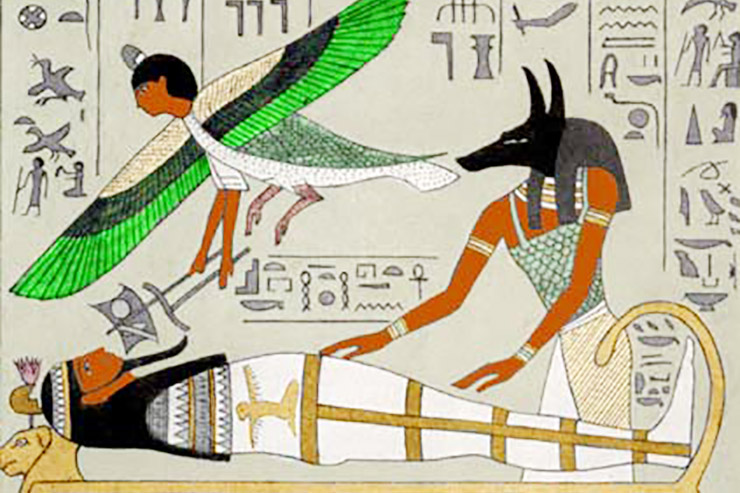
    The ancient Egyptians took a much more sophisticated approach to afterlife issues than many modern people do. They had a number of terms for various psychic components of a person, not fully understood to this day, but we can list some as follows: ka (life force, vital force, spirit, double), ba (individual personality, soul), akh or khu (spirit form, transfigured spirit, ghost), ib or ab (heart, emotion, thought), sheut (shadow, hidden self), and ren (name, embodiment of power and personality). Upon death and dissolution of the body, the ancient Egyptians believed these components could separate and go their separate ways; part of Egyptian ritual involved reuniting the psychic components. When it comes to attempting to understand the subtleties of the psyche and the possibility of postmortem survival, I believe we can benefit by studying ancient wisdom.

    At this point I am not sure what exactly survives, what form or forms it takes, or how long it might survive (for a limited duration? forever?), but I believe the evidence supports the conclusion of the early psychical researcher F. W. H. Myers – something survives:

    I hold that certain manifestations of central individualities, associated now or formerly with certain definite organisms, have been observed in operation apart from those organisms, both while the organisms were still living, and after they had decayed. (Myers, 1907, p. 27)

    We have the foundation for serious studies of the survival issue, a topic that I will continue to pursue in this life – and perhaps the next.

    [alert type=”general” dismiss=”no”]This article was published in New Dawn Special Issue 7.[/alert]

    [alert type=”success” dismiss=”no”]If you appreciate this article, please consider subscribing to help maintain this website.[/alert]

    References:

    Caesar de Vesme, A History of Experimental Spiritualism. Vol. 2, Peoples of Antiquity (Translated from the French by Fred Rothwell), Rider, UK, 1931David Fontana, Is There An Afterlife?, O Books, UK, 2005
    Alan Gauld, “A Series of ‘Drop In’ Communicators”, Proceedings of the Society for Psychical Research, vol. 55, part 204, pp. 273-340 (1971)
    F. W. H. Myers, Human Personality and Its Survival of Bodily Death (edited and abridged by his son Leopold Hamilton Myers), Longmans, Green, USA, 1907
    Konstantin Raudive, Breakthrough: An Amazing Experiment in Electronic Communication with the Dead, Colin Smythe, UK, 1971
    Bertrand Russell, Mortals and Others: American Essays, 1931-1935, Routledge, USA, 1996 (quote cited originally published in Russell’s The ABC of Relativity, 1925.)
    Ian Stevenson, Where Reincarnation and Biology Intersect, Praeger, USA, 1997
    The Parapsychology Revolution: A Concise Anthology of Paranormal and Psychical Research

    © New Dawn Magazine and the respective author.
    For our reproduction notice, click here.

  • Crop Circles: Messages From the Future?

    Crop Circles: Messages From the Future?

    From New Dawn Special Issue 5 (May 2008)

    Linear time is a frustrating thing. At least to those who inhabit the invisible universe: the souls or spirits. We humans fret about time, or lack of it, or the speeding up of, or what will happen in time, or in the future, or… you get the picture. Meanwhile, in the spirit world, they fret about what a fret we make over something that does not exist outside our own physical reality; all that happens happens in the now, and a number of probable futures are at play and we knew this before we, ourselves, incarnated. Except that, for the most part, we do not remember. And that’s where the problem arises about the future, at least our perception of it. Confused?

    Well, let us take a look at this from another perspective. In the spirit realms, things operate not in linear fashion but in the round and in cycles – much like the creators of crop circles, whose messages generally appear in the round as well as in cycles. In my time as a researcher of sacred spaces and their connection to human consciousness, I’ve been privy to many interesting – and challenging – phenomena, one being the origin of crop circles and those responsible for them. The genuine ones, that is. And precisely why they are here and why now. And a large part of the answer lies in the way the world works outside our physical realm.Across the thin veil, the world of soul or spirit or Creator is a well-oiled machine that functions on the basic principle that all existence exists for one simple purpose: to have an experience. This may come as a disappointment to many of us, but there you have it, it’s all about having an experience. The evidence is supported by thousands of clinical past-life regression case studies who, upon returning from a hypnotic state, claim this to indeed be the case. And one of the most challenging experiences for the soul is to incarnate here on Earth.

    Since souls have no physical body, as we would perceive it, they have no direct emotional experience until they acquire carnal shape. Thus, Earth provides a unique environment where not only do they get to experience emotion – too much, I must profess – but since souls arrive here with a pre-induced case of amnesia, they also have to interact with six billion others, most of whom also cannot fathom why they came here in the first place.

    This makes the play that is human life both fascinating and tragic. And the difference between that fine line is defined by how we, as the embodiment of those incarnated souls, go about the business of remembering who we are and why we’re here. And this is where sacred space, and phenomena such as crop circles come in.

    Back in the spirit world, when we sit in the cosmic library looking at possible future situations in which we want to be involved, we already understand that upon incarnating we will not remember why. It is designed that way, so you do not borrow from previous lessons or incidences and thus learn to handle new experiences from a fresh perspective; your gut feeling or instinct acts as a barometer between you in the now and any past-life experience. That is why it is important to pay attention to that gut feeling.

    Our teachers and guides on the other side know of the difficulties associated with this disconnect between the soul in a human body and the spirit world. They also understand that since we will have free will to follow three possible outcomes, and that being a grounded soul will make us susceptible to material attachments and illusions, there is an agreement between incarnating souls and spirit guides that signs, signals, people, events and other mnemonic devices will be used, from time to time, to remind us of our greater purpose.

    I’m not talking about plagues, earthquakes, signs of Beelzebub and other biblical-style events. I’m talking about situations that have such a direct impact on our state of awareness that failing to follow that gut feeling at such moments is to follow a less-than-desired course of experience.

    Once in a while, highly developed souls incarnate with a better-connected umbilical cord to the spirit world to act for us as examples of purposeful living. Jesus, Buddha, Mozart, Gandhi, Martin Luther King Jr., and latterly, Mother Teresa, to name a few. Their primary aim was not to foster religious movements or followings but to show, by example, that in establishing a connection with the invisible universe – that is, living a life aware of balance between physical and spiritual needs – they were able to go about their earthly business in a manner which served a purpose conceived ahead of linear time. In other words, they demonstrated the power of living purposefully, of living the dream awake. And yes, some went as far as to show us how to create miracles, just to demonstrate the power of our often neglected human intent.

    Essentially they were following precisely the aim taught in all esoteric traditions, from the Egyptian Mysteries schools to the original principles behind Islam, even Freemasonry.

    The general human response to such gifts has been crucifixion, in one form or another. I recall when Mother Teresa crossed over a decade ago, the world was so consumed with the death in England of Princess Diana that the following day hardly anyone read Teresa’s obituaries, buried deep inside daily newspapers, somewhere on page 9. All this does not signify that humans are inherently evil or sadistic, but quite the contrary: they have become mostly forgetful and, consequently, fearful. And when they do so the tendency is to over-associate with the physical world and, thus, lose the plot.

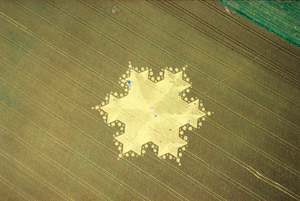
    Koch
    This formation was discovered near Silbury Hill, Wiltshire, England, in a wheat field in July of 1997. It features a border of 126 small circles and a width of 350 feet. Image courtesy of Freddy Silva.

    The Role of Sacred Sites

    Back in Neolithic times the plot could be rediscovered by taking your body and mind for a stroll down to a local sacred site. We have a living legacy all around the world of incredible places built to withstand everything that life and politics would throw at them: pyramids, stone circles, standing stones, megalithic temples and so forth. It has been successfully proved that at such locations across the Earth, the laws of physics are subtly altered. And no wonder, for they were built to do precisely that.

    A typical sacred site lies at the crossroads of streams of magnetic energy. Correctly harnessed, magnetism stimulates the iron in the blood as well as the magnetite that lies suspended inside the human skull; it also stimulates the pineal gland causing a chemical reaction in the brain that stimulates altered states of awareness. This process is aided by the specially chosen stones of sacred sites – including Gothic cathedrals – which carry a high degree of magnetite, and silica, the kind of crystalline structure that is found in human bone. The process of sensory stimulation is further amplified by the sonic structure of temples, not to mention the sacred geometry that binds their elements which create harmonics that work in tandem with the geometry of cell structure found in human DNA.

    In other words, at such locations, one is able to be released from the bond of the physical world, beyond the grasp of gravity, to reconnect with the world of spirit, the world of the gods. Such a momentary event was enough for a person to return with some hint or clarification of their life purpose, even universal knowledge, provided by those across the veil, sitting, watching our entire drama unfold more or less in accordance with a pre-designed purpose, with some allowance for free will.

    The system worked so well for thousands of years that when the Roman Catholic church manifested in Rome, their prime aim was to eradicate all traces of this pagan tradition (pagan meaning ‘one who lives in the country’), all the while usurping and re-naming many of its practices. Indeed Roman Catholicism is the one religion which has historically sought to act as a middleman between the spirit world and ourselves, while decrying as evil our natural right to do so ourselves; I would go as far as to say this religion, once the clerical arm of one of the most controlling empires ever witnessed on Earth, has exacerbated the present state of disconnection from spirit in humanity. There is ample historical evidence for this, in the systematic destruction of sacred sites and the atrocities committed around the world right into the Victorian era, all in the name of “the one true faith.” Rather ironic that the root of ‘religion’ – religio – means ‘to reconnect’.

    As if a sign that this reconnecting is not happening for millions of souls around the world, church attendance at the start of the 21st century is at its lowest ebb; in Europe alone, scores of churches have been resurrected into condos and private houses; coincidentally, interest in the sites of our ancestors is going up. But is this sudden resurgence in our sacred past a part of recovering from our collective amnesia? And is it happening fast enough?

    I believe the answer is yes, and no, and for one fundamental reason: our soul is striving to reconnect because we instinctively feel that one possible, alternative future is in danger of becoming a reality. And it is one that least accommodates our need as a collective to grow into a new experience.

    In life, there are several roads we can go by. That is the fundamental right of free will. But when we begin to see the manifestation of a future based on fear, self interest and environmental ecoside, I believe at that moment a safety valve blows in our collective soul amnesia which propels us to take affirmative action. And the triggers for this are the undeniable volumes of unusual phenomena at this moment in our evolution.

    Orbs, entities, UFOs and the such have blossomed during the latter part of the 20th century, and necessarily in rapport with the rise in population or the increase in electronic gadgets with which to capture such events; even the numbers of people with developed psychic ability is on the increase. These events have a pronounced affect on our consciousness, our spirituality if you like.

    It is as if the spirit world is realising the effect modern life (by which I mean the past 2,000 years) is placing on incarnated souls. They understand that the ability to reconnect with the spirit world for guidance and clarity is lessened to its lowest degree in living memory. The gap between seen and unseen is expanding. Thus, the state of amnesia which has up to now served as a useful shield used between the spirit and this experiential world is no longer purposeful. In fact, it has become somewhat of a detriment in the journey of souls. So, in order to help us remember, new means must be employed to help us remember the plot.

    “And it shall come to pass in the last days, I will show wonders in the heavens above, and signs in the Earth beneath,” so God is claimed to have said, as quoted in the biblical text ‘The Acts of the Apostles’. What the last days refer to is open to interpretation. However, aerial appearances of comets throughout the last forty years, and major discoveries through Hubble Space telescope and the plethora of space craft launched into the nether regions of the galaxy have no doubt broadened our view and appreciation of the Universe. Meanwhile, back in ‘the Earth beneath’, a major phenomenon has been manifesting.

    TripleJulia
    ‘Triple Julia Set’, Avebury Trusloe, Wiltshire, 29 July 1996. 196 perfectly graded circles spiral out from the centre and extend to a diameter of over 1000 feet. Image courtesy of Freddy Silva.

    The Crop Circle Phenomenon

    Some 10,000 crop circles have been reported in modern times. Most have been simple circles and shapes, some have been complex in geometry and structure. But what is certain is that 29 countries have reported them, and despite the normal, and carefully planned, debunking throughout the cynical modern media, their positive effect has been indelibly imprinted on people’s psyche. It has spurred an interest in people in matters of faith and self-discovery, in esotericism, even the meaning of life itself. I have witnessed sceptics turn into believers, I have seen sensible people dismantle perfectly rational, sensible lives to follow uncertain paths in the education and awakening of human awareness and the purpose of the soul on Earth. For better or worse, I am one of them.

    Crop circles are in themselves not a new phenomenon. There is written evidence of their manifestation – with diagrams, no less – in England in 1680. In fact, over 200 cases exist of crop circles appearing throughout Europe and North America since the 1900s, some from witnesses such as police and farmers. According to the oral traditions of native tribes from the north American Plains they may have been appearing over the course of a thousand years. In South Africa they are described as ‘the great circles of the Gods’, and sacred rituals are performed honouring the ‘star gods and the Earth Mother’. Their appearance has been cause for celebrations lasting several days, which are accompanied by prayers to the gods to watch over the people and talk to them ‘through the sacred sites’.

    Through the sacred sites!? It seems, then, that the spirit world’s connection with the human soul is alive and well at those places of veneration. As indeed it should be, since those terrestrial antennas are still, by and large, in full operating mode.

    The mechanics at work in sacred sites are no different to those in crop circles, and the effects on people are identical. From my own research I have concluded that a portion of the crop circles are meant for the Earth’s own energy systems – geometric shapes mirroring those already hard-wired into this ecosystems’ own genetic memory, serving to amplify and stabilise the environment, mostly for the benefit of that often pesky species, the human.

    Part of this evidence comes from eyewitness accounts of a tube of light descending onto the land, rotating the plants without making them fall down and then, the following day, the crop circle appears. This suggests there is an imprinting of information and the Earth fires back the pattern as confirmation. Scientific evidence also shows that a fluid system releases energy when flowing in clockwise motion, yet adds energy when rotating anti-clockwise; the way the plants in crop circles are spiralled in both such directions serves to demonstrate that energy is either coming in or flowing out. But what concerns us here are those crop circles witnessed by some eighty people around the world manifesting right in front of their eyes, typically within fifteen seconds, for these serve an altogether different purpose.

    Like all ancient sacred sites, all genuine crop circles appear at the crossroads of invisible streams of magnetic energy. Since we already know what happens to people when they interact with magnetism at sacred sites it should come as no surprise that hundreds of people have reported altered states of awareness when in contact with crop circles. What is interesting is that many were sceptics, and some have had the experience just from looking at a photograph; there have also been hundreds of cases of healings.

    In this, crop circles behave just like standing stones and other oracles, except they work with cereal crop instead of rocks. But if you bend down and look at the affected plants you will find the roots have been bent at approximately 90 degrees counter to the normal point of gravity. Roots are geotropic by nature, they should point to the centre of the Earth, and yet in crop circles they can be almost horizontal. This suggests that the local gravitational field has been influenced in some way. When you consider that one of the purposes of gravity is not just to bind together molecules, but also to make sure the soul remains bound to the physical vessel it chose to enter, the implications are staggering. Imagine, these new temples – these signs – appearing upon the face of the Earth, helping the human soul to reconnect with its parent body, at a time when we seem most disconnected.

    We haven’t even begun to look at the actual symbols themselves. Our ancestral cultures were, without a doubt, far more engaged in intimate dialogue with the spirit world, and their stories and experiences are memorialised in symbols etched in stones all around the world, including Aboriginal lands. Many of the symbols are archetypal patterns, and many are found at locations already associated with dreaming or altered states of awareness. Whenever native cultures are exposed to the crop circle symbols they react with great joy, for they recognise the designs as their own – gifts from, and expressions of, the gods and other beings from across the veil.

    In watching people’s reactions to the crop circles symbols I’ve often described them as works by a master hypnotist, but working in reverse: not to subvert your consciousness under the influence of suggestion, but to bring you out of amnesia. Because these symbols are helping people remember their purpose in life. They guide them to the bigger picture and, to a degree, lessen the stranglehold of material forces upon the soul.

    From my observation, the crop circle symbols that most strike an awakening chord inside us are based on pentagrams and hexagons, either overtly or veiled within an otherwise abstract shape. I mulled this over for years, while gazing at precisely the same geometries when sitting in old churches and cathedrals, discovering exactly the same patterns in their arches, windows and adornments. Even when looking at the Earth – even human DNA.

    For organic life to appear on a planet, a certain harmonic must be employed in its construction. This harmonic is the ratio 6:5, and on Earth this is reflected in the circumference at the Equator (21,600 nautical miles) relative to the processional cycle (approx. 25,800 years). That ratio is 6:5, and it is geometrically expressed by the hexagon and the pentagon. As the Egyptians taught us, everything as above is reflected so below, therefore this ratio should exist in humans, one of the physical products of the Earth. If one observes the crystalline structure of human DNA, the very core of our physical fabric is indeed composed of alternating hexagonal and pentagonal-shaped crystals.

    There is one more piece of evidence that links crop circles, sacred sites and human DNA, and that is the strategic angle of alignment between places of invocation and our genetic core. While I was researching the possible strategic placement of crop circles across the land, I stumbled upon an angle the Circlemakers kept using again and again. This angle, 32.72 degrees, also appears to link many sacred sites throughout southern Britain one to another – coincidentally where 80% of crop circles appear. When I researched this in relationship to human DNA I discovered that the angle of the spiral in a DNA lies precisely 32.72 degrees.

    Although this is a project I am currently working on, it is sufficient to remark that someone in higher places is intent on awakening the human soul through these special places on Earth. As I mentioned earlier, I believe the spirit world is aware that the human soul and its amnesia is facing an uphill struggle to maintain its balance due to the overwhelming association with material forces. And what better way to get our attention than by creating mysterious shapes in fields which speak directly to our genetic code?

    No wonder these euphonious messages from the gods are influencing people at such a fundamental level. Geometry, being the ultimate systems language, is a sure way to get our attention, for it speaks directly to the heart while circumnavigating that often austere analytical barrier, the brain.

    So, are crop circles messages from the future, manifesting at this juncture to assist the progress of the soul? The answer is yes. And no. Since many of their designs can be found literally etched in stone throughout ancestral sites, they are also messages from the past. Yet the world of spirit works not in linear time but in the round, and all events and processes are occurring in real time, so perhaps they are messages from all time, for all time. Paradoxically, in our reality they are of now, and should we fail to follow our gut instinct when we react to them, we stand to hide from their intended purpose – religio, to reconnect the human soul with its home and redirect our lost course.

    I often ponder on how we will make of our time here, the first time in history when six billion souls have incarnated, and which of possible courses we shall choose for our future. We are being provided with extraordinary tools and, in the end, how we choose to use them will determine the outcome. In all such things, the choice is ours.

    [alert type=”general” dismiss=”no”]This article was published in New Dawn Special Issue 5.[/alert]

    [alert type=”success” dismiss=”no”]If you appreciate this article, please consider subscribing to help maintain this website.[/alert]

    © New Dawn Magazine and the respective author.
    For our reproduction notice, click here.
  • Esoteric Australia

    Esoteric Australia

    From New Dawn Special Issue 3 (June 2007)

    In 2001 as Australians celebrated the centenary of federation, no attention was paid to the role of mystic thinkers and esoteric ideas in Australian history. The vast majority of Australians know nothing of the “inner side” of their country’s political, cultural and religious evolution.

    How many people are aware, for example, that the call sign of Sydney’s pioneering radio station 2GB stands for the martyred sixteenth century mage Giordano Bruno (GB)? Or that Prime Minister Alfred Deakin, a major force in the foundation of the Australian Commonwealth, was heavily involved in spiritualism and an enthusiastic student of Madame Blavatsky’s writings? Who knows of Walter Burley Griffin’s use of occult principles in the design of Canberra, the national capital? Who today remembers the Star Amphitheatre built at Sydney’s Balmoral Beach to welcome the “World Teacher, when He Comes”? Or that in the 1920s Sydney was proclaimed a “great theosophical centre”, home of the renowned and controversial occult teacher, the Bishop Charles Webster Leadbeater. A prolific writer on metaphysics and one of the world’s greatest clairvoyants, Leadbeater predicted the “emergence of the new ‘sub-race’ in Australia and New Zealand.”

    In Other Temples, Other Gods, Nevill Drury and Gregory Tillett observe that, “despite its relative youth as a modern nation,” Australia, “has had a colourful and active history of occultists and occult movements.”1

    Some of the leaders of progressive politics in Australian were also students of esoteric wisdom. In 1892 the labour organiser William Lane’s political novel The Workingman’s Paradise was published in Sydney. In it the working girl Nellie says scornfully, “There is no God. How can there be?” But the mysterious socialist Geisner rebukes her in words straight from Madame Blavatsky’s Secret Doctrine. There is at least “the imperishable breath of the universe”. For Geisner explains, “the Purpose of Life is self-consciousness…. God seeking to know God. Eternal Force one immeasurable Thought. Humanity the developing consciousness of the little fragment of the universe within our ken.”2

    Disillusioned with the socialist movement in Australia, William Lane (1861-1917) established a communalist settlement in South America. A non-smoker and non-drinker, Lane was also a vegetarian who recognised the importance of a healthier attitude to diet. Inspired by Lane’s vision and example, hundreds of Australian workers sailed with him in 1893 to the “New Australia” colony in Paraguay.

    The first Gnostic study circle was established in Melbourne in 1886. A year earlier the Reverend Charles Strong led most of his congregation out of Victorian Presbyterianism to found a native, ethical church, the “Australian Church”. Strong’s Australian Church sponsored the Religious Science Club, a forum for all manner of independent thought and spiritual enquiry.

    AUSTRALIA & THE THEOSOPHICAL SOCIETY

    Such was the interest in mysticism and spiritualism at the turn of the century that Australia came to prominence in the largest international occult movement of the day – the Theosophical Society.

    “The occult movement which achieved the greatest publicity in Australian history,” explain Drury and Tillett, “and for which Australia was an international focus for many years, was the Theosophical Society.”3

    In the early 1890s study circles devoted to Theosophy as presented in the texts of Madame Blavatsky had formed around Australia, leading to the founding of the Australasian Section of the Theosophical Society in 1895.

    As Drury and Tillett explain:

    The progress of the T.S. [Theosophical Society] was steady; lectures given, meetings held, leaflets and publicity material produced, and journals published. Lodges were established throughout Australia…. But it was the lecture tours of one man which established Theosophy as a movement of public interest in Australia: Charles Webster Leadbeater toured the country in 1905, following a lecture tour of several years in the U.S.A. during which he attracted thousands of enthusiastic listeners, and in 1914 he settled in Sydney, remaining there more or less permanently until his death in 1934.4

    By the 1920s there were more paid-up members of the Theosophical Society than members of the Communist Party of Australia. The twenties witnessed a surge of Theosophical activism as Australian Theosophists sort to present a vibrant alternative to the mainstream, including the growing political ideologies of bolshevism and fascism. In addition to the public lectures, lodge meetings, and libraries, there was the Society owned Sydney Radio station 2GB as well as a successful publishing enterprise. Journals with titles like Advance! Australia and Theosophy in Australia, presented the society’s views and analysis of turbulent world events. Writing in Advance! Australia, one of the society’s leaders called for:

    purified patriotism, the promotion of a noble type of Australian citizenship, vitally Australian, eagerly conscious of Australia’s specific place and part in the building of the future, no less eagerly conscious of the wider and equally vital citizenship involved in Australia’s membership of the British Commonwealth, and recognising too… there is a World citizenship, the obligations of which may no longer be ignored.5

    Walter Burley Griffin wrote of “Building for Nature” and the “outdoor arts in Australia” in the pages of Advance! Australia. Together with Marion Mahoney Griffin, he set up an “organic” community at Castlecrag, Sydney. Griffin hoped for the awakening of “disused powers of the universal mind” and social renewal as people turned inward to reconnect with “the possibilities of co-operation between head and mind in social service and creative effort.”6

    Adyar Hall, the Theosophical Society’s impressive Sydney centre, served as the meeting place for many original social, political and spiritual groups, among them “The Australia First Movement”. Founded by P.R. Stephensen, a one time associate of Aleister Crowley, Australia First campaigned against Australian involvement in the Second World War.

    A.R. Mills, a Melbourne solicitor active in Australia First, had been on the fringe of the Theosophical Society. During the 1920s and 1930s, Mills formed the world’s first Odinist religion, a mixture of Nordic mythology and occultism.

    A persistent notion running through all the organisations and individuals concerned with esoteric wisdom is the conviction Australia has a special role to play in the dawn of a new Golden Age. Although popularised mainly by the Theosophists, the idea of Australia’s secret occult destiny surfaces in various mystical circles. In the early decades of the twentieth century the tireless Veni Cooper-Mathieson who founded – among other orders and institutions – the Home of Truth Esoteric College, the Church Universal, the Universal Truth Publication Company, taught that Australia was the “land of the dawning.”

    AUSTRALIA: HOME OF A NEW HUMANITY

    Madame Blavatsky, co-founder of the Theosophical Society, is credited with developing the theory that humanity evolves through a sequence of Seven Root Races, “four of which have already lived their day, the fifth still exists, and two are to appear in the future.”7

    In a series of lectures delivered in Sydney in August 1915, Bishop Leadbeater proclaimed “Australia and New Zealand as the home of a new sub-race.” He had detected in Australia “children and young people of a distinctly new type.” A new antipodean human type characterised by intuition and the powers of synthesis. Jill Roe in her book on Theosophy in Australia writes:

    Leadbeater urged his audience to align themselves with evolutionary law, assuring them that present confusions were merely transitional. He held that, despite distance and a small population, the Antipodes provided a favourable site for inauguration of a new era of brotherhood and cooperation, being neither decadent like Britain nor overblown by capitalist pride like America, and not yet delivered into unworkably democratic systems by ‘too young souls’. There was crudity, and reverse class legislation, but the wholesome environment held promise.8

    In Leadbeater’s view, however: “It would be important to purify child-rearing practices, by abstinence from alcohol, meat and tobacco, and to educate the next generation correctly…. The reward would be the coincidence of a new sub-race and the World Teacher in fifteen or twenty years’ time.”9

    By embracing techniques of physical and mental purification, Leadbeater believed in a couple of generations the whole of Australia would be controlled by a new people, who would constitute “what in Europe we should call the aristocracy of the country; that is to say, the best types”.10

    Of course the Bishop’s message was not taken up by the Australian people and no new “aristocracy” emerged to lead the Antipodes into a new Golden Age. Was there any truth in Leadbeater’s predictions?

    Nations, like individuals, have choices that eventually determine outcomes far beyond what can be recognised in the immediate. A collective – a group soul – like the individual soul must decide with which impulses to align. Nations can choose either the forces of materialism leading to decay and atrophy, or the higher influences of the spirit capable of leading to a New Beginning. In the case of Australia and New Zealand, the birth of the ‘new people’ was limited and distorted due to the infection of Mammonism. By concentrating on the search for outer happiness, following the path of the kingdoms of this world, the Australian nation stifled the quest for inner transcendence and the Kingdom of God.

    By taking the way of materialism Australians cut themselves off from the subtle influences of the spirit and cosmic destiny. Manning Clark, Australia’s greatest historian, expressed the spiritual crisis of modern Australia when he said:

    The decline of faith begat nihilism, and nihilism begat hedonism. It looked as though in the contest between Mammon and ‘millennial Eden’ Mammon had won. The dreams of all those who had migrated to the great south land had evaporated. The Aborigine had been corrupted and debased by contact with the white man. The voices of the Catholic who had spoken of a land dedicated to the Holy Spirit, the Dutch Protestants who had called for the discovery of a land that would yield ‘uncommonly large profit’, and the pleas of the followers of the Enlightenment with their faith in human perfectibility, had all dropped from a roar to a whisper, Mammon had won: Mammon had infected the ancient continent of Australia. The dreams of humanity had ended in an age of ruins.11

    Yet in every generation, and in every nation, there is always a remnant of men and women who have not succumbed fully to negative earthly bonds. They are the silent ones who stand among the ruins of the modern era, living testimonies to the higher world of the spirit. The ability of any nation or people to realise their spiritual potential and partake in the dawn of a new Golden Age depends on the vitality of this remnant.

    Have Australia and New Zealand forfeited their occult birthright?

    Certainly some of the ‘new people’ characterised by intuition and the powers of synthesis are found today in Australia, as well as in many other places throughout the world. The future depends on the ability of this remnant to impact the greater society and become a new Noah’s Ark capable of surviving the coming times of tribulation and transition. True, nearly every nation has a myth promising them a leading role in the dawn of a New Age. The universality of this myth in no way detracts from the responsibility it places on a people with ‘ears to hear’ the message of the times. Every people are called to turn within and align with the New Era. And Australasia is not impervious to this call, to this great Thought.

    Over a century ago, in 1892, the Australian socialist and mystic William Lane wrote:

    The brute-mother who would not be comforted because her young was taken gave birth in the end to the Christs who have surrendered all because the world sorrows. And we, in our yearning and our aspirations, in our longings and our strugglings and our miseries, may engender even in these later days a Christ whom the world will not crucify….12

    The earth still awaits the revelation of the Christ people, the new humanity destined to carry out the great work in which we all have a part to play. At the end of his book, William Lane challenged his readers with words that speak to us today:

    Let us not be deceived! It is in ourselves that the weakness is. It is in ourselves that the real fight must take place between the Old and the New. It is because we ourselves value our miserable lives, because we ourselves cling to the old fears and kneel still before the old idols, that the Thought still remains a thought only, that it does not create the New Order which will make of this weary world a Paradise indeed.13

    [alert type=”general” dismiss=”no”]This article was published in New Dawn Special Issue 3.[/alert]

    [alert type=”success” dismiss=”no”]If you appreciate this article, please consider subscribing to help maintain this website.[/alert]

    .

    Footnotes:

    1. Nevill Drury and Gregory Tillet, Other Temples, Other Gods
    2. As quoted in Jill Roe, Beyond Belief, Theosophy in Australia 1879-1939
    3. Nevill Drury and Gregory Tillett, Other Temples, Other Gods
    4. Ibid.
    5. As quoted in Jill Roe, Beyond Belief, Theosophy in Australia 1879-1939
    6. Ibid.
    7. H.P. Blavatsky, The Secret Doctrine
    8. Jill Roe, Beyond Belief, Theosophy in Australia 1879-1939
    9. As quoted in Jill Roe, Beyond Belief, Theosophy in Australia 1879-1939
    10. As quoted in Gregory Tillett, The Elder Brother: A Biography of Charles Webster Leadbeater
    11. Professor Manning Clark, A Short History of Australia
    12. ‘John Miller’ (William Lane), The Workingman’s Paradise
    13. Ibid.

    © New Dawn Magazine and the respective author.
    For our reproduction notice, click here.
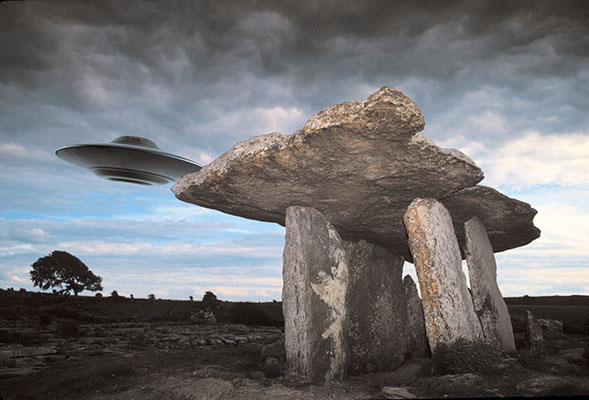
  • The Enlightened Ones: The Illuminati and the New World Order

    The Enlightened Ones: The Illuminati and the New World Order

    From New Dawn Special Issue 11 (Autumn 2010)

    The world is governed by far different personages from what is imagined by those who are not behind the scenes.
    – Benjamin Disraeli, nineteenth century British prime minister, in a speech to Parliament

    On 1 May 1776, the year of the beginning of the American revolution against British colonial rule, a young university professor, Adam Weishaupt (1748–1830), from Bavaria, founded the Order of Perfectibilists, later to become world famous as the Illuminati or ‘Enlightened Ones’.

    Weishaupt’s family had Jewish ancestry, but he was brought up in the Roman Catholic faith and educated by the Jesuits. His father died when he was seven and he was fostered by his godfather, a German aristocrat called Baron Ickstett. Although schooled by priests from the Society of Jesus, the young boy spent hours in his godfather’s extensive library reading learned works on philosophy and science. As an undergraduate at university, Weishaupt studied the ancient Greek Eleusian Mysteries and the mystical doctrines of the Greek philosopher Pythagoras. Even at this young age he was thinking about forming a secret society based on the pagan mystery schools. He later wrote:

    At a time, however, when there was no end of making game of and abusing secret societies, I planned to make use of this human foible for a real and worthy goal, for the benefit of people. I wished to do what the heads of the ecclesiastical and secular authorities ought to have done by virtue of their offices.

    Adam Weishaupt became a lay professor in canon law at the Jesuit-run University of Ingoldstat near Munich while still a young man. His sudden rise to prominence in the university and his radical views caused consternation among the Jesuit priests. This led him to become involved in many bitter disputes with them about matters pertaining to religion.

    In 1774 in either Hanover or Munich Weishaupt became interested in Freemasonry. However, he was disappointed in what he found, believing the Freemasons did not understand Masonry’s occult significance, and refused to accept its roots in the ancient pagan religions. In 1777, he finally joined the Masonic Lodge of the Strict Observance Rite in Munich, which practised a form of neo-Templar-Masonry.

    At this time the Order of Perfectibilists also became known as the Order of Illuminists or the Order of the Illuminati, sometimes known to its members as the Society of the Hidden Hand. Illuminati was the plural of the Latin Illuminatus, from illumino meaning lighten or enlighten, or ‘enlightened one’, a term used to describe the initiates of the pagan Mysteries. At first the Order had only five members who were radical freethinkers, but they soon attracted the attention of Bavarian society and within ten years of its foundation there were over 2,000 members.

    Illuminism spread from Ingoldstat all over Bavaria and then to other German regions such as Saxony, Westphalia and Franconia that were at the time ruled by feudal princes. It was also exported abroad to the Austria-Hungarian Empire, France and Italy. The Illuminati’s membership was largely drawn from the middle and upper classes and in this respect it is ironic that revolutionary movements are seldom started by the working-class. Instead, they are usually led by intellectuals and disenchanted members of the ruling power elite. Members of the Illuminati allegedly included doctors, teachers, lawyer, judges, university professors, priests, police and military officers, and aristocrats such as Duke Ferdinand of Brunswick, Duke Ernst of Gotha, Duke Karl of Saxe-Weiner, Prince Augustus of Saxe-Gotha, Prince Carl of Hesse, and Baron Dalberg.

    The inclusion of these aristocratic and royal rulers in its membership roll seems strange considering the aims of the Illuminati. Adam Weishaupt’s personal vision was a utopian pacifist society without monarchy, private property, social inequality, national identity and religious affiliation. In this new state people would live together in harmony in a universal brotherhood based on peace, free love, spiritual wisdom, intellectual and scientific knowledge, and equality. According to Weishaupt’s doctrine in his own words:

    Salvation does not lie where strong theories are defended by swords, where the smoke of censers ascends to heaven, or where thousands of strong men pace the rich fields of harvest. The revolution which is about to break [the French Revolution] will be sterile. It is not complete.

    The Illuminati’s main targets for criticism were the rule of the European royal families, the power of the Roman Catholic Church and the rich landowners who kept the peasants in a feudal state of servitude and poverty. According to its enemies, this doctrine was represented in the oath of allegiance taken by new members when they joined the Order. They allegedly promised to hate and resist, “The altar [the Church] and the throne [monarchy] and to crush the God of the Christians and utterly extirpate the kings of Earth.”

    Initiation into the Illuminati

    The anti-royalist and anti-clerical nature of the Illuminati was also reflected in its initiation ceremony. The candidate was led into a small room where, in front of an empty throne, a table stood with the traditional symbols of kingship – a sceptre, sword and crown – on it. The candidate was invited to pick up these objects, but if he did then he would be refused entry into the Order. Having passed this test, he was led into a second room with a table draped in black cloth. On this table were a plain wooden cross and a red Phrygian cap as worn by initiates of the ancient Mithraic Mysteries. The cap was given to the initiate and he was told to wear it proudly as it was worth far more than the crown of any king.

    New members were called Minervals, from the pagan goddess of wisdom Minerva, and the Order’s primary symbol was a wreath of oak leaves surrounding an owl sitting on an open book. This represented the essential combination of wisdom and knowledge, and the owl was also the sacred bird of Minerva. This symbol was made into a pendant that the Illuminati could wear secretly under their ordinary everyday clothes. It is tempting to see a connection between this emblem and the giant statue of an owl that features in the modern rituals at Bohemian Grove in California. At this private estate an annual gathering of male politicians, businessmen and media executives takes place, and it is claimed by some conspiracy theorists to be an Illuminati front.

    Adam Weishaupt believed in the eventual redemption of humanity and the restoration of human beings to the state of perfection that is supposed to have existed before the Fall and the expulsion of Adam and Eve from the Garden of Eden. He also believed this redemption was only obtainable by following the esoteric teachings preserved by the pagan mystery schools who were the guardians of the Ancient Wisdom. Both men and women could become members of the Illuminati and they were taught religious freedom, and the choice to follow any or no religious belief. To live without the moral straitjacket of the sexually puritanical and corrupt Church was their birthright as human beings.

    How the Illuminati Recruited and Expanded Across Europe

    The new member was expected to recruit others into the Order like a modern form of pyramid selling. Because of Weishaupt’s involvement with Freemasonry, it was decided to use the movement to spread the Illuminati message and members were encouraged to join Masonic lodges. In 1780 Baron Adolf Franz Freidrich Knigge (1752–1796), a German diplomat, was initiated as an Illuminist. He was already a Freemason and under his direction Illuminism spread throughout the Masonic lodges of Europe. He also introduced several degrees or grades of initiation into the Order. These grades were Novice, Minerval, Illuminatus Minor, Illuminatus Major, Knight, Priest, and Magus. A Priest for instance was a person who taught the other members the occult sciences, philosophy, history, politics and the arts and crafts.

    Weishaupt established a network of Illuminist agents throughout Europe with access to prominent politicians, priests and cardinals, nobility and royalty. They reported back to the Grand Master of the Illuminati supplying him with intelligence and gossip collected and used for his own personal purpose. It is possible the aim was to blackmail people in powerful positions and thereby control them. By this time his enemies were claiming Weishaupt had decided his utopian anarcho-libertarian society could not be achieved peacefully. Allegedly he began plotting to overthrow the monarchies and governments of Europe using force if necessary.

    In 1784 Baron Knigge and Adam Weishaupt quarrelled about the direction of the Order and this coincided with the exposure by police spies of an alleged Illuminist plot to overthrow the ruling Habsburg dynasty of the Austro-Hungarian Empire. In the same year a royal edict was issued by Duke Karl Theodor, the ruling elector of Bavaria and a prince of the Holy Roman Empire, banning membership of all secret societies not officially recognised by the state. This edict specifically mentioned the Order of Perfectibilists, which was described as a renegade branch of Freemasonry.

    Soldiers, police officers, judges, university professors, schoolteachers and anyone working for the civil service were forced to admit to their membership of secret societies and had to either leave or be dismissed from their posts. In 1785 Adam Weishaupt was removed from his own position at the University of Ingoldstat and banished from the city of Munich to live in the countryside on a state pension. He moved to Regensburg where he was protected by Duke Ernst of Saxe-Gotha, an ancestor of the present British royal family who are of German descent. In World War I they changed their family name from Saxe-Gotha-Coburg to the House of Windsor after anti-German protests.

    In October 1786 the Bavarian authorities seized a cache of Illuminati secret documents from the home of a member of the diplomatic corp, Xavier Zwack, in Landstut and the castle of Sondersdorf belonging to Baron Bassus, both prominent members of the Illuminati. These were published in Munich in 1787 under the title Einige Originalschiften des Illuminaton Ordens. They revealed the full extent of the Illuminati’s alleged plans to destroy Christianity, topple the monarchy, overthrow the civil governments of Europe and eventually extend their influence worldwide. Even though it was claimed these documents were blatant forgeries, as a result of their publication the Order was legally prohibited and membership of it could result in the death penalty.

    Many critics of the Illuminati saw its ‘hidden hand’ behind both the French and American Revolutions in the eighteenth century and believed it survived underground after its prohibition. The fact that Adam Weishaupt lived for another forty-three years in apparent obscurity led to speculation the Illuminati also survived. One of the founders of the French Revolution, the Comte de Mirabeau, was rumoured to have been a secret Illuminist. Some claim the plan for the original uprising to storm the Bastille prison in Paris that sparked the Revolution was discussed and agreed at a closed session of the Grand Masonic Convention in 1782. Count Mirabeau is supposed to have addressed the delegates and said his aim was to destroy the French monarchy and the Roman Catholic Church in France. In its place he said a “religion of love” would be established to replace it. In fact, during the French Revolution religious observance was temporally replaced with the secular worship of the Goddess of Liberty.

    Groups Claiming to Inherit the Mantle of the Illuminati

    Following the prohibition of the Order of Perfectibilists, several occult secret societies claimed to have inherited its mantle and to be carrying on its work. These included the Society of Illuminists founded in Avignon in the late 1780s by the unlikely partnership of an excommunicated Catholic priest and a Polish count. It later changed its name to the Academy of True Free Masons when it moved its headquarters from Avignon to Montpelier. Although it is rumoured the group still existed in 1812, it actually stopped functioning during the French Revolution and the Reign of Terror that followed it.

    The Concordists were a Russian secret society founded around 1790 as the alleged successor of the Bavarian Illuminati. They were suppressed in turn in the early 1800s by the Russian government who outlawed them as a subversive political organisation. In the early 1900s a journalist and spy for the Prussian secret police called Albert Karl Theodor Reuss (1855–1923) used a charter of authority supplied by the English Freemason John Yarker to establish a new Academy of Masonry. The Academy was later amalgamated into the Ordo Templi Orientis, the Order of the Eastern Temple or Order of Oriental Templars founded by high-ranking German Freemason Karl Kellner.

    The OTO was connected with John Yarker’s Masonic Ancient and Primitive Rite of Memphis and Mizraim and was supposed to possess the key to all the Masonic-Hermetic mysteries. Kellner claimed to have been taught these ‘secrets’ by three Eastern adepts. Theodor Reuss is mostly remembered today for initiating the notorious twentieth century occultist and magician Aleister Crowley into the OTO in 1912. The Great Beast 666, as he called himself, and known to the sensational newspapers as ‘The Wickedest Man in the World’ (surely not compared with his contemporaries Stalin and Hitler?) became the head of the Order in Britain and Europe. He claimed that the OTO was a Rosicrucian-Illuminatist group descended from the Bavarian Illuminati. Crowley was also a long-term secret agent working for MI6 or the British Secret Intelligence Service.

    In the twentieth century the alleged surviving Illuminati in its various clandestine forms was seen as the eminence gris behind World Wars I & II, the Bolshevik Revolution and fall of the Romanovs in Russia in 1917, and the rise of both communism and fascism in Europe in the 1920s and 1930s. It was widely believed by conspiracy theorists that the organisation would back any political group or doctrine or social movement and indulge in left and right-wing politics to achieve its age-old aims. Because Adam Weishaupt was of Jewish descent, the Illuminati became connected with Zionism, the international banking system, and even the entertainment industry and Hollywood where Jews are prominent.

    In the modern world the Illuminati have been seen as a major factor and influence in international power politics, allegedly fomenting wars, civil disorder and revolutions in their attempt to establish a one-world government. They have variously been seen behind the contrasting ideologies of globalism and neo-conservatism, multiculturism, environmentalism and ‘green’ politics, the 1960s ‘permissive society’, and the New Age spiritual movement. The Illuminati have also been held responsible for the fall of the Soviet Union (which paradoxically they are supposed to have created) and the military policing actions by the United Nations, the Anglo-American alliance and NATO since the end of World War II.

    It is claimed the draconian anti-terrorism laws introduced by Western governments in the wake of 9/11 and the emergence in recent years of a ‘Big Brother’ electronic surveillance society, where human rights and freedoms are restricted or infringed, is the work of the Illuminati from behind the scenes. Organisations such as the European Union (EU), the proposed North American Union (NAU) of the USA, Canada and Mexico, the UN, and the World Bank, are seen as Illuminati projects.

    Secret ‘Shadow Government’ Groups

    So-called ‘shadow government’ groups such as the Council on Foreign Relations (CFR), the Bilderberg Group and the Trilateral Commission set up after World War II, are also said to be fronts for the modern manifestation of the Illuminati. The CFR was founded in 1921 by Colonel Edward House, a political advisor to President Woodrow Wilson and financed by wealthy international bankers. Colonel House was denounced by his political enemies as a Marxist seeking to establish a socialist government in the USA leading to a one-world government. Paradoxically before World War II the CFR was accused of supporting and financing the rise of Hitler and the Nazi party in Germany. After the war it was labelled a populariser of international socialism through the UN. The CFR’s apparently contradictory political aims were explained by conspiracy buffs as typical of the Illuminati fronts that use both left and right politics. That is why the organisation recruited its US members from both the Democrat and Republican parties.

    Allegedly, another sinister arm of the modern ‘shadow government’ and the Illuminati is said to be the Bilderberg Group. Founded in May 1954, it held its first meeting at the Bilderberg Hotel in Osterbeck near Arnhem in the Netherlands. The Bilderberg Group was organised with the support of the CIA by Dr. Joseph Retinger, a mysterious figure involved in international Freemasonry and secret intelligence work, and Prince Bernard of the Dutch royal family. In 1946 Retinger told a meeting of the CFR in London that his personal political vision was a united Europe as a bulwark against anti-Americanism and communism. His plans took a step forward eight years later when the Bilderberg Group began its annual meetings attended by representatives of the business world, international banking, the media, the military-industrial complex and politics.

    Few people attending Bilderberg meetings have ever talked publicly about what happened or what was discussed. However, Denis Healey, a larger-than-life character who was Chancellor of the Exchequer in the Labour government of the 1970s, once let the proverbial cat out of the bag in a television interview. Asked what the Bilderberg Group was, Healey admitted its ultimate political aim was “a single community throughout the world” or a one-world government.

    The 2009 Bilderberg Conference was held from 14-17 April at a hotel in a town near Athens, Greece. Among the participants were the queen of the Netherlands, former prime ministers and prominent government ministers from the host country Greece, the USA, the United Kingdom, Turkey, Belgium, the Netherlands and France, representatives of NATO, the UN, the American National Security Agency (NSA), directors of international banks, and the World Trade organisation, and the editors of national and international financial newspapers and magazines.

    According to conspiracy theorists and professional Bilderberg watchers, those who attended this meeting apparently agreed to produce a false picture for the public of imminent economic recovery from the global recession and banking crisis. The attendees were to encourage banks and private investors to put their money back into the stock markets. The plan is apparently to create a new financial crisis in 2010 that will plunge the world into a deeper and more serious recession than we have so far experienced. This would cause high levels of unemployment and civil disorder and pave the way for more draconian laws to control the population. Eventually the situation would get so bad that martial law would have to be declared and there would be calls for a one-world government to be set up to restore global order. The meeting also allegedly backed the Lisbon treaty, which will eventually create a European federal super-state or United States of Europe with a single currency, the Euro.

    In his State of the Union address in January 1991, President George H. Bush told US Congress the impending Gulf War to liberate the oil-state of Kuwait from Iraqi occupation was part of a new “big idea” he called the New World Order. He described it as bringing together diverse nations in a common cause to achieve “the universal aspirations of humankind, peace and security, freedom and the rule of law.” Many of those who heard or read the address interpreted President Bush’s remarks as a coded reference to the Illuminati’s aim of a global government.

    With the election of the first black president in American history, Barack Obama, in November 2008, it seemed as if the neo-con forces with their New World Order agenda had been defeated. It was widely predicted by media commentators and political experts that America was entering a new stage in its development, a time of hope and change when the discredited right-wing policies of the neo-cons would be consigned to the garbage can of history. This was illustrated by postcards on sale in the UK showing the new president as a shining knight on a white horse. The picture was simply captioned ‘Hope’.

    It has been pointed out that for the first time in a generation there appeared to be no known links between President Obama and ‘shadow government’ groups such as the Bilderbergers. However, rumours of a secret tryst between Senator Hilary Clinton and Senator Obama in Virginia during the Bilderberg Group meeting of 2008 held in that state raised suspicions. It was suggested both politicians may have secretly attended the meeting. Also several prominent members of the Obama administration have been identified as Bilderberg attendees and members of the CFR and Trilateral Commission, which as its name suggests brings together leading past and present politicians from Europe, the United States and Japan. This is not surprising considering that, Illuminati front or not, the so-called ‘shadow government’ acts as a training and recruiting agency for the Western world’s aspiring politicians.

    This ongoing story of the Illuminati, and the secret societies claiming to succeed it, is one of a conflict between opposing forces seeking ultimate power for different reasons. It exposes a sinister agenda on those who have hijacked democracy and the idealistic concept of a utopian form of government guaranteeing real freedom to all its citizens. It is a noble concept corrupted for selfish political purposes using xenophobia, religious intolerance and fear as its weapons of choice.

    The modern heirs of the Illuminati, if that is what they really are, are hardly ‘enlightened ones’ as they are only interested in the acquisition of personal power, the suppression of knowledge, and the control of the masses who they want to keep in a state of ignorance. However, there is still hope that genuine initiates of the Ancient Wisdom are working secretly behind the scenes of international politics to improve our modern world and lead it to a brighter future.

    [alert type=”general” dismiss=”no”]This article was published in New Dawn Special Issue 11.[/alert]

    [alert type=”success” dismiss=”no”]If you appreciate this article, please consider subscribing to help maintain this website.[/alert]

    © New Dawn Magazine and the respective author.
    For our reproduction notice, click here.