New Dawn – World's Most Unusual Magazine

Category: Articles

  • Magical Words: General Semantics & the Power of Language

    Magical Words: General Semantics & the Power of Language

    From New Dawn 181 (Jul-Aug 2020)

    Words hold incredible power. When used poetically, they can evoke the most primal of passions within us. When used destructively, they can wage war and create conflict. When used imaginatively, they can create fantastic worlds of fantasy. When used persuasively, they can seduce us into the empty promises of commercial advertising. When used benevolently, they can facilitate social, economic and political change. Words can be used to control us, motivate us and inspire us, and yet many of us are unaware of their hidden esoteric power. 

    It could be argued that words have a life of their own. They have a reality independent of our own existence. As the writer William Burroughs observed, certain words and phrases function in a similar way to a virus (see page 40); they spread from person to person until they become embedded in our collective consciousness. One only has to look at the countless memes that become ‘viral’ on the internet to acknowledge their inherently infectious quality. 

    The biologist and writer Richard Dawkins argues that words operate in a similar way to DNA. Concepts and ideas battle against each other for survival and those which are successful become populated across societies. He writes: “Just as genes propagate themselves in the gene pool by leaping from body to body via sperms or eggs, so memes propagate themselves in the meme pool by leaping from brain to brain via a process which, in the broad sense can be called imitation.”1

    Politicians are particularly aware of the power that language holds over us. During the US presidential campaign in 2008, Barack Obama employed a lexicon of ‘hope’ to instil a feeling of optimism in marginalised communities, and envision a more compassionate America. When Donald Trump was elected to the White House in 2016, the term ‘alternative facts’ became popular among the conservative right of politics to discredit what different news outlets were reporting on various scandals surrounding the new administration. The use of rhetoric proved highly important during the UK’s ‘Brexit’ referendum in 2016, which saw both sides of the political spectrum using highly emotive language to divide voters on key issues. As the linguist Noam Chomsky observes, words are the ultimate currency of political power and are manipulated to create a sense of tribal kindship within certain electoral factions.2 

    Commercial businesses are also aware of the hypnotic effects of language. Each year, corporations spend billions of dollars investing in advertising campaigns to promote products and target consumer demographics. Much of the time, they use loaded language – words with positive or negative connotations to describe a product or that of a competitor. These words appeal to consumers’ emotions, rather than their logical faculties, thereby fetishizing the product being sold. For years, the Coca-Cola Company used the phrase, “the pause that refreshes,” to convey the image (and implant the memory) of the refreshment brought on by consuming a bottle of fizzy coke. These advertising phrases have a memetic quality and become embedded in our collective unconscious, acquiring a mythological status as they get passed on from person to person. 

    Occultists, mystics and shamans have always been familiar with the power of words. One only has to look to religions such as Hinduism and Buddhism and the use of mantras to recognise how language invokes intense feelings of spiritual connection. In Christian cosmology, one of its key precepts reads: “In the beginning was the Word, and the Word was with God and the Word was God.”3In all forms of magic and occultism, secret words and combinations of words were of paramount importance. The fact that the word ‘spell’ is used to denote how certain words are organised is testament to the magical power of language. 

    But how powerful is language? We know that language can affect how we feel but can it also shape our perception? To what extent are our experiences of the world influenced by the modes of communication we use each day? 

    Korzybski & General Semantics 
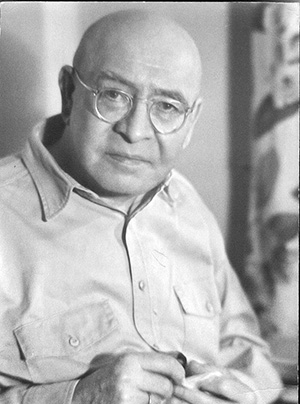
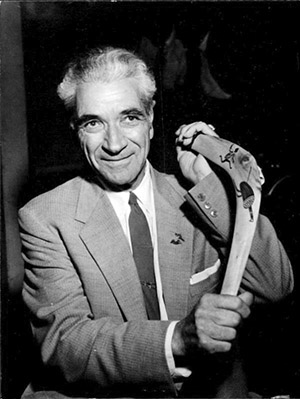
    Alfred Korzybski (1879–1950)

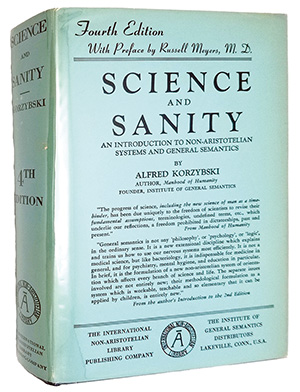
    In 1933, the Polish-American scholar Alfred Korzybski published his seminal work, Science and Sanity: An Introduction to Non-Aristotelian Systems and General Semantics.4 The book established a new school of thought, General Semantics, which studies the relationship between language and reality. 

    Although the book was criticised at the time of publication, Korzybski’s ideas were subsequently developed by the American academic S.I. Hayakawa in Language in Thought and Action.5 Since then, General Semantics has become a systematic philosophy of linguistics, influencing a variety of academic disciplines. As the American linguist Benjamin Lee Whorf noted, General Semantics is the examination of how language “isolates the world of phenomena into categories and organise[s] the categories in our minds by means of our linguistic system; our speech communities slowly codify the patterns of language in such a way that its terms become absolute and obligatory and therefore we cannot communication without subscribing to the organisation and classifications that the language decrees.”6 

    The first premise of General Semantics is that language never constitutes reality but merely describes it. As Korzybski stated, “every language having a structure, by the very nature of language, reflects in its own structure that of the world as assumed by those who evolve language.” Because language is diagrammatic, the words we use are never equal to the event, person, object or experience that we are describing. For instance, an individual who has acted outside the law may be described as ‘criminal’, however, another person may describe them as ‘responsible’ because they are a good father to their children; neither description is true but neither description is false either. In this sense, language cannot be considered a representation of the world since it depends on the exclusionary categorisation of phenomena to effectively function as a communicative tool.7 
    The second premise of General Semantics if that language never describes reality in its entirety. Korzybski famously said “the map is not the territory.” For example, when I describe a person as ‘happy’, I am excluding all the times that they have experienced anger, depression or jealousy. When I describe a person as ‘respectable’, I am disregarding all the times they have jumped a red light or pushed into a queue. In other words, our linguistic models may be considered inaccurate since they describe events, experiences, objects and people from a single position of space-time, rather than all potentialities simultaneously.8 

    The third premise of General Semantics is that in order for us to use language more meaningfully, we must constantly re-evaluate our assumptions about reality. As Korzybski stated, “no map can be accurate unless it contains itself within the map.” That is to say, when we attempt to describe reality using a particular linguistic model we must be aware that our descriptions are limited by the information that we have at that particular time. For example, prior to Einstein’s theory of relativity, it was common for scientists to describe space and time as separate aspects of the physical universe; we now describe them as being part of a space-time continuum. In this sense, all linguistic models are grounded in the limited knowledge we have of the world around us; they must be constantly updated and revised to account for recent developments in our understanding.9

    As Korzybski observed, language can influence our thoughts, feelings and behaviour. I may call a person an ‘idiot’ because they have acted foolishly or made an error of judgement, but labelling them in such a categorical manner may result in me acting differently towards them than if I had said, “at this particular time, in this particular place, this person is acting foolishly.” By recognising the assumptions that underlie our linguistic models, we can become more pragmatic in our descriptions of the world; we can assume greater control over language and use it to our advantage. The American author, poet and futurist Robert Anton Wilson said: “Those who control symbols control us. You might as well say those who control symbols have the whole world hypnotised. You better become a controller of symbols yourself or you’re going to remain in a trance, a self-hypnotic ideational trance that somebody else laid on you.”10 

    Korzybski is not alone in thinking that language and thought are inextricably linked. Cognitive scientist Lera Boroditsky claims that, “Linguistic processes are pervasive in most fundamental domains of thought, unconsciously shaping us from nuts and bolts of cognition and perception to our loftiest abstract notions and major life decisions.”11 David Ludden, professor of psychology at Georgia Gwinnett College, also believes that “each language carves up the world somewhat differently… each language provides its speakers with a particular worldview that won’t be quite the same as the one that speakers of other languages have. In other words, we see the world according to the framework our language imposes on us.”12

    When you think about it, the notion that language and cognition are fundamentally connected is not a particularly radical one; our thoughts, feelings and behaviours are constantly influenced by our choice of words. Anyone who has been around a person with an exceptionally optimistic attitude knows that positivity is infectious, it rubs off on you. In the same way, negative words and phrases become part of a psychological feedback-loop that reinforce our feelings of depression and negativity. Advertising is such a powerful tool of the capitalist system because language can be strategically used to place us in a hypnotically induced state of emotion, whereby we associate certain feelings with specific words, logos and expressions. 

    Language & Sensory Perception

    Many academics criticise Korzybski’s assertion that language shapes experience, arguing that our linguistic models embody the neurological structure of the brain. However, scientific research into the relationship between language and sensory perception demonstrate that the scope of our vocabulary can actually modify our experiences of reality. In 2008, psychologists from the University of London tested how speakers of English and Himba – a language spoken in northern Namibia – categorised colours presented to them on a computer screen. The Himba language classifies colours in a different way to English. For example, Himba does not contain separate words for green and blue (both use the word buru), whereas English does. Moreover, Himba uses different words to distinguish between various shades of green (dambu and zuzu to light and dark green), while English classifies both dark green and light green as members of the general category ‘green’.13

    The researchers found that this linguistic difference also translated into a perceptual difference: when shown a circle with 11 green squares and one blue square, Himba speakers struggled to indicate which one was different from the others. However, when they were presented with 12 green squares, one of which was slightly lighter than the others, the pattern reversed: Himba speakers readily identified the different shade, however English speakers failed to do so. In other words, speakers of both languages were better at distinguishing between colours that had a linguistic distinction in their language. English speakers, whose language classifies ‘green’ and ‘blue’ separately, found it easier to distinguish between the two. Himba speakers, on the other hand, whose language encodes differences between shades of green, had no difficulty in differentiating between various green hues. 

    Similarly, a study conducted by Jonathan Winawer and his research colleagues at the Massachusetts Institute of Technology found that native speakers of Russia discriminated between light and dark shades of blue differently to their English-speaking counterparts. Unlike English, the Russian language makes a linguistic distinction between light blue, pronounced ‘goluboy’, and dark blue, pronounced ‘siniy’. The researchers tested English and Russian speakers in a timed colour discrimination task, using blue stimuli that spanned the siniy/goluboy border. The data revealed that Russian speakers were much quicker at discriminating between the two colours because of this linguistic differentiation. The research demonstrates that when people have access to wider vocabulary to describe colours, their sensory perception of colour actually becomes more acute.14 

    It turns out that grammatical structures can also influence perception. Many languages are gendered, meaning that speakers are required to modify pronouns, adjectives and verb-endings depending on whether a noun is ‘feminine’ or ‘masculine’. In the Russian language, for example, the word ‘chair’ is considered masculine and therefore any sentence containing the word must adhere to a ‘masculine’ grammar structure. Assigning a gender to a particular word does not just change the structure of a language but also our perception of certain objects. In a study conducted by Lera Boroditsky, Assistant Professor of Cognitive Science at University of California San Diego, researchers found that when asked to describe an object, speakers were more likely to use adjectives associated with its assigned gender. For example, in the German language, ‘bridge’ carries a feminine pronoun, and therefore Germans were more likely to refer to a bridge as ‘beautiful’ or ‘elegant’. Spanish speakers, on the other hand, were more likely to refer to a bridge as ‘strong’ or ‘sturdy’ because the word is masculine in the Spanish language.15
    The Implications of General Semantics 

    The fact that language can shape our reality so viscerally has significant implications. It demonstrates that words have the power to contextualise our perceptual experiences and influence how we see the world. If we are to engage in open and honest discussions about social, political and economic issues, we need to understand how language can be manipulated, controlled and even abused. 

    In the age of social media, where our thoughts and opinions are condensed to 140 characters, we must question the biases, assumptions and preconceptions that underlie our current linguistic models. Much of our disagreements stem from the fact that we are limited by our language; we are prisoners to a particular linguistic system that does not account for the nuances of our reality. 

    Take the abortion debate. Many people are divided on this particular issue because they have different perceptions of what is meant by the word ‘life’. Some believe that a small cluster of cells constitutes ‘life’, while others believe that ‘life’ must possess a consciousness; a human awareness. In this sense, the boundaries of political engagement are essentially calibrated by the linguistic models to which we have access. 

    If language has the potential to alter our perception of colour, it surely has the potential to alter our perception of people, communities and societies. Once we understand the power that words have over us, we can begin to assume greater control over the symbol-systems that govern our lives; we can recognise when language is being used to control, deceive and misinform us. It is only then that we can use language more honestly and meaningfully. 

    [alert type=”general” dismiss=”no”]This article was published in New Dawn 181.[/alert]

    [alert type=”success” dismiss=”no”]If you appreciate this article, please consider subscribing to help maintain this website.[/alert]

    Footnotes

    1. The Selfish Gene by Richard Dawkins, Oxford Paperbacks, 1989
    2. Language and Politics by Noam Chomsky, AK Press, 2004
    3. John 1:1, The Holy Bible, New International Version, 2011
    4. Science and Sanity: An Introduction to Non-Aristotelian Systems and General Semantics by Alfred Korzybski, Institute of General Semantics, 1995
    5. Language in Thought and Action by S. I. Hayakawa, George Allen & Unwin Ltd., 1959
    6. Language, Thought and Reality by Benjamin Lee Whorf, MIT Press, 1964
    7. Science and Sanity, Korzybski
    8. Language in Thought and Action, Hayakawa
    9. Science and Sanity, Korzybski
    10. Lecture by Robert Anton Wilson, www.generalsemantics.org/wp-content/uploads/2011/04/gsb-65-wilson.pdf
    11. How does our Language Shape the Way We Think? by Lera Boroditsky, https://www.edge.org/conversation/lera_boroditsky-how-does-our-language-shape-the-way-we-think
    12. How Language Shapes Our World by David Ludden Ph.D, https://www.psychologytoday.com/gb/blog/talking-apes/201509/how-language-shapes-our-world
    13. Knowing Colour Terms Enhances Recognition: Further Evidence from English and Himba by Julie Goldstein, Jules Davidoff and Debi Roberson, Journal of Experimental Child Psychology 102 (2009) 219-238
    14. The Russian Blues Reveal Effects of Language on Colour Discrimination by Jonathan Winawer, et al, Proceedings of the National Academy of Sciences of the United States of America, 2007; 104(19): 7780-7785 
    15. Language in Mind: Advances in the Study of Language and Thought, edited by Dedre Gentner and Susan Goldin-Meadow, MIT Press, 2003

    © New Dawn Magazine and the respective author.
    For our reproduction notice, click here.
  • Crystal Healing & Power in the Great Southern Land

    Crystal Healing & Power in the Great Southern Land

    From New Dawn 161 (Mar-Apr 2017)

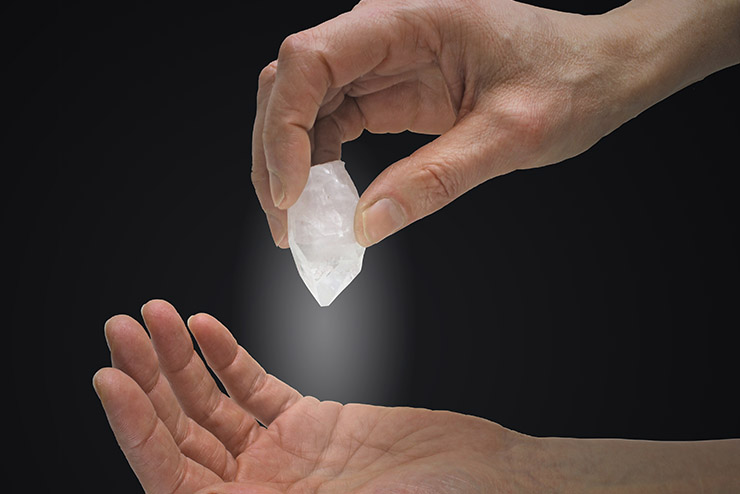
    A recent issue of New Dawn delved into the secretive world of the Aboriginal shaman or “clever man” as he was known to his people. Briefly mentioned by Bruce Stringer in his article ‘Cleverman’ (in New Dawn 159) was the use of quartz crystals in the life and work of these powerful figures. Quartz crystals played a role in shamanic initiation ceremonies and in healing. 

    In his book Aboriginal Men of High Degree, Australian anthropologist A.P. Elkin describes meeting Aboriginal people “of high degree” who are the equivalent of what we know in other traditions as “medicine men” or “shamans.” He reports that crystals played a prominent role in the beliefs of these “clevermen.” Elkin says they would carry quartz crystals on their person, and the Wiradjeri shamans spoke of quartz as being solidified “sacred powerful water” which was to be sprinkled on initiates. The process was symbolically described: “The water spread all over the postulant and was completely absorbed. Then feathers emerged from the latter’s arms, which grew into wings in the course of two days.” 

    Ronald Rose in his 1957 book Living Magic relates the dramatic initiation of two young Aboriginal boys. At a moment of great emotion, a vision of an old man showed them “a large, bright crystal that stole light from the dawn and dazzled their eyes.” Soon the boys felt strange things moving on their bodies, “things that felt like snakes and spiders… He thought he felt the sharp stab of fangs in his leg and it went numb.” One of the boys trembled, perspired and tensed up; he failed the test and was led away. The other one sank into “a state of repose that was almost sleep.” In this trance-like state, the boy saw strange and wonderful things. The clevermen conducting the initiation seemed to walk into eucalyptus trees; they melted into the trees and a moment later appeared on the other side. Then the clevermen “…produced from within themselves great numbers of gleaming quartz crystals… Each old doctor (cleverman) formed a small pile of crystals beside him. These, too, were part of his power, symbols of the sacred water that each had acquired during his making as a clever-man. With these the doctor could perform miracles: the crystals warned him of the approach of enemies, he was assisted by them in making his cures, he could project one or more into an enemy and thus kill him.” 

    The same Aboriginal tribe, the Wiradjeri, believed that a supernatural being known as Baiame sung “a piece of quartz crystal into their forehead so that they will have X-ray vision.” Along with this power also come an ability to “fly.” 

    Aboriginal clevermen, as well as shamans and seers in different parts of the world, valued quartz and other crystals as power objects to spiritually connect them with the other ’worlds’. 

    Through the eyes of modern science, we now understand a lot more about crystals and how they could be useful in the context of a different approach to reality such as that lived by our ancient ancestors. The work of researchers such as Nicholas Pearson, author of The Seven Archetypal Stones, helps explain how a subtle energy field is generated by a crystal’s lattice. Each different type of crystal produces its own orderly energy field, which is broadcast into the immediate environment. What we don’t know is the exact nature of the crystal connection to other dimensions and ’worlds’ nor how to truly harness the full power as revealed in the stories recorded and written down from the time when human communities lived inside different reality frameworks.

    [alert type=”general” dismiss=”no”]This article was published in New Dawn 161.[/alert]

    [alert type=”success” dismiss=”no”]If you appreciate this article, please consider subscribing to help maintain this website.[/alert]

    © New Dawn Magazine and the respective author.
    For our reproduction notice, click here.
  • Home Apothecary: Oils, Rocks & Fungi – What Did Your Nanna Have In Her Medicine Cabinet?

    Home Apothecary: Oils, Rocks & Fungi – What Did Your Nanna Have In Her Medicine Cabinet?

    From New Dawn Special Issue Vol 11 No 5 (Oct 2017)

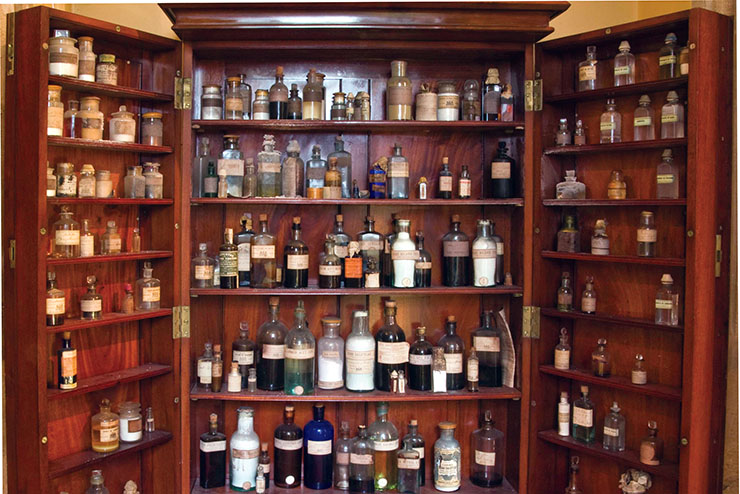
    Natural substances that were once abundantly used for health and well-being are making a comeback today. All are easily and cheaply obtained from the local supermarket, chemist or hardware store. 

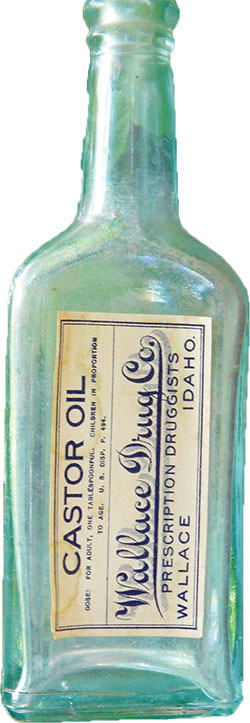
    Castor Oil

    Castor oil is derived from the castor bean plant, aka Palma Christie. It has been used since ancient Egyptian times and in many Ayurvedic medications. Castor oil supports the immune system as it contains a very dense source of ricinoleic acid (an unsaturated fatty acid), increases the count of T-11 cells (white blood cells) and boosts lymphocyte production. It helps detox by supporting the lymphatic system, increases blood circulation, and supports the digestive system while reducing viruses, bacteria, yeasts and moulds.

    Applied topically, castor oil can help ease pain while promoting the healing of internal organs. Edgar Cayce advocated the use of Castor Oil Packs – applying castor oil to painful areas with a heat source (specific instructions can be found at www.edgarcayce.org). Rub into the stomach for digestive disorders, on the kidneys for infection and pain, on the neck for lymphatic drainage or over the adrenal glands to fight fatigue. Its anti-inflammatory properties help ease joint pain by simply rubbing it into the joint and applying a hot water bottle.

    Castor oil kills toenail fungus within days and has been used with a pinch of baking soda to remove cysts, warts, corns and moles. Absorbed easily through the skin, it has also been known to dissolve internal cysts in the ovaries. It helps any skin inflammation, including acne, while also used as a beauty product to nourish the skin and hair (reduces dandruff and scalp infections).

    Taken internally, castor oil is a mild laxative and helps regulate hormone levels, such as estrogen. It has been used to lessen PMS and menopause symptoms while reducing fatigue, mood swings and depression. It should not be taken during pregnancy, as it can induce labour.

    Cod Liver Oil

    This nutrient-dense source of vitamin A, vitamin D and omega-3 fatty acids has been a favourite of grandmas all over the world for general well-being. Oiling the ‘creaks’ from the inside, cod liver oil is an excellent anti-inflammatory. It plays an important role in maintaining cardiovascular, immune, reproductive, hormonal and neurological health.

    Cod liver oil has been reported to lower cholesterol and high blood pressure, treat depression and anxiety while reducing risks of heart disease, arthritis, autoimmune disease, kidney disease and eye disorders. Omega-3 fatty acids keep the brain sharp and are particularly helpful for children struggling at school. Cod liver oil has one of the richest sources of vitamin D and works with calcium to provide good bone health, prevent cancer, and vital for proper cognitive health.

    In inflammatory conditions such as arthritis, cod liver oil reduces swelling, stiffness and pain. Used during pregnancy and lactation, cod liver oil has helped produce healthier babies and been linked to higher brain development. As it nourishes the brain, cod liver oil has also been found helpful in preventing Alzheimer’s disease.

    Epsom Salt

    Epsom salt is a natural mineral compound of magnesium sulphate (MgSO4 – magnesium, sulphur and oxygen), three essential elements required for a healthy body. Magnesium and sulphur are readily absorbed through the skin, therefore taking an Epsom salt bath is the most beneficial way to ease tired muscles and release stress. Add one to two cupfuls of Epsom salt to your bath and soak for 20 minutes. Stress drains the body of magnesium and increases adrenaline levels. Absorbing the magnesium from Epsom salt lowers the effects of adrenaline, helps lower blood pressure, creates a relaxed feeling, improves sleep and concentration, reduces inflammation while helping muscles and nerves to function properly. Sulphates improve the absorption of nutrients, flush toxins from the body and help ease migraine headaches. A foot bath can also be beneficial – add ½ cup to a bowl of warm water.

    As magnesium and sulphur are essential to hundreds of bodily functions, Epsom salt can enhance your health in hundreds of ways: helps prevent the hardening of arteries and blood clots, makes insulin more efficient, enhances electrical impulses of the nerves, reduces muscles cramping and restless legs, relieves the symptoms of arthritis and gout. Taken internally, Epsom salt cleanses the colon, thus having a laxative effect. A few sprinkles can be added to your water bottle to sip throughout the day. 

    Caution: As Epsom salt detoxifies the body, you may feel drained of energy, dizzy or experience a healing crisis to begin with.

    Activated Charcoal

    Activated charcoal is the resulting medical-grade carbon made from slow burning wood. Charcoal adsorbs (rather than absorbs) toxins from the body by attracting them electrostatically. ¼ – 1 teaspoon in a glass of water is sufficient for most health problems, however, a tablespoon portion can be used as a first aid remedy for poisoning.

    Activated charcoal has been used internally to treat diarrhoea, IBS, stomach flu, bloating and gas, infections, body odour and for detoxing. Take two hours away from medications, as it may adsorb them. Also, drink lots of water to avoid constipation.

    Charcoal can be made into a poultice to draw out toxins from the skin. A poultice is useful for insect bites, food poisoning, pain, swelling, ovarian cysts, canker sores, tooth abscess and haemorrhoids. Gauze pouches or patches can be made to apply charcoal to the skin to draw out impurities, e.g. for leg ulcers, tea bags and sanitary pads have been used for this purpose.

    Baking Soda

    Baking soda, also known as sodium bicarbonate, is useful for alkalising the body. Too much acidity causes many illnesses that baking soda can help relieve. Mix ½ – 1 teaspoon of soda in a glass of water until fully dissolved; drink first thing in the morning. This can help with stomach issues, such as pain, gas, bloating and heartburn. Balancing the pH levels of the body aids kidney function which have difficulty processing acids. Take a ¼ teaspoon of soda in water half an hour after meals to avoid heartburn, indigestion and acid reflux (or take when the attack occurs).

    Sodium bicarbonate helps dissolve uric acid, the main cause of gout, and lactic acid that builds up with strenuous exercise to cause muscle pain. Baking soda is easily absorbed through the skin, therefore a foot bath for gout or full bath (add 1 cup) for aching muscles is beneficial. Baths can also help relieve itchy skin, shingles, insect bites and dermatitis, or mix a little soda with water to make a paste to apply directly onto the itchy area.

    If you are already eating an alkaline diet of fresh vegetables or drinking alkaline water, do not use bicarb as too much can alter the hydrochloric acid needed in the stomach for proper digestion; it’s about balancing the pH levels.

    Boron

    Borax is a naturally mined compound containing sodium, boron, oxygen and hydrogen. Boron is a trace mineral which has vital functions in the body. It has an alkalising effect and has been used to treat fungus, candida, ringworm, tinea, hormone imbalances, autoimmune disease, calcium deposits, bone spurs, osteoporosis and insomnia. Boron is an excellent healer of arthritis; there have been correlations made between low boron levels in the soil to high rates of arthritis, and vice versa, from all around the world. Boron is needed in the body for the proper absorption and functioning of calcium, magnesium and phosphorous – essential for healthy bones. It also helps memory and cognitive function.

    To make a borax tonic, add a heaping teaspoon to a litre of water as your base solution. Then take one teaspoon of this solution once or twice a day with food (provides about 30mg of borax / 3mg of boron per dose).1 Applied topically in a bath or poultice, borax can be used for skin irritations, fungal infections, nits and scalp problems; also on dogs to treat mange. 

    In Australia, Borax is considered toxic (about the same as table salt). Do not use in high doses or with children. Borax can be found in the laundry aisle of the supermarket or hardware store. For more information go to www.health-science-spirit.com/borax.htm

    Lectric Soda

    Lectric Soda, soda crystals or sodium carbonate is a naturally mined limestone also found in the laundry aisle (same as Borax). It has been used for over 50 years to draw fluids away from the body, thus reducing swelling. In recent years soda crystals have made their way into the sports medicine section of the chemist to relieve aching muscles, to rejuvenate after strenuous exercise, accelerate sports recovery, as well as drawing fluid away from swollen joints. The soda crystals can be added to a bath or foot bath; sodium can help relieve sciatica.* To draw fluid away, an old sock or nappy was filled with crystals, tied around the swollen joint and left overnight. In the morning the sock will be full of fluid. Nowadays, special wrappings are available, with pockets for the crystals (in the sports medicine section of chemists).

    Blackstrap Molasses

    Molasses is a by-product of the processing of sugar cane. Blackstrap molasses, from the third boiling of the sugar cane, is the strongest type of molasses because it is so concentrated with nutrients. It contains calcium, iron, magnesium, potassium, phosphorous, zinc, manganese, selenium, pantothenic acid, thiamine (vitamin B1), Vitamin B2, niacin (B3), vitamin B6, amino acids and linoleic acid. As a nutrient dense food, it has been used for many ailments caused by nutrient deficiencies, such as anaemia, heavy menstrual bleeding, fibroids, acne, arthritis, grey hair, hair loss, constipation, low energy, hot flushes, headaches, anxiety, restless leg syndrome, nose bleeds, weight loss and sugar cravings. It has also been mixed with baking soda to help treat cancers.

    Blackstrap molasses can be taken by the spoonful, but be warned it is very strong tasting. Use it in cooking or add a tablespoon to warm water for a drink. As the vitamins and minerals are naturally occurring, the body readily absorbs them better than capsules or tablet supplements.

    Apple Cider Vinegar

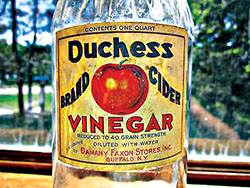
    Apple cider vinegar (ACV) is made from raw apples, with the purest form still containing the ‘mother’ (stringy parts of apple). It has been hailed a miracle cure as it has hundreds of health benefits. Our modern day diet leads to over acidity in the body that can be the root cause of many ailments. ACV helps alkalise the body, improves digestion, balances mineral intake, binds with enzymes to metabolise fats and carbohydrates, is antifungal and antibacterial, stimulates the immune system and contains the prebiotic Pectin, enzymes and minerals, e.g. potassium and magnesium. Here are just some of the conditions ACV can benefit: heartburn, reflux, diarrhoea, shingles, warts, eczema, nail fungus, constipation, high blood pressure, dandruff, sinus infection, gout, high cholesterol, diabetes, hives, insect bites, PMS, arthritis, low energy, colds, fever, cramps and sprains. Taken internally, ACV reduces inflammation and has been known to relieve the pain of plantar fasciitis in the foot within days.

    When using topically, dilute ACV by 50% with water. For general well-being, take a 15-20ml shot in the morning; two tablespoons a day is a rough guide. For weight loss or digestive issues, take an ACV shot half an hour before meals. ACV can be added to your water bottle to sip throughout the day or made into a hot drink with lemon and honey. Nanna’s recipe for arthritis: 2 teaspoons of ACV, 2 teaspoons of honey in a glass of water, at each meal sipped.

    Kombucha

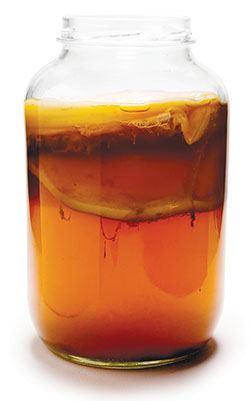
    Kombucha tea is a fermented drink containing living bacteria, organic acids, enzymes, vitamins, minerals and probiotics. It is primarily used for good gut health – killing bad yeasts and pathogenic bacteria in the digestive tract while increasing enzyme and nutrient content in foods. Kombucha tea is made by combining tea, sugar and the starter culture, known as ‘Scoby’ (symbiotic colony of bacteria and yeast), then allowed to ferment. Scoby is also referred to as a culture, fungi or mushroom, but these terms are not strictly accurate.

    Reports of Kombucha tea usage date back thousands of years; it was known as the ‘elixir of long life’ during the Tsin Dynasty of the Chinese Empire in 221 BCE; used by a Korean medicine man named Kombu to treat the Japanese Emperor Inkyo’s disorders in 14 CE; carried by Japanese warriors in mediaeval times for greater energy; used in Russian folk medicine for maintaining health. Kombucha tea made a revival as a health tonic in the 1960s, easily brewed at home. Traditionally, the ‘mushroom’ was gifted to you from a fellow brewer; the initial mushroom ‘mother’ produces ‘sons’ during the brewing process. Kits containing Scoby can be found at health food stores or online. Kombucha tea can now be found ready-made on supermarket shelves.

    Drinking Kombucha tea is said to bring balance to the body, which in turn aids in the recovery of many different illnesses. The most commonly observed effects include:

    • Balancing the metabolism
    • Cleansing the blood and regulating the acid/alkaline levels in the body
    • Improving liver, gall bladder and digestive function
    • Detoxifying the body and enhancing the immune system
    • Raising energy levels.

    For general well-being, three wine glasses (150ml) of tea is recommended daily; one first thing in the morning on an empty stomach, then one each with lunch and dinner.

    Kombucha can be applied topically to soothe and heal skin conditions such as eczema, and taken internally it fortifies the body aiding in the recovery from such conditions. Compresses made with the tea have been used successfully to reduce the pain of rheumatoid arthritis in the joints. The tea can help remove brown liver spots from the hands; apply twice a day with cotton wool. A Kombucha bath can be used to energise the whole body, treat skin conditions and improve general well-being; add half a litre to a warm bath.

    The Scoby can be used to heal wounds such as leg ulcers, abscesses and boils. Cut a piece of the Scoby from the fermenting jar and bandage it onto the wound; cover surrounding skin firstly with a barrier cream, as the Scoby may irritate normal skin. Or make your own cream by crushing some Scoby with an electric blender, then combine with unperfumed hand cream (ratio: 1 part Scoby to 2 parts hand cream).

    Kombucha tea can be gargled to help heal throat and mouth infections. Gargling ten times a day has helped tonsillitis while swishing around the mouth for 15 minutes has helped heal intestinal diseases and nasal cavity inflammations. Make a steam inhalation by adding 1 cup of tea to a bowl of steaming water. Cover your head and bowl with a towel to breathe in the steam; use for colds and sinusitis relief. A nasal spray can be made by mixing equal parts of water and tea placed in a small spray bottle.

    Studies have been done with high-performance athletes in Russia, drinking a ¼ litre of tea, three times a day. Performance was enhanced while muscle aches and recovery times were reduced due to the tea’s ability to lessen the salt component of lactic acid (the cause of muscle soreness as a result of strenuous exercise).

    KOMBUCHA RECIPE

    Ingredients & materials:

    1 Kombucha Scoby – starter culture

    2 litre of boiling water

    2-4 black tea bags (or loose leaf)

    ¾ cup of white sugar

    30ml cider or white vinegar (1st batch only). For subsequent batches, use 200ml ‘mother tea’ kept from 1st batch.

    1 large glass jar or bowl

    1 cotton muslin cloth

    1 tea towel

    1 rubber band / elastic

    Method

    Bring water to the boil

    Add tea bags and sugar, brew for 10-15 mins

    Remove tea bags and pour into glass jar

    Cool to room temperature

    Add vinegar or ‘mother tea’

    Add Scoby (do not add culture to hot liquid as this will kill it)

    Scoby can lay anywhere within the mixture

    Cover with muslin and secure with elastic, cover with tea towel to keep out light

    Store in a dark, ventilated space, e.g. cupboard

    Ferment for 5-10 days (depends on temperature)

    Taste should be neither sweet or sour – if sweet, leave for a few more days, if sour it is still usable, just don’t leave as long next time

    When ready, remove ‘mother’ and separate any ‘sons’ that have formed onto a plate

    Strain beverage into bottles, refrigerate

    Keep 200ml for next brew

    Start your next brew using the ‘mother’ (up to 8 times) or ‘son’ if thick and healthy

    If not making another brew immediately, store Scoby in an airtight container covered with Kombucha brew, in the fridge. Ensure there is air space between the culture and the lid. Can be stored for up to 6 months.

    Other types of tea can be used, e.g. green tea or herbals. Experiment by adding fruits or herbs to the final brew.

    [alert type=”general” dismiss=”no”]This article was published in New Dawn Special Issue Vol 11 No 5.[/alert]

    [alert type=”success” dismiss=”no”]If you appreciate this article, please consider subscribing to help maintain this website.[/alert]

    Resources

    www.webmd.com 
    draxe.com
    www.earthclinic.com
    www.health-science-spirit.com
    Kombucha Tea For Your Health and Healing by Alick & Mari Bartholomew, Gateway 2000
    Kombucha – Miracle Fungus by Harald Tietze, Gateway 1996 
    Nourishing Fats by Sally Fallon Morell, Hachette Book Group 2017

    © New Dawn Magazine and the respective author.
    For our reproduction notice, click here.
  • George Hunt Williamson & the Brotherhood of the Seven Rays

    George Hunt Williamson & the Brotherhood of the Seven Rays

    From New Dawn Special Issue Vol 13 No 1 (Feb 2019)
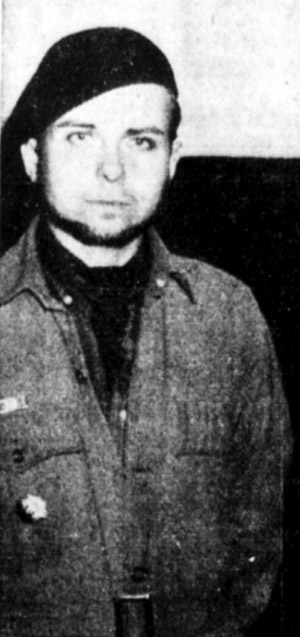
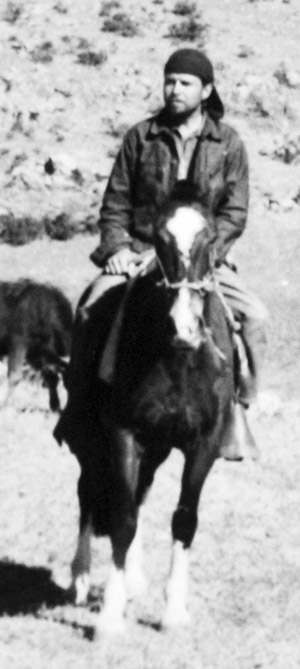
    George Hunt Williamson, 1958

    Everything begins with a long letter in which George Hunt Williamson reacts to an 8-page interview with Erich von Däniken in the August 1974 issue of Playboy magazine. From the very first lines of his letter, Williamson disputes von Däniken being called the father of the ‘ancient astronaut’ theory. Williamson was upset that von Däniken had failed to acknowledge him as originating the theory that early humans were visited by extraterrestrials.

    I sought to verify whether George Hunt Williamson was mentioned in any of von Däniken’s works but came back empty-handed… although he is mentioned, but not directly. A book by Williamson is listed twice: Secret of the Andes (1961). Did he wrongly accuse von Däniken? Not at all because Secret of the Andes was published under his pseudonym ‘Brother Philip’! It is my contention that von Däniken was not aware that the mysterious ‘Brother Philip’ was in reality the enigmatic ‘father’ of the ‘ancient astronaut’ theory, George Hunt Williamson. 

    Investigation of a Brother

    Secret of the Andes was released under the alias of Brother Philip, curiously so given that his previous work dating from 1959, Road in the Sky, had known much success. When Secret of the Andes appeared in bookstores, the name George Hunt Williamson no longer legally existed because he had changed his identity to Michel d’Obrenovic, resuming the surname of his Serbian ancestors. 

    The book offers us only two bits of information about the person credited as author. First of all, at the beginning of chapter seven, it is said that “the Scriptorium of the Monastery [of the Brotherhood of the Seven Rays] is under the direction of its Prior, Brother Philip,” adding that “this chamber houses documents and records, codices and parchments of the world’s greatest and most ancient civilizations.” This second allusion, even more minimalist, is in the second half of the book entitled Transcript of the Hierarchy which gathers, within 86 pages, communications received through “vocal channeling.” One of these communications is attributed to Brother Philip.

    As will be understood, Secret of the Andes is an inspired work and certainly the most mystical of Williamson’s works. In my book Mystical Journey, I point out that George Adamski’s meeting with an extraterrestrial on 20 November 1952 near Desert Center, California – which Williamson witnessed – opened the way to esotericism in ufology. Secret of the Andes signifies a particular evolution in Williamson’s mystical vision of the world, a conception that from then on is resolutely neo-gnostic. 

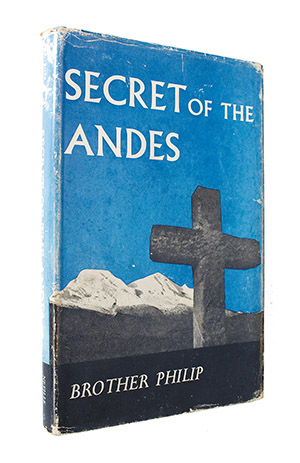
    1961 original English edition of
    Secret of the Andes
    .

    Secret of the Andes must be seen as the result of a collaboration between several external information sources, of a spiritual or supra-terrestrial nature, whose ‘channel’ was George Hunt Williamson. As a matter of fact, the voice of Brother Philip, this signature of Williamson, is echoed in three chapters of his previous book, Road in the Sky, in which his Peruvian adventure of 1957 had already been touched upon.

    If Brother Philip did not actually write the book, then he certainly inspired it, because it is he who made initial contact through the ‘voice channel’ of Williamson at the end of December 1954 in the presence of his wife Betty Jane and three other people whom they met that day for the first time: Charles and Lillian Laughead and Dorothy Martin. The session took place in Oak Park near Detroit at Dorothy Martin’s home. 

    Channelling

    A large part of the communications which are grouped in the second part of Secret of the Andes were realised by Williamson serving as the “vocal channel” of entities evolving on different planes of existence. Not included verbatim in the book, a communication from Aramu-Muru on 18 April 1956 sparked the group’s departure to Peru: 

    “As time goes on and as the great plan evolves as we see it at the Brotherhood of the Seven Rays, those we have commissioned shall move south of their present position [Arizona], and we have authorised that a priory of the Brotherhood of the Seven Rays be situated in a remote area of another country to the south.”

    Having sold all their goods, the group took off on 2 December 1956 from Prescott’s airport, first for a stopover in California, then off again for Mexico, and finally for Peru.

    Of Gods & Men 

    They relinquished everything and left in search of the path of Lord Aramu-Muru and his Monastery of the Brotherhood of the Seven Rays, hidden in a legendary Valley of the Blue Moon in the snowy mountains bordering Lake Titicaca.

    In Lima they were joined by some other members. They all spent Christmas in Moyobamba. The Laugheads then chose to return to the United States. In mid-March, the Williamsons and the rest of the group, after many incidents, setbacks and otherdifficulties, were able to set up a “priory,” the Abbey of the Seven Rays. This established, on the physical plane, a kind of outpost of the Holy of Holies, the Monastery of the Brotherhood of the Seven Rays, which remained invisible to the eyes of the vulgar within the mists of a mountain north of Lake Titicaca.

    This abbey was set up far from everything, at 250 km east of Lima, in the region of Junin, at the bottom of a “hidden valley” in the mountains of Pariahuanca. 

    Two large buildings constituted the main part of the abbey. A third one built by the group was used as the “Scriptorium.” It was, in fact, the office of Williamson containing his library. It was there that he wrote Road in the Sky and drafted Secret of the Andes. The abbey’s purpose was to welcome all those who wished to experience life based on the rites of an Essene community and to initiate them “into physical, mental and spiritual illumination.”

    A Little Help From…

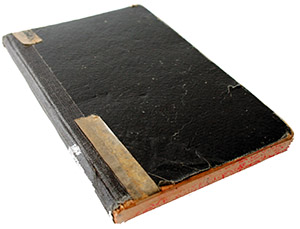
    Williamson’s “black notebook.”

    Taking care of the community of the Abbey was not an easy task for the Williamsons; the coming of his associate John McCoy at the end of March allowed George some release from it, allowing him to lead ambitious missions of exploration in the country. The sole chronology of the discoveries or the works he made in 1957 in Peru speaks for itself.

    February, an essay of mapping of the Great Wall of Peru. 

    • From 7 to 13 June, exploration of the Marcahuasi Plateau.
    • 10 and 11 July, discovery of the “Rock of the Writings,” now known as the petroglyphs of Pusharo. This was followed by an attempt to penetrate beyond this “Portal” to locate Lost Cities of the ancient Amazonian Empire, often called Paititi, which Williamson believed to have been contemporary of Mu and Atlantis. A second attempt in 1958 was cancelled because of floods in the region of Madre de Dios.
    • 30 September 1957, discovery of a “lost city” unknown until then, Pomatana, “City of a Thousand Stone Roofs.”

    As we can see, Williamson was quite busy. All these missions appear in Secret of the Andes, with the exception of the discovery of Pomatana which took place in September (the book’s narrative concludes at the end of July 1957). Having in my ownership his notebook of exploration, which I call the “black notebook,” covering the period July to October 1957, I was able to determine that all the information in Secret of the Andes pertaining to the missions of exploration comes from the notebook. Williamson did not add anything, and did not ‘fictionalise’ in any way.

    Secret of the Andes turns out to be the faithful and dense summary of a whole thick corpus of data, incredible facts and extraordinary circumstances, of which he was at the same time the protagonist, the witness and the messenger, where mysticism, esotericism, archaeology and inter-dimensional contacts are intertwined.

    Locating the Monastery of the Seven Rays

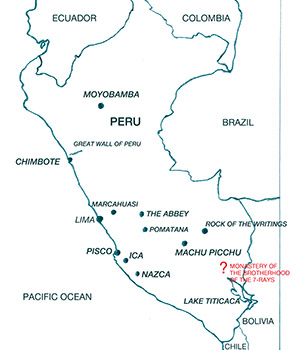
    Map of Peru with some locations related to G. H. Williamson’s quest. (Designed by M. Zirger)

    We now come to the heart of the matter: where is the Monastery of the Brotherhood of the Seven Rays?

    Until now we have made mention of the first two stages of the little group and their leader George Hunt Williamson: first in Moyobamba, then in a “hidden valley” of Pariahuanca, at the Abbey. The monastery, which would be the third and ultimate stage, still remained in the future. Secret of the Andes says it is nestled in the mountainous region north of Lake Titicaca. We thus have three completely distinct places, Moyobamba, Pariahuanca and Lake Titicaca, all separated by hundreds of kilometres. Those who have written about Secret of the Andes – having no access to the personal documents of Williamson now in my ownership – had no knowledge of the exact locations of the first and second stage, respectively in Moyobamba and Pariahuanca. Hence commentaries contain understandable errors but also gross blunders resulting from an unfamiliarity with the book and an obvious lack of rigour.

    Did Williamson conduct research to discover the monastery? The answer is yes! But he had no possibility of carrying out his plans as he wished to, life having decided otherwise: Betty Jane died at 32 years old on 11 August 1958 in Lima of complications from a chronic disease. At that moment Williamson was on a lecture tour in Europe. Shattered by the terrible news, he flew back to Peru. He had no other choice than to leave the country for his small son, who now had no mother, and return to Arizona. 

    When in 1959 Williamson returned to Peru, to carry out further investigations around Lake Titicaca, it would be for the last time. He wished to return there at the end of the 1970s but his poor health prevented him from doing so; he delegated some friends to conduct research missions on site, for instance a well-known Broadway composer whose name is in my file. 

    But did Williamson locate the monastery? I can reveal that in a letter dating to 1978 Williamson claims knowing the location of the Monastery of the Brotherhood of the Seven Rays and supplies a precise indication which I will keep confidential for the time being to give me some latitude to evaluate it.

    We now understand that for Williamson the monastery did exist. In my opinion, it is necessary to envisage this Mystery School rather as an “Out of Time Place,” because in chapter 6 of Secret of the Andes it is clearly stipulated that in 1957,“all the Retreats and Sanctuaries of the Great White Brotherhood had been lifted into a higher spiritual vibration.” This meant these places continued to exist only in a superior octave, a parallel world coexisting with ours. For Williamson, this operation of a magical or esoteric nature did not totally hinder access to this Initiatory School, this inner sanctuary. Although only rare chosen ones can hope to approach the access door of this Star Gate of the Andes.

    A Unique Phenomena 

    George Hunt Williamson, Marcahuasi Plateau, Peru, 1957.

    I would like to underline the peculiar destiny of Secret of the Andes. This little book has indeed lived some sort of occult existence of its own, ending up in unique and very strange mutations. While a marginal classic of esotericism in the 1970s, the book introduced the spirituality of Peru to a whole generation of young people, and its influence developed in other untraceable and subterranean ways. 

    It has done so with a mysterious constancy to the point that today it is so distilled into all that is written about Peruvian mysticism that neither the title of the book nor its author are even cited. It’s as if the contents of Secret of the Andes had always been an integral part of the ancient Peruvian mysteries.

    There are numerous examples of this role played by the book and ultimately Williamson / Brother Philip. Here is a representative one, found on the home page of a travel website specialising in Peru: 

    “…Legend tells of an Inca priest called Aramu Muru who belonged to the Monastery of the Seven Rays – where cult worship of the sun took place – who set out on foot from Tiahuanaco to Cuzco carrying a gold disc. Along the way he disappeared and was never seen again.” 

    The legendary narratives of Peru derive from the epic of Aramu Muru! No mention of Brother Philip! No crediting Secret of the Andes! The text has definitively transmuted itself into unmovable Peruvian mythology. 

    Whether it be Aramu-Muru and his soul mate, Arama-Mara, the Monastery of the Brotherhood of the Seven Rays, the Golden Sun Disk of Mu, Marcahuasi, Pusharo, Paititi, without forgetting the latest one, the famous “interdimensional Amaru-Muru Doorway” at Juli on the southwest coast of Lake Titicaca – all that has been written these last years on Peruvian mysticism finds its source in Secret of the Andes.

    Williamson would no doubt have found it both amusing and rewarding to see that whole pages of his book were stamped with the label “Inca legends.” Nevertheless, wouldn’t he have also experienced a small pinch in the heart to know that his book and its author have again been swept under the carpet?

    Michel Zirger’s book Authenticating the George Adamski Case is available from all good bookstores and online outlets.

    [alert type=”general” dismiss=”no”]This article was published in New Dawn Special Issue Vol 13 No 1.[/alert]

    [alert type=”success” dismiss=”no”]If you appreciate this article, please consider subscribing to help maintain this website.[/alert]

    © New Dawn Magazine and the respective author.
    For our reproduction notice, click here.
  • George Adamski’s Tour Down Under

    George Adamski’s Tour Down Under

    From New Dawn Special Issue Vol 13 No 1 (Feb 2019)

    Decades after his death George Adamski remains a polarising influence in the global UFO research community: Was he a contactee, a conman or just plain crazy? The following evidence seems to tip the balance in his favour. You decide.

    In 1959 Adamski conducted lectures in New Zealand and Australia as part of his world tour and strange things apparently happened. His organisers claimed they saw aliens and the contemporary newspapers on both sides of the Tasman reported UFO sightings. Firstly, let’s review the man himself.

    George Adamski was born on 17 April 1891 in Bydgoszcz, Poland, and his family immigrated to New York City in 1893. He left school early, and although he continued life-long self-education, it’s generally believed his famous books were ghost written. In 1913 he joined the US Army, serving for three years with the 13th Cavalry on the Mexican border, and saw action during the incursion by the revolutionary Pancho Villa. In 1917 he married his wife, Mary, and the couple moved to the West Coast where he worked in a series of low-paying jobs; George had no children and his wife died in 1954.

    By the 1930s Adamski had emerged as a minor occult figure in the Californian esoteric scene and lectured on Tibetan mysticism. In 1940 he and a few students moved base from Laguna Beach to Mount Palomar where they founded Palomar Gardens, a retreat and camping ground. George worked there as a handyman, gave talks, and from 1947 took photographs of UFOs (using a 6” and later a 15” telescope, and a cinecamera; he took 700 images of what he claimed were mothership carriers, scout ships and telemetric saucers). In 1953 he co-wrote with (Lord) Desmond Leslie Flying Saucers Have Landed. 

    In this classic UFO book, Adamski claims that on 20 November 1952 he had a strong intuitive feeling a saucer would land that day, so he asked six friends to accompany him into the Mojave Desert. The group drove about 15 km and saw a huge cigar-shaped mothership in the sky. Adamski asked to be dropped off and his friends were about one km from him when a scout craft descended and an alien emerged. Adamski communicated with the being using telepathy and sign language, while military aircraft buzzed the area; the being went back into the craft and departed. The six witnesses swore an affidavit these events took place. 

    At a subsequent meeting aboard a mothership in space, the Venusians told Adamski they had chosen him to be their emissary to warn humans of the perils of nuclear annihilation. To help him with his mission they would make contact and their spacecraft would appear at opportune times. In 1956 he published Inside The Space Ships which describes his trips into space. In 1959, at the request of the Venusians, he set out on the world tour which lasted six months, and this became the topic for his third book Flying Saucers Farewell, published in 1961. Let’s examine the evidence.

    Adamski commenced his visit to the lands down under on 17 January 1959, when he arrived at Auckland, New Zealand (aboard an airliner) and was met at the airport by his organisers and sponsors. In his third book he praises the hospitality of the NZ people, particularly the Maori community, writing: “The spacecraft sightings seemed always to come at the right time to awaken public interest. This was one of the reasons we enjoyed overflow crowds at all the New Zealand lectures.” 

    If his organisers are to be believed, he was also helped on the ground by strange Nordic-looking young men who were immaculately attired, and had fair, tanned or orange skin, wore sunglasses and seemed disciplined and secretive; Adamski called them “the boys.”

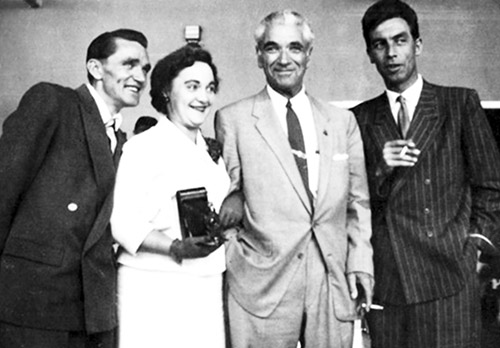
    Bill and Isobel Miller (standing at left above) reported an extraordinary sighting of UFOs in the town of Taupo, New Zealand, the day they farewelled George Adamski. Henk Hinfelaar (right), Adamski’s main NZ organiser, drove a car for Adamski which he said was accompanied by five UFOs on its daytime journey in a rural area. This photo was taken at Auckland airport on Adamski’s departure for Australia (from George Adamski: The Toughest Job in the World by Tony Brunt.)

    The Kiwi writer Tony Brunt in his book George Adamski: The Toughest Job in the World, notes: “It was not so much the sightings in the sky or Adamski’s space trips that most tantalised his supporters; it was his assertion that he met the space people regularly and furtively in everyday society, and especially when he was on the lecture circuit. It was to place himself in the best possible position to exploit these private encounters that Adamski insisted on staying in hotels rather than private homes.” 

    “Adamski’s whole organising committee in Auckland might have spent an unwitting few hours with one of ‘the boys’. George advised them that they had been ‘checked out’ by space people before his arrival. Thinking back on the months preceding Adamski’s visit, committee members came to the conclusion that the stand-out candidate was a fair complexioned young man of indeterminate race who had joined one of their afternoon meetings.” 

    Adamski commenced his tour of the Shaky Isles at Kaikohe, where he delivered a lecture and screened his explosive UFO film, later fielding questions from the audience. He was not a particularly good speaker but the shows thrilled the public all the same. He then returned to Auckland where he spoke in front of 2,000 people in the Town Hall. On the following day he went to Ngaruawahia, the old Maori capital, for an audience with the Maori king. While he was at the royal residence UFOs appeared. In his third book he writes: 

    “While I was taking pictures of the entranceway, six white streaks of light flashed overhead. This caused much interest among the Maoris, as they were not vapour trails, and Sister Heeni said it was a good omen and very significant.

    “As we drove back to Hamilton, the spacecraft streaking through the sky seemed to follow us. This had happened on other occasions and I knew the [Space] Brothers felt that this was the time and place to make their presence known. 

    “Shortly after reaching Napier, I was called by a newspaperman in regard to flying saucer sightings reported in the local newspaper… After talking to the reporter I picked up the local paper and read the article: ‘FLYING SAUCERS REPORTED OVER LAKE TAUPO’.” 

    He reprinted the story as evidence in the book and the text reads as follows: 

    “Three Rotorua people say they watched not one, but dozens of flying saucers operating high over the township of Taupo in bright sunlight on Tuesday. The trio had just farewelled Mr. George Adamski, who claims to have contact with extraterrestrial visitors, who was on his way to Napier.

    “Mr. W. Miller, the local leader of the George Adamski Group, said that his wife and Mr. N. West, he was sitting on the bank overlooking the lake at the end of Taupo’s main street, at 3 P.M.

    “Asked when they had seen the first flying saucer, Miller who had been interested in flying saucers for two years said: ‘Yesterday’.

    “We couldn’t say how many there were, but we could have seen the same ones twice,” said Mr. Miller. Lying on their backs, they could not pick out vertical movements, nor estimate the height or size of the craft.

    “In addition to these reported sightings, it is rumoured in Rotorua that many people, including more than 100 Maoris, saw two spacecraft flying in formation between Ngaruawahia and Hamilton last Sunday.” 

    After an afternoon of UFO activity, and with publicity wind in his sails, he went on to fill the public halls in Wellington, Auckland, Wanganui and in New Plymouth where there was also a sighting:

    “It was early twilight when the people began gathering in New Plymouth’s hall on the evening of the lecture. A minister and members of his congregation had seen a large space ship cruise over the city. This caused much excitement and as I arrived people were eagerly wondering if the space ship would return.

    “I explained to them that I had no control over such things… If I were selfishly disposed and could arrange contacts, I would be a millionaire. Many people have offered large sums of money to me and to others to arrange contacts for them. Naturally I have always refused such offers.” 

    After that sighting he returned to Auckland for a third lecture, and then flew to the South Island where he presented at Christchurch, Tamara and Dunedin. He then flew back to Auckland and, according to his organisers, had ‘company’ on the plane. Tony Brunt mentions in his book: “One of the New Zealand tour organisers got a shot at George’s undercover escorts. She was waiting for him at Auckland airport on his return from a flight to a southern city. ‘I noticed two good looking men with fair hair disembark from the plane among the passengers and walk across the tarmac’, she said later. ‘They could have been brothers but I didn’t pay too much attention, apart from noticing they smiled at me as they approached the gate. George was the last person off the plane and when he got to me he said excitedly, ‘did you see de boys?’… By the time they got into the terminal the men had disappeared, to her great regret’.”

    The tour of NZ had been a tremendous success, with a little help from his ‘friends’ who apparently followed him across the Tasman.

    The ‘silver haired space man’ arrived in Sydney in mid-February 1959 and was met at the airport by UFO study groups, the media and unruly fans. The scene became so hectic Adamski took refuge in the VIP lounge. Stan Seers, who was president of a Queensland study group at the time, relates in his book UFOs: The Case For Scientific Myopia that the confined Adamski confirmed “the ‘aliens’ were keeping a close watch on tour arrangements to make sure all went smoothly, and had actually visited him while he was in New Zealand.” 

    According to Tony Brunt: “In Australia, George had a mysterious escort who shadowed him on a number of his internal flights, a woman who dressed in black and wore a seahorse brooch. She was seen and photographed by his companions. Adamski suspected that she was a space person but was reluctant to approach uninvited.”

    After his arrival in Sydney Adamski discovered the preparation for his tour was in a shambles. A hotel room had not been booked as required, and he had been issued with a tourist visa and feared if he lectured he’d be deported. His sponsor, the UFO Information Centre (UFOIC), had also withdrawn its support. What was the problem? In a word: Venus.

    Our nearest planetary neighbour has long fascinated humanity. In 1959 not a lot was known about it because it’s always shrouded by clouds and astronomers still hadn’t determined its rotation or surface temperature. This led to wild speculation in certain quarters that it may be inhabited by an advanced civilisation, and Adamski’s books, of course, had added high-octane fuel to the fire. The UFOIC, which was trying to be a credible organisation, believed Adamski was too “unscientific” and his lectures were attracting the “wrong crowd.” In his book, Adamski also blames the “Silence Group” based in Zurich, Switzerland, for the Sydney problems. 

    In any event, after selecting a suitable city hotel room and meetings with officialdom, Adamski continued his tour and lectured to large gatherings, including 1,200 or more paying customers in Sydney. He says ruefully in his book: “…the group did not want to sponsor me as an organisation; still, they wished me to lecture for them.” After Sydney he flew to Perth where he met with study groups, and then to Adelaide where, while he delivered lectures, there were UFO sightings! In his book he records: 

    “After my second successful lecture in that city, a group of us were standing outside the hall waiting for transportation. One of the ladies sighted several space ships. Some of the ladies in the group observed the craft in detail before the ships passed out of sight.”

    “As I was getting ready to leave for Melbourne, I was asked why the space ships did not land in Australia. I replied that they might after I had gone.

    “A landing did occur, much to their surprise! This landing took place before I left Adelaide, but was not publicised until I arrived in Melbourne. Imagine my surprise when I read in the Sunday Mail of March 28th, the following article: ‘WE SAW A SPACE SHIP—Eerie Object Puzzles Town’.”

    Adamski reprinted an excerpt from the article, written by John Pinkney, that describes an actual landing at the river town:

    “In recent weeks weird, multi-coloured objects have streaked across Purnong’s skies – frightening the townsfolk. Two local men swear that on March 13th they saw a huge dome-shaped craft take off from a field. The men were Mr Percy Briggs, Purnong Landing carrier, and Mr Carl Towill, postmaster at Claypans. Mr Towell said: ‘The thing was bigger than an airliner. Mr Briggs and I are convinced that it was intelligently controlled.’ The two men said they saw an enormous dome-shaped craft glowing in the dark and as they walked towards the mysterious object it rose silently into the air, hovered, then shot away at immense speed.” 

    The Purnong flap, SE of Adelaide, continued for some time after Adamski had departed; the article reports on 20 March a young couple while driving north to Purnong saw “a blazing coin” that “shone like a sun in the darkness. It arched upward at tremendous speed and was gone”; and, days later, the Briggs family saw “two disc shaped objects, changing colour from red and blue.”A UFO research group from Victoria, and personnel from the Woomera Rocket Range, South Australia, investigated this case. 

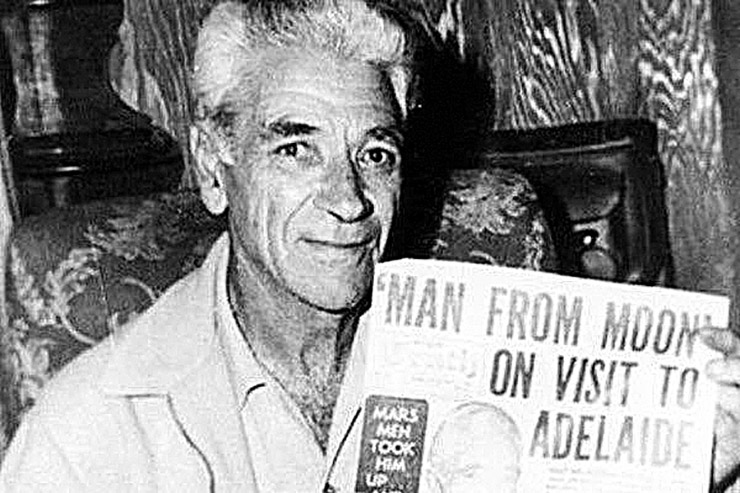
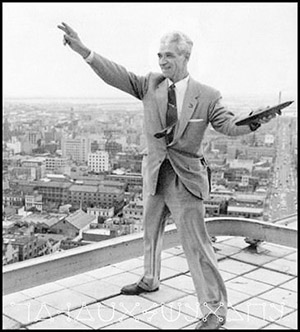
    Publicity shot of Adamski on top of a building in Melbourne.

    Adamski, who was evidently on a tight schedule, flew directly to Melbourne on 16 March. Adamski’s arrival in that city coincided with the filming of ‘On The Beach’ starring Ava Gardner and Gregory Peck: Hollywood had come to Australia! This famous movie depicts life after an apocalyptic nuclear war, so Adamski’s message about the Venusian’s concerns couldn’t have come at a better time. He received wide media coverage and in an interview for the Herald newspaper he revealed he “wasn’t making a dime” from the sell-out shows, which was apparently true; Stan Seers in his book says the sponsors only paid for his hotel accommodation, travel and living expenses. He apparently wasn’t in it for the money.

    After a successful two-week season in Melbourne, and a brief private trip to Hobart, he flew to Brisbane where for three weeks “hundreds were turned away and could not gain admission. I will always remember the fine cooperation of the press, the public, and the research group in Brisbane.” 

    The tour of Australia had been a remarkable success, apparently with a little help from his friends.

    He departed our shores on 16 April, and lectured in Asia, the Subcontinent, Middle East, Britain and Europe. According to various sources, the aliens kept in contact and their craft continued to appeared at opportune times. In Italy he contracted a chest infection so cut the tour and flew home to Los Angeles on 17 June 1959. 

    On 14 November 1962, NASA’s Mariner 2 probe flew by Venus and measured the surface temperature at 427 degrees C, hot enough to melt lead. Adamski’s response to this was the Venusians are highly evolved beings who live on an etheric plane and raise their vibration so the heat doesn’t affect them. He nevertheless did have a nervous breakdown at about that time, but eventually recovered and was on a tour when he died of a heart attack on 23 April 1965 at Silver Spring, Maryland. As an ex-soldier he was afforded a burial in Arlington National Cemetery. His torch is today carried by the Adamski Foundation and a surprising number of highly credentialed UFO researchers.

    The Adamski Foundation argues the scientists are lying about Venus (and indeed our solar system). The instruments on all the launches, including Mariner 2, have been pre-calibrated and the real data never disclosed; the reason for the cover up is the Venusians utilise free energy, their craft are powered by electromagnetism and can travel at the speed of light, and if their technology were transferred to Earth it would crash the world’s stock markets. In 1982 the Russian Venera-13 Lander transmitted colour images for 127 minutes from the surface of Venus and these clearly show three small ‘critters’ including a ‘scorpion’. The surface cannot be nearly as hot as we have been told.

    Was Adamski the real deal? The evidence from the tour, while not a ‘smoking gun’, is intriguing: witnesses on both sides of the Tasman believed they saw his Venusian ‘escorts’ and many more watched UFOs in the sky, and there was a landing at Purnong. Maybe he was in contact with something after all. 

    [alert type=”general” dismiss=”no”]This article was published in New Dawn Special Issue Vol 13 No 1.[/alert]

    [alert type=”success” dismiss=”no”]If you appreciate this article, please consider subscribing to help maintain this website.[/alert]

    Footnotes

    1. George Adamski, Flying Saucers Farewell, Abelard-Schuman, 1961, 130
    2. Ibid, 28
    3. Ibid, 132
    4. Tony Brunt, George Adamski: The Toughest Job in the World, Vailima Press NZ, 2010, 18
    5. Stan Seers, UFOs: The Case For Scientific Myopia, Vantage Press, 1983, 23
    6. Tony Brunt, 19
    7. George Adamski, 138
    8. Ibid
    9. Adelaide Sunday Mail, 28 March 1959, 72
    10. Ibid, 6
    11. See video documentary ‘UFO Secret: Alien Contacts’ (2017), directed by Michael Hesemann
    12. www.sci-news.com/space/article00156.html

    © New Dawn Magazine and the respective author.
    For our reproduction notice, click here.