New Dawn – World's Most Unusual Magazine

Author: Marie Jones

  • The Cures They Keep From You

    The Cures They Keep From You

    From New Dawn 210 (May-June 2025)

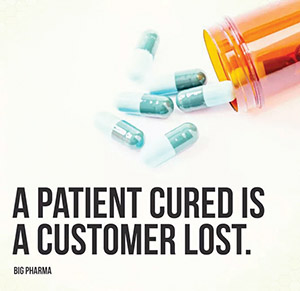
    A patient cured is a customer lost.”
    – Unknown

    On January 9, 2025, actor and director Mel Gibson appeared on the popular podcastThe Joe Rogan Experience (episode #2254). One of the most-watched clips from the discussion began at 1:37:16, when Mel Gibson spoke about three friends who all had stage 4 cancer. 

    “They don’t have cancer anymore,” Gibson stated. When Rogan asked what treatments they had undergone, Gibson mentioned four medications: ivermectin, fenbendazole, hydroxychloroquine, and methylene blue. These medications are often dismissed as quackery by Big Pharma. However, they have allegedly been effective in treating not only COVID-19 but also a variety of other diseases, including cancer. 

    “This stuff works, man,” Gibson asserted, explaining that the methods he and others use for optimal health do not profit Big Pharma and are therefore vilified.
    “There’s a lot of stuff that does work, which is very strange, because when you hear about things that are demonised and then turn out to be effective, you always wonder, ‘What is going on here?’ responded Rogan.

    In fact, substantial research is being conducted into these treatments, many “repurposed” or “repositioned” because they were not originally intended to treat cancer or COVID-19. But you won’t hear anything of it in mainstream media or from so-called government “health” authorities.

    “How have our medical institutions failed us so badly that treatments which can actually cure us aren’t promoted simply because they’re not profitable or can’t be patented? Whether it’s vitamin D, K2, or magnesium – there’s clearly something wrong,” Rogan added.

    The Power of Repurposing

    Using a drug for a purpose other than its original intention is not a new concept. This is often a powerful and effective method to cure disease and treat various ailments. 

    According to the article “Drug Repurposing: An Effective Tool in Modern Drug Discovery,” published in the National Library of Medicine, “Drug repurposing is the technique of using an existing drug or drug candidate for a new treatment or medical condition for which it was not previously indicated. It was initially developed to treat a different medical condition. This process is often described as serendipitous, as it happens unexpectedly. In this case, the undesired side effects of drugs can signal the possibility of their effectiveness for an entirely different medical condition. Generally, these drugs have already established safety in humans and have undergone testing for efficacy against a different disease. This approach allows for a more direct path to preclinical and clinical trials, bypassing many traditional drug development processes, thus reducing risk and costs.”

    The benefits of repurposed drugs have proven to be instrumental in treating diseases that lack current treatments or cures. They can also be valuable for common illnesses where approved treatments may result in significant side effects, be too costly for patients, or may not be covered by insurance for similar reasons.

    Ivermectin
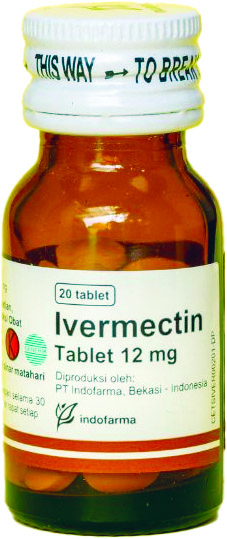
    Known as a “miracle drug,” ivermectin is a member of the avermectin family of medicines. It has a long history of use in addressing various health issues in underdeveloped countries. It has been pivotal in the battle against deadly tropical diseases and parasitic infestations in animals. 

    Discovered in 1975, ivermectin was initially used primarily in veterinary medicine and was approved for human use in 1987. It is effective against infestations such as head lice, scabies, trichuriasis, ascariasis, river blindness, and lymphatic filariasis. For their roles in the discovery and development of ivermectin, William Campbell and Satoshi Omura were awarded the Nobel Prize in Physiology or Medicine in 2015. Since then, ivermectin has been approved by the US Federal Drug Administration (FDA) as an antiparasitic and has become one of the most widely prescribed medications in the world. 

    However, this changed with the onset of COVID-19.

    The COVID-19 years were marked by alarming headlines of mass deaths, leading many people to accept the situation without question. They lined up repeatedly to receive the mRNA vaccines and boosters, sought out officially approved treatments in hospitals, and took prescribed medications that the “experts” claimed would ensure recovery. Unfortunately, these approaches did not work as intended.

    Yet, there were effective alternative drugs and remedies. Why didn’t doctors embrace them? 

    Under US federal law, new vaccines and medications can only receive Emergency Use Authorisation (EUA) when “no adequate, approved, and available alternatives” exist. Because the introduction and wide distribution of COVID-19 mRNA vaccines and expensive new treatments relied upon obtaining this emergency designation, inexpensive, already-approved medications like ivermectin posed a significant obstacle.

    In August 2021, retail pharmacies reported a sharp rise in ivermectin prescriptions, prompting an intense public campaign labelling it as a dangerous “horse dewormer.” This portrayal minimised ivermectin’s long-established human uses, Nobel Prize-winning legacy, and extensive research history, effectively sidelining it from mainstream consideration. Had ivermectin been widely recognised as effective, the pharmaceutical industry’s ability to market COVID-19 as a persistent emergency would have diminished significantly, threatening substantial financial incentives.

    As a repurposed medication, ivermectin was overshadowed by a medical industry that benefited from keeping it in obscurity. Doctors who suggested its use for COVID-19, especially in its early stages, found themselves on “disinformation lists,” faced license suspensions, and endured bans and censorship. Nevertheless, many brave physicians continued to prescribe it as part of treatment protocols for the virus and later for vaccine side effects, risking their careers and lives.

    Ample research indicates that ivermectin works effectively as an antiviral and aids many individuals in their recovery from COVID-19. The Independent Medical Alliance (formerly known as the FLCCC) provides an in-depth look at ivermectin on their website. They feature a comprehensive meta-analysis of 105 studies involving 220,423 patients across 30 countries, demonstrating that ivermectin significantly reduced risks related to mortality, ventilation, ICU admission, hospitalisation, recovery time, case numbers, and viral clearance. Additionally, a thorough 31-page review of trial data was published in Frontiers of Pharmacology in June 2021. A search on PubMed reveals over 700 studies on ivermectin, confirming that the research is readily available.

    But can ivermectin cure cancer?

    According to over 360 research papers found under a search for ivermectin and cancer on PubMed, evidence suggests that ivermectin can inhibit the growth of cancer cells and downregulate cancer cell expression. Research conducted by the IMA indicates that ivermectin “may inhibit the growth of various cancer cells by disrupting multiple signalling pathways essential for cancer cell survival.” For instance, a study titled “Ivermectin as an Inhibitor of Cancer Stem-Like Cells,” conducted in February 2018, aimed to demonstrate that ivermectin preferentially inhibited cancer stem-like cells (CSCs) in breast cancer, downregulating the expression of “stemness” genes.

    Another study, “Anthelmintic Drug Ivermectin Inhibits Angiogenesis, Growth, and Survival of Glioblastoma Through Inducing Mitochondrial Dysfunction and Oxidative Stress,” published in November 2016, found that “the inhibitory effects of ivermectin are significantly reversed in mitochondria-deficient cells or cells treated with antioxidants.” This further confirms that ivermectin acts by inhibiting mitochondrial respiration and inducing oxidative stress. Importantly, the study indicates that ivermectin suppresses phosphorylation of Akt, mTOR, and ribosomal S6 in glioblastoma and human brain microvascular endothelial cells, suggesting its inhibitory role in deactivating the Akt/mTOR pathway. Overall, this research underscores ivermectin as a valuable addition to the treatment options available for various health conditions.

    Many studies are conducted using animal models, typically mice, and they show great promise for human applications. However, it would be beneficial if the medical industry allocated more funding for human studies. Big Pharma often finances medical research, which can cost millions of dollars, leading smaller research studies to be overlooked. As a result, these smaller studies may or may not gain acceptance in medical journals, which are also influenced by the interests of Big Pharma.

    Additionally, it’s important to point out that an increasing body of research has established significant links between certain bacterial and parasitic infections and the development of specific cancers. A landmark study published in The Lancet Infectious Diseases (2006) titled “Infectious causes of cancer: a global perspective” estimated that 15–20% of global cancers may have an infectious origin, with the burden particularly high in developing countries. 

    Hydroxychloroquine
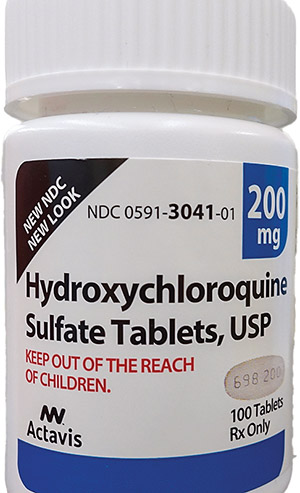
    Hydroxychloroquine has faced scrutiny similar to ivermectin, despite numerous studies demonstrating its efficacy as a potent tool in the fight against COVID-19. This less toxic derivative of chloroquine has been proven effective in inhibiting SARS-CoV-2 infection. 

    Regarding cancer treatment, several studies have explored its applications, including the paper titled “Hydroxychloroquine: Key Therapeutic Advances and Emerging Nanotechnological Landscape for Cancer Mitigation,” published in the December 1, 2023, edition of Chemical Biological Interactions by the National Center for Biotechnology Information. Hydroxychloroquine (HCQ) is classified as a unique medication widely used in cancer treatment. HCQ plays a dual role by inhibiting autophagy induced by the tumour microenvironment (TME). Preclinical studies support the use of HCQ for anti-cancer therapy, especially when combined with conventional treatments, as it can sensitise tumour cells to drugs, enhancing therapeutic effectiveness.

    Fenbendazole

    Another drug of interest is fenbendazole, which Mel Gibson cited in his interview. Fenbendazole has been used to treat rodent pinworm infections due to its ease of use and minimal side effects. Research has been conducted in animal models, such as in the November 2008 Journal of the American Association of Laboratory Animal Science, which reported the “Unexpected Antitumorigenic Effect of Fenbendazole When Combined with Supplementary Vitamins.” This study found that combining vitamins and fenbendazole in a diet resulted in “significant inhibition of tumour growth,” but this effect was observed only in mice that received both treatments, not in control groups that received either only vitamins or only fenbendazole.

    In terms of human studies, “Oral Fenbendazole for Cancer Therapy in Humans and Animals,” published in the September 2024 issue of Anticancer Research, indicates that the anti-cancer activity of fenbendazole has been investigated across various cell lines, showing anti-tumour effects against multiple cancer types. Ongoing research suggests that fenbendazole may disrupt microtubules, which are structures involved in cell division and growth. By interfering with microtubule function, fenbendazole may inhibit the division and proliferation of cancer cells.

    Another anthelmintic medication, mebendazole, is specifically formulated for human use and has demonstrated anti-cancer effects. Previous studies indicate that when mebendazole is used in conjunction with other targeted therapy drugs, it may be effective in treating advanced colorectal cancer and pancreatic cancer.

    Vitamin C

    Another promising cancer treatment, high-dose intravenous vitamin C (HDIVC), has been around for some time, and new studies continue to support it. However, most doctors and nearly all hospitals avoid using it. Why is that? 

    In an article titled “Cancer Treatment and High Dose IV Vitamin C” on NatureMed.com, a study from the University of Iowa found that when combined with chemotherapy, high-dose intravenous vitamin C doubled survival rates for patients with late-stage metastatic pancreatic cancer. The article references studies dating back to the 1950s that highlight the positive effects of HDIVC on cancer treatment. Additionally, the US National Institutes of Health has awarded nearly 2,000 grants for research on this treatment.

    A single but highly significant issue is that pharmaceutical companies cannot patent vitamin C, which means that, like many other potentially groundbreaking treatments, its use is suppressed and restricted. This denial of access affects not only patients who have exhausted other treatment options but also those who are willing to try anything for a chance at survival.

    The Big Blue Powerhouse: Methylene Blue

    Robert F. Kennedy Jr., the US Secretary of Health and Human Services, recently caused a sensation when he was spotted on board a plane dosing his glass with a dropper of blue liquid that was believed to be Methylene Blue.

    Mel Gibson and Joe Rogan also discussed the increasing use of methylene blue for various health issues, particularly its role in enhancing mitochondrial health in cells. 

    This synthetic compound, available both over the counter and by prescription, was originally created in the 1870s as a textile dye due to its vibrant blue colour. Its other beneficial properties soon became apparent, including its therapeutic effects against malaria. Methylene blue also shows promise as an antibiotic and antipsychotic, and since the 19th century, it has been repurposed to treat cyanide and carbon monoxide poisoning.

    In recent years, methylene blue has been associated with improved brain function, enhanced memory, elevated mood levels, and potentially reduced risks of cognitive diseases such as Parkinson’s, various forms of dementia, and Alzheimer’s. 
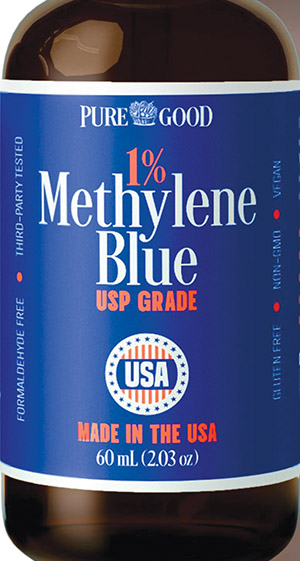
    According to Dr. Eric Berg’s article “Methylene Blue: Benefits, Uses, and Risks,” this remarkable drug operates by improving mitochondrial energy metabolism. It acts as an artificial electron carrier in the electron transport chain (ETC) – a series of proteins embedded in the inner membrane of mitochondria. These electron carriers help shuttle electrons between molecules for energy conversion. By increasing mitochondrial respiration and facilitating electron transport, methylene blue can enhance energy production, thereby linking it to positive effects on mood, energy levels, cardiovascular health (by improving blood circulation and lowering blood pressure), neurodegenerative diseases, and gastrointestinal issues.

    Methylene blue also possesses antimicrobial properties that inhibit the growth of Candida species, staph bacteria, and even E. coli. Research suggests it may offer liver protection by activating SIRT1, enhancing fat metabolism, and supporting hormonal balance. Additionally, it may aid in increasing fat-burning and activating AMPK, known as the “metabolic master switch.”

    In cancer treatment, several studies have indicated that combining methylene blue with photodynamic therapy can reduce tumour sizes in various cancers, including carcinomas, colorectal cancer, and melanoma. A systematic review published on September 28, 2023, in Frontiers in Pharmacology, found evidence supporting the effectiveness of photodynamic therapy with methylene blue against multiple cancer types. While there was a modest decrease in tumour size in breast cancer and HeLa models, the results for colorectal tumours, carcinomas, and melanomas were particularly promising. The findings encouraged continued pharmaceutical development of a dosage form based on methylene blue and further investigation into its therapeutic applications.

    A study, “Methylene blue in clinical practice for cancer identification,” published on July 26, 2022, in Precision and Future Medicine, found that methylene blue could improve tumour detection with minimal error. This study demonstrated the feasibility of utilising methylene blue-based imaging during surgery to identify tumour lesions, such as diagnosing solitary fibrous tumours in the pancreas and identifying parathyroid adenomas and paragangliomas. An intravenous injection of methylene blue at a dose of 1.0 mg/kg, either immediately before surgery or three hours prior to surgery, produced fluorescent signals in 20 out of 24 patients with breast cancer.

    Despite its benefits, methylene blue has some drawbacks, including interactions with SSRIs, potential harm to fetuses for pregnant and breastfeeding women, and drug interactions that can lead to anemia. 

    It’s essential to discuss the use of this powerful compound with a doctor or pharmacist to ensure its safety and determine the correct dosages. Typical side effects may include nausea, vomiting, confusion, and headaches. Additionally, it can cause your tongue, urine, and faeces to turn blue.

    DMSO (Dimethyl sulfoxide)
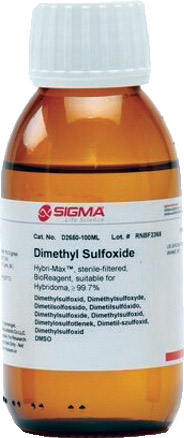
    Midwestern Doctor, in his Substack article “Hundreds of Studies Show DMSO Transforms The Treatment of Cancer,” discusses a remarkably cheap but overlooked treatment for cancer: DMSO (Dimethyl sulfoxide). Several studies demonstrate that DMSO effectively treats various conditions, including cancer, by inhibiting tumour growth and reverting cancer cells to their normal state. Additionally, DMSO may help mitigate some of the damage caused by chemotherapy and radiation, as well as relieve pain from metastatic cancer. DMSO can enhance the treatment’s effectiveness for those undergoing chemotherapy, potentially reducing the number of sessions required.

    Midwestern Doctor asserts that DMSO has the potential to revolutionise cancer care when combined with other natural therapies. However, he noted that few people are aware of DMSO’s existence, and doctors rarely incorporate it into treatment plans. 

    “[S]ince so much money is involved (e.g., 65% of oncologists’ revenues come from chemotherapy drugs, and cancer medications represent the most profitable drug market), there is significant pushback against anyone who attempts alternative cancer therapies making it very difficult to practice unconventional cancer care – particularly since no alternative treatment works all the time,” notes Midwestern Doctor.

    This image has an empty alt attribute; its file name is Cover210-300.jpg

    Get the issue this article appears in

    The Future is Personalised medicine

    As alternative treatments gain acceptance, perhaps driven by movements like MAHA (Make America Healthy Again), there is hope that the research community will produce more well-funded and unbiased studies on these options. 

    Moreover, there is optimism that artificial intelligence (AI) can contribute to the future of medicine by personalising treatment based on individual needs and potential effectiveness rather than aligning with the interests of pharmaceutical corporations. The integration of AI in medicine requires rigorous public oversight to prevent its misuse by powerful entities seeking to steer research toward their financial interests.

    Personalised medicine has the potential to ensure that we, as patients, do not fall into the trap of “one drug fits all,” where a single medication is prioritised and alternatives are sidelined. AI-driven medicine can identify ALL the most suitable treatments, including repurposed medications, that align with how nature and biology function in each individual, proposing the best healing protocols rather than relying on the latest trend in pharmaceuticals. After all, we humans are not “one size fits all,” so why should our medical treatments be?

    In the meantime, individuals are taking on the role of their own medical detectives, uncovering truths that have historically been obscured by those profiting from misinformation and deception.

    Disclaimer: This article is for informational purposes only and does not replace professional medical advice. Always consult a qualified healthcare provider before self-treatment.

    [alert type=”general” dismiss=”no”]This article was published in New Dawn 210.[/alert]

    [alert type=”success” dismiss=”no”]If you appreciate this article, please consider subscribing to help maintain this website.[/alert]

    Sources

    youtube.com/watch?v=1rYtrS5IbrQ (Joe Rogan Experience)
    alternativemedicine.com/cancer/facts-you-might-not-have-known-about-fenbendazole/
    drberg.com/blog/fascinating-health-benefits-of-methylene-blue
    x.com/DrJesseMorse/status/1887928040929534294 (Dr Jesse Morse explains the benefits of methylene blue)
    media.mercola.com/ImageServer/Public/2024/October/PDF/methylene-blue-benefits-side-effects-pdf.pdf
    imahealth.org/an-approach-to-the-use-of-repurposed-drugs-in-patients-with-cancer/
    journals.lww.com/americantherapeutics/fulltext/2021/08000/
    ivermectin_for_prevention_and_treatment_of.7.aspx
    midwesterndoctor.com/p/hundreds-of-studies-show-dmso-transforms
    osti.gov/biblio/22696697
    pnas.org/doi/abs/10.1073/pnas.73.10.3685
    pmc.ncbi.nlm.nih.gov/articles/PMC9945820
    pmc.ncbi.nlm.nih.gov/articles/PMC10631450
    pubmed.ncbi.nlm.nih.gov/19049251
    sciencedirect.com/science/article/pii/S1572100024000863

    © New Dawn Magazine and the respective author.
    For our reproduction notice, click here.

  • Mysterious Britain: The Secrets of Glastonbury

    Mysterious Britain: The Secrets of Glastonbury

    From New Dawn Special Issue Vol 16 No 2 (April 2022)

    Most people think of Glastonbury as a quiet little town in Somerset, England, that occasionally hosts the “Glasto,” otherwise known as the Glastonbury Festival. This five-day event has in the past featured, since its inception in 1970, some of the biggest names in the performing arts, music artists like U2, David Bowie, Coldplay, T-rex, Oasis, Billie Eilish, Bruce Springsteen, Jay-Z, Lady Gaga and Tom Jones, as well as theatre, dance, comedy, cabaret and circus acts on smaller stages.

    The Festival typically brings in about 200,000 people and raises money for various charities. It has all the trappings of the American 60s counterculture Woodstock festival, but with modern touches added over the decades.

    Many people attending the Festival may not realise they are walking upon sacred ground. Ground that Joseph of Arimathea once walked upon. Ground that King Arthur once walked upon. Ground that some believe Jesus Christ himself once walked upon.

    The Town By the Tor

    The town of Glastonbury, at last census, boasted a population under ten thousand people. The civil parish of Somerset, Glastonbury is about 23 miles south of Bristol and a mile across the River Brue from Street. Once a centre of commerce with its Glastonbury Canal and the Street railway station, it nowadays looks like a sleepy town at the foot of the enigmatic Glastonbury Tor, a dramatic hill in the distance, about ten minutes from the centre of town. At the top of the hill stands St. Michael’s Tower.

    The Glastonbury Thorn in November 2010. Unfortunately, one month after this photograph was taken, it was cut down by vandals.

    It is rumoured that beneath the Tor is a hidden hollow cave that can take you to the fairy world of Annwn, where the lord of the Celtic Underworld, Gwyn ab Nudd, lives with the Cauldron of Rebirth. Annwyn has been associated with Avalon of Arthurian legend, the land of the dead, with the Tor as the gateway to this otherworld. This may have led to a more recent rumour of the Tor being the place where Jesus’s alleged great uncle, Joseph of Arimathea, brought the Holy Grail to keep in hiding. As part of the legend of King Arthur, the Grail was the main object of his knightly quests and Glastonbury Tor has long been thought to be the famed Isle of Avalon where the body of King Arthur was sent to rest in eternal slumber.


    The Nanteos Cup, from the 14th–15th century, is located in the National Library of Wales.

    The Tor is often referred to as “Ynys yr Afalon” which means “the Isle of Avalon” by the Britons, also known as the Isle of Glass because of how the Tor was reflected in the waters that once surrounded it. The Tor is close to the Glastonbury Abbey where legend places the burial coffins of King Arthur and Lady Guinevere, and the Welsh monastery that housed the Nanteos Cup. The Nanteos Cup is a medieval wood mazer bowl held for many years at Nanteos Mansion, Rhydyfelin, near Aberystwyth in Wales. Up to the late 19th century, it was said to have the supernatural ability to heal those who drank from it and traditionally believed to be fashioned from a piece of the True Cross of the crucifixion.

    Near the Tor stand two ancient oak trees known as Gog and Magog, named after the prophesied invader of Israel and the land he came from, marking the entrance to the land of Avalon.

    Shrouded in its mysterious past, the low-lying damp ground around the Tor produces a visual effect known as a Fata Morgana, during which the Tor seems to be literally rising out of the silvery mist. The Italian term Fata Morgana comes from the name of the powerful sorceress of the King Arthur legend, Morgan le Fay. This strange optical illusion is referred to in the title of the hugely popular book series The Mists of Avalon by Marion Zimmer Bradley.

    A Visit From a Boy King

    Religious art depicts Joseph of Arimathea at St. Michael’s Tower, which is the remnant of a church that once stood on the Tor.

    Rich with Arthurian legend and lore, the Glastonbury town and Tor also hold secrets to an even greater kingly visitation, that of Jesus Christ himself. Legend has it that Jesus came to Glastonbury as a boy with his great uncle Joseph of Arimathea, and his mother Mary, on a boat over the then flooded Somerset Levels. When Joseph arrived, he stuck his staff into the ground where it miraculously bloomed into the famed Glastonbury Thorn, also known as the Holy Thorn, a giant hawthorn tree that grew just a few miles from the town and flowered twice each year, once in the spring, the time of “resurrection,” and once around Christmas to mark the birth of Christ.

    There was a tradition where a sprig was cut each year from the tree by the oldest child attending the St. John’s School and sent to the Queen. The Holy Thorn became a centre of pilgrimages during the Middle Ages but was cut down during the English Civil War. Replacement trees in the immediate spot didn’t fare too well, and now there are numerous hawthorn trees all over Glastonbury, including on the grounds of the Glastonbury Abbey, the St. John’s Church, and the Chalice Well.

    Poet William Blake wrote of the legend of the boy Jesus visiting Glastonbury in his poem, ‘Jerusalem’:

    And did those feet in ancient time
    Walk upon England’s mountains green?
    And was the Holy Lamb of God
    On England’s pleasant pastures seen?

    Glastonbury’s rich legends label it the western cradle of Christianity, at least in the British Isles. The Roman Empire, the centre of Christianity, had established trade links in the region, and Glastonbury bustled with a thriving arts community because of it. It was already an established centre for Celtic traditions and beliefs with a high level of culture, and Christian missionaries eager to convert pagans no doubt saw Glastonbury as a prized jewel, possibly even bringing relics back with them on their travels there.

    The grounds of Glastonbury Abbey were located near the base of the Tor and consisted of a wattle and daub building, possibly the first church ever built in the British Isles, dedicated to the Virgin Mary. It has been posited that disciples of Christ built the church in the 1st century AD.

    We have read of the missing or lost years of Jesus between the ages of 12 and 30, and that he travelled to India and the Far East to pursue spiritual studies. But he may have visited the British Isles much earlier after the death of his father, Joseph.

    This was not uncommon during the time of Jesus. People often travelled from the Middle East to Britain, seeking trade or sending Roman-raised children to receive an education elsewhere. Despite the hardships of travel and the perception of isolation of the British Isles, this kind of journey happened all the time.

    In this painting on the banner of the parish church of Pilton, east of Glastonbury, Joseph of Arimathea and the boy Jesus sail up the Brue River to Glastonbury. 

    Who Was Joseph of Arimathea?

    Joseph of Arimathea was the man responsible for the burial of Jesus Christ. His account can be found in the four Gospels: Matthew 27:57–60; Mark 15:42–46; Luke 23:50–53; and John 19:38–42. He came from the Judean town of Arimathea and was a part of the Sanhedrin – the council of Jewish religious leaders who called for Jesus’ crucifixion. Joseph was opposed to the council’s decision and was a follower of Jesus, but because of his position on the Sanhedrin, he kept it secret.

    He was also very wealthy, although the source of his wealth is unknown (he is noted according to numerous sources to have done much travelling for trade in tin, wool, and other commodities). Joseph of Arimathea may have been a merchant in metals who often bartered in tin and took young Jesus with him on his journeys to England, India, and even to South America. Britain led the world at this time in tin mining, and Joseph was referred to as ‘Nobilis Decurio’ or Minister of Mines to the Roman Government by Gildas the Wise, a British monk who lived from 500-750 AD.

    After Jesus’ crucifixion, Joseph went to Roman governor Pontius Pilate to request his body. Nicodemus, a Pharisee, accompanied Joseph, and they were granted custody of Jesus’s body, immediately preparing it for burial. Following Jewish custom, they wrapped the body in linen strips mixed in myrrh and aloe. On the Day of Preparation before the Jewish Sabbath, they quickly placed Jesus in Joseph’s own tomb. The day after, the chief priests and Pharisees went to Pilate to request that the stone Joseph had placed in front of the tomb be sealed, and a guard posted for three days to prevent Christ’s disciples from stealing the sacred body to fabricate a resurrection and match the prophecy. Despite the precautions, Jesus rose from the dead on the third day.

    As for Joseph being a blood relative of Jesus, there is no such connection directly stated in the Bible itself, but the argument can be made that the members of the Sanhedrin would have never given the body of Jesus to someone who was not a blood relative. According to Jewish and Roman law, only the next of kin could accept the body of an executed criminal, so unless the wealthy Joseph of Arimathea found a way to buy the body and the Sanhedrin’s silence, he very well may have been Jesus’s great uncle.

    It is said Joseph made many trips to Britain for trade and eventually brought the gospel to that country. Glastonbury legend holds that he returned to the same area some thirty years after the crucifixion and resurrection of Jesus, leading the twelve disciples there in 63 AD. The local king allowed them to settle on the Isle of Glass (Avalon), then an island in the marsh waters, where they fasted, prayed, and built the Old Church to honour the Virgin Mother. After they died, Pope Eleutherius restored the Old Church and founded a community of twelve hermits that eventually became the medieval monastic community.

    Crossroads of Legend and History

    We forget that legend is often a fictionalised truth and reflects actual events and people, embellished over time in the same manner as the famous game Chinese Whispers (aka Telephone) in which people whisper a phrase in the ear of the next person down the line. By the time the last person receives the phrase, it most likely has been added onto, if not outright changed from its original form. But it contains most aspects of its original form.

    Numerous writings refer to Joseph visiting Glastonbury with the boy king, lending credence to the legends.

    An ancient map of Great Britain. Its earliest-known name was Albion.

    In his book, The Missing Years In the Life of Christ, Bertrand L. Comparet says: “Another Cornish tradition is to the effect that Joseph of Arimathea came in a boat to Cornwall and brought the boy Jesus with him, and the latter taught him how to extract tin and purge it of the wolfram. When the tin is flashed, then the tinner shouts ‘Joseph was in the trade’.”

    Traditional tales told in Somerset include stories of Jesus and Joseph coming in a “ship of Tarshish to the Summerland, and sojourned in a place called ‘Paradise’.” “Summerland” is Somerset and at the mouth of the River Brue lies Burnham. An old Ordnance Survey Map gives the name of the area around Burnham as “Paradise.” Glastonbury appears in ancient writings by the name “Paradise.”

    The greatest kings, bishops, saints, and heroes of the British race were buried at Glastonbury Abbey for a thousand years. There are historical references that suggest Jesus’s visit was real, including that of Taliesin, the Druid and Welsh prince and bard of the 6th century, who wrote: “Christ, the Word from the beginning, was from the beginning our teacher, and we never lost His teaching.”

    Church Historian Hugh Paulinus de Cressy wrote in 1668 AD: “This our land of Brittany, though called by the Romans another word, as being divided from the whole then discovered habitable earth, yet by the riches of Divine mercy received the beams of the Sun of Righteousness before many other countries nearer approaching to the place where He first rose.”

    There are numerous references to the presence of early Christianity in Britain from the likes of Tertullian, who wrote of the parts of Gaul and regions of Britain to receive the teachings of Christ and which were never penetrated by the reach of the Romans. The Roman Christian theologian Sabellius wrote in 250 AD that although Christianity was privately practised in other regions, Britain was the first nation to publicly proclaim its following of Christ’s teachings.

    Gildas the Wise proclaimed in the 6th century that, “These islands, stiff with cold and frost, and in distant region of the world, remote from the visible sun received the beams of light, that is the holy precepts of Christ, at the latter part, as we know, of the reign of Tiberius Caeser.” There are numerous references of the “light” coming to Britain alongside those of the introduction of Christianity.

    Cardinal Baronius, Church Historian, Librarian to the Vatican, quotes a Vatican manuscript, dated 35 AD, that in the same year the Jews arrested Joseph of Arimathea, they put Lazarus, Mary, Martha, and two other Christians on a boat and cast it adrift in the Mediterranean. When they reached land, they trekked by foot or four-legged beast to Britain. St Gregory of Tours, an early historian, writes in his History of the Franks about Joseph of Arimathea preaching the gospel of Christianity in Britain.

    De Cressy says: “Now the most eminent of the primitive disciples, and who contributed most to this heavenly building, was St. Joseph of Arimathea, and eleven of his companions along with him, among whom is reckoned his son of the same name.” Could that son of the same name really have been Jesus?

    Historians of the time noted that British King Arviragus granted to Joseph of Arimathea a considerable area at Glastonbury as a site for a church and its accessory buildings and fields. This was proven as fact in 1066 AD when William the Conqueror surveyed the kingdom’s lands for tax purposes and published it in the “Domesday Book.” Completed in 1088 AD, it contains the following: “The Domus Dei, in the great Monastery of Glastonbury, called The Secret of the Lord. This Glastonbury church possesses in its own Villa XII hides of land which have never paid tax.” The name of the early church, “Domus Dei,” means “The Home of God” and “The Secret of the Lord.”

    When the Glastonbury Abbey was destroyed by fire in 1134 AD, King Henry II of England issued a royal charter to rebuild it, calling the Abbey “the mother and burying-place of the saints, founded by the very Disciples of our Lord.”

    At the burial place of Joseph of Arimathea at Glastonbury is a sarcophagus. Upon it, there is a Latin epitaph said to have been recorded by the 14th-century monk Roget of Boston when it was exhumed in 1345 AD: “To the Britons I came after I buried Christ. I taught. I have entered my rest.”

    If Jesus did walk the grounds of Glastonbury, and we have only the witnesses of ancient times to tell us he did, then one wonders how many other places he walked with his great uncle in search of trade routes? One wonders if Jesus as a child and later as a young man visited numerous places over the course of those missing 18 years which now remain a mysterious enigma… much like that of King Arthur, who many writers and scholars to this day believe is the Celtic equivalent of the story of the Christ.

    Get the issue this article appears in

    Two Legends, One King?

    There are obvious similarities between the stories of Jesus Christ and King Arthur. References abound that link Joseph of Arimathea to Arthurian legend, as with the stories of the Grail and his travels with Mary and Jesus and eventual burial at Glastonbury Abbey. In 540 AD, the historian Maelgwyn of Avalon, in Historia de Rubus Britannicis, writes: “In this church they worshipped and taught the people the true Christian faith. After about fifteen years Mary died and was buried at Glastonbury. The disciples died in succession and were buried in the cemetery.” Another book, St Joseph of Arimathea at Glastonbury by historian Lionel Smithett Lewis, quotes another historian, John of Glastonbury, who claimed to have traced the lineage of King Arthur through his mother, Igraine, through her paternal line, to Joseph, and it was his belief all twelve round table knights descended from Joseph.

    King Arthur as one of the Nine Worthies, detail from the “Christian Heroes Tapestry” in The Cloisters, New York. Dated c. 1385.

    Were Jesus and Arthur different interpretations of the same story?

    Both were conceived in a mystical way. Jesus was the result of the “virgin birth” when the Holy Spirit impregnated Mary. Arthur was born of a man looking like his father who impregnates his mother under enchantment.

    Both were considered saviours, messianic figures with twelve devoted followers who carried out their missions.

    Both were considered kings in their own right and gained their followings due to supernatural or “miraculous” acts. Both men fulfilled a prophecy. Both were betrayed.

    Arthur was married to Guinevere, an adulteress. Jesus was said to have been married to Mary Magdalene, an alleged prostitute. Both women were powerful influences upon these men.

    Both are associated with the symbols of swords and stones. Jesus proclaimed he was not here to bring peace but a sword and referred to his disciples as stones. Arthur is associated with the famed sword in the stone, Excalibur.

    Both men were believed to walk between the earthly and spiritual worlds.

    Both were said upon their deaths to one day return to help restore humanity.

    There are challenges proving either man really existed in the same fashion that we currently believe because we are interpreting legends that passed down through the ages. Yet the circumstantial evidence, especially with the links between Joseph of Arimathea and the Christian and Arthurian worlds, and the ongoing research by those who seek proof in the physical historical records, is there for those willing to extend their faith beyond pure fact.

    No matter if they were one and the same king, their stories are interwoven into the fabric of Glastonbury’s rich history and lore.

    [alert type=”general” dismiss=”no”]This article was published in New Dawn Special Issue Vol 16 No 2.[/alert]

    [alert type=”success” dismiss=”no”]If you appreciate this article, please consider subscribing to help maintain this website.[/alert]

    © New Dawn Magazine and the respective author.
    For our reproduction notice, click here.

  • The Greatest Health Lies Ever Told

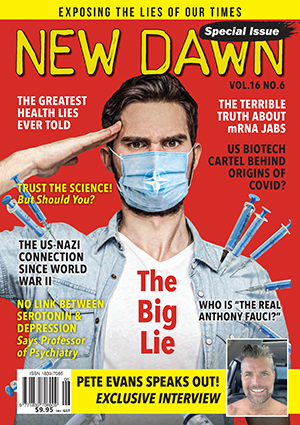
    The Greatest Health Lies Ever Told

    From New Dawn Special Issue Vol 16 No 6 (Dec 2022)

    When it comes to our health, we are way too trusting of industries that are in business to earn a profit, often at our expense. We believe our health professionals’ primary concern is our well-being, not their wallets. We accept at face value anything told to us by “experts” in the media and vilify those who dare to question these experts, even when they lie.

    Sometimes lies are nothing more than great marketing. For example, ever wonder why you are told to walk 10,000 steps a day? It came from a 1965 Japanese company called Yamasa Toki that introduced their new product, a step-counter called Manpo-Kei. This translated into “10,000 steps meter” and the company marketed their device with the slogan, “Let’s walk 10,000 steps a day,” which took off among Japanese walking clubs, and then, the world.

    In this case, the end result was a positive and healthy one.

    Not every health “lie” is.

    Smoking Is Safe!

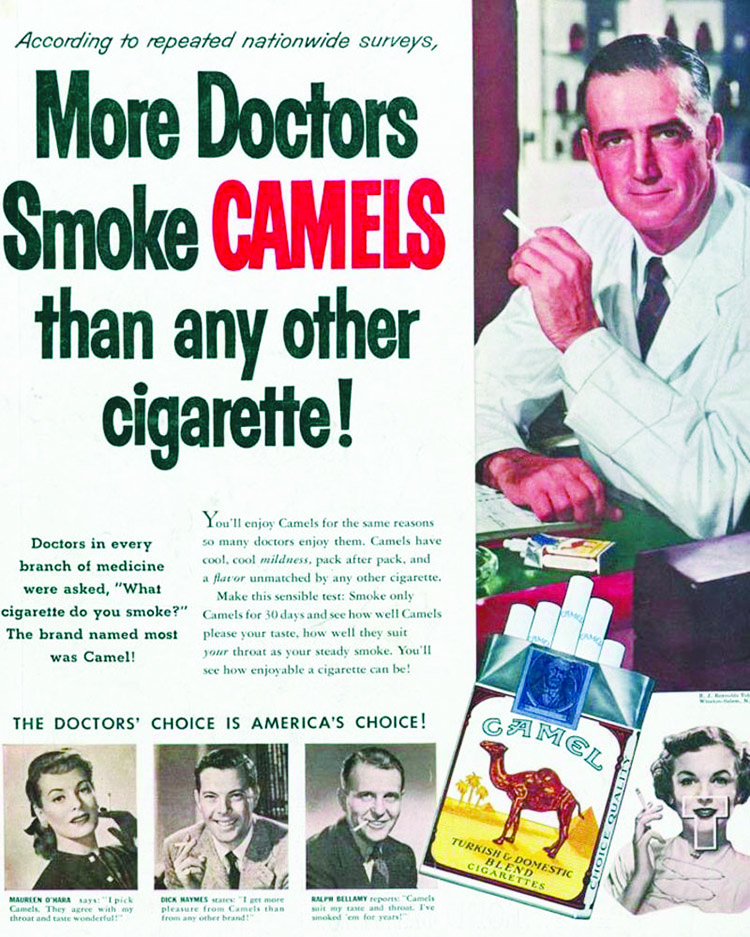
    For decades, cigarette ads touted their product as healthy and sometimes included pregnant women and doctors puffing away. Cigarettes were all the rage until links between smoking and cancer got too big to ignore.

    An authentic advertisement from mid-last century advertising Camel cigarettes as safe because more “doctors” smoke the brand!

    In 2006, Big Tobacco was in big trouble when the US District Court for the District of Columbia found tobacco companies guilty of breaking civil racketeering laws, marketing to children and minorities, and lying about the dangers of smoking. Judge Gladys Kessler wrote in her ruling, “Substantial evidence establishes that tobacco companies have engaged in and executed – and continue to engage in and execute – a massive 50-year scheme to defraud the public.”

    Big Tobacco companies Lorillard, Inc.; Altria, owner of Phillip Morris USA; RJ Reynolds Tobacco, owner of Winston-Salem, who that year spent over $12.5 billion in advertising, were forced to admit they knew of the dangers, publish corrective and educational statements about the dangers of tobacco in national newspapers, and air corrective statements on American media five times per week for a year. They also had to affix a warning statement to a number of cigarette packs for two years and finance anti-smoking ads and campaigns.

    Sadly, it was too late for the average 1,200 Americans dying of smoking every day or the millions who much later developed various cancers, heart disease, emphysema, leukaemia, reduced fertility rates, and nicotine addictions.

    It was a Big Lie that woke many people up from decades of propaganda and manipulation as more research exposed the cancer connection, including to second-hand smoke. Unfortunately, it was not the only Big Lie.

    Sugar Is Safe!

    If cigarettes didn’t kill us, the side effects of a diet rich in this product might.

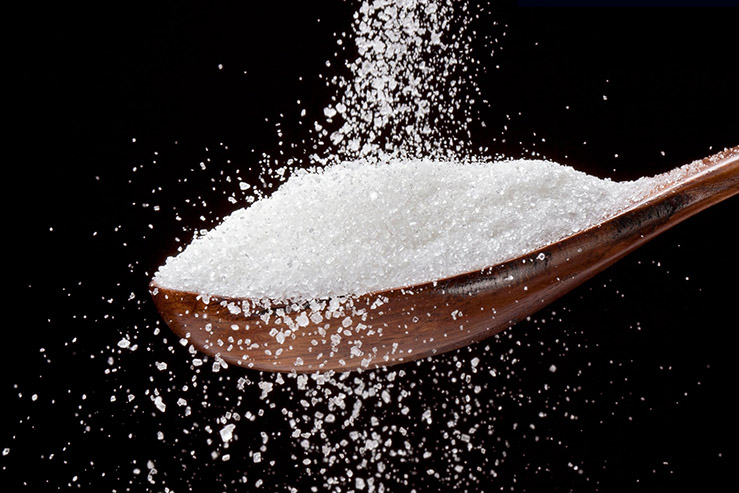
    Sugar.

    The average adult in the United States consumes the most sugar, coming in at 126 grams daily. Germany is right behind with 102 grams. [The average Australian consumes 60 grams.] Children in the US alone consume about 17 teaspoons of sugar each day up until the age of 19.

    Sugar goes by many names including high fructose corn syrup, dextrose, sucralose, and maltodextrin and is found in processed products and treats, but also in many foods you might never suspect, such as “natural” salad dressings, sauces, baby foods, and more. It has been directly linked to inflammation, cancer, heart disease, diabetes, kidney disease, rising obesity in adults and children, and other illnesses, yet for decades it was celebrated as healthy.

    Instead, the bulls-eye target was on something humans had consumed for hundreds of years without the proliferation of heart disease, obesity, or cancers.

    Fat.

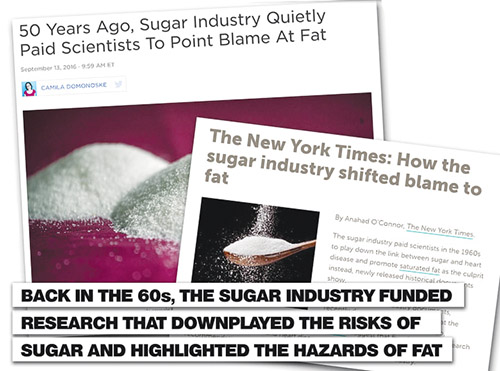
    During the 1960s, the sugar industry paid scientists to perform research studies that played down the links between sugar and heart disease and instead placed the blame on saturated fats, according to internal industry documents published in 2016 by JAMA Internal Medicine. These documents showed a five-decade-long collection of research into nutrition and heart disease, accusing saturated fats as the main culprit behind heart disease while conveniently exonerating sugar.

     According to the 12 September 2016 New York Times “How the Sugar Industry Shifted Blame to Fat” by Anahad O’Connor, this was a concerted propaganda campaign that involved the Sugar Research Foundation paying three Harvard scientists to publish a review on sugar, fat, and heart disease that featured hand-picked studies minimising the links between sugar and heart disease and promoting the links between fat and heart disease. Coca-Cola also paid millions of dollars in funding to researchers to downplay the links between sugar and obesity.

    These faulty and fraudulent industry-sponsored studies became the foundation of a decades-long propaganda push to eliminate fats from our diet and push “healthy” low-fat foods. Carbohydrates in cereals and treats were fine, but a good piece of steak from the local butcher would clog your arteries and send you to the ER. Because the propaganda campaign was so pervasive and those scientists who questioned the narrative were ignored or silenced, people bought it and consumed sugar to the detriment of their health.

    In “Big Fat Lies – A Half Century of Sugary Propaganda Has Made Us Sick” by Brian Krans for Healthline, the sugar industry bought up the advertising necessary to drive home their skewed research. Krans wrote that “Big Sugar” often restructured conversations around health and choice by establishing front organisations to steer the dialogue in their favour. These front organisations used names that made them sound scientific and pro-consumer and paid consultants to speak at conventions and testify at public hearings.

    “During the 1960s, the sugar industry steered public policy away from recommending reduced sugar consumption for children because it caused cavities. Like the tobacco industry, it was able to protect itself from damaging research. It achieved this by adopting a strategy to deflect attention to public health interventions that would reduce the harms of sugar consumption rather than restricting intake.”

    The 2016 JAMA Internal Medicine paper raised even more alarms, according to “50 Years Ago, Sugar Industry Quietly Paid Scientists to Point Blame at Fat” by Camila Domonoske for the 13 September 2016 NPR. JAMA drew on internal documents indicating the Sugar Research Foundation wanted to “refute” concerns about sugar’s possible role in heart disease. The SRF sponsored the research by Harvard scientists and the prestigious New England Journal of Medicine, then published the research in 1967 without disclosing the sugar industry’s funding. The NPR story quotes John Hickson, then SRF vice president and director of research, as having inserted into one document his recommendation that the industry fund its own research studies. “Then we can publish the data and refute our detractors.”

    The following year, after several scientific articles were published linking sucrose and coronary heart disease, the SRF quickly approved the above literature review project and paid approximately $50,000 for the research supporting their pro-sugar goals. Studies that went against their message were dismissed for a variety of trivial reasons, such as one study that found a health benefit when people ate less sugar and more vegetables, dismissed on the grounds that such a dietary change was “not feasible.”

    The Harvard researchers who turned their focus on the dangers of fats ironically used the “same kind of epidemiological studies they had dismissed when it came to sugar,” Domonske wrote. Their conclusion was that cutting out all fat was the best dietary intervention to protect someone against coronary heart disease.

    Heart disease is the number one health-related killer and has been for a long time.

    Statins Are Safe!

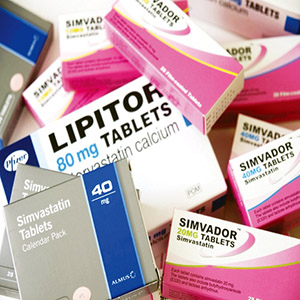
    Another great lie was told to millions of people who believe if they don’t take statins, they will die of a heart attack. They believe this because their doctors tell them so and because television ads (in the USA) by pharmaceutical companies scare them into asking their doctors if “such and such drug is right for me.” In the year 2019, sales of the statin Lipitor made Pfizer Pharmaceuticals over $2 billion.

    When saturated fat became the enemy, the debate over cholesterol as a heart disease indicator gained ground, with the narrative that too much cholesterol clogged arteries and caused heart attacks and strokes.

    According to Dr Joseph Mercola in a 16 August 2020 analysis, “Research Confirms Statins Are a Colossal Waste of Money”:

    “The food industry shifted away from saturated fat and cholesterol to improve public health, and the medical industry has massively promoted the use of cholesterol-lowering statin drugs for the same reason. Despite that, the rate of heart disease deaths has steadily risen.”

    The mastermind behind the low-fat, low-cholesterol connection was American physiologist Ancel Keys, who in 1958 conducted his “Seven Countries Study” to create the saturated fat myth. In the study, he claimed to find a correlation between total cholesterol concentration and heart disease but was later found to be cherry-picking data. It was revealed he excluded data from 16 countries that, when added back in, eliminated all associations between saturated fat and mortality and instead proved those who ate the most saturated animal fat tended to have lower incidences of heart disease.

    But it was too late. Big Pharma jumped on Keys’ study and ran with it. The American Heart Association, Proctor & Gamble Co, and the Center for Science in the Public Interest, all jumped on board and promoted the fallacy for decades, ignoring numerous studies disputing older data and other factors that cause heart disease, such as high blood pressure, stress, inflammation, poor diet, and sedentary lifestyle, and passing over more modern research showing that the more LDL, “bad” cholesterol, is lowered, the greater the risk of heart attacks and strokes.

    Mercola notes a number of studies showing statins do not work as promised and that saturated facts are not the evil enemy. “A 2010 meta-analysis which pooled data from 21 studies and included 347,747 adults, found no difference in the risks of heart disease and stroke between people with the lowest and highest intakes of saturated fat.” He cited additional studies and analyses showing the same, including a 2014 meta-analysis of 76 studies by Cambridge University that found no basis for advising low saturated fat consumption to lower cardiac risk.

    A 3 August 2020 Science Daily article, “Doubt Cast on Wisdom of Targeting ‘Bad’ Cholesterol to Curb Heart Disease Risk,” cites an analysis that same year published in BMJ Evidence Based Medicine that stated: “Setting targets for ‘bad’ LDL cholesterol levels to ward off heart disease and death in those at risk might seem intuitive, but decades of research have failed to show any consistent benefit for this approach.”

    Sometimes the lies are told in stealth mode. For example, during the January 2021 COVID media storm, writes Mercola, “a study published in the journal Atherosclerosis quietly revealed that people taking statin medications had a higher rate of cardiovascular events than those who were not on statins.”

    Medical News Today published a June 2016 story by Ana Sandolu, “Statins May Double the Risk of Type 2 Diabetes,” that statins might help heart disease but at the cost of rising rates of the chronic condition. The research, led by Victoria Zigmont, a graduate researcher in public health at Ohio State University in Columbus, appeared in the journal Diabetes Metabolism Research and Reviews. “The analysis revealed that people who took statins were more than twice as likely to receive a diabetes diagnosis than those who did not take the medication. Additionally, people who took statins longer than two years were more than three times as likely to develop diabetes.”

    Statins continue to be handed out like candy, despite side effects that include muscle stress, pain, fatigue, and weakness, including sharp cramping and tendonitis, which can lead to myositis (inflammation of the muscle) and rhabdomyolysis (severe muscle damage, cell death, kidney failure, possible death). They also raise blood insulin levels. Statins can trigger insulin-related issues and increase the risk of new-onset diabetes for those people taking higher dosages of statins after a heart attack or surgery. They are linked to brain fog, impaired concentration, memory loss, cataracts, dementia, mood changes and mood disturbances, and increase the risk of obesity, ironically which can lead to heart disease and strokes. They also deplete the body’s natural stores of CoQ-10, which is critical for heart health.

    5G is Safe!

    In December 2019, a broad coalition of scientists, researchers, doctors, and advocates signed a National 5G Resolution letter and sent it to US president Donald Trump demanding a moratorium on 5G until further studies on the potential hazards to humans and the environment could be fully undertaken by independent scientists not linked to the telecom industries. The letter referenced published studies that clearly demonstrated harm to human health, bees, the environment, wildlife, trees, and birds from existing technology and showed that the increases needed to accommodate 5G would be even more disastrous.

    A petition signed by 26,000 scientists and countless others who opposed 5G was also sent in 2018 to the United Nations, WHO, the European Union, the Council of Europe, and the governments of all nations. The first paragraph stated:

    “We the undersigned scientists, doctors, environmental organisations and citizens from (…) countries, urgently call for a halt to the deployment of the 5G (fifth generation) wireless network, including 5G from space satellites. 5G will massively increase exposure to radio frequency (RF) radiation on top of the 2G, 3G and 4G networks for telecommunications already in place. RF radiation has been proven harmful for humans and the environment. The deployment of 5G constitutes an experiment on humanity and the environment that is defined as a crime under international law.”

    One of the main concerns is 5G’s reliance on the bandwidth of the millimetre wave – MMW, known to penetrate 1 to 2 millimetres into human skin tissue, and that sweat ducts in human skin can act as antennae when in contact with MMWs. The symptoms of such exposure include burning sensations, pain, eye problems, altered heart rate, arrhythmias, and suppressed immune functions. With 5G set to act like an EMF blanket, one can only imagine the symptoms of longer-term exposure.

    In “5G Danger: 13 Reasons 5G Wireless Technology Will Be a Catastrophe for Humanity,” Makia Freeman says that 5G dangers include, but are not limited to:

    Damage to sweat ducts from the broadcast frequencies that could alter the human skin itself.

    Dangers from premature aging and injury to the body, the brain, fertility, hearts, and DNA from the way EMFs activate the body’s VGCCs – Voltage-gated calcium channels.

    Damage from pulsed wave radiation is far worse than continuous radiation.

    Damage from deep EMF penetration when cell phones are held close to the brain.

    Close proximity to the 5G towers causes negative effects in humans.

    The same frequencies used in 5G are used in riot control and crowd dispersal directed energy weapons.

    The MMW frequencies are both mutagenic (causing DNA damage) and carcinogenic (causing cancers).

    Insects, birds, and children are the most vulnerable to 5G frequencies because of their body size.

    Other Lies They Told Us – Fluoride is Safe!

    Since the 1950s, the US Public Service endorsed adding fluoride to public drinking water for supposed benefits to public health, despite earlier 1945 studies not yet reaching any conclusion. Since then, numerous studies have proven fluoridation lowers IQs in children. The US National Institute of Environmental Health Science funded the “Bashash” study, published in 2017, that showed for each 1-milligram per litre increase in fluoride in pregnant women’s urine, there was an associated drop in her child’s IQ of four to five points. Canadian researchers found that bottle-fed children in fluoridated communities had an average of nine points lower on IQ tests than those in non-fluoridated communities. An earlier 2012 meta-analysis by the Harvard School of Public Health and China Medical University found evidence that fluoride negatively affected cognitive development in children.

    Pesticides Are Safe!

    In 2018, major lawsuits were filed against Roundup, a herbicide (weed killer) made by Monsanto (now owned by Bayer). Dewayne Johnson, a school groundskeeper who developed non-Hodgkin’s lymphoma after prolonged exposure on the job, was awarded hundreds of millions in damages. There are now more than 11,000 pending lawsuits against Bayer/Monsanto over the use of Roundup and the key ingredient, glyphosate, a known carcinogen.

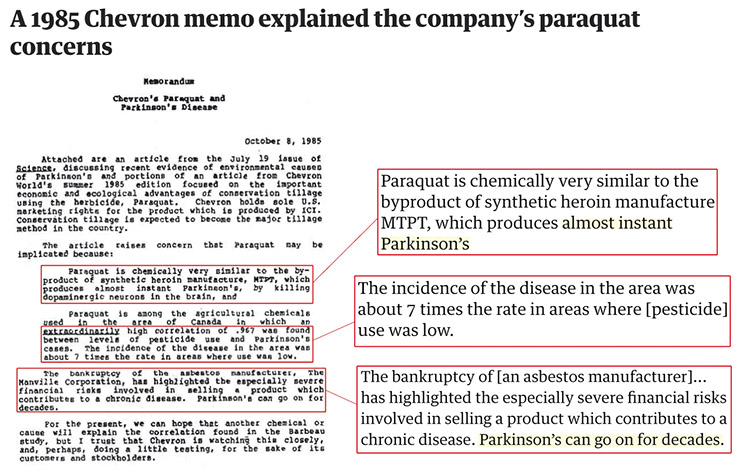
    On 21 October 2022, The Defender featured a story by Carey Gillam, “50 Years of Secrets: How Chemical Giant Syngenta Hid the Truth About a Dangerous Weedkiller.” Gillam documents how Syngenta manufactured and marketed paraquat, a widely used weed killer. The company’s internal documents reveal it was aware their product’s long-term use was linked to Parkinson’s Disease.

    Hundreds of internal corporate records also uncovered conversations between scientists and executives dating back to the 1950s.

    “The documents also lay out how Syngenta crafted strategies to defend paraquat and counter independent researchers who were finding more and more evidence that paraquat may cause Parkinson’s, including development of an ‘influencing’ strategy ‘that proactively diffuses the potential threats that we face’…”

    Sound familiar?

    A Depressing Lie

    There is mounting evidence that a low serotonin level is not the main cause of depression as we have been told for decades. But don’t tell that to the makers of antidepressants called SSRIs, selective serotonin reuptake inhibitors, who rake in billions of dollars, convincing millions of people they need to take drugs like Zoloft, Prozax, or Lexapro.

    Irving Kirsch – associate director of the Program in Placebo Studies and the Therapeutic Encounter at Beth Israel Deaconess Medical Center and Harvard Medical School and a long-time critic of antidepressants – told Newsweek: “People do get better on the drug – but in the vast majority of cases it’s not because of what’s in the drug. There are other treatments that are at least equally effective, and that don’t carry the risks.”

    The small benefits seen in some drug trials are due to emotional numbing, the “flatlined” symptom many on SSRIs report. This numbing effect comes at a steep price, however, as it also prevents you from experiencing emotional highs and does little to counteract the loss of energy, interest and motivation that are so characteristic of depression.

    A systematic review published in Molecular Psychiatry on 20 July 2022 concluded: “The main areas of serotonin research provide no consistent evidence of there being an association between serotonin and depression, and no support for the hypothesis that depression is caused by lowered serotonin activity or concentrations. Some evidence was consistent with the possibility that long-term antidepressant use reduces serotonin concentration.”

    Using these drugs long-term will likely make you more depressed! Not to mention the long list of side effects including suicidal ideation in children and young adults.

    Get the issue this article appears in

    Take Back Your Health!

    Dr Leland Stillman, author of the new book Dying to Be Free: How America’s Ruling Class Is Killing and Bankrupting Americans, and What To Do About It, warns that “people are being really exploited by the medical system… The [conventional] model is to turn you into a recurring revenue stream, where you’re renting your body from Big Pharma.”

    “It’s one of the most disillusioning things, as a practitioner, to realise that so many people are not actually invested in their wellness,” laments Stillman.

    The lies, myths, and half-truths only work if we believe and accept them. Instead, we should believe, as Stillman does, that an entirely new healthcare system can and is being built on maintaining health rather than managing disease.

    [alert type=”general” dismiss=”no”]This article was published in New Dawn Special Issue Vol 16 No 6.[/alert]

    [alert type=”success” dismiss=”no”]If you appreciate this article, please consider subscribing to help maintain this website.[/alert]

    Sources

    https://careygillam.substack.com/p/50-years-of-secrets-revealed
    www.sgtreport.com/2022/10/antidepressants-rarely-outperform-sugar-pills/
    www.newsweek.com/2022/09/30/antidepressants-work-better-sugar-pills-only-15-percent-time-1744656.html
    www.thedailybeast.com/big-tobaccos-biggest-lies
    www.globalresearch.ca/5g-danger-13-reasons-5g-wireless-technology-will-be-a-catastrophe-for-humanity/5680503
    www.1news.info/health-news/how-conventional-medicine-kills-and-what-to-do-about-it-1290461
    https://jamanetwork.com/journals/jamainternalmedicine/article-abstract/2548255
    www.medicalnewstoday.com/articles/325567
    www.npr.org/sections/thetwo-way/2016/09/13/493739074/50-years-ago-sugar-industry-quietly-paid-scientists-to-point-blame-at-fat
    www.nytimes.com/2016/09/13/well/eat/how-the-sugar-industry-shifted-blame-to-fat.html
    www.peoplespharmacy.com/articles/why-doesnt-lowering-ldl-cholesterol-save-more-lives
    www.sciencedaily.com/releases/2020/08/200803184143.htm
    https://tobacco.stanford.edu/antismoking/anti-industry/industry-lies

    © New Dawn Magazine and the respective author.
    For our reproduction notice, click here.

  • Death By Plasticide? How Microplastics Threaten Our Health, Organic Agriculture & Fertility

    Death By Plasticide? How Microplastics Threaten Our Health, Organic Agriculture & Fertility

    From New Dawn 205 (Jul-Aug 2024)

    The amount of microplastic I found in the biosolids was really high… and that means they are all going to our agricultural soil.
    – Shima Ziajahromi, Griffith University, Australia

    Some scientists have estimated the average person might eat 5 grams of microplastics in a week – about the weight of a credit card. Another study breaks that down to up to 52,000 particles annually from various food sources. These figures, which only take into account microplastic particles, are likely underestimated.
    – Phoebe Stapleton, PhD, assistant professor of pharmacology and toxicology, Rutgers University

    The statistics are staggering. By 2060, humans will produce over one billion tons of plastic waste, much of that in the form of microplastics and nanoplastics – plastic particles smaller than five millimetres long. According to “Human Consumption of Microplastics,” a 2022 research analysis of 26 studies published in Environmental Science & Technology, the average person eats, drinks, and breathes between 78,000 and 211,000 microplastic particles every year – and that is considered a vast underestimation.

    Microplastics are found in ever-increasing amounts in our air, water, food, clothing, products, and soil. They pollute our skies, fill our oceans and landfills, and have even been found beneath polar ice and in remote rainforests. We cannot escape them or the detrimental effects they pose to human health. While the global media proclaims climate change as the coming end of humanity, we are slowly being poisoned to death by a far more insidious, immediate threat working its way into our bodies and wreaking havoc with humanity’s future.  

    A Surprising Source

    We once believed that organic soil and fertilisers, and thus, organic farms and the food grown there, were environmentally safe from these tiny plastic particles. However, a new study out of Australia has rung alarm bells within the nation’s agriculture industry and raised public concern. 

    On 17 May 2024, Sky News investigations reporter Jonathan Lea released the shocking results of a study by researchers at Australia’s Griffith University. Tests revealed that a popular organic fertiliser contained microplastics “full of chemicals that could potentially leach into crops and plants.” Two farms that use the fertiliser were found to have these plastic contaminants in their soil. The research team believes this study proves toxic plastics “are not only being transported to farms but may end up back on our dinner plates,” according to Lea’s report.

    The Griffith University study, led by researcher Dr Shima Ziajahromi from the ARI-TOX research group at the Australian Rivers Institute, found thousands of microplastics in small fertiliser samples taken from Queensland, New South Wales, and South Australia. Known as “biosolids,” this type of fertiliser was once considered environmentally friendly because it was made from filtered wastewater from sewage treatment plants. The new study showed much greater amounts of microplastics than expected in the biosolids samples analysed.

    Australian wastewater treatment plants produce tonnes of treated sewage sludge annually, which is dried to make these “biosolids.” Two-thirds of the 340,000 tonnes produced annually are used on farms to improve soil quality and stimulate plant growth. 

    When asked if Australia was unwittingly fertilising its fields and farms with microplastics and chemicals, Dr Ziajahromi answered, “Yes.” The study’s results are a shock to the expanding organic agricultural market and its claims of products that are “green, plentiful, and cheap.” Dr Ziajahromi went on to say, “This is the contamination we (humans) produce and it’s coming back to us.”

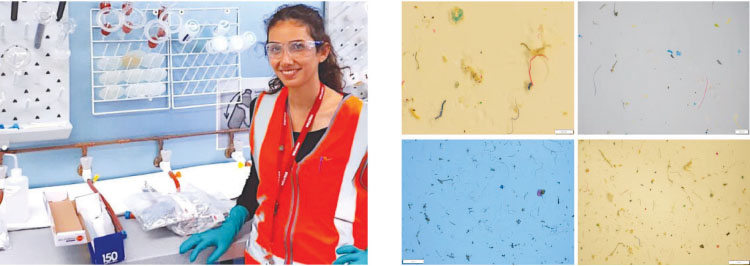
    Dr Shima Ziajahromi, an Advance Queensland Research Fellow and lecturer at Australian Rivers Institute, Griffith University, led the study that found microplastics in biosolids, as seen under microscope in these images (RIGHT).

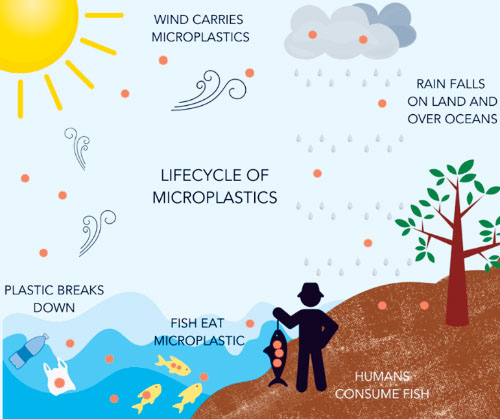
    Microplastics get into wastewater via clothing, food containers, and cosmetics washed down through sinks and showers. Because these tiny contaminants do not degrade easily, they have the potential to leach into our soil, which is then consumed by plants and animals and passed down the food chain to humans. 

    The lack of chemical regulation in Australia is a huge problem, with less than 0.3% of the thousands of chemicals produced daily having regulatory oversight. The call has now gone out to examine Australia’s growing organic farming industry and the need for tighter regulations to protect consumers and farmers who may have used contaminants “by accident” and not with harmful intent. Organic foods Australians consume may not be as healthy as claimed if treated with biosolids filled with microplastics, and consumers deserve to know this.

    The Griffith University study was conducted over multiple seasons using a purification method to accurately identify and quantify microplastics (MPs) from complex samples. It revealed that every Australian releases between 0.7 and 2.1g of MPs into wastewater every year, with New South Wales ranking the lowest and South Australia ranking the highest per capita for concentration of MPs.

    Current Australian regulations control the amount of heavy metals, nutrients, pathogens, and some emerging contaminants allowed in biosolids, but Dr Ziajahromi said there was currently no guideline for microplastics concentrations.

    These findings “underscored the urgent need for a greater understanding of the risks of MPs in biosolids to our agricultural soils as they can accumulate in soils and breakdown into smaller micro and nano-sized particles which can cause more harmful effects to our soil ecosystem.”

    The use of plastics expanded after World War 1 and exploded in the 1970s. According to 2022 OECD data, 460 million metric tonnes of plastic is produced worldwide every year – and growing.

    We now move to other recent reports about microplastic contamination and the price society and the planet are now paying for this love affair with industrial synthetics. 

    A Bite of Plastic

    A BBC report by Isabelle Gerretsen discusses how microplastics have already infiltrated our food. Plastic pollution, she writes, is “one of the defining legacies of our modern way of life, but it is now so widespread it is even finding its way into fruit and vegetables as they grow.”

    MPs are everywhere: buried in the Antarctic sea ice, in the guts of marine animals, in wastewater and drinking water around the world – even on the beaches of the most remote and uninhabited islands. 

    “One study estimated that there are around 24.4 trillion fragments of microplastics in the upper regions of the world’s oceans,” notes Gerretsen. Microplastics then get into the food we eat. “Unwittingly, we may be consuming tiny fragments of plastic with almost every bite we take.”

    A 2022 study by the Environmental Working Group found that sewage sludge had contaminated approximately 20 million acres of US cropland alone. These contaminants are plastic-based “forever chemicals” that do not break down under normal environmental conditions. Europe doesn’t fare any better, as the study showed an estimated 8-10 million tons of sewage sludge produced in Europe each year, with about 40% used on farmlands, which means, according to another study by Cardiff University, between 86 trillion to 710 trillion MP particles could be contaminating European farmland annually.

    Another report by the UK’s Environment Agency showed that sewage waste destined for English farmland was contaminated with pollutants, including dioxins and polycyclic aromatic hydrocarbons at levels that may risk human health. 

    According to a 2020 experiment done by Kansas University agronomist Mary Beth Kirkham, plastic can serve as a vector for plant uptake of toxic chemicals such as cadmium. “In the plants where cadmium was in the soil with plastic, the wheat leaves had much, much more cadmium than the plants that grew without plastic in the soil.”

    We might expect MP contaminants in large, industrialised farms and in the food we buy at big supermarkets but they have also been detected in fruits and vegetables sold by local street sellers in Sicily, Italy. Apples appeared to be the most contaminated fruit, with carrots having the highest levels of MPs among vegetable samples. Analysis revealed that the plastics accumulated in the plant roots, meaning that root vegetables such as carrots, turnips, and radishes have more microplastics when consumed.

    Even when soil is not as highly contaminated, these persistent chemicals will continue to accumulate until they become a real risk to human health. Numerous studies already show strong negative impacts of microplastics on human health, causing cell damage, infertility, heart disease, cancers, disruptions to the endocrine and thyroid systems, autoimmune disorders, and poor foetal development. 

    The toxicological impact of MPs is not a conspiracy theory. Solid research abounds, but industry regulators either won’t address this or can’t keep up with the damage already done. One researcher, Willie Peijnenburg, told BBC that, “It will take decades before plastics are fully removed from the environment.”

    Sewage Sludge

    The Netherlands banned spreading sewage sludge in 1995 and instead exported it to the UK, where it was used as farm fertiliser. Switzerland banned using sewage sludge as fertiliser in 2003 after finding harmful substances and pathogens. In the US, Maine banned the practice in 2023. 

    Biosolids from sludge lagoons in South Australia. Image: SA Water.

    However, some people see a total ban on using sewage sludge or biosolids for fertiliser as problematic because the alternative might be even more detrimental to the environment. Instead, there needs to be more research and development into ways of managing the plastic contaminants found in existing biosolids, and there are many great ideas on how to do that if industry cooperates across the board. Countries like Greece and Italy dispose of their sludge in landfill sites but admit that MPs leaching into surrounding lands is still possible.

    There are benefits to the use of “municipal biosolids,” which are produced at wastewater treatment plants by the process of settling and stabilising the solid fraction of the municipal wastewater inflow. According to an article in The Conversation, “How microplastics are making their way into our farmland,” municipal biosolids improve agricultural farmland soil because they are rich in nutrients to assist plant growth. Canada carefully regulates their municipal biosolid applications for everything but microplastics. Although wastewater treatment plants are efficient at removing up to 90% of MPs, the removed MPs have to end up somewhere, which is in the concentrated, settled sludge that becomes the biosolids then used to fertilise crops. 

    “Wastewater treatment plants are well-equipped to remove large plastics like bottle caps and plastic bags from municipal wastewater. However, microplastic particles are so small they can’t be caught by current treatment infrastructure, so they end up concentrating in wastewater sludge,” the article states. 

    Proposed solutions often involve decreasing the overall use of plastic products, especially single-use plastics like water bottles, which could help minimise the amount of plastic breakdown that gets into wastewater streams and/or into our soil via landfills. New technologies that could be built directly into wastewater treatment facilities could also filter out microplastics through chemical or physical means, although one might again wonder what happens to the stuff that’s filtered out.

    An Unavoidable Risk?

    The authors of an extensive study, Microplastic Sources, Fate and Solution, say plastic mulch waste is a growing problem that poses challenges for abatement. 

    “Residues from plastics and plastic elements used in agriculture for crop protection can harm the environment after use if not properly managed, as over time and with exposure to the sun, plastic decomposes into smaller particles that are absorbed by the soil, transported by water or wind, and also ingested by vertebrate and invertebrate animals.” 

    The study points out that “Mulch film is creating a major environmental problem that is of concern to sector and public administrations. Plastics elimination is both laborious and costly because it is a material composed mainly of low-density polyethylene (LPDE) and takes a long time to biodegrade. It is also often heavily contaminated with soil and plant residues, making it difficult to recycle.” 

    Plastic mulch film used for numerous crops is a major source of MP contamination. 

    Farmers use plastic mulch film on numerous crops during the growing season. However, there are no consistently accessible mechanisms for sustainably disposing of plastic mulch film at the end of its life. 

    According to an article for Modern Farmer, “The use of plastic in agriculture, known as ‘plasticulture’, is expansive. The United States agriculture sector uses one billion pounds of plastic mulch every year. When it comes to disposal, the vast majority of this film gets taken to the landfill or is buried or incinerated.”

    “We always talk about this on the student farm – it’s kind of like the dirty secret of organic agriculture and agriculture in general, is just the amount of waste – the amount of single-use plastic,” agricultural teacher Katherine Myrvold told Modern Farmer. “So, that’s something that we’re very open to finding an alternative to.”

    Ocean Contamination

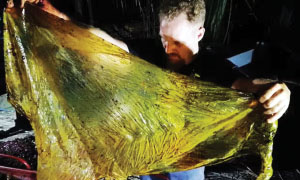
    Darrell Blatchley pulling plastic out of a Cuvier’s Beaked Whale.

    MP contamination of the oceans not only impacts the ocean environment itself, but compromises food safety and security and, ultimately, collective human health. MPs are changing the gut microbiomes of seabirds according to a University of Trento, Italy study led by Gloria Fackelmann. She and her colleagues sampled gut microbiomes from two gull-like species in the North Atlantic Ocean. They found high levels of MPs, which makes sense since the world’s oceans have become dumping grounds for plastic waste.

    According to Fackelmann, these pollutants congregate in marine environments and are consumed by marine birds, mammals, and fish. Marine biologist Darrell Blatchley found an astonishing 40 kilos of plastic in the gut of a Cuvier’s Beaked Whale that died along the shores of the Philippines. Researchers in Britain found MPs in the guts of over 50 marine animals representing 10 different species.

    Spermageddon

    For decades, scientists have grappled with the true cause of declining fertility in human populations. The sad reality is that microplastics – which are made up of toxic chemicals – could be directly responsible.

    MPs have been called a “significant” potential cause of male infertility, a study published by the US National Library of Medicine says.

    A May 2024 study published in Toxicological Sciences found MPs in every human testicle examined, pointing to “potential consequences on male fertility,” according to the authors.

    Polyethylene – the type of plastic used in bags and bottles – was the most common type of plastic found, followed by PVC.

    “PVC can release a lot of chemicals that interfere with spermatogenesis and it contains chemicals that cause endocrine disruption,” University of New Mexico professor Xiaozhong Yu, one of the study’s co-authors, told The Guardian.

    “At the beginning, I doubted whether microplastics could penetrate the reproductive system,” Yu told the outlet. “When I first received the results for dogs I was surprised. I was even more surprised when I received the results for humans.”

    The human testicle samples had nearly three times the amount of MPs as the canine samples. The samples were taken in 2016 from men ranging in age from 16 to 88 – and since time has passed, Yu told The Guardian, “The impact on the younger generation might be more concerning” now, given the proliferation of plastic pollution.

    Another study published in Environmental Science and Technology Letters showed disturbing amounts of plastic found in baby poop, with evidence showing a higher presence of polyethylene terephthalate in the faeces of infants than in adults. It was even found in the first stool taken from newborn babies. As infants grow, they are exposed to even more plastics via baby bottles.

    It would appear no life form can escape this onslaught. Tested samples from remote regions of the Amazon rainforest suggest that plastic pollution travels in atmospheric particles over long distances. There is no such thing as “a pristine zone” on the planet. 

    A 2023 Newsweek article by Pandora Dewan, “‘Plastic Rainfall’ Contaminating Nearly Everything People Eat and Drink,” explained that 50-75 trillion pieces of microplastics are found in the world’s oceans, many of which end up in our food and waterways.

    “With so many of these tiny particles in the ocean, it is perhaps unsurprising that some have been drawn up into the atmosphere. However, their presence in high altitude environments has been largely unstudied – until now.”

    Dewan cited a study published in Environmental Chemistry Letters by researchers from Waseda University, Japan. The researchers analysed cloud water from the summits of Mount Fuji and Mount Oyama to investigate whether MPs were found at such high altitudes. 

    Indeed, that was the case. They were highly fragmented but contained molecules that could bond with water, “suggesting they may play a role in cloud formation, acting as the seed at the centre of the cloud around which water vapour can condense.” The scientific name for this is “cloud condensation nucleus,” and it has the potential, according to the study, to influence global weather patterns.

    “Microplastics in the free troposphere are transported and contribute to global pollution,” according to lead researcher Hiroshi Okochi. “If the issue of ‘plastic air pollution’ is not addressed proactively, climate change and ecological risks may become a reality, causing irreversible and serious environmental damage in the future.”

    Get the issue this article appears in

    Human Cyborgs & Plastic People

    Though there are solutions on the table, it could be years, if not decades, before a viable way to decrease MP exposure becomes a reality. In the meantime, people must do what they can to reduce plastic consumption in their own lives: use quality filters for tap water instead of buying cases of plastic bottled water, seek out local farms that use manure-based fertilisers, research products from salt to clothing to cosmetics that have been tested for MP levels, and vote for policies and programs that take this threat seriously.

    Researchers at Columbia and Rutgers universities found that the average litre of bottled water has nearly a quarter million invisible pieces of nanoplastics.

    Still, it may be too late. According to a new documentary titled “We’re All Plastic People Now,” we may have reached the tipping point of becoming “human cyborgs.” Produced and directed by Rory Fielding, the documentary looks at the devastating impact on marine life from MPs and dives into how plastic pollution is harming human life. Researcher David A. Davis, PhD from the University of Miami, states in the film, “Water is life, so if the water is polluted and we have sentinel species like dolphins and sea turtles, if they’re also sick, we can anticipate that we’ll be sick, too.” 

    Dr Antonio Ragusa refers to humans as “cyborgs” because the human body is no longer purely biological and has become part plastic. 

    “When I saw for the first time microplastics in the placenta, I was astonished,” said Dr Ragusa, who is Director of the Department of Obstetrics and Gynecology at San Giovanni Calibita Fatebenefratelli Hospital, Rome, Italy. “It is like having a cyborg baby, no longer composed only of human cells, but a mixture of biological and inorganic entities.” 

    Producer/director Fielding had four generations of his family’s blood tested for plastic-derived chemicals. The blood was sent to Rolf Halden, PhD, an environmental engineer at Arizona State University, who found Fielding and his family carried over 80 different chemicals in their bodies. 

    “What we detected in the blood of all these participants are precursors of plastics, plastic constituents themselves, as well as degradation products of consumer plastics. These chemicals are known to be carcinogens, endocrine-disrupting chemicals, obesogens, and neurodegenerative agents.”

    Halden emphasised the implications of decreasing sperm counts and loss of fertility, and that “we could be playing with the future of humanity.” Dr Ragusa echoed this concern: “Plastics can be the future for big oil companies. But not for us, not for humanity. For humanity, plastic is the end of the future.”

    An Inconvenient Truth

    Plastic is all about convenience, making our lives easier in many ways, but that convenience has now become a dire threat to our health – maybe even our survival. People in Australia have had no clue that the organic produce they buy is contaminated with tiny bits of plastic. Knowledge is power, and the people must take back their power and demand change because industry will rarely, if ever, change on its own unless ample profit is involved.

    [alert type=”general” dismiss=”no”]This article was published in New Dawn 205.[/alert]

    [alert type=”success” dismiss=”no”]If you appreciate this article, please consider subscribing to help maintain this website.[/alert]

    Sources

    skynews.com.au/australia-news/fears-for-australias-agricultural-industry-as-concerning-study-finds-large-amount-of-microplastics-in-organic-fertiliser-and-soil/news-story/ac446c5d8c02d78bbb22ac7cf988f707
    news.griffith.edu.au/2024/02/21/biosolids-containing-microplastics-used-on-farm-lands/
    bbc.com/future/article/20230103-how-plastic-is-getting-into-our-food
    Khan, Anish, Chongqing Wang, Abdullah M. Asiri, Editors. Microplastics Sources, Fate and Solution, Springer Nature Singapore, 2023.
    nature.com/articles/s41591-024-02968-x
    ncbi.nlm.nih.gov/pmc/articles/PMC9134445/
    newscientist.com/article/2366045-microplastics-are-changing-the-gut-microbiomes-of-seabirds/
    modernfarmer.com/2023/08/plastic-mulch-is-problematic/
    newsweek.com/microplastics-found-clouds-1830714
    articles.mercola.com/sites/articles/archive/2023/07/27/microplastic-particles-in-human-stool-samples.aspx
    articles.mercola.com/sites/articles/archive/2024/05/25/plastic-people.aspx
    theconversation.com/how-microplastics-are-making-their-way-into-our-farmland-208346 
    theguardian.com/environment/article/2024/may/20/microplastics-human-testicles-study-sperm-counts
    academic.oup.com/toxsci/advance-article-abstract/doi/10.1093/toxsci/kfae060/7673133

    © New Dawn Magazine and the respective author.
    For our reproduction notice, click here.

  • Applying New Thought Principles to Modern Day Challenges

    Applying New Thought Principles to Modern Day Challenges

    From New Dawn 197 (Mar-Apr 2023)

    “What you think upon grows. Whatever you allow to occupy your mind you magnify in your life. Whether the subject of your thought be good or bad, the law works and the condition grows. Any subject that you keep out of your mind tends to diminish in your life, because what you do not use atrophies. The more you think of grievances, the more such trials you will continue to receive; the more you think of the good fortune you have had, the more good fortune will come to you.”
    – Emmet Fox

    “Life is a mirror and will reflect back to the thinker what he thinks into it.”
    – Ernest Holmes

    Using New Thought principles to change the self can change the greater collective. As we have been told, we must be the peace, the change, and the love we seek in the world because, as the teachers of New Thought understood, it begins within the individual first. 

    In a world that wants us to think we have no individual freedom or power and thus no influence to create a different and better collective, it is imperative that we shift the “locus of focus” from the things we do not want to those we do.

    Knowing we are part of the divine, of God, we come to understand that all the things which hold us in fear – inflation, crime, racism, natural disasters, climate change, political strife, corruption, viruses – are all external to us and have no real sovereignty over us. Our truth is our connection to the invisible substance and infinite Source. It is not the government or Bill Gates or a vaccine made by Pfizer. We are free in our minds and thoughts, and when we learn to direct our minds through focused thought, we create our reality and destiny.

    Going Within

    Everything begins as a thought. Everything. There is no war, circumstance, financial collapse, job loss, or hateful social media post that did not begin as a thought in an individual or in the collective hive mind. This applies to the good in life, too. It starts with our thoughts about who we are, what we want, and what we hope to achieve and experience.

    The first step is to turn within for wisdom, knowledge, guidance and understanding. As spiritual beings having a human experience, we always have access to our spirit via prayer, meditation, quiet time, mindfulness, guided visualisations, and practising feeling the Presence of God within. When we focus on externals, we become consumed by them and forget who we are, and that we have the power to use our minds for a better experience and outcome. By turning off the news, we can tune in to the wisdom within and act upon it.

    New Thought teaches that there is unformed “substance” all around us from which all form is created, sort of like a quantum field of all possibilities. Our thoughts act upon this substance, similar to how the observer acts upon the quantum field, bringing the desired form into being. Through things like prayer – which can be focused attention on a desired outcome – meditation and affirmations, we shape substance into what we want. Prayer in New Thought is not about begging or pleading but affirming we are one with God, one with Source, and that we are aligned with it to create that which we focus our thoughts and minds upon. This has a whole different vibration than begging some anthropomorphic being up in the clouds to please pity us and give us something. 

    Affirming is always in the present tense, and a declaration of “I am” such as “I am healed. I am peace. I am prosperous. I am loved.” We do not say “I want” because the mind focuses on the “want” as lack and that becomes the locus of focus and we get more want. Ever heard the phrase, “You can never get enough of what you don’t want?” This means that if your focus is on lack, on disease, on chaos, on political strife, on inflation and the crappy economy, or on this or that negative external person, event, or situation, that is what you will draw more of into your experience.

    Powerful affirmations could look like this:

    I am an individual expression of the God Source, and the invisible substance with which God creates is within me as my thoughts and beliefs. I have the power to direct my thoughts to use that substance to create my reality.

    I focus my mind and thoughts upon the true source of all there is, God within me, and allow my mind to align with Divine Mind to create that which I desire.

    I am divine spirit in a human body having a human experience and my thoughts direct that experience. Therefore, I choose only empowering, powerful thoughts.

    Treatment of the Mind

    A powerful tool used by New Thought practitioners, specifically in Religious Science, is spiritual mind treatment, also known as affirmative prayer. This is a five-step process that works to change our thoughts, remove doubt and fear, and allow the realisation of the presence of God within so we can then align with it and take right action toward the solution we want. 

    The five steps are as follows:

    1. RECOGNITION (GOD IS) I recognise God as the ultimate, unlimited Presence and Power in the universe. God is all there is and all is God.

    2. UNIFICATION (I AM) I am one with God, unified. I know God through me, as me, in me, and in all things. I am one with God now. 

    3. DECLARATION/REALISATION (I ACCEPT; I AFFIRM) Knowing I am a part of God; I know that without doubt or reservation that the good I desire to experience is now taking form through God’s Power. I declare my desire is complete and I accept it.

    4. THANKSGIVING / ACCEPTANCE (I GIVE THANKS) I thankfully accept that the good I desire is mine right now. I accept and give thanks for this good right here and now.

    5. RELEASE (I LET GO and LET GOD) I release this prayer/treatment to the activity of the Universal Law of Mind, completely freeing myself of doubt or concern. I let go and let God. I release this truth in total belief that it is already done.

    We end a treatment with the words, “And so it is,” much like “Amen” at the end of a prayer. This allows us to release the spiritual mind treatment to God with the total conviction and knowing that it is already done for us. We can repeat the treatment again if we really feel the need, or let it go once with certainty. 

    Treatments literally “treat” the mind to focus thought, desire, and belief toward a certain outcome rather than hope and beg for something, and to filter out all that does not align with that desire. There is even a little science behind this in our Reticular Activating System (RAS), a complex bundle of nerves in the brain stem responsible for regulating wakefulness and sleep-wake transitions. The RAS also acts as a filter for sensory information that comes into the brain and connects the subconscious to the conscious brain and might be responsible for why we perceive certain things and ignore others. If we focus on the bad, we see more of it thanks to the RAS. Same if we focus on the good.

    Illness & Healing

    As COVID-19 spread across the globe, critics argued that the New Thought emphasis on using the mind to heal was useless as a treatment for human diseases. The old-school ways were all about taking pills, having surgeries, and relying on dangerous vaccines and pharmaceuticals. Viruses exist, as COVID proved, and people got sick whether they believed it or not. Though, in the past, New Thought adherents adamantly believed that illness was the lack of realisation of our oneness with God/Source, New Thought practitioners today recognise the scientific aspects of disease while also emphasising that healing does begin in the mind and point to the many examples of people who have healed themselves of cancer, heart disease, and other ailments by using the power of their thoughts and beliefs.

    While we may not all have the mental capacity right now to cure ourselves overnight, we do know that positive and empowering mindsets create viable shifts in the body that promote healing. We are learning every year about the mind-body connection and how healing involves both working in tandem.

    Get the issue this article appears in

    Let There Be Peace on Earth and Let It Begin With Me

    As we return to our true power and understand our divine nature, our lives change. But how do we apply that to the collective? Can one person truly change the world? Change occurs first in the person, then in the home, then the community, and then the world. 

    David R. Hawkins, the author of Letting Go, The Pathway to Surrender, notes that, “The crucial point is: by changing ourselves, we change the world. As we become more loving on the inside, healing occurs on the outside. Much like the rising of the sea level lifts all ships, so the radiance of unconditional love within a human heart lifts all of life.”

    We realise how powerful we are as individuals aligned with the Source of all there is, and how that power emanates outward to others we come in contact with, but it begins within each of us to first get right with our own truth. Someone with no idea of their divinity will not act divinely to others. Someone who believes they are a powerless victim will submit to control by others and teach their children and loved ones to do the same.

    “Let there be peace on Earth and let it begin with me.” So say the lyrics of this beautiful song written in 1955 by Jill Jackson Miller and Sy Miller and is often sung in New Thought Churches. The sentiment applies to love, goodness, healing, wealth, prosperity, and joy. New Thought principles align us with the God/Source within, which is all good, so that we can express goodness outward to others and, in this way, change the world one spirit at a time. 

    [alert type=”general” dismiss=”no”]This article was published in New Dawn 197.[/alert]

    [alert type=”success” dismiss=”no”]If you appreciate this article, please consider subscribing to help maintain this website.[/alert]

    Sources

    www.csl.org/magazine/wp-content/uploads/sites/16/2018/05/CSL_SoM_Treatment_022117.pdf
    www.extension.umn.edu/two-you-video-series/ras
    www.scienceofminduk.org/what_spiritual_mind_treatment.html 

    © New Dawn Magazine and the respective author.
    For our reproduction notice, click here.