New Dawn – World's Most Unusual Magazine

Category: Articles

  • The Palestinian Revolution Spoke to Jean Genet as It Speaks to the Globe Today

    The Palestinian Revolution Spoke to Jean Genet as It Speaks to the Globe Today

    From New Dawn 203 (Mar-Apr 2024)

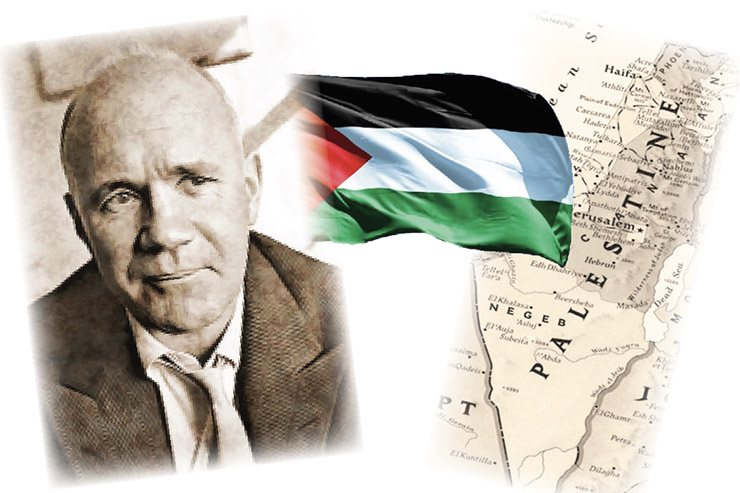
    “If I were to be asked why I support the Palestinian revolution,”1 remarked French novelist Jean Genet in a piece for the autumn 1973 issue of the Journal of Palestine Studies, “I would recall that…. I realised that it had not only changed the Palestinians but also changed me.”

    A member of the Palestine Liberation Organisation asked Genet in Paris to “visit the Palestinian camps and bases in Jordon” circa 1970, as did the Black Panther Party ask him, around that same time, to travel to the United States to join in a nationwide speaking tour2 promoting its social revolution.

    Over five novels penned in the 1940s, Genet served as a voice for those living on the margins of French society – prisoners, thieves, sex workers, beggars – and in exposing a divergent moral order, he brought a humanity to the streets in his exposition of a literary Nietzschean revaluation of values.3

    Following his US trip, Genet spent the six months to March 19714 in Palestinian refugee camps in Jordan, and it was there, amongst the Palestinian fedayeen fighters, that the writer found a social order, like that of French inmates, in which to revel and challenge the dominant paradigm.

    Indeed, the themes traversed by the writer, who spent much of his early days imprisoned by the French state, in the three pieces he produced on the dispossessed indigenous people of Palestine, are similar to those being triggered by the Free Palestine movement challenging Israel right now.

    Dispossessed by Europe

    This article is being written on the hundredth day of the wholesale massacre that the settler colonial state of Israel has been perpetrating upon the 2.3 million Palestinians of Gaza. More than 23,000 mainly civilian Palestinians5 have been slaughtered, and those numbers include over 10,000 children.6

    The state of Israel was founded in 1948 on the lands of the Palestinians after the British officially promised the region to the Zionist movement within the terms of the 1917 Balfour Declaration.7 This handover was to occur after Britain secured a mandate over Palestine following World War I.

    Zionism is a nationalist movement, developed in the 19th century, that asserts a Jewish state be established in the land of Palestine and that nation, today’s Israel, is sanctioned by the authority of the Hebrew Bible. In fact, the current assault on Gaza is understood to be part of the Zionist project.

    Early last century, the British, too, promised the Palestinians their land in exchange for their support against the Ottoman Empire, but as European powers carved up the region and established the League of Nations post-WWI, the Zionist deal was honoured, and the Palestinians were betrayed.

    This set of circumstances was mirrored post-WWII when the League of Nations was replaced by the United Nations. In 1948, the Israeli state was founded, and the Nakba – the catastrophe – unfolded with around 750,000 Palestinians forcibly removed from their lands to make way for Israeli settlers.

    As Genet describes it in his 1973 article ‘The Palestinians’,8 “the Jews had bought all the land in Palestine or driven out the population by terrorism – as if the Jews, arriving as they did with the support of European finance, had pulled away the land from beneath the Palestinians’ feet like a carpet.”

    “Visit to the banks of the Jordan”

    The ongoing genocide in Gaza has been termed the second Nakba or the continuing Nakba. The number of Palestinian casualties involved in the new catastrophe has now far surpassed the death toll9 of the 1948 Nakba, and, with this, the desire for further Israeli expansion is exposed.
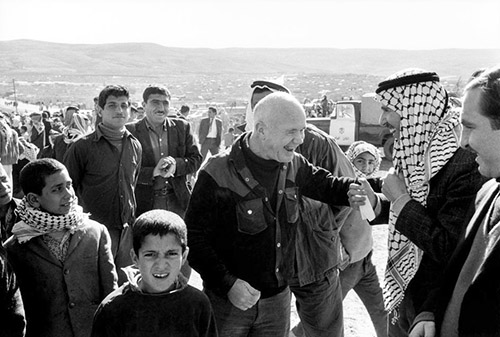
    Genet visiting a Palestinian refugee camp near Amman, Jordan, 1971. Photo by Bruno Barbey.

    Genet arrived to stay in the Palestinian guerrilla camps at Jerash and Ajloun in Jordan in October 1970, straight after Black September, which was an armed conflict that broke out between Jordan’s King Hussein and the Palestinian Liberation Organisation (PLO), then chaired by Yasser Arafat.

    Genet’s ‘The Palestinians’ covers discussions he had with a group of Palestinians in Paris in 1972. But his greater work on his experiences in the camps, 1986’s Prisoner of Love,10 is said to have been loosely commissioned by Arafat11 as he supposedly asked the author, “Why don’t you write a book?”

    “Not long after, in September 1970, when Hussein of Jordan was in danger of being beaten by the fedayeen, America came to his aid,” Genet recalls in his posthumously published memoir, Un Captif Amoureux in the French, which covers his time in Jordan, during a conflict that lasted until mid-1971.

    “What made the fedayeen supermen was that they put the predicament of all before their own individual wishes,” the novelist wrote of the fighters he so admired. “They would set out for victory or death, even though each still remained a man alone with his own sensibilities and desires.”

    Sabra and Shatila

    On the invitation of a Palestinian friend, Genet visited Lebanon in 1982, which coincided with the Israeli invasion of the south of that country, which began in June and was based on the pretext of preventing PLO cross-border attacks on Israel and it included laying siege to West Beirut.
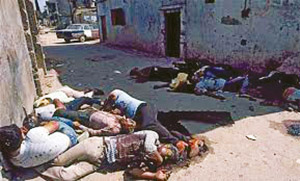
    In 1982, the three-day massacre of thousands of Palestinian and Lebanese people in the residential neighbourhood of Sabra and the refugee camp of Shatila shocked the globe in a similar manner to the current genocide in Gaza. Genet was one of the first foreigners allowed to enter the Shatila massacre site. 

    Ending on 18 September 1982, the three-day massacre of thousands of Palestinian and Lebanese people in the residential neighbourhood of Sabra and the refugee camp of Shatila shocked the globe in a similar manner to the current genocide in Gaza, yet on a much smaller scale.

    The killing operation was perpetrated by right-wing Christian Lebanese groups sponsored by the Israeli Defence Force.

    Genet was one of the first foreigners allowed to enter the Shatila massacre site. As Egyptian writer Ahdaf Soueif recounts in the introduction to Prisoner of Love, the Lebanese army took him into custody upon learning of his visit in an effort to ensure that he did not write about what he’d witnessed.

    This reflects the western media coverage of the Gaza genocide, which has seen mainstream outlets producing sanitised Israeli-slanted versions of events since October, at the same time as Tel Aviv perpetrates multiple crimes against humanity, with western allies dismissing them as self-defence.

    The French writer entered the refugee camp in order to capture the horror of the massacre, which isn’t usually captured by other means. The novelist described the dead bodies strewn across the refugee camp using the floral prose language that he employs across all of his works.

    “A photograph doesn’t show the flies nor the thick white smell of death,” Genet writes in his 1982 essay ‘Four Hours in Shatila’.12 “Neither does it show how you must jump over bodies as you walk along from one corpse to the next.”

    Confessions of a Thief

    French society criminalised Genet at birth, even though it was not then apparent that the baby would grow up to be gay, with the writer having become aware of his sexuality in his early teens, as, at this time in Europe, if a person wasn’t heterosexual, they were breaking the law.

    Having never known his father, Genet was abandoned by his mother at seven months old and then placed into foster care via a system of the day that saw adopted children dressed in a different uniform to that of their carers’ kids.

    As Genet recounted to the BBC in 1985,13 at the age of 15 he was sent to the Mettray Penal Colony after having taken the train to Paris without a ticket. It was within the strict system of the reform facility that Jean found himself to thrive amongst the all-male cast of young “toughs.”

    As was common for a boy in his situation, at the age of 18, Genet joined the French Foreign Legion, and during his years stationed in Syria and Morocco, he developed a deep affinity with Arab culture.

    On being dishonourably discharged over having been discovered partaking in homosexual acts, the writer then spent several years as a vagabond travelling across Europe, supporting himself via sex work, begging and stealing.

    On arrival in Paris in 1937, Genet was again arrested and sent to prison. He then spent the next twelve years in and out of jail whilst he wrote a series of books along the way. And in 1949, as he notched up his 15th conviction, he was served a life sentence as the local law of the day required.

    However, a group of French intellectuals led by Jean-Paul Sartre and Jean Cocteau petitioned the French president, insisting that Genet was a literary genius, and, therefore, he should not remain in prison. This saw him freed, and he never returned to jail.

    Over the 1940s, Genet wrote and published five novels. Notable titles include Our Lady of the Flowers, The Miracle of the Rose and The Thief’s Journal. The figures occupying the pages of his novels are sex workers, transgender people, queer people, pimps and murderers.

    Genet then went on to become one of the four key playwrights of the post-World War II Theatre of the Absurd movement, penning titles such as The Maids and The Blacks. In a rush to beat the final hour, the French novelist pushed out Prisoner of Love just prior to his death from throat cancer.

    A Seismic Shift

    For Genet, the Palestinian revolution is the coalescing of Palestinian consciousness and resistance in the face of the Israeli invasion, takeover and occupation.

    This brought about a personal revolution because he realised that in Europe, he viewed the function and not the person. An example of this was his viewing waiters as their function and not people. And the function of a waiter could easily be replaced by someone else if they were sick. 
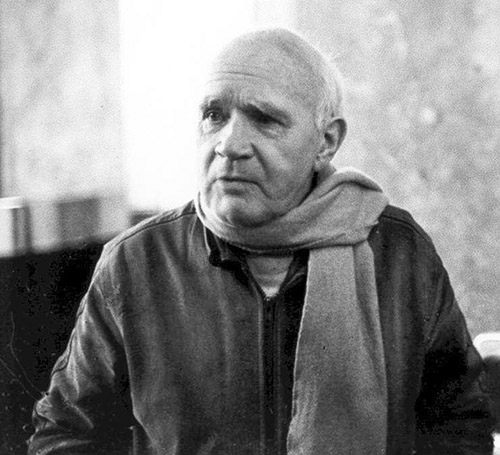
    This iconic photo of Genet is courtesy of Dr Hans Koechler, President of the International Progress Organization, who received the writer at a documentary exhibition on Sabra and Shatila at the Imperial Hotel in Vienna in 1983.

    But “in the Palestinian bases the opposite happened,” Genet wrote in his 1973 journal article. “No man was exchangeable as a man. We noticed the man only regardless of the function, and the function was not a service to maintain a system, but a fight to smash a system.”

    These social relations that existed within the Palestinian camps turned the French system of capital on its head, and this association formed part of Genet’s lifelong search for meaning outside of the mainstream. And it’s this drive for new meaning that’s being evoked by the current crisis in Gaza.

    As the scale of Netanyahu’s extermination program became apparent months ago, much of the planet’s commentariat, starting with Palestinian scholars,14 found that the complete disregard Israel is showing for global norms likely marks the beginning of the end of the international rules-based order.

    Indeed, the Global South has been looking on in disbelief as US President Joe Biden and western allied leadership lined up beside him to frame Israel’s crimes as self-defence. This stance reveals the naked hypocrisy of those who consider themselves the holders of the moral high ground.

    Get the issue this article appears in

    In Our Thousands, In Our Millions…

    In the face of ongoing Israeli atrocities, millions of pro-Palestinians have been rallying on the streets of urban centres globally. These outpourings of humanity have been persistently staged across the planet since October, despite western governments opposing them early on.

    Much has been made by older antiwar activists at these rallies, and in the media that accompanies them, in regard to the massive anti-Vietnam war demonstrations of the 1960s, as they took much longer to mobilise than the pro-Palestinian movement of the present, which appeared in an instant.

    Soueif recalls in her introduction that Genet was captivated by the Palestinian movement as it was the “antithesis of rigidity” and marked by “flexibility of… identity.” It was a campaign that could embrace all: “Cuban doctors, a French priest, a nun… a young Israeli who had renounced Zionism.”

    This is another clear similarity with the current humanitarian crisis in the Gaza Strip, as the grassroots movement opposing this Israeli-perpetrated mass killing against Palestinians living within what is a walled-in region is not just made up of Palestinian agitators.

    The Free Palestine Movement is supported by non-Zionist Jewish people the world over, as well as by the same types of left-wing, multicultural, multifaith, antifascist dissenters that filled the streets during the 2020 Black Lives Matter uprisings.

    Indeed, this movement of today is the symbol of diversity, whether that be cultural, religious or in relation to sexual identity.

    “A revolution which does not aim at changing me by changing the relations between people does not interest me,” Genet wrote in 1973 – fifty years prior to the current genocide in Gaza, which is serving to generate a massive social justice movement that incorporates diverse identities.

    “The Palestinian revolution has established new kinds of relations which have changed me,” Genet said in a line that could serve to describe many in the present, “and in this sense, the Palestinian revolution is my revolution.”

    [alert type=”general” dismiss=”no”]This article was published in New Dawn 203.[/alert]

    [alert type=”success” dismiss=”no”]If you appreciate this article, please consider subscribing to help maintain this website.[/alert]

    Footnotes

    1. The Palestinians by Jean Genet, Journal of Palestine Studies, Vol. 3, No. 1 (Autumn, 1973), 3-34, jstor.org/stable/2535526
    2. Jean Genet and the Black Panther Party by Robert Sandarg, Journal of Black Studies, Vol. 16, No. 3 (Mar 1986), 269-282, jstor.org/stable/2784171
    3. Nietzsche and the Re-Evaluation of Values by Aaron Ridley, Proceedings of the Aristotelian Society, New Series, Vol. 105 (2005), 155-175, Oxford University Press, jstor.org/stable/4545433
    4. youtube.com/watch?v=Cn7LWdmdyTU
    5. middleeasteye.net/news/gaza-war-100-days-more-than-23000-dead-society-ruins
    6. savethechildren.net/news/gaza-10000-children-killed-nearly-100-days-war
    7. youtube.com/watch?v=vLIBZ1Fewco&t=619s
    8. jstor.org/stable/2535526
    9. vox.com/world-politics/23921529/israel-palestine-timeline-gaza-hamas-war-conflict
    10. goodreads.com/book/show/85373.Prisoner_of_Love
    11. radicalphilosophyarchive.com/issue-files/rp56_article3_writingtherevolution_critchley.pdf
    12. Four Hours in Shatila by Jean Genet, Journal of Palestine Studies, Vol. 12, No. 3 (Spring, 1983), 3-22, jstor.org/stable/2536147
    13. youtube.com/watch?v=Cn7LWdmdyTU
    14. sydneycriminallawyers.com.au/blog/why-are-we-killing-children-gazas-horror-will-collapse-the-international-rules-based-order/

    © New Dawn Magazine and the respective author.
    For our reproduction notice, click here.
  • Attack on the Mind: Mental Health Fall-out From Cognitive Warfare Techniques

    Attack on the Mind: Mental Health Fall-out From Cognitive Warfare Techniques

    From New Dawn 193 (Jul-Aug 2022)

    Even the mainstream media and global health organisations cannot ignore the massive toll COVID-19, the Ukraine/Russia conflict, vaccine and mask mandates, geopolitical chaos, rising inflation, and new threats – real and imagined – have taken on our physical and mental health. 

    The catastrophic rise in mental health disorders over the last three years – from anxiety to depression and suicide – has made us more than physically sick. We now watch in horror the rising mental health fall-out of non-stop, fear-based living.

    We learned that researchers in a large study published in the British Medical Journal found that surviving COVID could “increase the risk of developing mental health issues, including increased rates of anxiety and depression, even when compared to non-COVID patients or even those who contracted the flu.” They also reported that it could result from body and brain inflammation and physical and emotional factors related to the pandemic. 

    The World Health Organisation took it one step further in their March 2022 report, “COVID-19 Pandemic triggers 25% increase in prevalence of anxiety and depression worldwide.” They noted “multiple stress factors” including loneliness, financial woes, fear of the virus, suffering and death, and anxiety and grief after losing a loved one. No mention of how their own policies like mass lockdowns contributed to all of the above.

    In May 2022, Medical Press ran a report, “COVID-19’s devastating toll: A rise in adolescent mental health crises and suicidality.” They cited a new study by Patricia Ibeziako and her team in the Department of Psychiatry and Behavioral Services at Boston Children’s Hospital, which found suicidal ideation, or suicide attempts, among young people jumped 60% during the first pandemic year. 

    Young people were hit hard, and continue to be, because not only do they suffer more from lockdowns, lack of socialisation, masking, and virus fearmongering, but they are forced to watch their parents, the people they rely on for safety and stability, suffer the same.

    But we don’t need news headlines to tell us what is going on. Our social circles and social media are filled with people reporting higher levels of illness, anxiety, depression, suicidal thoughts, hostility, anger, and rage. 

    The sad irony is that the same mainstream media outlets and government health experts admitting to this mental health crisis orchestrated the crisis in the first place. 

    The war on the mind relies on specific tools and methods to destabilise our sense of safety, belonging, resiliency, and adaptability. Cognitive dissonance is described as a mental discord when we are presented with an idea that seems to contradict previously accepted ideas or thoughts. People are averse to inconsistencies in reality that challenge deeply-held beliefs in their subconscious minds. When new information is presented to them, they either shut down, avoid, or change their thoughts and behaviours to eliminate the inconsistency and restore cognitive consonance. 

    Behaviour modification works best on the subconscious mind, which does not analyse, criticise, judge, or question but accepts what it is fed as the reality. Coercive persuasion systematically manipulates a person’s behaviours, thoughts, and emotions using fear, intimidation, and punishment, and controlling the information given to the victim (or not giving them any information at all). The coercion comes with a promise of reward if the victim behaves. These tactics include:

    • Intimidation – Threaten the victim with various punishments if they don’t behave as the controlling party desires.
    • Isolation – Keep victims isolated from human comfort so they feel powerless and alone.
    • Cut off information – Keep the victim off balance and in fear of not knowing what is happening in the outside world.
    • Increase suggestibility – Use of subliminals, hypnosis, music, sleep deprivation, and food restriction to make someone more compliant.
    • Create a sense of powerlessness – Subject the victim to frequent, often surprise actions that undermine their confidence and sense of security.
    • Destabilise a sense of self – Work to destroy someone’s ego and sense of self with the intent to recreate them as the controller wishes.

    Sometimes victims become strangely attached to their abusers and controllers. Capture bonding and Stockholm Syndrome describe the effects of a mind-control technique that creates confusion, cognitive dissonance, and a destabilised sense of identity to bond the victim with their abusers. Capture bonding may also be a survival mechanism where we are forced to adapt to an extreme by coping with it or becoming accepting of it. 

    Psychologist George K. Simon, author of In Sheep’s Clothing: Understanding and Dealing With Manipulative People, wrote that to manipulate another human being successfully, a controller or abuser would have to:

    • Conceal their aggressive agenda and intentions.
    • Know the psychological vulnerabilities of the intended victim, and modify the tactics accordingly.
    • Be ruthless enough not to care if the victim is harmed or killed.
    • Use covert aggression in the form of relational or passive-aggressive tactics.

    The most subtle and insidious tactic is reinforcement, which we have all used on our pets, children, and even ourselves when trying to train a new habit or change a bad one.

    Positive reinforcement uses praise, flattery, admiration, attention, affection, gifts, and declarations of love to create a sense of goodness and adoration in the victim. Narcissists and psychopaths use this technique to secure a victim by what is called “love-bombing,” and set the victim up on a pedestal for what will unfortunately be a brutal and abusive fall from grace once the desired outcome is achieved. However, when used for the benefit of the individual, such as in giving positive praise to a child or a training athlete, this kind of reinforcement can build confidence and self-esteem. 

    Negative reinforcement is the polar opposite, using punishment, criticism, and silent treatment to manipulate the victim to behave a certain way. Negative reinforcement can include shaming, guilting, yelling, abusive language, and even physical violence. Today, silent treatment equates to social media censoring, blocking, banning, and deplatforming.

    Using the threat of fear, violence, and virulent language serves to degrade, diminish, and dominate and, in the extreme, leads to torture and physical abuse.

    Intermittent reinforcement is far more devious and effective than either positive or negative reinforcement at creating such strong instability and cognitive dissonance in the victim they cannot help but surrender control to their abuser. Intermittent reinforcement relies on doubt, fear, anxiety, expectation, and hope, and plays upon the deepest emotional needs of wanting to be loved and accepted. It can, when used adeptly, create trauma that can literally drive the victim insane or to commit suicide.

    The controller/abuser starts with positive reinforcement, setting the victim up to crave more positive reinforcement, which is then taken away intermittently to create confusion and anxiety. The victim wants more of what he/she got in the beginning and begins to accept the introduction of negative reinforcement, as long as it is peppered in with some positive. By this point, the controller/abuser can begin to torture the victim and the victim will become so desperate for the normalcy they once received, that they will accept more abuse while waiting to get it. Soon, the victim is settling for tiny crumbs of positive behaviour from the controller/abuser, who now has the victim under complete control. 

    Get the issue this article appears in

    This kind of manipulation puts the victim under a “spell” because the damage is done on a subconscious level. Not only does this manipulation change the victim’s thoughts and perceptions, but it changes their actual reality and removes their individual will over time.

    Victims suffer in a perpetual state of confusion and chaos, even Post Traumatic Stress Disorder, with symptoms such as severe depression, panic attacks, insomnia, physical illness, emotional debilitation, inability to concentrate and focus, and a host of other ailments. As the control continues, it can drive the person to suicide or into psychiatric care if proper help and support are not found.

    All these mind manipulation tactics are used against whole populations today and have been in the recent past (COVID-19, etc.), and it will continue in coming times. Once a victim is under this hypnosis, it is hard to come out of, but it is possible. Turn off the news. Avoid negative and divisive people. Get outside and move around in nature. Work on your health and general well-being. Eat healthier foods. Meet with friends and loved ones. Engage with pets. 

    We are at a point in history when negative forces are constantly working against us. Protecting your own individual health is now a revolutionary act and one that will have a ripple effect on those struggling around you to do the same.

    [alert type=”general” dismiss=”no”]This article was published in New Dawn 193.[/alert]

    [alert type=”success” dismiss=”no”]If you appreciate this article, please consider subscribing to help maintain this website.[/alert]

    © New Dawn Magazine and the respective author.
    For our reproduction notice, click here.
  • Restore Your Microbiome: The Secrets of Good Gut Health

    Restore Your Microbiome: The Secrets of Good Gut Health

    From New Dawn 187 (Jul-Aug 2021)

    The intestinal, or gut, flora of human beings plays a major role in the proper functioning of the body. As a vital link in the various stages of the digestive process, it synthesises nutrients, neutralises toxins, and so forth. It is such a fundamental element of our health that the body would be incapable of carrying on without it. 

    The intestinal flora (microbiome)is made of all the microorganisms living in the intestine. This population is extremely large. It is not counted in thousands but trillions. The human intestinal flora is composed of one hundred trillion microorganisms. It is about ten times the number of cells in the human body. If someone wished to gather all the intestinal microorganisms in a single container, this vessel would need to contain one to two litres. The weight of all these microorganisms would be anywhere from one to four kilograms. The ecosystem of the microbiota hosts more than four hundred different species of bacteria. But one single species of bacteria can include a large number of subgroups or serotypes. For example, the bacteria Escherichia coli (better known as E. coli) can be broken down into more than two hundred different serotypes, some of which produce a toxin but many of which are innocuous. The microorganisms that populate the intestines are tiny – roughly the size of a micron, which is 0.001 of a millimetre. 

    Intestinal microorganisms are not unwelcome guests that the body has to tolerate. On the contrary, their activity is beneficial to the body in a variety of ways. Although the contribution of each microorganism is minimal, the combined efforts of billions of them are extremely helpful (and necessary!) to the body. The microbiota supports the physical organism in many different ways.

    The Functions of the Intestinal Flora 

    Its primary function is to help digestion. Before the cells of the body can benefit from the nutrients we eat, our foods must be broken down into particles that are small enough to cross through the intestinal walls and be transported by the blood to the cells. This preparatory work takes place during digestion. Although the digestive juices are capable of performing an immense part of this transformative work, they cannot do it all. Some of the nutrients in a food item can elude them. 

    Are the nutrients unaffected by digestion doomed to remain unused? No, the microorganisms of the intestine carry out the transformations that are still necessary. They produce enzymes that break down the fibres and framework of the tissues, and they reduce the volume of the large particles. Nutrients that are still highly useful will be released by this process: amino acids, carbohydrates, vitamins, and so forth. These final transformations of food are not performed by intestinal bacteria as a favour to their human hosts but for their own benefit. In fact, they also need to feed themselves to survive, and their food is the remnants of the foods we eat.

    The digestive processes are carried out with the help of two major types of bacteria.

    The bacteria of fermentation target the long carbohydrate chains, such as starch, but also the soft fibres of grains, fruits, vegetables, fruit peels, ribs of leafy plants, stringy parts of leek-like plants, and so on. 

    Bacteria of putrefaction break down any undigested particles of food that come their way. These are not fibres, having already been transformed by fermentation higher up in the intestines, but the residue of proteins (meats, fish, eggs) and starches (bread, pasta, rice). 

    The other functions of the intestinal flora are to:

    • synthesise vitamins (of the B group);
    • support the intestinal transit;
    • destroy toxics;
    • fight against inflammation;
    • stimulate the production of lymphocytes;
    • destroy pathogenic microbes.

    Contribution to the Body’s Defence System: The Barrier Effect 

    A subtle balance is maintained with the size of the various populations of intestinal microorganisms, territories they occupy, the parts of the intestines they colonise, and the parts of foods to which they lay claim. Therefore, it is difficult for these invaders to establish themselves in the intestines and multiply because all the residential possibilities have already been exploited so fully. The living space they require in order to develop is unavailable and they lack nutrients. This is how, through its presence alone, the microbiota acts as a barrier against pathogenic bacteria. It prevents them from unleashing infections in the intestines or other parts of the body. 

    In the event there is an imbalance of the intestinal microorganisms, the barrier effect can be clearly insufficient. In this case, there is no obstacle to pathogenic bacteria establishing themselves and multiplying, which eventually leads to an infection. The destruction of bacteria is often the result of antibiotic treatments. 

    Enemies of the Intestinal Flora

    Enemies of the intestinal flora are factors that sharply reduce the population of microorganisms and thus compromise our health. The bacteria that are most often affected are generally those of fermentation that populate the small intestine and the beginning of the colon. The bacteria of putrefaction that live in the terminus of the colon are much less affected. The two main enemies are:

    A Lack of Fibres

    The food required by the bacteria of fermentation in our intestinal flora is the fibre in our human diet. It should be noted that fibre is a choice food for the bacteria of fermentation and not for those of putrefaction. 

    If the bacteria of fermentation receive adequate fibre, they will be healthy and strong, and they will multiply easily. When fibre intake is low, on the other hand, the number of bacteria of fermentation in the intestinal flora will also shrink. In fact, the quantity of food always determines the size of the population that depends on it. Small quantities of fibre can feed only a small number of bacteria, so the population of bacteria of fermentation will shrink. The diminished population will be weakened.

    The three dietary fibres that are the preferred foods of the flora of fermentation are all of plant origin: mucilaginous substances (found in, for example, okra and flax seeds), pectins (found in, for example, apples and guavas), and oligosaccharides (found in legumes, nuts, and so on).

    Consequently, individuals who do not eat enough of these plant foods have a deficiency of fibre. This is common in diets that are poor in salad greens, raw and cooked vegetables, nuts (almonds, hazelnuts), and whole grains. Foods that are high in fibre should be eaten several times a day. 

    The importance of fibre for the fermentation flora stems from the fact that this flora depends entirely on the fibres from food to work and survive. An intake of sufficient fibre is therefore a key factor in the health of the intestinal flora and consequently our overall health. 

    Antibiotics 

    They are among the most often prescribed medications. Their role is to kill living organisms that attack the body, but they don’t necessarily discriminate. The living organisms they target are pathogenic microbes, but in the process antibiotics also kill other microorganisms. There are more than one hundred types of antibiotics, and some cause more damage to the intestinal flora than others, and in different ways. 

    Some antibiotics are able to kill a number of different kinds of disease-causing bacteria; they are known as broad-spectrum antibiotics because of the range of their activity. Other antibiotics have an effect on only one kind of bacteria or another, and they are known as narrow-spectrum antibiotics. The length of the treatment is another factor. During a short course, some microorganisms that could be vulnerable may escape damage due to the limited time they are in contact with the antibiotic. Conversely, during a longer period of treatment, contact is prolonged. The antibiotic is more thorough and effective, but it also destroys many intestinal microorganisms. The same happens when the patient undergoes several antibiotic treatments.

    Diseases Caused by Imbalance

    The problems caused by an imbalance of the intestinal flora are numerous. Some take place at the intestinal level: indigestion, gas, bloating, diarrhea and constipation. General disorders are infections, inflammations, food allergies, autoimmune diseases, some mental disorders, and weight gain.

    How to Restore Your Intestinal Flora 

    Two different complementary approaches are used to rebuild the flora of fermentation. The first approach consists of feeding the bacteria of fermentation by consuming foods that are high in fibre, also called prebiotics. However, this slow process shows results only after a certain period of time. If there is a pressing need to make change quickly, proceed to the second approach. This approach consists of implanting a large number of fermentation bacteria from outside the body into the intestines. This is done by means of probiotics, meaning foods or special preparations that contain a multitude of these bacteria. Instead of waiting for the bacteria that are present to multiply, this approach brings a large number directly into the body from outside. This increases the population and allows it to gradually return to its normal size.

    Feeding with Prebiotics

    Prebiotics are dietary substances that come in the form of plant fibre that cannot be digested by human beings but can be digested by the fermentation bacteria. The two main sources are fruits and vegetables.

    All fruits provide prebiotics that are useful for our intestinal flora. These fruits can all be consumed fresh to enjoy their benefits, but they are just as helpful when dried. Dried fruits include dates, figs, raisins, apricots, prunes, mangoes, and many more. Fruits can be eaten as snacks and desserts.

    Vegetables can be eaten raw in the form of green salad, crudités (including shredded carrots or celery, or sliced tomatoes or cucumbers), mixed salad (salad greens combined with a variety of raw vegetables), juiced with pulp, or as vegetable sticks (carrots, cucumbers, peppers, turnip, with dip); cooked to taste; or simmered in homemade vegetable soup. 

    Fruits and vegetables must be eaten in generous quantities, several times a day and every day.

    This process might appear to be too simple, but it is the most effective!

    Prebiotic Supplements 

    A number of prebiotic supplements are available commercially. The fibres they contain are no different from the fibre contained in foods. In theory, these supplements are unnecessary, as simply eating enough prebiotic foods should supply the bacteria of fermentation with all the food they need. However, in practice, they have been proven to be quite helpful. This is particularly true for those with sensitive intestines that become easily irritated by high fibre content, which then becomes an obstacle to eating as much fibre as they need. 

    Repopulating Bacteria

    The regular ingestion of prebiotic fibres makes it possible to maintain a large and healthy population of flora of fermentation, and to correct any minimal, inevitable reductions in the size of its population. On the other hand, if the flora of fermentation population has been severely weakened, these maintenance procedures will not suffice. More drastic measures are required to make up for the deficit. At this critical point, the intestinal flora has been decimated, and it is necessary to rapidly increase the number of bacteria in residence. In these circumstances, reconstruction of the intestinal flora is achieved by importing fermentation bacteria from outside the body to add numbers to the ones already present in the intestines. 

    These bacteria can be consumed in two different forms. Each has its benefits, and using them together is beneficial. 

    • Foods that have high probiotic content, such as yogurt (bifidus), kefir, fresh and fermented cheeses, sauerkraut, fermented vegetables, and miso;
    • Probiotic supplements manufactured in a laboratory. 

    Probiotic Supplements

    Probiotic supplements are the greatest help to quickly restore a decimated intestinal flora population, for example, by antibiotics. Probiotic supplements can supply as many as 550 billion bacteria per gel cap. This supply is therefore of a completely different order from that offered by foods with probiotic properties. Yogurt, for example, generally contains a maximum of one billion bacteria per serving. Probiotic supplements are therapy, whereas probiotic foods are still in the dietary domain. However, foods are much more effective over the long term. The bacteria contained in probiotic supplements are primarily lactic bacteria of the Bifidobacterium and Lactobacillus. These strains are strongly represented in the flora of fermentation, but other kinds of bacteria are also used. 

    Because all the bacteria used for manufacturing probiotic supplements have been freeze-dried, they are in the form of a dry powder. It is only when these bacteria are in the warm and moist environment of our intestines that they become active again.

    Who Should Take a Probiotic Cure? 

    People who most need a probiotic cure are those who suffer from:

    • Recurring digestive problems: diarrhea, indigestion, irritable bowel syndrome, constipation, and so forth;
    • Repeated infections: fungal infections, cystitis, colds, and so on;
    • Allergies;
    • Side effects of antibiotics;
    • Psychological problems: anxiety, depression, and so forth.

    All probiotic supplements share the same goal of rebuilding the intestinal flora of fermentation. In the past, reconstruction of this flora was the sole objective for taking supplements. A better understanding of the properties of the different strains has now expanded the range of activity for these preparations. Depending on their composition, they can have an additional complimentary therapeutic action for the following: diarrhea, digestive weakness, constipation, irritable bowel, fungal infections, travel abroad, immune system weakness, weight loss. 

    How Do I Take Probiotics?

    Instructions are provided by the product’s manufacturer. But, as a general rule, probiotics are taken before meals when the stomach is empty so they make their way into the intestines more quickly. Cures will last from one week to several months. Following a course of treatment, it is a good idea to solidify the results by continuing to take one to two doses a week for a period of two to three months. The same amount is also recommended for a preventative dose. If you find after a month that the corrective is not doing its job, it could be that the bacteria in the preparation you are taking are not the bacteria you need. In this case, you should switch to another probiotic supplement.

    There are no side effects from taking probiotics. At the very most, some extra-sensitive individuals might start feeling one of the following symptoms: minor stomach discomfort, gas, bloating, or constipation. The speed with which the effects start to appear depends on the degree of the initial health problem. While the impact of countering some conditions – for example, infectious diarrhea (gastroenteritis) – begin to show up in just a few hours, it usually takes at least a week to feel any improvement from well-established disorders. But these will be only the first signs of improvement. A full cure usually takes several weeks or even a month, depending on the individual case.

    Get the issue this article appears in

    Conclusion 

    A strong and balanced intestinal flora does not depend on remedies or sophisticated treatments but primarily on a healthy lifestyle. This is a parameter we can work within easily. It doesn’t take high-priced supplements or expensive therapies, only simple adjustments to our daily diet. The foods that balance our intestinal flora are far from the most expensive. It’s up to us to make smart and healthy choices about what goes into our grocery baskets and consequently into our bodies. 

    A full rundown can be found in Christopher Vasey’s book Restoring Your Intestinal Flora in which he explains how to restore your microbiome. The book is available from all good bookstores.

    [alert type=”general” dismiss=”no”]This article was published in New Dawn 187.[/alert]

    [alert type=”success” dismiss=”no”]If you appreciate this article, please consider subscribing to help maintain this website.[/alert]

    © New Dawn Magazine and the respective author.
    For our reproduction notice, click here.

  • The Ex-Nazis Who Helped the CIA & Mossad

    The Ex-Nazis Who Helped the CIA & Mossad

    From New Dawn Special Issue Vol 13 No 3 (June 2019)

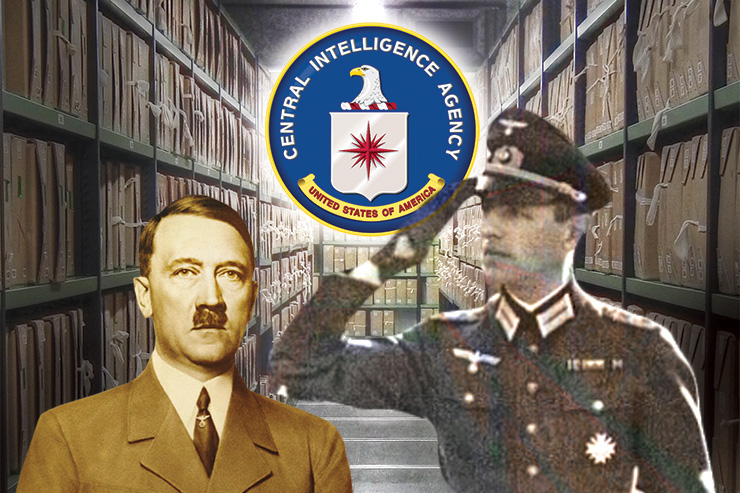
    You’re unlikely to find him featured front and centre in high school history textbooks, but Reinhard Gehlen was an important and complex historical figure who had a surprisingly large impact on the history of the 20th century. He’s also the key to unlocking a very unsettling trend in history: supposedly sworn enemies working together on a dime if the benefits outweigh the costs. 

    Reinhard Gehlen was recruited by the United States after WWII.

    Gehlen was a storied historical figure of the Cold War and a man – to be precise, a former Nazi – of many talents. He headed intelligence gathering on the Eastern Front during his career as a major general in the Wehrmacht during the Second World War, which ironically turned out to be exceedingly useful to the West.

    It took Gehlen only three months after the total defeat of the Third Reich in June 1945 to land a job in America. He was a consummate risk-taker and successfully pitched himself as the perfect man to help the United States stand up to the USSR after the war because of his trove of knowledge on Stalin’s state. What he offered was a vast network of former Nazi spies and intelligence assets that would fill America’s arrow quiver in fighting the looming Soviet empire.

    Gehlen was flown out of Germany to Fort Hunt, Virginia, in contravention of Allied promises at the Yalta Conference that they would hand over any German officers they got hold of to the Soviets if those officers had worked in the eastern theatre of the war. The next year, in 1946, Gehlen returned to Germany and headed up “the Org,” or Gehlen Organisation. He boosted US spy operations and NATO in their covert operations and information war against the USSR. The Org included numerous former Nazis and SS men, some of whom were war criminals like Alois Brunner who sent hundreds of thousands of Jews to their death in the concentration camps, and SS major general and Jew-killer Emil Augsburg who was listed in 1952 internal CIA documents as an aficionado of “good food and wine” with an “unprejudiced mind” and honest temperament.

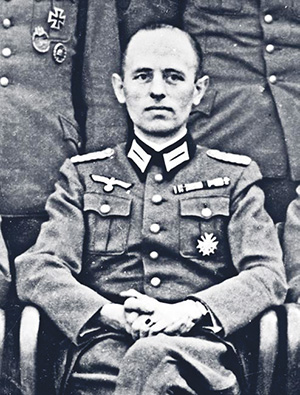
    Reinhard Gehlen as a Wehrmacht Major General in 1945.
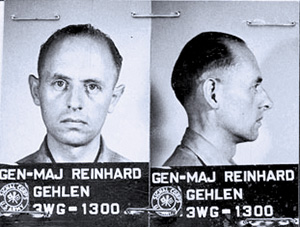
    After the war, Gehlen convinced the Americans to build a spy service from his old team. He was given the new name “Hans Holbein” and this ID card.

    Gehlen later became the first president of West Germany’s spy agency, the BND, from 1956 to 1968. The BND employed an estimated minimum of 100 former Gestapo and SS officers, including former SS head Heinrich Himmler’s daughter and lifelong Nazi supporter Gudrun Burwitz from 1961 to 1963. They also hired “Butcher of Lyon” SS torturer Klaus Barbie who had already been working for the US as an anti-communist spy from his hiding place in Bolivia by the late 1940s. Moral scruples were not exactly the order of the day at this juncture of history, to put it mildly.

    Operation Paperclip

    More broadly, the US initiative to quietly import legions of former Nazi scientists into the US was going on behind-the-scenes and became instrumental in the success of many American endeavours, including the NASA space program. Some may be aware of Operation Paperclip, depicted in films such as The Good German, which was a key initiative of the US intelligence community for recruiting top Nazi scientists and relocating them stateside. Its purpose was to give the United States the edge over the Soviet Union militarily and in the Space Race – including the development of lethal chemical and biological weapons. Around 1,600 Nazi scientists and engineers – as well as their families – were brought over. The United States working with the Nazis is not the stuff of wild-eyed theories, but a matter of historical fact.

    Dr Werner von Braun at White Sands, New Mexico, November 1946.

    After the war, Americans ransacked Germany to find intelligence and came across research and plans that they desperately wanted to possess and master, including a weaponised form of the bubonic plague that Hitler’s scientists had been developing. Paperclip started slow, with under 100 scientists brought in, but steadily picked up steam as coveted Nazi scientists had their records of atrocities wiped clean by highly-placed figures in the US intelligence community. It was a top-secret program run by the Joint Intelligence Objectives Agency (JIOA), hidden even from the US Department of Justice’s special investigations office, who were deceived by their own government as they tried to pursue Nazi war criminals.

    The most famous Paperclip alumnus is Werner von Braun who helped develop the V-2 rockets that terrorised Britain. Von Braun went on to become the head of NASA’s Marshall Space Flight Centre and spearheaded the construction of the Saturn V launch vehicle that eventually took Americans to the moon. The full extent of technology and weaponry gleaned from Nazi minds may never be fully known or released, but it’s clear that the US benefited enormously from its cynical partnership with Third Reich bigwigs.

    Nazis & Zionists

    Rather unsettlingly, Israel was also a key partner of ex-Nazi war criminals.

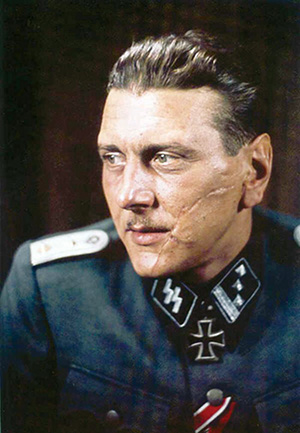
    Nazi SS officer Otto “Scarface” Skorzeny.

    Indeed, Gehlen’s organisation of ex-Nazis helped Israel plan and succeed in its devastating surprise attack on Egypt and ensuing victory during the Six Day War in 1967. Using ex-Nazis to reach out and appeal to German scientists working for Egypt, Israel intimidated and killed off its enemies who were helping the Arabs mount a threat against them. The Mossad certainly had no scruples about working with war criminals, for example enlisting the help of former SS Commando and apple of Hitler’s eye Otto Skorzeny to kill scientists who were helping Egypt develop a missile program in the 1960s. 

    The Mossad got Skorzeny to work for them in a masterful recruitment operation, playing on his need for adventure and risk and – some think – on some lingering feelings of guilt about persecution of Jews which he may have held from his war years. Interestingly, the Americans and British were flabbergasted and angry when Israel captured Adolf Eichmann in Argentina in 1960. The CIA, who reportedly knew Eichmann’s whereabouts and alias years before Mossad, panicked after he was taken. They were worried Eichmann could expose various agents working for the Gehlen Organisation who had been his accomplices, including Otto Albrecht von Bolschwing. More generally, the Americans were very worried about having their dealings with Nazis brought into the limelight – and it’s still not exactly the highlight of history textbooks.

    Strange bedfellows. After the war, Nazi SS officer Otto “Scarface” Skorzeny was recruited by Mossad to carry out assassinations.

    The scope of the United States involvement with officials from the Third Reich may seem mere historical trivia to some, but it points to a deeper and more fundamental truth about history and realpolitik. It also uncovers some alternate views of history which have long been strictly verboten.

    Hardcore Zionist leaders and elites in early 1930s Germany had one big point of agreement with Adolf Hitler. Both wanted Jews to leave Germany. The Haavara Agreement (haavara means “transfer” in Hebrew) whereby the Nazis agreed to help financially support Jewish exodus to Palestine is a matter of historical fact. The agreement, signed in August of 1933 between Jewish Agency political secretary Chaim Arlosoroff and German officials, let tens of thousands of German Jews keep their assets if they agreed to leave for Palestine. It accomplished the Nazi goal of getting rid of Jews, supported German industry, and boosted Zionist ambitions. German Jews put their money in an account which was then used to buy German-made equipment exported to Palestine and then sold by the Haavara corporation in Tel Aviv. Proceeds from the company were given to Jews to recompense them for the money they had deposited back in Germany. Although some Zionists believed the agreement could undermine the worldwide Jewish boycott of Nazi Germany, those supporting the agreement won out and the agreement continued until the outbreak of the Second World War. Estimates hold that approximately ten percent of Germany’s 1933 Jewish population (some 60,000 individuals) emigrated to Palestine between 1933 and 1941 aided by agreements like Haavara and other German-Zionist arrangements.

    The commemorative coin of the Haavara transfer agreement of 1933 between Zionists and the Third Reich.

    Zionist groups helped set up around 40 agricultural work centres around Germany in the 1930s and cooperated with the Nazis to train and prepare Jewish Germans for a new life in Palestine. 

    Although German opinion began to turn against the formation of a Jewish state in the late 1930s, under the claim that it would just be a bastion for international communism and Jewish interests, Hitler himself supported the emigration of Jews to Palestine in 1938 after reviewing plans. The British, who controlled the Palestine mandate, were increasingly opposed to Jews trying to migrate into the area and shift the balance of power. Accordingly, the SS made a deal with Mossad le-Aliya Bet to help Jews illegally immigrate to Palestine in ship convoys prior to the outbreak of war in 1939, but continuing with less intensity under the radar until March 1942. It’s also worth noting that the Israeli terrorist group the Stern Gang attempted to make an alliance with Nazi Germany in January 1941, considering them a lesser evil compared to Britain who controlled Palestine and at that time opposed the formation of a Jewish state. The proposal, as quoted by Avishai Margalit in ‘The Violent Life of Yitzhak Shamir’ appearing in the 1992 New York Review of Books reads partly:

    “The establishment of the historical Jewish state on a national and totalitarian basis, and bound by treaty with the German Reich, would be in the interest of maintaining and strengthening the future German position of power in the Near East…

    “The indirect participation of the Israel Freedom Movement in the New Order of Europe, already in the preparatory stage, combined with a positive-radical solution of the European Jewish problem on the basis of the national aspirations of the Jewish people mentioned above, would greatly strengthen the moral foundation of the New Order in the eyes of all humanity.

    “The cooperation of the Israel Freedom Movement would also be consistent with a recent speech by the German Reich Chancellor, in which Hitler stressed that he would utilise any combination and coalition in order to isolate and defeat England.”

    More than 70 years since the defeat of the Third Reich, mainstream media is only now  beginning to report the involvement of former Nazis with the Israeli Mossad and the American CIA. 

    Fast-forward to the present day, and you have a bizarre world order dominated by Twitter tyrant Donald Trump and a bevy of autocratic hyper-capitalist stuffed suits. Even though Trump associates like Roger Stone may find it funny to joke about the revitalisation of NASA and Trump’s “Space Force” as a Nazi program and them as Nazis, when you study NASA’s roots and the US government’s extensive work with Nazis, it’s far from humorous. Whenever he is accused of racism, Trump pivots to his strong support of Israel whose own far right government is currently allying with Europe’s far right. 

    Moreover, what exactly was the deal with naming a small object NASA discovered ‘Ultima Thule’? When you study the Third Reich’s use of Thule as a mythological Aryan homeland, the name starts to seem truly bizarre.

    Today you have Bibi Netanyahu and his Likudniks openly allying with fascists worldwide from Brazil to Hungary. [Former] Brazilian President Jair Bolsonaro said the Holocaust could be “forgiven,” for example, and the leaders of Hungary, Poland, and other central and eastern European states regularly buddy up with Bibi over their shared hate of Muslims and desire to partner on military and economic issues. 

    Get the issue this article appears in

    Europe is becoming less and less comfortable for ordinary Jews to live in – a majorly scaled down version of what happened in the 1930s. This creates precisely the do-or-die scenario which motivates everyday Jewish Europeans (and Americans) to seriously consider moving permanently to Israel. By cynically allying with the far right, Israel creates and enhances a scenario that’s untenable to Jews but very helpful to their “us versus them” paradigm of world conflict as they pursue the Greater Israel project.

    There’s no reason to believe the world has become less cynical or cutthroat than it was during Operation Paperclip and the formation of the Gehlen Organisation. The neo-Darwinist, materialistic fascist ideology that underlay Nazism is alive and well in various forms throughout the world today and exerts enormous influence on US policy as the “good guys” continue to break down the world and move towards a one-world technocratic order of subdued, house-trained slaves who learn to never question the facile narratives foisted upon them. 

    [alert type=”general” dismiss=”no”]This article was published in New Dawn Special Issue Vol 13 No 3.[/alert]

    [alert type=”success” dismiss=”no”]If you appreciate this article, please consider subscribing to help maintain this website.[/alert]

    © New Dawn Magazine and the respective author.
    For our reproduction notice, click here.

  • Carlos Castaneda: The Myth and the Man

    Carlos Castaneda: The Myth and the Man

    From New Dawn 187 (Jul-Aug 2021)

    Carlos Castaneda burst onto the scene in the 1960s after rave reviews of his early books, The Teachings of Don Juan and A Separate Reality. This was during the early heyday of psychedelics and here was an anthropologist telling the world how to do it right – and by right, I mean using drugs to enter advanced states of consciousness while guided by his Native American teacher, don Juan Matus. Over the next couple decades, Castaneda went on to publish several best-sellers about an ancient lineage of shamans who originated in central Mexico.

    During those years, Castaneda has been the subject of acclaim, almost to mythological proportions from adoring fans. He was also, and continues to be, the target of ruthless criticism among assertions that he was a fraud, that he made the whole darn story up, and delights in laughing at us all on the way to the bank.

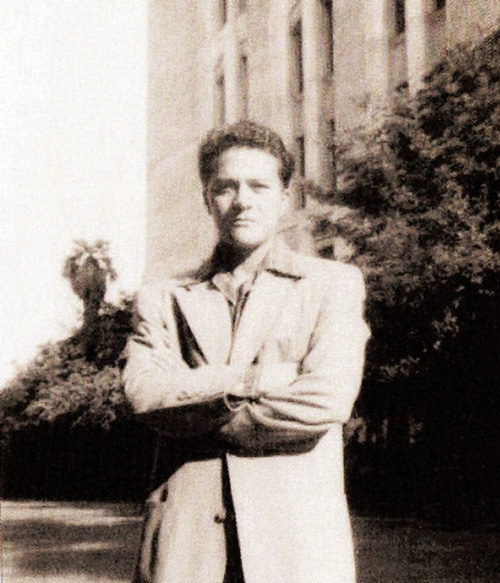
    A young and scholastically inclined Carlos Castaneda in his early UCLA years.

    In my view, he is neither deserving of being placed on a pedestal, which is contrary to shamanic teachings he espoused, nor of having people decry his work without accurate foundation. I rest my considerations on having implemented the teachings in his books and subsequently finding my own teacher, which it turned out was to be don Juan, himself. I also used Castaneda’s books as a primary reference to fully engage the path and crystalise don Juan’s instructions to me. In other words, I replicated Castaneda’s experiment.

    I think Castaneda was a brilliant anthropologist. His books clearly paved the path for others to enact. But he shouldn’t be equated as having the knowledge of don Juan, as even with Castaneda’s extensive learning their worlds remained far apart. However, with his artful renditions of encountering a world seen and lived by only a few, it is easy to allow him a meritorious rise to stardom.

    The Teachings

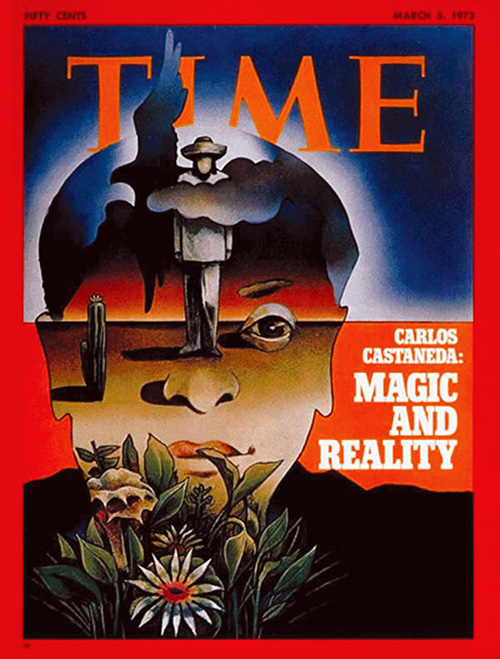
    The popularity of Carlos Castaneda’s books was such that he made the front cover of TIME, Mar. 5, 1973. Back then, a cover feature in TIME had a huge impact for the person profiled.

    Don Juan hooked Castaneda into learning the craft by giving him an anthropologist’s dream, that of introducing him to a foreign cultures’ practices of using lizards as dreaming emissaries, visiting inorganic worlds, and learning the social machinations of shamans. But this didn’t speak to the main agenda of don Juan’s teachings: engaging Castaneda with his complete energy body, accelerating the development of consciousness, and doing so in a way that would move him away from ancient perspectives and into contemporary practices.

    In the early stages of Castaneda’s apprenticeship, mind-altering substances – power plants – were integral to his learning shamanism. He initially thought they were the basis of don Juan’s teachings. However, he later realised that this thinking was erroneous. Castaneda came to understand that don Juan gave him several types of psychoactive plants to alter his awareness in order to gain experience.Without using them, don Juan thought that Castaneda was too slow to catch onto the teachings. But once Castaneda grasped the meaning behind their use, he stopped using them, noting that the most meaningful events and personal changes occurred when he was sober and clear-headed, and not from having ingested drugs.1 As a result of his research efforts, Castaneda was awarded a doctorate in anthropology from University of California, Los Angeles (UCLA).

    An important consideration, Castaneda’s conversations with don Juan were in Spanish, so Castaneda translated them into English. Initially, he used the term “sorcery” for the philosophy, translating from don Juan’s use of the word “brujo” which has many connotations. Early in his apprenticeship, Castaneda also relegated the teachings to Yaqui culture. But don Juan regarded the teachings not to be associated with any culture and found both sorcery and Yaqui connections to be inadequate. In his later work, Castaneda settled on the terms “shaman” and “seer.”2-4

    My Task

    Becoming immersed in Castaneda’s accounts of a wholly new relation with life, I experimented with disrupting routines, a way to begin looking at the world with a fresh lens. I used the inevitability of death as an advisor for how I wished to live my life. I also practiced with reasonable skill techniques such as the gait of power, a means of running at night unencumbered by rough terrain. The grand experiment took place when I packed my bags and left Florida for Arizona determined to find my own teacher, one who was on a par with don Juan. Once in Tucson, I found him in short order. It was beyond my wildest imagination that I would meet don Juan himself. I had successfully employed the instructions on how to find a teacher as presented in Castaneda’s writings by treating them as textbooks. 

    Castaneda’s task given to him by don Juan was to bring to light shamanic teachings, not by what he thought about them but in line with don Juan’s verbatim instructions and explanations. Don Juan later gave me the task of writing about Castaneda’s books. As part of my training with don Juan, I had to rely on Castaneda’s books for many of the details concerning shamanic practices. My apprenticeship was similar to yet different than Castaneda’s. While I have had many experiences that parallel his, our characters and temperaments are not well-matched. This resulted in contrasting methods of instruction by don Juan. For instance, Castaneda was with don Juan for extended periods; I was with him only for short visits. Don Juan fully explained his teachings to Castaneda; don Juan required that I obtain additional instruction from a wide variety of sources in order to expand and elaborate on his teachings to Castaneda. 

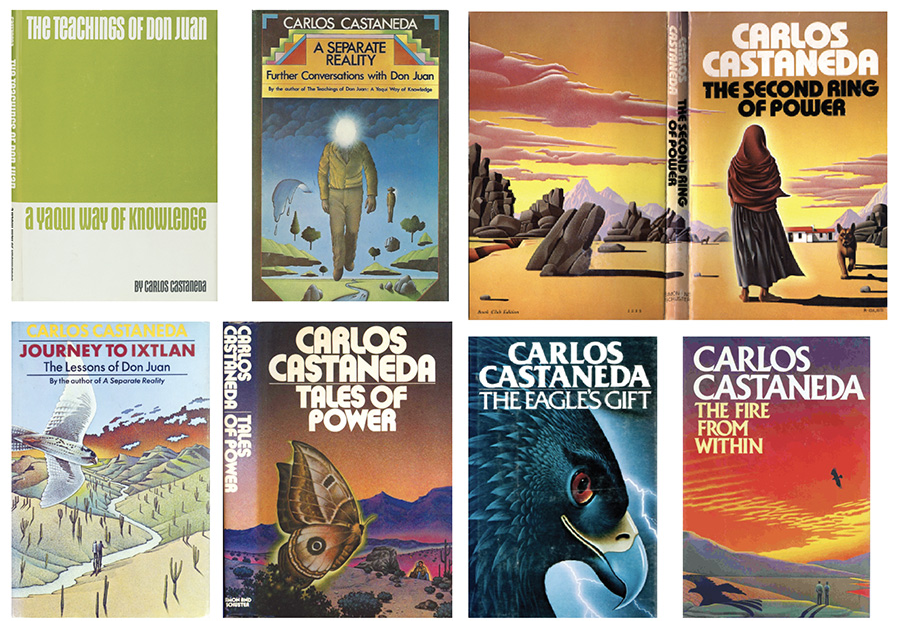
    Down memory lane… Hardback editions of Carlos Castaneda’s first seven books.

    The Great Debunking

    Castaneda’s work was and continues to be controversial. People of high esteem claim that awarding Castaneda a doctorate was UCLA’s worst mistake ever. Everyone knows his books are fiction (really?… everyone?). Castaneda is a fraud, continued a litany of accusations. He never talked with me about it, so it must be false. Such shamans could not possibly exist. Their worldview is simply preposterous. You won’t find one anthropologist who doesn’t think Castaneda to be a clever con man. It’s a hoax. UCLA has revoked his PhD! On and on….

    Debunking the Debunkers

    I’ve found that much of the criticism is baseless, often riddled with errors. While I rely on my experience as evidence of Castaneda’s legitimacy, there are other factors. Hearing well-credentialed scientists decry Castaneda, stating that his PhD had been revoked, I wanted to verify the claim. A representative of the UCLA anthropology department told me that it wasn’t true, that Castaneda was viewed as any other PhD graduate and, oh, by the way, the anthropology department hears such erroneous claims and rumours all the time.5

    It is noteworthy that jumping on the debunking bandwagon (any bandwagon) is a fallacy of logic, of good reasoning. People enjoying their bandwagon ride tend to studiously disregard corroborations of Castaneda’s work. A body of evidence supporting Castaneda’s efforts includes an assortment of books written by both academics and laypeople.6-15 But, hey, let’s not pay attention. Too messy to do so. Our worldview, and so the world itself, might crumble.

    To balance things out, I’ve met academic notables who support Castaneda’s efforts, even saying that anthropology students would do well to verse themselves in Castaneda’s books because he demonstrated a high level of proficiency in conducting himself as an anthropologist in the field when dealing with don Juan and other shamans.16

    It’s also important to assess the work of the debunkers. It is often the case that they commit the same mistakes of research methodology that they accuse Castaneda of committing. (Projection, plain and simple.) And they take to their bank the claims of their colleagues without critical evaluation, a dereliction of scientific duty. As a result, part of the arguments against Castaneda stands on compiling and continuing prior research errors. As don Juan maintained, the intent for most people is to shun information that doesn’t conform with their thoughts.17

    Selection of paperback editions of Carlos Castaneda’s books.

    An Emic Style

    Another factor in addressing Castaneda’s legitimacy is understanding his style of anthropological investigation, which he stated was an emic approach, a classic but seldom used method.18 This is an accounting based on the point of view of a participant rather than an etic approach where the researcher is on the outside looking in. Etic practitioners often say that theirs is the more objective method whereas those in the emic camp say you really don’t know until you’ve been there yourself.

    If we apply an emic standard, and so regard his research as originating from inside the shamanic tradition rather than the more common and seemingly detached observing and reporting, Castaneda’s books are entirely consistent with that body of teachings. His books may then be viewed as the culmination of a learning project where he was required to perform the teachings to achieve anthropological insight. In this light, his books represent having personally learned about and then reported on shamanism, a true representation of emic anthropology.

    Wavefield Science

    Controversies surrounding Castaneda are no different than those surrounding new scientific theories or pretty much any other advance in thinking and understanding. For example, modern quantum wavefield physics is also controversial as are and were many scientific discoveries. It often takes a couple generations for new views, especially those at a cosmological level, to take hold.19

    It turns out that the emerging field of wavefield physics supports what shamans have known for centuries (with scientific publications occurring after Castaneda began publishing): the world is exclusively energy, physical objects only appear to be material due to a coherence of energy, other dimensions exist, and any point of view or method is an interpretation. Modern wavefield science deals exactly with the same central pillars of cosmology shamans have investigated. It is therefore accurate to say that the considerations of a new breed of wavefield researchers are now catching up to those of ancient shamans.20 Emerging wavefield theory stands to be key evidence in validating Castaneda’s work. 

    The Man

    Aside from professional controversy, there was (and maybe still is) concerns that Castaneda had somehow slipped off the path don Juan helped him navigate only to entertain the dark side of life a bit too much. This line of thinking presents a host of problems, some of which I’ll address. First, though, darkness is a common element among mystics, shamans being one type. For example, old cycle shamans referred to the dark sea of awareness because its content was beyond their grasp, and so the unknown was dark, as in not yet grasped.

    And then there’s the dark side of the old cycle that don Juan struggled to get Castaneda to turn away from, things like controlling others, seeking recognition, and succumbing to the unknown in a way that prevented more robust growth. In addition, given that he was a three-prong nagual (a certain type of energy body) subject to erratic behaviour and that he also had old cycle tendencies, a dimension of darkness was within him. Castaneda illuminated these personal foibles throughout his books, adding immeasurable insights to his writings.

    It may be that Castaneda placed too much emphasis on achieving academic recognition. He may have not made the full shamanic cut in that he placed more emphasis on anthropology than on don Juan’s wisdom of trying to get him to avoid those types of pitfalls.

    As portrayed in his books, Castaneda may also have fallen too much under the influence of those around him. At a given point, don Juan was out of the picture and Castaneda’s sense of membership hinged on those with whom he associated. As a result, once ardent followers lamented that his work had become darker than the higher-end shamanism of don Juan. This was something don Juan warned him about (another testament to the books and author) but he evidently struggled.

    Furthermore, in his later years Castaneda suffered from terminal illness, something that can derail the best of us. He died on 27 April 1998, 72 years old, due to complications arising from liver cancer.21

    Get the issue this article appears in

    Closing Thoughts

    When Castaneda codified a once oral tradition, a new mould was cast of the teachings. He provided a formative body of information for common reference. Since the tradition is rooted in exploring the energy body rather than instilling a set philosophy, this strain of shamanism often takes different turns in the road. As don Juan said, there is no official version of shamanic knowledge, and the passage of time requires new ways of interpreting and explaining it.22

    Carlos Castaneda eloquently set the tone for subsequent shamanic literature as his books established the framework of this mystical tradition. In so doing, he also standardised much of the terminology in a manner similar to any academic, scientific, or trade discipline. Quite a feat. All said and done, as don Juan had taught, a shaman’s task is paramount over personal considerations – a challenge to which Castaneda performed impeccably.

    Kenneth Smith’s new book Power Up Your Energy Body: Out-of-Body Experience & Expanding Consciousness, is available from Amazon.com.

    [alert type=”general” dismiss=”no”]This article was published in New Dawn 187.[/alert]

    [alert type=”success” dismiss=”no”]If you appreciate this article, please consider subscribing to help maintain this website.[/alert]

    Footnotes

    1. Castaneda, Carlos. Tales of Power. New York: Washington Square Press, 1974, 243.
    2. Castaneda, Carlos. The Art of Dreaming. New York: HarperCollins, 1993, vii.
    3. Castaneda, Carlos. The Power of Silence. New York: Washington Square, 1987, xi.
    4. Castaneda, Carlos. Journey to Ixtlan. New York: Washington Square Press, 1972, viii.
    5. Personal telephone conversation and e-mail correspondence with UCLA Department of Anthropology, October 2005.
    6. Noel, Daniel. Seeing Castaneda, Second Edition. New York: TarcherPerigee, 1976.
    7. Williams, Donald Lee. Border Crossings: A Psychological Perspective on Carlos Castaneda’s Path of Knowledge. Toronto: Inner City Books, 1981.
    8. Tomas. The Promise of Power: Reflections on the Toltec Warriors’ Dialogue from the Collected Works of Carlos Castaneda. Charlottesville, VA: Hampton Roads Publishing, 1995.
    9. Tart, Charles. States of Consciousness. Lincoln, NE: iUniverse.com, Inc., 2000.
    10. Eagle Feather, Ken. Traveling with Power: The Exploration and Development of Perception.Charlottesville, VA: Hampton Roads Publishing, 1992, 1996.
    11. Smith, Kenneth. Shamanism for the Age of Science: Awakening the Energy Body. Rochester, VT: Bear & Company, 2011.
    12. Sanchez, Victor. The Teachings of Don Carlos: Practical Applications of the Works of Carlos Castaneda. Santa Fe, NM: Bear & Co., 1995.
    13. Classen, Norbert. Das Wissen der Tolteken (The Knowledge of the Toltecs). Eurasburg, Germany: Edition Tonal, 1992.
    14. Abelar, Taisha. The Sorcerers’ Crossing: A Woman’s Journey. New York: Viking, 1992.
    15. Donner, Florinda. Being-in-Dreaming: An Initiation into the Sorcerer’s World. New York: HarperCollins, 1991.
    16. Personal conversation with Edward Spicer, Professor Emeritus of Anthropology, University of Arizona, Tucson, September 1976.
    17. Castaneda. Power of Silence, 165-166.
    18. Dissertation Abstracts International, Xerox University Microfilms, 33B (May-June 1973): 5625-B.
    19. Kuhn, Thomas S. The Structure of Scientific Revolutions, Third Edition. Chicago: University of Chicago Press, 1996.
    20. Smith, Kenneth. The Energy Body: A Space Age Exploration of Consciousness, Life, and Reality. Kure Beach, NC: EB Dynamics, LLC, 2021.
    21. County of Los Angeles, California, Certificate of Death 090130425, April 28, 1998.
    22. Castaneda, Carlos. The Fire from Within. New York: Simon & Schuster, 1984, 49.

    © New Dawn Magazine and the respective author.
    For our reproduction notice, click here.